Smart Home Interior Design for Intelligent, Elegant Living
Smart home interior design is not simply about adding connected devices. It is about planning technology, furniture, lighting, storage, security and architecture so everything works together naturally.
From automated lighting and motorised curtains to smart security, climate control, entertainment and concealed wiring, technology can become part of the interior rather than an afterthought.

Technology should disappear into the design.
A well-designed smart home begins with the interior layout. Before selecting devices, the project should consider how people move through the home, where furniture will sit, where screens and speakers belong, how lighting should work, and where electrical, networking and equipment infrastructure needs to go.
This is particularly important for new apartments, villas, builder floors and premium residences where concealed wiring, integrated storage, lighting scenes and technology coordination can be considered before the interior is executed.
6 foundations of a beautifully connected home
A smart home works best when technology is planned around real routines. The goal is not to automate everything, but to make important daily experiences simpler, safer and more comfortable.
Intelligent Lighting
Create lighting scenes for mornings, evenings, entertaining, reading, relaxation and work while keeping switches and controls visually integrated.
Connected Security
Integrate access control, video doorbells, cameras, sensors and alerts into the home’s entrance, circulation and technology planning.
Climate Comfort
Plan air-conditioning controls, sensors, fans and other climate systems around room usage, equipment access and comfortable everyday operation.
Integrated Entertainment
Plan televisions, speakers, home theatres, media storage and connectivity before furniture and false-ceiling details are finalised.
Motorised Convenience
Automated curtains, blinds and selected motorised features can improve convenience while keeping windows and living spaces visually clean.
Future Flexibility
A good system leaves room for future devices, additional sensors and changing household needs instead of locking the interior into one technology setup.
15 smart home interior ideas for modern living
Technology becomes more useful when every room has a clear purpose. These ideas show where automation can support comfort without overwhelming the interior.
Build intelligent lighting scenes
Use multiple lighting layers instead of one central source. Smart controls can connect ambient, accent and task lighting into scenes for different activities.
- Movie and entertainment scenes
- Warm evening lighting
- Reading and task lighting
Hide entertainment technology
Televisions, speakers, routers and media equipment can be coordinated with wall panelling, cabinetry and furniture so technology does not dominate the room.
- Concealed cable management
- Ventilated equipment storage
- Integrated media walls
Create a relaxing smart bedroom
Bedside controls can bring together lighting, curtains, charging, entertainment and selected climate functions without filling the bedside with devices.
- Bedside scene control
- Automated blackout curtains
- Discreet charging points
Make the kitchen more intelligent
Smart appliances, under-cabinet lighting, sensors and carefully planned power points can improve convenience while maintaining a clean modular kitchen design.
- Smart appliance planning
- Task-lighting automation
- Organised power access
Set the atmosphere automatically
Dining scenes can coordinate pendant lighting, ambient light and motorised curtains to create a softer atmosphere for everyday meals or entertaining.
- Dining lighting scenes
- Entertainment integration
- Easy manual controls
Design a technology-ready workspace
Reliable connectivity, power planning, task lighting, automated shades and equipment storage should be considered together with the desk and ergonomic layout.
- Dedicated data and power points
- Screen-friendly lighting
- Organised equipment storage
Make the entrance smarter
Smart locks, video doorbells, sensors and entrance lighting can improve convenience and security while remaining discreet within the entry design.
- Access control planning
- Entry lighting
- Video doorbell integration
Add technology without visual clutter
Smart mirrors, sensor lighting, ventilation controls and selected touchless features can be integrated into contemporary bathroom design.
- Mirror lighting
- Sensor-based functions
- Moisture-appropriate equipment
Extend smart living outdoors
Outdoor lighting, suitable sensors and weather-appropriate technology can make balconies and terraces more comfortable without compromising safety.
- Weather-suitable equipment
- Controlled outdoor lighting
- Clear drainage and wiring routes
Integrate security into the architecture
Cameras, access systems, sensors and alerts should be planned around sightlines, privacy, entry points, equipment locations and network reliability.
- Camera placement
- Sensor planning
- Controlled access
Automate natural light
Motorised curtains and blinds can work with lighting scenes and daily routines while keeping window treatments visually clean.
- Morning opening schedules
- Privacy scenes
- Manual override options
Build the connectivity backbone
Smart devices depend on reliable connectivity. Wi-Fi coverage, network equipment, data points and equipment ventilation should be considered during interior planning.
- Router and equipment locations
- Data points
- Future expansion capacity
Give technology its own place
Dedicated cabinetry can keep hubs, networking equipment, media devices and chargers organised while allowing ventilation and maintenance access.
- Equipment ventilation
- Service access
- Concealed cable routes
Design for energy awareness
Smart controls can provide better visibility into selected energy-consuming systems and make it easier to manage lighting, appliances and climate settings.
- Lighting control
- Usage monitoring
- Scheduled operation
Create one connected experience
The strongest smart homes are planned as one system. Interior design, electrical work, networking, automation and furniture should communicate from the beginning.
- Centralised planning
- Consistent controls
- Scalable technology
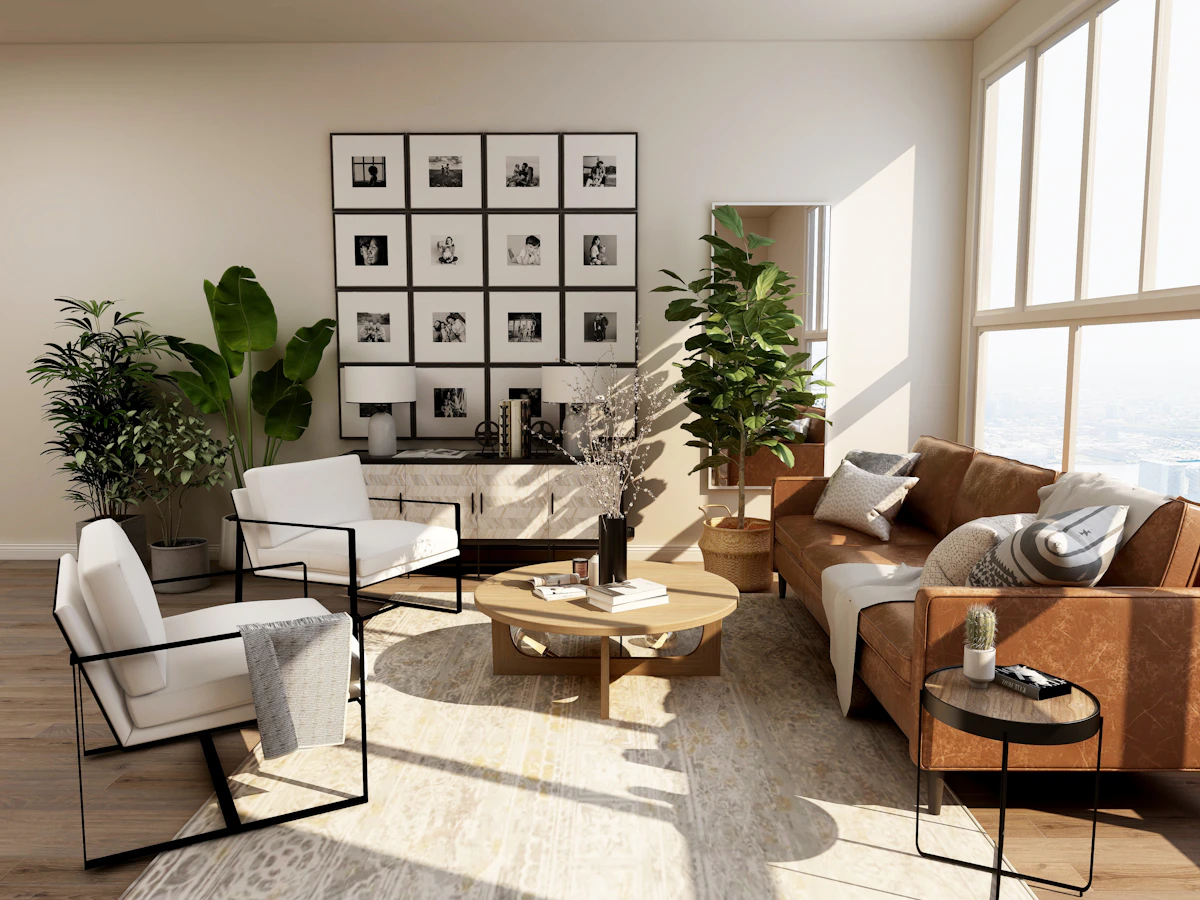
The smartest technology is often the technology you barely notice.
Premium smart home design is about integration. Switches, speakers, screens, sensors, routers and equipment should have a considered place within the architecture instead of being added after the interiors are complete.
- Concealed wiring wherever practical
- Technology planned with furniture layouts
- Integrated speakers and media equipment
- Smart controls placed where they are convenient
- Equipment storage with ventilation and service access
- Future-ready infrastructure where appropriate
Smart technology should be designed before the walls are finished.
Early coordination can reduce visible cables, misplaced controls and expensive changes later in the project.
Plan the infrastructure first
Smart interiors depend on more than the device itself. Electrical points, circuits, data connections, network equipment, equipment ventilation and access for maintenance should be considered together.
- Floor plan and furniture positions
- Electrical and data requirements
- Network coverage
- Equipment locations
- Control and switch positions
Design the user experience
A technically advanced system is not useful if everyday controls are confusing. The homeowner should be able to understand how common functions work without depending on a complicated setup.
- Simple lighting scenes
- Clear manual controls
- Appropriate app or voice access
- Defined user permissions
- Manual alternatives where appropriate
What can be integrated into a smart home?
The right combination depends on the property, lifestyle, infrastructure, budget and desired level of automation.
Smart Lighting
Dimming, scheduling, scene control, motion-based functions and coordinated ambient lighting.
Security
Smart locks, video doorbells, cameras, sensors, access control and selected alerts.
Climate
Smart controls for selected air-conditioning, temperature, fans and related comfort systems.
Entertainment
Televisions, speakers, home theatres, media walls and multi-room entertainment planning.
Curtains
Motorised curtains, blinds and shading systems coordinated with lighting and daily routines.
Sensors
Motion, occupancy and selected environmental sensors integrated according to the home’s needs.
Networking
Wi-Fi coverage, data points, equipment storage and connectivity planned alongside the interior.
Appliances
Smart appliances can be considered during kitchen and utility planning where they provide genuine convenience.
A smarter process for a smarter home
Smart-home technology works best when interior design, electrical planning and technology requirements are coordinated early rather than handled separately at the end.
Consultation
Understand your lifestyle, property, technology preferences, design style, security requirements and priorities.
Home Assessment
Review the floor plan, furniture, electrical infrastructure, connectivity, lighting and architectural conditions.
Technology Strategy
Define the automation priorities, control methods, equipment locations, compatibility requirements and future needs.
Interior Integration
Coordinate wiring, switches, sensors, speakers, screens, storage, lighting and finishes with the interior design.
Execution & Handover
Coordinate installation and review the agreed controls, scenes, access, equipment and operating requirements.
Smart home interior design in Delhi, Gurgaon and Noida
Smart technology can be adapted to apartments, builder floors, villas and premium homes. The infrastructure and automation strategy should respond to the actual property rather than applying the same system everywhere.
Delhi
Plan connected interiors for apartments, independent homes, builder floors and premium residences across Delhi and South Delhi.
Explore Delhi NCR Interiors →Gurgaon
Integrate automation with contemporary home interiors, modular kitchens, wardrobes, lighting and turnkey execution in Gurgaon.
Interior Design Firm in Gurgaon →Noida
Design technology-ready apartments and homes with efficient storage, connectivity, lighting and modern interior planning.
Interior Designers in Noida →Smart home and interior design resources
Explore residential interior planning, design development and turnkey execution.
Budget Interior Design Cost GuideUnderstand the factors that influence interior project budgets and scope.
Kitchen Modular Kitchen DesignExplore modern kitchen planning, storage, finishes and technology integration.
Portfolio Interior Design ProjectsExplore residential and commercial interiors by Interior A to Z.
Residential Home Interior DesignPlan complete home interiors around your property, lifestyle and requirements.
Start Contact Interior A to ZDiscuss your smart home requirements and interior design project.
Smart home interior design FAQs
What is smart home interior design?
Smart home interior design combines interior planning with technology such as smart lighting, security, climate control, entertainment, motorised curtains, sensors, networking and integrated controls.
What should be planned before installing smart home technology?
The floor plan, electrical infrastructure, internet coverage, device locations, controls, furniture, equipment storage, wiring routes, lighting circuits and future expansion requirements should be considered before installation.
Can smart home technology be added to an existing home?
Yes. Depending on the property and desired features, wired, wireless or hybrid smart-home solutions may be considered for existing homes. The available electrical and networking infrastructure should be assessed first.
Can smart home technology be hidden inside the interior design?
Many components can be integrated discreetly using concealed wiring, built-in storage, coordinated switch plates, flush controls, planned equipment locations and appropriately designed furniture.
What smart features are useful for a modern home?
Common options include smart lighting, automated curtains, security cameras, smart locks, video doorbells, sensors, climate controls, entertainment systems, networking and energy monitoring.
Does a smart home interior need to look futuristic?
No. Smart technology can be integrated into contemporary, minimalist, luxury or traditional interiors. The technology should support the design rather than dominate its appearance.
How much does smart home interior design cost?
Investment varies according to property size, automation scope, wiring, networking, security, entertainment, devices, finishes and installation requirements. A project-specific assessment is needed for an accurate estimate.
Build a home that feels intelligent without looking complicated.
Share your property type, location, approximate size, design preference and smart-home requirements. The interior can then be planned around the technology you actually need rather than adding devices after the design is complete.