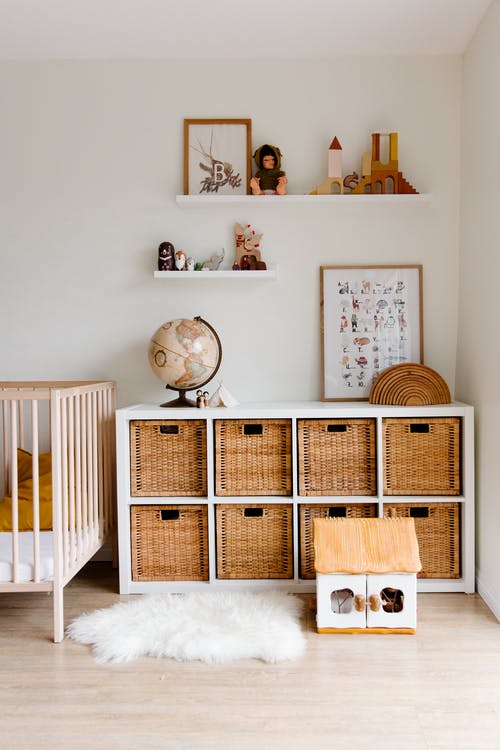
Interior Design Ideas for Kids Rooms in Gurgaon | Modern, Safe & Creative Children’s Bedroom Designs
Looking for the best interior design ideas for kids rooms in Gurgaon? Designing a child’s bedroom is about creating a space that supports learning, creativity, play, and restful sleep while adapting as your child grows. At Interior A to Z, we design customized kids’ rooms for apartments, builder floors, villas, and luxury homes across Gurgaon.
With 10+ years of experience, 500+ completed interior projects, and a team of expert interior designers, we create children’s bedrooms that are safe, functional, organized, and visually inspiring.
Why a Well-Designed Kids Room Matters
A child’s bedroom serves many purposes throughout the day. It should include dedicated areas for sleeping, studying, playing, reading, and storage.
A professionally designed kids’ room offers:
- Better space utilization
- Organized toy and book storage
- Comfortable study environment
- Safe furniture layouts
- Improved lighting
- Room to grow with your child
- Easy maintenance
Modern kids’ room design focuses on flexibility, multifunctional furniture, and layouts that can evolve as children grow.
Why Choose Interior A to Z?
- ✔ 500+ Successfully Completed Projects
- ✔ 10+ Years of Interior Design Experience
- ✔ Free Site Visit
- ✔ Free Kids Room Design Consultation
- ✔ Free 3D Interior Design
- ✔ Premium Child-Safe Materials
- ✔ Customized Modular Furniture
- ✔ Smart Storage Solutions
- ✔ Transparent Pricing
- ✔ On-Time Project Delivery
- ✔ Warranty on Modular Furniture
1. Plan Separate Activity Zones
Instead of treating the bedroom as one open space, divide it into functional zones.
Create dedicated areas for:
- Sleeping
- Studying
- Playing
- Reading
- Storage
Zoning improves organization while making the room more comfortable for daily activities.
2. Choose Age-Appropriate Furniture
Furniture should match your child’s age and future needs.
Popular options include:
- Single Beds
- Bunk Beds
- Storage Beds
- Convertible Beds
- Modular Wardrobes
- Adjustable Study Tables
- Open Bookshelves
Convertible and multifunctional furniture provides better long-term value as children grow.
3. Design a Comfortable Study Area
A dedicated study corner encourages concentration and learning.
Include:
- Ergonomic Study Chair
- Proper Desk Height
- Task Lighting
- Bookshelves
- Drawer Storage
- Pinboard or Whiteboard
A well-lit study zone reduces eye strain and improves productivity.
4. Install Smart Storage Solutions
Children need plenty of accessible storage to keep rooms organized.
Popular storage ideas include:
- Floor-to-Ceiling Wardrobes
- Toy Storage Units
- Under-Bed Drawers
- Wall Shelves
- Loft Cabinets
- Open Book Displays
- Pull-Out Storage
Smart storage reduces clutter while making it easier for children to organize their belongings.
5. Select Calm and Cheerful Colours
Colour influences mood and comfort.
Popular choices include:
- Sky Blue
- Mint Green
- Soft Yellow
- Blush Pink
- White
- Beige
- Lavender
- Sage Green
Soft colours create a relaxing environment, while brighter accents can add personality.
6. Add a Creative Theme
A subtle theme makes the room more engaging without requiring frequent renovations.
Popular themes include:
- Space Adventure
- Jungle Safari
- Princess Theme
- Superhero Theme
- Sports Theme
- Nature Theme
- Ocean Theme
- Rainbow Theme
Many designers recommend using removable décor so the room can evolve as your child’s interests change.
7. Use Child-Safe Materials
Safety should always be the first priority.
We recommend:
- Rounded Furniture Edges
- Non-Toxic Paints
- Soft-Close Hinges
- Anti-Skid Flooring
- Secure Wall-Mounted Units
- Durable Laminates
Child-friendly materials reduce maintenance while improving safety.
8. Layer the Lighting
Good lighting supports studying, relaxing, and play.
Recommended lighting includes:
- Ambient Ceiling Lights
- Study Lamps
- Cove Lighting
- Night Lights
- LED Strip Lighting
- Reading Lights
Layered lighting creates a comfortable environment throughout the day.
9. Add Wall Décor That Inspires
Walls can encourage imagination and creativity.
Ideas include:
- Educational Maps
- World Maps
- Wall Murals
- Chalkboard Paint
- Whiteboards
- Growth Charts
- Inspirational Quotes
- Display Shelves
Interactive wall features help create a room that is both fun and educational.
10. Make the Room Future-Ready
Children grow quickly, so plan a room that can adapt over time.
Future-ready features include:
- Neutral Base Colours
- Adjustable Furniture
- Modular Storage
- Replaceable Wall Décor
- Flexible Layout
- Convertible Beds
A timeless base design reduces future renovation costs.
Interior Design Cost for Kids Rooms in Gurgaon
| Service | Starting Price* |
|---|---|
| Kids Room Interior Design | ₹75,000 |
| Modular Wardrobe | ₹60,000 |
| Study Table with Storage | ₹20,000 |
| Storage Bed | ₹45,000 |
| Bunk Bed Design | ₹65,000 |
| False Ceiling | ₹120 per sq. ft. |
*Prices are indicative and vary depending on room size, materials, finishes, and customization.
Popular Kids Room Design Styles
Modern Kids Room
- Neutral colours
- Smart storage
- Minimal décor
Scandinavian Style
- Natural wood finishes
- Soft pastel colours
- Functional furniture
Theme-Based Room
- Space
- Jungle
- Princess
- Sports
- Adventure
Minimal Kids Room
- Open layout
- Flexible furniture
- Hidden storage
Luxury Kids Bedroom
- Upholstered beds
- Designer lighting
- Premium wardrobes
- Custom wall paneling
Our Kids Room Design Process
Every project follows a structured workflow.
Step 1
Free Consultation
Step 2
Site Measurement
Step 3
Space Planning
Step 4
3D Room Design
Step 5
Material Selection
Step 6
Furniture Manufacturing
Step 7
Professional Installation
Step 8
Final Quality Inspection
Areas We Serve in Gurgaon
We design kids’ bedrooms across Gurgaon, including:
- DLF Phase 1
- DLF Phase 2
- DLF Phase 3
- DLF Phase 4
- DLF Phase 5
- Golf Course Road
- Golf Course Extension Road
- Sohna Road
- Sushant Lok
- South City 1
- South City 2
- Nirvana Country
- Palam Vihar
- Dwarka Expressway
- Sector 45
- Sector 46
- Sector 47
- Sector 49
- Sector 56
- Sector 57
- Sector 62
- New Gurgaon
Frequently Asked Questions
What should every kids’ room include?
A well-designed kids’ room should have a comfortable bed, study area, wardrobe, toy storage, bookshelves, and sufficient lighting. Dedicated zones for sleeping, studying, and playing improve functionality.
Which colours are best for kids’ bedrooms?
Soft shades such as white, mint green, pastel blue, blush pink, lavender, and beige create a calm environment, while colourful accents can add energy and creativity.
Are bunk beds suitable for small rooms?
Yes. Bunk beds are an excellent solution for shared bedrooms and compact apartments because they maximize floor space while providing additional storage options.
How much does a kids’ room interior cost in Gurgaon?
A customized kids’ bedroom generally starts from ₹75,000, depending on furniture, storage, materials, and design complexity.
Do you provide free 3D kids’ room designs?
Yes. Every project includes a free site visit, 3D room visualization, design consultation, and detailed cost estimate.
Do you provide warranty?
Yes. Our modular furniture and eligible interior work include warranty support for long-term peace of mind.
Ready to Create a Dream Kids Room in Gurgaon?
Whether you’re designing a nursery, a school-age child’s bedroom, or a teenager’s room, Interior A to Z creates customized interiors that combine safety, creativity, comfort, and smart storage.
Book Your Free Consultation Today
- ✔ Free Kids Room Design Consultation
- ✔ Free Site Visit
- ✔ Free 3D Interior Design
- ✔ Detailed Cost Estimate
- ✔ Premium Child-Safe Materials
- ✔ Customized Modular Furniture
- ✔ Transparent Pricing
- ✔ Professional Installation
- ✔ Warranty on Modular Furniture
Contact Interior A to Z today to schedule your free consultation and let our expert designers create a beautiful, functional, and future-ready kids room in Gurgaon that your child will love for years to come.
Interior Design Ideas for Kids Rooms: Creative & Functional Concepts for 2025
Interior A to Z provides affordable interior design services in Delhi NCR without compromising quality. Our interior designers in Gurgaon offer budget-friendly solutions.


Looking for smart and stylish interior design ideas for kids rooms? A well-designed kids room should be fun, safe, organized, and adaptable as your child grows. The right interior design ideas for kids rooms combine creativity with functionality, ensuring the space supports sleep, study, and play.
Here are practical and modern interior design ideas for kids rooms that work in apartments and homes alike.
1. Choose a Flexible Theme
One of the best interior design ideas for kids rooms is selecting a theme that can evolve over time.
Popular themes include:
- Space and galaxy
- Jungle or safari
- Princess or fairy tale
- Superhero
- Sports-inspired
- Minimal Scandinavian
Use removable wallpapers or decals instead of permanent murals for flexibility.
2. Smart Space Planning
Interior design ideas for kids rooms should prioritize layout.
- Separate sleeping, study, and play zones
- Leave open floor space for movement
- Avoid overcrowding with heavy furniture
- Place study desks near natural light
Good planning makes even small rooms feel spacious.
3. Multi-Functional Furniture
Modern interior design ideas for kids rooms focus on space-saving solutions:
- Bunk beds
- Storage beds
- Foldable study tables
- Loft beds with desks below
- Wall-mounted bookshelves
These solutions maximize functionality without clutter.
4. Bright but Balanced Colours
Colour is central to interior design ideas for kids rooms.
Consider:
- Soft pastels for calming effect
- Bold accents like yellow or teal
- Neutral walls with colourful décor
- Two-tone paint combinations
Avoid overly dark shades in small rooms.
5. Creative Storage Solutions
Clutter can overwhelm a kids room quickly.
Interior design ideas for kids rooms should include:
- Open shelves for toys
- Labelled storage bins
- Under-bed drawers
- Wall hooks for bags and jackets
- Built-in wardrobes
Organized spaces help build discipline.
6. Dedicated Study Corner
Interior design ideas for kids rooms must include a study area.
- Ergonomic chair
- Adjustable desk height
- Task lighting
- Notice board or pinboard
- Minimal distractions
A well-designed study corner improves focus.
7. Add Play & Creativity Zones
Encourage imagination with:
- Chalkboard walls
- Play tents
- Reading nooks
- Climbing features (for larger rooms)
- Soft floor mats
These interior design ideas for kids rooms make the space interactive.
8. Lighting Layers
Good lighting enhances comfort and safety.
Include:
- Ceiling lights for overall brightness
- Bedside lamps
- Night lights
- Study lamps
Warm lighting creates a cozy atmosphere.
9. Safety First
Safety is essential in interior design ideas for kids rooms.
- Rounded furniture edges
- Non-slip rugs
- Secure shelves to walls
- Covered electrical outlets
- Non-toxic paints
Safety elements should always come first.
10. Personalization
Personal touches make the room special.
- Name wall art
- Photo frames
- Display shelves for trophies
- DIY art corner
Let kids participate in selecting décor for ownership and excitement.
11. Room Ideas by Age
Toddlers (2–5 years)
- Soft pastel colours
- Low-height storage
- Play mats
- Simple themes
School Age (6–12 years)
- Dedicated study desk
- Bunk beds for siblings
- Creative wall décor
- Organized toy storage
Teenagers
- Neutral tones with bold accents
- Study-focused layout
- Minimalist furniture
- Display shelves
Interior design ideas for kids rooms should grow with the child.
12. Small Room Design Tips
For compact apartments:
- Use wall-mounted shelves
- Choose sliding wardrobes
- Install mirrors for spacious feel
- Opt for light colours
- Use vertical storage
Small rooms can still look vibrant and functional.
Final Thoughts
Interior design ideas for kids rooms should balance fun, functionality, and safety. By combining smart storage, flexible themes, comfortable study areas, and playful décor, you can create a space that supports your child’s growth and creativity.
Whether designing a new room or upgrading an existing one, thoughtful planning ensures a kids room that is practical, stylish, and full of personality.
Designing a kids’ room is all about blending fun, creativity, safety, and functionality. Unlike other spaces, children’s rooms need to evolve as they grow—so flexibility is key. Here are interior design ideas for kids’ rooms that you can adapt to Gurgaon, Noida, or Delhi NCR homes:
🎨 1. Choose a Playful but Flexible Color Palette
- Pastels (mint, peach, lavender, baby blue) create a calm, cheerful vibe.
- Bright accents (yellow, red, teal) can be used in cushions, rugs, or wall art.
- Consider wallpapers with stars, animals, or maps that can be changed later.
👉 Pro Tip: Use removable decals—fun for young kids, easy to update as they grow.
🛏️ 2. Smart Furniture Choices
- Convertible beds → toddler to teenage use.
- Bunk beds or loft beds → save space, add playfulness.
- Study + storage combo units → encourage organization.
- Soft-close storage chests → safer for small kids’ fingers.
👉 Modular furniture ensures flexibility as their needs change.
🧸 3. Creative Storage Solutions
- Built-in wardrobes with colorful handles.
- Under-bed drawers for toys and books.
- Open shelving for display (use baskets/boxes for organization).
- Toy hammocks or wall nets for stuffed animals.
👉 Keep lower shelves for toys/books so kids can access them independently.
💡 4. Lighting for Kids’ Rooms
- Ambient light: Soft ceiling light or pendant.
- Task light: Adjustable study lamps.
- Accent light: Fairy lights, wall sconces, or themed night lamps.
👉 Warm lighting helps create a cozy bedtime atmosphere.
🎭 5. Themed Rooms (Optional)
- Space theme → glow-in-the-dark stars, rocket-shaped shelves.
- Nature theme → tree wall decals, green rugs, leaf-shaped lights.
- Sports theme → wall art, bed linen, and décor in their favorite sport.
- Princess/fantasy theme → canopy beds, pastel tones, castle decals.
🎯 6. Dedicated Activity Zones
- Study corner: Ergonomic chair, desk with storage.
- Play zone: Soft rug, bean bags, tent/teepee.
- Creative wall: Chalkboard/whiteboard wall for doodling.
- Reading nook: Cozy corner with cushions, fairy lights, and low bookshelves.
🖼️ 7. Wall & Décor Ideas
- Chalkboard wall paint for creativity.
- Pegboards for hanging toys, art supplies, or décor.
- Growth charts integrated into wall design.
- Personalized art with their name or DIY craft frames.
🪴 8. Safety First
- Rounded furniture edges.
- Anti-skid rugs/mats.
- Covered electrical outlets.
- Sturdy furniture (fixed to walls if tall).
🏡 9. Outdoor-Inspired Fun (for Villas or Larger Homes)
- Swing chairs or hanging hammocks in the room.
- Indoor climbing wall with padded flooring.
- Small indoor tent or playhouse.
🛋️ 10. Design That Grows With Them
- Choose neutral large furniture (wardrobe, bed).
- Add age-appropriate décor (bedding, art, toys) that can be swapped out.
- Keep walls and flooring timeless; change accessories as they grow.
✅ Inspiration & Resources
- Interior A to Z – Kid-friendly room design ideas for Gurgaon/Noida.
- Modular Kitchen Design – Check modular furniture for kids’ spaces.
- Interior Designer NCR – Full-service design firms in Delhi NCR.
- Interior A to Z Blog – Creative room inspirations.
- Wikipedia – Interior Design – For fundamental design principles.
✨ Key Takeaway:
A kids’ room should be fun, safe, and flexible—a space where they can sleep, play, learn, and grow. Focus on color, storage, lighting, and interactive décor to create a room that evolves with them.
Introduction:
Designing a kid’s room is both an exciting and challenging task. It’s more than just creating a visually appealing space; it’s about designing a functional, safe, and stimulating environment that grows with your child. Whether you’re designing a nursery for a newborn, a playful toddler’s space, or a stylish retreat for a teenager, the key is to strike the perfect balance between creativity and practicality.
In this blog, we’ll explore creative and functional interior design ideas for kids’ rooms, helping you craft a space that nurtures imagination, promotes organization, and adapts to your child’s evolving needs.
1. Start with a Theme
A themed room is an excellent way to create a magical and engaging space for your child.
- Popular Themes for Kids’ Rooms:
- Adventure: Maps, globes, and travel-inspired decor.
- Space Exploration: Rocket-shaped beds, starry wallpapers, and glow-in-the-dark elements.
- Fairy Tales: Enchanted castles, pastel colors, and whimsical details.
- Sports: Wall art, bedding, and furniture inspired by their favorite sports or teams.
- Keep It Flexible:
Opt for removable wall decals, bedding, and accessories that are easy to update as your child’s interests change.
2. Prioritize Safety and Durability
Kids’ rooms should be safe, durable, and designed to withstand years of active use.
- Rounded Furniture Edges:
Choose furniture with rounded edges to reduce the risk of injuries. - Non-Toxic Materials:
Use paints, finishes, and furnishings made from non-toxic, child-safe materials. - Sturdy Furniture:
Invest in durable furniture that can handle wear and tear, such as beds with reinforced frames and solid wood dressers. - Secure Storage:
Ensure heavy furniture is anchored to the wall to prevent tipping.
3. Optimize Storage Solutions
Effective storage keeps the room organized and encourages kids to develop good habits.
- Multi-Functional Furniture:
Beds with built-in storage drawers, ottomans with hidden compartments, and bookshelves that double as seating are great options. - Toy Storage Bins:
Use labeled bins or baskets for toys, making it easy for kids to tidy up after playtime. - Shelving Units:
Floating shelves or wall-mounted cubbies can display books, trophies, and art supplies while saving floor space.
4. Use Creative Color Schemes
The right colors can make a room feel cheerful, calm, or inspiring.
- Bright and Cheerful:
Colors like yellow, orange, and aqua create a playful vibe that’s perfect for younger kids. - Soft Pastels:
Shades like blush pink, mint green, or lavender add a soothing touch to nurseries or toddler rooms. - Neutral Tones with Pops of Color:
A neutral base (white, gray, beige) with colorful accents (pillows, rugs, or curtains) creates a timeless look. - Chalkboard Walls:
Paint one wall with chalkboard paint to give your child a space for creative expression.
5. Focus on Furniture That Grows with Your Child
Invest in adaptable furniture to avoid frequent replacements as your child grows.
- Convertible Cribs:
Cribs that transform into toddler beds and eventually into full-sized beds are a practical choice for nurseries. - Adjustable Desks and Chairs:
Ergonomic furniture that adjusts to your child’s height ensures long-term usability. - Timeless Designs:
Choose neutral and versatile furniture that works for all ages, allowing you to update the room with accessories instead of major pieces.
6. Create a Cozy Reading Nook
Encourage a love for reading by designing a dedicated reading corner in the room.
- Comfortable Seating:
Add bean bags, a small armchair, or floor cushions. - Soft Lighting:
Use a floor lamp or string lights to create a cozy atmosphere. - Accessible Bookshelves:
Low, open shelves make it easy for kids to pick out their favorite books.
7. Incorporate Play and Activity Areas
Designating a space for play and activities fosters creativity and fun.
- Indoor Tents or Teepees:
These cozy hideaways are perfect for imaginative play or quiet time. - Activity Tables:
Include a sturdy table for arts, crafts, and homework. - Climbing and Play Equipment:
If space allows, consider wall-mounted climbing holds, swings, or a mini slide.
8. Add Personalized Touches
Make the room feel special by adding elements that reflect your child’s personality.
- Custom Wall Art:
Display their drawings, paintings, or photographs in frames or on a pinboard. - Name Décor:
Include monogrammed pillows, wall decals, or neon signs featuring their name. - DIY Projects:
Incorporate handmade items like a painted dresser or custom curtains.
9. Enhance with Lighting
Lighting plays a crucial role in setting the mood and functionality of the room.
- Soft Overhead Lighting:
Choose dimmable lights to create a calming ambiance during bedtime. - Night Lights:
Add comforting night lights with fun shapes or designs. - Task Lighting:
Desk lamps or clip-on reading lights are essential for study areas.
10. Bring Nature Indoors
Adding natural elements can make a child’s room more serene and refreshing.
- Indoor Plants:
Choose low-maintenance plants like spider plants or peace lilies. For younger kids, faux plants are a safer option. - Nature-Inspired Decor:
Include wooden furniture, tree-shaped bookshelves, or animal-themed accents. - Natural Textures:
Use jute rugs, woven baskets, or linen bedding for an earthy feel.
11. Encourage Creativity with Interactive Walls
Interactive features inspire creativity and allow kids to engage with their surroundings.
- Magnetic Walls:
Magnetic paint transforms a wall into a space for attaching art, photos, or educational materials. - Pegboards:
Install pegboards for hanging toys, baskets, or crafting supplies. - Dry-Erase Boards:
Wall-mounted whiteboards are perfect for drawing or practicing writing.
12. Design with a Future Vision
While creating a room for a child, think about how the space will evolve as they grow.
- Neutral Foundations:
Build the room around a neutral base that can be easily updated with age-appropriate decor. - Flexible Layouts:
Arrange furniture to allow for future adjustments, such as transitioning from a play area to a study space. - Room for Hobbies:
Leave space for hobbies or activities they might take up in the future, like music or sports.
Conclusion:
Designing a kid’s room is a rewarding process that combines functionality, safety, and creativity. By incorporating flexible furniture, creative storage, and personalized touches, you can craft a space that grows with your child while meeting their changing needs. Remember, a well-designed kid’s room isn’t just visually appealing—it’s a nurturing environment that supports play, learning, and rest.
Interior Design Ideas for Kids’ Rooms
A kid’s room should be fun, functional, and flexible to grow with the child. It needs to balance play, learning, rest, and storage in a safe, creative way.
1. Color and Theme
Bright, cheerful colors like yellow, aqua, or pastel tones.
Themed designs: space, jungle, princess, cars, superheroes, animals.
Neutral base walls with colorful accents (easy to update as the child grows).
2. Furniture
Bed: Bunk beds, loft beds with storage, or floor beds for toddlers.
Study zone: Adjustable desk and ergonomic chair.
Storage: Low-height shelves, toy bins, under-bed drawers.
Safety: Rounded edges and sturdy, non-toxic materials.
3. Play and Activity Areas
A small play corner with a rug and cushions.
Chalkboard or whiteboard wall for creativity.
Indoor tent, swing, or climbing wall for active play.
4. Lighting
Soft ambient lighting for comfort.
Task lighting for study areas.
Fun ceiling lamps or fairy lights for a playful touch.
5. Décor and Accessories
Wall decals, murals, or wallpaper in fun patterns.
Personal touches: name boards, framed drawings, pinboards.
Rugs with playful prints to define zones.
Mix of open shelves (display toys/books) and closed cabinets (hide clutter).
6. Multi-Functional Design
Convertible furniture that adapts as kids grow.
Modular wardrobes with adjustable shelving.
Beds with built-in desks or storage.
7. Safety First
Non-slip flooring (vinyl, cork, or soft rugs).
Rounded corners and child-proof fittings.
Windows with grills or safety locks.
Avoid glass furniture or sharp décor items.
8. Space-Saving Ideas
Wall-mounted study desks.
Pegboards for organizing toys, art supplies, and stationery.
Bunk beds in shared rooms.
Vertical shelving to free up floor space.
✅ Key Tip: Kids’ rooms should be flexible — design spaces that evolve from play zones to study areas as children grow. Keep storage easy to access and décor fun yet practical.