How to Switch Your Career to Interior Design
Changing careers into interior design is possible, but the transition works best when you treat it as a skills-and-portfolio project. Build design fundamentals, learn the right software, understand real project execution, create evidence of your ability and then move into internships, junior roles, freelance work or a specialist path.
 Learn · Practise · Build · Transition
You do not have to start from zero.
A career changer may already bring useful experience from another profession: client communication, project coordination, sales, architecture, engineering, visual work, procurement, management, writing or business operations. The goal is to connect those existing strengths with the design and technical skills the new role requires.
Interior A to Z’s related career guidance emphasizes education, practical experience, technical software, space planning, materials, communication and portfolio development as important parts of the transition into professional interior design.
Understand what the job actually involves.
Interior design is not only choosing colours and furniture. A working designer may move between creative concepts, drawings, materials, client discussions, budgets, vendors and site execution.
Design thinking
Turn a client’s lifestyle, requirements and constraints into a coherent spatial concept.
Space planning
Work with dimensions, circulation, furniture, storage, proportions and room relationships.
Technical drawings
Communicate layouts, elevations, dimensions, details and specifications clearly.
Materials
Understand finishes, furniture materials, hardware, lighting and how products perform in real spaces.
Project coordination
Work with contractors, vendors, fabricators, suppliers and clients as a project moves forward.
Client communication
Present ideas, explain trade-offs, collect decisions and keep the design aligned with the brief.
Move from interest to employable capability in clear stages.
Define your target role
Decide whether you want residential design, commercial interiors, kitchen and wardrobe design, visualization, project coordination, furniture, styling or an independent practice. A specific target makes your learning plan more focused.
Audit your transferable skills
List what you already know: client handling, sales, project management, drawing, construction, procurement, business development, presentation or digital tools. Keep these strengths and identify the design gaps around them.
Choose the right education
Compare a degree, diploma, certificate or targeted software/design programme according to your previous education, available time, budget and career objective. Look for practical assignments, technical drawing, software and site exposure.
Learn the core design fundamentals
Study space planning, proportion, colour, materials, furniture, lighting, ergonomics, presentation and design process before relying only on software skills.
Learn professional software
Build a practical workflow around tools such as AutoCAD, SketchUp, Revit where relevant, Photoshop and presentation or rendering software. Choose software based on the roles you are targeting.
Get real project exposure
Look for internships, apprenticeships, junior roles, site-assistant work, supplier exposure or supervised projects. Learn how drawings become quotations, orders, fabrication, installation and handover.
Build a focused portfolio
Create a small set of well-developed projects that show your thinking: brief, research, layouts, moodboard, materials, drawings, 3D views, details and the solution to the design problem.
Make the transition
Apply for roles where your existing experience is an advantage, or begin with carefully scoped freelance projects. Continue learning while your portfolio and responsibilities grow.
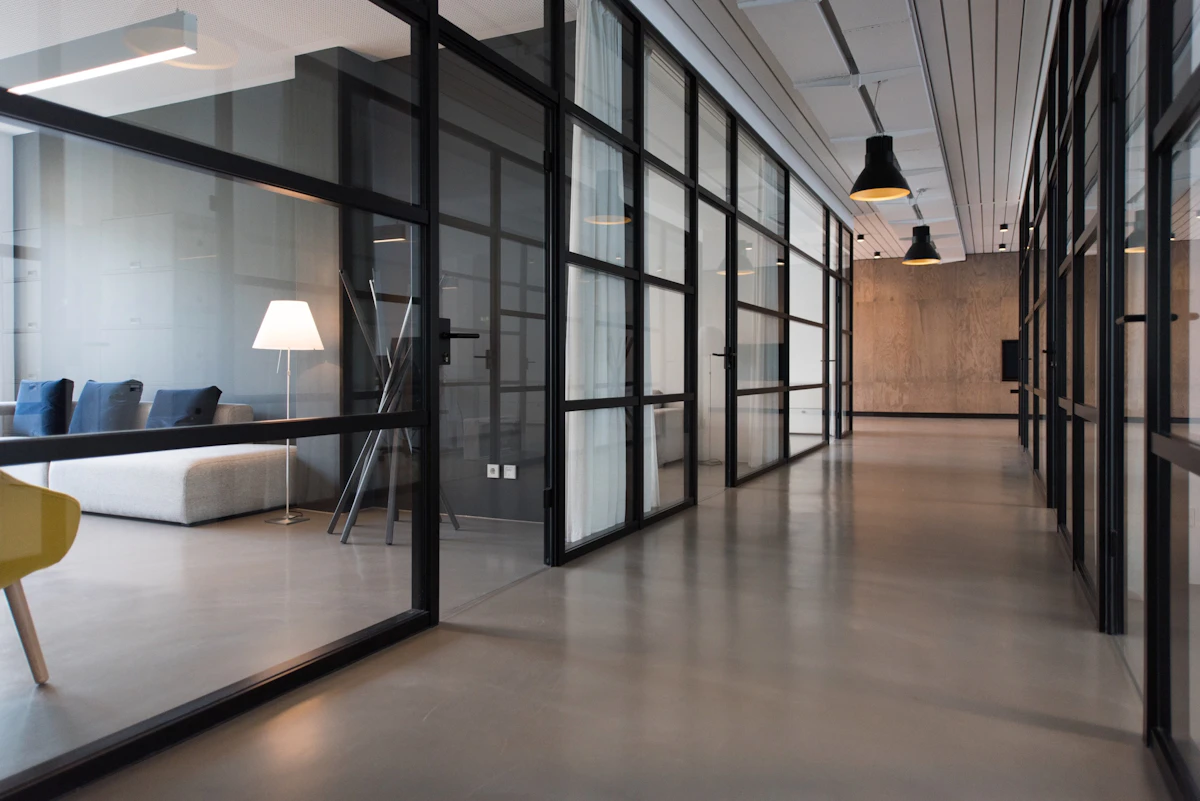
Your previous career can become part of your design advantage.
A career change becomes more practical when you identify the overlap between what you already do well and what interior design needs.
- Architecture or engineering → drawings, dimensions and construction understanding
- Project management → timelines, coordination, documentation and client communication
- Sales or business development → presentations, briefs, negotiation and client relationships
- Graphic design → composition, typography, colour and visual communication
- Fashion or styling → materials, colour, proportion and visual direction
- Procurement or retail → products, suppliers, pricing and purchasing workflows
- Hospitality → guest experience, functionality and service-oriented planning
- Technology → visualization, digital workflows and smart-home coordination
The professional toolkit is broader than creativity.
Build a combination of creative, technical and interpersonal capability, including CAD/3D tools, space planning, materials, lighting, communication and project management.
Understand dimensions, furniture placement, circulation, storage and how people move through a room.
Learn plans, elevations, sections, dimensions, schedules and clear technical communication.
Build enough software proficiency to develop, test and communicate your design ideas professionally.
Understand wood, laminates, stone, metal, glass, fabrics, paints, hardware and other common interior materials.
Learn ambient, task and accent lighting, fixture selection, placement and coordination with ceilings and furniture.
Develop awareness of quantities, specifications, budgets and the relationship between design choices and project cost.
Learn measurements, sequencing, fabrication, installation, snagging and practical site coordination.
Explain concepts clearly to clients, contractors, vendors and team members at different stages of a project.

Build evidence, not just a collection of attractive images.
A strong career-change portfolio should make your design process visible. Show the brief, concept, challenges, process, technical work and your specific contribution rather than only polished final images.
- 01 · Brief — What problem were you solving?
- 02 · Research — What informed the direction?
- 03 · Layout — How did you use the space?
- 04 · Concept — Why this style, palette and material direction?
- 05 · Technical — Show plans, elevations, details or specifications.
- 06 · Visualization — Use considered 3D views or rendered perspectives.
- 07 · Resolution — Explain constraints and how you solved them.
- 08 · Your role — Make your contribution clear, especially for team projects.
A career switch does not have to lead to one job title.
Choose the direction that matches your strengths and the type of work you want to do.
Home interior designer
Work on apartments, villas, builder floors and independent homes, from concept through execution.
Commercial interior designer
Develop offices, retail environments, restaurants, cafés and other business spaces.
Kitchen / wardrobe / lighting
Build deeper expertise in a focused part of interior design and develop a specialist portfolio.
3D & visualization
Focus on modelling, rendering, presentation and visual communication for design projects.
Project coordination
Use organizational and site skills to coordinate vendors, materials, schedules and installation.
Furniture & product design
Develop furniture concepts, custom pieces, specifications and product-focused design work.
Independent designer
Start with defined services such as consultation, space planning, drawings or room design and grow your scope.
Design studio
For experienced professionals, combine design expertise with sales, operations, procurement and project management.
A simple way to structure your first year.
Use the sequence as a planning framework rather than a rigid deadline. Your starting point may change the pace.
| Stage | Primary focus | Evidence to build |
|---|---|---|
| Months 1–2 | Design fundamentals + career research | Study notes, small exercises, space-planning practice and target-role shortlist |
| Months 3–4 | Software + technical drawing | Plans, elevations, basic 3D models and presentation sheets |
| Months 5–7 | Portfolio projects | 2–4 complete case studies showing process and technical thinking |
| Months 6–9 | Site exposure + networking | Internship, apprenticeship, supervised project or supplier/site experience |
| Months 8–10 | Applications + targeted outreach | CV, portfolio, project summaries and applications to suitable studios |
| Months 10–12 | First role or defined freelance service | Real project responsibility, client feedback and updated portfolio |
Career-switch questions about interior design
Can I switch to interior design from another career?
Yes. A career switch can be built through targeted education, design practice, software skills, practical exposure and a portfolio. Your previous professional experience can also provide useful transferable skills.
Do I need a degree to change careers to interior design?
There is no single learning route for every career changer. Degree, diploma, certificate and targeted training options can be considered according to your previous education, target role, available time and budget. Some employers may have their own education requirements.
What skills should I learn first?
Start with space planning, design principles, proportion, colour, materials, technical drawing and basic visualization. Then build software, site, estimation and communication skills around the type of role you want.
Which software should a career changer learn?
AutoCAD and SketchUp are useful foundations for many interior workflows. Revit, Photoshop and rendering tools can be added according to the target employer or specialization. The exact software stack varies by studio.
Can my previous career experience help me?
Yes. Project management, sales, engineering, architecture, procurement, graphic design, hospitality, technology and other backgrounds can provide transferable skills. The key is to demonstrate how those skills apply to interior projects.
How can I build an interior design portfolio without client projects?
Create well-developed concept projects for realistic briefs. Show the brief, research, layouts, moodboards, material choices, drawings, 3D views, constraints and reasoning. Academic, personal and supervised projects can also provide portfolio material.
Should I get an internship before changing careers completely?
Practical exposure can reduce the gap between learning design and understanding real projects. An internship, apprenticeship, junior role, site-assistant position or supervised project can help you understand the workflow before taking on larger responsibilities.
Can I start interior design as a freelancer?
Yes, but start with a clearly defined service that matches your current skills. Consultation, space planning, moodboards, drawings, visualization or a focused room design can be different starting points from full turnkey execution.
What is the biggest mistake career changers make?
A common problem is focusing on visual inspiration or software alone while neglecting space planning, technical documentation, materials, site conditions, budgets and client communication.
How long does it take to switch to interior design?
There is no universal timeline. The transition depends on your previous skills, chosen education, learning time, portfolio quality, practical exposure and the role you are targeting. A focused plan can help you progress without trying to learn everything simultaneously.
Turn your existing experience into a focused interior design pathway.
Start with one target role, identify the skills you need, build a small body of strong work and gain practical exposure. Then let your portfolio demonstrate what you can do.