How Do I Start an Interior Design Career?
Start by understanding the profession, choosing an education or training route, learning the creative and technical fundamentals, building a portfolio, gaining practical experience and gradually taking responsibility for real projects.
 Learn → Practice → Portfolio → Career
A career starts with capability, not only a certificate.
There is no single route into interior design. A degree, diploma or focused training can provide structured learning, while software skills, portfolio work, internships, site exposure and communication skills help turn that education into professional capability.
Interior A to Z’s related career guidance emphasizes education, design software, technical knowledge, internships, portfolio development, networking and continuous learning as important parts of building an interior design career.
A practical 8-step route into interior design.
You can move through these stages at different speeds depending on whether you are a school student, graduate, career changer or already working in a related field.
Learn what interior designers actually do
Understand the full workflow: client brief, space planning, concepts, drawings, materials, furniture, visualization, coordination and execution. Interior design combines creative and technical decisions.
Select an education route
Consider a bachelor’s degree, diploma, advanced diploma or focused certificate according to your goals, available time and desired depth of training. Course duration varies by program.
Build design fundamentals
Study space planning, proportion, colour, materials, furniture, lighting, ergonomics, design history and the relationship between aesthetics and function.
Learn design software
Develop practical skills in tools relevant to your target role, such as CAD, 3D modeling, rendering, image editing and presentation software.
Create a portfolio
Document your strongest academic, conceptual, personal and real projects. Show process as well as final visuals so employers or clients can understand how you think.
Get real project exposure
Internships, assistant roles, site visits and supervised project work can help you understand measurements, materials, vendors, fabrication, installation and client coordination.
Build professional relationships
Meet designers, architects, contractors, vendors, furniture professionals and other people involved in the built environment. Professional relationships can create learning and project opportunities.
Choose your direction
As your experience grows, explore residential, commercial, hospitality, kitchens, furniture, visualization, sustainable design, project coordination or independent practice.
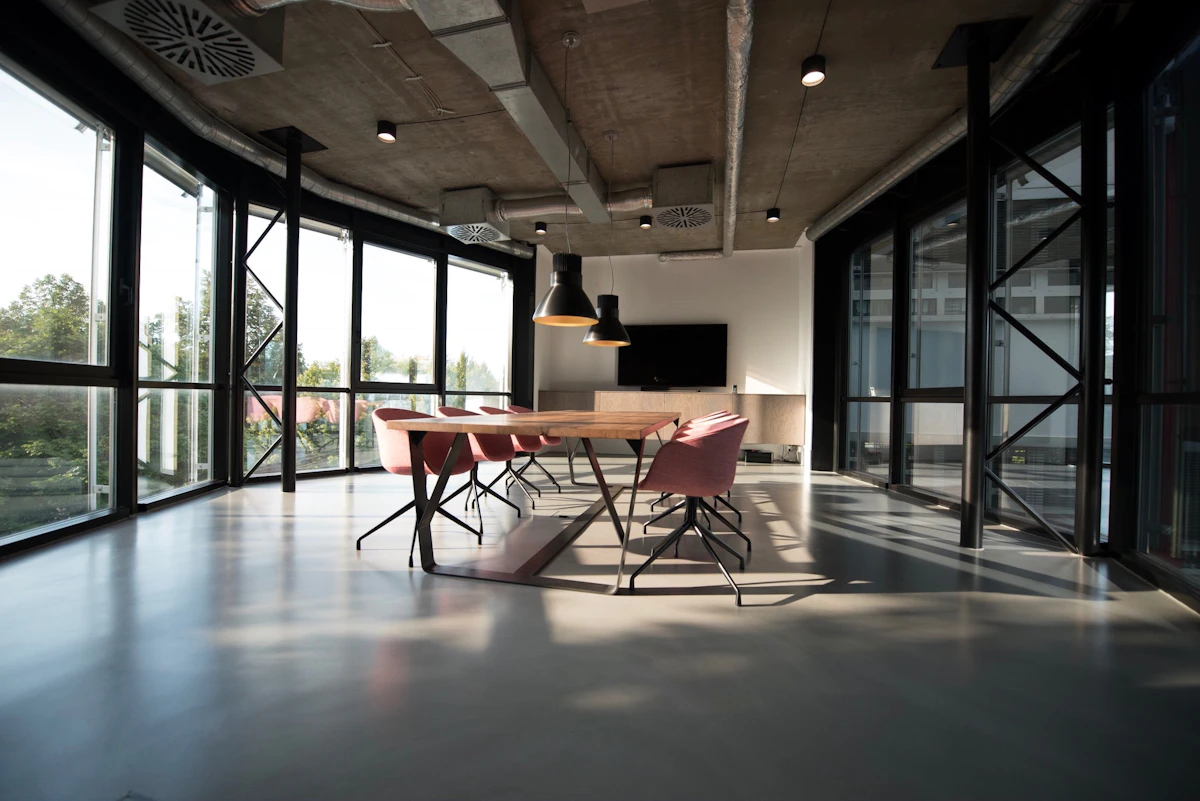
Learn the skills that connect creativity with execution.
A professional interior designer needs more than a good eye for colour. The job can involve spatial decisions, technical documentation, materials, digital visualization and communication with several people.
- Space planning and furniture layouts
- Proportion, scale and design principles
- Colour, materials and finishes
- Technical drawing and documentation
- CAD and 3D visualization
- Lighting and ceiling coordination
- Furniture and storage planning
- Basic estimation and budgeting
- Site coordination and problem-solving
- Client presentation and communication
Choose tools based on the work you want to do.
Interior A to Z’s related career guidance identifies CAD, 3D visualization and software such as AutoCAD, SketchUp, Revit and rendering tools as useful technical capabilities.
2D drafting
Learn to communicate dimensions, layouts, furniture positions and design information accurately through drawings.
3D modeling
Develop models that help clients and teams understand proportions, furniture, materials and spatial relationships.
Rendering
Learn how lighting, materials and composition can turn a 3D model into a useful presentation visual.
Presentation
Create clear concept boards, material palettes, drawings and visual presentations that explain your design decisions.
Technical knowledge
Understand construction methods, materials, services, fabrication and site conditions relevant to interior work.
Project coordination
Learn how design information moves between clients, designers, vendors, contractors and site teams.
Your portfolio should show how you think, not just how your images look.
A beginner does not need dozens of completed client projects. Carefully developed academic or conceptual projects can demonstrate your design process when real project experience is limited.
Show the brief
Explain the fictional or real client’s requirements, property type, users, constraints and design objectives.
Show the process
Include sketches, zoning, mood boards, plans, material studies and iterations that demonstrate how the concept developed.
Show technical thinking
Add selected drawings, dimensions, furniture layouts, ceiling ideas or other technical information relevant to the project.
Show the final concept
Use strong 3D views, renders, photographs or presentation boards that make the finished design direction easy to understand.
Once you have the foundation, you can specialize.
Interior design offers several paths. You do not need to decide your entire career on day one.
Residential design
Work on apartments, homes, villas, builder floors and individual rooms, balancing lifestyle, storage, furniture and aesthetics.
Commercial design
Design offices, retail spaces, restaurants, cafés and other environments where function and business requirements influence the space.
Hospitality
Explore hotels, resorts, restaurants and guest-focused spaces where experience, brand identity and operational requirements intersect.
Kitchen & wardrobe design
Specialize in detailed functional interiors involving cabinetry, storage, appliances, materials, hardware and ergonomics.
3D visualization
Focus on digital modeling, rendering, materials, lighting and visual storytelling for design studios or independent clients.
Furniture & product
Apply design principles to furniture and product concepts with attention to proportion, materials, ergonomics and production.
Project coordination
Work closer to execution by coordinating drawings, vendors, procurement, schedules, site activities and quality checks.
Freelance practice
Offer selected design services or complete projects independently while developing client, pricing, contract and business skills.
Own design studio
With experience, some designers build their own firms and take responsibility for clients, teams, operations, finance and project delivery.
A realistic beginner roadmap.
The exact timeline depends on your starting point. The important principle is to build education, skills, portfolio and experience together rather than waiting for one stage to be perfect.
Months 1–3 · Foundations
Learn design principles, basic space planning, measurement, colour, materials and the fundamentals of your chosen software.
Months 3–6 · Projects
Develop two or three well-presented conceptual or academic projects and learn to communicate the design process clearly.
Months 6–9 · Experience
Seek internships, assistant positions, site exposure or supervised project work. Observe how drawings become physical spaces.
Months 9–12 · Direction
Refine your portfolio, identify the project type or specialization you enjoy and start applying for suitable junior roles or small supervised opportunities.
How to start an interior design career — FAQs
How do I start an interior design career?
Start by learning interior design fundamentals, choosing an appropriate education or training route, developing CAD and 3D skills, creating a portfolio, gaining practical experience and building professional relationships.
Do I need a degree to become an interior designer?
A formal degree is not the only possible route. Interior A to Z’s related guidance notes that people can enter the field through skills, practical experience and portfolio development, while formal education can provide structured training in design principles and technical subjects.
What should I study to become an interior designer?
Useful areas include space planning, design principles, colour, materials, furniture, lighting, technical drawing, CAD, 3D visualization, construction knowledge and project coordination. Degree, diploma and certificate programs can cover these areas at different depths.
Which software should a beginner learn?
The best software depends on the intended role. CAD, 3D modeling, rendering and image-editing tools are common categories. Interior A to Z’s related career guidance mentions AutoCAD, SketchUp, Revit and 3D rendering tools.
How do I get my first interior design job?
Build a focused portfolio, learn the software used by your target employers, gain practical exposure through internships or assistant roles, and apply for positions where the required skills match your current level.
How important is an interior design portfolio?
A portfolio is an important way to demonstrate your design thinking, technical ability and visual communication. For beginners, academic, conceptual and personal projects can be used when professional project experience is limited.
Can I start interior design as a second career?
Yes. Career changers can build relevant skills through structured courses, software training, personal projects, internships and practical experience. Existing skills in project management, sales, architecture, engineering, communication or business may also be useful.
Can I become a freelance interior designer?
Freelancing is one possible route. Along with design skills, you need a portfolio, clear scope, pricing, contracts, client communication, scheduling and a reliable way to coordinate project delivery.
What specialization should I choose in interior design?
Consider the type of projects and tasks you enjoy. Options include residential, commercial, hospitality, kitchen design, furniture, visualization, lighting, sustainable design and project coordination. You can specialize after gaining broader foundational experience.
How long does it take to start an interior design career?
There is no single timeline. Short certificate programs can build specific skills, diplomas can provide more structured training, and bachelor’s programs provide a longer academic foundation. Practical experience and portfolio development also influence readiness for professional roles.
Learn the fundamentals, make projects and get real experience.
Use your education as the foundation, then strengthen it with software skills, a focused portfolio, practical exposure and a clear career direction.