

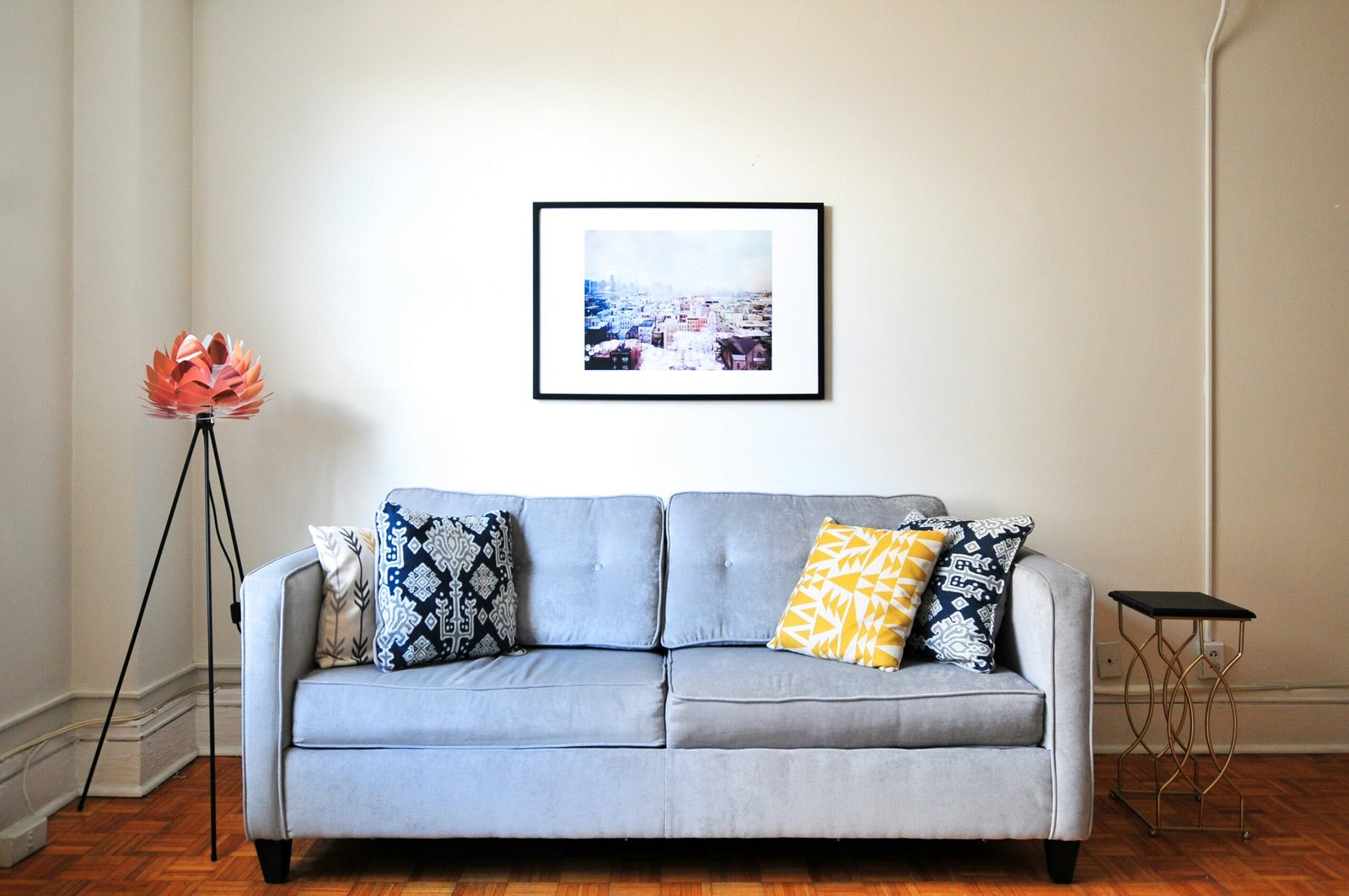
Introduction to Living Room Design
The living room is often considered the heart of a home, serving as a multifunctional space where family members gather, entertain guests, and unwind after a long day. It is essential to recognize the importance of living room design, as this space reflects not only personal style but also the lifestyle and values of its inhabitants. A well-designed living room articulates a welcoming environment that highlights comfort and functionality, all while expressing the homeowner’s aesthetic preferences.
In many homes, the living room functions as the primary gathering place for family activities, social interactions, and relaxation. Consequently, its design should prioritize not only visual appeal but also the practical needs of everyday life. A successful living room combines various elements such as seating arrangements, decor, lighting, and color schemes to create a cohesive and inviting atmosphere. Therefore, understanding the principles of living room design becomes pivotal in achieving a harmonious and enjoyable environment.
Furthermore, the living room serves as a canvas for one’s creativity and taste. Individuals can incorporate their favorite colors, textures, and furniture styles to establish a space that resonates with their personality. Whether opting for a contemporary design, a rustic ambiance, or a minimalist aesthetic, the living room can showcase individuality while providing a comfortable space for activities ranging from family movie nights to hosting formal gatherings.
As such, embarking on the journey of living room design should encompass thoughtful planning and consideration of both personal preferences and functional requirements. By approaching this endeavor with a clear vision of the intended use and desired aesthetic, homeowners can create a dream living room that truly embodies their style and accommodates the needs of their family and friends.
Understanding Your Space: Measuring and Planning
Before embarking on the journey of designing your ideal living room, it is essential to understand the dimensions and overall layout of the space. Accurate measurement allows you to make informed decisions regarding furniture placement, decor, and overall ambiance. Begin by measuring the length and width of your living room. It is advisable to use a measuring tape to obtain precise dimensions. Additionally, note the height of the ceiling as this will influence choices regarding vertical elements such as tall bookshelves or artwork.
Once you have gathered your measurements, the next step is to create a scale drawing of the room. This drawing serves as a visual representation of the available space and helps in visualizing different layout options. Utilize graph paper or various online design tools to create a scaled version of your living room. Mark the locations of doors, windows, and any architectural features such as fireplaces to ensure they are accounted for in your design.
In the process of planning your layout, consider the flow of traffic within the room. A well-designed living room facilitates smooth movement, preventing the space from feeling congested. To ensure this, leave ample space between furniture pieces and maintain clear pathways. Ideally, seating areas should encourage conversation while also allowing easy access to other parts of the room. As you arrange your furniture, think about how you envision using the space, which could include entertaining guests, relaxing with family, or pursuing hobbies.
Incorporating these elements during the planning phase will not only enhance the functionality of your living room but will also lay a solid foundation for the design choices that follow. This preliminary understanding of your space is a critical step towards creating a cohesive and inviting living area that reflects your personal style and meets your practical needs.
Choosing a Design Style: From Modern to Rustic
When it comes to designing a living room, selecting the right style is crucial in creating a space that reflects your personal aesthetic while also harmonizing with the architecture of your home. Several design styles available cater to diverse tastes, and understanding these can help guide your decision process.
One popular option is the modern design style, characterized by clean lines, neutral colors, and a focus on functional furniture. This approach emphasizes open spaces and utilizes materials like glass and steel, creating an airy and contemporary atmosphere. Complementing modern architecture, this style often promotes minimalism, reducing clutter and emphasizing the beauty of simplicity.
In contrast, the minimalist style takes modernism a step further, stripping away excess to focus solely on essential elements. This approach values negative space, often resulting in a serene living room that invites tranquility. Selecting understated furnishings and a monochromatic palette can establish a sophisticated yet inviting environment.
The industrial style, inspired by urban lofts, incorporates raw materials like brick, metal, and wood, merging functionality with a rugged aesthetic. This design choice can infuse character into your living room, making it an inviting space that balances bold elements with comfort and style.
If you’re drawn to a more eclectic vibe, the bohemian style offers a chance to express individuality through vibrant colors, layered textiles, and an assortment of furnishings. This design celebrates cultural influences and creativity, allowing for a whimsical space rich in personality.
Finally, the rustic style embraces natural elements, utilizing reclaimed wood, earthy tones, and cozy textures to evoke a sense of warmth and comfort. This style can complement both modern and traditional homes, bringing a touch of nature indoors and creating a welcoming atmosphere.
Choosing a design style for your living room ultimately depends on personal preferences and the overall architecture of your home. By thoughtfully considering the outlined styles, you can create a cohesive and stylish space that resonates with your lifestyle.
Color Palettes: Creating the Right Mood
When designing a living room, the choice of color palette is pivotal not only for aesthetics but also for establishing the desired mood and ambiance. The psychology of color plays a critical role in this process, influencing emotions and behavior in subtle yet profound ways. For instance, warm tones such as reds, oranges, and yellows can evoke feelings of warmth and energy, making them ideal for social gathering spaces. In contrast, cooler hues like blues and greens often promote tranquility and relaxation, perfect for a serene living area.
To effectively choose a color palette, it is essential to consider the existing elements within the room, such as natural light, furniture, and decor. Natural light can significantly affect how colors appear; rooms that receive abundant sunlight can handle more saturated colors, while those with less light may benefit from lighter shades to create a sense of openness. Additionally, when selecting a color palette, harmonizing with furniture and architectural features is crucial. Existing furnishings should either complement the chosen colors or serve as a backdrop to accentuate them.
Another approach is the use of a color wheel to identify complementary and analogous colors, which can enhance visual interest without overwhelming the space. For instance, a primary color can be balanced with its complementary counterpart to create a dynamic but cohesive look. Alternatively, selecting varying shades within the same color family can produce a more monochromatic scheme that feels sophisticated and unified.
In conclusion, the right color palette is instrumental in creating a living room that reflects personal style while fostering a specific mood. By considering the psychological effects of colors and how they interact with light and furnishings, homeowners can design a living space that is both inviting and functional, successfully turning their vision into reality.
Furniture Selection: Comfort Meets Style
When designing a living room, the selection of furniture is paramount, as it harmonizes comfort with style. Key furniture pieces such as sofas, chairs, coffee tables, and entertainment units significantly influence the ambiance and functionality of the space. Comfort is essential; therefore, when choosing a sofa, consider not only the aesthetics but also the quality of materials and cushion support. Opting for fabrics like cotton or microfiber provides durability while maintaining comfort, making them suitable for everyday use.
The scale of furniture is another critical factor. A large sectional couch may dominate a small living room, while tiny chairs might look lost in a spacious area. Therefore, it’s crucial to measure the space accurately and select pieces that complement its dimensions. Additionally, varying the height and size of furniture can create visual interest and prevent monotony. A low sofa paired with tall accent chairs can add depth and dimension to the design.
Functionality also plays a significant role in furniture selection. For instance, a coffee table that doubles as storage can keep the living space organized while maintaining a clutter-free appearance. When arranging furniture, ensure a logical flow that encourages movement throughout the room. Positioning seating in a way that fosters conversation and interaction is fundamental. A U-shape or L-shape configuration often creates an inviting atmosphere that enhances social engagement.
Finally, consider the overall theme of your living room when selecting furniture. Classic, modern, or eclectic styles can dictate choices in color, texture, and design. Integrated with thoughtful planning, your furniture selection will not only meet comfort and functionality goals but will also contribute to a cohesive, stylish living room that reflects your personal taste.
Lighting: Enhancing Ambiance and Functionality
When designing a living room, lighting plays a crucial role in establishing both ambiance and functionality. A thoughtful approach to lighting can transform a space, making it not only more inviting but also more practical for daily activities. The three main categories of lighting—ambient, task, and accent—should be effectively integrated to create a harmonious environment.
Ambient lighting serves as the foundation of your living room illumination. It provides general light, ensuring the space is sufficiently lit for everyday tasks and social interactions. Common sources of ambient lighting include ceiling fixtures, chandeliers, or even large floor lamps. When selecting ambient lighting, consider dimmable options that allow you to adjust the brightness based on the mood or time of day, thereby increasing the versatility of your living room.
Task lighting, on the other hand, is designed for specific activities. It includes reading lamps, under-cabinet lights, and other fixtures that facilitate activities such as reading, working, or playing games. Positioning these light sources strategically can reduce eye strain and enhance functionality, making them essential in any well-designed living room.
Accent lighting adds depth and highlights specific features within the living room, such as artwork, architectural details, or plants. This layer of lighting allows you to draw attention to areas you wish to showcase, enriching the overall aesthetic. Consider using wall sconces or spotlights to create dramatic effects, enhancing the character of your space.
In addition to artificial lighting options, maximizing natural light is vital for a well-lit living room. Utilize window treatments that allow for flexibility in light control while enhancing the view to the outside. By thoughtfully layering these different types of lighting—ambient, task, and accent—you can create a dynamic atmosphere that meets both functional needs and aesthetic preferences, making your living room a truly inviting space.
Accessorizing Your Space: Textiles and Décor
Accessorizing is a crucial step in transforming a living room into a cozy and inviting space that reflects your personal style. The careful selection of textiles and décor can significantly influence the overall atmosphere and aesthetic. Starting with textiles, the choice of curtains plays an essential role in defining the mood of the room. Opting for floor-to-ceiling drapes can add height and dimension, while lighter fabrics such as linen or sheer materials can create an airy feel. It is important to consider the color palette; neutral tones can provide a sophisticated backdrop, while bold patterns can serve as eye-catching focal points.
Enhancing comfort and visual appeal can also be achieved through thoughtful selection of cushions. Mixing different sizes, shapes, and textures can introduce depth, while coordinating colors can create a sense of cohesion. Furthermore, incorporating a variety of fabrics, such as cotton, velvet, or wool, not only enhances tactile comfort but also adds diversity to the visual composition of your living room.
Rugs are another vital accessory that can ground a space and define distinct areas within an open-concept layout. Selecting a rug that complements the existing furnishings in terms of color and design can create harmony. When choosing a rug, ensure that it is appropriately scaled; ideally, it should accommodate at least the front legs of the furniture placed on it.
Lastly, wall art is an impactful element that can encapsulate your personality and serve as a conversation starter. Selecting artwork that resonates with your interests enhances the ambiance of the living room. Arranging pieces in a gallery style can add an artistic touch and create a visually stimulating display. In summary, integrating textiles and décor elements thoughtfully into your living room design will not only elevate its aesthetic appeal but also infuse warmth and character, making it a true reflection of your personality.
Incorporating Technology: Modern Living Room Essentials
In today’s fast-paced world, incorporating technology into the living room has become essential for creating a functional and stylish space. Smart home systems allow homeowners to seamlessly control various aspects of their living environment, enhancing both convenience and comfort. Integrating smart lighting, thermostats, and security systems can all be achieved while maintaining a cohesive aesthetic. For instance, adjustable smart lighting can set the mood for different occasions, while a smart thermostat ensures optimal temperatures without visible devices detracting from the overall design.
Another critical element in modern living room design is the entertainment setup. With streaming services dominating how we consume media, it is vital to establish an organized and visually appealing arrangement for televisions and surround sound systems. Wall-mounted televisions can save space and be paired with built-in cabinetry or shelving that conceals wires and components, promoting a clean look. Additionally, selecting furniture pieces that accommodate technology, such as coffee tables with hidden charging stations, can ensure that devices are integrated seamlessly into the living room layout.
However, technology should not overwhelm the living room ambiance. It is essential to strike the right balance between high-tech features and a visually appealing design. Opting for sleek, minimalist gadgets can enhance the modern aesthetic rather than detract from it. One approach is to choose tech products that come in neutral or matching colors with the existing decor. By carefully selecting devices and organizing them thoughtfully, homeowners can create an environment that feels both advanced and inviting.
As we navigate the integration of technology in living spaces, focusing on a harmonious design will ensure that your living room remains a relaxing retreat amid the conveniences of modern life. This blend of functionality and style ultimately transforms the living room into a place of comfort and connection.
Final Touches: Bringing It All Together
After meticulously arranging the components of your living room, the final touches play a crucial role in transforming the space into a cohesive and inviting environment. The essence of home living room design lies in the details; these finishing elements can enhance both functionality and aesthetic appeal. Start by carefully selecting accent pieces that reflect your personal style. Decorative objects, such as vases, sculptures, or art pieces, can serve as focal points that add character to the room. Ensure that these pieces complement the overall color scheme and design theme while leaving room for individual expression.
Textiles are another essential aspect of finalizing your living room design. Consider incorporating throw pillows, blankets, and area rugs that not only provide comfort but also enrich the overall texture of the space. Layering different fabrics adds depth and a sense of warmth that makes the room more inviting. Additionally, the choice of textiles can influence the ambiance; for instance, softer fabrics often evoke a casual and cozy feeling, while structured materials might lend a more sophisticated touch.
Lighting, too, deserves careful consideration during this stage. The right lighting can dramatically alter the perception of a living space. Utilize a combination of ambient, task, and accent lighting to create a well-lit environment that is both functional and pleasant. Consider adding dimmable options or warm-toned bulbs to foster a relaxed atmosphere, which is particularly beneficial during evening gatherings.
Finally, remember to arrange your furniture to encourage social interaction and ease of movement. Leave adequate space between pieces for comfort while maintaining a harmonious flow throughout the living room. By drawing together all these elements and making minor adjustments, you will succeed in crafting a stylish and welcoming living room that echoes your personal taste and enhances your lifestyle.