Home & Garden

a person using a laptop

Creating an Affordable Home Office: Interior Design Tips

a person using a laptop

Introduction to Affordable Home Office Design

In today’s advance of remote work, creating an effective home office is paramount. However, many individuals find the idea of interior designing their workspace daunting and expensive. Fortunately, achieving a functional and stylish home office doesn’t have to break the bank. Here, we explore affordable home office interior design tips that fit your budget and enhance productivity.

Utilizing Space Wisely

When considering affordable home office interior design, the first step is to assess your available space. Whether you have a dedicated room or a small corner, proper space utilization is key. Invest in multi-functional furniture, such as a desk that doubles as a bookshelf or a foldable chair. This approach not only saves money but also maximizes your workspace potential.

Choosing the Right Decor

Decor elements can make or break the appeal of your home office. To keep costs low, consider DIY projects or browsing thrift stores for unique finds. A fresh coat of paint can transform a dull room into an inviting workspace. Additionally, incorporating plants can enhance both aesthetics and air quality, making your office feel more comfortable and vibrant.

Affordable Accessories and Tools

Accessories are the icing on the cake when it comes to home office interior design. Look for budget-friendly options for organizational tools, such as inexpensive desk organizers and wall shelves. Such additions can help maintain a clutter-free environment, which is crucial for focus and productivity.

In conclusion, with some creativity and careful planning, you can establish an affordable and stylish home office interior design. The right choices in space utilization, decor, and accessories will allow you to create an inspiring work environment without financial strain.

Creating an Affordable Home Office: Interior Design Tips Read More Β»

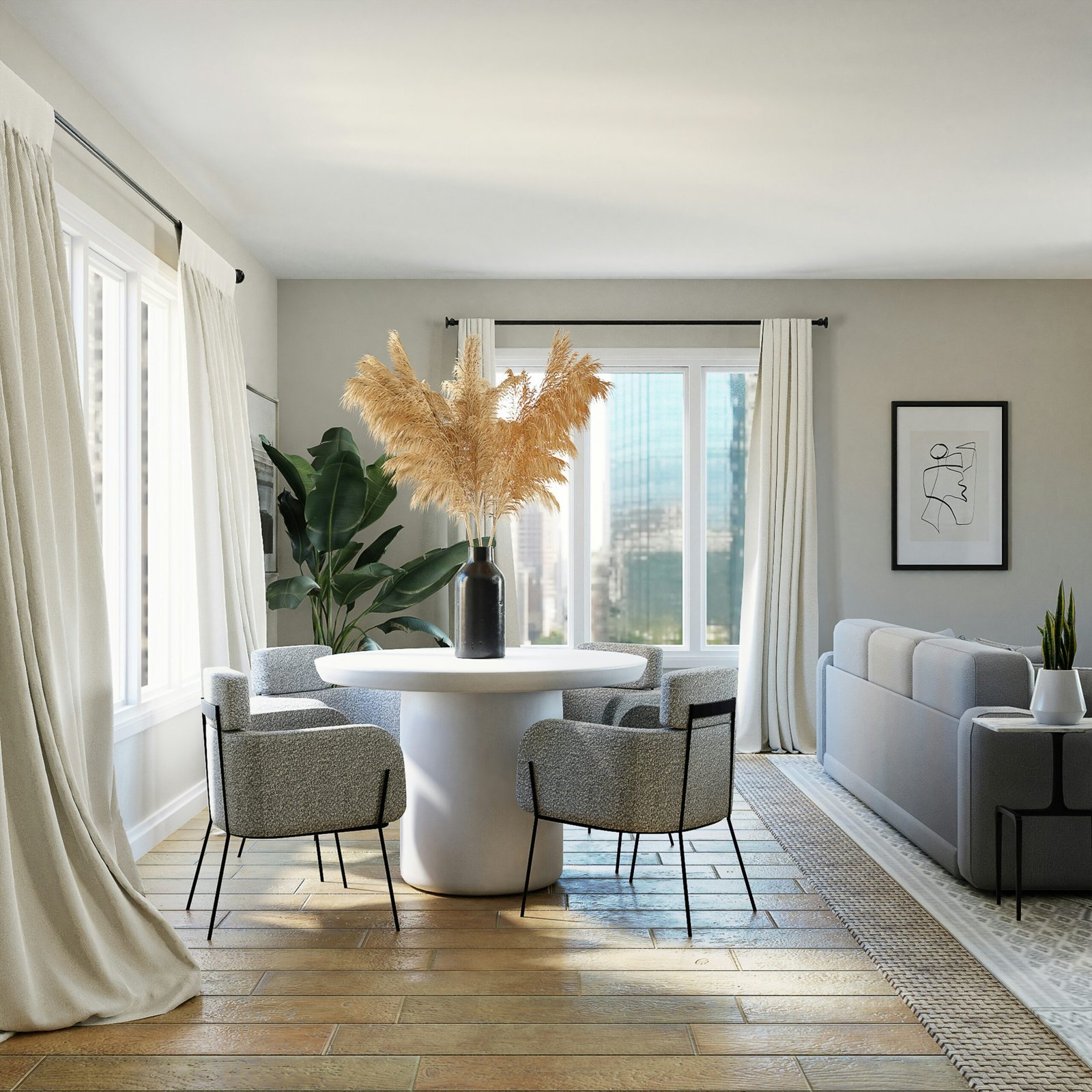
white and gray sofa chairs near white window curtain

Finding the Right Interior Designer in Mukherjee Nagar

white and gray sofa chairs near white window curtain

Introduction to Interior Design

Interior design plays a crucial role in transforming spaces into personalized, functional, and aesthetically pleasing environments. It incorporates various elements such as color, furniture, lighting, and textures to create a cohesive look that reflects the client’s style and needs.

Why Hire an Interior Designer in Mukherjee Nagar?

For residents of Mukherjee Nagar, hiring a professional interior designer can make a significant difference in home or office renovations. An experienced designer understands local styles, trends, and materials, ensuring that your project complements the area’s aesthetic. Additionally, a designer can help you maximize your space’s functionality while staying within your budget.

How to Choose the Right Designer

When selecting an interior designer in Mukherjee Nagar, it’s essential to consider factors such as experience, portfolio, and client reviews. Schedule consultations with potential designers to discuss your vision and see if they align with your requirements. Remember, effective communication and understanding are key to a successful design project.

“Top Interior Designer in Mukherjee Nagar: Key Traits and Why 2024 Is the Year to Hire One”


Finding the right interior designer can make a significant difference in turning your space into something beautiful and functional. Whether you’re redesigning a home, office, or commercial space, working with an expert in the field is crucial. If you’re looking for an interior designer in Mukherjee Nagar, it’s important to understand what sets professionals in this locality apart. This post will cover the key traits of a top-notch interior designer, the benefits of hiring one, and how to make sure you choose the best fit for your needs.

Mukherjee Nagar, along with other key areas in Delhi NCR like Gurgaon and Noida, offers a range of interior designers with varying expertise and styles. By considering factors such as design experience, understanding of space, and customer service, you can make an informed decision. This guide will walk you through everything you need to know when choosing an interior designer in Mukherjee Nagar.

Importance of Hiring an Expert Interior Designer in Mukherjee Nagar
Hiring a professional interior designer in Mukherjee Nagar brings several benefits. Whether you’re renovating a small room or planning a large-scale project, a skilled designer can make your vision a reality. Here’s why working with an expert is essential:

  • Space Optimization: Designers know how to make the most of your available space. Whether it’s a cozy apartment or a spacious office, they can create a layout that optimizes the flow and functionality of the area.
  • Design Consistency: A professional designer ensures a consistent and cohesive design throughout your space. This includes choosing complementary colors, furniture, lighting, and decor that harmonize together.
  • Access to Quality Materials: Interior designers have established relationships with suppliers, enabling them to procure quality materials at better prices. This access ensures that you receive the best value for your investment.
  • Project Management: An expert interior designer doesn’t just design; they also manage the project from start to finish. They ensure that timelines are met, and budgets are adhered to, while also overseeing the implementation of the design.

Key Traits to Look for in an Interior Designer in Mukherjee Nagar
When hiring an interior designer in Mukherjee Nagar, there are key traits you should look for. These traits can help you determine if a designer is truly a good fit for your project:

  1. Creativity and Innovation
    Creativity is the cornerstone of interior design. Look for a designer who is innovative and capable of providing new ideas that reflect your personality and preferences. A creative designer will go beyond basic design trends and offer unique solutions to your space.
    • A creative designer will suggest out-of-the-box solutions for layout, decor, and functionality that you may not have considered.
  2. Attention to Detail
    An expert designer should be detail-oriented, ensuring every element of your spaceβ€”whether it’s the stitching on your cushions or the positioning of your artworkβ€”works together perfectly.
    • This attention to detail ensures that everything contributes to the overall aesthetic and functionality of the space.
  3. Strong Communication Skills
    Effective communication is vital when working with an interior designer. They should be able to listen to your ideas, understand your preferences, and articulate their vision for your space.
    • Choose a designer who is responsive and available to answer questions, ensuring that your project proceeds smoothly.
  4. Experience in Various Design Styles
    A versatile designer can adapt to various design styles, whether you want a minimalist modern look or a more traditional, cozy vibe.
    • A designer with a broad portfolio will showcase their ability to handle diverse design projects. Look for one whose work resonates with your style.
  5. Time and Budget Management
    An experienced interior designer understands the importance of sticking to timelines and budgets. They will work with you to create a clear plan that outlines your goals, timeline, and cost projections.
    • It’s crucial to discuss your budget upfront and ensure that the designer can deliver within that range without compromising on quality.

How to Choose the Right Interior Designer in Mukherjee Nagar, Noida, and Gurgaon
Choosing the right interior designer is an important decision. Here’s how to ensure you’re making the right choice:

  • Check Portfolio and Style
    The first step in evaluating an interior designer is to look at their portfolio. Review the variety of spaces they have worked on and assess whether their design style aligns with your vision.
    • Designers should be able to showcase a range of designsβ€”residential, commercial, modern, and traditional. Check if their previous work demonstrates creativity, attention to detail, and functionality.
  • Client Testimonials and Reviews
    Research reviews from previous clients to get a sense of the designer’s reputation. Positive testimonials are a strong indicator of their ability to meet client expectations.
    • If possible, contact their past clients to ask about their experience working with the designer. This firsthand feedback can offer valuable insights into the designer’s work ethic and professionalism.
  • Budget Alignment
    Interior design projects can vary significantly in cost. It’s essential to establish a clear budget and ensure that the designer can deliver within that range.
    • Ask for a detailed quote that outlines the cost for materials, labor, and any additional services. An experienced designer will offer solutions that maximize your budget.
  • Compatibility and Rapport
    Choosing a designer you feel comfortable working with is essential. You should feel that they understand your vision and are receptive to feedback.
    • Schedule a consultation to gauge how well you communicate with the designer. A good rapport can ensure a smooth working relationship.

The Benefits of Working with Local Designers in Mukherjee Nagar, Noida, and Delhi NCR
Working with local designers from Mukherjee Nagar and the broader Delhi NCR region, including Noida and Gurgaon, offers distinct advantages. Here’s why you should consider hiring local talent:

  • Knowledge of Local Design Trends
    Local designers are more likely to understand the specific preferences and design trends that are popular in the area. Their designs will be tailored to local tastes, ensuring that the space is culturally relevant and resonates with the community.
    • Local designers are also familiar with the climate and geography of the area, which can influence their design decisions.
  • Access to Local Resources
    Local designers often have established connections with suppliers, contractors, and artisans in the area. These relationships can help you access high-quality materials and furniture at more affordable prices.
    • Additionally, local designers can recommend the best vendors, helping you source unique products that align with your style.
  • Better Communication and Availability
    Hiring a local designer means they are more easily accessible for site visits and regular consultations. You won’t have to deal with long-distance communication or scheduling issues, which can sometimes cause delays in the project.
    • Local designers are also more likely to be flexible with their time, ensuring that your project stays on track.

How to Evaluate an Interior Designer’s Portfolio and Work
Evaluating a designer’s portfolio is one of the most important steps in the hiring process. Here are some things to look for:

  • Range of Projects: A well-rounded portfolio shows that the designer has experience working on a variety of projectsβ€”residential, commercial, small and large-scale designs.
  • Before and After: Look for clear before-and-after images of projects to see how they’ve transformed spaces. This can give you a better understanding of their design process and ability to make impactful changes.
  • Design Process: Ask the designer to explain their design process. An experienced designer should be able to walk you through their approach, from the initial consultation to project completion.

Cost Considerations for Interior Design Services in Mukherjee Nagar, Noida, and Gurgaon
Understanding the costs involved in interior design is essential for managing your expectations and budget. Here are some factors that influence the price:

  • Project Size: Larger projects typically cost more due to the amount of time and resources required.
  • Designer’s Experience: Established designers with a proven track record may charge higher rates than newer professionals.
  • Materials and Furnishings: The quality of materials and furnishings can significantly impact the cost of your project. High-end or custom pieces will increase the price, but they can elevate the overall design.

Conclusion
Hiring an interior designer in Mukherjee Nagar or nearby regions like Noida and Gurgaon is an investment in transforming your space into a functional and aesthetically pleasing environment. When choosing the right designer, it’s important to consider factors like creativity, communication, experience, and budget alignment. By selecting an expert who understands your vision and can manage the project effectively, you’re ensuring that your space will reflect your personal style and meet your functional needs.

Call to Action
Ready to work with the best interior designer in Mukherjee Nagar? Explore more about our services or reach out to us for personalized advice on your next design project. Feel free to share your thoughts and experiences in the comments below!

Finding the Right Interior Designer in Mukherjee Nagar Read More Β»

Creating the Perfect Eco-Friendly Wardrobe with Adjustable Shelves

Introduction to Eco-Friendly Wardrobes

As sustainability becomes a priority for many homeowners, eco-friendly wardrobes have gained immense popularity. These wardrobes not only add aesthetic value to your space but also contribute positively to the environment. By incorporating materials that are environmentally friendly and sustainable, you can create a wardrobe that aligns with your values and needs.

Benefits of Adjustable Shelves

One standout feature of these eco-friendly wardrobes is the inclusion of adjustable shelves. This allows for customization, enabling you to change the spacing between shelves based on the items you need to store. Whether you have oversized winter clothing or delicate accessories, adjustable shelves provide flexibility. This adaptability is crucial for maintaining an organized wardrobe while maximizing space.

Choosing the Right Materials

When designing your eco-friendly wardrobe, pay attention to the materials used. Look for wardrobes made from sustainable wood sources or recycled materials. Additionally, check for non-toxic finishes and adhesives. By ensuring that your wardrobe design prioritizes sustainability, you contribute to a healthier planet while enjoying a stylish and functional space.

Conclusion

In conclusion, an eco-friendly wardrobe with adjustable shelves can provide both functionality and sustainability. By carefully selecting materials and features, you can craft a wardrobe that reflects your personal style and commitment to the environment. Embrace the trend of sustainable living by creating a wardrobe that not only serves your needs but also supports eco-friendly practices.

Creating the Perfect Eco-Friendly Wardrobe with Adjustable Shelves Read More Β»

Choosing the Right Interior Design Style for Your Home

Understanding Interior Design Styles

When it comes to decorating your home, choosing an interior design style is crucial. Each style reflects different aesthetics and functionalities, creating unique environments that can significantly influence mood and comfort. Understanding these styles can guide you in making the best choice for your space.

Popular Interior Design Styles

There are countless interior design styles to consider, but some popular ones include Modern, Traditional, Rustic, and Industrial. Each of these styles offers distinctive characteristics. For instance, Modern design emphasizes clean lines, minimalism, and open spaces, while Traditional design embraces classic details, rich colors, and ornate furnishings.

Deciding Which Style is Best for You

The best interior design style for your home depends on various factors, including personal preference, functionality, and the existing architecture of your home. Consider how you want your space to feel and the specific needs of your household. Should your home be cozy and inviting, or sleek and contemporary? Taking time to assess these elements will help you make a well-informed decision.

Ultimately, the right choice enhances not just your living environment but also your well-being. Assess your options carefully to discover which interior design style resonates with you the most.

Choosing the best interior design style depends largely on personal preferences, lifestyle, and the specific atmosphere you want to create in your space. Here are some popular interior design styles and their key characteristics to help you decide which one might be best for you:

  1. Modern: Characterized by clean lines, minimalism, and neutral colors, modern design emphasizes function and simplicity. Furniture often features geometric shapes, and the overall aesthetic is uncluttered.
  2. Contemporary: Often confused with modern, contemporary design is ever-changing and reflects current trends. It may incorporate various styles and embraces an open space concept with lots of natural light.
  3. Traditional: Traditional design draws inspiration from the past and features classic furnishings, rich colors, and ornate details. It often includes elements like wood paneling, intricate moldings, and heavy drapery.
  4. Rustic: This style emphasizes a natural aesthetic, often incorporating raw materials like wood and stone. It creates a cozy, warm atmosphere and often includes vintage or handmade decor.
  5. Industrial: Inspired by warehouses and factories, industrial design features raw materials, exposed brick, and metal fixtures. This style embraces an urban vibe and often uses a mix of vintage and modern furniture.
  6. Scandinavian: Known for its simplicity and functionality, Scandinavian design features light colors, natural materials, and a focus on creating a warm, inviting space. This style emphasizes minimalism and practicality.
  7. Bohemian: Bohemian design is eclectic and vibrant, mixing patterns, colors, and textures. This style often includes a variety of decor items from different cultures, creating a relaxed and artistic atmosphere.
  8. Mid-Century Modern: This style is characterized by clean lines, organic shapes, and a mix of materials. It often incorporates bold colors and geometric patterns, reflecting the design trends of the mid-20th century.
  9. Farmhouse: This style combines comfort and rustic charm, featuring elements like shiplap walls, barn doors, and vintage decor. It creates a warm and welcoming atmosphere, often with a focus on practicality.
  10. Minimalist: Minimalist design strips away the non-essential elements, focusing on functionality and simplicity. This style often features neutral colors, open spaces, and limited decor.

Conclusion

The best interior design style for you will depend on your personal taste, the functionality you require from your space, and how you want your home to feel. Whether you prefer the sleek lines of modern design or the cozy charm of farmhouse aesthetics, consider what resonates most with you and your lifestyle. Mixing styles can also create a unique and personalized look that reflects your individuality.

Choosing the Right Interior Design Style for Your Home Read More Β»

Finding the Perfect Interior Designer in Agra’s Taj Ganj for Luxury Resorts

The Importance of Interior Design in Luxury Resorts

When it comes to luxury resorts, the design and aesthetic are crucial in creating an unforgettable experience for guests. An experienced interior designer in Agra’s Taj Ganj can transform a resort’s ambiance, making it not just visually appealing but also functional and comfortable. The interior design sets the tone for relaxation and luxury, ensuring that visitors feel pampered from the moment they step inside.

Why Choose Agra’s Taj Ganj for Your Resort’s Interior Design?

Located near the iconic Taj Mahal, Taj Ganj is not only a hub of culture but also a hotspot for creative talent. Hiring a local interior designer allows you to leverage their unique understanding of regional aesthetics and trends. An interior designer in Agra’s Taj Ganj brings to the table knowledge of materials, color palettes, and cultural elements that can elevate the overall theme of your luxury resort.

Key Qualities to Look for in an Interior Designer

When selecting an interior designer in Agra, consider their previous projects and client testimonials. Look for *creativity*, *attention to detail*, and *ability to work within a budget*. An expert in the field can bring innovative ideas that resonate with the luxurious brand image you want for your resort. Collaboration is also vital; the best designers will communicate effectively and be open to your vision.

In conclusion, the importance of a skilled interior designer in Agra’s Taj Ganj cannot be understated. They play a significant role in shaping the guest experience in luxury resorts, ensuring that every aspect of the interior is thoughtfully designed and impeccably executed.

Interior Designer in Agra’s Taj Ganj for Luxury Resorts

The historic city of Agra, known for its architectural marvels, particularly the iconic Taj Mahal, is home to a thriving luxury resort scene. Taj Ganj, located near this world-famous monument, has become a prime location for luxury resorts catering to discerning travelers who seek opulence and comfort. For resort owners looking to create a truly luxurious and culturally rich environment, hiring an expert interior designer specializing in high-end design can make all the difference. Here’s why working with an interior designer for luxury resorts in Agra’s Taj Ganj can elevate the guest experience.

1. Creating a Grand and Timeless Aesthetic

Interior designers bring a deep understanding of luxury design elements that go beyond the basics to create an extraordinary experience for guests. In a place like Taj Ganj, where history and grandeur are integral to the location, designers can draw inspiration from Mughal architecture, intricate patterns, and regal motifs to create interiors that are both opulent and reflective of Agra’s cultural heritage. Using luxurious materials such as marble, silk, and gold accents, they can craft an ambiance that echoes the magnificence of the Taj Mahal while still providing a modern touch.

2. Blending Tradition with Modern Luxury

A key challenge in designing luxury resorts near historical landmarks is to create a balance between traditional design influences and contemporary luxury. Interior designers in Taj Ganj can skillfully blend elements of Mughal-era architecture, such as jali (lattice work), domes, and arches, with modern amenities and cutting-edge design. This combination results in a space that feels authentic and historically rich, while still offering the comfort and sophistication that today’s high-end travelers expect.

3. Optimizing Space for a Premium Guest Experience

Luxury resorts require meticulous space planning to ensure that every area enhances the guest experience. An experienced interior designer can optimize resort spaces by creating grand lobbies, spacious suites, serene spa areas, and elegant dining spaces. By incorporating elements like private terraces with views of the Taj Mahal, open-air courtyards, and luxurious lounges, designers can ensure that every part of the resort exudes luxury and comfort.

4. Incorporating Local Art and Handicrafts

Agra has a rich tradition of handicrafts, including marble inlay work, intricate carpets, and fine textiles. Interior designers can incorporate these local arts and crafts into the resort’s design to create a sense of place and authenticity. Custom-made furnishings, locally sourced decor, and handmade art pieces not only support the local economy but also provide guests with a unique and immersive experience. This thoughtful integration of local culture adds character to the resort and distinguishes it from other luxury destinations.

5. Personalized and Exclusive Design Solutions

Each luxury resort has its own brand identity and target clientele, which requires a tailored approach to interior design. Interior designers specializing in high-end projects can offer personalized solutions that align with the resort’s vision. Whether it’s designing a signature suite with a private plunge pool or creating an intimate dining area with customized lighting, the designer can bring the resort’s unique concept to life, ensuring an experience that exceeds guest expectations.

6. Sustainable Luxury Practices

The modern traveler increasingly values sustainability, even in luxury experiences. Interior designers in Taj Ganj can incorporate eco-friendly materials, energy-efficient lighting, and sustainable design practices that do not compromise on luxury. From using locally sourced materials to integrating natural light and ventilation, designers can create a resort that is both luxurious and environmentally conscious, appealing to a broader audience of eco-aware travelers.

7. Enhancing the Connection with the Taj Mahal

The proximity to the Taj Mahal is a unique selling point for luxury resorts in Taj Ganj. Interior designers can create spaces that highlight views of this magnificent monument, allowing guests to feel connected to its grandeur even within the resort. Whether through rooftop lounges, large panoramic windows, or terraces with direct sightlines, the design can make the Taj Mahal an integral part of the resort experience.

Conclusion

Investing in an expert interior designer for luxury resorts in Agra’s Taj Ganj is essential to create a distinguished space that captures the essence of Agra’s cultural heritage while offering the ultimate in modern luxury. By blending traditional design elements with contemporary amenities, incorporating local craftsmanship, and optimizing every aspect of the guest experience, designers can elevate the resort to world-class standards. For owners looking to create a space that leaves a lasting impression on guests and celebrates the grandeur of its location, hiring a professional interior designer is the first step towards success.

FAQ: Interior Designer in Agra’s Taj Ganj for Luxury Resorts

Q1: Why should I hire an interior designer for a luxury resort in Taj Ganj, Agra?
A: Hiring an interior designer ensures that your luxury resort’s design captures the essence of Agra’s cultural heritage while providing a modern, sophisticated ambiance. Designers can blend traditional Mughal influences with contemporary luxury, optimize space for a premium guest experience, and incorporate sustainable practices, making your resort stand out in a competitive market.

Q2: Can interior designers integrate local craftsmanship into the resort’s design?
A: Yes, interior designers can incorporate Agra’s rich tradition of local craftsmanship, such as marble inlay work, handmade carpets, and fine textiles, into the resort’s decor. This approach not only adds authenticity and character to the design but also supports local artisans.

Q3: How can an interior designer help in optimizing space in a luxury resort?
A: Interior designers can optimize resort spaces by creating grand lobbies, spacious suites, serene spa areas, and elegant dining rooms, ensuring that each area enhances the guest experience. They can also design features like private terraces, open courtyards, and panoramic windows to maximize comfort and luxury.

Q4: What role does sustainability play in luxury resort interior design?
A: Sustainability is increasingly important for modern travelers. Interior designers can incorporate eco-friendly materials, energy-efficient lighting, and locally sourced decor to create a resort that is both luxurious and environmentally conscious, appealing to eco-aware guests.

Q5: How do designers balance traditional Mughal elements with modern luxury in resort design?
A: Designers blend traditional Mughal architecture, such as jali (lattice work), arches, and intricate patterns, with contemporary elements like modern furniture, high-end finishes, and state-of-the-art amenities. This fusion creates a space that is historically rich yet offers the comfort and sophistication of modern luxury.

Q6: Can an interior designer enhance the connection with the Taj Mahal in the resort’s design?
A: Yes, designers can create spaces that highlight views of the Taj Mahal, such as rooftop lounges, panoramic windows, and private terraces with sightlines to the monument. This connection allows guests to enjoy the beauty of the Taj Mahal even from within the resort.

Q7: What personalized solutions can interior designers offer for a luxury resort?
A: Interior designers can provide custom design solutions, such as creating signature suites with exclusive features, designing themed dining areas, or tailoring the decor to reflect the resort’s brand identity. These personalized touches help set the resort apart from others in the area.

Q8: How do interior designers ensure that luxury design elements match the resort’s brand?
A: Designers work closely with resort owners to understand the brand’s vision, target clientele, and unique selling points. They then incorporate these elements into the design, ensuring consistency in style, color schemes, and overall aesthetics that align with the resort’s identity.

Q9: Are interior design services for luxury resorts in Taj Ganj expensive?
A: The cost of interior design services varies depending on the scope of the project, the materials used, and the level of customization required. However, investing in quality design can significantly enhance the resort’s appeal and profitability by attracting high-end guests and increasing guest satisfaction.

Q10: How long does it take to complete the interior design for a luxury resort?
A: The timeline for designing a luxury resort depends on the project’s complexity, size, and specific requirements. It typically involves several phases, including planning, design, material selection, and installation, with each phase taking a few weeks to several months.

These FAQs address common questions regarding hiring an interior designer for luxury resorts in Agra’s Taj Ganj, providing insights into the benefits, processes, and considerations involved.

Finding the Perfect Interior Designer in Agra’s Taj Ganj for Luxury Resorts Read More Β»

white and gray sofa chairs near white window curtain

Discovering the Best Interior Designer in Punjab for Luxury Apartments

white and gray sofa chairs near white window curtain

Why Choose a Professional Interior Designer?

When it comes to creating a luxurious living space, selecting the right interior designer can make all the difference. A professional designer not only brings aesthetic creativity but also ensures functionality and comfort. For those seeking to elevate their apartments, hiring the best interior designer in Punjab is essential.

Qualities of a Top-Notch Interior Designer

The best interior designer in Punjab for luxury apartments should possess specific qualities that set them apart. Firstly, they should have a strong portfolio showcasing their work in high-end residential projects. This demonstrates their ability to work with affluent clients and their unique tastes. Additionally, effective communication skills are paramount for understanding the homeowner’s vision and translating it into a beautiful reality.

Finding the Right Designer for Your Luxury Apartment

When searching for the best interior designer in Punjab, consider reaching out to local design firms, exploring online portfolios, or asking for referrals from friends and family. It’s crucial to schedule consultations and discuss your ideas, budget, and timelines. This not only helps in establishing a rapport but also gives you insight into their design philosophy. In conclusion, investing time to find the right interior designer will ensure that your luxury apartment reflects your style and meets your needs.

Elevate Your Space: Best Interior Designer in Punjab for Luxury Apartments

Punjab, known for its vibrant culture and rich heritage, is also home to some of the most luxurious apartments that reflect contemporary living. When it comes to transforming these spaces into elegant, comfortable, and functional homes, hiring the right interior designer is crucial. This blog explores the importance of choosing a top-notch interior designer in Punjab, specifically for luxury apartments, and highlights what to consider during your selection process.

The Importance of Interior Design in Luxury Apartments

Luxury apartments are more than just living spaces; they are a lifestyle statement. The interior design of these homes plays a vital role in enhancing aesthetics, maximizing functionality, and providing comfort. Here are some reasons why investing in a skilled interior designer is essential:

  • Personalized Design: A professional designer understands your unique style and preferences, creating a space that reflects your personality and lifestyle.
  • Expert Space Planning: Effective use of space is crucial in luxury apartments. Designers optimize layouts to ensure that each area is both functional and visually appealing.
  • Quality Material Selection: Luxury interiors demand high-quality materials. An experienced designer knows where to source premium materials that enhance the overall design.
  • Latest Trends and Innovations: Interior designers stay updated with the latest trends and technologies, ensuring your apartment is stylish and equipped with modern conveniences.
  • Attention to Detail: From color schemes to furnishings and accessories, designers pay close attention to every detail, creating a cohesive and polished look.

Features of Luxury Apartment Design

Luxury apartment designs often incorporate several key features that set them apart:

  • Open Floor Plans: Spacious layouts that encourage natural light and flow between living areas.
  • High-End Finishes: Use of premium materials such as marble flooring, hardwood, and designer fixtures that elevate the overall aesthetic.
  • Smart Home Technology: Integration of smart home systems for lighting, security, and climate control, enhancing comfort and convenience.
  • Customized Furniture: Tailored furniture pieces that not only fit the space but also complement the overall design theme.
  • Artistic Touches: Incorporation of unique art pieces, sculptures, and decorative elements that add character and personal flair.

Finding the Best Interior Designer in Punjab

To find the best interior designer for your luxury apartment in Punjab, consider the following steps:

  1. Research and Recommendations:
    • Start by researching designers in your area. Look for online portfolios, reviews, and testimonials to gauge their expertise and style.
  2. Check Credentials:
    • Ensure the designer has the necessary qualifications and experience, especially in luxury apartment design.
  3. Initial Consultation:
    • Schedule consultations with potential designers to discuss your vision, budget, and expectations. This helps you assess their approach and compatibility.
  4. Review Past Projects:
    • Ask to see examples of their previous work, particularly projects similar to yours. This will give you insight into their design capabilities.
  5. Budget Considerations:
    • Discuss your budget openly and ensure the designer can work within your financial constraints while delivering quality results.
  6. Collaboration and Communication:
    • Choose a designer who values collaboration and is open to incorporating your ideas throughout the design process.

Transforming a luxury apartment in Punjab into a stunning living space requires the expertise of a skilled interior designer. By investing in professional design services, you can create an environment that not only reflects your personal style but also enhances the overall living experience.

As you embark on this exciting journey, take the time to find the best interior designer in Punjab who can bring your vision to life. With their expertise, attention to detail, and understanding of luxury living, you can turn your apartment into a sophisticated and comfortable haven that you and your family will cherish for years to come.


Feel free to modify any section or let me know if you need additional information!

Here’s a frequently asked questions (FAQ) section focused on the best interior designers in Punjab for luxury apartments:


FAQ: Best Interior Designer in Punjab for Luxury Apartments

1. What should I look for in an interior designer for luxury apartments?

  • Look for designers with experience in luxury living spaces, a strong portfolio showcasing similar projects, and positive client reviews. Additionally, consider their design style and whether it aligns with your vision.

2. How do I find the best interior designer in Punjab?

  • Start by researching online, asking for recommendations from friends or family, and checking local listings. Review designers’ websites and portfolios to assess their expertise and style.

3. What services do luxury interior designers typically offer?

  • Services include design consultation, space planning, material selection, furniture procurement, project management, and coordination with contractors and craftsmen.

4. Can I work with a designer remotely?

  • Yes, many interior designers offer remote consultations and can manage projects virtually. However, in-person meetings may be necessary for certain aspects of the design process.

5. How much does it cost to hire an interior designer for a luxury apartment in Punjab?

  • Costs vary based on the designer’s experience, project scope, and materials used. It’s essential to discuss your budget during initial consultations to find a designer who can meet your financial constraints.

6. How long does the interior design process take for luxury apartments?

  • The timeline can vary depending on the project size and complexity. Generally, the design phase may take several weeks, while execution can take a few months.

7. What design styles are popular for luxury apartments?

  • Popular styles include modern, contemporary, traditional, minimalistic, and eclectic designs. An experienced designer can help you choose a style that suits your taste and lifestyle.

8. Can I use my existing furniture in the new design?

  • Yes, a skilled designer can help you incorporate your existing furniture into the new design, ensuring it complements the overall aesthetic of the luxury apartment.

9. How involved will I be in the design process?

  • Your level of involvement can vary based on your preference. A good designer will encourage collaboration and seek your input throughout the process.

10. What are the benefits of hiring a local interior designer in Punjab?

  • Local designers have a deep understanding of regional styles, materials, and craftsmanship. They can also offer insights into local suppliers and contractors, making the design process smoother.

This FAQ section addresses common questions related to hiring an interior designer for luxury apartments in Punjab. Let me know if you need further information or adjustments!

Here are key bullet points highlighting the features and benefits of hiring the best interior designer in Punjab for luxury apartments:

  • Expertise in Luxury Design:
    • Specialized knowledge in designing high-end, luxurious spaces that reflect modern elegance and comfort.
  • Personalized Approach:
    • Offers tailored design solutions that align with the client’s vision, lifestyle, and preferences.
  • Strong Portfolio:
    • A proven track record of successful projects in luxury apartments, showcasing innovative designs and craftsmanship.
  • Comprehensive Services:
    • Provides a wide range of services, including space planning, material selection, furniture procurement, and project management.
  • Collaboration with Local Artisans:
    • Works with skilled local craftsmen to incorporate unique elements and high-quality materials that enhance the design.
  • Focus on Functionality:
    • Ensures that the design not only looks stunning but also maximizes space efficiency and usability.
  • Latest Trends and Technology:
    • Stays updated with the latest design trends and smart home technologies to create modern, stylish, and functional spaces.
  • Attention to Detail:
    • Meticulous attention to every aspect of the design, from color palettes and textures to furnishings and decor.
  • Project Management Expertise:
    • Manages all aspects of the project, coordinating with contractors and vendors to ensure timely and efficient execution.
  • Sustainability Practices:
    • Incorporates eco-friendly materials and practices, promoting sustainable design while maintaining luxury standards.

These bullet points effectively summarize the advantages of choosing the best interior designer in Punjab for luxury apartments. Let me know if you need any further information or adjustments!

Conclusion: Best Interior Designer in Punjab for Luxury Apartments

In the vibrant landscape of Punjab, where tradition meets modernity, finding the right interior designer for your luxury apartment is essential to creating a sophisticated and personalized living space. The best interior designers in the region bring a wealth of experience, a keen eye for detail, and a deep understanding of contemporary design trends, ensuring your home is both aesthetically pleasing and functional.

By collaborating with a skilled designer, you gain access to expert guidance on everything from layout optimization and material selection to custom furniture and the latest smart home technologies. Their ability to blend luxurious aesthetics with practicality allows you to enjoy a space that not only looks stunning but also meets your everyday needs.

Moreover, a top interior designer in Punjab understands the importance of incorporating local culture and craftsmanship into their designs, creating a unique environment that reflects your personal style while honoring the region’s rich heritage.

Investing in a professional interior designer for your luxury apartment is not just about aesthetics; it’s about enhancing your lifestyle and creating a sanctuary that resonates with comfort and elegance. As you embark on this exciting journey of transforming your living space, choose a designer who aligns with your vision and can turn your dream home into a reality.

Embrace the opportunity to elevate your lifestyle and create a luxurious living environment that you and your family will cherish for years to come. With the right interior designer by your side, your luxury apartment in Punjab can become a true reflection of who you are.

Discovering the Best Interior Designer in Punjab for Luxury Apartments Read More Β»

A Complete Guide to Furnishing Your Flat

Understanding Your Space

Begin your journey of furnishing your flat by thoroughly understanding your space. Measure each room to grasp dimensions and layout, as this will inform your furniture choices. Consider the natural light available, as brighter spaces can accommodate darker furniture, while dim rooms may benefit from lighter pieces.

Choosing the Right Furniture

When selecting furniture for your flat, prioritize functionality and style. Start with essential items such as a comfortable sofa, a durable dining table, and a cozy bed. Look for multipurpose furnitureβ€”for example, a coffee table that also serves as storage or a sofa bed for guests. Remember to keep your personal style in mind. Whether you prefer modern, rustic, or minimalist designs, choose pieces that resonate with your aesthetic.

Accessorizing Your Flat

Once the major pieces are in place, it’s time to accessorize. Adding accents like cushions, rugs, and curtains can transform a barren flat into a welcoming home. Consider wall art and plants to breathe life into your rooms. These elements reflect your personality and can make a significant difference in the ambiance of your flat. Don’t forget to incorporate lighting; the right fixtures can highlight your decor and set the mood effectively.

Furnishing your flat involves selecting and arranging furniture, decor, and accessories to create a comfortable, functional, and aesthetically pleasing living space. Here’s a step-by-step guide to help you effectively furnish your flat:

1. Assess Your Space

  • Measure Your Rooms: Start by measuring the dimensions of each room, including the height of walls, windows, and doorways. This will help you determine the size of furniture that will fit.
  • Evaluate Layout: Consider the layout of your flat and how different areas will be used. Identify traffic patterns and any architectural features that should be taken into account.

2. Define Your Style

  • Choose a Design Theme: Decide on a design style that resonates with you (e.g., modern, minimalist, industrial, bohemian). This will guide your furniture and decor choices.
  • Create a Mood Board: Compile images, colors, and textures that reflect your vision. This will serve as inspiration as you select furniture and decor.

3. Create a Functional Layout

  • Plan the Arrangement: Sketch out potential furniture layouts for each room. Consider the placement of major furniture pieces and how they relate to each other.
  • Prioritize Functionality: Ensure that the layout promotes ease of movement and functionality. Avoid overcrowding a space with too much furniture.

4. Select Essential Furniture

  • Invest in Key Pieces: Start with essential furniture items like a sofa, bed, dining table, and chairs. Choose quality pieces that align with your style and are comfortable.
  • Consider Multi-Functional Furniture: Opt for items that serve multiple purposes, such as a sofa bed for guests or a coffee table with storage. This maximizes space in smaller flats.

5. Choose a Color Palette

  • Select Base and Accent Colors: Choose a neutral base color for larger furniture pieces, such as a sofa or bed frame. Add accent colors through accessories like cushions, rugs, and artwork.
  • Coordinate Textiles: Ensure that fabrics and textures coordinate with the overall color scheme. This includes curtains, throws, and upholstery.

6. Incorporate Storage Solutions

  • Use Smart Storage: Look for furniture with built-in storage, such as ottomans, bed frames with drawers, or shelves that can double as decor.
  • Organize Clutter: Keep your space tidy by incorporating decorative storage solutions like baskets or boxes to store items out of sight.

7. Add Decor and Accessories

  • Choose Decorative Elements: Incorporate artwork, mirrors, and decorative objects that reflect your personality and style. These pieces can enhance the overall look of your flat.
  • Layer Textures: Mix different textures to add depth to your space. Use textiles like cushions, throws, and rugs to create a cozy atmosphere.

8. Enhance Lighting

  • Use Multiple Light Sources: Incorporate a mix of ambient, task, and accent lighting to create a warm and inviting environment. Consider floor lamps, table lamps, and ceiling fixtures.
  • Maximize Natural Light: Use light, airy window treatments to allow natural light to flow in. Consider sheer curtains or blinds that complement your decor.

9. Incorporate Plants

  • Add Indoor Plants: Use potted plants or hanging greenery to bring life and color to your flat. Plants can enhance air quality and create a more inviting atmosphere.
  • Choose Low-Maintenance Options: If you’re not experienced in plant care, select low-maintenance varieties like succulents or snake plants.

10. Personalize Your Space

  • Showcase Your Interests: Incorporate items that reflect your hobbies, travels, or experiences. This adds a personal touch to your decor.
  • Rotate Decor: Occasionally update your decor or rearrange furniture to keep your space feeling fresh and dynamic.

11. Stay Within Your Budget

  • Set a Budget: Determine how much you can afford to spend on furnishing your flat. Prioritize essential items and allocate funds accordingly.
  • Shop Smart: Look for sales, discounts, and second-hand items to save money. Consider DIY projects for personalized and cost-effective solutions.

12. Be Patient and Flexible

  • Take Your Time: Furnishing a flat is a process. Don’t rush; take your time to find pieces that fit your vision and budget.
  • Be Open to Change: As you furnish and live in your space, be willing to make adjustments based on what works and what doesn’t.

Conclusion

Furnishing your flat is about creating a comfortable and functional living space that reflects your personal style. By assessing your space, defining your style, selecting essential furniture, and incorporating decor and accessories, you can create a beautifully furnished flat that enhances your lifestyle. Enjoy the process, and let your creativity shine as you transform your space!

A Complete Guide to Furnishing Your Flat Read More Β»

white petaled flowers with green leaves

5 Essential Tips for Redesigning Your Flat

white petaled flowers with green leaves

Understanding Your Space

Redesigning a flat is a creative journey that begins with understanding your space. Take a moment to assess what you have. Measure your flat’s dimensions and note any architectural features such as windows, doors, and built-in storage. This will help you plan a layout that maximizes the potential of your home while ensuring comfort.

Choosing a Style

One of the most crucial steps in the redesign process is selecting a style that resonates with you. Whether it’s modern, minimalist, or bohemian, your chosen aesthetic should reflect your personality. Consider collecting images or creating mood boards that highlight colors, textures, and furniture styles you love. This visual guide will help streamline your decisions as you design.

Functionality Matters

While aesthetics are important, functionality should never be overlooked. When redesigning your flat, think about how you use your space daily. Ensure that high-traffic areas are practical and accessible, and your furniture choices promote movement. If you’re working with a smaller flat, consider multi-functional furniture that serves more than one purpose, allowing you to maintain an uncluttered feel.

Redesigning a flat can be an exciting project that transforms your living space into a more functional and aesthetically pleasing environment. Here’s a step-by-step guide to help you effectively redesign your flat:

1. Assess Your Current Space

  • Evaluate Functionality: Take stock of how your flat currently functions. Identify areas that are working well and those that need improvement.
  • Note Design Flaws: Look for any design elements that feel outdated, cramped, or uninviting. Make a list of what you want to change.

2. Define Your Goals

  • Set Clear Objectives: Determine the main goals for the redesign. Are you looking to create more space, improve functionality, update the decor, or enhance the overall aesthetic?
  • Consider Your Lifestyle: Think about your daily routines and how your redesigned flat can better support your lifestyle needs.

3. Create a Budget

  • Determine Your Budget: Decide how much you’re willing to spend on the redesign. Consider all aspects, including materials, furniture, and labor if hiring professionals.
  • Prioritize Expenses: Identify which elements are most important to you and allocate your budget accordingly. It’s often helpful to focus on key areas first.

4. Develop a Design Concept

  • Choose a Style: Decide on a design style that resonates with you, such as modern, minimalist, industrial, or bohemian. Research styles to find what you like best.
  • Create a Mood Board: Collect images, color palettes, materials, and textures that inspire your redesign. This can serve as a visual reference throughout the project.

5. Plan Your Layout

  • Assess Traffic Flow: Consider how you move through your space and ensure that the layout facilitates easy movement and access to key areas.
  • Utilize Space Efficiently: Use furniture arrangement to maximize space. Consider multi-functional furniture pieces to optimize functionality.

6. Choose a Color Scheme

  • Select Base Colors: Choose a neutral base color for walls to create a calming backdrop. This allows you to introduce accent colors through decor and furnishings.
  • Add Accent Colors: Incorporate pops of color through accessories like cushions, rugs, and artwork. Stick to a cohesive color palette to maintain harmony.

7. Update Flooring and Walls

  • Consider New Flooring: If your flooring is outdated, consider replacing it with materials that complement your redesign. Options include hardwood, laminate, tile, or carpet.
  • Paint or Wallpaper: Freshen up your walls with a new coat of paint or consider adding wallpaper for texture and interest. Use bold patterns or colors strategically.

8. Select Furniture and Decor

  • Invest in Key Pieces: Choose furniture that suits your style and is functional for your space. Look for quality pieces that will last.
  • Incorporate Unique Decor: Add decorative elements that reflect your personality, such as artwork, sculptures, or personal photographs.

9. Enhance Lighting

  • Use Layered Lighting: Incorporate a mix of ambient, task, and accent lighting to create a warm and inviting atmosphere. Consider modern light fixtures that align with your design style.
  • Maximize Natural Light: Keep window treatments light and airy to allow natural light to flow in, enhancing the feeling of space.

10. Incorporate Storage Solutions

  • Choose Smart Storage Options: Look for furniture that offers storage solutions, such as ottomans with hidden compartments or shelves that double as decor.
  • Declutter Regularly: Keep your space organized by regularly decluttering and finding designated spots for everything.

11. Personalize Your Space

  • Showcase Your Personality: Incorporate items that reflect your interests and experiences, such as travel souvenirs or favorite books.
  • Add Indoor Plants: Use indoor plants to bring life and color into your flat. They can also improve air quality and create a more inviting atmosphere.

12. Consider Professional Help

  • Hire Professionals if Needed: If the redesign feels overwhelming or if you lack experience, consider hiring an interior designer or contractor to help with the process.
  • Get Multiple Quotes: If hiring contractors, obtain multiple quotes and check reviews to ensure quality work.

13. Be Flexible and Patient

  • Stay Open to Changes: As you redesign, you may find that certain ideas evolve. Be flexible and willing to adapt your plans as necessary.
  • Take Your Time: Redesigning a flat is a process. Don’t rush; take your time to ensure that each element aligns with your vision.

Conclusion

Redesigning a flat can significantly enhance your living space, making it more functional and visually appealing. By following these steps and focusing on your personal style and needs, you can create a beautifully redesigned flat that reflects your individuality and enhances your lifestyle. Enjoy the journey and embrace the creativity involved in transforming your home!

5 Essential Tips for Redesigning Your Flat Read More Β»

Ways to Cultivate Uniqueness in Interior Design

Embrace Personal Stories

One of the most effective ways to make your interior design unique is by incorporating personal stories into your space. Every item in your home can reflect your journey, whether it’s a piece of art from your travels, family heirlooms, or even handmade crafts. Infusing memories and experiences into your decor not only enhances creativity but also creates a warm and inviting atmosphere.

Experiment with Color Schemes

Another approach is to experiment with unconventional color palettes. Move beyond neutral tones and explore vibrant colors that resonate with you. Consider using bold colors as accents or creating a feature wall. This not only makes a statement but can also drastically alter the ambiance of a room, thereby reflecting your unique personality.

Mix Different Styles

Finally, don’t hesitate to mix different interior design styles. Combining vintage finds with modern elements, or rustic items with sleek designs can create a harmonious yet distinctive look. Curate a space that doesn’t conform to one category but is a blend of what you love. This approach not only sets your space apart but also showcases your creative versatility.

Being unique in interior design involves combining your personal style, creativity, and thoughtful choices that reflect your individuality. Here are some effective ways to achieve a distinctive and original look in your space:

1. Embrace Personal Style

  • Identify Your Aesthetic: Reflect on your preferences, inspirations, and what makes you feel comfortable. Explore various design styles (bohemian, industrial, eclectic, etc.) to find what resonates with you.
  • Use a Mood Board: Create a mood board to visualize your style. Collect images, colors, and textures that inspire you, and use them as a reference when designing your space.

2. Incorporate Unique Elements

  • Choose Statement Pieces: Invest in standout furniture or decor items that act as focal points. This could be an oversized artwork, an unusual sculpture, or a uniquely shaped piece of furniture.
  • Explore Vintage or Antique Finds: Look for unique vintage or antique items that have character and history. These pieces can add depth and storytelling to your decor.

3. Experiment with Color and Patterns

  • Play with Color Combinations: Don’t be afraid to use bold or unexpected color combinations. Use contrasting colors to create visual interest and energy.
  • Mix Patterns: Combine different patterns and textures, such as stripes, florals, and geometric designs. Just ensure they complement each other to maintain cohesion.

4. Personalize Your Space

  • Incorporate Personal Art and Crafts: Display your artwork, crafts, or DIY projects. This adds a personal touch and showcases your creativity.
  • Showcase Travel Memories: Use souvenirs, photographs, or decor items from your travels to tell your story and add uniqueness to your space.

5. Choose Unique Materials

  • Experiment with Textures: Use a mix of materials like wood, metal, glass, and fabric to add depth. Look for unique textures, such as rattan, cork, or stone.
  • Opt for Sustainable Materials: Consider eco-friendly materials that stand out for their sustainability and uniqueness, such as reclaimed wood or bamboo.

6. Design with Functionality

  • Create Multi-Functional Spaces: Design areas that serve multiple purposes, such as a home office that doubles as a guest room. This approach can lead to innovative and unique layouts.
  • Incorporate Smart Storage Solutions: Use creative storage solutions that blend functionality with design. For example, use decorative boxes or stylish baskets that fit your decor.

7. Incorporate Technology

  • Use Smart Home Features: Integrate technology seamlessly into your design, such as smart lighting, sound systems, or automated blinds, while ensuring they enhance the aesthetic appeal.
  • Explore Unique Lighting Solutions: Choose unconventional lighting fixtures, such as sculptural lamps or chandeliers that serve as works of art.

8. Create a Story

  • Theme Your Decor: Develop a theme that tells a story or reflects a passion. For example, a nature-inspired theme could incorporate plants, earthy colors, and natural materials.
  • Design Around a Focal Point: Choose a specific area or piece in your home as a focal point and design around it, creating a narrative throughout your space.

9. Stay Open to Change

  • Be Experimental: Don’t hesitate to try new ideas, arrangements, or trends. Interior design is an evolving process, and being open to change can lead to unique outcomes.
  • Rotate Decor: Occasionally change up your decor or rearrange furniture to give your space a fresh look. This can keep your environment feeling dynamic and unique.

10. Trust Your Instincts

  • Follow Your Heart: Ultimately, trust your instincts when it comes to design choices. If something feels right to you, go for it, even if it’s unconventional.
  • Avoid Trends: While it’s helpful to be aware of trends, prioritize what feels authentic to you over what is currently popular.

Conclusion

To be unique in interior design, embrace your individuality and express it through thoughtful choices, personal touches, and creative experimentation. By combining various elements that reflect your personality, you can create a space that is not only stylish but also truly one-of-a-kind. Enjoy the process and have fun making your space uniquely yours!

Ways to Cultivate Uniqueness in Interior Design Read More Β»

two beige table decors

10 Creative Ways to Decorate Your Home

two beige table decors

Introduction to Home Decoration

Decorating your home is not just about filling up space; it’s about creating a warm, inviting atmosphere that reflects your personal style. Whether you’re moving into a new place or simply refreshing your current space, knowing how to decorate your home can make a significant difference in your living experience.

Understand Your Style

The first step in home decoration is understanding your own style. Are you drawn to minimalism, bohemian vibes, or perhaps a rustic charm? Take some time to explore different styles online or through magazines to find what resonates with you. This foundation will guide your choices as you begin to decorate your home.

Incorporate Nature

Bringing elements of nature indoors is a fantastic way to breathe life into your home. Consider adding plants, flowers, or even natural wood pieces. These elements not only beautify your space but also create a calming atmosphere that enhances your overall well-being.

Utilize Color and Texture

The colors on your walls, furniture, and decor play a crucial role in the overall aesthetics. Choose a color scheme that harmonizes with the mood you want to create. Using various textures, like soft fabrics and glossy surfaces, can add depth and interest to your space.

Personal Touches Matter

Lastly, add personal touches through artwork, photographs, or heirlooms that tell your story. These unique pieces will not only make your home feel more inviting but will also reflect your personality and experiences, making it truly yours.

In conclusion, by understanding your style, incorporating nature, and adding personal touches, you can effectively decorate your home to create a space that you love.

Decorating your home is a wonderful opportunity to express your personality and create a comfortable, inviting space. Here’s a comprehensive guide to help you decorate your home effectively:

1. Define Your Style

  • Explore Different Styles: Research various decor styles (modern, bohemian, rustic, industrial, etc.) to find inspiration that resonates with you.
  • Create a Mood Board: Collect images, colors, textures, and patterns that inspire you. This can help you visualize your overall design direction.

2. Choose a Color Palette

  • Select Base Colors: Start with a neutral color palette for walls to create a cohesive and versatile backdrop. Soft whites, grays, or beiges work well.
  • Add Accent Colors: Introduce accent colors through accessories like cushions, artwork, and rugs. Consider a limited color scheme to maintain harmony.

3. Plan Your Layout

  • Assess Your Space: Measure your rooms and take note of architectural features, windows, and doors. Consider the flow of movement and how you use each space.
  • Use a Floor Plan: Sketch a floor plan or use online tools to visualize furniture placement and ensure an efficient layout.

4. Invest in Key Furniture Pieces

  • Choose Functional Items: Start with essential furniture such as sofas, beds, and dining tables. Opt for quality pieces that suit your lifestyle and needs.
  • Select Multi-Functional Furniture: Consider furniture that serves multiple purposes, like a sofa bed or storage ottoman, especially for smaller spaces.

5. Enhance Lighting

  • Layer Your Lighting: Use a combination of ambient, task, and accent lighting to create a warm atmosphere. Floor lamps, table lamps, and pendant lights can add depth.
  • Maximize Natural Light: Use sheer curtains or blinds to let in light while maintaining privacy. Mirrors can also help reflect and amplify natural light.

6. Add Textures

  • Mix Materials: Combine different textures, such as wood, metal, fabric, and glass, to add depth and interest. Soft furnishings like cushions and throws can create a cozy feel.
  • Use Area Rugs: Area rugs can define spaces and add warmth, especially on hard flooring.

7. Incorporate Art and Decor

  • Display Artwork: Invest in quality art pieces that reflect your style. Create a gallery wall or use oversized artwork as a statement piece.
  • Limit Clutter: Keep surfaces tidy by selecting a few standout decorative items. Use storage solutions to hide clutter and maintain an organized appearance.

8. Personalize Your Space

  • Use Personal Touches: Incorporate family photos, travel souvenirs, or DIY projects to make the space feel uniquely yours.
  • Add Indoor Plants: Bring life and color into your home with indoor plants. Choose low-maintenance options if you’re not confident in your plant care skills.

9. Create Functional Zones

  • Define Spaces: Use furniture arrangement, rugs, or room dividers to create distinct areas for different activities (e.g., reading nook, workspace, dining area).
  • Ensure Flow: Maintain a natural flow between spaces, allowing easy movement and access.

10. Consider Window Treatments

  • Choose Curtains Wisely: Opt for stylish curtains that enhance your decor. Floor-to-ceiling curtains can create the illusion of height.
  • Use Blinds or Shades: Consider using elegant blinds or shades for a modern look, especially in rooms that require privacy.

11. Pay Attention to Details

  • Upgrade Hardware: Replace standard cabinet knobs and drawer pulls with more stylish options to elevate the overall look.
  • Choose Quality Fixtures: Upgrade light fixtures and faucets for a more polished and contemporary appearance.

12. Stay Flexible and Open-Minded

  • Be Willing to Change: As you live in your space, you may find that certain arrangements or decor items don’t work as well as you thought. Don’t hesitate to rearrange.
  • Try New Ideas: Experiment with different decor styles, arrangements, or seasonal changes to keep your home feeling fresh.

13. Budget Wisely

  • Set a Budget: Determine how much you can spend on decorating. Prioritize key items and stick to your budget to avoid overspending.
  • Shop Smart: Look for sales, thrift store finds, or DIY projects to save money while achieving your desired look.

Conclusion

Decorating your home is an enjoyable and creative process that allows you to showcase your personality and create a welcoming environment. By defining your style, planning your layout, and carefully selecting furniture and decor, you can transform your space into a beautiful and functional home. Take your time, enjoy the journey, and have fun with it!

10 Creative Ways to Decorate Your Home Read More Β»

Creative Ways to Decorate an Old Flat

Embrace the Charm of Vintage

Decorating an old flat offers a unique opportunity to showcase its character and history. Start by embracing the vintage elements that already exist. Keep original features like exposed brick, hardwood floors, or classic moldings, and incorporate them into your design concept. These traditional touches can provide a fantastic backdrop for your decor choices.

Mix Old with New Furniture

One effective way to refresh your old flat is to mix vintage and contemporary furniture. Pairing a sleek, modern sofa with a rustic wooden coffee table can create an interesting contrast that enhances the overall aesthetic. Don’t hesitate to visit thrift stores or flea markets for unique finds that can be integrated into your dΓ©cor seamlessly.

Add Color and Personality

Adding color is crucial when decorating an old flat. Opt for bright cushions, colorful art pieces, or bold area rugs to infuse life into the space. A fresh coat of paint can also transform rooms, making them feel both modern and inviting. Remember to reflect your personality through your decoration choices; after all, this is your home.

Decorating an old flat can be a rewarding experience, allowing you to blend its character with your personal style. Here are some effective strategies to help you refresh and revitalize your space:

1. Assess the Space

  • Identify Character Features: Take note of unique architectural elements, like moldings, original flooring, or vintage fixtures. Highlight these features in your decor.
  • Understand Layout Challenges: Recognize any layout issues, such as awkward room shapes or limited natural light, that you’ll need to work around.

2. Choose a Color Palette

  • Opt for Light and Bright Colors: Use light, neutral shades to create an airy feel and make the space look larger. Soft whites, pastels, or light grays can freshen up older walls.
  • Incorporate Accent Colors: Add pops of color through accessories, art, or furniture to inject personality and warmth into the space.

3. Update Fixtures and Hardware

  • Replace Outdated Light Fixtures: Swap out old light fixtures for more modern or stylish options that suit your decor style.
  • Upgrade Hardware: Change cabinet knobs, handles, and door fixtures to give your flat a fresh, updated look.

4. Focus on Furniture Selection

  • Mix Old and New: Combine vintage or antique furniture with contemporary pieces to create a balanced and eclectic look. Thrift stores and flea markets are great places to find unique items.
  • Choose Functional Furniture: Opt for pieces that suit your lifestyle, ensuring they are comfortable and meet your needs while fitting the scale of the rooms.

5. Enhance Lighting

  • Use Layered Lighting: Incorporate a mix of ambient, task, and accent lighting to create a warm and inviting atmosphere. Use floor lamps, table lamps, and sconces to add depth.
  • Maximize Natural Light: Use sheer curtains to allow natural light in while maintaining privacy, making the space feel brighter and more open.

6. Incorporate Textures

  • Add Layered Textures: Use various materials, such as wood, metal, fabric, and glass, to add visual interest. For example, pair a leather sofa with a soft wool throw.
  • Use Rugs Wisely: Area rugs can define spaces and add comfort. Choose rugs that complement your furniture and enhance the room’s aesthetic.

7. Decorate with Art and Accessories

  • Create a Gallery Wall: Hang a collection of artwork, photos, or prints to add character and personal touch to the walls.
  • Choose Statement Decor: Select a few standout accessories, such as sculptures, vases, or decorative bowls, to enhance the space without cluttering it.

8. Incorporate Plants

  • Add Indoor Plants: Use potted plants or hanging planters to bring life to your flat. Plants improve air quality and add color and texture.
  • Choose Stylish Planters: Use planters that match your decor style to create a cohesive look.

9. Personalize Your Space

  • Display Personal Items: Use decor that reflects your personality, such as travel souvenirs, family photos, or DIY projects, to make the space feel uniquely yours.
  • Create a Cozy Atmosphere: Add soft furnishings, like throw pillows and blankets, to enhance comfort and create a welcoming environment.

10. Refresh the Walls

  • Paint or Wallpaper: A fresh coat of paint or new wallpaper can dramatically change the look of a room. Consider removable wallpaper for a temporary update.
  • Repair Any Damage: Address any cracks, holes, or peeling paint before painting to ensure a clean and polished finish.

11. Optimize Storage Solutions

  • Utilize Smart Storage: Use stylish storage solutions, like decorative baskets or shelving units, to keep clutter at bay and maintain an organized space.
  • Maximize Vertical Space: Install wall-mounted shelves or cabinets to take advantage of vertical space and free up floor space.

12. Focus on the Entryway

  • Create a Welcoming Entry: Make a good first impression by decorating the entryway with a stylish console table, a mirror, and a few decorative items or plants.
  • Add Functionality: Include hooks or a small bench for convenience, helping to keep the area organized.

Conclusion

Decorating an old flat is an opportunity to celebrate its character while infusing your personal style. By focusing on updates, clever design choices, and thoughtful decor, you can create a beautiful and inviting living space that reflects your unique taste. Enjoy the process of transforming your old flat into a stylish and comfortable home!

Creative Ways to Decorate an Old Flat Read More Β»

brown pot with green leafed plant on top of white wooden side table

A Guide to Designing Your Room Yourself

brown pot with green leafed plant on top of white wooden side table

Understanding Your Space

Before you begin designing your room, it’s essential to evaluate your available space. Take measurements of the room to understand its dimensions and consider any architectural features such as windows and doors. Recognizing the size of your room will help you make informed decisions about furniture placement and overall layout.

Establishing a Design Style

Your personal style plays a significant role in how you design your room. Consider what colors, textures, and themes resonate with you. Are you drawn to minimalist aesthetics, or do you prefer a more eclectic arrangement? Research different design styles such as modern, bohemian, or industrial to find inspiration that aligns with your preferences.

Choosing Furniture and Decor

Once you’ve established a style, it’s time to select furniture and decor elements. Choose pieces that not only fit your aesthetic vision but also function well in the space. Think about storage solutions to keep your room organized without sacrificing style. Accessorizing with plants, artwork, or textiles can also enhance the overall look and bring warmth to your design.

The key to designing your room yourself is to have fun and allow your personality to shine through. With careful planning and consideration, you can create a comfortable and stylish space that reflects who you are.

Designing your room yourself can be a fun and rewarding project. Here’s a step-by-step guide to help you transform your space into a place that reflects your personality and style:

Step 1: Define Your Style and Inspiration

  • Find Inspiration: Browse through Pinterest, Instagram, home decor magazines, or websites for inspiration. Save images of rooms that appeal to you.
  • Identify Your Style: Decide on a style or theme you like, such as modern, bohemian, minimalist, industrial, or traditional. You can also mix elements from different styles for a unique look.

Step 2: Set a Budget

  • Determine How Much You Can Spend: Establish a budget to avoid overspending. Prioritize spending on key items like a bed, a desk, or lighting.
  • Plan for DIY Projects: If you’re on a tight budget, look for things you can do yourself, like painting walls, reupholstering furniture, or creating wall art.

Step 3: Assess Your Room’s Layout and Functionality

  • Measure Your Space: Measure the dimensions of the room, including the height, width, and length. Make note of windows, doors, and any architectural features.
  • Decide on the Room’s Functionality: Determine how you’ll use the room. Is it a bedroom, a study, a lounge, or a multi-functional space? Plan the layout accordingly.

Step 4: Choose a Color Scheme

  • Select a Base Color: Choose a primary color for the walls or main furniture. Neutral colors like white, grey, beige, or soft pastels can serve as a great base.
  • Add Accent Colors: Pick one or two accent colors to add depth. Use them for smaller items like throw pillows, curtains, or decor pieces.

Step 5: Plan Your Furniture Arrangement

  • Identify Key Pieces: Choose essential furniture pieces, such as a bed, desk, or dresser. Make sure they fit comfortably within the space.
  • Optimize Layout: Arrange furniture to maximize the flow of the room. For example, place the bed against a wall, leaving enough space to walk around. Avoid blocking windows or doors.

Step 6: Add Textiles for Comfort

  • Choose Quality Bedding: Invest in comfortable bedding with layers like throw blankets and decorative pillows for a cozy look.
  • Use Rugs to Define Areas: If your room has different functional areas (e.g., a sleeping area and a reading nook), use rugs to separate them visually.
  • Incorporate Curtains or Blinds: Choose curtains that complement the room’s color scheme. Floor-length curtains can make the room appear taller.

Step 7: Incorporate Lighting

  • Layer Your Lighting: Use a combination of ambient (overhead lighting), task (desk lamp, reading light), and accent lighting (fairy lights, candles) to create a warm and inviting atmosphere.
  • Upgrade Light Fixtures: If possible, replace basic light fixtures with something more stylish, like a pendant light or a unique floor lamp.

Step 8: Decorate Walls Thoughtfully

  • Add Art or Wall Decor: Hang paintings, posters, or framed photos. You can create a gallery wall with different frames and art pieces.
  • Consider a Feature Wall: Paint one wall in a bold color, add wallpaper, or use peel-and-stick wall decals to create a focal point.
  • Use Shelves: Install wall shelves for books, plants, or decorative objects. This can add both functionality and style to your room.

Step 9: Accessorize with Personal Touches

  • Display Personal Items: Incorporate items that reflect your interests, like travel souvenirs, musical instruments, or collectibles.
  • Add Plants: Use houseplants to bring life and color to the space. Low-maintenance plants like succulents, pothos, or snake plants work well.
  • Incorporate Decorative Objects: Add decorative objects like candles, vases, or sculptures. Use trays to organize smaller items on dressers or nightstands.

Step 10: Organize and Declutter

  • Keep the Room Tidy: A clean, clutter-free space feels more inviting. Use storage solutions like baskets, bins, or under-bed organizers.
  • Create Storage Zones: Group similar items together (e.g., books, clothes, accessories) and store them in designated areas.

Step 11: Use DIY Projects to Add Unique Touches

  • DIY Wall Art: Create your own paintings or framed prints. You can use stencils, abstract techniques, or even fabric-covered boards.
  • Repaint Old Furniture: Give old furniture a fresh coat of paint to match your new color scheme.
  • Upcycle Decor Items: Transform everyday items into decor. For example, use mason jars as candle holders or turn a ladder into a bookshelf.

Step 12: Pay Attention to Scent

  • Add a Room Diffuser or Scented Candles: Choose a pleasant fragrance to add a finishing touch to your space. Scents like lavender, vanilla, or eucalyptus create a calming atmosphere.

Final Tips:

  • Start with Big Changes: Focus on the most significant changes (furniture arrangement, wall color) first before moving on to smaller details.
  • Take Your Time: Redesigning a room doesn’t have to be done all at once. Start with essential items and gradually add decor.
  • Mix High and Low: Combine budget-friendly items with one or two high-quality pieces to give the room a polished look.

By following these steps, you can design a room that looks stylish, reflects your personality, and meets your needs without hiring a professional interior designer.

Home Interior Design Transform Your Living Space with Expert Ideas

How to Evaluate Your Space Before Designing a Room

Before you begin designing your room, the most important step is to evaluate your available space. Understanding the dimensions, layout, and architectural features ensures that your design decisions are practical, stylish, and functional. Without this step, even the most beautiful furniture or dΓ©cor can feel misplaced or overwhelming.


Step 1: Take Accurate Measurements

Start by measuring the length, width, and height of the room. Don’t forget:

  • Windows and Doors: Note their placement and opening swing.
  • Wall Niches or Columns: Include architectural features in your plan.
  • Ceiling Height: Helps in deciding lighting fixtures or storage units.

Step 2: Analyze the Natural Light

  • Check how much daylight the room receives.
  • North-facing rooms may need warmer lighting schemes.
  • Large windows allow flexibility with lighter furniture and color palettes.

Step 3: Identify Functional Needs

Ask yourself:

  • Is this room for relaxation, work, or entertainment?
  • How many people will use it daily?
  • Do you need more storage or seating?

Step 4: Consider Traffic Flow

  • Ensure there’s enough walking space between furniture.
  • Avoid blocking windows and doorways.
  • Maintain clear circulation paths for comfort and accessibility.

Step 5: Plan Furniture Placement

Once you know your room size, you can:

  • Scale furniture proportionately (avoid oversized pieces in small rooms).
  • Place larger items like beds, sofas, or wardrobes first.
  • Add accent pieces like chairs, tables, or dΓ©cor afterward.

Step 6: Visualize with Layout Tools

Use online design tools or 3D renders to test different layouts before making purchases. This helps avoid costly mistakes and ensures balance between style and function.


Recap

Evaluating your space is the foundation of successful interior design. By measuring dimensions, analyzing light, and considering movement and function, you can create a layout that is both practical and beautiful.

Call to Action:
Ready to start designing? Consult expert interior designers in Delhi NCR to help plan your space with accurate layouts, furniture placement, and customized dΓ©cor ideas.

A Guide to Designing Your Room Yourself Read More Β»

Transforming Your Space: How to Achieve a Flat Minimalist Aesthetic

Understanding Flat Minimalism

Flat minimalism is a design approach that emphasizes simplicity and functionality. It encourages the use of clean lines, neutral colors, and a limited number of decorative items. By adopting this style, you not only create a visually appealing environment but also promote a sense of calm and order in your living space.

Steps to Create a Flat Minimalist Space

To transform your home into a flat minimalist sanctuary, start by decluttering. Remove items that do not serve a purpose or bring you joy. This process will help you better appreciate the things that truly matter in your space. Next, choose furniture and decor that embody simplicity. Look for pieces with sleek designs and neutral tones, as they contribute to a cohesive appearance.

Choosing the Right Color Palette

A key aspect of achieving flat minimalism is selecting a harmonious color palette. Stick to whites, grays, and earthy tones to maintain a light and airy feel. You can add splashes of color through a few carefully chosen accessories, but keep the overall look subdued. This approach reinforces the minimalist philosophy by creating a serene backdrop for everyday life.

Lastly, consider the lighting in your space. Natural light enhances the minimalist aesthetic, so keep windows unobstructed whenever possible. If you must use artificial lighting, opt for soft white bulbs that create a warm ambiance. By implementing these strategies, you’ll be well on your way to achieving a beautifully flat minimalist home.

Achieving a flat minimalist aesthetic involves embracing simplicity, functionality, and a clean design that emphasizes open spaces and a clutter-free environment. Here’s a comprehensive guide to transforming your space into a minimalist haven:

1. Understand Minimalism

  • Philosophy: Minimalism focuses on the idea of β€œless is more.” It encourages you to keep only what you need and love, fostering a sense of peace and clarity.
  • Functionality: Prioritize function in every piece you incorporate into your space. Aim for furniture and decor that serve a purpose without unnecessary embellishments.

2. Choose a Neutral Color Palette

  • Base Colors: Opt for a neutral color palette, including whites, grays, beiges, and soft earth tones. These colors create a serene backdrop and allow for easy mixing.
  • Accent Colors: If you want to add color, choose a single accent color and use it sparingly to maintain a clean look.

3. Simplify Furniture Selection

  • Streamlined Pieces: Select furniture with clean lines and simple shapes. Avoid ornate designs and excessive detailing.
  • Multi-Functional Furniture: Choose furniture that serves multiple purposes, like a sofa bed, storage ottoman, or a dining table with built-in storage.

4. Declutter Your Space

  • Keep Only Essentials: Go through your belongings and keep only what is necessary or meaningful. Donate or discard items that no longer serve a purpose or bring you joy.
  • Storage Solutions: Use storage solutions that are both functional and aesthetically pleasing. Consider baskets, bins, and hidden storage options to keep clutter out of sight.

5. Embrace Open Spaces

  • Furniture Layout: Arrange furniture to create open pathways and spaces. Avoid overcrowding your room with too many pieces.
  • Negative Space: Allow for negative space in your design. This gives your room room to breathe and enhances the minimalist aesthetic.

6. Select Simple Textiles

  • Natural Fabrics: Choose textiles made from natural materials like cotton, linen, or wool. Stick to solid colors or subtle patterns to maintain a minimalist vibe.
  • Minimal Patterns: If you want to use patterns, choose geometric designs or simple stripes that don’t overpower the space.

7. Focus on Lighting

  • Natural Light: Maximize natural light by using sheer curtains or leaving windows uncovered. Natural light enhances the minimalist aesthetic.
  • Simple Fixtures: Select lighting fixtures with a simple design. Pendant lights, floor lamps, and wall sconces in neutral tones can add elegance without clutter.

8. Curate Decorative Elements

  • Art and Decor: Select a few carefully chosen decorative items or artwork that resonate with you. Avoid overcrowding surfaces with trinkets.
  • Plants: Incorporate a few indoor plants to add a touch of nature. Choose simple planters that complement your color palette.

9. Create Functional Zones

  • Define Areas: Use furniture arrangement to define different functional areas, like a reading nook or a workspace, without creating visual clutter.
  • Open Shelving: Consider open shelving to display a few curated items. This adds interest while keeping the space feeling open.

10. Incorporate Minimalist Storage Solutions

  • Built-In Storage: If possible, consider built-in shelves or cabinets that blend seamlessly with the walls, reducing visual clutter.
  • Declutter Regularly: Make it a habit to regularly assess your belongings and remove items that no longer serve a purpose.

11. Choose Quality Over Quantity

  • Invest in Key Pieces: Focus on investing in fewer, high-quality items rather than a larger quantity of cheaper products. Quality pieces can elevate the overall look of your space.
  • Timeless Designs: Opt for timeless designs that won’t go out of style, ensuring longevity in your minimalist aesthetic.

12. Limit Accessories

  • Minimalist Accessories: Choose a few high-impact accessories that complement your overall design. This could be a sculptural vase or a unique piece of art.
  • Seasonal Changes: If you want to refresh your space seasonally, consider rotating a few decor items instead of completely redecorating.

13. Be Mindful of Wall Art

  • Simple Frames: Use simple, uniform frames for wall art to create a cohesive look. Consider a gallery wall with a few large pieces or a single statement piece.
  • Negative Space in Art: Choose artwork that allows for negative space, enhancing the minimalist feel of your room.

14. Personalize Thoughtfully

  • Sentimental Items: Keep a few sentimental items that bring joy or memories, but ensure they fit within the minimalist aesthetic.
  • Custom Touches: Personalize your space with meaningful decor that aligns with the minimalist philosophy, ensuring each piece has significance.

Conclusion

Transforming your space into a flat minimalist aesthetic is about creating a tranquil environment that emphasizes simplicity and functionality. By focusing on essential pieces, decluttering your space, and thoughtfully curating decor, you can achieve a serene, stylish look that reflects your personality while promoting a sense of peace. Enjoy the process of simplifying and transforming your space into a minimalist haven!

Transforming Your Space: How to Achieve a Flat Minimalist Aesthetic Read More Β»

flat screen TV on top of rack

Creative Ways to Decorate Your Room Without Spending Money

flat screen TV on top of rack

Embrace What You Already Have

When it comes to decorating your room without spending any money, the first step is to consider the items you already possess. Look around your space and identify decor pieces that can be rearranged or repurposed. Old books, photographs, or even collections can be organized in a new way to refresh your room’s look.

DIY Projects Using Recycled Materials

Another exciting way to enhance your room’s decor is by undertaking DIY projects. Use recycled materials such as cardboard, plastic bottles, or old fabrics to create unique artworks or storage solutions. For example, you can cut empty cardboard boxes into geometric shapes to make wall decorations or fashion a cozy pillow using fabric scraps. This not only helps in decorating but also reduces waste!

Utilize Nature as Your Decor

Bringing elements of nature into your space can significantly uplift its aesthetics without costing a dime. Gather some twigs, leaves, or stones from outdoors and incorporate them into your room. You can make a stylish terrarium using an old jar or create a nature-inspired centerpiece with these elements. The organic touch adds warmth and a refreshing vibe to your environment.

Decorating your room creatively without spending money can be a fun and rewarding project. With a little imagination and resourcefulness, you can transform your space into a cozy and inviting environment. Here are some innovative ideas to help you refresh your room using what you already have:

1. Rearrange Your Furniture

  • New Layout: Experiment with different furniture arrangements to change the flow and feel of your room. Move your bed, desk, or seating to create a new focal point.
  • Open Space: Consider creating a more open layout by moving larger furniture pieces away from the walls or rearranging smaller items.

2. Use What You Already Have

  • Repurpose Items: Look for items you already own that can serve a new purpose. For example, a ladder can become a bookshelf, or an old crate can be a nightstand.
  • Swap Decor: Exchange decor items from other rooms in your home to give your space a fresh look without spending a dime.

3. Create DIY Artwork

  • Wall Collage: Gather photos, postcards, or artwork you love and create a collage on your wall. Use washi tape or string to hang them for a playful touch.
  • Nature-Inspired Art: Collect leaves, flowers, or twigs from outside and create a natural art display by framing them or arranging them in interesting ways.

4. Use Fabrics Creatively

  • Throw Pillows: Rearrange or switch out throw pillows from other rooms to add color and texture. Consider flipping pillow covers for a quick refresh.
  • Blanket Drapes: Drape a cozy blanket over a chair or the foot of your bed to add warmth and visual interest.

5. Incorporate Plants

  • Indoor Greenery: Use cuttings from plants around your home. Place them in jars or glasses filled with water to create a mini indoor garden.
  • Recycled Containers: Repurpose old jars, cans, or bottles as planters to showcase your indoor plants or flowers creatively.

6. Get Crafty with Wall Decor

  • Paper Banners: Create decorative banners or garlands using scrap paper, old book pages, or fabric scraps. Hang them for a personal touch.
  • Shadow Boxes: Use empty boxes or frames to create shadow boxes with personal items or themed collections you already own.

7. Use Lighting to Set the Mood

  • String Lights: Hang string lights around your room for a warm, inviting glow. Use clothespins to attach photos or notes to the lights for added charm.
  • Candles: Arrange candles of various sizes on a tray or a shelf for a cozy ambiance. Consider using tea lights in jars for a decorative touch.

8. Make Your Own Wall Art

  • Fabric Wall Hangings: If you have extra fabric, create simple wall hangings by draping or tacking them to the wall for texture and color.
  • Mural or Stencil Art: Use painter’s tape to create geometric shapes on your walls. Paint over the tape with colors you have on hand for a unique design.

9. Create a Reading Nook

  • Cozy Corner: Rearrange a corner of your room with cushions or blankets to create a reading nook. Use a small shelf for books and a lamp for lighting.
  • Floor Seating: Use cushions or bean bags to create informal floor seating that can be moved around as needed.

10. Organize and Declutter

  • Reorganize: Take time to declutter your space. Organizing your belongings can make your room feel new and more spacious.
  • Display Items: Use shelves to display favorite books, photos, or collectibles to add a personal touch without any cost.

11. Use Old Magazines and Books

  • Collage Art: Cut out images and words from old magazines to create a vision board or collage that reflects your interests and style.
  • Book Page Wall Art: Use pages from old books to create a unique wall covering or art piece by arranging them in a pattern.

12. Create an Inspiration Board

  • Corkboard or Wall Space: Use an empty wall or a corkboard to pin up inspiring images, quotes, or mementos. This adds a personal touch and keeps you motivated.
  • Wire and Clips: String wire or twine across a wall and use clips to hang your inspiration pieces, creating a dynamic and changeable display.

13. Use Nature for Decor

  • Natural Elements: Collect stones, pinecones, or shells and use them as decorative elements on shelves or as part of a centerpiece.
  • Foraged Branches: Use twigs or branches as a natural sculpture or centerpiece for a rustic touch.

14. Get Creative with Personal Items

  • Showcase Collections: Display any collections you have (like hats, vintage items, or souvenirs) in a decorative manner to add character.
  • Travel Memories: Create a wall display of maps or souvenirs from places you’ve visited, celebrating your adventures.

Conclusion

Decorating your room without spending money is all about creativity and resourcefulness. By using items you already own and thinking outside the box, you can transform your space into a personalized haven. Enjoy the process of creating a cozy, inviting atmosphere that reflects your unique style!

Creative Ways to Decorate Your Room Without Spending Money Read More Β»

Budget-Friendly Tips to Decorate Your Flat

Introduction to Budget Decorating

Decorating a flat on a low budget can seem daunting, but it’s entirely possible with some creativity and resourcefulness. By focusing on affordable DIY projects, second-hand furniture, and minimalistic design, you can create a space that feels personal and inviting without breaking the bank.

Repurpose and Upcycle

One of the best ways to stay within budget is by repurposing items you already own. Consider giving old furniture a new life with a fresh coat of paint or new upholstery. You can also explore thrift stores or online marketplaces for furniture that can be upcycled. This not only saves money but adds a unique touch to your decor.

Embrace Minimalism

Adopting a minimalistic approach can significantly cut down costs while enhancing your living space. Focus on a few key decorative elements rather than cluttering your flat with numerous items. Choose multipurpose furniture and decor that serve both functionality and aesthetic appeal. Simple artworks, plants, and well-chosen textiles can elevate the overall look without expensive price tags.

Accent with Color and Texture

Adding color and texture can transform any space without the need for extensive renovation. Look for affordable ways to incorporate color, such as through throw pillows, area rugs, or wall decals. These small details can tie a room together and create a vibrant atmosphere. Remember, it’s all about making smart choices that reflect your personal style while staying within your financial limits.

Decorating your flat on a budget can be both fun and rewarding. Here are some practical tips to help you achieve a stylish and inviting space without breaking the bank:

1. Plan and Prioritize

  • Set a Budget: Determine how much you can spend and allocate funds for different areas or items.
  • Create a Checklist: Prioritize what needs to be done first (e.g., essential furniture, decor items) and tackle one area at a time.

2. Embrace DIY Projects

  • Personal Touch: Get creative with DIY decor projects like painting furniture, creating wall art, or repurposing items you already own.
  • Online Tutorials: Utilize online resources for step-by-step guides on various DIY projects to inspire and guide your efforts.

3. Shop Smart

  • Thrift Stores and Flea Markets: Visit local thrift shops, flea markets, or garage sales for unique furniture and decor items at a fraction of the cost.
  • Online Marketplaces: Explore online marketplaces like OLX, Quikr, or Facebook Marketplace for second-hand items that are still in good condition.

4. Use Paint to Transform Spaces

  • Refresh Walls: A fresh coat of paint can dramatically change the look of a room. Choose a neutral color for a timeless look or bold hues for an accent wall.
  • Furniture Makeover: Painting old furniture can give it a new life. Consider painting chairs, tables, or cabinets to match your style.

5. Incorporate Plants

  • Greenery on a Budget: Add life to your space with indoor plants. They are often affordable and can improve air quality and aesthetics.
  • DIY Planters: Use recycled containers like jars or old pots to create your own planters.

6. Accessorize Thoughtfully

  • Cushions and Throws: Update your living room or bedroom with colorful cushions and throws. These can add comfort and style without a huge investment.
  • Wall Art: Create a gallery wall using affordable prints, personal photos, or artwork from local artists. You can even frame fabric or wallpaper samples for a unique touch.

7. Rearrange Furniture

  • New Layouts: Experiment with different furniture arrangements to refresh the look of your space without spending any money.
  • Functional Grouping: Arrange furniture in a way that encourages conversation and optimizes space usage.

8. Use Mirrors Wisely

  • Reflective Charm: Mirrors can create the illusion of a larger space and reflect light. Look for affordable mirrors to hang on walls or place on tabletops.
  • DIY Mirror Frames: If you have plain mirrors, consider painting or adding decorative trim for a more polished look.

9. Maximize Natural Light

  • Light Curtains: Use sheer curtains to let in natural light while maintaining privacy. This can brighten up a space and make it feel more open.
  • Strategic Placement: Rearrange furniture to take advantage of natural light sources, creating a warm and inviting atmosphere.

10. Opt for Multi-Functional Furniture

  • Space Savers: Choose furniture that serves multiple purposes, such as a coffee table with storage or a sofa bed for guests.
  • Folding Furniture: Consider folding chairs or tables for flexibility and easy storage when not in use.

11. Incorporate Textiles

  • Area Rugs: Use area rugs to define spaces and add warmth. Look for budget-friendly options at home goods stores or online.
  • Textured Fabrics: Add a touch of elegance with textured fabrics in cushions, throws, or curtains.

12. Be Resourceful

  • Upcycling: Repurpose old items creatively. For instance, an old ladder can become a bookshelf, or wooden crates can serve as side tables.
  • Free Resources: Take advantage of free resources like community swap events or neighborhood exchanges to find items you need.

13. Utilize Wall Space

  • Shelving Units: Install floating shelves or wall-mounted units to display books, plants, or decorative items without taking up floor space.
  • Hooks and Racks: Use hooks or racks for storing bags, hats, or accessories. This keeps things organized and adds visual interest.

14. Seasonal Updates

  • Simple Changes: Refresh your decor with seasonal updates like swapping cushions, throws, or wall art to keep your space feeling new without major expenses.
  • Seasonal Decor: Use natural elements like pinecones, branches, or flowers to create seasonal centerpieces.

Conclusion

Decorating your flat on a budget is entirely achievable with some creativity and resourcefulness. By planning carefully, embracing DIY projects, and shopping smartly, you can create a stylish and welcoming home that reflects your personality. Remember, small changes can make a big impact, so focus on details that matter to you and enjoy the process of transforming your space!

Budget-Friendly Tips to Decorate Your Flat Read More Β»

Creating a Modern Luxury Bedroom Design

Introduction to Modern Luxury

Modern luxury bedroom design encapsulates a perfect blend of elegance, comfort, and sophistication. In today’s fast-paced world, creating a serene retreat in your very own home has become more essential than ever. The ideal modern luxury bedroom is not just a place to sleep; it is a personal sanctuary where one can relax and rejuvenate.

Key Elements of Design

When it comes to achieving a modern luxury bedroom design, the choice of materials plays a crucial role. Incorporating high-quality fabrics, such as silk or velvet, can elevate the ambiance. Additionally, sleek furniture with minimalist lines contributes to the overall aesthetic. Lighting also holds significant importance; consider installing dimmable lights or stylish chandeliers to create a warm and inviting atmosphere.

Color Palette and Accessories

A refined color palette is vital in modern luxury bedroom design. Opt for soothing shades like crisp whites, soft grays, and pastel hues to create a calm environment. Accent these with bold colors through accessories such as decorative pillows or art pieces to add character without overwhelming the space. Finally, don’t forget to include personal touches that reflect your personality, creating a space that feels uniquely yours.

Creating a modern luxury bedroom design involves combining sophistication with comfort and functionality. Here’s a step-by-step guide to help you transform your bedroom into a luxurious retreat:

1. Choose a Color Palette

  • Neutral Base: Start with a neutral color palette as the foundation (think whites, creams, soft grays, or beige) to create a calm and serene atmosphere.
  • Accent Colors: Introduce rich, bold colors through accents (such as navy blue, emerald green, or deep burgundy) via textiles, art, or decor to add depth and elegance.

2. Select Luxurious Bedding

  • High-Quality Fabrics: Invest in high-thread-count sheets, plush duvets, and quality pillows for a comfortable and inviting bed.
  • Layering: Use a combination of textures, such as a velvet throw blanket and silk or satin pillowcases, to create an opulent look.

3. Statement Furniture

  • Grand Bed Frame: Consider a platform bed with an upholstered headboard or a four-poster bed for a dramatic focal point.
  • Elegant Nightstands: Choose nightstands that complement the bedβ€”sleek designs in wood or metal can enhance the modern aesthetic.

4. Lighting Design

  • Chandeliers or Pendant Lights: Incorporate a statement chandelier or modern pendant lights above the bed to add elegance and style.
  • Layered Lighting: Use bedside lamps, wall sconces, and recessed lighting to create a warm and inviting ambiance. Dimmable options can enhance the mood.

5. Artful Decor

  • Large-Scale Artwork: Choose oversized paintings or framed prints to create focal points. Opt for abstract or contemporary styles that resonate with your personal taste.
  • Sculptural Accents: Incorporate decorative sculptures, vases, or unique objects on nightstands or dressers to add sophistication.

6. Textured Wall Treatments

  • Accent Walls: Create an accent wall using wallpaper, textured paint, or wood paneling to add depth and interest.
  • Gallery Wall: Design a gallery wall with a mix of art pieces, photos, and mirrors to add personality and visual intrigue.

7. Elegant Window Treatments

  • Drapes: Use floor-to-ceiling drapes in rich fabrics like silk or velvet to add drama and luxury. Choose colors that complement the overall palette.
  • Sheer Curtains: Consider layering sheer curtains for a soft, airy look that allows natural light to filter in.

8. Incorporate Nature

  • Indoor Plants: Use potted plants or fresh flowers to bring life and vibrancy into the space. Choose elegant pots that match the decor.
  • Natural Elements: Integrate materials like wood or stone for a warm and organic feel that complements modern luxury.

9. Smart Storage Solutions

  • Built-In Closets: Opt for custom or built-in closets with organization systems to keep the space tidy and streamlined.
  • Under-Bed Storage: Utilize stylish storage boxes or drawers under the bed for seasonal items or extra bedding.

10. Flooring and Rugs

  • High-Quality Flooring: Choose hardwood, laminate, or high-quality carpets to add warmth and elegance underfoot.
  • Area Rugs: Use plush area rugs to define the space and add texture. Choose a design that complements your color scheme.

11. Personalized Touches

  • Customized Decor: Incorporate personalized decor items, such as monogrammed cushions or bespoke artwork, to make the space uniquely yours.
  • Sentimental Items: Display cherished items or photographs in a stylish manner to infuse your personality into the design.

12. Technology Integration

  • Smart Home Features: Consider smart lighting, climate control, and sound systems that blend seamlessly into the design for enhanced comfort and convenience.
  • Entertainment Options: If desired, add a discreet television or audio system for entertainment without compromising aesthetics.

Creating a modern luxury bedroom design is about balancing elegance, comfort, and personal style. By focusing on high-quality materials, thoughtful design elements, and personalized touches, you can transform your bedroom into a sophisticated retreat that reflects your taste and provides a tranquil escape. Prioritize layering textures, incorporating art, and using smart design solutions to create a space that feels both luxurious and inviting.

Creating a Modern Luxury Bedroom Design Read More Β»

Transform Your Kitchen with Oil Proof and Heat Resistant Green Wall Stickers

Introduction to Kitchen Wall Stickers

If you’re looking to revamp your kitchen without undergoing a full renovation, consider the stylish option of kitchen wall stickers. These versatile decor items not only add a splash of color but also serve functional purposes. In particular, oil proof and heat resistant wall stickers in green color can elevate the aesthetic of your culinary space.

The Benefits of Choosing Green Wall Stickers

Green is a refreshing color that brings a sense of calm and nature into the home. Kitchen wall stickers in this shade can create an inviting atmosphere while complementing various design themes. Moreover, opting for stickers that are oil proof ensures that your decorations remain vibrant and spotless, even in a busy kitchen setting. These stickers are also heat resistant, meaning they can withstand the warmth from cooking appliances, ensuring durability and longevity.

How to Incorporate Wall Stickers in Your Kitchen

When it comes to placement, consider using kitchen wall stickers as a backsplash alternative or accent wall feature. They can be placed around your stove, above countertops, or in areas where splashes may occur. Additionally, mix and match various designs and patterns to create a unique and personalized look that reflects your style. With their easy application and removal, changing up your kitchen decor has never been easier!

Transforming your kitchen with oil-proof and heat-resistant green wall stickers is a great way to add a fresh, vibrant look while ensuring functionality. Green, often associated with nature and tranquility, can bring a sense of calm and revitalization to your culinary space. Here’s how to effectively use these stickers in your kitchen:

1. Understanding Oil-Proof and Heat-Resistant Wall Stickers

  • Material Quality: Look for wall stickers made from high-quality vinyl or PVC that are specifically designed to withstand heat and repel oil. This ensures they remain intact and looking fresh, even in a busy kitchen environment.
  • Easy Maintenance: Oil-proof stickers can be wiped clean easily, making them ideal for areas prone to cooking splatters and spills.

2. Choosing the Right Shades of Green

  • Color Variations: Consider different shades of green, from soft pastels to bold emeralds. Lighter greens can create a fresh, airy feel, while darker tones add sophistication and depth.
  • Complementary Colors: Think about how the green stickers will coordinate with your kitchen’s existing colors. Greens pair well with neutrals, whites, and wood tones for a balanced look.

3. Creating Focal Points

  • Accent Walls: Use larger green wall stickers to create an accent wall, particularly behind the stove or sink. This can serve as a stunning backdrop that draws attention and adds character to your kitchen.
  • Decorative Backsplash: Green stickers can serve as a stylish alternative to traditional tile backsplashes. Choose designs that complement your kitchen’s overall theme while protecting the walls from moisture and heat.

4. Incorporating Nature Themes

  • Floral and Leaf Designs: Consider stickers featuring botanical motifs, such as leaves, vines, or flowers, to bring a touch of nature indoors. This can create a refreshing and inviting atmosphere.
  • Herb Patterns: Use stickers depicting herbs like basil, rosemary, or mint. These can enhance the culinary theme of your kitchen while adding a vibrant green touch.

5. Using Inspirational Quotes

  • Motivational Kitchen Quotes: Incorporate quotes related to cooking, family, or food. Place these stickers in areas where they can inspire creativity, such as above the dining table or prep area.
  • Personal Touch: Customize your space with family names or fun cooking phrases that resonate with your culinary journey.

6. Enhancing Organization

  • Labeling Areas: Use green stickers to label jars, containers, or sections of your kitchen. This adds a decorative element while helping with organization.
  • Chalkboard Stickers: Consider using chalkboard-style stickers in green for jotting down grocery lists or favorite recipes. This adds a functional yet stylish aspect to your decor.

7. Adding Texture and Depth

  • Geometric Patterns: Look for green stickers with geometric designs to create a modern and chic look. These can add visual interest to plain walls without overwhelming the space.
  • Textured Effects: Stickers that mimic natural textures, like wood or stone, can complement the green tones while adding depth to your kitchen design.

8. Seasonal Decor Changes

  • Easily Change Themes: The beauty of stickers is that they can be swapped out easily. Change your stickers seasonally to keep your kitchen feeling freshβ€”think floral patterns in spring and deeper greens in fall.
  • Quick Updates: With removable stickers, you can update your kitchen decor without any major renovations or mess.

9. Application Tips

  • Surface Preparation: Ensure your walls are clean and dry before application to enhance adhesion and longevity. This is especially important in kitchens, where grease can accumulate.
  • Alignment: Use a level or measuring tape to ensure your stickers are aligned properly, especially when creating patterns or using multiple stickers.

10. Combining with Other Decor

  • Cohesive Look: Match your green stickers with kitchen accessories, such as dishware, utensils, and textiles, to create a harmonious look.
  • Layered Decor: Combine the stickers with other decorative elements like wall art, shelves, or plants to create a rich and inviting atmosphere.

11. Budget-Friendly Decor

  • Cost-Effective Solution: Green wall stickers are a budget-friendly way to transform your kitchen without the expense of paint or tile.
  • DIY Projects: For a personal touch, consider creating your own designs using vinyl cutting machines.

Conclusion

Transforming your kitchen with oil-proof and heat-resistant green wall stickers is a stylish and practical way to refresh your space. By carefully selecting designs that resonate with your personal style and complement your kitchen decor, you can create a vibrant and inviting culinary haven. Whether you choose botanical themes, inspirational quotes, or geometric patterns, green wall stickers offer a versatile solution for enhancing your kitchen’s aesthetics while ensuring durability and easy maintenance. Enjoy the process of transforming your culinary space into a beautiful and functional environment!

Transform Your Kitchen with Oil Proof and Heat Resistant Green Wall Stickers Read More Β»

Elevate Your Culinary Space with Kitchen Wall Stickers: An Oil-Proof and Heat-Resistant Solution

Introduction to Kitchen Wall Stickers

Kitchen wall stickers are an innovative way to transform your cooking space. With modern designs and functionality, they offer a blend of aesthetics and practicality that fits perfectly in any kitchen. These decorative items not only enhance your kitchen’s vibe but also serve functional purposes.

Benefits of Oil-Proof and Heat-Resistant Wall Stickers

One of the significant advantages of choosing kitchen wall stickers that are oil-proof and heat-resistant is their durability. In a environment where cooking splatters and heat are common, these stickers maintain their charm without peeling or fading. They help in keeping your walls clean from greasy stains while adding a touch of personalization to your decor.

Choosing the Right Design for Your Kitchen

When selecting kitchen wall stickers, consider the overall theme and color palette of your space. From vibrant patterns to minimalistic designs, there’s something for everyone. Ensure that the chosen stickers not only unite the decor but also comply with the oil-proof and heat-resistant features you require. This way, your kitchen remains stylish and functional, making cooking a more enjoyable experience.

Elevating your culinary space with kitchen wall stickers can significantly enhance the aesthetics and functionality of your kitchen. Opting for oil-proof and heat-resistant wall stickers ensures they withstand the unique challenges of a kitchen environment. Here’s how to use these stickers effectively in your kitchen:

1. Understanding Kitchen Wall Stickers

  • Material Properties: Choose stickers made from high-quality vinyl or PVC that are specifically labeled as oil-proof and heat-resistant. These materials can withstand spills, splatters, and heat from cooking appliances.
  • Easy Maintenance: Many kitchen wall stickers can be wiped clean easily, making them practical for high-traffic areas where cleanliness is essential.

2. Choosing the Right Designs

  • Theme and Aesthetic: Select stickers that complement your kitchen’s overall theme. Whether it’s modern, rustic, or vintage, there are designs to suit every style.
  • Color Palette: Consider colors that enhance your kitchen’s existing color scheme. Bright colors can add a lively touch, while muted tones can create a calm and serene atmosphere.

3. Creating Focal Points

  • Backsplash Accents: Use larger stickers as a focal point behind the stove or sink. A vibrant mural or an intricate design can transform a dull backsplash into a stunning centerpiece.
  • Above Counters: Apply stickers above countertops or kitchen islands to add visual interest without the need for permanent changes.

4. Incorporating Culinary Themes

  • Food and Beverage Graphics: Use stickers featuring kitchen-related themes, such as fruits, herbs, or coffee cups, to create a culinary atmosphere. These can make your space feel inviting and lively.
  • Recipe Stickers: Consider wall stickers with printed recipes or cooking tips that not only beautify the kitchen but also serve as handy references while cooking.

5. Using Inspirational Quotes

  • Motivational Kitchen Quotes: Incorporate quotes about cooking, food, or family to add a personal touch to your kitchen decor. Place them near dining areas or on the main walls.
  • Custom Messages: Personalize your kitchen with family names or sayings that resonate with your cooking journey.

6. Enhancing Organization

  • Labeling Areas: Use stickers to label storage areas, jars, or containers. This not only organizes your kitchen but also adds a decorative touch.
  • Chalkboard Stickers: Consider using removable chalkboard stickers for jotting down grocery lists, recipes, or reminders. These can be practical and stylish.

7. Adding Texture and Depth

  • Textured Stickers: Opt for stickers that mimic materials like tiles or wood for a unique look. This can add depth to your kitchen without the expense of real materials.
  • Geometric Patterns: Use geometric designs to create a modern vibe, especially on walls or backsplashes.

8. Seasonal Decor Changes

  • Seasonal Themes: Easily change the look of your kitchen with seasonal stickers, like pumpkins for fall or snowflakes for winter. This keeps your space feeling fresh and relevant throughout the year.
  • Simple Removal: Most oil-proof and heat-resistant stickers can be removed and repositioned easily, allowing for quick updates.

9. Application Tips

  • Surface Preparation: Ensure the wall is clean, dry, and smooth before applying stickers. This ensures better adhesion and longevity.
  • Alignment: Use a level or measuring tape to align stickers properly, especially if using multiple pieces or creating a pattern.

10. Combining with Other Kitchen Decor

  • Layered Decor: Combine kitchen wall stickers with other decor elements like wall art, open shelves, or decorative plates for a cohesive look.
  • Coordinated Accessories: Match stickers with kitchen textiles like curtains, towels, or aprons for a harmonious theme throughout your space.

11. Budget-Friendly Decor

  • Cost-Effective Solution: Kitchen wall stickers are a budget-friendly way to refresh your space without major renovations.
  • DIY Options: If you’re crafty, consider creating custom stickers using a vinyl cutter for a unique touch that reflects your personality.

Conclusion

Elevating your culinary space with oil-proof and heat-resistant kitchen wall stickers is a stylish and practical way to enhance your kitchen’s decor. With a wide range of designs and themes available, you can create a welcoming atmosphere that reflects your culinary passion. Whether you choose to create focal points, add inspirational quotes, or incorporate seasonal designs, kitchen wall stickers offer endless possibilities for personalizing your space while being functional and easy to maintain. Enjoy transforming your kitchen into a beautiful and inspiring culinary haven!

Elevate Your Culinary Space with Kitchen Wall Stickers: An Oil-Proof and Heat-Resistant Solution Read More Β»

Transform Your Space: Budget-Friendly Interior Design Ideas

Introduction to Budget-Friendly Interior Design

Interior design doesn’t have to come with a hefty price tag. In this blog post, we will explore several budget-friendly interior design ideas that can elevate your home without breaking the bank. Whether you are looking to enhance your living room, bedroom, or any other space, these tips will help you create a stylish environment.

Creative Use of Color and Accessories

One of the most effective ways to transform your space is through color. Painting an accent wall or using removable wallpaper can drastically change the look of a room. Additionally, accessorizing with throw pillows, art pieces, or decorative items can bring personality to any area. Look for budget-friendly options at thrift stores or online marketplaces to stay within your financial limits while still achieving an elegant look.

Furniture Rearrangement and Secondhand Finds

Before you consider a complete furniture overhaul, try rearranging your existing pieces. A different layout can create a fresh and exciting atmosphere. Furthermore, exploring secondhand furniture stores can yield fantastic finds that are budget-friendly. Refurbishing these pieces with new paint or upholstery can add a custom touch to your interior design!

In conclusion, budget-friendly interior design is all about creativity and resourcefulness. By incorporating color, accessorizing wisely, and repurposing furniture, you can achieve a chic look that suits your style and budget.

Transforming your space with budget-friendly interior design ideas can make a big impact without the hefty price tag. Here’s how to achieve a stylish and comfortable home with simple and affordable changes:

1. Revamp the Walls

  • Fresh Coat of Paint: A new paint job can breathe life into any room. Choose light, neutral colors like white, beige, or light gray to create a spacious feel, or go bold with a single accent wall in a darker shade.
  • DIY Wallpaper: Use peel-and-stick wallpaper on one wall for a pop of color and texture. You can also try wall decals or stencils to add unique patterns or designs.

2. Upgrade Your Lighting

  • Layered Lighting: Combine different types of lighting, such as overhead lights, table lamps, and floor lamps, to add depth and create a cozy atmosphere.
  • Affordable Statement Lights: Replace standard fixtures with stylish and inexpensive pendant lights or chandeliers. Choose options with metallic or wooden finishes for a sophisticated touch.
  • String Lights or Fairy Lights: These are a cost-effective way to add a warm, decorative touch to bedrooms, living rooms, or even balconies.

3. Incorporate Multi-Functional Furniture

  • Convertible Furniture: Opt for furniture that serves multiple purposes, like a sofa bed, a coffee table with storage, or a foldable dining table. This is especially useful in small spaces.
  • Second-Hand and Upcycled Pieces: Look for quality second-hand furniture or upcycle old furniture with a new coat of paint, upholstery, or decorative hardware.

4. Use Mirrors to Open Up the Space

  • Strategic Placement: Place mirrors opposite windows or light sources to reflect light and create the illusion of a larger, brighter space.
  • Decorative Frames: Choose mirrors with stylish frames to serve as wall art, adding both functionality and decor.

5. Refresh Your Soft Furnishings

  • Add Textured Fabrics: Incorporate different textures through cushions, throw blankets, and rugs to create a layered, inviting look. Choose materials like velvet, cotton, or wool for added warmth and style.
  • Rugs to Define Areas: Use area rugs to delineate different spaces, such as seating areas or dining zones. Choose patterns and colors that complement the room’s palette.

6. Maximize Storage and Declutter

  • Smart Storage Solutions: Use furniture with built-in storage, like ottomans, beds with drawers, or TV units with shelves. This helps keep clutter out of sight while maintaining a tidy space.
  • Wall Shelving: Install floating shelves to display books, plants, or decor items, saving floor space while adding visual interest.
  • Use Baskets and Boxes: Stylish baskets or storage boxes can be used to store miscellaneous items and keep your space organized.

7. Decorate with Plants

  • Indoor Plants: Add life to your space with easy-to-care-for plants like succulents, snake plants, or pothos. They not only enhance the decor but also purify the air.
  • Hanging Planters and Vertical Gardens: Use hanging planters or wall-mounted plant holders to save floor space while creating a natural and fresh ambiance.

8. Create a DIY Feature Wall

  • Gallery Wall: Display a collection of photos, artwork, or framed prints to create a personalized gallery wall. Use inexpensive frames or even mix different frame styles for a unique look.
  • Wall Paneling or Molding: Use simple wooden strips to add paneling or molding to a wall, then paint it to match or contrast with the wall color.

9. Introduce Budget-Friendly Decor Accents

  • Add Candles and Lanterns: Decorate with candles in decorative holders or lanterns to add a warm and inviting atmosphere. Group them together for a more dramatic effect.
  • DIY Crafts and Handmade Items: Create your own decor pieces such as macrame wall hangings, painted pots, or handmade artwork. These add a personal touch and are cost-effective.

10. Repurpose and Upcycle Existing Items

  • Furniture Makeover: Repaint or reupholster old furniture to give it a new look. Changing the handles or knobs on cabinets and drawers can also make a big difference.
  • Repurpose Everyday Items: Use items like old jars, cans, or crates as planters, storage containers, or decorative accents.

11. Focus on the Entrance

  • Add a Small Entry Table or Bench: Create a welcoming entrance with a small table, bench, or shelf. Decorate it with a vase of flowers, a mirror, or a couple of decorative pieces.
  • Use a Rug or Runner: Place a small rug or runner near the entrance to define the space and add color.

12. Optimize Small Spaces

  • Wall-Mounted Desks or Folding Tables: In small homes, use foldable or wall-mounted furniture to save space. A wall-mounted desk can double as a dining or work area.
  • Compact Seating: Use compact or modular sofas and chairs that can be rearranged to suit different occasions.

Room-Specific Budget-Friendly Interior Design Ideas

Living Room

  • Use Slipcovers: Cover old sofas or chairs with slipcovers to give them a fresh new look. This is a budget-friendly alternative to buying new furniture.
  • Create a Cozy Nook: Use a corner of the living room to set up a reading nook with a comfortable chair, a small side table, and a floor lamp.

Bedroom

  • DIY Headboard: Make a simple headboard using reclaimed wood, fabric, or even old doors. It can become a stylish focal point for the bedroom.
  • Floating Nightstands: Use wall-mounted shelves as nightstands to save floor space and keep the room looking tidy.

Kitchen

  • Add Open Shelves: Display dishes, glassware, or decorative items on open shelves to add charm and functionality.
  • Change Cabinet Hardware: Update cabinet knobs or handles for an instant and inexpensive kitchen makeover.

Bathroom

  • Replace Old Fixtures: Change outdated taps, showerheads, or towel bars with modern, budget-friendly options to give the bathroom a fresh look.
  • Add a Shower Curtain with Style: Choose a decorative shower curtain to instantly change the look of the bathroom.

Kids’ Room

  • Use Bold and Bright Colors: Add pops of color through wall paint, rugs, or bedding for a fun and playful environment.
  • Storage-Friendly Furniture: Use bunk beds with built-in drawers or desks for an all-in-one solution that saves space.

Balcony

  • Outdoor Rugs and Cushions: Use outdoor rugs and cushions to make the balcony a comfortable seating area.
  • Hang String Lights: String lights can create a cozy and inviting ambiance on a budget.

By incorporating these budget-friendly interior design ideas, you can transform your space into a stylish, functional, and welcoming home. The key is to mix practical solutions with creative decor choices, maximizing the impact while keeping costs low.

Transform Your Space: Budget-Friendly Interior Design Ideas Read More Β»

brown wooden framed yellow padded chair

Achieving Stylish Home Interior Design on a Budget for Middle-Class Families in India

Introduction to Budget-Friendly Interior Design

Home interior design is an essential aspect of creating a comfortable and inviting living space. For middle-class families in India, achieving a stylish home on a budget is a common goal. A well-thought-out approach to design not only enhances aesthetic appeal but also reflects personal style without breaking the bank.

Key Elements of Affordable Interior Design

When it comes to home interior design for middle class families, it helps to focus on key elements that make a significant impact. First, color schemes play a crucial role – choosing light and soothing colors can make spaces feel larger and more inviting. Second, multifunctional furniture is a game-changer; such pieces save space and provide utility, making them perfect for smaller homes.

Creative Tips for Personalizing Your Space

To personalize your home while sticking to a budget, consider DIY projects. Simple tasks like repurposing old furniture with a fresh coat of paint or new upholstery can breathe new life into your space. Additionally, local markets often offer affordable accessories that can enhance your interior design. Finally, don’t overlook the power of natural light; it can brighten spaces and create an uplifting atmosphere.

In conclusion, home interior design for middle-class families in India is entirely achievable with thoughtful planning and creativity. By focusing on budget-friendly elements and personal touches, families can create a welcoming and stylish home that reflects their unique personality.

Creating a stylish home interior on a budget for middle-class families in India is all about smart planning, creative solutions, and choosing the right decor elements. Here are some effective strategies to achieve an elegant and modern look without spending a fortune:

1. Opt for Cost-Effective Wall Treatments

  • Paint for a Fresh Look: A fresh coat of paint can make a significant difference. Light colors like off-white, beige, or pastels can make rooms appear larger and brighter. For an accent wall, choose a bold color to add character.
  • Affordable Wallpaper: Use wallpaper on a single wall to create a focal point. Choose Indian-inspired patterns like paisleys, floral motifs, or geometric designs for a stylish touch.
  • DIY Wall Art: Create your own artwork or frame fabric pieces with traditional prints. Grouping multiple frames together can create an impressive gallery wall without a high cost.

2. Invest in Multi-Functional Furniture

  • Space-Saving Furniture: Opt for multi-purpose furniture like sofa-cum-beds, storage ottomans, or dining tables with extendable leaves. This maximizes utility while keeping the decor stylish.
  • Second-Hand Furniture: Look for second-hand furniture or refurbish old pieces. A fresh coat of paint or new upholstery can make used items look brand new and chic.
  • Foldable Furniture for Small Spaces: In compact areas, use foldable dining sets, beds, or desks to optimize space without compromising style.

3. Accessorize with Indian Textiles

  • Traditional Cushions and Throws: Use cushions with ethnic prints such as Kalamkari, Ikat, or Rajasthani patterns. Add a colorful throw blanket to the sofa for a touch of coziness.
  • Curtains with Indian Motifs: Choose curtains in cotton or linen with traditional Indian patterns like block prints or embroidery. Lightweight fabrics allow natural light in and create a welcoming ambiance.

4. Lighting Makes a Big Impact

  • Decorative Lamps and Lanterns: Use affordable decorative lamps or lanterns with metallic or ceramic finishes to add warmth. Hanging lights with intricate designs can create a focal point in the room.
  • Fairy Lights or String Lights: These are inexpensive and can add a magical touch to the living room or bedroom. Wrap them around a bed frame, use them to highlight artwork, or drape them along a balcony.

5. Utilize Mirrors for a Spacious Feel

  • Mirrors with Decorative Frames: Position mirrors opposite windows to reflect light and make rooms appear larger. Choose mirrors with elegant frames to double up as decorative pieces.
  • Wall-Mounted Mirrors in Narrow Areas: In hallways or small rooms, use wall-mounted mirrors to create the illusion of space.

6. Smart Storage Solutions to Avoid Clutter

  • Wall-Mounted Shelves: Install floating shelves for books, decor, or plants. They save floor space while displaying items attractively.
  • Under-Bed Storage: Use storage bins or drawers under the bed for organizing clothes, shoes, or household items without needing extra cabinets.
  • Stylish Baskets and Boxes: Decorative baskets or storage boxes can be used to store items neatly. Place them on open shelves to keep the space looking tidy.

7. Use Indoor Plants for a Fresh and Stylish Look

  • Affordable Indoor Plants: Incorporate plants like money plants, snake plants, or succulents. They add greenery and purify the air, creating a pleasant atmosphere.
  • Decorative Pots and Planters: Use stylish pots made of clay, ceramic, or metal for an elegant touch. Hanging planters can also help save floor space.

8. Update Your Flooring with Budget-Friendly Options

  • Vinyl or Laminate Flooring: If changing the flooring is an option, go for vinyl or laminate, which mimic the look of wood or stone at a fraction of the cost.
  • Area Rugs and Dhurries: Use traditional Indian dhurries or area rugs to define different zones in your living room. They add color, warmth, and texture without a significant investment.

9. Affordable Decor and Accents

  • Use Brass or Ceramic Accents: Incorporate small brass or ceramic decor items, such as vases, figurines, or bowls. They add an Indian touch and a bit of luxury without being too costly.
  • Wall Decals: Add decals with quotes, patterns, or cultural motifs for an easy way to enhance plain walls. They are budget-friendly and can be changed without hassle.
  • DIY Crafts: Create decorative items such as painted clay pots, fabric wall hangings, or paper lanterns. It’s an affordable way to personalize your space.

10. Make the Most of Online and Local Markets

  • Shop Online for Deals: Look for sales and discounts on websites like Amazon, Flipkart, Pepperfry, or Urban Ladder. These platforms often have budget-friendly furniture and decor items.
  • Local Markets: Visit local markets like Sarojini Nagar in Delhi, Crawford Market in Mumbai, or Commercial Street in Bangalore for affordable home decor items and textiles.
  • Handicraft Stores: Look for stores that specialize in Indian handicrafts for authentic decor items. Many of these stores offer unique products at reasonable prices.

Room-Specific Budget-Friendly Interior Design Ideas

Living Room

  • Compact Sofa Sets: Use a small sofa or a couple of armchairs instead of a large sectional. Pair it with a simple coffee table and a stylish rug.
  • Feature Wall with Photos or Art: Create a photo gallery or a wall with Indian-themed art for a focal point. Use affordable frames and mix different sizes for a dynamic look.

Bedroom

  • Minimalist Bed Frame: Choose a simple yet elegant bed frame. Wooden or metal bed frames with a clean design are budget-friendly and stylish.
  • Affordable Headboards: Opt for a DIY upholstered headboard or a wall-mounted fabric panel to add sophistication.

Dining Area

  • Use a Compact Dining Set: Choose a small round table for a compact dining space, which saves space and is cost-effective. Pair it with mix-and-match chairs for a unique look.
  • Table Decor: Use a simple table runner and a centerpiece like a ceramic bowl or a candle stand to add elegance.

Kitchen

  • Add Open Shelves: Display pretty dishware, glasses, or spices on open shelves to add charm and function.
  • Affordable Backsplash: Use peel-and-stick backsplash tiles to add a stylish look to the kitchen without the high cost.

Bathroom

  • Use Stylish Storage Baskets: Place decorative baskets for storing toiletries and towels. It keeps the space organized and looks neat.
  • Simple Shower Curtain Update: Change the shower curtain to a patterned one that complements the overall theme for an instant update.

By using these budget-friendly interior design ideas, middle-class families in India can achieve a stylish and comfortable home that reflects their personality and lifestyle. The key is to make thoughtful choices and incorporate elements that have a high impact without a high cost.

Achieving Stylish Home Interior Design on a Budget for Middle-Class Families in India Read More Β»

white and gray sofa chairs near white window curtain

Exploring the Vibrant World of Interior Designers in India

white and gray sofa chairs near white window curtain

The Rise of Interior Designers in India

In recent years, the demand for interior designers in India has surged significantly. Homeowners and businesses alike are seeking professional expertise to enhance their interiors, leading to a flourishing industry filled with creative talents.

Diverse Styles and Trends

India’s rich cultural heritage contributes to a unique blend of design styles that interior designers incorporate into their projects. From traditional elements to modern minimalist aesthetics, these professionals are adept at crafting spaces that reflect individual preferences while incorporating functionality.

Choosing the Right Interior Designer

Selecting an interior designer in India requires careful consideration. Clients should research potential designers, looking at their portfolios and understanding their design philosophy. Engaging in discussions about specific needs is also crucial to ensure that the designer’s approach aligns with the client’s vision.

As the realm of interior design continues to evolve in India, the contributions of these designers will play a pivotal role in transforming spaces into desired havens that embody beauty, comfort, and personal expression.

Interior design is a thriving industry in India, driven by a growing middle class, increasing urbanization, and a rising interest in aesthetics and functionality for living spaces. Here are some key points about interior designers in India:

Top Interior Designers in India

  1. Sunita Kohli – Known for her restoration work on Rashtrapati Bhavan and other heritage buildings, Sunita Kohli is one of the pioneers in Indian interior design. Her style often combines traditional Indian elements with modern aesthetics.
  2. Shabnam Gupta – Renowned for her vibrant, eclectic designs, Shabnam Gupta has designed spaces for celebrities like Kangana Ranaut. Her work often features bold colors, natural elements, and a blend of contemporary and ethnic styles.
  3. Gauri Khan – The Bollywood star has made a name for herself in the interior design industry with her brand, Gauri Khan Designs. She has worked with various celebrities, providing luxury interior design services.
  4. Twinkle Khanna – Known for her design brand, The White Window, Twinkle Khanna brings a chic, minimalist touch to her projects, incorporating elements that reflect her personality.
  5. Ambrish Arora – The founder of Studio Lotus, Arora is known for sustainable design practices, using locally sourced materials and traditional craftsmanship in innovative ways.

Popular Interior Design Styles in India

  1. Traditional Indian Style – Incorporates cultural and regional elements such as Rajasthani jharokhas (balconies), intricate wood carvings, traditional textiles, and brass decor.
  2. Modern Contemporary Style – Characterized by clean lines, minimalism, neutral colors, and a focus on functionality. It often includes open floor plans and the use of materials like glass and steel.
  3. Bohemian Style – Reflects a mix of eclectic colors, textures, and patterns, often incorporating artisanal crafts, vintage furniture, and handcrafted textiles.
  4. Industrial Style – This style features exposed brick walls, metal fixtures, and a raw, unfinished look, inspired by urban lofts and warehouse spaces.
  5. Fusion or Eclectic Style – A blend of traditional and modern elements, often incorporating different cultural influences for a unique, personalized look.

Factors Driving the Demand for Interior Designers in India

  1. Urbanization and Real Estate Boom – Rapid urban growth has led to increased demand for well-designed residential and commercial spaces.
  2. Rising Disposable Income – With higher disposable incomes, more individuals and families are investing in stylish and functional interiors.
  3. Influence of Global Trends – Exposure to international design trends through media and travel has increased the appetite for contemporary and stylish living spaces.
  4. Growth of Hospitality and Retail Sectors – The expansion of hotels, restaurants, and retail spaces has led to a surge in demand for professional interior design services.
  5. Sustainability Awareness – There is a growing interest in eco-friendly designs that use sustainable materials, which interior designers are increasingly integrating into their projects.

Challenges in the Industry

  1. Cost Constraints – Clients often have budget limitations that can restrict the scope of creativity.
  2. Finding Skilled Craftsmen – While India has a rich heritage of craftsmanship, finding artisans who can execute high-quality work for modern projects can be challenging.
  3. Balancing Tradition and Modernity – Designers often need to strike a balance between incorporating traditional elements and meeting contemporary tastes.

Tips for Hiring an Interior Designer in India

  1. Research and Portfolio Review – Look at the designer’s past projects to ensure their style matches your vision.
  2. Set a Budget – Be upfront about your budget to avoid unnecessary costs.
  3. Clarify Timelines – Discuss timelines to ensure that the project can be completed within the desired period.
  4. Communication is Key – Maintain clear and continuous communication with the designer for a successful outcome.

Exploring the Vibrant World of Interior Designers in India Read More Β»

Scroll to Top