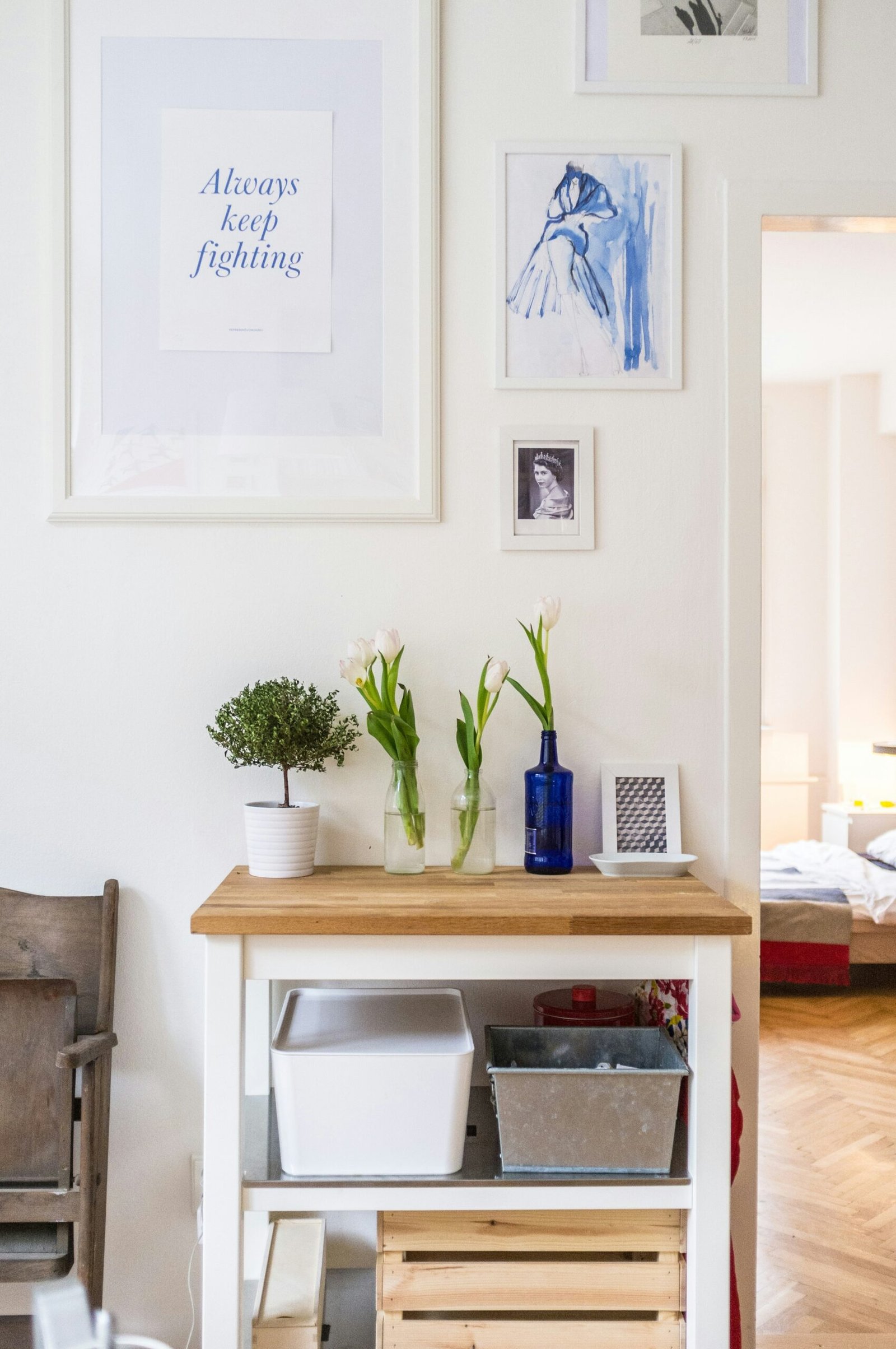
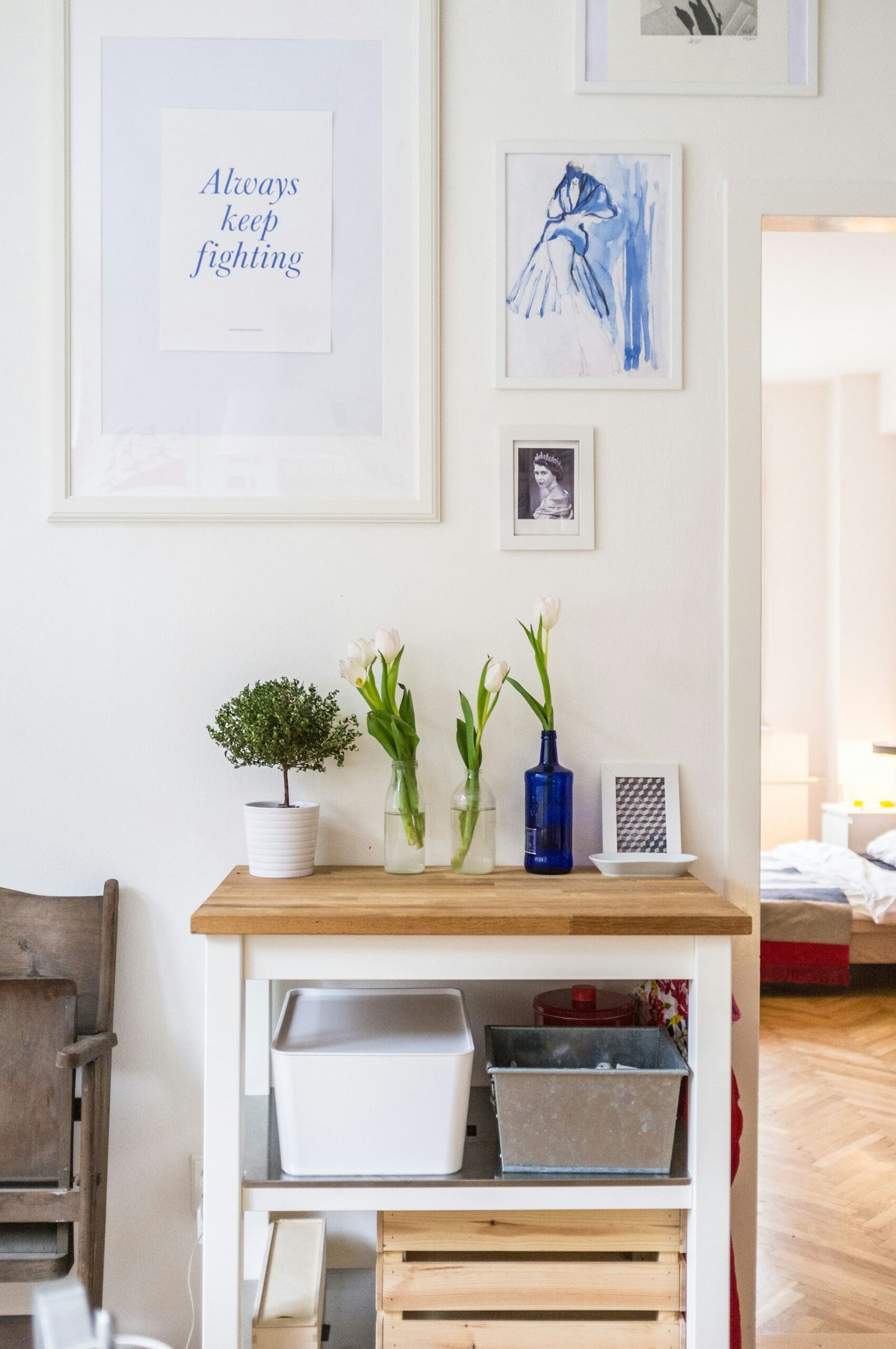
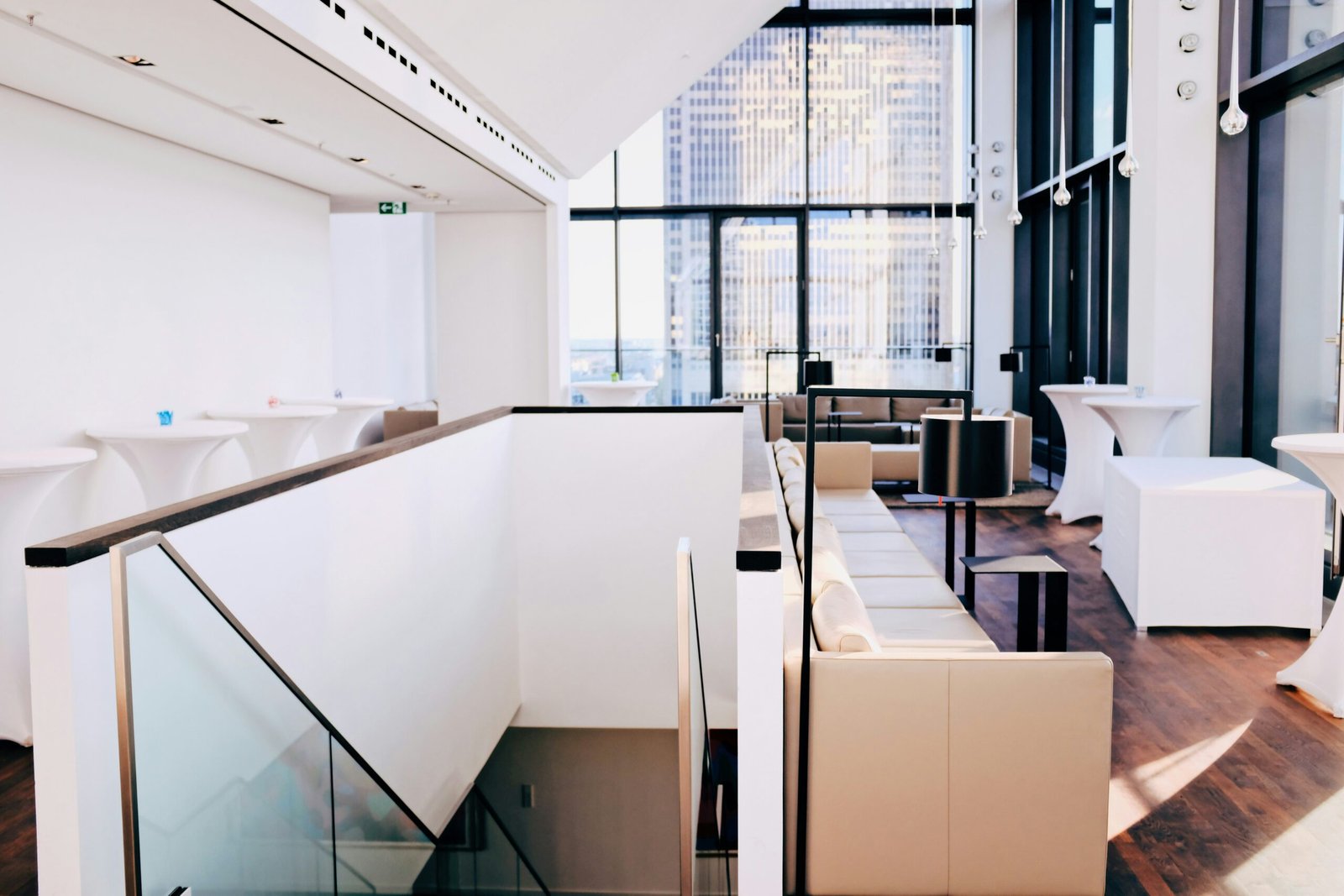
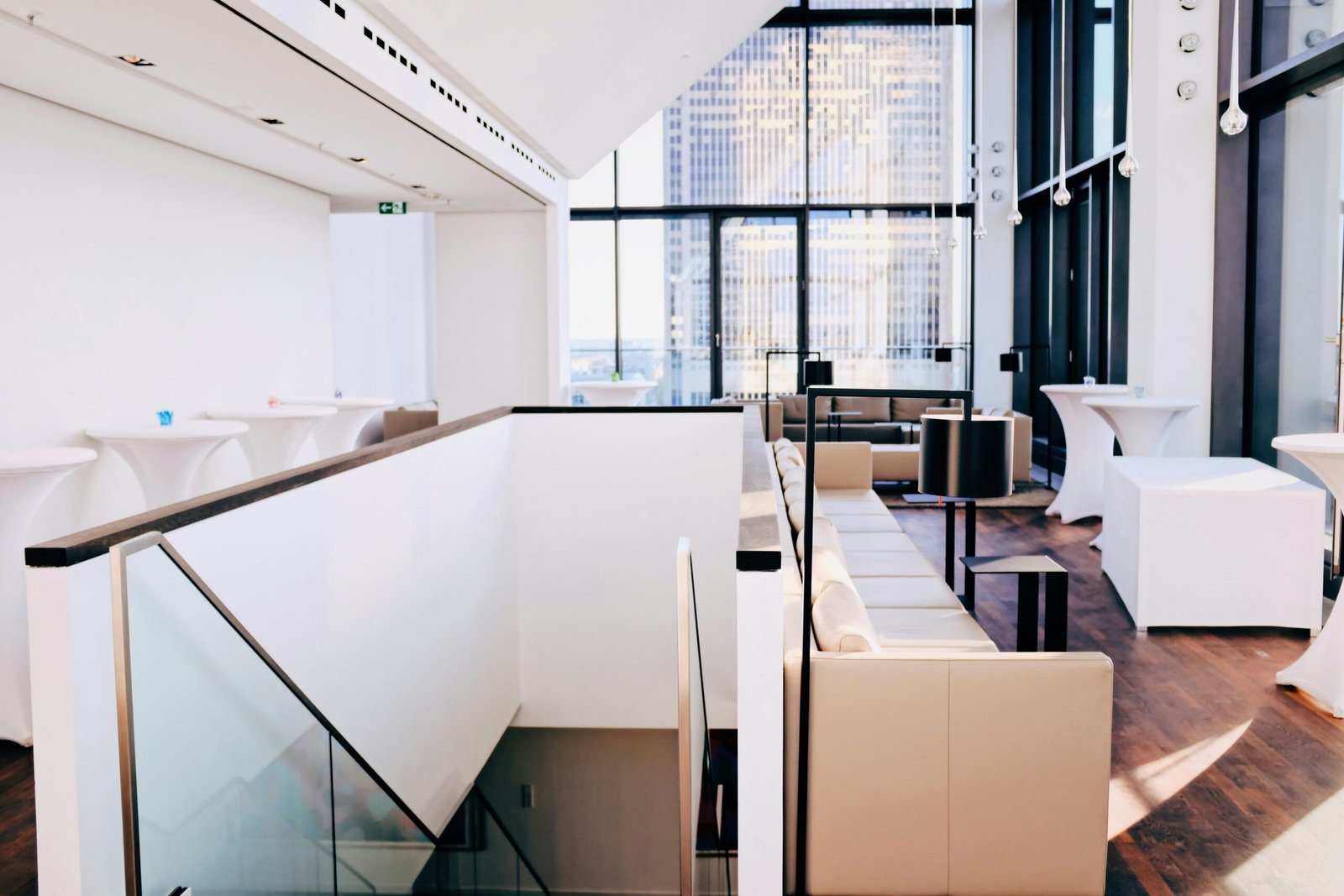
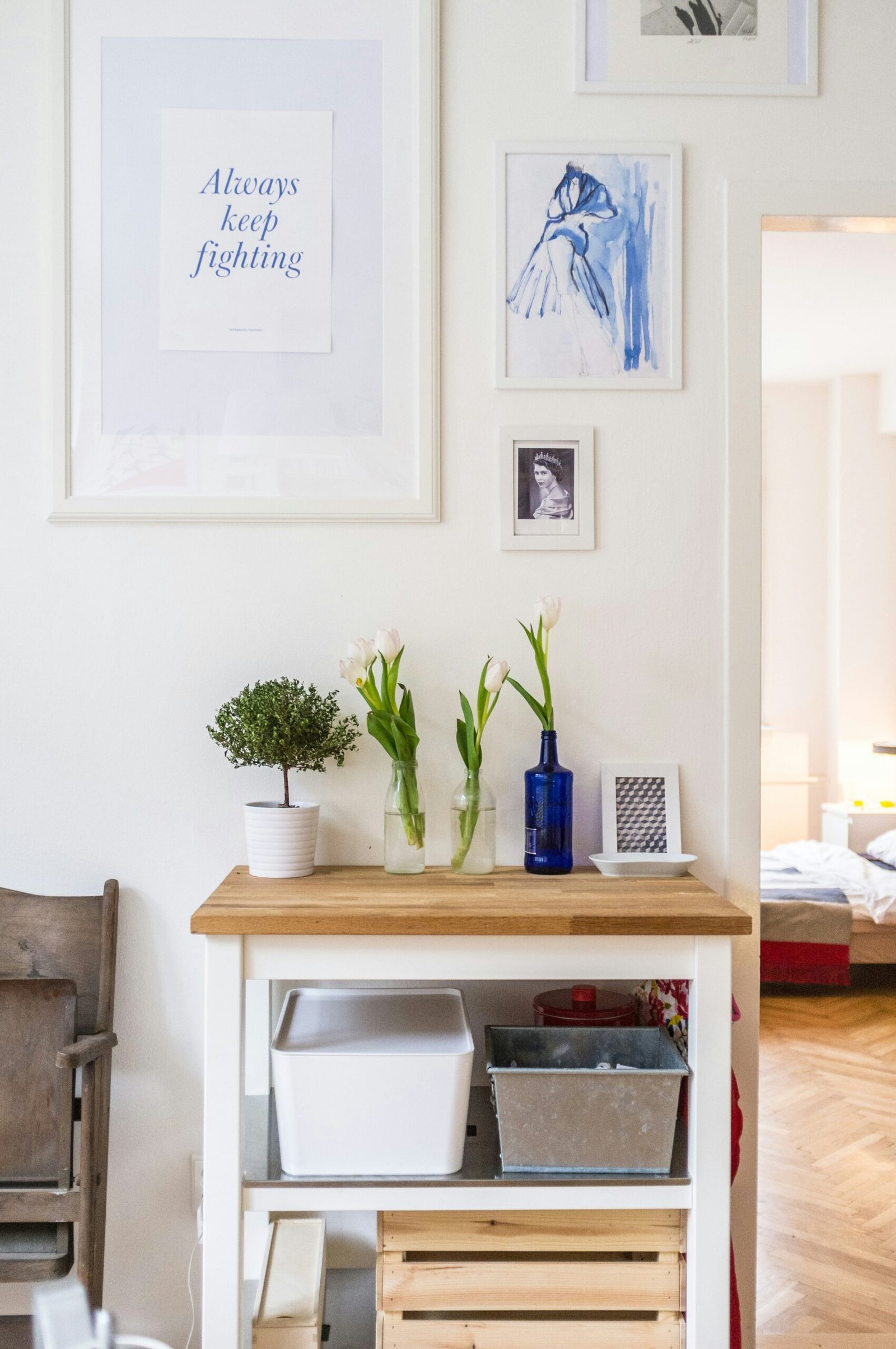
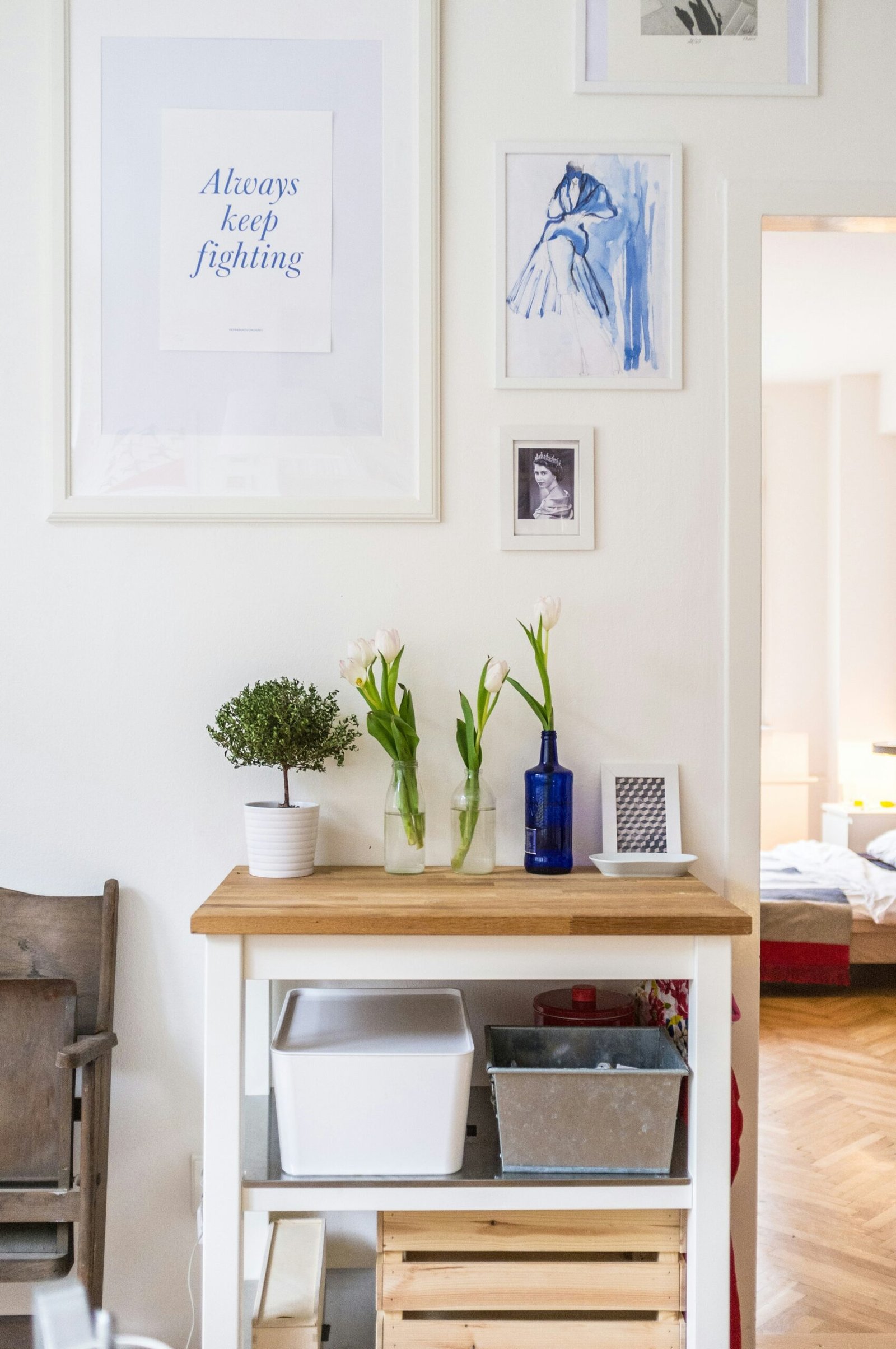
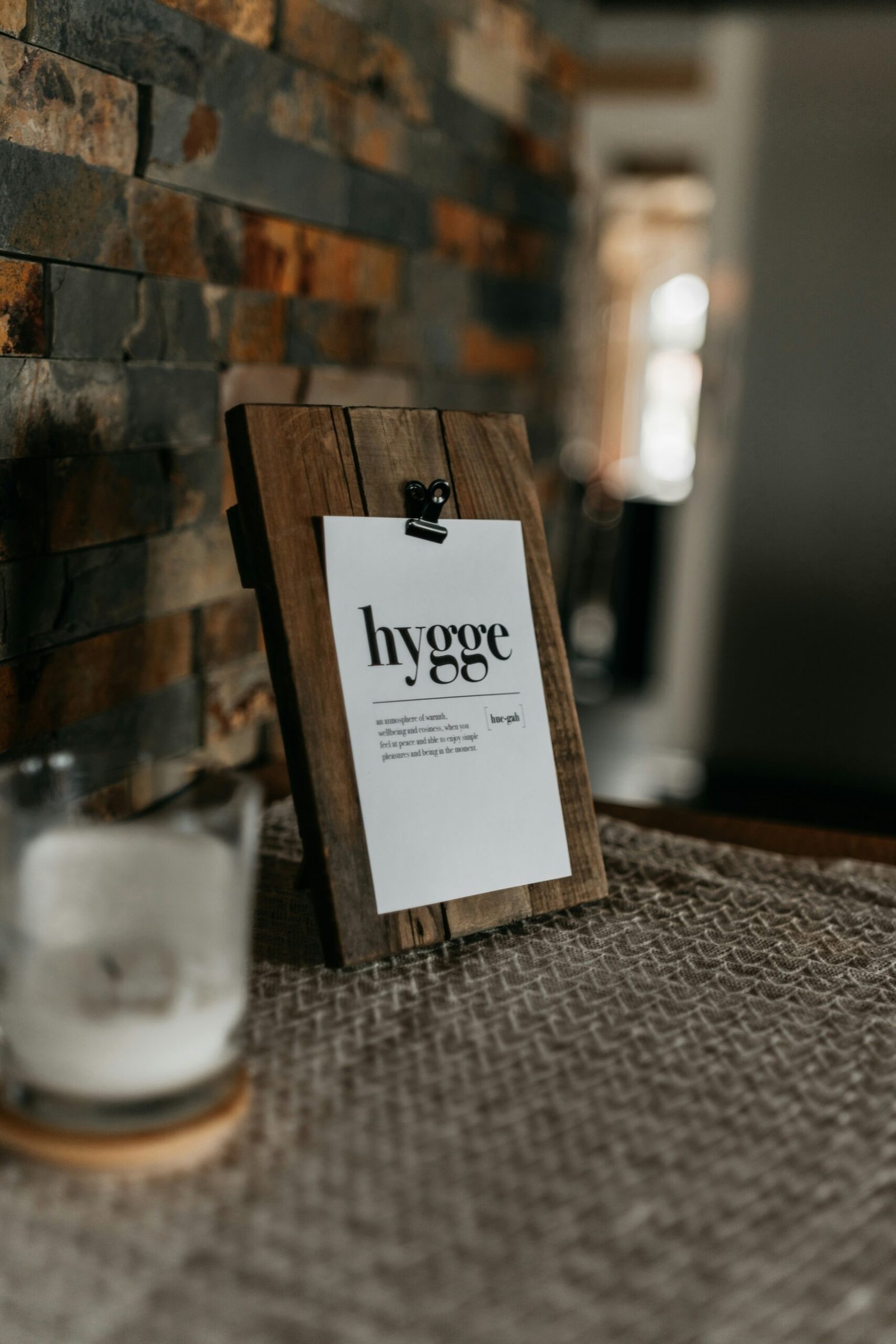
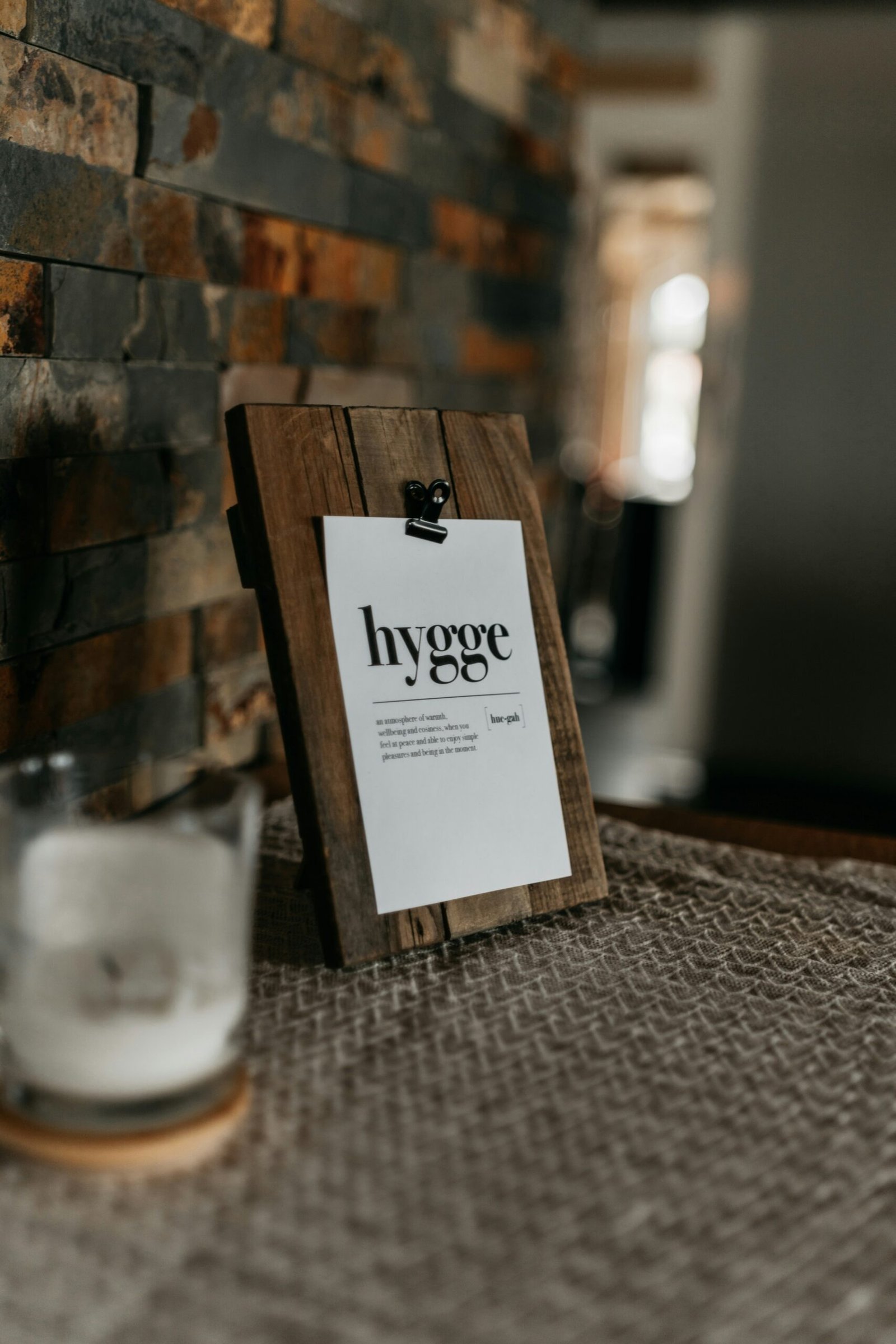
Home decor is an essential aspect of creating a space that reflects your personality and lifestyle. It encompasses everything from furniture and artwork to textiles and color schemes. The right home decor can significantly enhance the ambiance of your living space, making it more inviting and comfortable.
Key Elements of Home Decor
When considering home decor, it’s crucial to focus on key elements such as color, texture, and layout. Colors play a pivotal role in setting the mood; warm hues create a cozy atmosphere while cool colors can induce calmness. Textures, on the other hand, add depth and interest, with various fabrics and materials contributing to the overall look.
Personalizing Your Decor
Personalization is what truly makes home decor unique. Incorporating personal items, such as family photos or souvenirs from travels, can add character and tell your story. Additionally, staying updated with trends can inspire fresh ideas, but it’s essential to balance these trends with your individual taste to ensure your space feels like home.
Transform Your Space: Essential Tips for Home Decor
Redecorating your living space can breathe new life into your home, making it feel fresh, stylish, and truly yours. Whether you’re starting from scratch or simply looking to add some finishing touches, these essential home decor tips will help you transform your space into a stunning sanctuary.
1. Start with a Vision
Before diving into home decor, envision how you want your space to look and feel. Consider the mood or atmosphere you want to create. Is it cozy and inviting, sleek and modern, or eclectic and artistic? Use inspiration from magazines, online platforms, and social media, and create a mood board to organize your ideas.
2. Choose a Color Palette
The right colors can dramatically change a room’s vibe. A well-thought-out color palette is the foundation of good design. Consider using:
Neutral tones for a calm and timeless look.
Bold colors for accents that add personality and energy.
Soft pastels to create a gentle, airy atmosphere. Remember to test paint samples on the wall before committing to ensure the colors work well with your lighting.
3. Maximize Lighting
Lighting is a key component of home decor that often gets overlooked. Make use of natural light as much as possible, and layer different types of lighting to enhance the mood:
Ambient lighting (overhead lights or chandeliers) for general illumination.
Task lighting (table lamps or under-cabinet lights) for specific activities.
Accent lighting (spotlights or candles) to highlight artwork or architectural features. Dimmable lights can offer greater flexibility and help create a cozy ambiance.
4. Invest in Key Furniture Pieces
Quality furniture can elevate the look of your space. Prioritize investing in key items that make a significant impact, such as:
A comfortable sofa for the living room.
A stylish dining table for the dining area.
A statement bed frame for the bedroom. Balance functionality with aesthetics, and choose pieces that suit your lifestyle.
5. Play with Textures
Adding different textures can bring depth and interest to a room. Use a mix of materials like wood, metal, glass, and textiles to create a rich, layered look:
Rugs and throws for a cozy feel.
Wooden accents to add warmth.
Metallic accessories for a touch of luxury. Don’t be afraid to combine different textures for a more dynamic appearance.
6. Incorporate Art and Decor Pieces
Personal touches make a house feel like home. Display artwork, family photos, or decorative items that reflect your personality and style:
Wall art and paintings to create focal points.
Books, sculptures, or vases to add charm and character.
Mirrors to make small spaces feel larger and brighter. Group smaller decor items together for more impact, or keep it minimal for a clean, uncluttered look.
7. Use Greenery to Add Life
Plants can liven up your space and improve air quality. Choose a variety of indoor plants to suit your space, from large leafy greens to small succulents:
Tall potted plants in empty corners.
Hanging plants for an elevated touch.
Tabletop succulents for easy maintenance. Mix different types and sizes to create a lush, natural vibe.
8. Declutter and Organize
A cluttered space can feel overwhelming, while a well-organized room looks inviting and spacious. Make it a habit to declutter regularly and use smart storage solutions to keep your home tidy:
Shelving and baskets for stylish storage.
Multi-functional furniture to save space.
Hidden storage for items you don’t want on display. Aim for a balance between practical storage and decor to maintain a clean look.
9. Don’t Forget the Details
The small details make all the difference. Think about adding:
Throw pillows and blankets for added comfort.
Unique hardware like doorknobs and cabinet pulls for a touch of style.
Aromatic candles or diffusers to create a pleasant atmosphere. Experiment with different combinations to find what works best for your home.
10. Stay True to Your Style
While it’s helpful to follow trends, your home should ultimately reflect your personal taste. Stick to what you love, and don’t be afraid to express your unique style. The most beautiful spaces are those that feel authentic and lived-in.
Transforming your space doesn’t have to be daunting. With these essential tips, you can create a home that is not only stylish but also comfortable and reflective of your personality. Whether you’re doing a full makeover or just adding a few finishing touches, enjoy the process and make it your own!
Interior design is more than just arranging furniture; it is an art form that enhances the beauty and functionality of spaces. It combines creativity with practicality, ensuring that each environment is not only visually appealing but also livable. Designers consider aspects such as layout, lighting, color schemes, and furniture selection to create harmonious spaces that reflect the personalities and needs of the occupants.
The Importance of Space Planning
A crucial element in interior design is space planning. Effective space planning helps optimize the use of available square footage while creating an inviting atmosphere. Designers take into account the flow and circulation of a room, ensuring that each area serves its intended purpose while maintaining a balanced aesthetic. When done correctly, space planning can transform a cramped room into an open and airy space.
Color Schemes and Their Impact
Colors have a profound effect on mood and perception in interior design. The right color palette can evoke feelings of calmness, energy, or warmth. By choosing the appropriate colors, designers can create an environment that resonates with its users. Neutral tones often serve as a foundation, allowing for the introduction of bold accents that enhance the overall design without overwhelming the senses.
In conclusion, interior design is a multifaceted discipline that merges aesthetic appeal with functionality. By focusing on elements such as space planning and color schemes, designers can craft spaces that are not only beautiful but also conducive to a productive and enjoyable living experience.
Exploring the Essentials of Effective Interior Design
Interior design is an art form that goes beyond mere decoration; it’s about creating spaces that are functional, aesthetically pleasing, and reflective of the personality of the people who inhabit them. An effective interior design harmoniously combines various elements such as color, texture, space, and light to bring out the best in a room. Here are the essentials that contribute to an effective interior design:
1. Functionality
Before diving into the aesthetics, the primary consideration should be how a space will be used. Whether it’s a living room meant for relaxation, a kitchen for cooking, or a bedroom for rest, the layout and furnishings should support the room’s purpose. Good interior design finds a balance between form and function, ensuring that every piece serves a practical purpose while still contributing to the room’s overall appeal.
2. Balance and Harmony
Achieving balance in interior design involves distributing visual weight within a space. There are three types of balance: symmetrical, asymmetrical, and radial.
Symmetrical Balance: Commonly found in traditional interiors, it uses identical objects arranged in a mirrored way.
Asymmetrical Balance: Offers a more casual, modern feel by using different objects with similar visual weight or attraction.
Radial Balance: Involves arranging elements around a central focal point.
When combined, these forms create a sense of unity and harmony in the space.
3. Color Scheme
Color can dramatically affect the mood and perception of a room. Warm colors like reds, oranges, and yellows can make a space feel cozy and intimate, while cool colors like blues and greens evoke calmness and relaxation. It’s crucial to choose a color palette that not only matches the intended ambiance but also complements the room’s natural lighting and existing features.
4. Lighting
Lighting is a key component that can make or break an interior design. It should be layered, including ambient lighting for general illumination, task lighting for specific activities, and accent lighting to highlight features such as artwork or architectural elements. The right lighting not only enhances functionality but also adds depth and dimension to a room.
5. Texture and Patterns
Texture adds depth and tactile appeal to a space, while patterns can inject personality. Combining different materials such as wood, metal, fabric, and glass creates visual interest. Patterns, whether in rugs, wallpaper, or cushions, should be used thoughtfully to avoid overwhelming the space.
6. Space Planning
Effective space planning ensures that furniture is placed in a way that allows for easy movement and conversation. It considers both the positive space (occupied by furniture) and negative space (empty areas), aiming for a balance that prevents a room from feeling cluttered or sparse.
7. Personalization
A well-designed interior should reflect the tastes and preferences of its occupants. Personal touches like family photos, unique artwork, or travel souvenirs can add character to a space. The goal is to create an environment that feels lived-in and meaningful, rather than a generic showroom.
8. Sustainability
Sustainable interior design is becoming increasingly important. This involves using eco-friendly materials, energy-efficient lighting, and furniture made from sustainable sources. Incorporating green design principles can reduce a space’s environmental impact and create a healthier living environment.
9. Proportion and Scale
Understanding proportion and scale ensures that all elements within a space work together harmoniously. Oversized furniture can make a small room feel cramped, while tiny pieces can be lost in a large space. The right balance helps create a cohesive and visually appealing environment.
10. Focal Points
Every room should have a focal point—an area that draws the eye upon entering. It could be a piece of artwork, a fireplace, or a striking piece of furniture. The focal point acts as an anchor for the space, around which other design elements are arranged.
Interior design is more than just decoration; it’s about creating spaces that are both beautiful and functional. By considering the essentials such as functionality, balance, lighting, and personalization, one can transform any space into a harmonious and inspiring environment. Whether you’re a professional designer or simply looking to improve your own home, understanding these key principles is crucial to achieving effective interior design.
Interior decoration is an art that involves enhancing the aesthetic appeal and functionality of a space. To learn interior decoration effectively, start by familiarizing yourself with the fundamental principles. These include balance, harmony, color theory, and spatial awareness. Understanding how to combine these elements can significantly transform any area.
Exploring Different Styles
As you embark on your journey to learn interior decoration, it’s essential to explore various styles. From minimalist and modern to rustic and bohemian, each style has distinct characteristics. Experimenting with different aesthetics helps you identify what resonates with your personal taste and design sensibility. Use design magazines, websites, and social media platforms like Pinterest to discover and gather inspiration.
Practical Tips for Learning Interior Decoration
The journey to mastering interior decoration involves not just theory but also practical application. Start by redecorating a small area in your home. Apply what you’ve learned about balance and color to create a cohesive look. Don’t hesitate to seek feedback from friends or family; constructive criticism can refine your skills. Additionally, consider enrolling in online courses or workshops that focus on interior design principles.
Remember, practice is key. The more you immerse yourself in decorating projects, the more proficient you will become. With time, patience, and creativity, you can become skilled in interior decoration and transform spaces beautifully.
How to Learn Interior Decoration
Interior decoration is both an art and a science, combining aesthetics and functionality to create harmonious living spaces. Whether you’re considering a career in interior design or simply want to enhance your own home, learning the principles of interior decoration can be a rewarding journey. Here’s a comprehensive guide on how to learn interior decoration effectively.
1. Understand the Basics of Interior Design
Study Design Principles: Familiarize yourself with essential design principles, such as balance, contrast, rhythm, scale, and harmony. These foundational concepts will guide your decision-making throughout the decorating process.
Learn Color Theory: Understanding color theory is crucial in interior decoration. Learn about color wheels, complementary colors, and how colors can influence mood and perception in a space.
2. Take Online Courses or Workshops
Enroll in Interior Design Classes: Many online platforms offer courses in interior decoration. Websites like Coursera, Udemy, and Skillshare provide classes that cover various aspects of design.
Attend Local Workshops: Look for local workshops or community college classes that focus on interior design. These hands-on experiences can enhance your learning and provide networking opportunities.
3. Read Books and Magazines
Explore Design Books: Invest in books that delve into interior design theory, trends, and practical tips. Titles by renowned designers can offer inspiration and insight.
Follow Design Magazines: Subscribing to magazines like Architectural Digest, Elle Decor, or Interior Design can keep you updated on the latest trends and styles.
4. Explore Online Resources
Visit Design Blogs and Websites: Explore interior design blogs and websites to see real-life examples of decoration. Sites like Interior A to Z and Interior Designer NCR can provide inspiration and practical tips.
Watch Tutorials on YouTube: Many interior designers share their expertise through video tutorials. Platforms like YouTube are great resources for visual learners.
5. Practice with Real Projects
Start with Your Space: Begin decorating your own home or a friend’s space. Experiment with different styles, furniture arrangements, and color palettes to understand what works best.
Create Mood Boards: Use mood boards to visualize your ideas. Cut out images from magazines or use platforms like Pinterest to gather inspiration and organize your thoughts.
6. Learn About Different Styles
Explore Various Design Styles: Familiarize yourself with different design styles, such as modern, traditional, minimalist, bohemian, and industrial. Understanding these styles will help you develop your personal aesthetic.
Analyze Famous Interiors: Study famous interior designs from historical and contemporary perspectives. Look at how iconic designers approached space, color, and materials.
7. Network and Connect with Professionals
Join Interior Design Groups: Participate in online forums or local design groups where you can share ideas, seek advice, and learn from experienced designers.
Attend Industry Events: Visit trade shows, expos, and design fairs to meet professionals in the field and stay informed about the latest products and trends.
8. Get Feedback and Critique
Seek Constructive Criticism: Share your design ideas with friends or family and ask for their honest feedback. Learning to accept critique will help you grow as a designer.
Consider a Mentor: If possible, find a mentor in the interior design industry. Their experience and guidance can be invaluable as you develop your skills.
9. Stay Updated on Trends
Follow Trends: Interior design trends evolve rapidly. Stay current by following trend forecasts and the work of influential designers. Websites like Modular Kitchen Design can help you see what’s popular.
10. Pursue a Degree in Interior Design
Consider Formal Education: If you’re serious about a career in interior decoration, consider pursuing a degree in interior design. Many universities offer programs that combine theory with practical training.
Conclusion
Learning interior decoration is an exciting journey that requires a blend of creativity, knowledge, and practice. By studying design principles, taking courses, and immersing yourself in the world of interiors, you can develop the skills necessary to create beautiful and functional spaces. Whether you aim to decorate your home or pursue a career in interior design, the possibilities are endless. Happy decorating!
This blog serves as a guide to getting started in the field of interior decoration. If you’re interested in professional assistance or want to explore interior design services, check out the following resources:
1. What are the basic principles of interior decoration? Understanding principles such as balance, contrast, harmony, scale, and rhythm is crucial. These concepts help create cohesive and visually appealing spaces.
2. Are there any recommended online courses for interior decoration? Yes, platforms like Coursera, Udemy, and Skillshare offer various courses in interior design and decoration. Look for beginner to advanced classes to suit your level.
3. What books should I read to learn more about interior decoration? Books such as “The Interior Design Handbook” by Sophie Ashby and “Styled: Secrets for Arranging Rooms, from Tabletops to Bookshelves” by Emily Henderson are great starting points.
4. How important is color theory in interior decoration? Color theory is essential as it influences the mood and feel of a space. Understanding how colors interact can help you create harmonious designs.
5. Can I learn interior decoration through YouTube? Absolutely! Many interior designers and decorators share valuable tips and tutorials on YouTube. Channels dedicated to home decor can provide inspiration and practical advice.
6. How can I practice my interior decoration skills? Start by decorating your own home or a friend’s space. Experiment with different styles, layouts, and color schemes to gain hands-on experience.
7. What is a mood board, and how can it help? A mood board is a visual collage of images, materials, and colors that represent a design idea. It helps you organize your thoughts and communicate your vision effectively.
8. How can I learn about different design styles? Research various design styles like modern, traditional, minimalistic, and bohemian. Look at examples online, visit showrooms, or follow design blogs for inspiration.
9. Is networking important in interior decoration? Yes, networking with other designers and professionals in the industry can provide valuable insights and opportunities. Joining design groups and attending events can help expand your connections.
10. Should I consider formal education in interior design? If you’re serious about pursuing a career, a degree in interior design may be beneficial. Many universities offer programs that cover both theory and practical application.
11. How do I find a mentor in interior decoration? You can find a mentor by networking at industry events, joining online design forums, or connecting with professionals through platforms like LinkedIn.
12. What online resources are available for learning interior decoration? Several websites offer articles, tutorials, and resources on interior decoration. For example, sites like Interior A to Z and Interior Designer NCR provide valuable insights.
13. How can I stay updated on interior design trends? Follow design magazines, blogs, and social media accounts dedicated to interior design. Websites like Modular Kitchen Design often showcase the latest trends and innovations.
14. What skills do I need to develop as an interior decorator? Key skills include creativity, an eye for detail, spatial awareness, communication, and project management abilities. Working on these skills can enhance your decorating capabilities.
15. Is it possible to learn interior decoration on my own? Yes, many people successfully learn interior decoration through self-study, practice, and online resources. With dedication and creativity, you can develop your skills independently.
This FAQ provides a comprehensive overview of how to learn interior decoration. If you’re looking for professional guidance or services, consider exploring resources like:
Interior decoration is an essential aspect of creating a harmonious and functional living space. It encompasses various elements, including color schemes, furniture choices, and layout design. With the right approach, you can transform your home into a reflection of your individual style and preferences.
Key Elements of Interior Decoration
When diving into the world of interior decoration, consider the crucial components that will enhance your home. First, focus on color palettes that evoke the desired mood of each room. Soft colors often create a calming atmosphere, while vibrant hues can inject energy into a space. Secondly, furniture selection plays a significant role. Opt for pieces that are both functional and aesthetically pleasing to create a cohesive look throughout your home.
Tips for Successful Interior Decoration
To achieve a successful interior decoration project, start by defining your style. Whether it’s modern, rustic, or eclectic, having a clear vision will guide your choices. Additionally, do not forget to incorporate personal touches, such as artwork or family photos, to make the space uniquely yours. Finally, always consider the flow of the rooms; the layout should promote ease of movement while maintaining an inviting atmosphere.
FAQ: Interior Decoration
1. What is interior decoration?
Interior decoration refers to the art and practice of enhancing the interior of a building to achieve a healthier and more aesthetically pleasing environment. It focuses on the selection and arrangement of furniture, colors, fabrics, and accessories to create a desired look and atmosphere.
2. How does interior decoration differ from interior design?
While both terms are often used interchangeably, interior decoration is primarily concerned with the aesthetics and surface treatment of a space. In contrast, interior design encompasses a broader scope, including spatial planning, structural changes, and the functionality of a space.
3. What are the key elements of interior decoration?
The key elements include:
Color Scheme: The use of colors that complement and enhance the space.
Furniture Selection: Choosing pieces that match the style and purpose of the room.
Textiles and Fabrics: Using various materials for curtains, cushions, rugs, and upholstery.
Accessories and Decor: Incorporating art, plants, and decorative objects to personalize the space.
Lighting: Choosing fixtures that enhance the mood and functionality of the area.
4. What are popular interior decoration styles?
Popular styles include:
Modern: Features clean lines, minimalism, and a neutral color palette.
Traditional: Emphasizes classic furniture, rich textures, and warm colors.
Eclectic: Combines different styles, colors, and patterns for a unique look.
Bohemian: Characterized by vibrant colors, patterns, and a relaxed, informal feel.
Scandinavian: Focuses on simplicity, functionality, and natural materials.
Industrial: Incorporates raw materials, exposed brick, and a utilitarian aesthetic.
5. How can I choose a color scheme for my interior decoration?
To choose a color scheme:
Identify a Focal Point: Select a main color or feature (like a piece of art) to build around.
Consider Lighting: Different colors can appear differently depending on the light.
Use a Color Wheel: Explore complementary and analogous color schemes.
Test Samples: Paint swatches or use fabric samples to see how colors work together in the space.
6. What are some tips for decorating a small space?
Tips for decorating small spaces include:
Choose Light Colors: Light hues can make a space feel larger and more open.
Use Multi-Functional Furniture: Opt for pieces that serve more than one purpose, like ottomans with storage.
Incorporate Mirrors: Mirrors can reflect light and create an illusion of depth.
Keep It Simple: Avoid overcrowding the space with too much decor.
7. How can I personalize my interior decoration?
Personalize your space by:
Displaying Personal Items: Incorporate photos, souvenirs, and meaningful objects.
Using Custom Fabrics: Choose upholstery and curtains that reflect your taste.
Incorporating Your Hobbies: Add decor that showcases your interests, like books, art, or sports memorabilia.
8. What role does lighting play in interior decoration?
Lighting is crucial in interior decoration as it affects the mood, functionality, and overall ambiance of a space. Proper lighting can highlight key areas, create warmth, and enhance the colors and textures of the decor. Use a combination of ambient, task, and accent lighting for best results.
9. How can I make my home more environmentally friendly with interior decoration?
To make your home more eco-friendly:
Choose Sustainable Materials: Opt for furniture and decor made from recycled or sustainably sourced materials.
Incorporate Plants: Use indoor plants to improve air quality and add a natural touch.
Use Energy-Efficient Lighting: Choose LED bulbs and fixtures that consume less energy.
10. When should I hire a professional interior decorator?
Consider hiring a professional when:
You feel overwhelmed by the decorating process.
You have a specific vision but need help executing it.
You require assistance with spatial planning and layout.
You want access to resources and products not available to the general public.
Conclusion
Interior decoration plays a vital role in transforming spaces to reflect individual style and enhance comfort. By understanding the key elements and principles, you can create a beautiful and inviting environment that feels like home. Whether you choose to DIY or seek professional help, the possibilities are endless in making your space uniquely yours.
House interior design involves creating functional, aesthetically pleasing spaces that enhance the overall living environment. The goal is to design interiors that not only look appealing but also serve the needs of those residing in the space.
Key Elements of Interior Design
When embarking on a house interior design project, consider the core elements: color, space, texture, and furnishings. The right color palette can dramatically alter the mood of a space, while effective use of space ensures that the home feels open and inviting. Textures, through fabrics and materials, add depth, and selecting the appropriate furnishings is crucial for functionality and style.
Incorporating Personal Style
Your personal style is vital in house interior design. Incorporate decor items that reflect your individuality and taste. Elements like artwork, photographs, and unique furniture pieces can transform a generic space into a personalized sanctuary. Mixing modern aesthetics with vintage accents can also create a distinctive look that embodies your personality.
In conclusion, mastering the intricacies of house interior design requires balance and creativity. By understanding key design elements and incorporating your personal touch, you can create a space that is not only beautiful but also reflective of your lifestyle.
FAQ: House Interior Design
1. What is house interior design?
House interior design is the art and science of enhancing the interiors of a residential space to achieve a healthier and more aesthetically pleasing environment. It involves planning the layout, selecting color schemes, furnishings, lighting, and decor to create a cohesive and functional living space.
2. Why is interior design important for houses?
Interior design is important because it can significantly impact the comfort, functionality, and aesthetic appeal of a home. A well-designed interior can enhance the overall quality of life, increase property value, and create a space that reflects the homeowner’s personality and lifestyle.
3. What are the key elements of house interior design?
The key elements of house interior design include:
Space Planning: Effective layout that maximizes functionality and flow.
Color Scheme: Selection of colors that create a mood and complement the overall design.
Furniture Selection: Choosing pieces that fit the space, style, and functionality.
Lighting Design: Implementing various types of lighting to enhance the ambiance.
Textiles and Materials: Incorporating fabrics and materials that add texture and warmth.
4. How can I create a cohesive interior design style throughout my house?
To create a cohesive interior design style:
Choose a Color Palette: Select a color scheme that flows from room to room.
Consistent Materials: Use similar materials and finishes in different spaces for harmony.
Unified Furniture Style: Opt for furniture that aligns with your chosen design style.
Thematic Decor: Incorporate a consistent theme or motif throughout the house.
5. What are some popular interior design styles for houses?
Popular interior design styles include:
Modern: Clean lines, minimalism, and functional furniture.
Traditional: Classic details, rich colors, and elegant furnishings.
Contemporary: Evolving design that incorporates current trends and technology.
Rustic: Natural materials, warm colors, and a cozy atmosphere.
Industrial: Exposed brick, metal fixtures, and urban aesthetics.
Scandinavian: Simple, functional, and clutter-free design with a focus on natural light.
6. How can I maximize space in a small house?
To maximize space in a small house:
Use Multi-Functional Furniture: Choose furniture that serves multiple purposes.
Opt for Open Shelving: Reduce the visual clutter of cabinets and display items.
Create Vertical Storage: Utilize wall space for shelving and storage solutions.
Incorporate Mirrors: Use mirrors to create an illusion of more space and reflect light.
7. What should I consider when choosing furniture for my home?
When choosing furniture, consider:
Size and Scale: Ensure pieces fit comfortably within the space.
Style and Aesthetic: Match furniture style with your overall design theme.
Functionality: Consider how the furniture will be used and if it meets your needs.
Quality and Durability: Invest in well-made pieces that will stand the test of time.
8. How can I incorporate technology into house interior design?
Incorporating technology can be done through:
Smart Home Devices: Use smart lighting, thermostats, and security systems.
Integrated Audio-Visual Systems: Create home theaters or surround sound systems.
Automated Blinds and Shades: Enhance convenience and energy efficiency.
Home Office Solutions: Designate a functional workspace with tech-friendly furniture.
9. What are some budget-friendly tips for house interior design?
Budget-friendly tips include:
DIY Projects: Take on small projects yourself to save costs.
Thrift Shopping: Look for second-hand furniture and decor at thrift stores.
Paint Refresh: A fresh coat of paint can dramatically change a space’s look.
Rearranging Furniture: Change the layout of existing furniture for a new feel.
10. When should I hire a professional interior designer?
Consider hiring a professional interior designer when:
You have a complex renovation or design project.
You want expert guidance in achieving a specific style or theme.
You have limited time or experience in interior design.
You seek help with space planning and maximizing functionality.
Conclusion
House interior design is a vital aspect of creating a comfortable, stylish, and functional living environment. By considering your preferences and needs, and possibly collaborating with professionals, you can transform your house into a home that reflects your personality and enhances your lifestyle.
Decorating your home doesn’t have to break the bank. With a few creative strategies, you can transform your space without sacrificing style. Whether you’re revamping a single room or the entire house, these tips for home decor on a budget will help you achieve a chic look that reflects your personal style.
Get Creative with DIY Projects
One of the best ways to save money is by embarking on DIY projects. From creating your own wall art to refurbishing old furniture, there are countless ways to inject creativity into your home. Visit Interior A to Z for tutorials and inspiration. Simple projects allow you to personalize your decor and keep costs low while achieving a stylish finish.
Accessorize Smartly
Accessories can make a significant impact in any room. Instead of investing in expensive decor, consider affordable options such as throw pillows, lamps, and vases. Retailers often offer sales, so keep an eye out for bargains. Additionally, adding plants can liven up your space at minimal costs. Check out Modular Kitchen Design for unique accessory inspirations.
Embrace Second-Hand Finds
Don’t overlook thrift stores and online marketplaces for second-hand treasures. Vintage pieces can add character and style to your home decor. A unique chair or table can become a stunning focal point of your room. For more tips on incorporating these finds, refer to the resources at Interior Designer NCR and beyond.
FAQ on Stylish Home Decor Tips on a Budget
Creating a stylish home doesn’t have to break the bank. With a little creativity and resourcefulness, you can achieve a beautifully decorated space without overspending. Here’s a comprehensive FAQ to help you decorate your home on a budget while still making a stylish impact.
1. How can I decorate my home on a budget?
You can decorate your home on a budget by:
Thrifting: Visit thrift stores, garage sales, and flea markets for unique finds at low prices.
DIY Projects: Get crafty with DIY decor projects using affordable materials to create custom pieces.
Repurposing: Upcycle old furniture or decor items to give them a new life and style.
Shop Sales: Take advantage of seasonal sales and clearance items at home goods stores.
2. What are some inexpensive ways to refresh my space?
Here are a few budget-friendly ideas to refresh your space:
Paint: A fresh coat of paint can dramatically change the look of a room. Choose a trendy color to update the walls or furniture.
Textiles: Update cushions, throws, and curtains to add color and texture without spending much.
Gallery Wall: Create a gallery wall using inexpensive frames and personal photos or art prints.
3. How can I use plants to enhance my decor on a budget?
Plants are an affordable way to add life and color to your decor:
Indoor Plants: Opt for low-maintenance indoor plants like pothos, snake plants, or succulents that are often budget-friendly.
DIY Planters: Create your own planters using recycled materials like jars, cans, or wooden crates.
Plant Grouping: Group plants together in different heights and textures to create an attractive display.
4. What are some cost-effective ways to create a focal point in a room?
Creating a focal point doesn’t have to be expensive:
Feature Wall: Use removable wallpaper or paint a single wall in a bold color to draw attention.
Artwork: Hang a large piece of art or a DIY canvas to create visual interest.
Statement Furniture: Invest in one statement piece of furniture, like a colorful chair or a unique coffee table.
5. How can I find affordable decor items?
To find affordable decor items, consider:
Online Marketplaces: Check websites like Craigslist, Facebook Marketplace, or OfferUp for budget-friendly furniture and decor.
Dollar Stores: Explore dollar stores for inexpensive decor items, frames, and kitchen accessories.
Local Craftsmen: Support local artisans at craft fairs for unique, handcrafted decor pieces at reasonable prices.
6. What are some budget-friendly DIY decor projects I can try?
Here are a few simple DIY projects:
Wall Art: Create your own abstract art using canvas and paint or frame fabric remnants.
Cushion Covers: Sew or use fabric glue to make custom cushion covers with inexpensive fabric.
Decorative Jars: Repurpose glass jars by painting or wrapping them in twine for stylish storage solutions.
7. How can I mix high and low decor items effectively?
Mixing high and low decor items can create a balanced and stylish look:
Invest in Key Pieces: Spend more on essential items like a quality sofa or dining table, then accessorize with budget-friendly items.
Layering: Layer expensive-looking items with budget finds, such as pairing high-end pillows with a thrifted sofa.
Style Consistency: Ensure that both high and low items share a common style or color palette for a cohesive look.
8. How can I utilize lighting to enhance my decor on a budget?
Lighting plays a significant role in home decor:
DIY Lampshades: Update old lamps with new DIY lampshades made from fabric or paper.
String Lights: Use string lights to add a warm ambiance to your space; they are affordable and easy to install.
Reflective Surfaces: Incorporate mirrors to reflect light and make the space feel brighter and larger without spending much.
9. What are some tips for arranging furniture on a budget?
Furniture arrangement can drastically change a room’s feel:
Play with Layout: Experiment with different furniture arrangements to find the most functional and aesthetic setup.
Use What You Have: Rearrange your existing furniture instead of buying new pieces to refresh your space.
Create Conversation Areas: Group furniture to encourage conversation and interaction, making the space feel cozier.
10. How can I maintain a stylish look without overspending?
To maintain a stylish look on a budget:
Plan Your Purchases: Make a list of what you need and stick to it to avoid impulse buying.
Quality Over Quantity: Focus on acquiring fewer, high-quality items rather than many low-quality pieces.
Seasonal Updates: Change small decor items seasonally, such as cushions and candles, to keep the space feeling fresh without a significant investment.
Decorating your home stylishly on a budget is achievable with creativity and thoughtful planning. By incorporating these tips and tricks, you can create a beautiful and inviting space that reflects your personal style without overspending. If you have more questions or need further inspiration for budget-friendly home decor, feel free to reach out!
When it comes to creating a contemporary living space, understanding the fundamentals of modern interior design is essential. This design style focuses on simplicity, functionality, and a blend of comfort and aesthetics. Incorporating sleek furniture, neutral color palettes, and open spaces promotes a refreshing ambiance that reflects modernity. Explore more about the principles of interior design at Wikipedia.
Selecting the Right Elements
Selecting the appropriate materials and decor is crucial in achieving a modern interior. Consider elements that resonate with minimalism and elegance. Look for versatile furniture options and ensure your choices enhance the overall space rather than cluttering it. For ideas on selecting modern finishes and decor, check out Interior A to Z and Modular Kitchen Design.
Maximizing Space and Light
Modern interiors thrive on openness and light. Maximizing natural light can dramatically alter the feel of your home. Utilize large windows, mirrors, and light-colored walls to create an illusion of space. Additionally, employing smart storage solutions helps keep your areas organized without sacrificing style. For professional assistance in design, you could refer to Interior Designer NCR.
In the age of social media, Instagram has emerged as a powerful platform for artists and designers to showcase their work. When it comes to interior design, the best Instagram accounts can provide a wealth of inspiration that caters to a variety of tastes and aesthetics. Explore these creative profiles to elevate your own design ideas and stay ahead of the trends.
Top Interior Design Instagram Accounts to Follow
Among the myriad of Instagram accounts, some stand out for their unique approach and compelling content. Whether you’re drawn to minimalist styles or elaborate interiors, these accounts are bound to inspire:
Interior Designer NCR – Featuring stunning designs from professional interior decorators.
The Importance of Following Trends
Keeping up with the latest interior design trends is crucial for anyone looking to create a beautiful living space. By following the best interior design Instagram accounts, not only can you find inspiration but also discover innovative ideas and practical solutions. Consider delving further into the world of interior design through educational resources, like Wikipedia. It offers insights into design principles and historical context.
For a more comprehensive exploration of interior design, visit Interior A to Z. This platform features articles, tips, and tricks that can help anyone develop a keen eye for design.
So, start your journey today by connecting with these amazing accounts – you never know where your next design idea will come from!
In recent years, eco-friendly interior design has gained significant momentum. This approach emphasizes sustainability and the use of materials that are safe for the environment. Integrating eco-friendly materials into your home not only enhances its aesthetic appeal but also contributes to a healthier living space.
Types of Eco-Friendly Materials
When considering eco-friendly interior design, focus on materials such as reclaimed wood, bamboo, and recycled metal. Reclaimed wood gives furniture and flooring a unique character while minimizing waste. Bamboo, a highly renewable resource, is often used for flooring, cabinetry, and decorative items due to its durability and stylish appearance. Recycled metal, on the other hand, can be transformed into stunning light fixtures and furnishings.
Benefits of Eco-Friendly Design
The benefits of using eco-friendly interior design materials extend beyond aesthetics. These materials can significantly reduce your carbon footprint. Additionally, many of them are non-toxic and contribute to improved indoor air quality. By choosing sustainable options, such as those found at Interior A to Z, Modular Kitchen Design, and Interior Designer NCR, you contribute positively to the planet while creating a beautiful and healthy home.
For more in-depth information on sustainable practices in interior design, feel free to check this resource. As you embark on your interior design journey, consider implementing eco-friendly materials available at Interior A to Z to transform your space sustainably.
Boho chic interior design is an eclectic mix of colors, textures, and patterns inspired by a variety of cultural influences. This style celebrates individuality and creativity, making every space feel unique and personal. A bohemian aesthetic typically incorporates natural materials, artisanal craftsmanship, and vintage elements, resulting in a warm and inviting atmosphere.
Key Features of Boho Chic Design
When creating a boho chic interior, there are several key features to consider. First, layering is essential; combine various textiles such as rugs, throws, and cushions to add depth and comfort to your space. Additionally, incorporating plants and natural elements brings life and vibrancy, making the environment feel more organic.
Don’t shy away from mixing patterns! Tribal prints, florals, and geometric designs work harmoniously in this style. Furthermore, using a diverse color palette—think earthy tones paired with vibrant accents—creates a sense of harmony amidst the chaos.
How to Achieve Boho Chic Aesthetics
To achieve a boho chic aesthetic in your home, start by selecting key pieces that resonate with your personality. Vintage furniture finds, unique décor items, and handcrafted art will enhance the character of your space. Create cozy nooks with oversized cushions and floor pillows, perfect for relaxation and socializing.
Lastly, keep your space clutter-free yet filled with meaningful items. Remember, boho chic is not just about decoration; it’s about creating a lifestyle that emphasizes freedom, creativity, and self-expression.
Modern living room interior design focuses on simplicity, functionality, and minimalism. The style typically showcases clean lines, subtle colors, and a combination of textures to create a comfortable yet sophisticated space. A modern living room serves not only as a gathering area but also reflects the personality and lifestyle of the inhabitants.
Key Elements of Modern Living Room Interior Design
When it comes to designing a modern living room, several key elements play a crucial role. First, consider the furniture. Choose pieces that are sleek and geometric, ideally in neutral colors or natural materials. Sectional sofas, mid-century chairs, and glass coffee tables often feature prominently.
Lighting is another important factor. Opt for floor lamps or pendant lights with minimalistic designs that can double as decorative art pieces. Accessories, such as abstract art or decorative cushions, can add personality while still maintaining a clean aesthetic.
Creating Cohesion in Your Modern Space
A critical aspect of modern living room interior design is achieving a cohesive look. To do this, select a color palette that complements your chosen furniture and decor. Stick to two or three main colors, incorporating various shades and textures to keep the space visually interesting without overwhelming it.
Incorporating plants can also enhance the modern vibe, adding a touch of nature and freshness to your living room. By following these design principles, you can create a stylish and functional modern living room that invites relaxation and social interaction.
Sustainable home interior design focuses on creating spaces that are environmentally friendly and promote wellness. By selecting materials that are responsibly sourced and energy-efficient, homeowners can greatly reduce their carbon footprint. This innovative approach to design combines aesthetics with eco-consciousness, offering a solution that benefits both the planet and the inhabitants.
Key Principles of Sustainable Design
To embrace sustainable home interior design, consider these key principles: utilize natural materials, prioritize energy efficiency, and reduce waste. Natural materials such as bamboo, reclaimed wood, and organic textiles minimize environmental impact while adding a warm, inviting feel. Energy-efficient appliances and fixtures not only save on utility bills but also lessen reliance on nonrenewable resources. Additionally, being mindful about waste and choosing durable products ensures that your interior will last while contributing to a more sustainable lifestyle.
Creating a Sustainable Living Space
When implementing sustainable home interior design, start with a space assessment. Identify areas that require an upgrade, and then source materials that align with eco-friendly standards. Consider the lighting; opting for LED bulbs and maximizing natural light can drastically improve energy use. Moreover, integrating indoor plants enhances air quality while bringing a touch of nature indoors. In conclusion, by adopting these practices, you can create a harmonious living environment that emphasizes sustainability.
As we step into 2024, interior design trends are evolving to reflect the changing preferences of homeowners and the environment. This year, expect an infusion of sustainability, bold colors, and innovative materials that not only enhance aesthetics but also promote a comfortable living experience.
Sustainable Design Practices
One of the most significant trends in 2024 is the emphasis on sustainability. Homeowners are increasingly seeking eco-friendly materials and energy-efficient designs. This includes the use of reclaimed wood, low-VOC paints, and sustainable textiles. The trend is not just about being fashionable; it’s about fostering a healthy environment for generations to come.
Color Palettes and Textures
This year, color choices are becoming bolder and more expressive. Rich jewel tones and earthy hues are leading the way, creating warm and inviting spaces. Additionally, mixed textures are gaining popularity, blending materials like velvet, metal, and natural fibers to create depth and interest within a space. Such combinations make interiors feel more dynamic and expressive, setting new standards for contemporary design.
Innovative Space Solutions
Lastly, interior design is focusing on innovative solutions that maximize space. Multifunctional furniture, hidden storage options, and adaptive layouts are trending. These solutions not only help in optimizing space but also cater to the needs of modern living, where flexibility has become paramount.
In conclusion, the interior design trends of 2024 emphasize sustainability, bold colors, and innovative space solutions, promising to redefine living spaces to be more functional, beautiful, and environmentally friendly.
Renovating your home can be an invigorating experience, especially when it comes to interior design. With each renovation, there is an opportunity to breathe new life into your space. Here are some innovative ideas to inspire your upcoming renovation project.
Maximizing Space with Open Concepts
One popular trend in interior design renovation is the implementation of open-concept layouts. By removing unnecessary walls, you can create a more spacious atmosphere. This not only enhances natural light but also encourages a flow between different areas of your home. Consider merging your kitchen with the living area to encourage family interaction while cooking and dining.
Incorporating Sustainable Materials
In today’s eco-conscious world, choosing sustainable materials for your renovation is a wise decision. Using reclaimed wood, bamboo flooring, or recycled glass can minimize your environmental impact while showcasing your commitment to sustainability. These materials often come with unique textures and colors, adding charm to your interior design.
Color Schemes That Tell a Story
Your choice of color can dramatically alter the look and feel of your space. Opting for a cohesive color scheme that reflects your personality can lead to a comprehensive interior design narrative. Whether you prefer calming neutrals or bold hues, select colors that harmonize well and create a cohesive aesthetic across your rooms.
In conclusion, embracing these innovative renovation ideas can not only enhance the aesthetics of your home but also improve functionality and sustainability. Start planning your interior design renovation today to create the ideal living space!
Interior design showrooms are essential resources for anyone looking to refresh their living spaces or embark on a major renovation. These spaces showcase a wide variety of design options, from furniture to color palettes. By visiting showrooms, you can gain inspiration that goes beyond what is available online or in magazines.
Experiencing Products Firsthand
When you explore interior design showrooms, you have the unique opportunity to see, touch, and experience products up close. This hands-on experience is invaluable when selecting furniture and décor, as it allows you to evaluate quality, texture, and scale directly. Furthermore, many showrooms have staffed experts who can offer valuable insights and design advice to help you make informed decisions.
Trends and Innovations
Showrooms often feature the latest trends and innovations in interior design. By keeping your finger on the pulse of current styles, you can ensure that your home reflects your personality while staying fashionable. Additionally, some showrooms host events and workshops that focus on emerging design concepts, making them a great place to learn and network with like-minded individuals.
In summary, visiting interior design showrooms opens up a world of possibilities. From firsthand experiences with products to staying updated on design trends, these spaces are valuable for anyone looking to enhance their interiors.
Home decor and interior design play a crucial role in creating a comfortable and visually appealing living environment. While often used interchangeably, the two concepts are distinct. Home decor focuses on the aesthetics of the space, including color schemes, furnishings, and accessories. On the other hand, interior design encompasses the functionality of the space, considering aspects like layout, flow, and usability.
Choosing the Right Elements
When embarking on your home decor journey, start by selecting a color palette that resonates with your style. Warm colors tend to create a cozy ambiance, while cool hues can evoke tranquility. Once you’ve decided on your colors, consider integrating decorative elements such as artwork, throw pillows, and rugs that complement your chosen theme. Remember, balance is key; ensure that your space doesn’t feel overcrowded by maintaining a sense of harmony among your decor.
Maximizing Space with Smart Design
Effective interior design can transform even the smallest of spaces. Utilizing multifunctional furniture can help you make the most of your home. Think about a stylish coffee table with storage or a bed with built-in drawers. Additionally, using mirrors strategically can enhance natural light and create the illusion of a larger space. These design tricks not only optimize space but also add to the overall aesthetic, making your home both functional and beautiful.
Seasonal decor plays a pivotal role in transforming our living spaces, allowing us to connect with the rhythm of nature and reflect the beauty of different times of the year. As seasons change, so do our environments; incorporating seasonal decor can profoundly enhance the aesthetics of a home. Whether it is the bright colors of spring flowers, the warm tones of autumn leaves, or the cool, crisp decor of winter, each season offers unique elements that can be utilized to create a welcoming atmosphere.
Engaging in seasonal decor not only elevates the visual appeal of a home but also serves to lift spirits and enhance the overall mood of its inhabitants. By refreshing interiors, individuals can cultivate an environment that resonates with the season’s essence, leading to increased comfort and satisfaction. The simple act of adjusting accents, colors, and textures can yield significant impacts on one’s daily experience, fostering a deeper connection to the seasons and promoting a sense of mindfulness.
The purpose of this blog post is to inspire readers with a variety of creative ideas for seasonal decor that can be easily incorporated into any home. By exploring innovative concepts tailored for each season, we aim to provide guidance that encourages the personalization of living spaces. From DIY projects to subtle updates, readers will discover practical approaches for embracing seasonal change within their homes. As we delve into these ideas, we invite you to consider how your living environment responds to the seasons, and how simple decor changes can create a more vibrant and inviting space.
Spring Decor Ideas
As nature awakens from its winter slumber, spring provides a wonderful opportunity to refresh and rejuvenate your home decor. The essence of spring is captured through elements that symbolize renewal, growth, and vibrancy. Embracing floral arrangements is one of the most effective ways to celebrate this season. Consider incorporating a variety of blooms, such as tulips, daffodils, and cherry blossoms, in your living spaces. These flowers not only add color but also infuse a fresh scent that enhances the overall atmosphere.
Color plays an essential role in spring decor. Utilizing pastel colors such as soft pinks, light greens, and delicate blues can instantly brighten any space. These hues represent the gentle transition of winter to spring and create a calming ambiance in your home. Complement these colors with light fabrics, such as sheer curtains or throw pillows, which can contribute to a fresh and airy feel.
Nature-inspired accents, such as wooden decor or stone features, are excellent choices for conveying the spirit of the season. Incorporate elements like woven baskets filled with seasonal fruits or decorative birdhouses as charming centerpieces. These accents provide a rustic touch while emphasizing the beauty of the natural world.
For those inclined towards hands-on creativity, DIY projects offer an exciting way to personalize your space. For instance, painted flower pots can be an engaging weekend project. Choose vibrant colors to paint terracotta pots, then fill them with herbs or seasonal plants for a delightful touch. Additionally, consider creating a spring mantel display adorned with magnolia branches, Easter-themed decorations, and scented candles to create a focal point that enchants every visitor.
By implementing these spring decor ideas, you can truly capture the essence of the season, allowing your home to mirror the beauty of nature’s renewal. Embrace the season’s vibrancy with thoughtful decor that invites warmth and growth into your living space.
Summer Decor Ideas
As the warmth of summer arrives, it serves as an ideal opportunity to refresh your home’s decor and infuse it with vibrant energy. Creating a light and airy ambiance is crucial during this season, and incorporating beach-themed elements can establish a serene, vacation-like atmosphere in your living space. Consider adding decorative items such as seashells, burlap accents, or beach-inspired artwork to your walls. These items not only elevate the aesthetic but also evoke the essence of summer.
Bright textiles play a significant role in summer decor. Incorporating colorful throw pillows, lightweight blankets, and cheerful table linens can introduce a sense of joy and vibrancy into your home. Opt for fabrics featuring tropical prints or patterns reminiscent of nature, such as palm leaves. A bright area rug can also anchor a room while enhancing the summery feel. Additionally, lightweight cotton or linen drapes can replace heavier winter curtains to ensure maximum airflow and sunlight.
Outdoor spaces are meant to be enjoyed during the summer months, and enhancing your patio or garden area should be a priority. Consider creating a cozy outdoor lounge with comfortable seating, a stylish coffee table, and ample decorations. Utilizing bright planters filled with seasonal flowers can add a splash of color. Fairy lights or paper lanterns can illuminate your evening gatherings, offering a charming glow for nighttime entertainment. For an engaging DIY project, upcycled summer lanterns made from mason jars can be a fun and creative addition to your outdoor decor.
In conclusion, embracing summer decor ideas can transform your home into a light-filled oasis. Through the integration of beach-themed elements, vibrant textiles, and creative outdoor projects, you can achieve a seasonal decor that reflects the essence of summer living, creating an inviting atmosphere that encourages relaxation and enjoyment.
Fall Decor Ideas
The fall season is a time of transition, characterized by rich, warm tones and an atmosphere that evokes feelings of coziness and nostalgia. To embrace this seasonal change, incorporating various decor ideas into your home can create an inviting ambiance. Central to fall decor are elements that celebrate harvest, Halloween, and Thanksgiving, all of which can be beautifully integrated into your living spaces.
One popular choice for fall decor is the use of pumpkins. These versatile gourds come in a myriad of sizes, colors, and textures, making them perfect for decorating both indoors and outdoors. From classic orange pumpkins to more unique varieties like white or heirloom pumpkins, arranging them in clusters on a porch or creating a centerpiece for your dining table can infuse your home with the essence of autumn.
In addition to pumpkins, incorporating leaves and other natural elements can enhance the seasonal feel. Gather colorful autumn leaves to create stunning autumn arrangements, or consider using artificial foliage for lasting decor. Another creative approach is to craft a wreath from collected foliage, which can be hung on your front door or displayed inside to welcome guests with seasonal flair.
Textiles also play a crucial role in establishing a cozy atmosphere during the fall. Opt for warm-colored throw pillows, blankets, and table runners in shades of burgundy, mustard, or forest green. These textiles not only add visual interest but also encourage comfort during the cooler months. Furthermore, DIY crafts such as making garlands with acorns or dried corn can personalize your fall decorations.
By implementing these thoughtful fall decor ideas, you can successfully transform your home into a warm and inviting retreat that celebrates the beauty of the season.
Winter Decor Ideas
Winter presents a unique opportunity to embrace the beauty and charm of the season through thoughtful decor. As the cold days settle in, creating a cozy and inviting atmosphere becomes essential. One effective way to enhance the winter ambiance in your home is through the strategic use of blankets and throws. Soft, warm textiles add comfort and can be draped over furniture or piled onto beds, encouraging relaxation during those chilly evenings.
For a festive touch during the holiday season, consider incorporating twinkling lights. Whether hung on a mantel, draped around windows, or even strung along the walls, these lights create a warm glow that elevates the winter spirit. Choose soft white or multicolored lights to complement your home’s decor theme, and they can remain as charming accents even after the holidays have come to a close.
Another delightful decor option involves crafting DIY snowflake ornaments. This activity is great for families, as it not only fosters creativity but also serves as a personal touch to your winter decorations. Using materials such as paper, string, or even wood, you can create a variety of snowflake designs to hang from windows or ceilings, giving your home a whimsical feel reminiscent of a serene winter wonderland.
In addition to these elements, consider using natural winter elements such as pinecones, evergreen branches, or holly to create centerpieces or arrangements throughout your home. These simple decorations reinforce the seasonal theme and bring the outdoor beauty inside. By blending festive decorations with winter-themed accents, your home can maintain a welcoming atmosphere, celebrating the essence of winter in all its glory.
Eco-Friendly Seasonal Decor
As more individuals become aware of their environmental footprint, the demand for sustainable and eco-friendly seasonal decor has surged. Integrating natural materials into your seasonal decorations not only reduces waste but also creates a warm, inviting atmosphere in your home. First and foremost, consider sourcing decorative items from recyclable materials or repurposing what you already own. For instance, glass jars can be transformed into charming candle holders or vases, while fabric scraps can be fashioned into garlands or pillow covers. Additionally, purchasing products made from sustainably sourced resources strengthens eco-friendly practices.
Incorporating greenery is another excellent way to enhance seasonal decor sustainably. Houseplants and seasonal flowers, such as chrysanthemums in fall or potted poinsettias during winter, lend a fresh touch while promoting a healthy indoor environment. Moreover, consider implementing herb gardens or succulents that can serve dual purposes—adding beauty to your space while being functional. A low-maintenance herb garden can provide fresh ingredients for cooking throughout the year, making this decor option both practical and green.
Another creative approach is to utilize nature’s offerings as decor. Collect flowers, branches, or even pinecones during your outdoor excursions to create stunning centerpieces or wreaths. For example, a wreath made from dried lavender or eucalyptus not only looks beautiful but also emits an appealing fragrance, enhancing your home’s ambience. During the fall season, using colorful leaves can evoke the spirit of the harvest. By allowing nature to guide your decor choices, you imbue your home with a personal touch while minimizing your environmental impact.
Lastly, remember that eco-friendly decor extends beyond materials. Choosing energy-efficient lighting solutions, such as LED lights, and prioritizing local, organic textiles can further reduce your carbon footprint. With these ideas, you can not only celebrate each season creatively but do so with a sense of responsibility towards our planet.
Budget-Friendly Seasonal Decorating
Transforming your home with seasonal decor does not have to be an expensive endeavor. There are numerous budget-friendly strategies that you can employ to create an inviting atmosphere throughout the year. One of the most effective methods for achieving a stylish look on a budget is to embrace thrifty shopping. This involves scouring local thrift stores, garage sales, and online marketplaces for gently used decor items that can be revitalized with a little creativity. When carefully selected, these items can inject unique charm into your seasonal displays.
DIY projects present another excellent option for cost-effective seasonal decorating. Crafting your own decor allows for personalization, turning ordinary materials into extraordinary pieces that resonate with the themes of each season. For example, creating fall wreaths using fallen leaves, pinecones, and twigs can provide a warm ambiance while costing significantly less than store-bought alternatives. Similarly, spring flower arrangements made from recycled glass jars can add a touch of freshness to your home without straining your wallet.
Additionally, repurposing existing decor items is a savvy approach that not only saves money but also promotes sustainability. Instead of purchasing new decorations, consider how you can alter or adapt what you already own. For instance, changing the ribbon on decorative pillows or switching out picture frames to reflect a seasonal theme can breathe new life into your decor. Use seasonal colors to paint or cover frames and set the stage for a festive atmosphere. These subtle shifts can greatly enhance your home’s appeal without detracting from your budget.
By combining thrifty shopping with DIY projects and creative repurposing techniques, you can effectively achieve chic seasonal decorating that fits within your budget. These methods empower you to embrace each season’s unique vibes while ensuring your decor is both stylish and affordable.
Spotlighting Personalization in Seasonal Decor
Personalizing seasonal decor is an essential aspect that not only enhances the aesthetic appeal of a home but also infuses it with character and individuality. By incorporating personal touches, families can create an environment that reflects their unique styles and tastes, making each season feel more special. One effective way to achieve this personalization is by integrating family traditions into the decor. For instance, utilizing heirloom ornaments or handmade crafts from past generations can create a sense of continuity and belonging, encouraging family members to engage in the decorating process.
In addition to traditions, think about incorporating cultural elements into your seasonal decor. Celebrating diverse backgrounds through unique decorations allows for a richer environment and showcases the beauty of different customs. For example, during the holiday season, using decorations that represent various holiday practices can create an inviting atmosphere that fosters inclusivity and understanding among family and friends. Furthermore, consider adding photographs or mementos that tell a story about your family’s history or shared experiences, effectively transforming your home into a narrative space.
Creativity plays a pivotal role in the personalization of seasonal decorations. Instead of sticking to conventional themes, challenge yourself and others to brainstorm innovative ideas that break the mold. Engage in DIY projects with family members, turning everyday items into stunning focal points that resonate with personal significance. Creating a seasonal wreath from collected pine cones or crafting table centerpieces with freshly picked flowers are just a few examples that can instill a sense of pride and ownership in your seasonal decor.
Ultimately, personalizing seasonal décor allows for self-expression and strengthens family bonds by inviting everyone to contribute their ideas and traditions. This engagement fosters an environment where every season can be celebrated in a way that is meaningful and unique to those who inhabit the space.
Conclusion and Call to Action
Transforming your home through seasonal decor is an enriching experience that can significantly enhance your living environment. By embracing the changes that each season brings, you not only refresh your interiors but also contribute to a warm and inviting atmosphere. This blog post has highlighted various creative ideas for seasonal decor that cater to a range of tastes and styles, from autumn’s warm hues to the bright and vibrant signs of spring. Incorporating elements such as seasonal flowers, themed accent pieces, and festive displays can foster a sense of renewal and excitement in your space.
As each season unfolds, you have the perfect opportunity to express your creativity and adapt your home decor accordingly. The strategies discussed can serve as inspiration, allowing you to reflect your personal style while keeping your surroundings dynamic and engaging. Furthermore, seasonal decorating provides a chance to celebrate various holidays and traditions, making your home a true reflection of your values and lifestyle.
We encourage you to try out the ideas shared in this post and experiment with your own interpretations of seasonal decor. Sharing your experiences not only fuels inspiration but also fosters a sense of community among fellow readers. We invite you to connect with us by leaving a comment below detailing your favorite seasonal decor ideas or any unique tips you have discovered along the way. Join the conversation and inspire others to transform their homes, season by season!
Wooden louvre designs for windows have transcended time, offering a blend of functionality and aesthetic appeal that dates back centuries. Historically, louvres emerged as a practical solution for ventilation, providing airflow while shielding occupants from direct sunlight and rain. Their architectural significance can be traced to various cultures, where they were often used in homes, public buildings, and even temples, demonstrating an understanding of climate responsiveness and interior comfort.
In contemporary settings, wooden louvres maintain their relevance, appealing to homeowners who appreciate the natural beauty of wood. The warmth and texture of wooden louvres can enhance both interior and exterior aesthetics, creating a cozy atmosphere. This timeless design is not only visually pleasing but also versatile, allowing for various finishes that can complement different architectural styles—from modern minimalism to rustic charm.
Durability is another key factor contributing to the popularity of wooden louvre designs. When properly maintained, wood can withstand the elements, including moisture and temperature fluctuations, making it an ideal choice for windows in diverse climates. Moreover, advancements in treatments and sealants have improved the longevity of wooden louvres, ensuring they retain their structural integrity and aesthetic appeal over time.
Furthermore, wooden louvre designs are customizable, providing homeowners with the option to select the species of wood, finish, and configuration that best fits their style. Whether one opts for sleek slats or intricate patterns, these designs can significantly enhance the overall appearance of a home. As sustainability becomes increasingly important, many homeowners are also turning to responsibly sourced wood, aligning their choices with environmental values.
Overall, wooden louvre designs offer a unique combination of historical significance and modern adaptability, making them a compelling choice for those seeking to enhance their home aesthetics.
Benefits of Wooden Louvres
Wooden louvres have gained popularity in contemporary architectural design due to their various benefits that effectively enhance both functionality and aesthetics in homes. One of the primary advantages of wooden louvres is their ability to control light and airflow. The adjustable slats allow homeowners to regulate the amount of natural light entering a space, creating a harmonious indoor environment. Moreover, they facilitate optimal ventilation while maintaining privacy, making them an ideal choice for bedrooms and living areas.
In addition to light and air control, wooden louvres provide effective insulation. Wood is a natural insulator, which helps to maintain comfortable temperatures inside the home. During the summer months, louvres can be adjusted to allow cool breezes while blocking direct sunlight, thereby reducing the need for artificial cooling and resulting in lower energy costs. Conversely, in the colder months, closed louvres help retain heat, contributing to energy efficiency.
Another significant benefit of wooden louvres is their environmental impact. Utilizing sustainably sourced wood minimizes the carbon footprint associated with home construction and renovation. This choice not only supports responsible forestry practices but also promotes the use of renewable resources, making wooden louvres an eco-friendly option.
Aesthetically, wooden louvres offer unparalleled customization options. With a variety of wood types, finishes, and colors available, homeowners can select a design that complements their home’s architecture and personal style. The natural grain of wood adds warmth and sophistication to any interior or exterior, enhancing the overall visual appeal of the property.
Overall, the combination of practical benefits and aesthetic versatility makes wooden louvres a desirable addition to any home. Their capacity to elevate living spaces while promoting sustainability positions wooden louvres as a smart choice in modern design.
Popular Wood Types for Louvres
When selecting wooden louvres for windows, the choice of wood plays a crucial role in both aesthetics and functionality. Several wood types are favored for their unique characteristics, durability, and maintenance needs. Among these, teak, cedar, oak, and pine stand out as some of the most popular options.
Teak is renowned for its exceptional durability and resistance to weathering, making it an ideal choice for louvres in various climates. Its natural oils provide a protective barrier against moisture, insects, and decay, ensuring longevity. Furthermore, teak wood features a rich golden-brown hue that deepens over time, enhancing the visual appeal of any home. The elegant grain patterns of teak louvres not only elevate the aesthetics of the exterior but also complement a range of architectural styles.
Cedar, on the other hand, is admired for its aromatic qualities and natural resistance to rot and pests. The lightweight yet sturdy nature of cedar makes it an excellent material for louvres. Additionally, cedar wood develops a beautiful silver-gray patina if left untreated, adding to its charm. Regular maintenance involves applying a protective finish to preserve its color and prolong its lifespan.
Oak is another popular choice, particularly for its strength and resilience. Its dense grain makes it suitable for a variety of louvre styles, offering a traditional look that can blend seamlessly with classic homes. Regular staining or sealing is required to prevent moisture damage and maintain its appearance, but oak’s durability justifies the effort required for upkeep.
Lastly, pine is often chosen for its affordability and versatility. While it may not possess the same durability as hardwoods like teak or oak, treated pine can withstand various weather conditions effectively. Its light color allows for easy customization through painting or staining, catering to diverse aesthetic preferences. With proper maintenance, pine louvres can last for many years, providing an attractive yet economical solution for homeowners.
Design Trends in Wooden Louvres
The realm of wooden louvre designs has witnessed a significant evolution, reflecting broader trends in contemporary architecture and interior decor. One of the most prominent variations in recent years is the embrace of contemporary minimalist styles. This trend emphasizes simplification of forms and functions, favoring clean lines and understated aesthetics. Wooden louvres are increasingly designed with a focus on enhancing natural light and providing ventilation, while maintaining a sleek, unobtrusive profile that aligns seamlessly with modern home designs.
Moreover, the integration of wooden louvres into modern home decor has become a prevalent practice among homeowners looking to elevate the visual appeal of their spaces. Designers are now opting for versatile wooden louvres that can complement various interior styles—from rustic to industrial. By selecting different wood finishes and colors, homeowners can ensure that their louvres serve not only a functional purpose but also act as a focal point in the room. The combination of functionality and design is at the forefront, demonstrating that louvres can be both practical and stylish.
Additionally, there is a growing trend towards innovative applications that merge traditional wooden louvre designs with modern technology. Smart home features are making their way into louvre systems, allowing for remote control of louvre positioning and automated adjustments in response to temperature or sunlight. This intersection of classic craftsmanship and modern technology not only enhances the usability of wooden louvres but also aligns them with the contemporary ethos of convenience and energy efficiency. As these trends continue to develop, it is clear that wooden louvres will play a crucial role in creating aesthetically pleasing and functional living spaces.
How to Choose the Right Louvre Design for Your Home
Selecting the ideal wooden louvre design for your home involves several critical considerations to ensure that the final choice complements your property’s overall aesthetics while serving practical functions. First and foremost, assessing your architectural style is essential. Whether your home showcases traditional, modern, or eclectic designs, wooden louvres can be tailored to enhance the structure’s visual appeal. For instance, classic homes may benefit from ornate or crafted louvre designs, whereas contemporary dwellings might suit sleek, minimalist styles.
Climate is another significant factor influencing the choice of louvre designs. In areas prone to heavy rainfall or intense sunlight, selecting louvres that allow adequate airflow and light control is crucial. Angled louvres can direct rain away from windows while still permitting light and ventilation inside, thus maintaining comfort without compromising aesthetics. Moreover, if your home is located in a region with varying temperatures, consider louvre designs that provide insulation, helping to regulate indoor conditions efficiently.
Home orientation should not be overlooked when choosing a louvre design. South-facing windows, for instance, may need louvres that minimize heat gain, whereas north-facing windows can take advantage of additional sunlight through more open designs. This consideration can greatly influence the overall energy efficiency of your property.
Lastly, assessing your personal taste plays a pivotal role in the decision-making process. Think about whether you prefer a more rustic look or a sleek, modern finish. Additionally, factor in your needs for privacy and functionality. Some louvre designs can be adjusted to increase privacy while still allowing natural light, making them a versatile addition to your home. By thoughtfully evaluating these elements, you can select a wooden louvre design that perfectly aligns with your requirements and preferences.
Installation Considerations for Wooden Louvres
When contemplating the installation of wooden louvres, one must consider whether to embark on a do-it-yourself (DIY) project or engage the services of a professional installer. Both options come with their own sets of advantages and drawbacks. A DIY installation allows for greater flexibility in personalizing the design, but it also requires a certain level of skill and experience. Conversely, hiring a professional can ensure that the installation is executed properly, which is crucial for the longevity and functionality of the louvres.
Before starting the installation process, it is essential to gather the necessary tools and materials. Common tools needed include a drill, screwdriver, measuring tape, level, and saw. Additionally, having the correct hardware such as brackets, hinges, and fasteners is vital for the secure mounting of the louvres. It’s recommended to carefully read the manufacturer’s instructions, as each product may have specific requirements that need to be met.
Proper measurement of the window space is important to ensure that the wooden louvres fit correctly and operate smoothly. It is advisable to measure the width and height of the window frames, taking into account any obstructions that might affect the installation. Furthermore, it is crucial to level the louvres during installation. Uneven louvres not only detract from the aesthetic appeal but can also affect their functionality.
During the installation, it is vital to secure the louvres firmly to withstand various weather conditions, especially if they will be installed on exterior windows. Using high-quality materials and following best practices will optimize the benefits of wooden louvres in terms of both aesthetics and performance. Proper attention to detail during the installation process will ultimately enhance the overall look and efficiency of your home’s windows.
Maintenance Tips for Wooden Louvres
Wooden louvres can enhance the aesthetic appeal of your home while also allowing for efficient airflow and natural light control. However, regular maintenance is essential to ensure their longevity and optimal performance. To keep your wooden louvres in excellent condition, implementing a thorough cleaning routine is vital. Begin by removing any dust, dirt, or debris that may accumulate on the surfaces using a soft-bristle brush or a microfiber cloth. For deeper cleaning, prepare a mild solution of warm water and gentle soap to gently wipe down the louvres, taking care to avoid excessive moisture that can lead to wood decay.
Additionally, wood treatment options are crucial in protecting your louvres from potential decay and insect damage. Applying a high-quality wood preservative or sealer can significantly extend the life of your wooden louvres. Make sure to choose a product that is appropriate for outdoor use if your louvres are exposed to the elements. This treatment not only guards against moisture but also repels pests that can compromise the integrity of the wood.
To further protect your wooden louvres from environmental conditions, consider installing a protective overhang or awning, which can shield the wood from direct sunlight and excessive rainfall. If your louvres are painted, it is advisable to routinely check for peeling or chipping paint, which can expose the wood beneath to potential damage. Sanding down the affected areas and applying a fresh coat of paint will help maintain both aesthetics and durability.
Lastly, inspect your wooden louvres for any signs of wear, such as loose hinges or warped slats. Promptly addressing these issues can prevent minor problems from escalating into more significant repairs. By following these maintenance tips, you can ensure that your stylish wooden louvres remain a beautiful and functional addition to your home for many years.
Combining Louvres with Other Window Treatments
Integrating wooden louvres with various window treatments can significantly elevate your home aesthetics, creating a stylish and functional window design. Wooden louvres provide a distinct charm and can serve as an excellent foundation for layering additional treatments. By combining louvres with curtains, blinds, and shades, homeowners can enhance both the visual appeal and practicality of their windows.
One effective approach is to layer wooden louvres with sheer or opaque curtains. The louvres allow for adjustable light control and ventilation, while curtains add softness and color to a room. Choosing curtains that complement the natural finish of the louvres will create a cohesive look. For a more dramatic effect, consider adding heavier, textured drapes on the sides, ensuring they can be drawn back to maintain the louvres’ functionality.
Another interesting combination involves incorporating roller shades or roman blinds with wooden louvres. The sleek functions of blinds can offer privacy while allowing the louvres to be the focal point of the design. Selecting shades with subtle patterns or colors can enhance the allure of the wooden features without overwhelming them. Blinds that are easy to operate will also provide convenience, allowing homeowners to adapt their window treatments as the day progresses.
Lastly, combining wooden louvres with plantation shutters can provide an added dimension to window styling. The structured look of shutters can create a sophisticated aesthetic that aligns beautifully with louvres. This blend not only highlights the architectural elements of a room but also enhances energy efficiency, ensuring that your home is both stylish and sustainable.
Experimenting with these combinations allows for personalized design choices, catering to individual preferences while maximizing functionality. Each layering option provides an opportunity to create a unique atmosphere, thereby enriching the overall look of any space.
Conclusion
Wooden louvres present a sophisticated solution for homeowners looking to enhance their living spaces while also maximizing functionality. Throughout this discussion, we have explored the numerous attributes that make wooden louvre designs a favorable choice. Their versatility allows for a harmonious blend with various architectural styles, whether traditional or contemporary. This adaptability not only adds an aesthetic appeal to homes but also provides practical benefits such as improved airflow, light control, and privacy.
Homeowners should consider the environmental advantages of opting for wooden louvres. Sustainable sourcing and the natural insulating properties of wood contribute to energy efficiency, aligning with an ever-growing demand for eco-friendly home solutions. Additionally, the range of finishes and styles available allows for customization, ensuring that every homeowner can find a perfect match that reflects their unique tastes and preferences.
When thinking about enhancing your home with these stylish features, it may be beneficial to explore local options for installation. Engaging with local craftsmen or suppliers can provide insight into the finest materials and designs that suit your requirements, ensuring quality craftsmanship and support for the community. Ultimately, wooden louvres stand out as both a stylish accent and a functional element in home design, encouraging a seamless integration of beauty and practicality. Investing in wooden louvres can transform any space, turning it into a serene and elegant environment that captures the essence of sophisticated living.
DIY home design has become an empowering endeavor for many homeowners seeking to personalize their living spaces without incurring substantial costs. The essence of DIY, or do-it-yourself, lies in the creativity it fosters, allowing individuals to transform spaces using their imagination and resourcefulness. Unlike traditional methods that often involve hiring professionals, DIY projects offer a unique opportunity for self-expression, enabling individuals to take full control of their home aesthetics.
One of the primary advantages of designing your home for free through DIY methods is the financial benefit. By utilizing materials that are readily available at home or repurposing items, significant savings can be achieved. This approach not only minimizes expenses but also encourages a more sustainable lifestyle through recycling and upcycling, giving new life to older materials.
Moreover, the satisfaction derived from creating something unique cannot be overstated. When you engage in DIY home design, each piece created carries personal significance, setting your home apart from others. This sense of ownership and achievement enhances the emotional connection one has with their space, cultivating an environment that resonates with individual tastes and preferences.
The realm of DIY home design also nurtures skills that can be both practical and rewarding. Individuals often discover newfound talents in woodworking, painting, or sewing, which can contribute to personal growth and encourage further creativity. This aspect of learning and developing skills can be particularly beneficial in fostering a sense of accomplishment as projects progress.
Ultimately, embracing DIY home design allows homeowners to create spaces that reflect their personalities while enjoying the myriad benefits associated with such undertakings. As we delve deeper into the various DIY ideas, it is essential to recognize the creativity, satisfaction, and financial advantages that come with this rewarding journey.
Assessing Your Space and Setting Goals
Transforming your home begins with a thorough evaluation of your current living environment. This essential first step enables you to identify areas that warrant improvement. Start by walking through each room systematically, paying close attention to the layout, lighting, and overall atmosphere. Take note of what you love about the space as well as elements that feel out of place or don’t serve a purpose. Consider factors such as furniture arrangement, color schemes, and decor style, each of which contributes to the overall feel of your home.
It is crucial to involve both personal preferences and lifestyle needs in this assessment. Think about the activities you regularly engage in, whether it be entertaining guests, working from home, or enjoying quiet family time. These factors will inevitably guide your design decisions. For example, a dynamic living space suitable for social gatherings might require an open layout and ample seating, while a serene reading nook might prioritize comfort and tranquility.
Setting realistic design goals is fundamental to achieving a successful transformation. These goals should be aligned with your personal style and the emotions you wish to evoke in your home. Perhaps you desire a more welcoming atmosphere, which can be accomplished through warm color palettes and inviting furniture arrangements. Alternatively, if you seek a place of inspiration, consider incorporating creative and bold decor elements that resonate with your personality. As you establish these goals, be sure to prioritize functionalities as well; consider whether specific spaces could use enhancements to better serve your daily routines and needs.
By accurately assessing your space and defining clear, actionable goals, you create a focused framework for your DIY design projects. This initial evaluation sets the foundation for a cohesive transformation that reflects your unique style and improves the overall living experience in your home.
Gathering Inspiration and Ideas
Transforming your space into a reflection of your personality begins with gathering the right inspiration. One of the most efficient ways to kickstart your DIY home design journey is by exploring various online platforms. Pinterest, for instance, is a treasure trove of creative ideas spanning different styles and budgets. By searching for keywords related to your preferred aesthetics, you can uncover countless images and DIY projects that resonate with your vision.
Similarly, Instagram serves as another valuable resource. You can follow home decor hashtags, influencers, and brands that align with your design philosophy. The visual nature of Instagram allows you to see how real-life installations look, providing practical insights that can aid in your decision-making process. Furthermore, engaging with communities on these platforms aids in discovering trends and techniques that are currently capturing the attention of DIY enthusiasts.
Home improvement blogs also deserve a place in your inspiration repertoire. Many bloggers document their own home renovation journeys, often providing detailed tutorials, step-by-step guidance, and cost breakdowns. This not only helps you understand the feasibility of projects but also gives you a candid look at challenges faced during the DIY process. Their experiences can prove invaluable as you embark on your own project.
For those who prefer a more tactile approach, consider creating a vision board to compile your ideas. You might use a corkboard or a large poster where you can pin fabric swatches, color palettes, and printed photos of inspiring spaces. Additionally, a digital vision board using platforms like Canva can be equally effective, allowing you to visualize how various elements work cohesively. Whether you opt for physical or digital methods, the objective is to curate a collection of inspirations that align with your aspirations and creativity.
Budget-Friendly Materials and Tools for DIY Projects
Embarking on a DIY home project does not have to be a costly endeavor. By utilizing budget-friendly materials and tools, homeowners can achieve stunning results without breaking the bank. One effective strategy is to source second-hand items. Thrift stores, garage sales, and online marketplaces such as Craigslist or Facebook Marketplace often feature a variety of materials at a fraction of the retail price. Items like wood planks, furniture, or decorative pieces can be easily repurposed, allowing for both creativity and savings.
Recyclable materials also present an excellent opportunity to minimize costs. Cardboard, glass jars, old pallets, and even fabric remnants can be transformed into functional home decor or organizational tools. For instance, old wooden pallets can be converted into a rustic coffee table, creating a unique centerpiece while promoting sustainability. Similarly, glass jars can serve as stylish storage alternatives, offering a charming yet practical solution for clutter management in various spaces.
Another cost-benefit option for DIY enthusiasts is to borrow or rent tools rather than purchase them outright. Many communities have tool libraries or rental shops where individuals can access a wide range of equipment needed for specific projects. This approach not only helps in saving money but also allows for the trial of tools that might not be frequently used. Furthermore, connecting with neighbors or friends to borrow tools fosters community ties and encourages shared resources. The right tools can significantly improve the effectiveness of any DIY project, but it is crucial to find affordable options to keep expenses in check.
By considering second-hand resources, recyclable materials, and tool-sharing practices, homeowners can engage in DIY projects responsibly and economically, ultimately transforming their living spaces while staying within budget.
Step-by-Step DIY Projects for Every Room
Transforming your home into a space that reflects your personality can be achieved without spending a fortune. Here, we will explore several easy DIY projects tailored for different rooms, providing you with a brief overview of materials, steps, and tips for each project.
Living Room: One popular project is creating a decorative wall shelf. For this, you will need wooden boards, brackets, screws, and a drill. Start by measuring the desired location on the wall and mark the spots for brackets. Next, securely attach the brackets to the wall, followed by placing the wooden boards on top. Finish off by arranging your favorite books, plants, or decorative pieces. This project adds both functionality and flair to your living space.
Bedroom: A personalized headboard can dramatically change your bedroom’s look. Gather materials such as plywood, foam padding, fabric, and a staple gun. Begin by cutting the plywood to your preferred size. Then, attach the foam padding to the board, followed by wrapping the fabric around and stapling it to the back. Secure the finished headboard to the wall or bed frame for a polished update.
Kitchen: Consider a DIY chalkboard wall for added functionality and style. You will need chalkboard paint, a paint roller, and painter’s tape. Start by selecting a section of the wall and using painter’s tape to outline the area you want to paint. Apply chalkboard paint using a roller, and allow it to dry completely. This project not only creates a space for notes but also enhances your kitchen decor.
Bathroom: For a refreshing change, a DIY towel rack can be both practical and visually appealing. Collect supplies like a wooden dowel, brackets, and screws. Measure and mark where you want the rack installed. Secure the brackets to the wall, ensuring they are level, and insert the dowel. Your towels will have a dedicated, stylish place while saving space.
Each of these projects is manageable and can be customized to suit your style and preferences. With a little creativity and effort, you can successfully enhance every room in your home through DIY endeavors.
Using Color and Texture to Enhance Your Home
Color and texture are fundamental elements in home design, and with some creativity, they can transform any room without incurring significant costs. One effective method to inject color into your home is by painting accent walls. Choosing a bold hue for one wall can create a focal point, making the space feel more dynamic. This technique allows homeowners to explore rich colors that may not suit an entire room but can dramatically enrich a single aspect of it. Additionally, painting is a project many can handle themselves, further eliminating labor costs.
Another way to enhance the home’s aesthetic is through the use of various fabrics. Utilizing throw pillows, blankets, or curtains made from different materials can provide both color and texture to your decor. For instance, combining soft velvet with burlap can create a beautiful contrast that adds depth and interest to your rooms. Consider playing with patterns as well, combining floral prints with geometric designs. These softer elements can provide warmth and character, allowing for a personalized touch that reflects individual style.
Incorporating natural elements is yet another cost-effective way to enhance the textures within your space. Items such as houseplants, driftwood, or stones can introduce organic shapes and tactile sensations to any room. Greenery not only adds color but also contributes to a feeling of tranquility, while items found in nature can create rustic charm. Aim to find a balance between synthetic and natural textures to develop a rich layered environment in your home.
Experimenting with color and texture invites creativity, urging homeowners to explore different combinations that resonate with their unique tastes. Given the variety of options available, there is considerable room for personal expression while designing a welcoming and visually captivating environment.
Rearranging and Decluttering: The Art of Feng Shui
Rearranging furniture and decor is a powerful technique to refresh your living space without any financial investment. One effective approach is to incorporate the principles of Feng Shui, which seeks to harmonize the energy within a space. To begin, evaluate your current layout and consider how rearrangement can enhance both functionality and visual appeal. For instance, positioning furniture to allow for clear pathways can significantly improve the flow of energy, also known as ‘Chi’.
To create this flow, start by identifying the focal points in each room, such as a fireplace or a window with a view. Ensure that your seating arrangements enable conversations while allowing for easy movement. It’s often beneficial to pull furniture away from walls, allowing for more openness and a sense of balance. Additionally, avoid placing items directly in front of doorways, as this can obstruct energy and access. Keeping furniture organized and spaced correctly is an essential concept in the art of Feng Shui.
Decluttering is equally vital in maximizing space and improving air circulation, both physically and energetically. Begin by assessing each room and identify items that no longer serve a purpose or bring you joy. Establish a sorting system: keep, donate, or discard. A tidy environment not only looks visually appealing but also fosters a sense of serenity and reduces stress. Keeping surfaces clear and organized promotes positive energy flow, thereby enhancing your overall ambiance.
Lastly, to amplify the effect of your rearranging and decluttering, consider incorporating natural elements, such as plants and soft lighting, which can further invigorate your space. By creating a serene, well-organized home that reflects the principles of Feng Shui, you not only optimize your surroundings but also cultivate an inviting atmosphere conducive to relaxation and well-being.
Incorporating Personal Touches and Unique Decor
Creating a home that reflects your personality and interests is essential for cultivating an inviting and unique atmosphere. One effective way to achieve this is through DIY decor projects that allow for creative expression. Custom wall art, for instance, can be easily made with various materials including old canvases, paint, or even fabric scraps. By choosing colors and designs that resonate with your personal style, you can transform a blank wall into a vibrant focal point that speaks to your individuality.
Another impactful method to infuse personal touches into your home is by showcasing family photos. Consider developing a gallery wall that features a mix of framed photographs, art pieces, and mementos from trips or significant life events. This not only serves as a conversation starter but also creates a nostalgic corner of your home that tells your family’s unique story. Various arrangements can be utilized, including symmetrical layouts or more eclectic, asymmetrical displays that reflect a relaxed, informal vibe.
Upcycling furniture is yet another excellent DIY option that allows for both functionality and personalization. Instead of discarding old or outdated pieces, consider giving them new life with a fresh coat of paint, new upholstery, or creative modifications. For example, an old chair can be revitalized by reupholstering it with fabric that complements your decor style, while a discarded wooden table can be sanded down and stained or painted to match current trends or your color scheme. Such transformations not only reduce waste but also create functional pieces that serve a practical purpose while simultaneously representing your personal taste.
In conclusion, incorporating personal touches through DIY projects helps to create a home filled with character and warmth. By engaging with these creative methods, individuals can turn their living spaces into unique reflections of themselves.
Maintenance and Continuous Improvement of Your Space
As homeowners embark on the journey of designing their spaces using DIY ideas, maintenance and continuous improvement become critical components of the overall process. Once the initial projects have been completed and the aesthetic enhanced, it is essential to shift focus toward ensuring the longevity and functionality of the designs. Regular upkeep not only prolongs the life of DIY creations but also reinforces the commitment to transforming the home environment.
A practical approach to maintaining your space includes establishing a seasonal update routine. Each season presents an opportunity to assess and refresh your designs. For instance, during spring, consider updating outdoor areas by repotting plants or refreshing outdoor decor. In the fall, switching out textiles such as throw pillows and blankets can provide a seasonal touch that aligns with current trends. Keeping a checklist of seasonal tasks helps to track the necessary updates and ensures nothing is overlooked.
Additionally, tracking DIY projects and any associated maintenance tasks is an effective strategy. Implementing a digital or physical log can serve as a valuable resource. This log can include details such as when projects were completed, materials used, and any maintenance performed. Such documentation allows homeowners to identify project life cycles and anticipate when replacements or repairs may be needed.
It is also important for homeowners to be proactive in addressing minor issues before they evolve into larger problems. Simple maintenance tasks, such as tightening loose hardware or repainting chipped surfaces, can effortlessly preserve the integrity of DIY designs. By fostering a mindset of continuous improvement, homeowners can view design as an evolving process rather than a finite project. This attitude encourages ongoing creativity and adaptability within the home.
In conclusion, maintenance and continuous improvement are fundamental to the success of DIY designs. By implementing seasonal updates, keeping track of projects, and addressing minor repairs promptly, homeowners can enjoy a thriving space that reflects their style and resilience over time.
Light blue has emerged as a prominent choice in the realm of interior design, particularly in open spaces, due to its remarkable visual appeal and profound psychological benefits. This soft and soothing hue evokes feelings of tranquility, making it an ideal candidate for various settings, from residential homes to commercial spaces. As contemporary design trends increasingly emphasize the importance of creating harmonious environments, light blue stands out as a color that can significantly enhance the overall atmosphere of a room.
One of the most compelling aspects of light blue is its versatility. It can be paired with a multitude of colors and materials, making it suitable for diverse design styles, ranging from coastal-inspired themes to modern minimalism. By reflecting light effectively, this shade adds an airy quality to open spaces, which is instrumental in creating an illusion of a larger area. This is particularly advantageous in urban dwellings where maximizing space is often a primary concern.
Moreover, the psychological impact of light blue cannot be overstated. It is widely recognized for its calming properties, often associated with clear skies and serene waters. This color fosters a peaceful environment, promoting relaxation and reducing stress, which is crucial in today’s fast-paced world. The gentle nature of light blue encourages a sense of well-being, making it a popular choice for spaces intended for social interaction, such as living rooms, open kitchens, or communal areas in offices.
Incorporating light blue into interior spaces not only elevates the visual aesthetic but also serves to enhance the emotional experience of the occupants. As we explore the various applications and benefits of this enchanting color, its role in shaping open spaces will become increasingly evident.
The Psychology of Light Blue
Color plays a significant role in shaping human emotions and perceptions, and the hue light blue is particularly impactful. Often associated with the sky and water, light blue evokes feelings of tranquility and calmness. This psychological association makes it an excellent choice for interior design, especially in open spaces such as living areas and bedrooms, where a serene atmosphere is desired. The soothing quality of light blue can help to reduce stress and anxiety, promoting a sense of peace and relaxation that is crucial for personal wellness and comfort.
Research in color psychology indicates that blue tones often encourage feelings of openness and spaciousness. When incorporated into interior design, light blue can contribute to a perception of larger, more airy environments. This is particularly beneficial in spaces that may feel cramped or cluttered, as the color can visually expand the area and create an inviting atmosphere. By reflecting light, light blue shades enhance brightness in a room, thereby fostering an uplifting environment where individuals feel more at ease and inspired.
Furthermore, light blue is frequently linked to trust and reliability. This connection can be advantageous within home settings, where families and individuals seek to cultivate nurturing spaces. The color’s inherent stability fosters a feeling of safety and security, allowing individuals to relax and unwind fully. Upon entering a room adorned with light blue accents, people often report immediate feelings of comfort, reinforcing the psychological benefits of this hue.
Incorporating light blue into open space designs can be achieved through various methods, such as paint, textiles, or décor. Adopting this color palette is not merely an aesthetic choice; it is a conscious effort to enhance mood and create a harmonious living environment infused with serenity and grace.
Choosing the Right Shade of Light Blue
Selecting the right shade of light blue can significantly impact the ambiance of open spaces within your home. Light blue hues, including powder blue, sky blue, and ice blue, each possess unique characteristics that can evoke different feelings and aesthetics. For instance, powder blue tends to have a soft, delicate quality that creates a soothing environment, while sky blue offers a brighter and more vibrant presence, reminiscent of a clear day. Ice blue, on the other hand, provides a cool and crisp effect, often complementing modern design styles.
When choosing a particular shade of light blue, it is crucial to consider the natural lighting conditions of the room. Spaces with ample sunlight may benefit from warmer, softer shades, which can prevent the area from feeling overly cool or clinical. In contrast, darker or north-facing rooms might be enhanced by cooler, more vivid interpretations of blue that can invigorate the space and establish a refreshing atmosphere.
Aside from lighting, the overall color scheme of your home should guide your decision. If your existing decor consists of warm tones, look for light blues with warmer undertones to ensure a cohesive design. Conversely, if you’re working within a predominantly cool color palette, cooler shades of light blue will harmonize effectively. Practicality also plays a role—a good practice is to sample your choices on large sections of the wall and observe them at different times of the day, allowing you to appreciate how they adapt to varying light. Testing paint samples not only elucidates the undertones of the shades but also enables you to visualize how they will interact with your furnishings.
In conclusion, by bearing in mind the lighting and existing colors in the space, you can select the perfect shade of light blue that enhances the airy aesthetic while promoting a serene and inviting atmosphere.
Incorporating Light Blue into Your Space
Integrating light blue into your interior design can manifest in various impactful ways, transforming your living environment into a serene sanctuary. One of the most straightforward and effective methods is by painting the walls in a soft light blue hue. This choice can create an expansive feel, especially in open spaces, enhancing the airy aesthetic that many seek. A fresh coat of light blue paint can reflect natural light beautifully, thus amplifying the overall brightness of the room.
In addition to wall paint, selecting light blue furniture can further enrich the color scheme of your space. Sofas, chairs, or ottomans in light blue can serve as attractive focal points while maintaining a gentle palette. When choosing these pieces, consider the textures and materials, as this can bring depth and interest to the airy design. For instance, a plush light blue velvet chair can complement a minimalist aesthetic, while also providing comfort and elegance.
Accessories such as curtains, rugs, and artworks also play a crucial role in incorporating light blue into interior design. Light blue curtains can soften the natural light entering the space, creating a dreamy atmosphere. Rugs in light blue shades can ground the room, providing cohesion between furniture and decor elements. Meanwhile, selecting artwork that incorporates light blue can tie the room together, adding personality and style without overwhelming the overall scheme.
It is vital to maintain balance and harmony when integrating light blue into your space. This ensures that the color enhances rather than dominates the setting. Pairing light blue with neutral tones or complementary colors, such as soft whites, greys, or warm beiges, can create a sophisticated and tranquil environment. By thoughtfully incorporating light blue, you can achieve a cohesive look that embraces the essence of an open and airy aesthetic.
Complementary Colors and Light Blue
Light blue is a versatile color that conveys serenity and tranquility, making it an excellent choice for open spaces in interior design. To enhance its calming effect, it is essential to consider complementary colors that can create a balanced and aesthetically pleasing environment. Some of the most effective color pairings with light blue include whites, grays, and warm earth tones, which can unify the overall design scheme.
Starting with whites, their crisp, clean appearance serves to amplify the lightness of blue hues, resulting in a fresh and spacious atmosphere. For a modern take, pairing light blue with pure white can evoke a minimalistic vibe. Alternatively, off-white shades infused with hints of cream or ivory can provide a soft contrast that radiates warmth, making it an ideal choice for bedrooms or living areas.
Grays, particularly lighter shades such as dove or slate, can create a sophisticated backdrop for light blue, bridging the gap between cool and warm tones. These understated hues can serve as elegant neutral anchors, allowing light blue accessories or furniture to become focal points in spaces like dining rooms or home offices. To add depth, deeper gray or charcoal accents can introduce an element of drama without overwhelming the airy aesthetic.
In addition, warm earth tones like soft beige, sandy taupe, or gentle terracotta can complement light blue beautifully. These colors add warmth and coziness, making them suitable for spaces intended for relaxation, such as family rooms or nurseries. By incorporating elements of nature through earthy tones, the design can feel more grounded and inviting.
Overall, the strategic combination of light blue with whites, grays, and warm earth tones offers a range of possibilities for creating harmonious interior spaces. By visualizing different palettes, homeowners can confidently embrace the airy aesthetic that light blue provides, transforming their environments into serene and welcoming havens.
Textures and Materials that Enhance Light Blue
Incorporating light blue into interior design can significantly transform open spaces, but the selection of accompanying textures and materials plays an equally crucial role in achieving a cohesive and inviting atmosphere. Natural materials such as wood and stone provide an organic touch that complements the soothing qualities of light blue. The warmth of wooden furniture or beams introduces a rustic charm that contrasts beautifully with cool blue hues, creating a balance that feels both refreshing and grounded. For instance, consider light blue walls paired with reclaimed wood accents; this combination brings depth to the design while maintaining an airy aesthetic.
Moreover, the use of stone surfaces, whether in flooring, countertops, or decor, works harmoniously with light blue shades. The cool undertones of materials like marble or slate can enhance the overall ambiance, especially when their textures are juxtaposed against soft fabrics. This interplay of hard and soft elements introduces visual interest, making the space feel more dynamic yet harmonious.
Soft textiles are vital in achieving comfort and elegance within a light blue color scheme. Fabrics such as linen and cotton, known for their breathable properties, make excellent choices for upholstery, curtains, and cushions. Linen drapes in light blue can subtly filter sunlight while adding a touch of sophistication. Cotton blends further enhance comfort, inviting relaxation without overpowering the serene nature of the design. Layering these fabrics with varying textures—such as a knitted throw or a plush area rug—can amplify the sensory experience of the space, creating an inviting sanctuary.
Ultimately, the thoughtful combination of these materials and textures not only elevates the aesthetic of light blue interiors but also crafts an environment that feels expansive and light. This layered approach ensures that open spaces radiate tranquility and style, allowing residents and guests to enjoy a true sense of airy openness.
Light Blue in Different Rooms
Light blue is a versatile color that can be skillfully employed across various rooms in a home, creating a calming and airy ambiance. In the living room, consider incorporating light blue through statement furniture such as sofas or accent chairs. Complement these pieces with lighter or neutral tones in the decor, allowing the light blue to stand out while promoting a sense of tranquility. Accent cushions featuring various shades of blue, combined with natural textures like rattan or wood, can enhance the layered look, making the space inviting and harmonious.
In the bedroom, light blue works effectively as a soothing backdrop. Painted walls in light blue shades can create an atmosphere conducive to relaxation, particularly when paired with soft white linens and natural materials. Art pieces that reflect different shades of blue can add depth and personality, while maintaining a serene environment. It is essential to balance the light blue with warmer hues in furnishings or textiles to avoid a cold feel.
The kitchen offers a unique opportunity to integrate light blue in a cheerful manner. Light blue cabinetry or backsplash tiles can enliven the space, especially when accented with rustic elements like wooden countertops. Consider decorative pieces like dishware or textiles in lighter blue hues to maintain a cohesive aesthetic throughout the area. The light blue theme can also extend to bar stools or dining chairs for added functionality.
Finally, in the bathroom, consider light blue tiles or paint for a refreshing atmosphere. When complemented with white fixtures, such as sinks and bathtubs, light blue can evoke a spa-like retreat. Adding elements like soft towels and shower curtains in varying shades of blue will enhance the imagery. Flowing throughout an open-concept space, these tips for incorporating light blue offer a cohesive and functional design that balances aesthetic appeal with practicality.
Inspiration from Famous Designers
Light blue has long been a favored hue among renowned interior designers due to its ability to evoke a sense of calmness and tranquility in open spaces. One notable figure in this realm is the celebrated designer Kelly Wearstler, who masterfully integrates light blue into her eclectic designs. In her Los Angeles home, she utilizes a variety of shades of blue, from soft sky tones to bolder turquoises, enhancing the airy quality of the space. Her designs often feature light blue accents against neutral palettes, effectively creating a serene yet sophisticated atmosphere.
Another influential designer, Jonathan Adler, employs light blue in a striking manner to achieve a playful yet relaxed ambiance. His approach typically combines bright whites with light blue furnishings and accessories, establishing a breezy, open feel. Adler’s collection of home decor often showcases ceramic pieces in soft pastel blues, inspiring others to incorporate these elements into their spaces to achieve a similar airy aesthetic.
Moreover, the legendary designer Dorothy Draper has left a lasting impact through her innovative use of color, including light blue. Her design for the Greenbrier Resort in West Virginia features a stunning ballroom adorned with light blue walls and elegant furnishings, creating an inviting space that feels both expansive and welcoming. Draper’s work exemplifies how light blue can be utilized to harmonize with a variety of color schemes, illustrating its versatility as a foundational element in interior design.
These case studies from prominent designers illustrate the powerful role light blue plays in crafting an airy aesthetic, irrespective of diverse stylistic approaches. As designers continue to explore the nuances of this calming color, it remains an enduring choice for those seeking to transform open spaces into tranquil havens.
Conclusion: Transform Your Spaces with Light Blue
In conclusion, the incorporation of light blue into open space interiors provides a unique opportunity to enhance both the emotional and visual qualities of a home. This serene hue evokes feelings of calmness and tranquility, reminiscent of clear skies and open water. By strategically applying light blue to walls, furniture, and accessories, home designers can create a balanced and inviting atmosphere that encourages relaxation and positivity.
Throughout this blog post, we have explored the transformative effects of light blue in interior design, from its compatibility with various styles to its ability to make spaces appear larger and more airy. The color not only complements a variety of design elements but also interacts harmoniously with natural light, amplifying the spaciousness of an area. As such, it is a versatile choice that can accommodate both modern and traditional aesthetics, appealing to a wide range of design preferences.
We encourage readers to experiment with light blue in their own homes. Whether it involves a fresh coat of paint, the introduction of light blue decor, or the use of textiles, there are endless possibilities to explore. Furthermore, if one feels uncertain about how to effectively incorporate this soothing shade, seeking the expertise of a professional designer can offer tailored guidance and innovative ideas. Ultimately, embracing the light blue aesthetic not only elevates the overall design of a space but also enriches the emotional wellbeing of its inhabitants. We invite you to share your own light blue experiences and designs, creating a community inspired by the beauty and serenity this color can bring to our living spaces.
Interior design plays a crucial role in transforming apartments into functional and aesthetically pleasing living spaces. In Delhi NCR, where urban living is on the rise, the importance of professional interior design becomes even more apparent. With increasing population density and the need for efficient use of space, households are seeking innovative solutions that blend comfort with style.
The growing trend of hiring professional interior designers stems from the demand for designed environments that reflect individual tastes while accommodating practical needs. Interior designers in Delhi NCR specialize in creating spaces that not only enhance aesthetic appeal but also prioritize functionality. By considering the unique characteristics of each dwelling, these professionals are adept at curating designs that maximize space without compromising on style.
Furthermore, the urban landscape of Delhi NCR presents particular challenges, such as limited square footage and variable light conditions, which necessitate expert insight. A trained interior designer can effectively navigate these challenges by employing strategic layouts, choosing appropriate color palettes, and selecting furnishings that complement the apartment’s architecture. This expertise is vital for transforming standard apartments into inviting homes tailored to the residents’ lifestyle.
In this rapidly evolving city, the significance of personalized environments cannot be overstated. Tailoring interior designs to reflect the occupants’ lifestyles ensures that their homes are not only attractive but also functional. In finding the best interior designers for apartments in Delhi NCR, residents can expect a collaborative process, wherein designers take into account their needs and preferences, resulting in beautifully crafted spaces that speak to their personality.
As more individuals recognize the value that professional interior designers bring, it is essential to explore how these experts contribute to enhancing the living experience in Delhi NCR, ultimately fostering a deeper connection between individuals and their living spaces.
Why Hire an Experienced Interior Designer?
Engaging an experienced interior designer offers numerous advantages that can significantly enhance the overall aesthetics and functionality of apartments in Delhi NCR. One of the key benefits is their profound expertise in space management. Experienced designers possess a deep understanding of spatial dynamics, enabling them to optimize layouts that maximize available space while seamlessly incorporating the client’s preferences. This expertise ensures that every square foot is utilized efficiently, particularly in metropolitan areas where space is often at a premium.
In addition to space management, seasoned interior designers are well-versed in current design trends. Their continuous engagement with evolving styles, materials, and technologies allows them to curate contemporary designs that resonate with modern sensibilities. For instance, a designer might incorporate sustainable materials or implement smart home technology, aligning with the client’s desire for eco-friendly and future-proof solutions. Their awareness of trends also empowers them to suggest timeless elements that ensure the apartment remains appealing long after the design is completed.
Furthermore, experienced interior designers excel in customizing their creations to reflect the individuality of their clients. They take into account personal tastes, lifestyle needs, and functional requirements, allowing them to develop a cohesive design that tells a story unique to each client. A well-documented case is that of a small family in Delhi NCR who worked with a skilled interior designer. The designer crafted a multi-use space that seamlessly blended a comfortable living area with a workspace, addressing the family’s evolving needs during the pandemic. This transformative approach exemplifies how professional design can enhance daily living experiences.
In essence, hiring an experienced interior designer not only assures aesthetically pleasing interiors but also results in personalized, functional spaces that adapt to the specific lifestyle and preferences of the inhabitants. Their professional touch can ultimately lead to an apartment that feels both inviting and uniquely tailored to its residents.
What to Look for in an Interior Designer
When searching for the best interior designers for apartments in Delhi NCR, it is essential to consider several key qualities and credentials that can significantly impact the outcome of your design project. First and foremost, qualifications play a crucial role; ensure that the designer holds a degree in interior design or a related field. This formal education often equips them with the necessary skills and knowledge to transform spaces effectively.
Experience is another vital factor. An interior designer with several years of practical experience is likely to understand the nuances of various styles and materials, which can be invaluable especially in a dynamic environment like Delhi NCR. Reviewing the designer’s portfolio also gives insight into their style preferences and capabilities. A diverse portfolio, showcasing a range of projects from residential to commercial spaces, indicates versatility and adaptability.
Customer reviews and testimonials are excellent resources for gauging the reputation of an interior designer. Positive feedback can signal reliability, while constructive criticism provides an understanding of potential pitfalls. Communication skills cannot be overlooked; a designer who actively listens to your ideas and concerns can help ensure that your vision is realized throughout the design process.
Lastly, a good interior designer should demonstrate a solid understanding of your budget constraints. They should be able to provide design options that align with your financial expectations and offer solutions that maximize value without compromising on aesthetics. By combining these elements—qualifications, experience, an impressive portfolio, customer feedback, effective communication, and budget awareness—readers can make informed choices when selecting an interior designer for their apartment in Delhi NCR.
Top Interior Design Trends for Delhi NCR Apartments
As Delhi NCR continues to evolve into a metropolitan landscape, the interior design trends for apartments in the region reflect a blend of modernity and cultural heritage. Among the most prominent trends is minimalism, which emphasizes simplicity and functionality. Minimalist design removes clutter and focuses on clean lines, open spaces, and a neutral color palette, allowing inhabitants to enjoy an airy, serene environment. By choosing fewer, carefully curated pieces, homeowners can create a sophisticated atmosphere that is both aesthetically pleasing and practical.
Sustainability has emerged as a crucial element in contemporary interior design. With increasing environmental awareness, many designers are opting for eco-friendly materials and practices. Sustainable design involves using reclaimed wood, energy-efficient appliances, and non-toxic paints. Furthermore, incorporating indoor plants not only enhances the aesthetic appeal but also contributes to improved air quality, making it an attractive choice for health-conscious residents. This trend supports a lifestyle that prioritizes both style and environmental responsibility.
The integration of smart home technology is also gaining traction among Delhi NCR residents. With advancements in technology, homeowners now seek to incorporate smart solutions for lighting, security, and climate control within their apartments. This trend enhances convenience and encourages energy efficiency, aligning with modern living standards. The seamless blending of technology into interior design creates spaces that are not only functional but also adapt to the lifestyles of the inhabitants.
Lastly, a unique trend in the region is the fusion of traditional Indian styles with contemporary aesthetics. Designers are creatively combining rich textures, traditional motifs, and handcrafted elements with modern materials and layouts. This approach fosters a sense of cultural continuity while also allowing for innovative expressions of style within the apartment context. The result is spaces that tell a story while providing comfort and elegance.
How to Find Experienced Interior Designers Near You
Finding skilled interior designers for apartments in Delhi NCR requires a systematic approach to ensure that you select professionals who align with your style and requirements. Start your search with reputable online directories that specialize in home improvement and design services. Websites such as Houzz, UrbanClap, or Interior Design India offer extensive listings of designers, complete with client reviews, portfolios, and contact information.
Another effective resource is social media platforms, especially Instagram and Pinterest, where many interior designers showcase their work. By following relevant hashtags such as #InteriorDesignDelhi, you can view a variety of styles and concepts. Additionally, these platforms often allow you to engage directly with designers, making it easier to ask questions or schedule consultations.
Local referrals can also be invaluable when seeking talented interior designers. Ask friends, family, or colleagues who have recently renovated their apartments for recommendations. Personal experiences can provide insights into a designer’s reliability, creativity, and overall professionalism. It’s also beneficial to visit local home improvement stores or design exhibitions, where you may encounter designers showcasing their work.
Once you have gathered a list of potential candidates, it is imperative to evaluate them carefully. Review their portfolios to assess whether their design aesthetic matches your vision. Reach out for initial consultations to discuss your needs and gauge their expertise and enthusiasm. Furthermore, inquire about their experience level in similar projects, as finding designers who specialize in apartment interiors will ensure they understand the unique challenges of space optimization.
In conclusion, utilizing a combination of online resources, social media engagement, and personal referrals can help you find experienced interior designers in Delhi NCR. By thoroughly researching and evaluating each candidate, you can identify the right professional to transform your apartment into your ideal living space.
Budgeting for Interior Design Projects
Budgeting is a fundamental element of any interior design project, especially when considering renovating an apartment in the competitive Delhi NCR market. To commence this budgeting process, one must first determine the project scope. This involves identifying the areas of the apartment that require design intervention and outlining specific goals for each space. Understanding the expected outcome helps to create a more focused and attainable budget.
Once the project scope is established, the next step is to estimate costs associated with various aspects of interior design. This includes materials, labor, furnishings, and any miscellaneous expenses. Researching costs of materials and obtaining quotes from contractors can provide a clearer picture of the overall financial commitment needed. It’s important to account for variations in quality and price across different suppliers, ensuring the chosen options align with the intended design aesthetics.
Understanding pricing models is also crucial. Interior designers may charge a flat fee, hourly rates, or a percentage of the total project cost. Familiarizing oneself with these pricing structures allows for better negotiation and selection of a designer who fits both the budget and project expectations. Every model has its benefits; for example, a flat fee may offer the advantage of a clear, upfront commitment, while an hourly rate can grant flexibility depending on project demands.
Lastly, creating a comprehensive financial plan is essential to accommodate for unexpected expenses, which are common in interior design projects. It is advisable to set aside a contingency fund, ideally 10-20% of the total budget. This financial buffer prepares you for unforeseen circumstances, such as changes in design direction or increased material costs, ensuring the project can proceed without significant financial strain.
Questions to Ask an Interior Designer
Finding the perfect interior designer for your apartment in Delhi NCR involves more than just reviewing portfolios; it requires asking pertinent questions that unveil their design philosophy and working style. Start by inquiring about their design philosophy and approach to projects. Understanding their perspective on aesthetics, functionality, and sustainability can help ensure that their style aligns with your vision.
Next, it is crucial to discuss project timelines. Ask about their typical workflow and estimated timeframes for various stages of the design process. This could include initial consultations, concept development, and final installations. Establishing a clear timeline is vital for ensuring that the project progresses smoothly and meets your deadlines.
Collaboration is another essential aspect of the design process. Therefore, it is advisable to ask how they work with clients during the project. Do they encourage client input at every stage, or do they prefer to make decisions independently? Understanding their collaboration process will help set expectations for your involvement and ensure that your preferences are adequately considered.
Aftercare services are often overlooked, but they can significantly impact your overall satisfaction with an interior designer’s work. Ask if they offer post-project services, such as follow-up consultations, maintenance advice, or assistance with future updates. These services can enhance the longevity of your design and provide peace of mind after the job is completed.
Finally, discuss their fee structure and any additional costs you should anticipate. Clarity on financial matters helps to avoid misunderstandings and ensures that the project remains within budget. By asking these targeted questions, you can assess whether the interior designer is a suitable fit for your apartment and its unique needs.
Successful Interior Design Case Studies in Delhi NCR
Delhi NCR, a bustling metropolitan area, is home to numerous interior design projects that demonstrate the creativity and skill of various professionals. Highlighting specific case studies can provide valuable insights into the depth and breadth of design solutions that cater to the unique demands of apartment living in this region.
One notable project is a luxurious two-bedroom apartment located in Gurugram. The clients desired a contemporary aesthetic intertwined with traditional Indian elements. The challenge lay in harmonizing modern design aspects with the warm, intricate patterns characteristic of Indian art. The interior designer tackled this by integrating earthy color palettes and wooden accents while employing minimalist furnishings. The result was a serene space that fulfilled the owners’ vision, combining comfort and style. Client feedback was overwhelmingly positive, as they appreciated the seamless blend of tradition and modernity that enhanced their living experience.
Another inspiring project involved a compact studio apartment in Noida, which needed to serve multiple functions without sacrificing style. The design firm faced the challenge of maximizing limited space while ensuring the apartment remained functional and visually appealing. Innovative solutions, such as incorporating multi-purpose furniture and smart storage solutions, allowed for seamless transitions between work and leisure activities. The designer strategically utilized mirrors and light colors to create an illusion of expansiveness, making the studio feel more open. The clients were thrilled with the transformation, emphasizing how the design catered perfectly to their urban lifestyle without compromising on aesthetics.
These case studies exemplify the potential of effective interior design in Delhi NCR, inspiring both designers and homeowners to explore creative and functional solutions that reflect their personal style and needs. Each project highlighted showcases the capability of designers to overcome challenges while ensuring client satisfaction with the end results.
Conclusion: Transform Your Apartment with Professional Design
Engaging the services of professional interior designers can significantly enhance the aesthetic and functional appeal of your apartment in Delhi NCR. As the region boasts a myriad of design firms and independent designers with varying specialties, selecting the right one is crucial for achieving your desired living environment. Professional designers possess the expertise to transform a space, implementing innovative concepts and tailored design solutions that reflect your personal taste while optimizing space utilization.
One of the paramount benefits of hiring an interior designer is their knowledge of current trends and materials. This insight not only helps in making informed decisions but also ensures the incorporation of high-quality furnishings and finishes. A skilled designer can seamlessly blend diverse styles, creating harmonious and visually captivating interiors that resonate with your lifestyle and preferences. Whether one seeks a minimalist approach or an eclectic mix, the right designer can execute these visions with finesse.
Moreover, the practical aspects of engaging an interior designer should not be overlooked. Professionals can streamline the design process, manage budgets, and oversee project timelines. This minimizes the stress often associated with renovations or interior upgrades. By allowing an expert to handle the logistics, homeowners can focus on the more enjoyable aspects of the design journey, such as selecting color palettes and decor items.
As you contemplate transforming your apartment, consider the significant advantages that professional design services offer. Take the next steps by researching potential designers in Delhi NCR, reviewing portfolios, and reaching out for consultations. The excitement of witnessing your apartment evolve into a beautifully tailored sanctuary awaits, and partnering with experienced interior designers will bring you closer to realizing that dream. Don’t hesitate; your inspiring space is just a contact away.