Latest Interior Design Trends in India 2026
Discover the latest interior design trends in India shaping modern homes in 2026 — from warm minimalism and natural materials to smart technology, handcrafted details, flexible spaces and highly personal interiors.
Discuss Your Interior ProjectLatest Interior Design Trends in India are moving beyond short-lived decoration fads. In 2026, Indian homeowners are increasingly interested in interiors that feel warm, personal, practical and connected to the way they actually live.
Current design direction combines warm colours, tactile materials, natural elements, flexible layouts and technology. Indian craftsmanship is also finding a stronger place alongside contemporary furniture and modern architecture. :contentReference[oaicite:1]{index=1}
For homeowners in Delhi, Gurgaon, Noida and other parts of Delhi NCR, these trends can be adapted to apartments, independent houses, villas and modern urban residences without sacrificing functionality.
Warm Minimalism Is Replacing Cold Minimalism
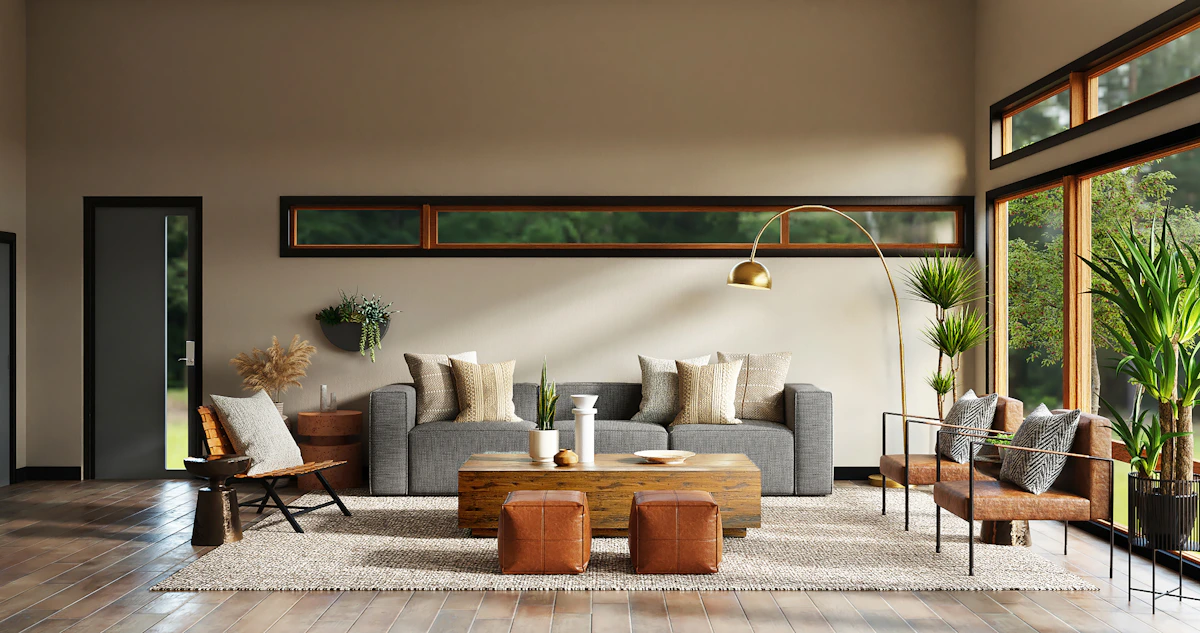
Minimalism remains relevant, but the character of minimal interiors is changing. Instead of stark white rooms and visually cold surfaces, Indian homes are moving toward warmer neutrals, natural wood, textured walls and softer fabrics.
The objective is simple: keep the room visually calm without making it feel empty or impersonal.
- Cream and beige walls
- Natural wood
- Linen and cotton upholstery
- Stone and terracotta finishes
- Soft layered lighting
- A limited number of meaningful decorative objects
Earth-Inspired Colours Are Bringing More Warmth to Indian Homes
Cool grey and stark white are losing their dominance as homeowners explore colours inspired by soil, plants, clay and natural stone. Current 2026 coverage highlights shades such as terracotta, sage, olive, sand, caramel, muted mustard and deeper browns. :contentReference[oaicite:2]{index=2}

Natural Materials Are Taking Centre Stage
Natural materials add visual depth and a sense of authenticity. Timber, stone, cane, clay, linen, cotton and handcrafted surfaces can make contemporary spaces feel more connected to Indian craft traditions.
This does not mean every room needs to look rustic. The more sophisticated approach is to combine one or two strongly textured materials with clean contemporary forms.
Natural Wood
Use wood for cabinetry, furniture, wall panels and architectural details to introduce warmth.
Stone
Marble, sandstone, terrazzo and other stone finishes can create durable statement surfaces.
Cane & Woven Textures
Cane, rattan and woven materials add softness and craftsmanship to modern interiors.
Clay & Ceramics
Handmade pottery and ceramic objects bring subtle variations and tactile character.
Linen & Cotton
Natural textiles work particularly well for curtains, upholstery, cushions and bedding.
Brass & Aged Metal
Aged or brushed metal accents can add character without the excessive shine of older luxury styles.
Personalized Homes Are More Important Than Perfect Showrooms
One of the strongest directions in 2026 is the move toward homes that communicate the personality of their occupants.
Instead of matching every piece of furniture and décor, homeowners are increasingly combining contemporary pieces with artwork, heirlooms, travel objects, books, crafts and family collections.
The most memorable home is not the one that follows every trend. It is the one that tells a story.
Multifunctional Rooms Are Becoming Essential
Indian homes increasingly need rooms that can perform more than one function. A study may also serve as a guest room. A dining area may become a work zone. A living room may need to accommodate entertainment, family activities and quiet relaxation.
Current 2026 trend forecasts highlight flexible layouts, modular dividers, sliding panels, foldaway work areas and furniture that can adapt to different uses. :contentReference[oaicite:3]{index=3}
Home Office + Guest Room
Use a sofa bed, concealed storage and a compact workstation to make one room perform two functions.
Kitchen + Social Space
Islands and breakfast counters can connect cooking with family interaction.
Living + Entertainment
Integrated media units can provide entertainment without allowing technology to dominate the room.
Balcony + Wellness
Small balconies can become reading, meditation, gardening or morning coffee areas.
Biophilic Interior Design Goes Beyond Indoor Plants
Biophilic design is no longer limited to placing a few plants in a living room. The broader approach connects interiors with nature through daylight, natural materials, greenery, views, textures and ventilation.
For urban apartments in Delhi NCR, Gurgaon and Noida, this can be particularly useful for creating a calmer residential environment.

Indian Craftsmanship Is Returning in a Contemporary Form
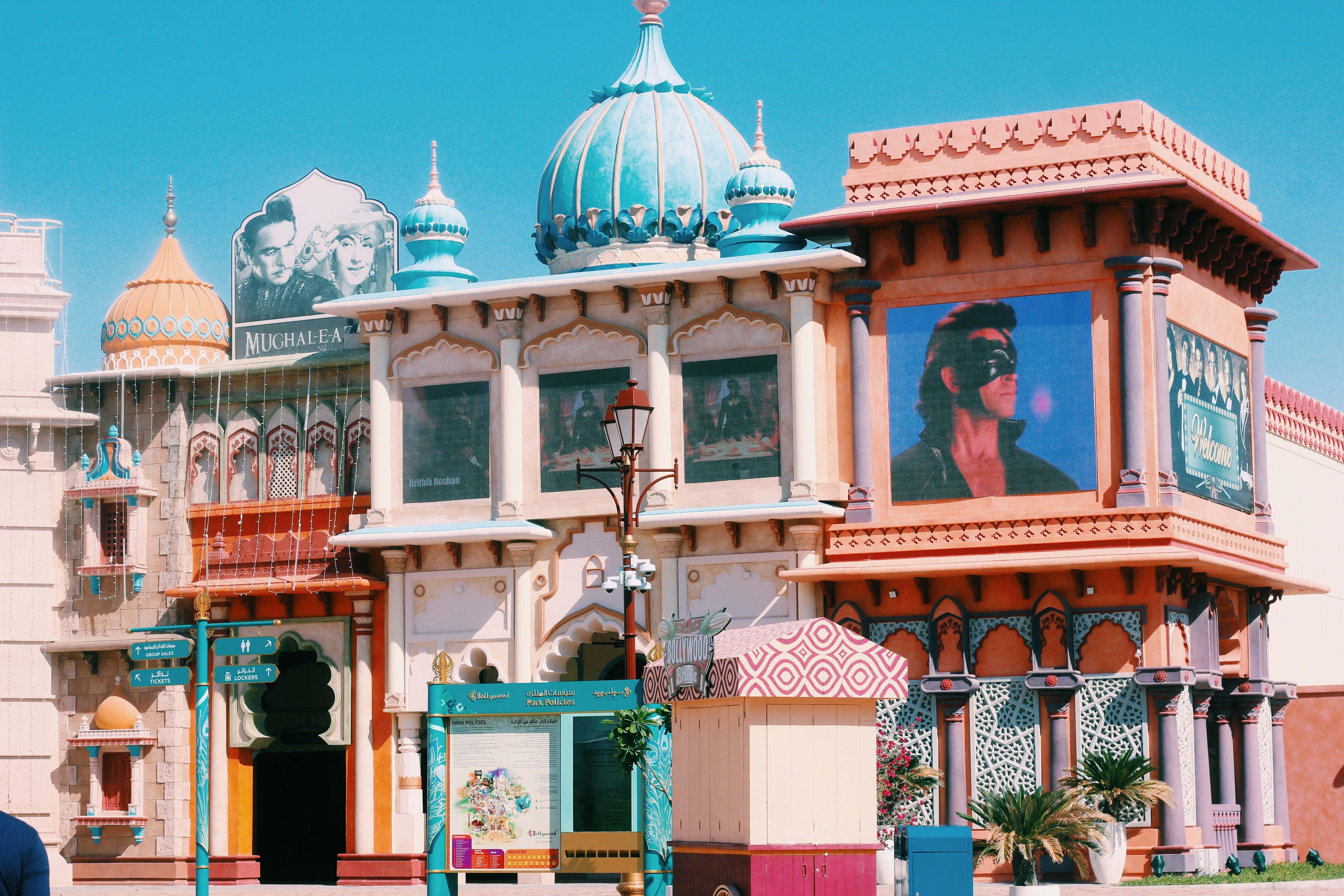
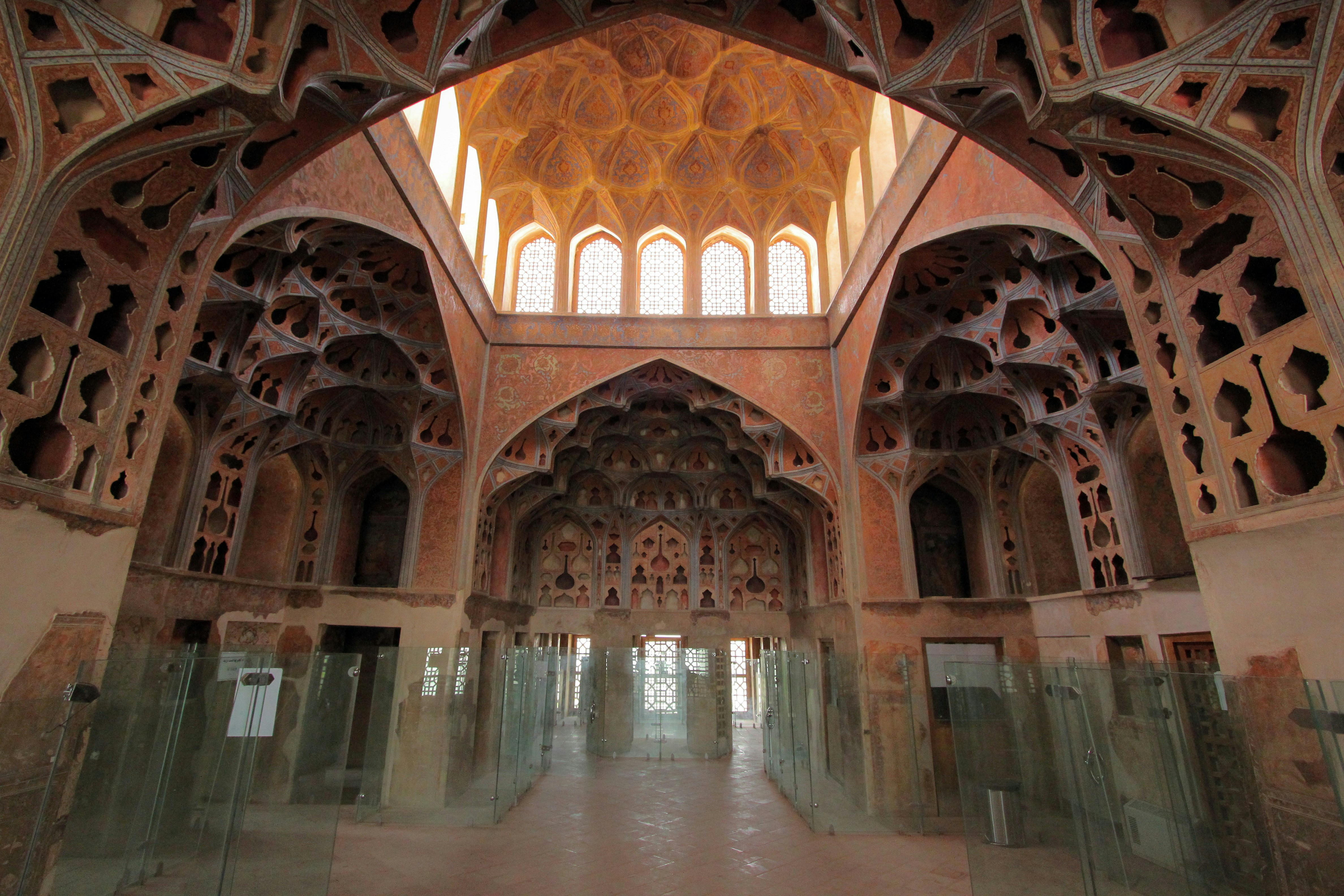
Handcrafted objects can make a modern home feel distinctive. Instead of reproducing an entire traditional interior, designers are using individual craft elements as accents.
- Handwoven rugs
- Indian textiles
- Ceramic objects
- Brass accessories
- Hand-carved wood
- Local artwork
- Artisan lighting

Global Styles Are Being Reinterpreted Through Indian Design
Japandi, contemporary, Scandinavian, Art Deco and other international influences continue to inspire Indian homeowners. But instead of copying international interiors exactly, designers are adapting them to Indian materials, climate, culture and lifestyles.
The result is a more personal global-Indian design language.
Curves and Sculptural Furniture Soften Modern Interiors
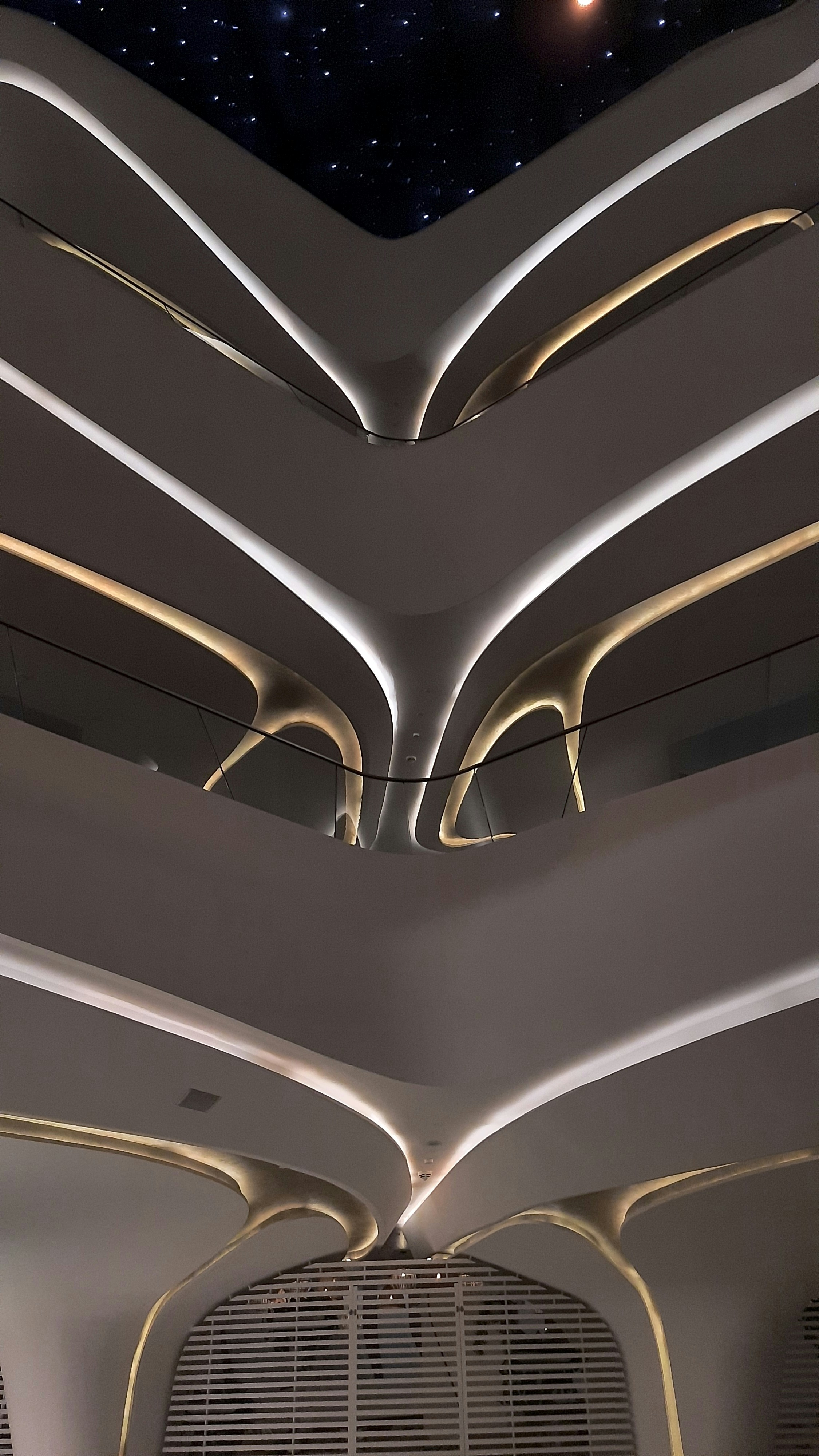
Rounded sofas, curved islands, arched openings and sculptural furniture can soften the straight lines associated with contemporary architecture.
Curves are particularly useful when a room needs a stronger focal point without relying on excessive decoration.

Layered Lighting Is Becoming a Core Interior Design Feature
Lighting is increasingly treated as an architectural element rather than simply a functional requirement.
A well-designed Indian home can combine ambient lighting, task lighting, accent lighting and decorative fixtures to create different moods throughout the day.
Ambient
Provides general illumination across the room.
Task
Supports cooking, reading, studying and working.
Accent
Highlights artwork, textures, niches and architectural details.
Decorative
Adds visual character through pendants, lamps and sculptural fixtures.
Smart Homes Are Becoming More Seamlessly Integrated
Technology is becoming less visible while becoming more useful. Smart lighting, security, climate control, entertainment and automated curtains can be integrated into the architecture instead of appearing as separate devices.
The 2026 direction is not technology for its own sake. It is technology that improves comfort, convenience and energy management.
Smart Lighting
Create scenes for work, relaxation, entertainment and sleep.
Smart Security
Integrate cameras, access systems and sensors discreetly.
Climate Control
Coordinate temperature and environmental comfort with smart controls.
Automated Curtains
Manage daylight, privacy and shading according to daily routines.
Smart Kitchens
Connect appliances and lighting with practical everyday workflows.
Integrated Entertainment
Keep screens, speakers and equipment visually coordinated with the interior.
Sustainable Interior Design Is Becoming a Long-Term Priority
Sustainability is increasingly influencing material selection, lighting, ventilation, durability and purchasing decisions in Indian interiors.
Rather than treating sustainability as a decorative theme, a better approach is to design spaces that use durable materials, efficient lighting, natural daylight and products that can remain useful for many years.
- Low-VOC paints and finishes
- Energy-efficient LED lighting
- Durable furniture
- Responsible timber and wood products
- Natural or recycled materials where practical
- Passive cooling and ventilation strategies
- Reuse and restoration of existing furniture
Interior Design Trends Moving Away in 2026
Not every popular look from previous years will remain dominant. Current 2026 trend reporting points toward a reduction in overly sterile, showroom-like interiors and excessive use of cool grey, high-gloss finishes and mass-produced decoration. :contentReference[oaicite:4]{index=4}
Less Cold Grey
Warmer neutrals and earthy tones are becoming more popular.
Less Showroom Styling
Homes are becoming more personal and lived-in.
Less Excessive Gloss
Brushed, aged and tactile finishes are gaining attention.
Less Cluttered Maximalism
Curated collections are replacing indiscriminate decoration.
How to Use the Latest Interior Design Trends in India Without Overdesigning Your Home
Following every trend is rarely the best design strategy. The strongest interiors use trends selectively while maintaining a timeless foundation.
- Keep the architectural shell relatively timeless.
- Use trend colours on easily replaceable elements.
- Invest in quality furniture and lighting.
- Add personality through artwork and accessories.
- Use natural materials for long-term visual appeal.
- Prioritize storage and circulation before decoration.
- Integrate smart technology where it genuinely improves daily life.
Interior Design Trends in Delhi, Gurgaon and Noida
The latest interior design trends in India can be adapted differently according to local architecture, apartment sizes, climate and lifestyle. In Delhi NCR, homeowners are increasingly combining contemporary planning with warm materials, smart technology, sustainable choices and personalized décor.
How to Turn Interior Design Trends Into a Practical Home
A trend works best when it is translated into a design plan rather than copied from a photograph.
Understand
Study the property, lifestyle, family requirements and budget.
Plan
Develop layouts, circulation, storage and functional zones.
Select
Choose colours, materials, furniture, lighting and finishes.
Personalize
Introduce artwork, crafts, collections and meaningful details.
Execute
Coordinate materials, fabrication, installation and finishing.
The Future of Indian Interior Design Is Warm, Personal and Functional
The latest interior design trends in India show a clear movement toward homes that are more comfortable, authentic and adaptable.
Warm minimalism, natural materials, earthy colours, handcrafted details, multifunctional rooms, biophilic design, layered lighting and smart-home technology are not isolated trends. Together, they reflect a broader shift toward designing homes around real lifestyles.
For homeowners in Delhi, Gurgaon, Noida and across Delhi NCR, the best approach is to select trends that suit the architecture, climate, lifestyle and long-term needs of the property.
Frequently Asked Questions About Interior Design Trends in India
What are the latest interior design trends in India for 2026?
Major trends include warm minimalism, earthy colours, natural materials, multifunctional spaces, biophilic design, handcrafted décor, personalized interiors, layered lighting and integrated smart-home technology. :contentReference[oaicite:5]{index=5}
Is minimalism still popular in Indian homes?
Yes. Minimalism remains popular, but it is becoming warmer and more tactile. Warm neutrals, natural wood, textured surfaces and carefully selected décor are replacing overly sterile interiors.
What colours are trending for Indian interiors in 2026?
Warm earthy colours such as terracotta, sage green, olive, sand, caramel, muted mustard and deeper brown tones are increasingly popular. :contentReference[oaicite:6]{index=6}
What materials are popular in Indian interior design?
Natural wood, stone, cane, woven textiles, ceramics, clay, handcrafted materials and aged or brushed metals are strong choices for contemporary Indian interiors.
What is biophilic interior design?
Biophilic interior design connects people with nature through greenery, natural light, ventilation, natural materials, organic forms and views of outdoor spaces.
Are smart homes a growing interior design trend in India?
Yes. Smart lighting, security, climate control, automated curtains, entertainment and connected appliances are increasingly being integrated into residential interiors.
How can I use trends without making my home look dated?
Keep major architectural elements and expensive furniture relatively timeless. Use current trends through paint, textiles, artwork, lighting and accessories that can be updated more easily.
Are these interior design trends suitable for Delhi NCR homes?
Yes. Warm palettes, natural materials, flexible layouts, integrated storage, layered lighting, greenery and smart-home features can all be adapted to apartments and houses across Delhi, Gurgaon, Noida and the wider NCR.
Ready to Bring the Latest Interior Design Trends Into Your Home?
Create a home that feels current without becoming a copy of a trend. Combine intelligent space planning, timeless materials, personalized details and modern functionality.
Book a Design ConsultationEmerging Design Trends
In recent years, interior design in India has evolved significantly, reflecting the diverse cultural heritage and modern influences. This evolution is seen in the emerging trends that prioritize sustainability, functionality, and aesthetic appeal.
Focus on Sustainable Materials
One of the prominent trends in Indian interior design is the use of sustainable materials. Designers are increasingly opting for eco-friendly options like bamboo, recycled wood, and natural fabrics. These materials not only reduce the environmental impact but also contribute to a warm and inviting atmosphere.
Bold Colors and Patterns
Another exciting trend is the use of bold colors and intricate patterns. Vivid hues, such as jewel tones and earthy shades, are making their way into homes, adding depth and character. Additionally, patterns inspired by traditional Indian art, such as block printing and paisley designs, are being integrated into contemporary spaces, creating a blend of old and new.
Minimalism Meets Maximalism
Interior design in India is also witnessing a unique fusion of minimalism and maximalism. While there is a push for cleaner, uncluttered spaces, many homeowners are embracing ornate decorations and eclectic furnishings. This balance allows individuals to express their unique style while maintaining functionality in their living areas.
In summary, the emerging interior design trends in India showcase a captivating blend of sustainability, bold aesthetics, and a mix of design philosophies, catering to varied tastes and preferences.