

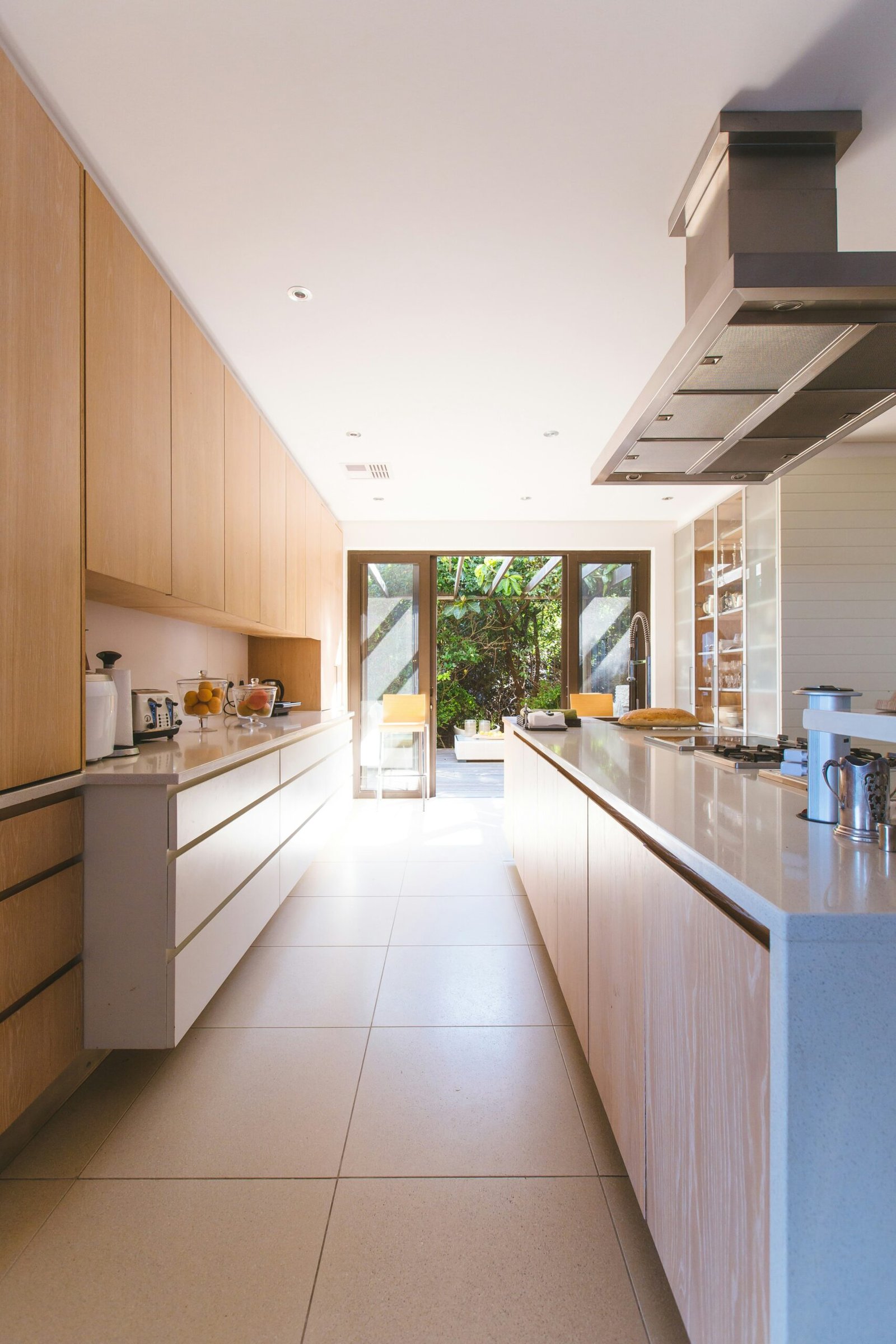
Introduction to Kitchen Design
The kitchen is often referred to as the heart of the home, serving as a space for both cooking and social interaction. Its design plays a pivotal role in shaping the overall atmosphere of a household. Effective kitchen design is essential not only for aesthetic appeal but also for enhancing functionality. A well-organized kitchen allows for seamless cooking experiences, ultimately making meal preparation more efficient and enjoyable.
When considering kitchen design, one must take into account various elements including layout, storage solutions, and the integration of appliances. The layout of a kitchen significantly affects how space is navigated, impacting everything from workflow to accessibility. Common layouts such as U-shape, L-shape, or open-concept designs cater to different needs and preferences. Thoughtful placement of appliances and work zones can significantly enhance usability, allowing for a smoother culinary experience.
In addition to functionality, aesthetics cannot be overlooked in kitchen design. The color scheme, cabinetry, countertops, and flooring all contribute to the kitchen’s visual appeal. Selecting materials that align with personal style while also ensuring durability is crucial. The quality of materials chosen for countertops, cabinetry, and flooring affects not only the immediate look but also the longevity of the kitchen. Higher-quality materials often offer better performance and require less maintenance over time, making them a wise investment for any homeowner.
Ultimately, kitchen design intertwines both functionality and aesthetics, reflecting the tastes and lifestyles of its users. The combination of effective design strategies and high-quality materials works harmoniously to create kitchen spaces that are not only beautiful but also serve their intended purpose. As we delve deeper into stylish kitchen design ideas, the significance of material quality will emerge as a crucial theme in achieving a well-designed kitchen.
Current Trends in Kitchen Design
The realm of kitchen design continues to evolve, reflecting shifts in lifestyle and preferences while embracing innovative technologies and materials. One of the most prominent trends is the open-concept layout, which integrates the kitchen with adjacent living spaces. This design approach fosters a social atmosphere, allowing for seamless interaction between family members and guests. As kitchens become a central hub for both cooking and social activities, this trend has gained significant traction in modern homes.
Moreover, the rise of smart kitchens exemplifies how technology is being woven into daily cooking experiences. From smart appliances that can be controlled via smartphones to integrated voice assistants that manage tasks, these innovative features enhance convenience and efficiency. Homeowners are increasingly seeking to upgrade their kitchens with devices that streamline meal preparation, provide nutritional guidance, and even automate cleaning processes.
Another key trend is the emphasis on eco-friendly kitchen designs that prioritize sustainability. Consumers are becoming conscious of their environmental impact, leading to a preference for materials and appliances that are energy-efficient and sustainably sourced. This trend sees an integration of reclaimed wood, recycled materials, and low-VOC (volatile organic compounds) finishes, all aimed at reducing the carbon footprint of kitchen renovations.
Color schemes play a critical role in establishing the overall aesthetic of contemporary kitchens. Minimalism continues to be a favorite, characterized by sleek lines, neutral palettes, and clutter-free spaces. The farmhouse style, with its emphasis on warmth and organic materials, remains popular among those seeking a cozy and inviting ambiance. Conversely, modern industrial designs incorporate raw materials such as metal and concrete, juxtaposed with refined finishes for a striking visual effect.
As these trends illustrate, the landscape of kitchen design is marked by a blend of functionality, technology, and style, offering homeowners an array of inspiring choices for their kitchen renovations.
Choosing the Right Layout
When it comes to designing a stylish kitchen, the layout plays a pivotal role in both aesthetics and functionality. An efficient kitchen layout not only enhances the overall appeal of the space but also optimizes the workflow. Several popular kitchen layouts include L-shaped, U-shaped, galley, and island designs, each offering unique advantages and considerations.
The L-shaped kitchen is one of the most versatile layouts, suitable for open-concept living spaces. Its configuration utilizes two walls to create a functional work triangle that facilitates cooking, washing, and prep tasks. This design allows for ample countertop space and can easily accommodate dining areas, making it ideal for families that enjoy gathering in the kitchen.
On the other hand, the U-shaped kitchen provides a more enclosed environment, maximizing storage and work surface areas. This layout is well-suited for larger kitchens, offering a three-walled setup that creates a convenient workflow. However, it may be less ideal for smaller spaces, where it could feel restrictive and hinder movement.
The galley kitchen layout, characterized by two parallel countertops, is often found in smaller homes and apartments. This design is efficient for cooking as it allows for easy movement and access to essential kitchen items. Nevertheless, it may lack the social aspect of larger layouts, making it less ideal for families who entertain frequently.
Lastly, the island kitchen layout has gained popularity for its versatility and social benefits. An island can serve multiple functions, including additional prep space, seating, or even a cooktop. However, incorporating an island requires ample floor space to allow for comfortable movement around it.
Ultimately, the choice of layout should reflect the user’s cooking habits and family dynamics. By carefully assessing these factors, homeowners can select a kitchen design that not only meets their functional needs but also complements their lifestyle.
Key Materials for Kitchen Design
When considering stylish kitchen design, the choice of materials plays a pivotal role in determining the overall aesthetic and functionality of the space. Each material offers unique advantages and drawbacks that can significantly influence the kitchen’s appearance and usability. Among the essential components of kitchen design are countertops, cabinetry, flooring, and backsplashes.
Countertops are frequently the centerpiece of kitchen design, serving both functional and aesthetic purposes. Granite is a popular choice, known for its durability and natural beauty, but it requires regular maintenance to preserve its luster. Quartz countertops, on the other hand, provide a non-porous surface that is easier to maintain and comes in a wider range of colors and patterns, making them a versatile option for modern kitchens. While synthetic materials like laminate present a budget-friendly alternative, they may lack the durability of natural stones.
Cabinetry also significantly influences the kitchen’s design; wood options such as hardwood or plywood offer a classic touch and great durability. Hardwood, while visually appealing, can be susceptible to warping in humid environments. Alternatively, laminate cabinets are cost-effective and available in various finishes, though they may not withstand heavy wear as effectively as solid wood.
The choice of flooring material sets the tone for the kitchen space. Hardwood floors provide warmth and an upscale appearance, yet they can be prone to scratching or water damage. Tiles, particularly porcelain or ceramic, are a popular choice due to their high durability and wide array of styling options, making them ideal for high-traffic areas. They are, however, cold underfoot and may require extra cushioning. For a budget-friendly option, vinyl flooring is available in numerous styles and offers easy maintenance, although it may not match the longevity of more upscale materials.
Lastly, backsplashes not only protect walls from moisture but also serve as a key design feature. Materials such as glass, ceramic tile, or natural stone can enhance the visual appeal, allowing for creative design placements. Each option has its pros and cons, especially concerning maintenance and installation complexity, which should be factored into the overall kitchen design.
Quality vs. Cost: Making Smart Choices
When embarking on a kitchen design project, one of the most critical decisions revolves around the balance of quality versus cost. While it may be tempting to opt for lower-priced materials, investing in high-quality options can yield significant long-term benefits. High-quality materials often deliver enhanced durability, performance, and aesthetic appeal, which can ultimately lead to a more satisfying and sustainable kitchen environment.
High-quality materials tend to withstand the rigors of daily use more effectively than their lower-cost counterparts. For instance, solid wood cabinets can endure wear and tear, providing longevity that particleboard alternatives may lack. This durability means that homeowners might avoid frequent repairs or replacements, which can add up to substantial savings over time. It is also essential to consider the potential for issues such as warping or fading when selecting kitchen surfaces. Using premium materials can minimize the risk of such problems, ensuring that your kitchen maintains its beauty and functionality for years.
Smart shopping is paramount. To find durable materials within your budget, it is advisable to explore options such as reputable dealers or outlets specializing in high-quality kitchen supplies. Look for sales and discounts offered by manufacturers, which can make premium materials more accessible. Furthermore, consider consulting with a professional designer who can recommend materials that combine quality and affordability. Researching material warranties can also provide insights into the manufacturer’s confidence in their products, offering additional peace of mind.
Ultimately, investing in quality materials fosters not only a beautifully designed kitchen but also contributes to the overall value of your home. Initially, the price may seem daunting, yet the financial implications of longevity and aesthetic preservation will affirm the wisdom of this investment over time.
Incorporating Color and Texture
Color and texture are two essential elements that significantly influence the overall ambiance and functionality of a kitchen space. The choice of color not only sets the mood but also reflects personal style, making it a critical consideration in kitchen design. Color psychology suggests that various hues can elicit distinct emotional responses; for example, blue tones often promote calmness, while vibrant reds and oranges can stimulate appetite and conversation. Therefore, selecting the right color palette is vital for achieving the desired atmosphere in a kitchen.
When planning a kitchen color scheme, homeowners should consider the size and natural lighting of the space. Lighter colors such as soft whites, creams, and pastels can make smaller kitchens feel more spacious and airy. Conversely, richer, darker colors can provide warmth and coziness, suitable for larger spaces. Additionally, it is essential to balance colors effectively; utilizing a combination of base colors, accent shades, and transitional hues can create a harmonious flow that guides the eye throughout the kitchen.
Texture is equally important in kitchen design, as it adds depth and interest to the space. Mixing different textures can enhance visual appeal and provide a tactile experience. For instance, combining smooth surfaces like polished granite countertops with rustic wood cabinetry creates a captivating contrast. It is advisable to integrate a variety of materials such as metals, ceramics, and textiles to enrich the kitchen environment. Textiles in the form of curtains or seat cushions can soften sharp lines, while metallic finishes from hardware or appliances can inject a modern flair.
As homeowners embark on their kitchen renovation journey, striving for a balanced approach to color and texture can result in a stylish yet functional space that reflects personal taste. Ultimately, thoughtful integration of these elements will ensure that the kitchen is not only beautiful but also a welcoming environment for family and friends.
Storage Solutions in Kitchen Design
Innovative storage solutions play a pivotal role in enhancing the functionality of kitchen designs. As kitchens become increasingly integral to the home, the demand for versatile, effective storage options has surged. Built-in cabinets represent one of the most efficient ways to utilize vertical space while maintaining aesthetic appeal. These cabinets can be customized to fit various sizes and styles, integrating seamlessly with the kitchen’s overall design. The use of high-quality materials ensures that these cabinets not only provide ample storage but also withstand daily wear and tear, promoting longevity.
Another effective storage solution is open shelving. This design trend has gained popularity due to its ability to create a sense of openness in the kitchen while providing easy access to frequently used items. Open shelves allow homeowners to showcase attractive dishware and decor, contributing to the overall aesthetic of the space. However, maintaining organization is essential; cluttered shelves can detract from a kitchen’s visual appeal. A systematic approach combining style and functionality is crucial for achieving harmony in kitchen design.
Multifunctional furniture such as kitchen islands with built-in storage has revolutionized kitchen layouts. These versatile pieces can serve multiple purposes, providing not only additional counter space for food preparation but also concealed storage for utensils and appliances. Investing in such furniture ensures maximum practicality without sacrificing style. Furthermore, incorporating pull-out drawers and dividers within cabinets can dramatically improve organization, making it easier to locate items at a moment’s notice.
Decluttering is essential in any kitchen design, as an organized space enhances cooking efficiency. Strategies such as regular assessments of kitchen items and the implementation of a designated place for everything can significantly contribute to achieving a well-structured cooking environment. Ultimately, innovative storage solutions coupled with effective organization techniques are fundamental to creating a stylish, functional kitchen.
Sustainable Kitchen Design
Sustainable kitchen design is a crucial aspect of modern interior architecture that emphasizes eco-friendly practices and materials. As awareness of environmental impact increases, homeowners are seeking sustainable options to create kitchens that are both stylish and responsible. Incorporating sustainable materials, such as bamboo, reclaimed wood, and recycled metal, ensures that the design not only looks good but also minimizes the carbon footprint.
One of the primary components of a sustainable kitchen is the careful selection of materials. Bamboo, for example, is a highly renewable resource that grows rapidly and requires minimal resources. Reclaimed wood not only brings a unique aesthetic appeal but also repurposes materials that may otherwise contribute to waste. Additionally, opting for low-VOC (volatile organic compounds) paints and finishes can significantly improve indoor air quality, making the kitchen healthier for occupants.
Energy-efficient appliances are another vital element in sustainable kitchen design. Homeowners can invest in Energy Star-rated appliances, which use significantly less energy than conventional options. This not only reduces utility bills but also lessens the environmental impact. Smart appliances offer further advantages, allowing for remote control and monitoring that can lead to reduced energy consumption.
Moreover, integrating natural lighting and good ventilation can diminish the need for artificial lighting and air conditioning. Large windows, skylights, and strategically placed vents can enhance the overall ambiance while promoting energy efficiency. It is essential to consider every aspect of the kitchen design process with sustainability in mind, from the countertops and cabinetry to the decor. By creating an environmentally responsible kitchen, homeowners not only contribute to a healthier planet but also enjoy a space that reflects their values and commitment to style without compromise.
Conclusion: Crafting Your Ideal Kitchen
As we conclude our exploration of stylish kitchen design ideas, it is essential to emphasize the importance of marrying aesthetic appeal with material quality. A kitchen is not just a functional space but also a reflection of personal style and comfort. The choices made in design elements, from cabinetry to countertops, significantly impact both the beauty and usability of the space. When selecting materials, prioritizing durability and ease of maintenance is crucial, as these factors will ensure the longevity of your kitchen.
Throughout this discussion, we have highlighted various design ideas that cater to different tastes, while also underscoring the critical role that material quality plays in creating a successful kitchen environment. Whether your preference leans towards contemporary minimalism, rustic charm, or classic sophistication, understanding how to incorporate these styles while maintaining high standards for materials can result in a harmonious balance between form and function.
Moreover, it is vital to consider how these design elements and materials can be tailored to meet your specific needs. For instance, if entertaining is a high priority, then a spacious layout with durable surfaces may be required. Alternatively, if cooking is your passion, investing in high-quality appliances and resilient finishes will enhance your experience. Ultimately, the design of your kitchen should cater to your lifestyle, promoting not only functionality but also an inviting atmosphere for both family and guests.
In summary, crafting your ideal kitchen is a thoughtful process that demands attention to detail, a clear understanding of your personal style, and an unwavering commitment to quality materials. By embracing these principles, you can create a kitchen space that is not only stylish but also tailored to your individual requirements, resulting in a welcoming environment that truly feels like the heart of your home.