

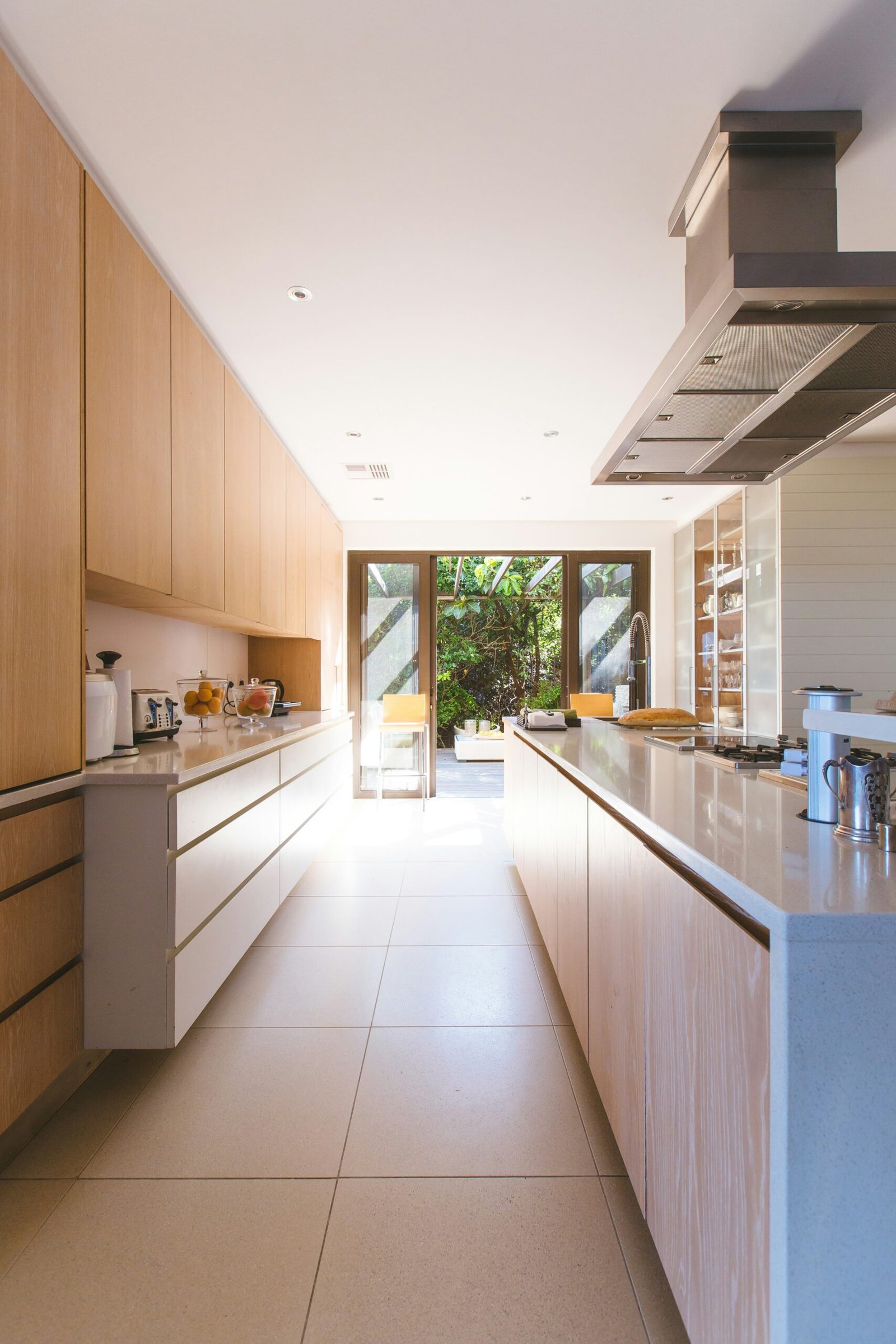
Introduction to Modern Kitchen Design
The concept of modern kitchen design has evolved significantly, responding to the changing needs and preferences of contemporary homeowners. Characterized by minimalism, functionality, and a clean aesthetic, modern kitchens are often perceived as not just a place for cooking, but as an integral part of the living space that facilitates social interaction and personal expression. At the core of modern kitchen design is the philosophy that form follows function; thus, every element, from cabinetry to appliances, serves a purpose while contributing to an overall streamlined appearance.
Minimalism is a defining feature of modern kitchen design, where clutter is minimized to create an open and airy environment. This style emphasizes simplicity in design elements, utilizing straight lines and neutral color palettes to evoke a sense of calm. Additionally, the use of natural materials, such as wood and stone, often complements the sleek surfaces of metal and glass, blending warmth and modernity seamlessly. The result is a kitchen that feels both inviting and sophisticated.
Functionality remains a priority in modern design, as contemporary homeowners increasingly seek efficient solutions that enhance their cooking experience. Smart storage options, such as pull-out shelves, integrated appliances, and multi-functional furniture, are commonly utilized to optimize space in smaller homes. These features not only facilitate ease of use but also contribute to the overall aesthetic appeal by maintaining a tidy and organized look.
As society evolves, so does the role of the kitchen within the home. The modern kitchen is a space for gatheringsβdinner parties, family activities, or leisurely breakfastsβmaking it essential for design to foster connectivity and interaction. In this way, the principles of modern kitchen design resonate deeply with modern living, affirming its place at the heart of contemporary homes.
Key Elements of Modern Kitchen Design
Modern kitchen design is characterized by a blend of aesthetics and functionality, creating spaces that cater to contemporary living. One of the first components to consider is the color palette. Typically, modern kitchens favor neutral tones such as whites, grays, and earth tones, which serve to create a sense of openness and tranquility. These color choices allow for easy integration of various materials and can act as a backdrop for bolder accents, such as colorful appliances or decorative pieces.
Materials play a pivotal role in defining the look and feel of modern kitchens. High-quality finishes such as stainless steel, quartz, and natural wood offer durability while adding visual interest. Stainless steel is favored for its sleek appearance and ease of maintenance, making it a popular choice for appliances and fixtures. Quartz countertops, on the other hand, not only provide elegance but are also resistant to stains and scratches, ideal for the demands of everyday cooking. Furthermore, the use of sustainable materials, such as recycled glass or bamboo, aligns with the increasing emphasis on eco-friendly practices in modern design.
Layouts in contemporary kitchen design emphasize functionality and flow. The open-concept layout remains a popular choice, allowing kitchens to seamlessly connect with dining and living areas, promoting interaction and a sense of togetherness. Islands are often incorporated to provide additional workspace and seating, serving as multifunctional areas that enhance usability. Moreover, effective storage solutions, such as pull-out cabinets and hidden compartments, minimize clutter and enhance the overall organization of the kitchen.
Incorporating these key elements of modern kitchen design not only creates visually appealing spaces but also elevates the practical aspects, making them more conducive to modern lifestyles.
Incorporating Technology in Modern Kitchens
The evolution of kitchen design has significantly transformed with the integration of technology, shaping the way we approach cooking and food preparation. Smart appliances have become increasingly popular, offering functionality that goes beyond traditional methods. For instance, smart refrigerators now feature touchscreen interfaces, allowing users to monitor inventory, create shopping lists, and even browse recipes directly from the appliance. Such innovations provide convenience and enhance efficiency within the kitchen space.
Moreover, automated lighting systems play a crucial role in modern kitchen environments. These systems can be programmed to adjust according to the time of day or user preferences, creating optimal visibility for cooking and meal preparation. Additionally, motion-sensor lights can illuminate the kitchen when entering, ensuring a safe environment while saving energy when the space is unoccupied. This adaptability not only improves the ambiance but also contributes to a more functional kitchen layout.
Innovative storage solutions represent another significant leap forward in modern kitchens. For instance, pull-out racks, hidden compartments, and deep drawers maximize space and improve accessibility. Smart cabinetry can even incorporate technology to monitor storage temperatures or send alerts regarding expiration dates of stored items. Such features not only promote organization but also help reduce food waste, aligning with contemporary sustainability goals.
The integration of these technological advancements into kitchen design offers users a unique blend of sophistication and practicality. By enhancing convenience and efficiency, technology enriches the overall user experience. As homeowners increasingly prioritize innovation in their culinary spaces, the role of technology in modern kitchen design truly reflects the future of contemporary living.
Popular Color Schemes and Materials
Modern kitchen design emphasizes a balance between functionality and aesthetics, with color schemes and materials playing a crucial role in this balance. One of the most significant trends is the use of neutral tones such as whites, greys, and beiges. These colors create a serene background that enhances natural light and makes the space feel larger. Neutral palettes provide a versatile foundation, allowing homeowners to incorporate various design elements while maintaining a cohesive look.
Bolder accents are also gaining popularity in contemporary kitchens. Bright hues like navy blue, emerald green, or even vibrant yellows can serve as focal points through cabinetry or backsplash designs. These bold colors add personality and create a striking contrast against neutral shades, effectively modernizing the overall aesthetic. Furthermore, the thoughtful combination of these color schemes can evoke a sense of warmth and inviting space that fosters creativity and relaxation.
In terms of materials, stainless steel remains a staple in modern kitchen design. Known for its durability and sleek appearance, stainless steel is commonly used for appliances, fixtures, and countertops, contributing to a clean and polished look. Another increasingly popular choice is quartz, valued for its low maintenance requirements and variety of colors and patterns. Quartz surfaces can mimic the appearance of natural stone but provide superior durability and easy cleaning, making it an ideal material for countertops.
Glass doors and cabinet fronts are also frequently utilized in modern kitchens, adding a layer of elegance while allowing visibility to organized dishware or decorative items. The incorporation of these materials, alongside trending color schemes, fosters a balance between functionality and style, embodying the essence of contemporary living.
Open Concept vs. Traditional Layouts
The debate between open concept and traditional kitchen layouts has gained substantial attention in contemporary design discussions. Open concept kitchens, characterized by their lack of walls separating the cooking area from the living and dining spaces, promote a seamless flow throughout the home. This layout caters to modern lifestyles by fostering an inclusive environment where family and friends can interact, cook together, or simply enjoy each other’s company while engaging in activities across different areas. Its inherent flexibility allows for creative furniture arrangements and the natural integration of communal spaces, encouraging a sense of togetherness.
On the other hand, traditional kitchen layouts, often enclosed and segmented from the living areas, offer distinct advantages that many homeowners appreciate. These designs typically provide dedicated work zones, catering to those who prefer privacy while preparing meals. The separation can also help contain odors and noise, which contributes to a more serene environment during cooking. Furthermore, traditional layouts may offer more wall space for cabinets, appliances, or decorative elements, enabling efficient storage and personalized aesthetics.
However, the choice between these two styles ultimately depends on personal preferences and lifestyle needs. For families who prioritize social interaction and openness, the open concept kitchen emerges as a clear winner, promoting connectivity and shared experiences. Conversely, users who value privacy, organization, and distinct culinary spaces might gravitate towards traditional kitchens. Both layouts possess unique benefits, and identifying the right fit hinges on understanding how one values social dynamics against individual performance in the culinary arts.
As kitchen design continues to evolve, many contemporary homes incorporate elements from both styles, creating hybrid spaces that balance openness with functionality. This approach seeks to accommodate diverse living preferences while fostering an environment conducive to modern living.
Sustainable Practices in Modern Kitchen Design
The growing awareness of environmental issues has significantly influenced modern kitchen design, leading to a robust emphasis on sustainability. Homeowners increasingly seek kitchen solutions that not only elevate aesthetics but also reduce their carbon footprint. Integrating eco-friendly materials is one of the fundamental aspects of sustainable kitchen design. These materials often include bamboo, reclaimed wood, and recycled metals, which not only foster a harmonious connection to nature but also ensure durability and longevity.
Energy-efficient appliances play a critical role in contemporary kitchens. The selection of Energy Star-rated devices is now commonplace, as they consume less energy without compromising performance. Features such as induction cooktops, energy-efficient refrigerators, and smart ovens not only help in lowering electricity bills but also contribute to a significant reduction in overall household energy consumption. By investing in these modern appliances, consumers not only enhance their cooking efficiency but also align with sustainable living principles.
Water conservation practices are another vital component of sustainable kitchen design. The installation of low-flow faucets and dishwashers ensures that water use is minimized while maintaining functionality. Additionally, smart irrigation systems can be incorporated to manage water usage for kitchen gardens, encouraging home-cooking enthusiasts to grow their own herbs and vegetables. This practice not only helps reduce the dependence on store-bought produce but also fosters a deeper connection with one’s food sources.
Overall, the integration of sustainable practices in modern kitchen design represents a conscious effort toward environmental stewardship. By prioritizing eco-friendly materials, energy-efficient appliances, and water conservation methods, homeowners can create a functional, stylish, and sustainable kitchen that reflects their values and adapts to contemporary living.
Storage Solutions for a Sleek Look
In contemporary kitchen design, the aesthetic appeal is often complemented by efficient storage solutions that cater to the needs of modern living. Built-in cabinets serve as a fundamental element in achieving a seamless look, allowing for the integration of storage with the overall design. By incorporating cabinetry that aligns with the existing decorβwhether sleek and minimalist or rich with textureβhomeowners can maintain a cohesive visual environment. These cabinets often extend to the ceiling, maximizing vertical space while minimizing clutter at eye level.
Hidden storage solutions have also gained attention in modern kitchens. Elements such as pull-out drawers, concealed compartments, and corner cabinets allow homeowners to store kitchen essentials out of sight. These features not only contribute to an uncluttered appearance but also enhance functionality by allowing easy access to frequently used items. Such innovative design minimizes visual distractions, ensuring that the kitchen remains a hub for both culinary creativity and social interaction.
Moreover, multifunctional furniture has emerged as a popular trend that further supports effective storage. Kitchen islands that double as dining spaces or workstations can feature built-in shelving or drawers, providing additional spaces to store utensils, appliances, and groceries. This duality enables one to maximize utility without compromising style, making the most of limited square footage. The integration of these elements into modern kitchen design highlights the balance between form and function, enabling homeowners to embrace a lifestyle that values both simplicity and practicality.
Ultimately, innovative storage solutions play a pivotal role in modern kitchen design. By utilizing built-in cabinets, hidden storage options, and multifunctional furniture, individuals can cultivate a sleek and organized kitchen space that caters to contemporary living requirements. This thoughtful approach fosters a visually appealing environment while ensuring that the kitchen remains functional and efficient.
Inspiration and Trends in Modern Kitchen Design
Contemporary kitchen design has evolved significantly, reflecting the dynamic lifestyle and technological advancements of today’s world. One prevalent trend in modern kitchens is the use of open-plan layouts. This approach not only facilitates social interaction but also creates an expansive feel, effectively blending cooking, dining, and living spaces. For instance, many homeowners are favoring a seamless transition between indoor and outdoor areas, utilizing large glass doors to enhance natural light and provide views of the surrounding environment.
Another notable trend is the incorporation of sustainable materials into kitchen designs. The use of reclaimed wood, bamboo, or recycled composites is not only eco-friendly but also adds a unique character to the space. Additionally, modern kitchen design often features sleek, minimalist cabinetry, often in neutral tones, to create a timeless look that is easy to maintain. The integration of innovative appliances further exemplifies contemporary aesthetics, as many of these devices boast both functionality and design, blending seamlessly into the kitchen environment.
In terms of color schemes, bold and contrasting hues are making waves in 21st-century kitchen design. Deep blues, greens, or even black cabinetry against lighter countertops can create striking visual dynamics. Moreover, contrasting textures such as matte finishes paired with glossy surfaces can add depth and interest to the overall design. It is also essential for homeowners to infuse their personal style into these modern kitchens. Accessories such as unique lighting fixtures, artisan backsplash tiles, or custom artwork can transform a standard design into a personalized sanctuary that reflects individual tastes.
Modern kitchen design is continually influenced by global inspirations, drawing ideas from diverse cultures. From Scandinavian minimalism to Mediterranean warmth, the myriad of styles available allows for unique combinations that cater to varied preferences. This eclecticism further inspires creativity, ensuring that every modern kitchen can be a personal canvas of innovative trends and individual flair.
Conclusion: The Future of Kitchen Design
As we have explored throughout this blog post, modern kitchen design is evolving rapidly, influenced by various factors such as technology, sustainability, and personal preferences. Contemporary styles emphasize the significance of merging aesthetics with functionality, encouraging homeowners to create spaces that not only serve culinary purposes but also reflect their individual lifestyles. The integration of smart appliances is a notable trend, as they offer convenience and efficiency, making cooking and meal preparation more streamlined.
Sustainability has also become a central pillar in modern kitchen design, pushing designers and homeowners alike to consider eco-friendly materials and energy-efficient appliances. This trend aligns with the growing awareness surrounding environmental issues, as many are seeking ways to minimize their carbon footprints. Choosing sustainable materials like bamboo or recycled metals can enhance the kitchen’s visual appeal while contributing positively to the environment.
Personal preferences remain paramount in shaping the future of kitchen design. As the kitchen continues to transform into a multifunctional space for cooking, entertaining, and socializing, it is essential for individuals to curate an environment that suits their specific needs. Whether opting for an open-plan layout or a more traditional design, the key is to find a balance that harmonizes style with practicality. Customized solutions, such as cabinetry that maximizes storage or versatile islands that serve multiple purposes, are increasingly popular.
In conclusion, the future of modern kitchen design holds great potential for innovation and personalization. Homeowners are encouraged to embrace contemporary styles that resonate with their values and preferences while focusing on the functionality that this essential space demands. As we look ahead, the kitchen will undoubtedly continue to be a focal point in the home, representing both creativity and comfort.
