

Pooja Room Interior Design
Create a peaceful, elegant and functional pooja room with custom mandir units, warm lighting, traditional details, smart storage and contemporary materials designed for modern Indian homes.
What Is Pooja Room Interior Design?
Pooja room interior design combines the spiritual requirements of a prayer space with practical interior planning. The design can include a customized mandir, suitable storage, lighting, decorative panels, flooring and doors or partitions.
Modern Indian homes often have limited space for a dedicated temple room. A well-planned pooja area can therefore be created as a separate room, a living-room niche, a wall-mounted unit, a corner mandir or a compact enclosed space.
The design should reflect the family’s traditions and preferred style while remaining easy to maintain and comfortable for daily prayers and festivals.
15 Pooja Room Interior Design Ideas
Use these ideas to create a serene mandir that combines traditional character with modern home interiors.
Customized Wooden Mandir
A wooden mandir can add warmth and traditional character to a dedicated prayer space.
Marble Pooja Room
Marble can create an elegant and timeless backdrop for modern and traditional temple interiors.
Wall-Mounted Mandir
A floating temple unit is useful when floor space is limited in an apartment.
Jaali Partition
Decorative jaali panels can visually separate the pooja space from a living or dining room.
Warm Temple Lighting
Warm concealed lighting and focused illumination can highlight the mandir and create a peaceful atmosphere.
Glass Pooja Enclosure
Glass doors can create separation while allowing light and visual connection with the surrounding room.
Wooden Back Panel
A carved or simple wood panel can provide a warm backdrop for the deity area.
Brass Accents
Brass bells, lamps and selected decorative elements can reinforce a traditional Indian aesthetic.
Hidden Storage
Drawers and cabinets can keep pooja accessories, books and daily-use items organized.
Backlit Temple Panel
A softly illuminated backdrop can become the visual focal point of the prayer area.
Corner Mandir
A carefully planned corner can become a compact temple area without requiring a separate room.
Natural Materials
Wood, stone and other natural-looking materials can create a calm and timeless atmosphere.
Decorative Arch
Traditional or contemporary arches can frame the mandir and create a defined temple zone.
Compact Modular Mandir
A modular temple unit can combine the main shrine, shelves and storage in a compact footprint.
Well-Ventilated Pooja Space
Plan suitable ventilation and airflow, particularly when incense or diyas are used regularly.
How to Plan a Functional Pooja Room
A pooja room should be peaceful, uncluttered and easy to use. Begin with the location and size of the available space before selecting the mandir style and finishes.
- Measure the available space
- Understand the family’s prayer requirements
- Choose a suitable mandir style
- Plan storage for pooja essentials
- Provide suitable lighting
- Consider ventilation and airflow
- Select durable and easy-to-maintain materials
- Keep the prayer area uncluttered
- Coordinate the design with surrounding interiors
Pooja Room Interior Design Inspiration
The photographs below are provided as visual design inspiration and are not represented as completed Interior A to Z projects. For additional Indian interior photography, free image collections are available through Unsplash.
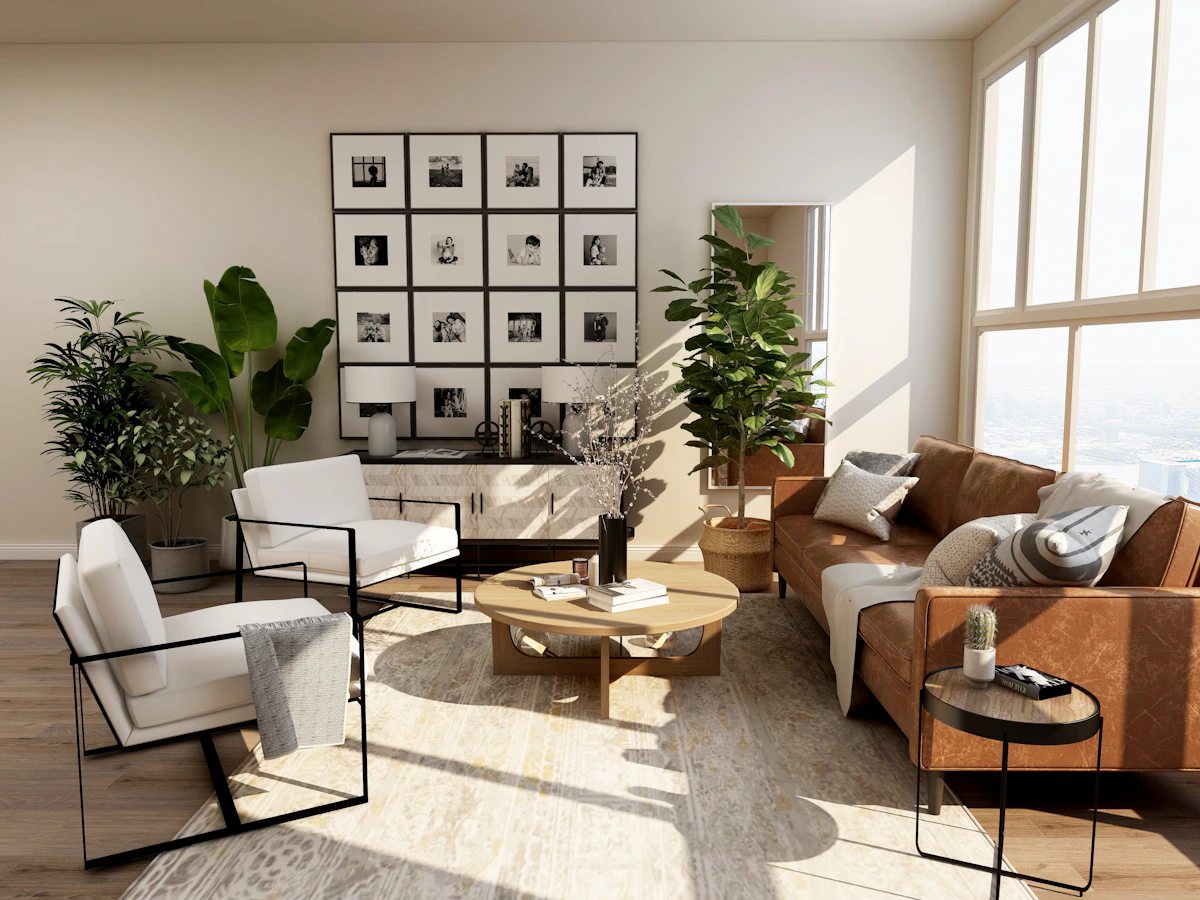
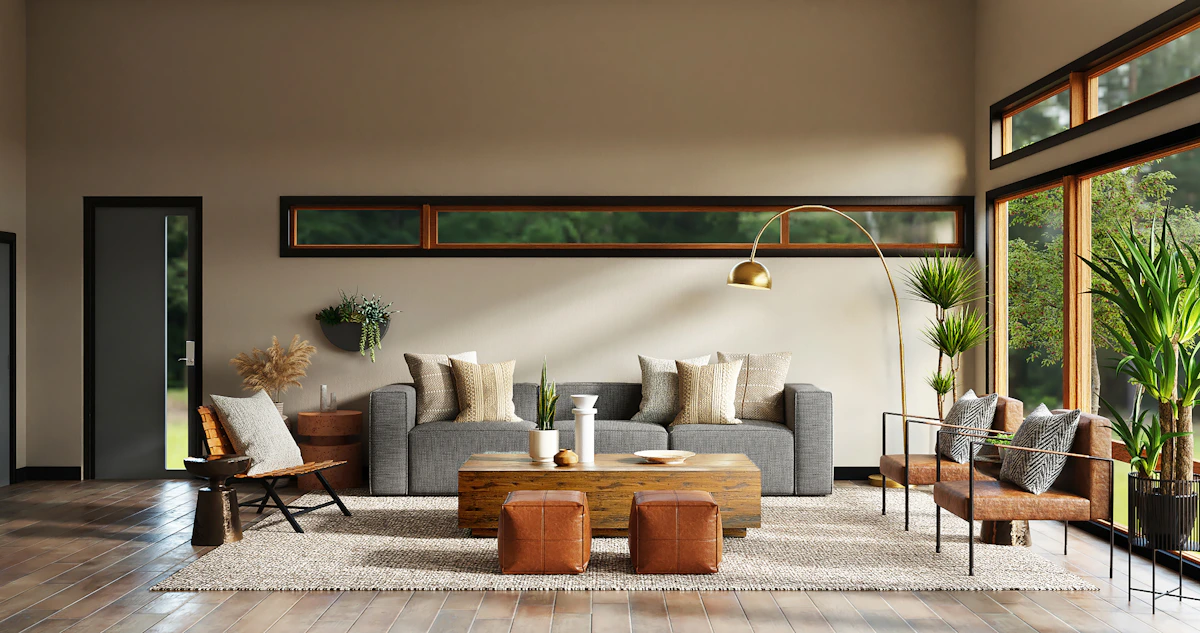
Free image inspiration: Unsplash Indian Interior Design Collection
Small Pooja Room Interior Design Ideas
A compact apartment does not require sacrificing a dedicated prayer area. Small pooja rooms can be designed vertically using wall-mounted mandirs, shelves, compact storage and decorative partitions.
- Use a wall-mounted mandir
- Consider a corner temple unit
- Use vertical storage
- Add a compact drawer for pooja essentials
- Use a jaali partition
- Consider sliding or glass doors
- Use a backlit panel as a focal point
- Keep decorative elements selective
- Maintain clear access to the prayer space

Types of Pooja Room Interior Design
The right temple style depends on the available space, architectural setting, family traditions and preferred interior aesthetic.
Traditional Wooden Mandir
Carved wood, pillars, arches, brass details and warm lighting create a classic Indian temple aesthetic.
Modern Minimal Mandir
Clean lines, simple shelves, neutral finishes and subtle lighting create a contemporary prayer space.
Luxury Marble Temple
Marble, stone textures, decorative lighting and refined details can create a premium pooja room.
Wall-Mounted Pooja Unit
A practical solution for apartments where floor space is limited.
Glass-Enclosed Mandir
Glass doors can define the prayer space while retaining visual openness.
Jaali Partition Mandir
A decorative screen can separate a temple from the living area without making the room feel closed.
Best Materials for Pooja Room Interiors
Materials should complement the rest of the home while being practical for cleaning and everyday religious rituals.
| Material | Design Character | Suitable For |
|---|---|---|
| Wood | Warm and traditional | Mandir structures, doors, panels and storage |
| Marble | Elegant and premium | Platforms, walls, flooring and luxury temples |
| Engineered Wood | Modern and adaptable | Compact modular pooja units |
| Glass | Light and contemporary | Doors and partitions |
| CNC / Jaali Panels | Decorative and architectural | Partitions and back panels |
| Stone | Natural and timeless | Backdrops and selected architectural details |

Pooja Room Lighting Ideas
Lighting plays an important role in creating a peaceful and visually balanced temple space. A layered approach can provide both functional and decorative illumination.
- Warm ceiling lighting
- Concealed LED strips
- Backlit mandir panels
- Focused spotlights
- Shelf lighting
- Decorative wall lights
- Traditional diya lighting
- Soft ambient illumination
Pooja Room Storage Ideas
Storage should keep daily-use prayer materials organized without allowing the temple area to become visually cluttered.
- Dedicated drawers for pooja accessories
- Closed cabinets for less frequently used items
- Open shelves for selected religious books
- Storage for diyas and lamps
- Space for incense and related accessories
- Small drawers for decorative items
- Festival storage where space allows
- Concealed electrical equipment
Vastu-Inspired Pooja Room Planning
Many Indian homeowners consider Vastu when planning a pooja room. These are traditional design preferences rather than universal architectural requirements, and the actual layout should also respond to the home’s structure and practical needs.
Northeast Preference
The northeast is traditionally preferred in many Vastu approaches for a prayer space.
Clean & Uncluttered Space
Keeping the temple area organized supports a calm and peaceful environment.
Natural Light
Where possible, daylight can make the prayer space feel bright and welcoming.
Warm Lighting
Warm illumination can complement the spiritual atmosphere of the mandir.
Good Ventilation
Adequate airflow is useful where incense, lamps or other ritual materials are regularly used.
Calm Colours
White, cream, beige, light wood and other gentle tones can create a serene visual backdrop.
Pooja Room in Living Room Design
If a separate prayer room is unavailable, a pooja unit can be integrated elegantly into the living room. The key is to create a visually defined zone without making the living space feel crowded.
- Create a dedicated wall niche
- Use a decorative jaali partition
- Install a wall-mounted mandir
- Use a compact temple cabinet
- Add a backlit feature panel
- Use glass doors for separation
- Coordinate wood finishes with the living room
- Provide concealed storage
Pooja Room Interior Design in Delhi NCR
Interior A to Z provides customized pooja room and home interior solutions across Delhi NCR, Gurgaon and Noida. Designs can range from compact apartment mandirs to dedicated luxury temple rooms.
Pooja Room Design in Delhi
Customized mandirs for apartments, builder floors and independent homes with practical storage and lighting.
Pooja Room Design in Gurgaon
Contemporary and traditional temple interiors for apartments, villas and larger residential properties.
Pooja Room Design in Noida
Compact and customized mandirs for modern apartments, including wall-mounted and partitioned solutions.
Pooja Room Interior Design Cost
The cost of a pooja room depends on its size, materials, storage, lighting, customization and installation requirements. It is better to prepare the budget after the design and material specifications are established.
| Design Type | Typical Budget Position | Main Cost Factors |
|---|---|---|
| Compact Wall-Mounted Mandir | Budget-Friendly | Unit size, laminate, shelves and lighting |
| Customized Wooden Mandir | Mid to Premium | Wood type, carving, doors and storage |
| Marble Pooja Room | Premium | Marble, stonework, lighting and craftsmanship |
| Dedicated Luxury Temple Room | Premium to Luxury | Room finishes, doors, flooring, ceiling and custom details |
These are design categories rather than fixed quotations. Actual project costs vary according to site conditions, dimensions, material selection and customization.
Pooja Room Interior Design Process
A structured design process helps create a prayer space that works aesthetically and practically for daily rituals.
Measure the Space
Record room dimensions, doors, windows, ceiling height, electrical points and available wall areas.
Understand Family Requirements
Discuss prayer routines, deity arrangement, storage needs, festivals and preferred design traditions.
Select the Mandir Type
Choose between a dedicated room, wall-mounted unit, corner temple, glass enclosure or customized mandir.
Plan Storage
Create dedicated places for religious books, diyas, incense, accessories and other essentials.
Select Materials & Lighting
Coordinate wood, marble, panels, colours and warm lighting with the rest of the home.
Execute the Design
Complete the mandir, storage, lighting, finishes and decorative details according to the approved design.
Common Pooja Room Interior Design Mistakes
Too Much Clutter
Too many decorative objects can make the prayer space feel crowded and difficult to maintain.
Insufficient Storage
Without dedicated storage, daily-use pooja accessories can quickly accumulate around the mandir.
Poor Lighting
A temple area needs enough illumination to remain functional and visually peaceful.
Oversized Mandir
A temple unit should be proportionate to the room rather than overwhelming a compact home.
Poor Ventilation
Ventilation should be considered where incense and diyas are regularly used.
Ignoring the Surrounding Interior
The mandir should coordinate with nearby living, dining or other interior finishes.
How Can I Make a Pooja Room Look Beautiful?
A beautiful pooja room combines a well-proportioned mandir, calm colours, warm lighting, suitable storage and a few traditional details without overcrowding the sacred space.
- Choose a mandir proportional to the room
- Use a calm colour palette
- Add warm and layered lighting
- Use wood, marble or suitable natural-looking materials
- Create dedicated storage
- Add selected brass or traditional accents
- Consider a jaali or glass partition
- Maintain ventilation and cleanliness
- Keep the prayer area visually uncluttered
Frequently Asked Questions About Pooja Room Interior Design
How do I design a beautiful pooja room?
Start with the available space and family prayer requirements. Choose a suitable mandir, calm colours, practical storage, warm lighting and a clean layout.
What is the best direction for a pooja room?
Many Indian households follow Vastu principles and traditionally prefer the northeast for a prayer space. The home’s actual structure and practical requirements should also be considered.
How can I design a small pooja room?
Use a wall-mounted mandir, corner unit, floating shelves, compact storage, jaali partition or glass enclosure.
Which material is best for a pooja room?
Wood, marble, stone, engineered wood and suitable decorative panels can all work well depending on style, maintenance and budget.
What lighting is best for a pooja room?
Warm ambient lighting, concealed LEDs, focused spotlights and decorative lamps can create a calm temple atmosphere.
Is a wall-mounted pooja unit suitable for apartments?
Yes. Wall-mounted units preserve floor space and can include shelves, drawers, decorative panels and compact storage.
How much does a pooja room interior cost?
Cost depends on size, materials, storage, lighting, customization and workmanship. A compact mandir generally costs less than a dedicated luxury temple room.
Can a pooja room be designed in a living room?
Yes. A dedicated wall niche, jaali partition, glass enclosure, wall-mounted mandir or temple cabinet can define a prayer area within the living room.
Create a Peaceful Pooja Room for Your Home
Share your available space, preferred mandir style, storage requirements and design preferences with Interior A to Z to plan a customized pooja room.