The First Rule of Interior Design: Function Before Form
Beautiful interiors begin with spaces that work. Before choosing colours, furniture, finishes or decoration, understand how people will use the room, how they move through it and what they need every day.
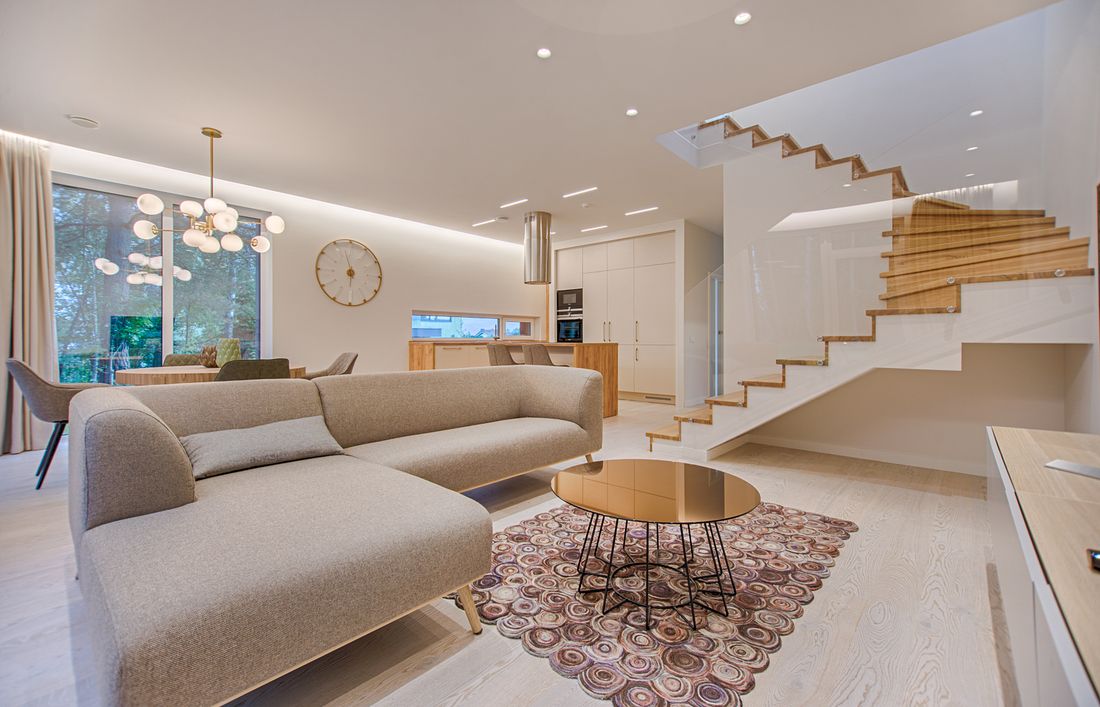
A Beautiful Room Must Also Work Beautifully
Interior design is more than selecting attractive furniture and finishes. A successful space should support everyday routines, movement, storage, comfort, lighting and maintenance while still expressing the personality of the people who use it.
Function before form means understanding what a room needs to do before deciding exactly how it should look.
THE RESULTThe final design becomes easier to use, easier to maintain and more naturally suited to the people living or working there.
A living room may need conversation seating, television viewing, reading, storage and occasional work. A bedroom may need comfortable circulation, wardrobes, dressing, charging points and privacy.
When these requirements are understood first, visual decisions become more purposeful rather than simply decorative.
- Understand the main activities
- Plan furniture and circulation
- Resolve storage early
- Plan lighting around activities
- Select materials for use and maintenance
- Add decorative character after the foundation is right
Why Function Should Come Before Form
A room can look impressive in photographs and still feel uncomfortable in daily life. Function-first planning solves practical problems before decorative decisions become difficult to change.
Better Usability
Furniture, storage and circulation are planned around the way people actually use the room.
Greater Comfort
Seating, lighting, privacy, movement and room proportions are considered before decoration.
Smarter Investment
Budget can be directed toward improvements that solve real problems instead of purely decorative additions.
Better Space Planning
Room layouts become easier to organise when activities and movement are identified first.
Easier Maintenance
Materials, finishes and storage can be selected according to the practical demands of everyday life.
Longer-Lasting Design
A strong functional foundation is less dependent on short-lived trends.
Plan the Space Before Decorating It
The strongest interiors usually develop in layers: understand the space, solve the layout, establish storage and lighting, then refine the visual language through materials, colours and details.

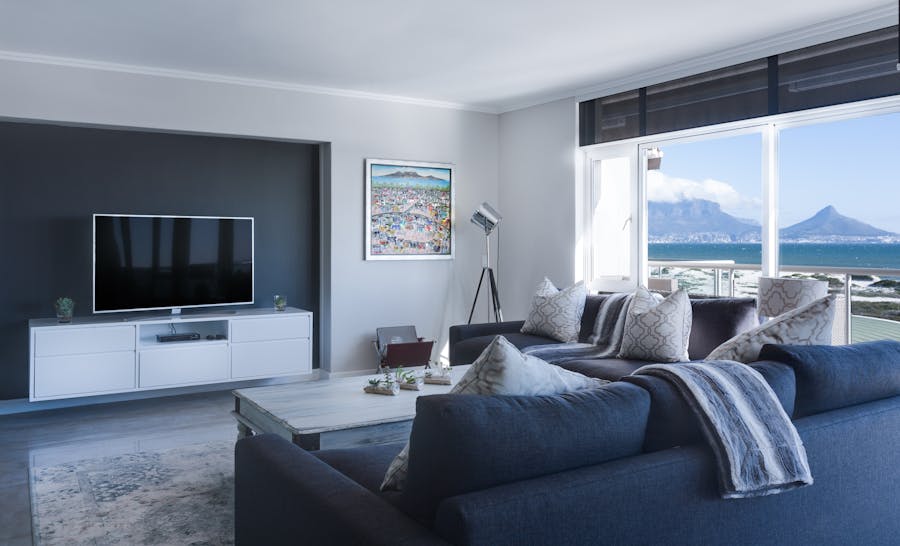
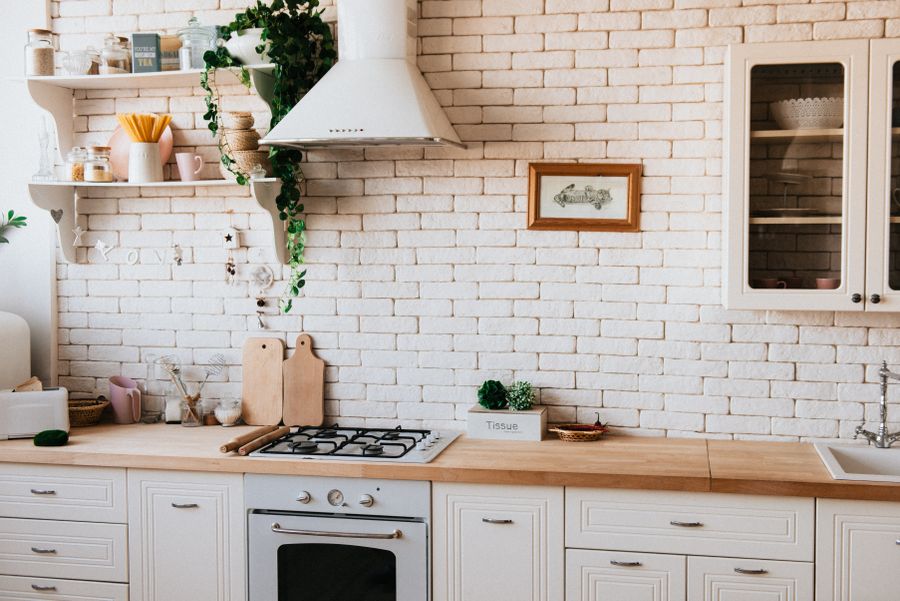
Five Things to Solve Before Choosing Decor
These five planning decisions create the practical foundation of an interior.
Activities
Identify what people actually do in the room.
Circulation
Protect clear walking routes between important areas.
Furniture
Match scale and proportions to the room.
Storage
Decide what must be stored and where it should live.
Lighting
Layer ambient, task and accent lighting around use.
A Practical Function-First Design Process
Use this sequence whether you are designing one room or planning a complete home interior.
Identify the Main Activities
Write down everything that happens in the room. Include daily, occasional and work-related activities.
Plan Circulation
Check walking routes, doors, windows, cabinets, appliances and furniture clearances.
Choose the Right Scale
Furniture should suit the dimensions of the room rather than simply matching a photograph or trend.
Solve Storage
Plan wardrobes, kitchen cabinets, bookshelves, utility storage and concealed storage before decorative details.
Design the Lighting
Combine general, task and accent lighting with convenient switches and power points.
Add the Visual Identity
Once the functional foundation works, introduce colours, textures, materials, artwork and decorative elements.
Function Before Form in Different Rooms
Every room has different functional priorities. The design should respond to those priorities before visual styling is finalised.
Living Room
Start with seating, conversation, television viewing, circulation, storage, lighting and access to balconies or adjoining spaces.
Bedroom
Plan bed position, wardrobes, dressing, movement, charging points, privacy, bedside storage and lighting.
Modular Kitchen
Start with cooking workflow, appliances, storage, work surfaces, cleaning and movement between key zones.
Dining Area
Consider table size, seating, movement around chairs, serving, storage and relationship with the kitchen.
Home Office
Plan desk position, screen orientation, lighting, power points, storage, acoustics and ergonomic comfort.
Bathroom
Plan wet and dry zones, movement, storage, ventilation, lighting, plumbing and easy maintenance.
Practical Does Not Mean Ordinary
Function-first design does not mean sacrificing beauty. It means making beauty work harder.
- Elegant storage can reduce visual clutter
- Layered lighting can improve both mood and usability
- Good proportions can make rooms feel more spacious
- Quality materials can combine appearance and durability
- Custom furniture can solve difficult layouts
Then Add Character
Once the practical framework is established, the interior can become personal through a considered combination of:
- Colour palette
- Furniture style
- Wall treatments
- Wood and stone finishes
- Lighting details
- Soft furnishings
- Artwork and accessories
What Happens When Form Comes First?
Many interior problems appear when visual choices are made before the practical requirements have been solved.
Oversized Furniture
Attractive furniture can overwhelm a room when its dimensions do not suit the available space.
Insufficient Storage
A beautiful room quickly becomes visually crowded when everyday belongings have nowhere practical to go.
Poor Lighting
Decorative fixtures cannot compensate for a lighting plan that does not support everyday activities.
Blocked Circulation
Furniture placement should allow people to move naturally through the space.
Trend-Driven Decisions
A trend may look attractive today but should not compromise long-term comfort or usability.
Decoration Before Planning
Decorative details should complete the design rather than determine a layout that does not work.
Function-First Interior Design for Delhi, Gurgaon & Noida
From compact apartments to villas, builder floors and complete homes, good interior planning starts with understanding the property and the people who will use it.
Delhi
Residential interiors, renovations, apartments, independent homes and complete home design across Delhi.
Delhi Home Interiors →Gurgaon
Practical and premium interiors for apartments, builder floors, villas and complete homes in Gurgaon and Gurugram.
Gurgaon Interior Design →Noida
Space-conscious home interiors for apartments, houses, renovations and modern residential projects in Noida.
Noida Interior Design →Start With the Right Interior Service
Once the functional requirements are understood, choose the service that matches the scale and type of your project.
The First Rule of Interior Design — FAQ
Practical answers to common questions about function-first interior planning.
What is the first rule of interior design?
The first rule is generally described as function before form. The space should first be planned around usability, circulation, comfort, storage and everyday requirements before decorative decisions are finalised.
Why is function more important than decoration?
Decoration can make a room visually attractive, but function determines whether the room is comfortable and practical to use. Good interior design combines both.
How do I design a functional home?
Start by understanding how each room is used. Plan circulation, furniture proportions, storage, lighting, electrical points and maintenance requirements before selecting decorative finishes.
Is function-first design suitable for luxury interiors?
Yes. Luxury interiors can still follow a function-first approach. High-quality materials, custom furniture, lighting and detailing can be added after the practical foundation has been resolved.
Should storage be planned before furniture?
Storage should be considered early because it can affect furniture placement, circulation and room proportions. The final storage solution should work together with the overall layout.
Why is space planning important in interior design?
Space planning determines how people, furniture, storage and circulation work together. It provides the practical foundation for the visual design.
Does function before form mean my home cannot be stylish?
No. Function provides the foundation while form creates the visual character. The strongest interiors bring both together.
Start With a Home That Works for You
Whether you are planning a 2 BHK, 3 BHK, 4 BHK, villa, apartment, modular kitchen or complete home interior, begin with the way you live. The design should follow the function.