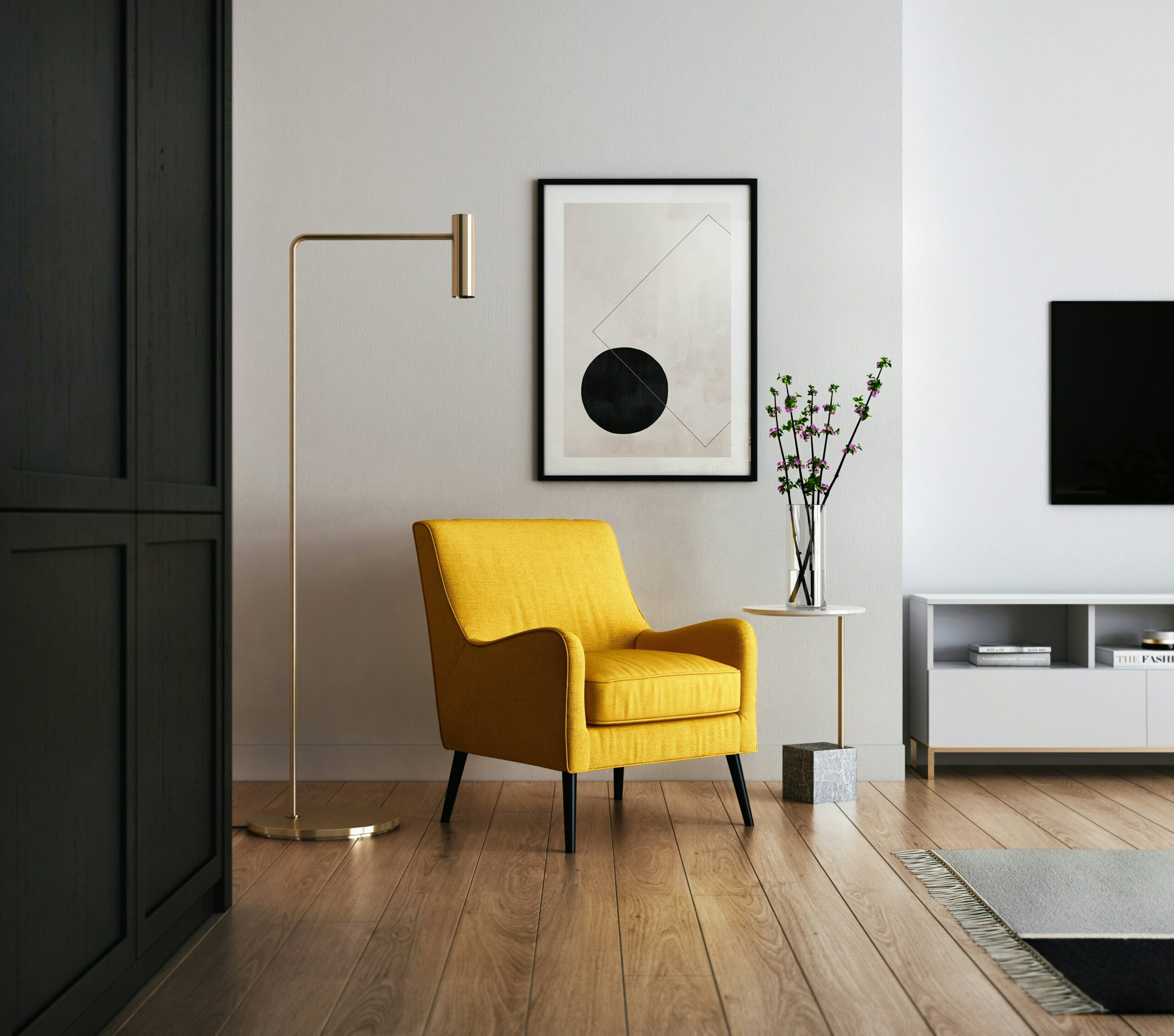
space planning

a building with a sign that says boogie on it

Effective Space Planning: Optimizing for Efficiency and Aesthetics

Understanding Space Planning

Space planning is a critical component of interior design, focusing on the arrangement and utilization of space to enhance both functionality and visual appeal. By organizing areas effectively, you not only improve efficiency but also create an environment that is pleasant to the eye. This approach demands a balance between utilitarian needs and aesthetic choices, ensuring that every square foot serves its purpose.

Benefits of Optimizing Space Utilization

Effective space utilization can lead to a multitude of benefits. First and foremost, it maximizes the potential of your environment, whether that’s in a residential or commercial setting. When space is correctly planned, it means less wasted room and improved accessibility. This is especially pertinent in small areas, where every inch counts. Furthermore, a well-thought-out layout can promote better workflow and interaction, enhancing productivity in office environments.

Design Strategies for Aesthetic Spaces

To achieve a balance between efficiency and aesthetics, consider employing various design strategies. Start by evaluating the function of each room and prioritize areas based on their use. Integrating flexible furniture can also enhance the adaptability of the space while maintaining an appealing look. Incorporating adequate lighting and color schemes can further elevate the visual quality, creating a more inviting atmosphere. Remember, successful space planning isn’t just about making the most out of the available area; it’s also about creating a harmonious environment that meets both practical and visual needs.

Space Planning: Optimizing Space Utilization for Efficiency and Aesthetics in Gurgaon

In fast-paced urban environments like Gurgaon, where real estate is precious and spaces are often compact, space planning becomes a crucial aspect of interior design. Proper space planning ensures that each area of a home, office, or commercial space is used effectively, while also maintaining a balance between functionality and aesthetic appeal. Whether designing a small apartment, a sprawling office, or a modern retail store, the goal is to maximize space utilization while creating an environment that is visually appealing and efficient.

The Significance of Space Planning in Gurgaon

Gurgaon is known for its high-end residential complexes, cutting-edge office buildings, and vibrant commercial spaces. As the city continues to grow and attract a mix of people, businesses, and lifestyles, space planning has become essential in making sure every square foot is optimized. Effective space planning can make smaller spaces feel more spacious, enhance the flow of a room, and contribute to a comfortable, productive atmosphere.

1. Maximizing Efficiency

With limited square footage in many Gurgaon homes and offices, efficient space planning allows every inch of the area to serve a purpose. This may involve selecting furniture that fits well, creating multifunctional spaces, and organizing areas for optimal movement. In a home, for instance, space planning ensures that storage solutions are integrated seamlessly to reduce clutter while providing enough room for everyday activities. In an office, it’s about creating work zones that promote collaboration, productivity, and comfort.

2. Enhancing Aesthetics

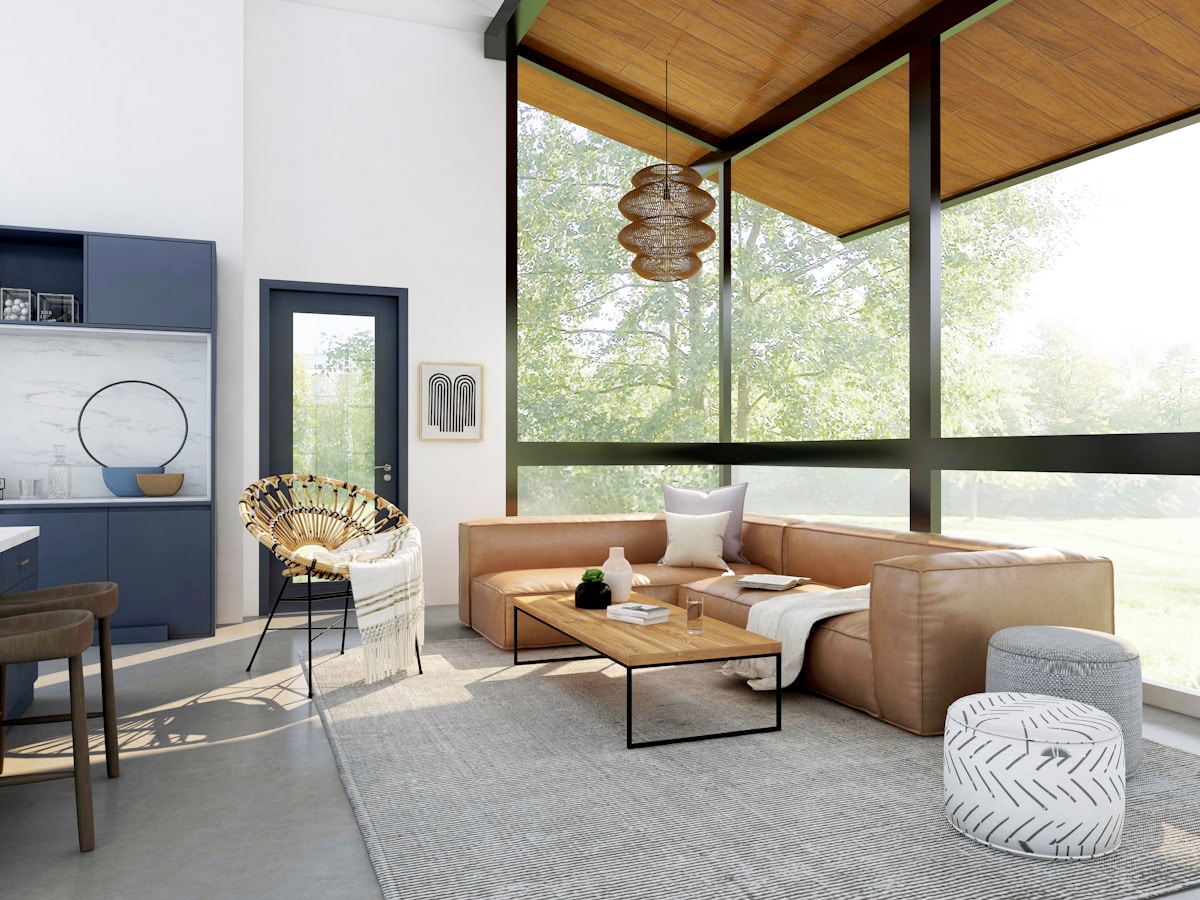
Good space planning doesn’t just focus on function; it also considers the visual flow of a room. An aesthetically pleasing layout ensures that furniture, decor, and design elements work together harmoniously. Proper arrangement of furniture can create a sense of balance and prevent the space from feeling cramped or chaotic. By thoughtfully placing focal points, optimizing natural light, and choosing complementary colors, space planning enhances the beauty of any interior, whether it’s a chic apartment, a corporate office, or a stylish retail store.

Key Elements of Space Planning

Effective space planning involves a careful blend of several elements. Here’s what interior designers focus on when planning a space in Gurgaon:

1. Furniture Arrangement

The way furniture is arranged can significantly impact how a space feels. The goal is to create a layout that allows for easy movement and maximizes the functionality of each area. In smaller spaces, designers use modular furniture or built-in pieces that take up less space but still offer essential functionality. In larger spaces, zoning helps to designate areas for different activities, like working, dining, or relaxing.

  • Compact Furniture: In apartments or smaller homes in Gurgaon, using space-efficient furniture is key. For example, foldable or stackable tables and chairs can make a room adaptable.
  • Zoning Large Spaces: In offices or larger commercial spaces, dividing the space into distinct zonesβ€”such as meeting areas, workstations, and relaxation zonesβ€”can help create a more organized, functional layout.

2. Flow and Traffic Patterns

The flow of a space refers to how people move through it. Space planning involves considering traffic patterns to ensure smooth transitions between areas. In high-traffic spaces like living rooms, offices, or retail stores, the layout should encourage easy movement without any obstructions. By creating designated walkways and avoiding overcrowded spaces, interior designers ensure that each area is accessible and comfortable to navigate.

  • Clear Pathways: In a home or office, placing furniture at angles that avoid blocking doorways or walkways ensures that people can move freely.
  • Efficient Circulation in Offices: In an office, ensuring that pathways between desks, meeting rooms, and other work areas are clear is important for fostering productivity and preventing discomfort.

3. Storage Solutions

Storage is often one of the biggest challenges in space planning, especially in densely populated areas like Gurgaon where square footage comes at a premium. The best interior designers in Gurgaon implement smart storage solutions that blend seamlessly into the design. This could involve built-in cabinets, under-bed storage, wall-mounted shelves, or multi-purpose furniture that serves as both storage and a functional piece of furniture.

  • Hidden Storage: Using concealed or hidden storage areas is ideal for maintaining a clean, uncluttered look in apartments or homes.
  • Open Shelving: In modern office spaces, open shelving or minimalist storage can help keep the space organized while adding to the aesthetic appeal.

4. Lighting and Ventilation

Lighting plays an essential role in space planning as it can dramatically affect the perception of space. Proper lighting creates the illusion of more space, enhances functionality, and sets the mood. Natural light, whenever possible, should be maximized, as it makes spaces feel larger and more inviting. In areas with limited natural light, designers often use strategic artificial lighting to brighten the room, such as ambient, task, and accent lighting.

  • Natural Light: Maximizing the use of large windows or glass doors in Gurgaon apartments or offices helps bring in natural light, creating a sense of openness.
  • Layered Lighting: In commercial spaces, the combination of ambient, task, and accent lighting can highlight specific areas like product displays, reception areas, and workstations.

5. Proportions and Scale

Proportions and scale are crucial when selecting furniture and accessories. In small spaces, oversized furniture can overwhelm a room, while tiny pieces can make the space feel fragmented. Interior designers in Gurgaon focus on achieving a balance between the size of the furniture and the size of the space. This ensures that the room feels cohesive, comfortable, and functional.

  • Scaling Furniture: In smaller homes, choosing compact, sleek furniture helps ensure that rooms don’t feel overcrowded. In larger spaces, larger, statement pieces can provide a sense of grandeur without making the room feel empty.
  • Balanced Proportions: In an office, the proportions of workstations, desks, and lounge areas need to be consistent to create a uniform design that feels neither crowded nor sparse.

Strategies for Space Planning in Gurgaon

Given the variety of spaces and requirements in Gurgaon, here are some specific strategies that interior designers use to optimize space:

1. Open Plan Living for Apartments

Open-plan layouts are common in modern Gurgaon apartments, where large, open spaces are divided into functional zones. Combining the living, dining, and kitchen areas into one open space can create a sense of continuity and freedom. The key is to separate the zones visually through furniture placement, rugs, and lighting without erecting walls.

  • Create Visual Dividers: Use furniture or decorative elements like a bookshelf, plants, or a half-wall to define spaces while keeping the flow open and connected.
  • Flexible Furniture: Use flexible, multi-functional furniture like foldable dining tables or sofa beds to maximize the adaptability of the space.

2. Multi-Functional Spaces

In Gurgaon, where space comes at a premium, multi-functional spaces are a must. This approach enables a single room or area to serve multiple purposes. For example, a home office can also function as a guest room, or a dining area can double as a work zone.

  • Convertible Furniture: A convertible sofa that turns into a bed or a wall-mounted desk that folds up when not in use helps make the most of limited space.
  • Dual-Purpose Rooms: An office that transitions into a reading nook or a dining room that can accommodate home-schooling or creative activities.

3. Smaller Footprints for Offices

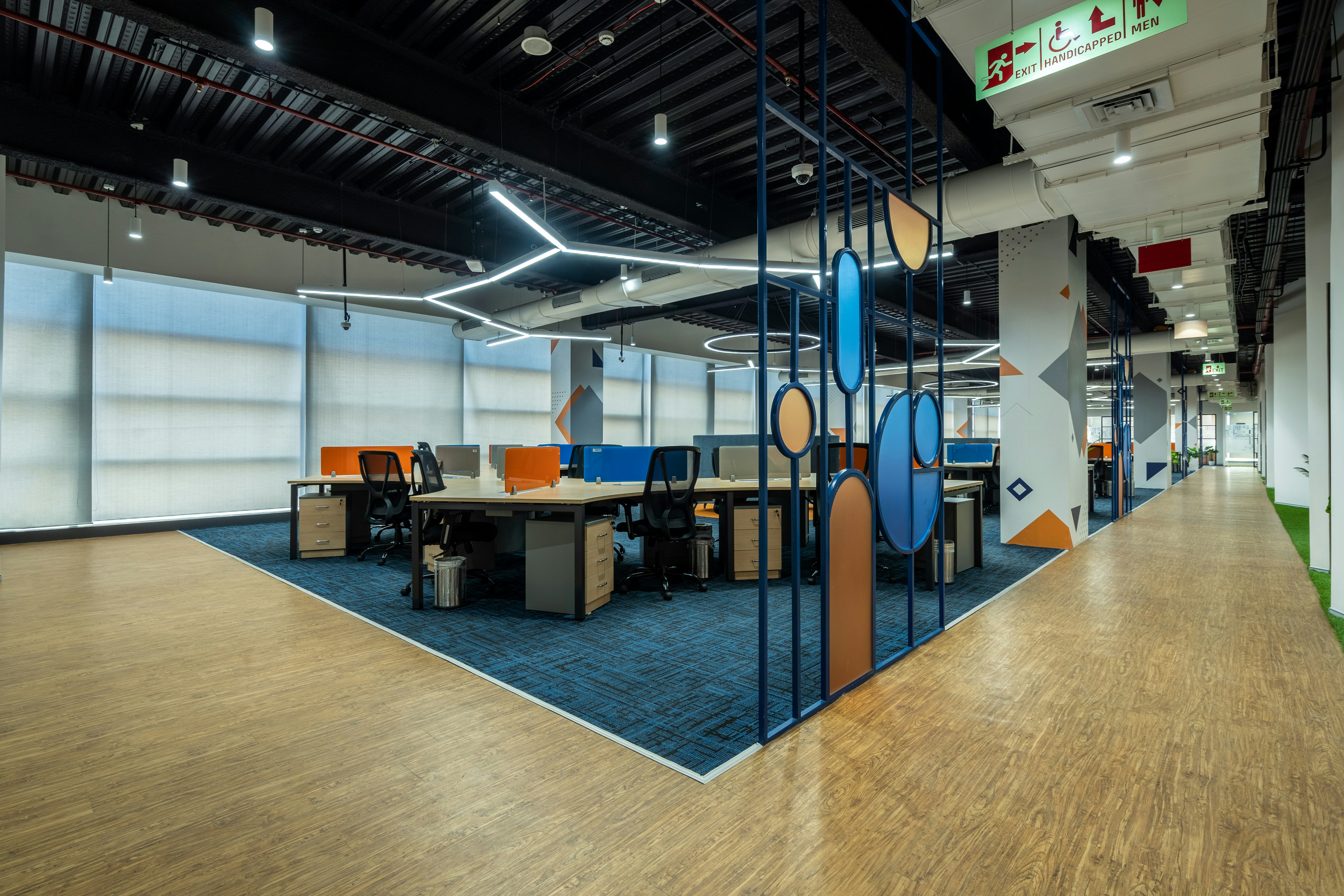
In Gurgaon’s corporate landscape, companies often work with limited office space. Space planning for offices focuses on optimizing floor layouts, creating open areas for collaboration, and maximizing storage and functionality. Open-plan offices with flexible meeting areas, collaborative spaces, and private work pods are a common feature in modern office designs.

  • Desk Sharing: Hot-desking or shared desks enable offices to accommodate more employees in smaller spaces.
  • Collaborative Zones: Creating zones for team collaboration with movable partitions allows employees to quickly adapt to changing needs and tasks.

Conclusion

Effective space planning is essential for creating interiors that are both functional and aesthetically pleasing in Gurgaon. Whether it’s maximizing limited space in an apartment, designing an office with flexible workstations, or organizing a commercial space to enhance customer experience, careful attention to detail is required. The goal is to optimize every square inch while considering factors like flow, functionality, lighting, and style. With proper space planning, spaces in Gurgaon can feel spacious, organized, and perfectly suited to the needs of the people who use them.

Effective Space Planning: Optimizing for Efficiency and Aesthetics Read More Β»

a building with a sign that says boogie on it

The Importance of Space Planning Experts for Homes in Delhi NCR

Understanding Space Planning

In today’s world, effective space planning is essential, especially for homes in urban areas like Delhi NCR. Space planning involves analyzing a space to determine the best use for it, taking into consideration functionality and aesthetics. This process enhances the livability of a home, making it more comfortable, organized, and visually appealing.

The Role of Space Planning Experts

Space planning experts specialize in designing multipurpose areas that optimize both available space and resources. They possess the knowledge and experience to develop layouts that cater to the specific needs of a family, ensuring that every inch of the home is utilized to its fullest potential. These professionals understand zoning laws and local regulations, which can be particularly beneficial for homeowners in Delhi NCR.

Why Choose Experts in Delhi NCR?

Hiring space planning experts for homes in Delhi NCR can significantly affect the overall functionality and look of a space. They bring insights into trends and materials that work best in this bustling metropolitan area. Moreover, their customized solutions can help families adapt to the fast-paced lifestyle, ensuring their homes remain inviting and practical. Investing in space planning expertise is a wise decision for anyone looking to create harmonious living spaces that reflect their personal style while maximizing efficiency.

The Importance of Space Planning Experts for Homes in Delhi NCR Read More Β»

a building with a sign that says boogie on it

Discover the Best Space Planning Services in Chhatarpur, Delhi

Introduction to Space Planning

Effective space planning is crucial for maximizing the functionality and aesthetic appeal of any area. Whether it’s a residential property or a commercial space, the layout can significantly influence how well the space meets your needs. In Chhatarpur, Delhi, homeowners and business owners alike are increasingly turning to professional services to achieve the best results.

Why Choose Professional Space Planning in Chhatarpur?

Choosing the best space planning services in Chhatarpur, Delhi offers numerous advantages. Professionals bring expertise that ensures efficient use of every square foot, creating a layout that feels spacious and welcoming. They consider factors such as light, flow, and functional zones, leading to a well-rounded space that boosts productivity and comfort.

Finding the Right Space Planning Expert

When searching for the best space planning services in Chhatarpur, consider portfolios and customer reviews to identify reputable firms. A skilled planner will work closely with you to understand your vision and adapt their strategies to suit your specific requirements. By collaborating with the right expert, you can transform your space into a harmonious environment that reflects your style.

To conclude, investing in professional space planning in Chhatarpur, Delhi will not only enhance the visual appeal of your premises but will also significantly improve the functionality of your space. Start your journey towards optimal space management today!

Discover the Best Space Planning Services in Chhatarpur, Delhi Read More Β»

brown wooden framed yellow padded chair

Transforming Interior Spaces: Innovative Ideas for Creative and Functional Design

Introduction

Interior design is a creative field that involves transforming interior spaces into functional, aesthetically pleasing environments. It encompasses a wide range of ideas and concepts that can enhance the ambiance and functionality of a space. In this blog post, we will explore some innovative interior design ideas that can help you create a unique and inviting space that reflects your individuality and lifestyle.

One of the key elements of interior design is understanding the principles of space planning. Effective space planning involves analyzing the available space and determining the best way to arrange furniture, fixtures, and other elements to optimize functionality and flow. It is important to consider the purpose of the space and the needs of the people who will be using it. For example, a living room should be designed to facilitate conversation and relaxation, while a kitchen should be designed to maximize efficiency and convenience.

Another important aspect of interior design is color selection. Colors have the power to evoke emotions and set the mood of a space. When choosing colors for your interior, it is important to consider the overall theme and style you want to achieve. For a calm and peaceful atmosphere, soft and neutral colors like beige, gray, and pastels can be used. On the other hand, if you want to create a vibrant and energetic space, bold and bright colors like red, orange, and yellow can be incorporated.

Lighting is also a crucial component of interior design. It not only serves a practical purpose by providing illumination, but it can also be used to create ambiance and highlight specific areas or features. There are various types of lighting fixtures that can be used, such as recessed lights, pendant lights, and chandeliers. It is important to consider the function of the space and the desired mood when selecting lighting fixtures. For example, in a bedroom, soft and warm lighting can create a cozy and relaxing atmosphere, while in a workspace, bright and task-oriented lighting is essential for productivity.

Texture is another element that can add depth and interest to a space. By incorporating different textures, such as smooth surfaces, rough finishes, and tactile materials, you can create a visually appealing and tactilely stimulating environment. For example, a living room can be enhanced with a plush velvet sofa, a rustic wooden coffee table, and a soft shaggy rug. These different textures not only add visual interest but also create a sense of comfort and coziness.

Lastly, incorporating elements of nature can bring a sense of tranquility and harmony to a space. Natural elements, such as plants, flowers, and natural materials like wood and stone, can add a touch of freshness and serenity to any room. Indoor plants not only improve air quality but also create a connection to the outdoors, making the space feel more inviting and alive.

In conclusion, interior design is a multifaceted field that involves careful planning and consideration of various elements. By understanding the principles of space planning, color selection, lighting, texture, and incorporating elements of nature, you can create a space that is not only aesthetically pleasing but also functional and reflective of your individuality and lifestyle.

Color Schemes

One of the most impactful ways to transform a space is through the use of color. Choosing the right color scheme can set the tone for the entire room and create a specific mood or atmosphere. Consider using a combination of bold and neutral colors to create a balanced and visually appealing space.

For example, you can opt for a monochromatic color scheme by using different shades of the same color. This creates a cohesive and harmonious look. Alternatively, you can choose complementary colors that are opposite each other on the color wheel to create a vibrant and dynamic space.

Another option is to use an analogous color scheme, which involves selecting colors that are adjacent to each other on the color wheel. This creates a sense of harmony and can be particularly effective in creating a calming and soothing atmosphere. For instance, you could combine shades of blue and green to evoke a sense of tranquility in a bedroom or a spa-like bathroom.

If you’re looking to make a bold statement, you might consider using a triadic color scheme. This involves selecting three colors that are evenly spaced on the color wheel. When used correctly, this color scheme can create a visually striking and energetic space. For example, you could combine shades of red, yellow, and blue to create a vibrant and lively living room or playroom.

When choosing a color scheme, it’s important to consider the purpose of the room and the emotions or feelings you want to evoke. Warm colors like red, orange, and yellow can create a cozy and inviting atmosphere, while cool colors like blue and green can promote relaxation and serenity. Neutral colors like white, beige, and gray can provide a timeless and versatile backdrop for any style or theme.

Ultimately, the right color scheme can make a significant impact on the overall look and feel of a space. By carefully considering the color wheel and the emotions associated with different colors, you can create a space that is not only visually appealing but also supports the desired mood or atmosphere.

Furniture Arrangements

The arrangement of furniture plays a crucial role in the functionality and flow of a room. Consider the size and shape of the space when deciding on the placement of furniture. It’s important to create a layout that allows for easy movement and promotes conversation.

Think outside the box and consider unconventional furniture arrangements. For example, instead of placing all the furniture against the walls, try creating a cozy seating area in the center of the room. This can create a more intimate and inviting atmosphere.

In addition to the placement of furniture, it’s also important to consider the purpose of the room. For instance, if you’re designing a living room, you’ll want to ensure that there is ample seating for guests and that the furniture is arranged in a way that encourages interaction. On the other hand, if you’re working on a home office, you’ll want to prioritize functionality and create a layout that promotes productivity.

When arranging furniture, it’s also important to take into account the focal point of the room. This could be a fireplace, a television, or a beautiful view. By positioning the furniture in a way that draws attention to the focal point, you can create a sense of balance and harmony in the space.

Another factor to consider when arranging furniture is the traffic flow. You’ll want to ensure that there is enough space for people to move around the room comfortably without feeling cramped or obstructed. This is especially important in high-traffic areas such as hallways or entryways.

Additionally, don’t be afraid to mix and match different styles of furniture to create visual interest. By combining pieces with different textures, colors, and shapes, you can add depth and personality to the room. Just be sure to maintain a sense of cohesion by incorporating common elements or a unifying color palette.

Finally, don’t forget about the importance of lighting in furniture arrangements. Proper lighting can enhance the overall ambiance of the room and highlight key features. Consider using a combination of overhead lighting, task lighting, and accent lighting to create a warm and inviting atmosphere.

In conclusion, when arranging furniture, it’s important to consider the size and shape of the space, the purpose of the room, the focal point, traffic flow, and lighting. By taking these factors into account and thinking creatively, you can create a furniture arrangement that is not only functional but also aesthetically pleasing.

In addition to adding depth and visual interest, the use of materials and textures in interior design can also contribute to the overall atmosphere and mood of a space. For instance, incorporating natural materials like wood and stone can create a warm and inviting ambiance, while sleek and reflective materials like glass and metal can give a space a more modern and sophisticated feel.

When selecting materials, it’s important to consider their durability and functionality. For high-traffic areas, it’s advisable to choose materials that are resistant to wear and tear, such as porcelain tiles or laminate flooring. On the other hand, in areas where comfort and coziness are a priority, plush carpets or soft fabrics can be used to create a more inviting and comfortable atmosphere.

Textures can also play a significant role in creating a well-designed space. By incorporating a mix of textures, you can create a visually dynamic environment that engages the senses. For example, pairing a smooth leather sofa with a chunky knit throw or adding a textured wallpaper to a feature wall can create a visually interesting and tactile experience for anyone in the room.

Furthermore, the use of materials and textures can also help to define different areas within a space. By using different materials or textures in specific zones, you can visually separate different areas, such as a dining area from a living area, or a workspace from a relaxation area. This can be achieved by using different flooring materials, wall treatments, or even furniture finishes.

In conclusion, the use of materials and textures in interior design is a powerful tool that can transform a space from ordinary to extraordinary. By carefully selecting and combining different materials and textures, you can create a visually appealing and functional environment that reflects your personal style and enhances the overall experience of the space.

Another clever storage solution is utilizing multi-functional furniture. For example, a coffee table with built-in storage compartments can serve as both a surface for drinks and a place to store magazines or remote controls. Similarly, a bed with built-in drawers underneath can provide valuable storage space for extra linens, clothing, or seasonal items.

When it comes to organizing smaller items, consider using storage containers or baskets that can be easily tucked away on shelves or in closets. These containers not only keep items organized but also add visual appeal to the space. Opt for clear containers to easily see what’s inside or choose decorative baskets that complement the room’s aesthetic.

Maximizing vertical space is another effective storage solution. Install floating shelves above doorways or in corners to make use of otherwise unused space. These shelves can be used to display decorative items or store books, keeping them within reach but out of the way.

Furthermore, don’t forget about the potential storage opportunities in unconventional spaces. For instance, the back of a closet door can be outfitted with hooks or an over-the-door shoe organizer to hold accessories or shoes. The space under the stairs can be transformed into a cozy reading nook with built-in bookshelves, or it can be used to install a small desk for a functional workspace.

Lastly, consider incorporating storage solutions that blend seamlessly with the room’s overall design. For example, if you have a modern and minimalist aesthetic, opt for sleek and streamlined storage options. On the other hand, if your space has a rustic or farmhouse vibe, consider using vintage crates or baskets for storage.

In conclusion, clever storage solutions are essential for maximizing space and keeping a room organized. By incorporating built-in storage, multi-functional furniture, containers, utilizing vertical space, and thinking outside the box, you can create a clutter-free and visually appealing space that meets all your storage needs.

Lighting Designs

Lighting is a crucial element in interior design as it can greatly impact the mood and ambiance of a space. Consider using a combination of ambient, task, and accent lighting to create a layered and versatile lighting scheme.

Use natural light whenever possible by incorporating large windows or skylights. This not only provides ample light but also creates a connection with the outdoors. Additionally, consider using dimmers and adjustable lighting fixtures to create different moods and atmospheres.

When it comes to ambient lighting, there are various options to choose from. Recessed lighting is a popular choice as it provides a clean and modern look. It can be used to evenly illuminate a room or highlight specific areas. Pendant lights are another great option for ambient lighting. They come in a wide range of styles and can be used to create a focal point in a room.

Task lighting is essential for areas where specific activities are performed, such as reading or cooking. Desk lamps, under-cabinet lighting, and track lighting are all examples of task lighting that can be used to provide focused illumination. It is important to ensure that task lighting is positioned correctly to avoid shadows or glare.

Accent lighting is used to highlight architectural features, artwork, or decorative objects. Wall sconces, picture lights, and track lighting with adjustable heads are all great options for accent lighting. By strategically placing accent lights, you can draw attention to specific elements in a room and create visual interest.

When designing a lighting scheme, it is important to consider the overall style and function of the space. For example, in a contemporary living room, you may want to use sleek and minimalist lighting fixtures. In a traditional dining room, you may opt for chandeliers or wall sconces with ornate details.

In addition to the type of lighting fixtures used, the color temperature of the light bulbs also plays a role in creating the desired atmosphere. Warm white light (around 2700-3000 Kelvin) can create a cozy and inviting ambiance, while cool white light (around 4000-5000 Kelvin) can create a more energizing and vibrant atmosphere.

Overall, lighting design is an important aspect of interior design that should not be overlooked. By carefully considering the different types of lighting and their placement, you can create a well-lit and visually appealing space that enhances the overall design and functionality of a room.

When it comes to decorative accents, the possibilities are endless. Artwork, for example, can serve as a focal point and set the tone for the entire room. Whether you prefer abstract paintings, vibrant photography, or classic portraits, choosing the right artwork can add a sense of sophistication and style to your space.

Mirrors are another versatile decorative accent that can have a significant impact on the overall aesthetic of a room. Not only do they create the illusion of a larger space, but they also reflect light and add a touch of glamour. Whether you opt for a statement mirror above the fireplace or a collection of smaller mirrors arranged on a gallery wall, mirrors can enhance the visual appeal of any room.

Rugs are not only practical, but they also add warmth and texture to a space. From luxurious Persian rugs to modern geometric patterns, there is a wide variety of options to choose from. Consider the size, color, and material of the rug to ensure it complements the existing furniture and decor in the room.

Plants are a fantastic way to bring nature indoors and add a sense of tranquility to your space. Whether you prefer large, leafy plants or small succulents, incorporating greenery can instantly breathe life into any room. Not only do plants purify the air, but they also create a calming atmosphere and can even improve your mood.

Lastly, don’t underestimate the power of personal touches. Family photos, sentimental objects, and cherished mementos can add a layer of authenticity and personality to your space. Display them on shelves, mantels, or gallery walls to create a unique and meaningful display.

Remember, decorative accents should not be an afterthought but an integral part of your overall design plan. Take the time to carefully select and arrange these elements to create a space that is not only aesthetically pleasing but also reflects your personal style and enhances your everyday life.

Transforming Interior Spaces: Innovative Ideas for Creative and Functional Design Read More Β»

brown wooden framed yellow padded chair

The Main Subjects in Interior Designing

brown wooden framed yellow padded chair

1. Design Principles: This subject forms the foundation of interior design education. It covers the fundamental principles and elements of design, including color theory, balance, proportion, scale, and rhythm. Students learn how to apply these principles to create harmonious and visually appealing spaces.

2. Space Planning: Space planning is a crucial aspect of interior design. In this subject, students learn how to analyze and optimize the use of space in different types of interiors, such as residential, commercial, and hospitality. They study various techniques for arranging furniture, fixtures, and other elements to enhance functionality and flow within a space.

3. Materials and Finishes: This subject focuses on the selection and specification of materials, finishes, and furnishings for interior spaces. Students learn about different types of materials, their properties, and their applications. They also study the principles of sustainability and how to choose eco-friendly materials for sustainable interior design.

4. Lighting Design: Lighting plays a crucial role in creating ambiance and enhancing the functionality of interior spaces. In this subject, students learn about the principles of lighting design, different types of lighting fixtures, and techniques for creating various lighting effects. They also study how to calculate lighting requirements and design lighting layouts for different types of interiors.

5. Furniture Design: Furniture is an integral part of interior design. In this subject, students learn about the history of furniture, different styles and trends, and the principles of furniture design. They also study the process of designing and creating custom furniture pieces, including sketching, drafting, and selecting appropriate materials.

6. Color Theory: Color has a significant impact on the mood and atmosphere of a space. In this subject, students learn about the psychology of color, color harmonies, and the use of color in interior design. They study how to select and combine colors effectively to create desired effects and communicate specific messages through interior design.

7. Building Codes and Regulations: Interior designers need to have a thorough understanding of building codes and regulations to ensure compliance and safety in their designs. This subject covers the relevant codes and regulations related to fire safety, accessibility, electrical systems, and other aspects of interior design. Students learn how to navigate and apply these codes in their design projects.

8. Computer-Aided Design (CAD): CAD software is an essential tool for interior designers. In this subject, students learn how to use CAD software to create 2D and 3D models of interior spaces. They study various CAD techniques, such as drafting, rendering, and modeling, and learn how to present their design ideas effectively using digital tools.

These are just a few examples of the subjects that students typically study in interior design courses. Each subject provides valuable knowledge and skills that are essential for a successful career in the field of interior design.

1. Research Strategies

Research strategies form an essential part of interior design education. This subject focuses on teaching students how to conduct research effectively, gather relevant information, and analyze data. It equips students with the skills to understand client requirements, cultural influences, historical context, and current trends in interior design.

Furthermore, studying architecture allows interior designers to develop a keen eye for detail and a deep appreciation for the intricate relationship between form and function. By understanding the principles of architecture, designers can create spaces that not only look beautiful but also serve the needs of their clients.

One aspect of architecture that is particularly important for interior designers is spatial planning. This involves carefully considering how different elements within a space interact with each other and how people will move through the space. Architects are trained to think spatially and can offer valuable insights into how to optimize the flow and functionality of a room or building.

In addition to spatial planning, a solid understanding of structural systems is crucial for interior designers. They need to know how buildings are constructed and how various materials and structural elements work together to create a stable and safe environment. This knowledge allows designers to make informed decisions about which materials to use and how to best utilize the existing structure when renovating or remodeling a space.

Collaboration is another key aspect of architecture that is beneficial for interior designers. Working closely with architects and structural engineers, designers can ensure that their vision aligns with the overall design of a building and that any modifications or additions they make are structurally feasible. This collaboration also allows for a more cohesive and integrated design, where the interior and exterior of a space work together harmoniously.

Overall, architecture provides a solid foundation for interior designers, equipping them with the knowledge and skills necessary to create functional, aesthetically pleasing spaces. By understanding the principles of architecture, designers can approach their projects with a holistic perspective, considering not only the visual aspects but also the structural and functional aspects of a space. This comprehensive approach ultimately leads to better design solutions that meet the needs and desires of clients while also respecting the integrity of the built environment.

AutoCAD is a powerful tool that has revolutionized the field of interior design. With its advanced features and user-friendly interface, it has become an essential part of every interior designer’s toolkit. The software allows designers to create precise and detailed drawings, making it easier to visualize and communicate their design concepts.

One of the main advantages of AutoCAD is its ability to create accurate 2D and 3D drawings. This is particularly useful in interior design, where precise measurements and dimensions are crucial. With AutoCAD, designers can easily create floor plans, elevations, and other technical drawings that accurately represent their design ideas. This not only helps in the visualization process but also ensures that the final result meets the client’s requirements.

Another key feature of AutoCAD is its extensive library of design elements and symbols. This allows designers to easily incorporate furniture, fixtures, and other design elements into their drawings. The software also provides a wide range of tools for editing and modifying these elements, giving designers the flexibility to customize their designs according to their clients’ preferences.

AutoCAD also offers a range of advanced features that help streamline the design process. For example, the software allows designers to create and manage layers, which can be used to organize different elements of a drawing. This makes it easier to work on complex projects and collaborate with other professionals involved in the design process.

Furthermore, AutoCAD has the ability to generate accurate and detailed documentation. This includes materials lists, schedules, and other technical information that is essential for the construction and implementation of a design project. By automating the generation of these documents, AutoCAD saves designers valuable time and ensures that all necessary information is readily available.

In conclusion, AutoCAD is a indispensable tool for interior designers. Its advanced features and user-friendly interface make it a valuable asset in the design process. From creating accurate drawings to generating detailed documentation, AutoCAD helps designers bring their ideas to life and communicate them effectively to clients and other professionals.

Moreover, illustration plays a crucial role in the design process, as it allows interior designers to convey their vision to clients, contractors, and other professionals involved in the project. By creating detailed and accurate illustrations, designers can effectively communicate the spatial layout, furniture placement, color schemes, and other design elements to ensure that everyone involved understands the intended outcome.

One of the key benefits of studying illustration in the context of interior design is that it enhances students’ ability to think critically and creatively. Through the process of sketching and drawing, students are encouraged to explore different design possibilities and experiment with various concepts. This not only helps them develop their artistic skills but also fosters their problem-solving abilities.

Furthermore, illustration allows interior designers to explore different materials, textures, and finishes, enabling them to effectively communicate the tactile qualities of their designs. By incorporating shading, hatching, and other rendering techniques, designers can bring their illustrations to life, providing clients with a realistic representation of the proposed design.

In addition to its practical applications, illustration also plays a significant role in the historical and cultural context of interior design. By studying the works of renowned illustrators and artists throughout history, students gain a deeper understanding of the evolution of design styles and trends. They learn to appreciate the importance of visual communication in different eras and how it has influenced the way we perceive and experience interior spaces.

Overall, illustration is an essential subject in the education of interior designers. It equips students with the necessary skills to effectively communicate their design ideas, enhances their creativity and problem-solving abilities, and provides them with a deeper understanding of the historical and cultural aspects of interior design. By mastering the art of illustration, interior design students are better prepared to excel in their future careers and contribute to the ever-evolving field of design.

5. Furniture Design

Furniture design is a subject that delves into the creation and selection of furniture for interior spaces. It covers topics such as ergonomics, materials, manufacturing processes, and furniture styles. Understanding furniture design allows interior designers to select appropriate furniture pieces that complement the overall design concept, meet functional requirements, and enhance the aesthetics of the space.

Photography plays a crucial role in the field of interior design. It is not just about taking pictures of beautifully designed spaces; it is about capturing the essence and unique features of the interior. Through the lens, interior designers can showcase their creativity and attention to detail, highlighting the key elements that make their designs stand out.

One of the fundamental aspects of photography in interior design is composition. It involves arranging the elements within the frame to create a visually pleasing and balanced image. Interior designers need to consider factors such as the placement of furniture, the use of lines and shapes, and the overall flow of the space. By understanding composition techniques, designers can capture the best angles and perspectives that showcase the beauty and functionality of their designs.

Lighting is another critical aspect of interior design photography. The way light interacts with the space can dramatically change its appearance and atmosphere. Interior designers must learn how to manipulate natural and artificial light sources to create the desired mood and ambiance. They need to understand the different types of lighting, such as ambient, task, and accent lighting, and how to use them effectively to enhance the space’s features.

Post-processing is an essential step in interior design photography. It involves editing the images to enhance their quality, correct any imperfections, and bring out the true colors and textures of the space. Interior designers need to be proficient in photo editing software to refine their images and make them more appealing to potential clients and employers. They can adjust the brightness and contrast, remove unwanted objects or distractions, and even add filters or effects to create a specific mood or style.

Having strong photography skills is invaluable for interior designers. It allows them to effectively communicate their design concepts and showcase their work to a broader audience. In today’s digital age, where visual content is king, having high-quality photographs of their projects can make a significant difference in attracting potential clients and securing new opportunities.

Photography is not just a tool for documentation; it is a powerful medium that allows interior designers to tell stories and evoke emotions through their work. It is an art form that requires a keen eye for detail, a deep understanding of design principles, and technical expertise. By mastering the art of photography, interior designers can elevate their profession and create a lasting impact in the industry.

The design process is a fundamental aspect of interior design, as it provides a structured framework for designers to follow when creating spaces that are both aesthetically pleasing and functional. This process involves several stages, each with its own set of tasks and considerations.

The first stage of the design process is conceptualization. This is where designers gather information and ideas, and begin to develop a vision for the space. They may conduct research, gather inspiration from various sources, and create mood boards or sketches to help visualize their ideas. During this stage, designers also consider the needs and preferences of the client, as well as any constraints or limitations that may impact the design.

Once the concept has been established, the next stage is space planning. This involves determining how the space will be organized and laid out to best meet the needs of the users. Designers consider factors such as traffic flow, functionality, and the relationship between different areas within the space. They may create floor plans and 3D models to help visualize the layout and ensure that it is optimized for the intended use.

Color theory is another important aspect of the design process. Designers consider the psychological and emotional effects of different colors, as well as how they interact with each other. They use this knowledge to create color schemes that enhance the desired mood or atmosphere of the space. Material selection is also a key consideration, as designers choose materials that are not only visually appealing but also durable, sustainable, and suitable for the intended use.

Throughout the design process, designers also apply various design principles to guide their decision-making. These principles include elements such as balance, proportion, rhythm, and emphasis. By applying these principles, designers create spaces that are visually harmonious and balanced, while also drawing attention to key features or focal points.

Once the design has been finalized, the final stage of the process is execution. This is where the design is brought to life through the selection and procurement of furnishings, fixtures, and finishes. Designers may collaborate with contractors, suppliers, and other professionals to ensure that the design is implemented according to plan. They also oversee the installation and arrangement of furniture and accessories, making any necessary adjustments to ensure that the final result aligns with the original vision.

In conclusion, the design process is a comprehensive and systematic approach to interior design. It encompasses various stages, from conceptualization to execution, and involves considerations such as space planning, color theory, material selection, and design principles. By following this process, designers are able to create spaces that are not only visually appealing but also functional and tailored to the needs of the users.

8. Presentation

Presentation skills are crucial for interior designers to effectively communicate their design concepts and ideas to clients, stakeholders, and other professionals. This subject focuses on developing students’ skills in creating compelling visual presentations, using tools such as mood boards, 3D renderings, and digital presentations. Effective presentation skills help interior designers gain client approval, secure project contracts, and convey their design vision accurately.

These are just some of the main subjects typically included in interior design education. Other subjects may include lighting design, sustainable design, project management, building codes and regulations, and business practices. The combination of these subjects equips interior design students with a well-rounded skill set and knowledge base to succeed in the field.

In the presentation subject, students learn how to effectively communicate their design concepts and ideas through various mediums. They are taught how to create visually appealing mood boards that showcase their design inspiration, color schemes, and material choices. These mood boards help clients and stakeholders visualize the overall aesthetic and feel of the proposed design.

In addition to mood boards, students also learn how to create 3D renderings of their designs. This involves using computer-aided design (CAD) software to create realistic virtual models of interior spaces. These renderings provide clients with a clear understanding of how the final design will look and allow them to make informed decisions.

Furthermore, students are taught how to create digital presentations using software such as PowerPoint or Adobe InDesign. These presentations serve as a comprehensive overview of the design concept, including floor plans, elevations, material selections, and furniture layouts. Interior designers must be able to effectively communicate their ideas verbally and visually, and these digital presentations allow them to do so in a professional and organized manner.

Overall, the presentation subject plays a crucial role in an interior designer’s education. It provides them with the necessary skills to effectively communicate their design concepts and ideas, ultimately leading to client satisfaction and project success. By mastering the art of presentation, interior designers are able to showcase their creativity, attention to detail, and ability to bring spaces to life.

The Main Subjects in Interior Designing Read More Β»

shallow focus photography of bookshelfs

Interior Design Subjects: All You Need to Know

shallow focus photography of bookshelfs

Interior Design Subjects: All You Need to Know

When it comes to pursuing a career in interior design, there are several subjects that are essential to study. These subjects cover a wide range of topics and provide aspiring interior designers with the knowledge and skills they need to excel in their field. In this article, we will explore the typical interior design subjects that are covered in interior design programs.

One of the fundamental subjects in interior design is color theory. Understanding how colors interact with each other and how they can create different moods and atmospheres is crucial for any interior designer. Students learn about the color wheel, color harmonies, and how to use color effectively in their designs. They also study the psychology of color and how it can influence human emotions and behaviors.

Another important subject is space planning. Interior designers need to have a deep understanding of how to optimize and utilize space effectively. They learn about the principles of space planning, such as balance, proportion, and scale. They also study different spatial layouts and how to create functional and aesthetically pleasing interiors.

Materials and finishes are also a significant aspect of interior design. Students learn about various materials, such as wood, metal, glass, and textiles, and how to select and use them in their designs. They study different finishes, such as paint, wallpaper, and flooring options, and how to choose the right ones for different spaces and purposes. They also learn about sustainability and how to incorporate eco-friendly materials and finishes into their designs.

Lighting design is another subject that is covered in interior design programs. Students learn about the different types of lighting, such as natural, ambient, task, and accent lighting, and how to use them effectively in various spaces. They study lighting fixtures, such as chandeliers, pendant lights, and recessed lights, and how to select and position them to create the desired lighting effects.

Building codes and regulations are also an essential subject for interior designers. They need to have a comprehensive understanding of the legal and safety requirements that govern interior spaces. Students learn about fire safety, accessibility, electrical and plumbing codes, and other regulations that impact interior design. They also study how to create designs that comply with these codes while still meeting the needs and preferences of their clients.

Lastly, interior designers need to have strong communication and presentation skills. They need to be able to effectively communicate their ideas and concepts to clients, contractors, and other professionals. Students learn about different presentation techniques, such as hand sketching, computer-aided design (CAD), and 3D modeling. They also study verbal and written communication skills, as well as how to create professional presentations and portfolios.

Overall, these subjects provide aspiring interior designers with a solid foundation of knowledge and skills. By studying these subjects, students gain the necessary expertise to create functional, aesthetically pleasing, and safe interior spaces. Whether they choose to work in residential, commercial, or hospitality design, a strong understanding of these subjects is essential for success in the field of interior design.

1. Design Fundamentals

One of the first subjects that aspiring interior designers will encounter is design fundamentals. This subject lays the groundwork for understanding the principles of design, such as color theory, balance, proportion, and scale. Students will learn how to apply these principles to create aesthetically pleasing and functional interior spaces.

Design fundamentals also cover topics like typography, pattern, and texture, which are important elements in creating visual interest in interior design. By studying design fundamentals, students will develop a strong foundation in the basic principles of design that will guide their work throughout their careers.

Color theory is a crucial aspect of design fundamentals. It explores the psychological and emotional effects of different colors and how they can be used to create specific moods or atmospheres in a space. Students will learn about the color wheel, color schemes, and how to use color effectively to enhance the overall design of a room.

Balance is another key principle in design. It refers to the distribution of visual weight in a space, creating a sense of equilibrium. Students will learn about symmetrical, asymmetrical, and radial balance, and how to achieve a harmonious composition in their designs.

Proportion and scale are essential considerations in interior design. They involve the size and relationship of objects within a space. Students will learn how to properly scale furniture and accessories to create a balanced and visually pleasing arrangement. They will also study the concept of proportion and how it relates to the overall design of a room.

Typography, pattern, and texture are elements that add depth and visual interest to a design. Typography refers to the use of fonts and lettering in design, while pattern involves the repetition of shapes or motifs. Texture, on the other hand, refers to the tactile quality of surfaces. Students will explore different typographic styles, patterns, and textures, and learn how to incorporate them effectively into their designs.

By studying design fundamentals, aspiring interior designers will gain a comprehensive understanding of the principles and elements of design. This knowledge will serve as a solid foundation for their future work, allowing them to create visually appealing and functional interior spaces that meet the needs and preferences of their clients.

2. Space Planning

Space planning is another crucial subject in interior design. It involves understanding how to optimize the use of space within a given area. Students will learn how to analyze a space and determine the most efficient and effective way to arrange furniture, fixtures, and other elements.

Space planning also involves considering factors like traffic flow, accessibility, and functionality. Students will learn how to create floor plans and use design software to visualize and communicate their ideas. This subject is essential for interior designers as it enables them to create spaces that are not only visually appealing but also practical and functional.

When it comes to space planning, interior designers must take into account the specific needs and requirements of their clients. For example, in a residential setting, they need to consider the lifestyle and preferences of the homeowners. Are they a family with young children who require open and safe spaces? Or are they empty nesters who desire a more sophisticated and intimate atmosphere?

In commercial spaces, such as offices or retail stores, the focus may be on maximizing productivity and creating an inviting environment for customers. This could involve strategic placement of workstations, consideration of natural lighting, and the incorporation of comfortable seating areas or product displays.

Furthermore, space planning is not just limited to the interior of a building. Exterior spaces, such as gardens or outdoor seating areas, also require careful consideration. Designers must take into account factors such as climate, topography, and the desired use of the space. For example, a rooftop garden in a city center may need to be designed to withstand high winds and provide a peaceful retreat for urban dwellers.

Overall, space planning is a complex and multifaceted aspect of interior design. It requires a deep understanding of human behavior, ergonomics, and aesthetics. By mastering this subject, interior designers can create spaces that not only look beautiful but also enhance the lives of the people who inhabit them.

3. Materials and Finishes

Understanding materials and finishes is another important subject in interior design. Students will learn about different types of materials, such as wood, metal, glass, and fabric, and their properties. They will also study various finishes, such as paint, wallpaper, flooring, and upholstery.

By studying materials and finishes, interior designers can make informed decisions about selecting the right materials for different applications. They will learn about factors like durability, maintenance, cost, and aesthetics. This subject also covers topics like sustainable design and the use of eco-friendly materials, which are becoming increasingly important in the field of interior design.

When it comes to materials, there is a wide range of options available for interior designers to choose from. Wood, for example, is a versatile material that can be used for furniture, flooring, and cabinetry. It comes in different types, such as oak, maple, and cherry, each with its unique characteristics and appearance. Metal, on the other hand, is known for its strength and durability, making it suitable for structural elements like beams and columns, as well as decorative accents.

Glass is another material that is commonly used in interior design. It can be used for windows, doors, partitions, and even furniture pieces. Its transparency allows for the flow of natural light, creating a bright and open atmosphere. Fabric, on the other hand, adds texture and softness to a space. It can be used for upholstery, drapery, and decorative pillows, adding color and pattern to a room.

When it comes to finishes, interior designers have a plethora of options to choose from. Paint, for example, can completely transform the look and feel of a space. It can be used to create a focal point, add depth to a room, or create a cohesive color scheme. Wallpaper, on the other hand, allows for more intricate patterns and designs, adding visual interest to walls. It can be used to create an accent wall or cover an entire room.

Flooring is another important aspect of interior design. Different types of flooring, such as hardwood, laminate, tile, and carpet, offer different aesthetics and practical benefits. Hardwood flooring, for example, adds warmth and elegance to a space, while tile flooring is durable and easy to clean. Carpet, on the other hand, adds comfort and insulation, making it suitable for bedrooms and living rooms.

Upholstery is another important aspect of interior design. It involves the selection and application of fabric to furniture pieces, such as sofas, chairs, and ottomans. The choice of fabric can greatly impact the overall look and feel of a space. Different fabrics offer different textures, colors, and patterns, allowing for endless possibilities in design.

Overall, the study of materials and finishes in interior design is crucial for creating functional and aesthetically pleasing spaces. By understanding the properties and characteristics of different materials, as well as the various finishes available, interior designers can make informed decisions that meet the needs and preferences of their clients. Additionally, the consideration of sustainable design and the use of eco-friendly materials is essential in today’s world, where environmental consciousness is increasingly important.

4. Furniture Design

Furniture design is a subject that focuses on the design and construction of furniture pieces. Students will learn about different styles of furniture, materials used in furniture production, and the principles of ergonomics. They will also study how to create detailed furniture drawings and specifications.

Understanding furniture design is crucial for interior designers as furniture plays a significant role in shaping the overall look and feel of a space. By studying this subject, students will develop the skills to select and design furniture pieces that complement the overall design concept and meet the functional needs of the users.

One aspect of furniture design that students will delve into is the exploration of different furniture styles throughout history. This includes studying the characteristics and influences of various design movements such as Art Nouveau, Art Deco, Mid-Century Modern, and Contemporary styles. By understanding the evolution of furniture design, students can gain insights into how different styles have influenced the aesthetics and functionality of furniture pieces.

In addition to studying furniture styles, students will also learn about the materials used in furniture production. This includes exploring the properties and characteristics of different types of wood, metal, plastic, and upholstery materials. Understanding the strengths and limitations of these materials is essential for designing furniture that is not only visually appealing but also durable and functional.

The principles of ergonomics are another important aspect of furniture design that students will focus on. Ergonomics is the science of designing furniture and spaces that optimize human comfort and efficiency. By studying ergonomics, students will gain an understanding of how to create furniture pieces that provide proper support, promote good posture, and enhance the overall user experience.

Creating detailed furniture drawings and specifications is a crucial skill that students will develop in this subject. These drawings and specifications serve as a blueprint for furniture production, allowing manufacturers and craftsmen to accurately bring the designs to life. Students will learn how to use drafting tools, computer-aided design (CAD) software, and industry-standard symbols and measurements to create comprehensive and precise furniture drawings.

Overall, studying furniture design equips students with the knowledge and skills to become proficient in selecting, designing, and specifying furniture pieces that not only enhance the aesthetics of a space but also cater to the functional needs of the users. By understanding the history, materials, ergonomics, and technical aspects of furniture design, interior designers can create spaces that are not only visually appealing but also comfortable and functional.

5. Lighting Design

Lighting design is a subject that explores the art and science of lighting in interior spaces. Students will learn about different types of lighting fixtures, lighting techniques, and the principles of lighting design. They will also study how to create lighting plans and use lighting to enhance the mood and functionality of a space.

Lighting design is a crucial aspect of interior design as it can dramatically impact the ambiance and functionality of a space. By studying this subject, students will gain the knowledge and skills to create well-lit spaces that are visually appealing and meet the specific lighting needs of the users.

When it comes to lighting design, there are various factors that need to be considered. One of the key aspects is the type of lighting fixtures used. Different fixtures can produce different effects, such as task lighting, accent lighting, or ambient lighting. Task lighting is focused and directed towards specific areas where activities like reading or cooking take place. Accent lighting is used to highlight specific objects or architectural features, while ambient lighting provides overall illumination to create a welcoming and comfortable atmosphere.

In addition to the type of fixtures, lighting techniques play a significant role in creating the desired effect. Techniques such as uplighting, downlighting, and wall washing can be used to create different moods and highlight specific areas. Uplighting, for example, involves directing light upwards towards a ceiling or a wall, which can help create a sense of height and spaciousness. Downlighting, on the other hand, involves directing light downwards from the ceiling, which can provide more focused illumination.

Moreover, the principles of lighting design, such as color temperature, color rendering, and light distribution, are crucial for achieving the desired outcome. Color temperature refers to the warmth or coolness of light, while color rendering is the ability of a light source to accurately represent colors. Light distribution, on the other hand, refers to how light is spread across a space, ensuring that there are no dark or overly bright areas.

Creating lighting plans is another important aspect of lighting design. Students will learn how to analyze a space and determine the appropriate placement and type of lighting fixtures. They will also learn how to calculate the required amount of light for a space based on its size, function, and the activities that will take place within it.

Overall, lighting design is a multifaceted subject that requires a deep understanding of both the technical and artistic aspects of lighting. By studying this subject, students will develop the skills to create visually appealing and functional spaces that are well-lit and meet the specific needs of the users.

Interior Design Subjects: All You Need to Know Read More Β»

brown wooden framed yellow padded chair

What Does Interior Design Cover?

Interior design is a multifaceted discipline that encompasses various aspects of creating functional and aesthetically pleasing spaces. It goes beyond mere decoration and involves careful planning, coordination, and execution of design elements to transform a space into a cohesive and inviting environment.

One of the primary considerations in interior design is space planning. Designers analyze the layout and dimensions of a room to optimize its functionality and flow. This involves determining the placement of furniture, fixtures, and other elements to ensure efficient use of space.

Color and texture play a crucial role in interior design. Designers select and combine different hues, tones, and textures to create a desired atmosphere or evoke a specific mood. They consider factors such as lighting, furniture, and architectural features to achieve a harmonious and visually appealing composition.

Materials and finishes are also important components of interior design. Designers choose appropriate materials for flooring, walls, and other surfaces based on their durability, aesthetic appeal, and maintenance requirements. They consider factors such as acoustics, insulation, and sustainability when making these decisions.

Lighting is another essential aspect of interior design. Designers use various lighting techniques to enhance the functionality and ambiance of a space. They consider natural and artificial light sources, as well as the placement of fixtures, to create a well-lit and visually pleasing environment.

Furniture and accessories selection is a significant part of interior design. Designers choose furniture, fixtures, and decorative items that align with the overall design concept and meet the client’s needs. They consider factors such as comfort, style, and budget while making these selections.

Lastly, interior design involves project management and coordination. Designers collaborate with architects, contractors, and other professionals to ensure the smooth execution of the design plan. They oversee the installation of materials, furniture, and accessories, and make any necessary adjustments to achieve the desired outcome.

In conclusion, interior design covers a wide range of elements and considerations to create functional, aesthetically pleasing, and harmonious spaces. It involves space planning, color and texture selection, material and finish choices, lighting design, furniture and accessories selection, and project management. By integrating these aspects, interior designers transform spaces into inviting and personalized environments.

What Does Interior Design Cover? Read More Β»

brown wooden framed yellow padded chair

What Does Interior Design Cover?

Interior design is a multifaceted discipline that encompasses various aspects of creating functional and aesthetically pleasing spaces. It goes beyond mere decoration and involves careful planning, coordination, and execution of design elements to transform a space into a cohesive and inviting environment.

One of the primary considerations in interior design is space planning. Designers analyze the layout and dimensions of a room to optimize its functionality and flow. This involves determining the placement of furniture, fixtures, and other elements to ensure efficient use of space.

Color and texture play a crucial role in interior design. Designers select and combine different hues, tones, and textures to create a desired atmosphere or evoke a specific mood. They consider factors such as lighting, furniture, and architectural features to achieve a harmonious and visually appealing composition.

Materials and finishes are also important components of interior design. Designers choose appropriate materials for flooring, walls, and other surfaces based on their durability, aesthetic appeal, and maintenance requirements. They consider factors such as acoustics, insulation, and sustainability when making these decisions.

Lighting is another essential aspect of interior design. Designers use various lighting techniques to enhance the functionality and ambiance of a space. They consider natural and artificial light sources, as well as the placement of fixtures, to create a well-lit and visually pleasing environment.

Furniture and accessories selection is a significant part of interior design. Designers choose furniture, fixtures, and decorative items that align with the overall design concept and meet the client’s needs. They consider factors such as comfort, style, and budget while making these selections.

Lastly, interior design involves project management and coordination. Designers collaborate with architects, contractors, and other professionals to ensure the smooth execution of the design plan. They oversee the installation of materials, furniture, and accessories, and make any necessary adjustments to achieve the desired outcome.

In conclusion, interior design covers a wide range of elements and considerations to create functional, aesthetically pleasing, and harmonious spaces. It involves space planning, color and texture selection, material and finish choices, lighting design, furniture and accessories selection, and project management. By integrating these aspects, interior designers transform spaces into inviting and personalized environments.

What Does Interior Design Cover? Read More Β»

The Importance of Space Planning in Interior Design | Best Interior Design Firm

The Importance of Space Planning in Interior Design | Best Interior Design Firm

[vc_row][vc_column][vc_column_text]The Importance of Space Planning in Interior Design | Best Interior Design Firm[/vc_column_text][vc_empty_space][vc_gallery type=”image_grid” images=”30446,30441,30437″][vc_empty_space][vc_column_text]

Introduction

When it comes to interior design, one of the most crucial elements is space planning. Space planning involves the strategic arrangement and organization of furniture, fixtures, and other elements within a space to optimize functionality and aesthetics. Whether you are designing a home, office, or retail space, proper space planning is essential to ensure that the space is utilized efficiently and effectively.

Maximizing Functionality

One of the primary goals of space planning is to maximize the functionality of a space. This involves carefully considering the needs and activities that will take place in the space and arranging the furniture and fixtures accordingly. For example, in a living room, the seating area should be positioned in a way that promotes conversation and interaction, while still allowing for easy access to other areas of the room. In an office, the placement of desks and workstations should be designed to promote productivity and collaboration among employees.

Creating Flow and Circulation

Another important aspect of space planning is creating flow and circulation within a space. This involves ensuring that there is a logical and seamless movement from one area to another. For example, in a kitchen, the placement of appliances, countertops, and storage should be arranged in a way that allows for easy and efficient movement while cooking. In a retail store, the layout should guide customers through the space in a way that encourages exploration and discovery.

Optimizing Aesthetics

Space planning also plays a crucial role in optimizing the aesthetics of a space. By carefully arranging furniture and fixtures, designers can create a visually appealing and harmonious environment. This involves considering factors such as balance, scale, and proportion. For example, in a bedroom, the placement of the bed, nightstands, and other furniture should be balanced and proportionate to create a sense of harmony. In a dining room, the size and shape of the dining table should be chosen to complement the overall scale of the room.

The Benefits of Professional Space Planning

While it is possible to do some basic space planning on your own, there are many benefits to hiring a professional interior designer for more complex projects. Professional designers have the knowledge and expertise to create functional and aesthetically pleasing spaces that are tailored to your specific needs and preferences. They also have access to a wide range of resources and materials that can help bring your vision to life.

In conclusion, space planning is a critical aspect of interior design that should not be overlooked. Whether you are designing a residential or commercial space, proper space planning can maximize functionality, create flow and circulation, and optimize aesthetics. If you are embarking on an interior design project, consider consulting with a professional designer to ensure that your space is planned and executed to perfection.[/vc_column_text][vc_column_text]

The Importance of Space Planning in Interior Design | Best Interior Design Firm |

[/vc_column_text][/vc_column][/vc_row]

The Importance of Space Planning in Interior Design | Best Interior Design Firm Read More Β»

Scroll to Top