Introduction
Interior design is a creative field that involves transforming interior spaces into functional, aesthetically pleasing environments. It encompasses a wide range of ideas and concepts that can enhance the ambiance and functionality of a space. In this blog post, we will explore some innovative interior design ideas that can help you create a unique and inviting space that reflects your individuality and lifestyle.
One of the key elements of interior design is understanding the principles of space planning. Effective space planning involves analyzing the available space and determining the best way to arrange furniture, fixtures, and other elements to optimize functionality and flow. It is important to consider the purpose of the space and the needs of the people who will be using it. For example, a living room should be designed to facilitate conversation and relaxation, while a kitchen should be designed to maximize efficiency and convenience.
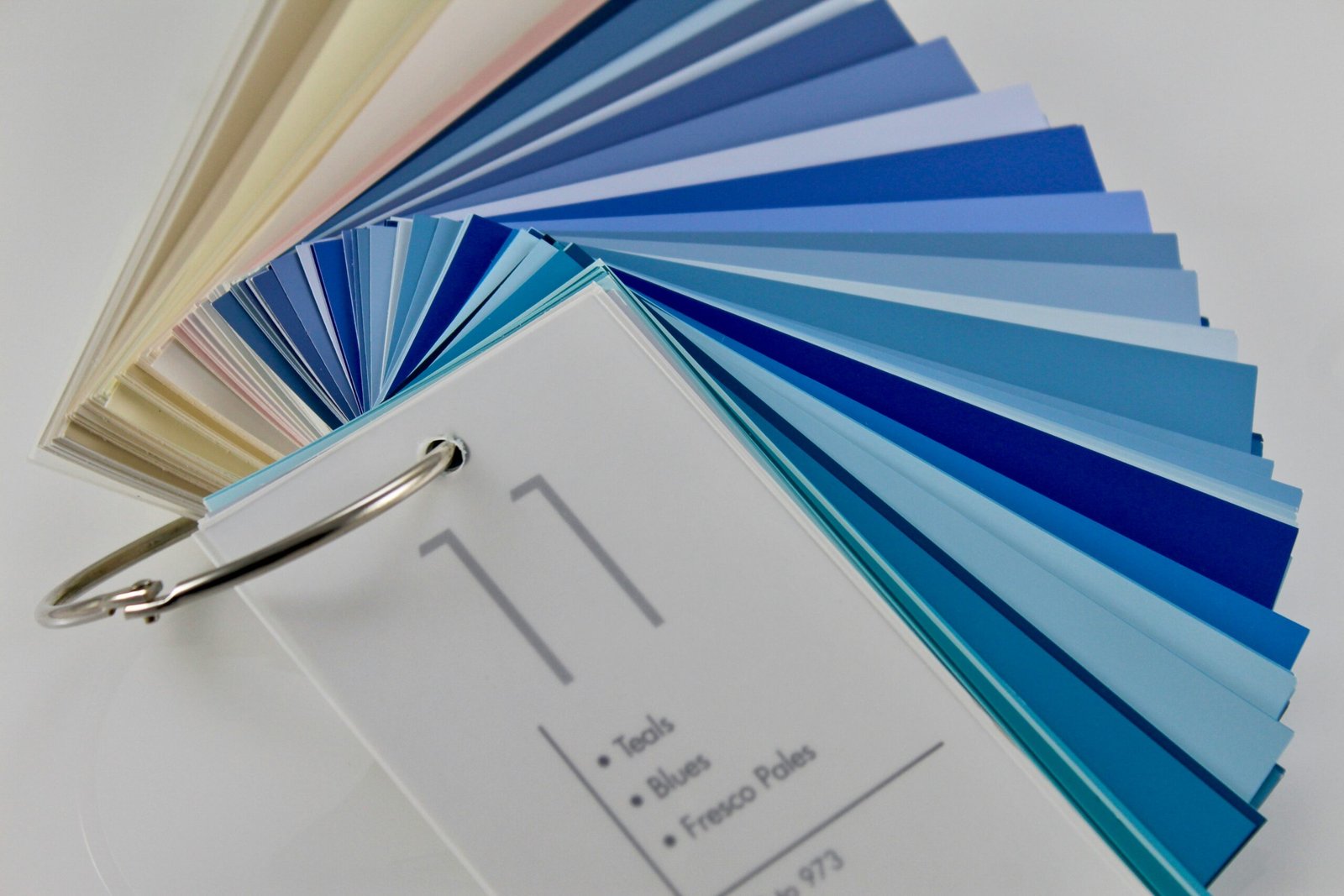
Another important aspect of interior design is color selection. Colors have the power to evoke emotions and set the mood of a space. When choosing colors for your interior, it is important to consider the overall theme and style you want to achieve. For a calm and peaceful atmosphere, soft and neutral colors like beige, gray, and pastels can be used. On the other hand, if you want to create a vibrant and energetic space, bold and bright colors like red, orange, and yellow can be incorporated.
Lighting is also a crucial component of interior design. It not only serves a practical purpose by providing illumination, but it can also be used to create ambiance and highlight specific areas or features. There are various types of lighting fixtures that can be used, such as recessed lights, pendant lights, and chandeliers. It is important to consider the function of the space and the desired mood when selecting lighting fixtures. For example, in a bedroom, soft and warm lighting can create a cozy and relaxing atmosphere, while in a workspace, bright and task-oriented lighting is essential for productivity.
Texture is another element that can add depth and interest to a space. By incorporating different textures, such as smooth surfaces, rough finishes, and tactile materials, you can create a visually appealing and tactilely stimulating environment. For example, a living room can be enhanced with a plush velvet sofa, a rustic wooden coffee table, and a soft shaggy rug. These different textures not only add visual interest but also create a sense of comfort and coziness.
Lastly, incorporating elements of nature can bring a sense of tranquility and harmony to a space. Natural elements, such as plants, flowers, and natural materials like wood and stone, can add a touch of freshness and serenity to any room. Indoor plants not only improve air quality but also create a connection to the outdoors, making the space feel more inviting and alive.
In conclusion, interior design is a multifaceted field that involves careful planning and consideration of various elements. By understanding the principles of space planning, color selection, lighting, texture, and incorporating elements of nature, you can create a space that is not only aesthetically pleasing but also functional and reflective of your individuality and lifestyle.
Color Schemes
One of the most impactful ways to transform a space is through the use of color. Choosing the right color scheme can set the tone for the entire room and create a specific mood or atmosphere. Consider using a combination of bold and neutral colors to create a balanced and visually appealing space.
For example, you can opt for a monochromatic color scheme by using different shades of the same color. This creates a cohesive and harmonious look. Alternatively, you can choose complementary colors that are opposite each other on the color wheel to create a vibrant and dynamic space.
Another option is to use an analogous color scheme, which involves selecting colors that are adjacent to each other on the color wheel. This creates a sense of harmony and can be particularly effective in creating a calming and soothing atmosphere. For instance, you could combine shades of blue and green to evoke a sense of tranquility in a bedroom or a spa-like bathroom.
If you’re looking to make a bold statement, you might consider using a triadic color scheme. This involves selecting three colors that are evenly spaced on the color wheel. When used correctly, this color scheme can create a visually striking and energetic space. For example, you could combine shades of red, yellow, and blue to create a vibrant and lively living room or playroom.
When choosing a color scheme, it’s important to consider the purpose of the room and the emotions or feelings you want to evoke. Warm colors like red, orange, and yellow can create a cozy and inviting atmosphere, while cool colors like blue and green can promote relaxation and serenity. Neutral colors like white, beige, and gray can provide a timeless and versatile backdrop for any style or theme.
Ultimately, the right color scheme can make a significant impact on the overall look and feel of a space. By carefully considering the color wheel and the emotions associated with different colors, you can create a space that is not only visually appealing but also supports the desired mood or atmosphere.
Furniture Arrangements
The arrangement of furniture plays a crucial role in the functionality and flow of a room. Consider the size and shape of the space when deciding on the placement of furniture. It’s important to create a layout that allows for easy movement and promotes conversation.
Think outside the box and consider unconventional furniture arrangements. For example, instead of placing all the furniture against the walls, try creating a cozy seating area in the center of the room. This can create a more intimate and inviting atmosphere.
In addition to the placement of furniture, it’s also important to consider the purpose of the room. For instance, if you’re designing a living room, you’ll want to ensure that there is ample seating for guests and that the furniture is arranged in a way that encourages interaction. On the other hand, if you’re working on a home office, you’ll want to prioritize functionality and create a layout that promotes productivity.
When arranging furniture, it’s also important to take into account the focal point of the room. This could be a fireplace, a television, or a beautiful view. By positioning the furniture in a way that draws attention to the focal point, you can create a sense of balance and harmony in the space.
Another factor to consider when arranging furniture is the traffic flow. You’ll want to ensure that there is enough space for people to move around the room comfortably without feeling cramped or obstructed. This is especially important in high-traffic areas such as hallways or entryways.
Additionally, don’t be afraid to mix and match different styles of furniture to create visual interest. By combining pieces with different textures, colors, and shapes, you can add depth and personality to the room. Just be sure to maintain a sense of cohesion by incorporating common elements or a unifying color palette.
Finally, don’t forget about the importance of lighting in furniture arrangements. Proper lighting can enhance the overall ambiance of the room and highlight key features. Consider using a combination of overhead lighting, task lighting, and accent lighting to create a warm and inviting atmosphere.
In conclusion, when arranging furniture, it’s important to consider the size and shape of the space, the purpose of the room, the focal point, traffic flow, and lighting. By taking these factors into account and thinking creatively, you can create a furniture arrangement that is not only functional but also aesthetically pleasing.
In addition to adding depth and visual interest, the use of materials and textures in interior design can also contribute to the overall atmosphere and mood of a space. For instance, incorporating natural materials like wood and stone can create a warm and inviting ambiance, while sleek and reflective materials like glass and metal can give a space a more modern and sophisticated feel.
When selecting materials, it’s important to consider their durability and functionality. For high-traffic areas, it’s advisable to choose materials that are resistant to wear and tear, such as porcelain tiles or laminate flooring. On the other hand, in areas where comfort and coziness are a priority, plush carpets or soft fabrics can be used to create a more inviting and comfortable atmosphere.
Textures can also play a significant role in creating a well-designed space. By incorporating a mix of textures, you can create a visually dynamic environment that engages the senses. For example, pairing a smooth leather sofa with a chunky knit throw or adding a textured wallpaper to a feature wall can create a visually interesting and tactile experience for anyone in the room.
Furthermore, the use of materials and textures can also help to define different areas within a space. By using different materials or textures in specific zones, you can visually separate different areas, such as a dining area from a living area, or a workspace from a relaxation area. This can be achieved by using different flooring materials, wall treatments, or even furniture finishes.
In conclusion, the use of materials and textures in interior design is a powerful tool that can transform a space from ordinary to extraordinary. By carefully selecting and combining different materials and textures, you can create a visually appealing and functional environment that reflects your personal style and enhances the overall experience of the space.
Another clever storage solution is utilizing multi-functional furniture. For example, a coffee table with built-in storage compartments can serve as both a surface for drinks and a place to store magazines or remote controls. Similarly, a bed with built-in drawers underneath can provide valuable storage space for extra linens, clothing, or seasonal items.
When it comes to organizing smaller items, consider using storage containers or baskets that can be easily tucked away on shelves or in closets. These containers not only keep items organized but also add visual appeal to the space. Opt for clear containers to easily see what’s inside or choose decorative baskets that complement the room’s aesthetic.
Maximizing vertical space is another effective storage solution. Install floating shelves above doorways or in corners to make use of otherwise unused space. These shelves can be used to display decorative items or store books, keeping them within reach but out of the way.
Furthermore, don’t forget about the potential storage opportunities in unconventional spaces. For instance, the back of a closet door can be outfitted with hooks or an over-the-door shoe organizer to hold accessories or shoes. The space under the stairs can be transformed into a cozy reading nook with built-in bookshelves, or it can be used to install a small desk for a functional workspace.
Lastly, consider incorporating storage solutions that blend seamlessly with the room’s overall design. For example, if you have a modern and minimalist aesthetic, opt for sleek and streamlined storage options. On the other hand, if your space has a rustic or farmhouse vibe, consider using vintage crates or baskets for storage.
In conclusion, clever storage solutions are essential for maximizing space and keeping a room organized. By incorporating built-in storage, multi-functional furniture, containers, utilizing vertical space, and thinking outside the box, you can create a clutter-free and visually appealing space that meets all your storage needs.
Lighting Designs
Lighting is a crucial element in interior design as it can greatly impact the mood and ambiance of a space. Consider using a combination of ambient, task, and accent lighting to create a layered and versatile lighting scheme.
Use natural light whenever possible by incorporating large windows or skylights. This not only provides ample light but also creates a connection with the outdoors. Additionally, consider using dimmers and adjustable lighting fixtures to create different moods and atmospheres.
When it comes to ambient lighting, there are various options to choose from. Recessed lighting is a popular choice as it provides a clean and modern look. It can be used to evenly illuminate a room or highlight specific areas. Pendant lights are another great option for ambient lighting. They come in a wide range of styles and can be used to create a focal point in a room.
Task lighting is essential for areas where specific activities are performed, such as reading or cooking. Desk lamps, under-cabinet lighting, and track lighting are all examples of task lighting that can be used to provide focused illumination. It is important to ensure that task lighting is positioned correctly to avoid shadows or glare.
Accent lighting is used to highlight architectural features, artwork, or decorative objects. Wall sconces, picture lights, and track lighting with adjustable heads are all great options for accent lighting. By strategically placing accent lights, you can draw attention to specific elements in a room and create visual interest.
When designing a lighting scheme, it is important to consider the overall style and function of the space. For example, in a contemporary living room, you may want to use sleek and minimalist lighting fixtures. In a traditional dining room, you may opt for chandeliers or wall sconces with ornate details.
In addition to the type of lighting fixtures used, the color temperature of the light bulbs also plays a role in creating the desired atmosphere. Warm white light (around 2700-3000 Kelvin) can create a cozy and inviting ambiance, while cool white light (around 4000-5000 Kelvin) can create a more energizing and vibrant atmosphere.
Overall, lighting design is an important aspect of interior design that should not be overlooked. By carefully considering the different types of lighting and their placement, you can create a well-lit and visually appealing space that enhances the overall design and functionality of a room.
When it comes to decorative accents, the possibilities are endless. Artwork, for example, can serve as a focal point and set the tone for the entire room. Whether you prefer abstract paintings, vibrant photography, or classic portraits, choosing the right artwork can add a sense of sophistication and style to your space.
Mirrors are another versatile decorative accent that can have a significant impact on the overall aesthetic of a room. Not only do they create the illusion of a larger space, but they also reflect light and add a touch of glamour. Whether you opt for a statement mirror above the fireplace or a collection of smaller mirrors arranged on a gallery wall, mirrors can enhance the visual appeal of any room.
Rugs are not only practical, but they also add warmth and texture to a space. From luxurious Persian rugs to modern geometric patterns, there is a wide variety of options to choose from. Consider the size, color, and material of the rug to ensure it complements the existing furniture and decor in the room.
Plants are a fantastic way to bring nature indoors and add a sense of tranquility to your space. Whether you prefer large, leafy plants or small succulents, incorporating greenery can instantly breathe life into any room. Not only do plants purify the air, but they also create a calming atmosphere and can even improve your mood.
Lastly, don’t underestimate the power of personal touches. Family photos, sentimental objects, and cherished mementos can add a layer of authenticity and personality to your space. Display them on shelves, mantels, or gallery walls to create a unique and meaningful display.
Remember, decorative accents should not be an afterthought but an integral part of your overall design plan. Take the time to carefully select and arrange these elements to create a space that is not only aesthetically pleasing but also reflects your personal style and enhances your everyday life.