Vastu Guidelines for the Selection of Home Decor Accessories
Vastu Guidelines for the Selection of Home Decor Accessories
Learn how to select mirrors, artwork, plants, lighting, colours and decorative accessories for a balanced home. These practical guidelines combine traditional Vastu preferences with modern interior design, proportion, comfort and everyday functionality.
Plan Your Home Interior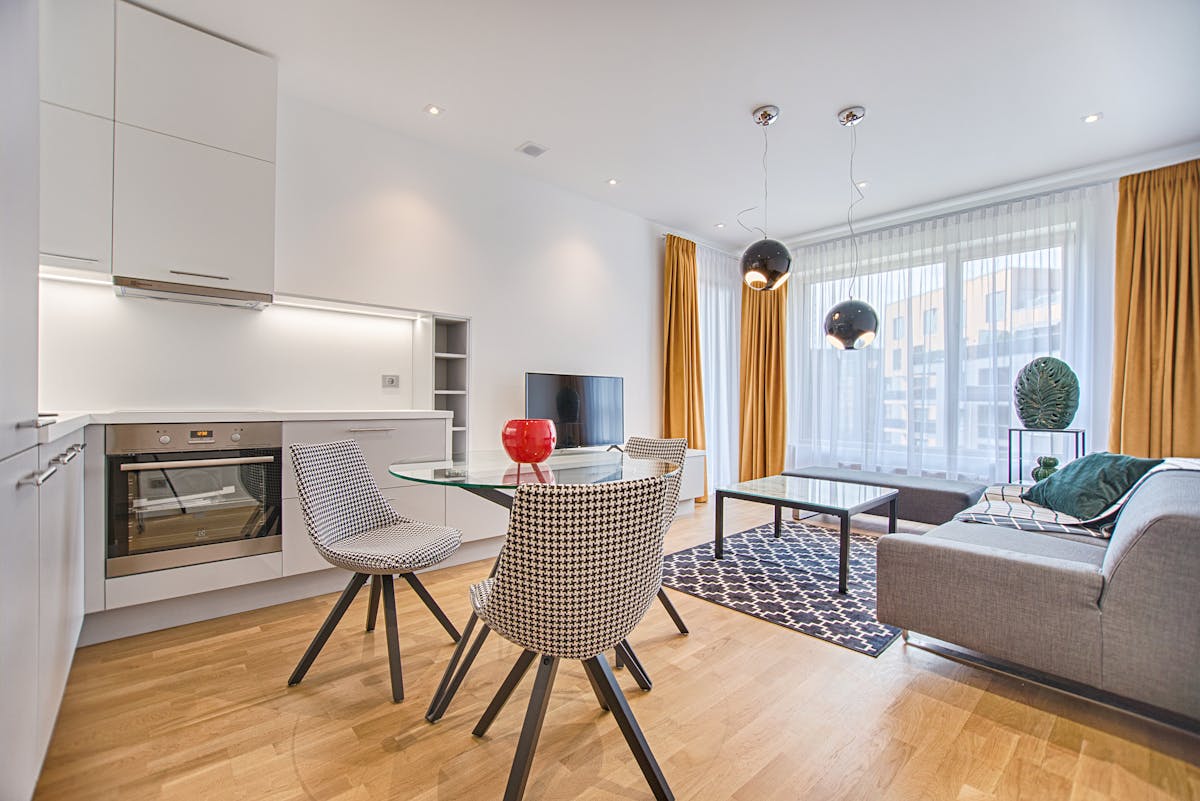 “`
“`Choose Home Accessories With Both Tradition and Function in Mind
Decorative accessories are the finishing layer of an interior. Mirrors, plants, artwork, lamps, sculptures, clocks, cushions and other objects can change the character of a room without major construction.
When Vastu is part of the design brief, accessories can be selected with traditional directional preferences in mind while still considering the practical requirements of modern homes. The goal is a home that feels organised, comfortable and visually cohesive.
Vastu Guidelines for Home Decor Accessories
Vastu recommendations vary across traditions and practitioners. Use these as Vastu-inspired design considerations rather than rigid rules.
Keep the Entrance Welcoming and Uncluttered
The entrance sets the first impression of the home. Keep the area clean and organised, with practical shoe storage, suitable lighting, a console or a carefully selected decorative element that does not obstruct movement.
Use Mirrors With Careful Placement
Traditional Vastu guidance often gives preference to north or east wall placements. Regardless of direction, position mirrors where they improve light and depth without reflecting clutter, uncomfortable views or private areas.
Add Healthy Indoor Plants
Plants can introduce natural colour and texture. Traditional Vastu practices commonly favour certain plants and directions, but sunlight, ventilation, watering needs and indoor suitability should always guide the final choice.
Select Artwork With Positive Personal Meaning
Choose artwork that creates a calm and pleasant visual environment. Landscapes, botanical artwork, abstract pieces and family photography can work well when their colours and scale complement the room.
Use a Balanced Colour Palette
Soft neutrals, earthy tones and gentle greens or blues can create a calm foundation. Strong colours can be introduced as controlled accents through cushions, artwork, rugs, curtains or selected furniture.
Prioritise Warm, Layered Lighting
Good lighting is essential regardless of Vastu. Combine ambient, task and accent lighting to make rooms comfortable and functional while highlighting selected decorative features.
Bring in Wood, Stone and Natural Textures
Natural-looking materials can add warmth and visual balance. Use timber, stone, cotton, linen, cane, jute or ceramics according to the overall design palette and maintenance requirements.
Avoid Excessive Decorative Clutter
Select fewer objects and give them enough visual space. A curated arrangement of ceramics, books, sculptures or personal objects generally feels more intentional than filling every available surface.
Use Water-Inspired Décor Thoughtfully
Water features are sometimes recommended in Vastu practices for specific locations. If you use one, prioritise hygiene, electrical safety, maintenance and the actual suitability of the space rather than adding a feature solely for decoration.
Keep Functional Accessories Easy to Use
Clocks and other practical accessories should be positioned where they are easy to see and maintain. Avoid allowing functional objects to become visually dominant in the room.
Coordinate Rugs, Curtains and Cushions
Textiles can reinforce the colour and material story of a room. Choose complementary tones and patterns so the home feels cohesive rather than visually fragmented.
Keep Meaningful Personal Objects
A Vastu-inspired home does not need to feel generic. Family photographs, books, cultural objects and meaningful artwork can give the interior identity while maintaining a balanced overall composition.
 “`
“`How to Apply Vastu-Inspired Accessory Planning in the Living Room
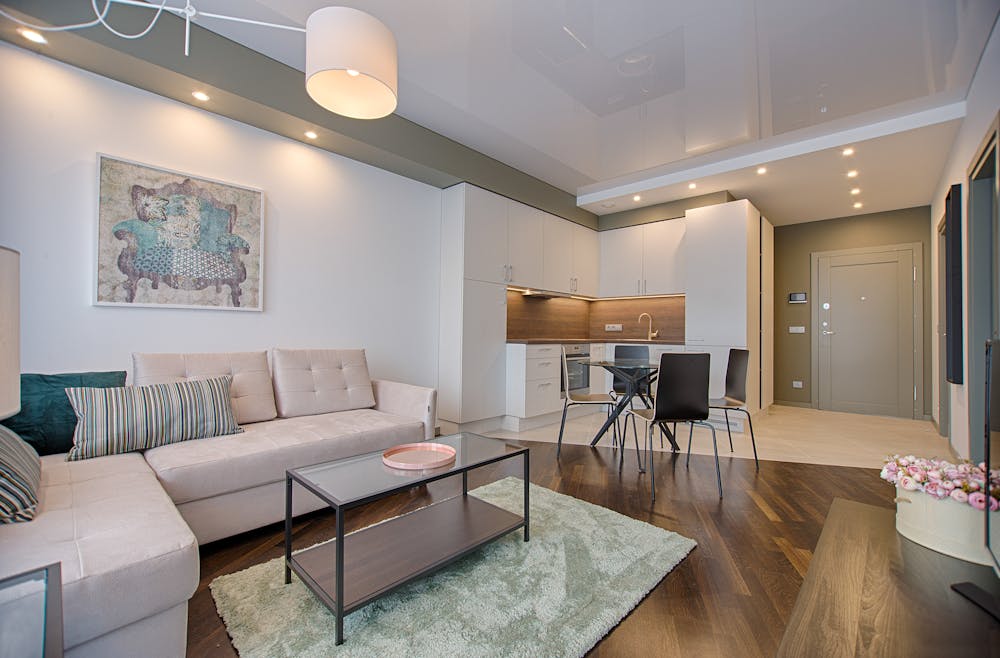
The living room usually contains the largest collection of decorative objects, so balance and proportion matter. Start with the furniture layout and circulation before adding accessories.
- Keep the main circulation routes clear.
- Use artwork according to wall size and furniture scale.
- Place plants where natural light supports healthy growth.
- Use mirrors where they improve light and visual depth.
- Layer floor, wall and table lighting rather than relying on one fixture.
- Keep decorative objects grouped rather than scattered throughout the room.
Vastu-Inspired Decor Accessories for Every Room
Accessory selection should change according to the function of each room. A bedroom needs calmness, a living room needs social comfort and a home office needs focus.
Consider artwork, plants, rugs, cushions, mirrors and decorative lighting. Keep the arrangement balanced and maintain comfortable circulation.
Use calming colours, soft textiles, bedside lighting and limited decorative objects. Avoid excessive visual clutter around the bed.
Prioritise safe furniture, organised storage, comfortable lighting and cheerful colours. Decorative objects should be age-appropriate and easy to maintain.
Use a suitable centrepiece, warm lighting, artwork and coordinated table accessories without reducing the usable dining surface.
Keep the desk area organised and visually calm. Use task lighting, practical storage, a suitable artwork or plant and concealed cable management.
Combine practical shoe storage with a mirror, console, plant or artwork where the available space allows. Keep the entrance bright and free of obstacles.
Use Mirrors for Light, Depth and Visual Balance
Mirrors are among the most useful decorative accessories in modern interiors. Traditional Vastu practices commonly discuss their directional placement, but the practical purpose should also be considered.
- Use a mirror to reflect daylight where appropriate.
- Avoid reflecting clutter, untidy storage or visually distracting areas.
- Choose a size that relates to the furniture and wall.
- Use framed mirrors as decorative features in living rooms and entryways.
- Check reflections from seating and sleeping areas before final installation.
The final placement should work with the room’s architecture, lighting and everyday use.
 “`
“`Vastu Does Not Have to Mean Traditional-Looking Interiors
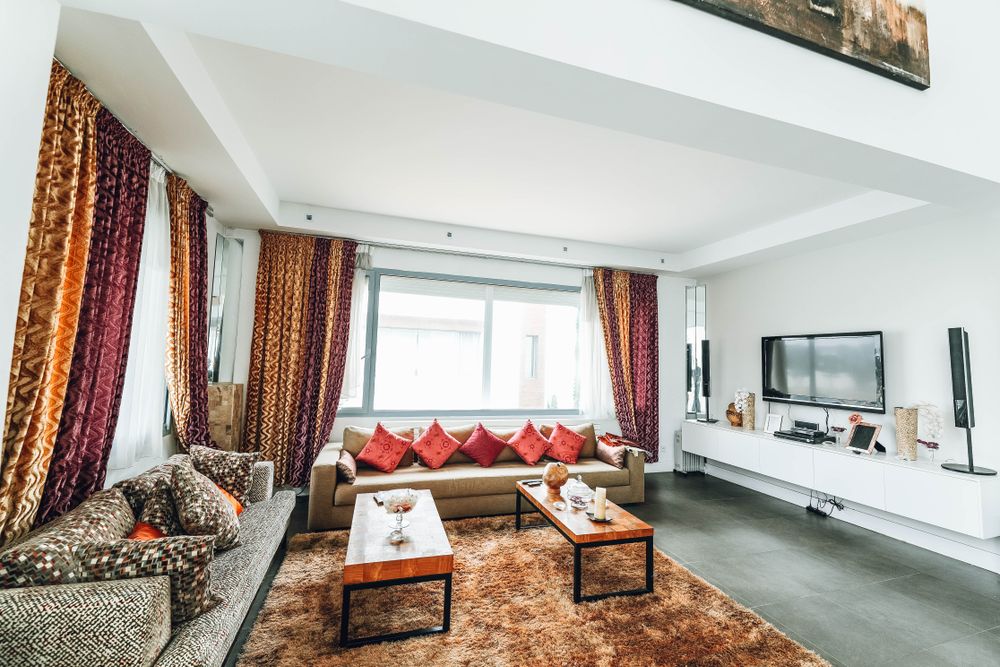
Modern homes can incorporate Vastu-inspired preferences without giving up contemporary furniture, modular kitchens, minimalist styling or luxury finishes.
A practical design approach can consider orientation information, furniture placement, natural light, ventilation, circulation, colours and accessories while keeping the home aligned with the family’s lifestyle and aesthetic preferences.
“`Choose Accessories That Work With Your Existing Interior
Vastu considerations should not be separated from basic interior design principles. Before buying accessories, check their size, colour, material, placement and relationship with the furniture already in the room.
Start With the Existing Palette
Match accessories to the dominant wall, flooring and furniture colours. Add one or two accent shades instead of introducing a different colour for every object.
Match Accessories to Room Size
Large rooms can accommodate larger artwork and accessories, while compact apartments usually benefit from fewer and more carefully scaled decorative pieces.
Mix Textures Instead of Too Many Colours
Wood, ceramic, glass, metal, linen and woven materials can add depth without requiring a busy colour palette.
Consider Everyday Cleaning
Delhi NCR homes can accumulate dust quickly, so choose accessories that are practical to clean and maintain. Decorative styling should remain manageable after installation.
Home Decor Accessory Checklist
Use this quick checklist before purchasing mirrors, artwork, plants, lamps or decorative objects for a Vastu-inspired interior.
Check the Direction
- Identify the room orientation.
- Understand any Vastu preferences important to your family.
- Do not compromise practical access or safety.
Check the Proportion
- Measure the wall or surface first.
- Compare accessory size with nearby furniture.
- Leave sufficient visual breathing room.
Check the Function
- Make sure the accessory supports the room.
- Avoid blocking windows or circulation.
- Consider cleaning and maintenance.
Check the Overall Look
- Repeat selected colours or materials.
- Avoid unnecessary visual clutter.
- Keep the styling consistent with the home’s design.
Vastu-Inspired Interior Design in Delhi, Gurgaon & Noida
Vastu-inspired accessory planning can be incorporated into apartments, builder floors, villas and independent homes across Delhi NCR. The design can be adapted to the actual floor plan, orientation, natural light, family requirements and preferred style.
“` “`Vastu Home Decor Accessories FAQs
What are the Vastu guidelines for selecting home decor accessories?
Vastu-inspired selection commonly considers direction, colour, natural elements, cleanliness and balance. Mirrors, plants, artwork and decorative objects can be chosen according to traditional preferences while also considering room proportions, comfort and functionality.
Which direction is suitable for indoor plants according to Vastu?
Traditional Vastu practices commonly consider north, east and northeast areas suitable for certain indoor plants. However, natural light, ventilation, watering requirements and the plant’s suitability for indoor conditions should also determine placement.
Where should mirrors be placed according to Vastu?
Traditional Vastu guidance often prefers north or east wall placements for mirrors. Practical considerations are equally important: avoid uncomfortable reflections, blocked circulation and reflections of clutter.
Which colours are suitable for a Vastu-inspired home?
Soft whites, beige, light green, soft blue and earthy tones are commonly used in Vastu-inspired interiors. The final palette should also reflect natural light, room size, furniture and the desired mood.
Can I have a modern interior while following Vastu principles?
Yes. Vastu-inspired preferences can be integrated into contemporary homes through layout, furniture placement, colours, natural elements, lighting, storage and accessory selection without requiring a traditional-looking interior.
Does Vastu guarantee health, wealth or prosperity?
Vastu is a traditional Indian system of spatial planning and belief. Its recommendations should not be treated as scientifically established guarantees of health, wealth or prosperity. Practical factors such as safety, ventilation, daylight, comfort and functionality remain essential.
Should I consult an interior designer for Vastu-inspired decor?
Professional interior planning can help combine Vastu preferences with practical furniture layouts, storage, lighting, materials and styling. This is particularly useful when several rooms or an entire home need to be coordinated.
Create a Balanced and Personal Home Interior
Combine Vastu-inspired preferences with practical space planning, coordinated materials, lighting, furniture and décor for a home designed around the way you live.
Start Your Interior ProjectCall +91 98910 50117
Vastu Guidelines for the Selection of Home Decor Accessories Read More »