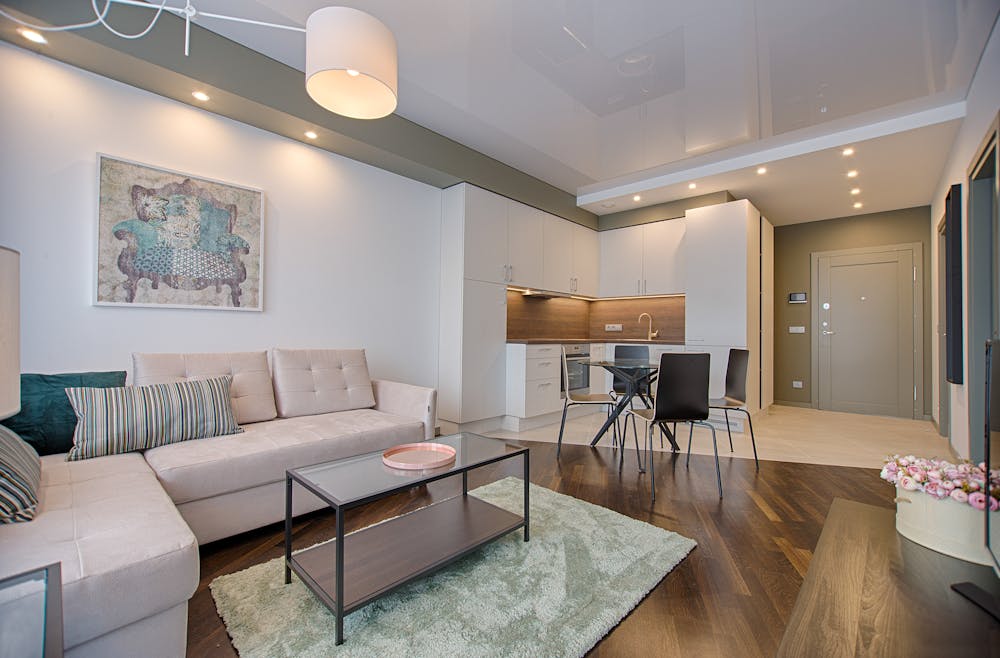
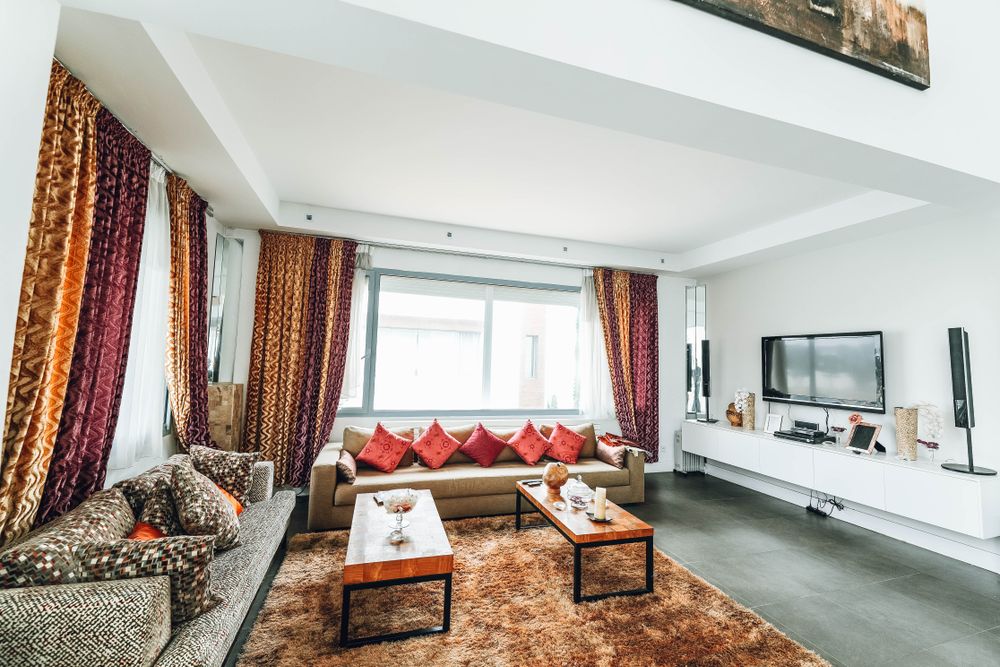
energy flow

Vastu-Inspired Flooring and Carpeting Tips for Interiors

Introduction

Vastu Shastra, an ancient Indian architectural science, emphasizes the importance of harmonious living by aligning our surroundings with natural energies. When it comes to designing our interiors, flooring and carpeting play a crucial role in creating a positive and balanced environment. In this article, we will explore some Vastu-inspired tips for flooring and carpeting that can enhance the energy flow in your home or office.

1. Choose the Right Material

When selecting flooring materials, consider their elemental properties as per Vastu principles. Earthy materials like wood or natural stone are highly recommended, as they create a grounding effect and promote stability. Avoid using materials like plastic or synthetic tiles, as they can disrupt the flow of energy.

2. Optimal Colors

Colors have a significant impact on our mood and emotions. According to Vastu, earthy and neutral colors like beige, brown, or light shades of yellow are ideal for flooring and carpeting. These colors promote a sense of balance and tranquility. Avoid using dark or vibrant colors, as they can create an imbalance in the energy flow.

3. Balance with Direction

Each direction in Vastu has its own energy and significance. To align your flooring and carpeting with Vastu principles, consider the following:

  • North: Use light-colored flooring or carpeting to enhance career prospects and financial stability.
  • South: Opt for dark-colored flooring or carpeting to promote strength and stability.
  • East: Choose wooden flooring or carpeting to encourage positive energy and growth.
  • West: Use neutral or earthy tones to foster creativity and harmonious relationships.

4. Clear Pathways

According to Vastu, it is essential to maintain clear pathways within your home or office. Avoid cluttering the floor with unnecessary objects, as it can obstruct the flow of energy. Ensure that your flooring and carpeting allow for smooth movement and create a sense of spaciousness.

5. Symbolic Designs

Vastu encourages the use of symbolic designs and patterns in flooring and carpeting. Incorporating traditional motifs or sacred symbols can enhance the positive energy in your space. However, it is important to choose designs that resonate with your personal beliefs and cultural background.

6. Natural Lighting

Lighting plays a vital role in Vastu. Ensure that your flooring and carpeting allow natural light to flow freely into your space. Natural light not only brightens up the area but also uplifts the energy. If your space lacks natural light, consider using artificial lighting strategically to create a warm and inviting ambiance.

7. Regular Maintenance

Maintaining cleanliness and hygiene is crucial in Vastu. Regularly clean and maintain your flooring and carpeting to ensure a positive energy flow. Dust and dirt can accumulate negative energy, so it is essential to keep your floors clean and well-maintained.

Conclusion

Vastu-inspired flooring and carpeting can significantly impact the energy flow in your home or office. By choosing the right materials, colors, and designs, and aligning them with the directions, you can create a harmonious and balanced environment. Remember to keep your floors clutter-free and well-maintained to ensure a positive energy flow. Incorporate these Vastu tips into your interior design to enhance the overall well-being and positivity of your space.

Vastu-Inspired Flooring and Carpeting Tips for Interiors Read More »
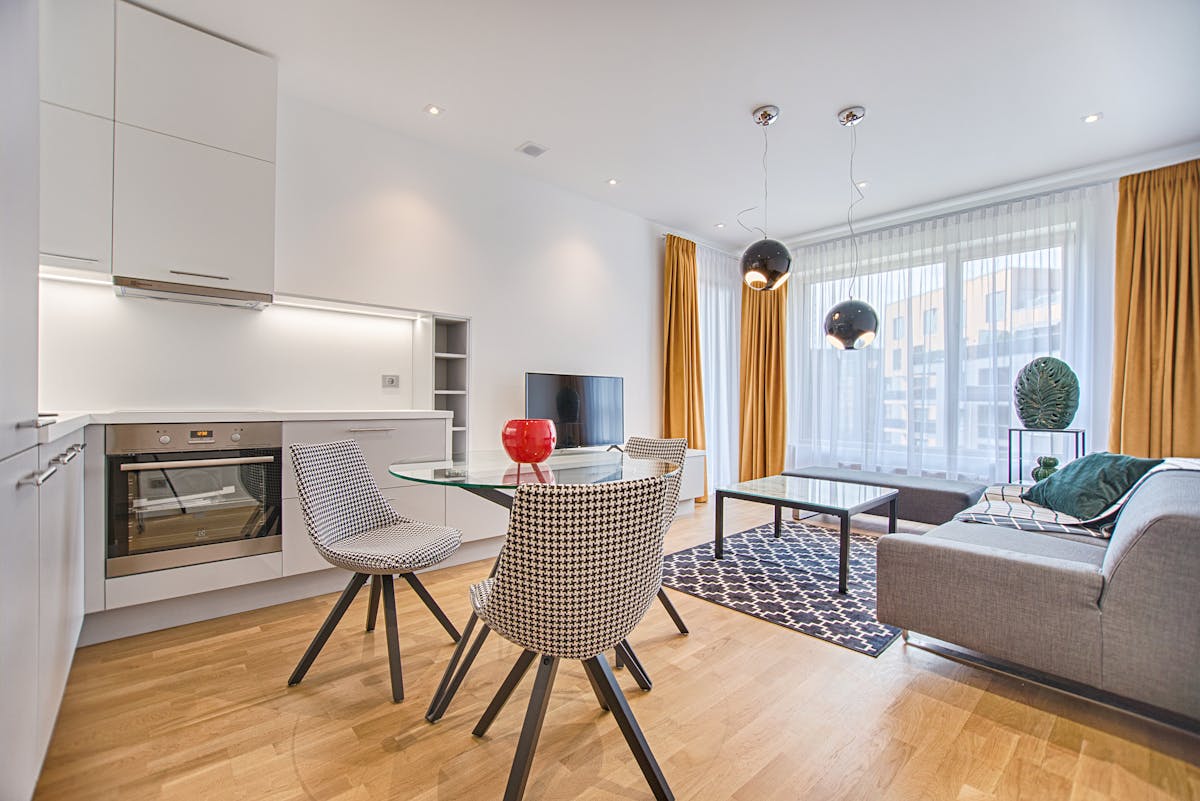
Vastu-Based Color Palettes for Home Interior Design

Introduction

When it comes to home interior design, color plays a crucial role in creating a harmonious and inviting space. In Vastu Shastra, an ancient Indian science of architecture, color is believed to have a profound impact on the energy flow within a home. By incorporating Vastu-based color palettes, you can enhance the positive energy and create a balanced environment in your home. In this article, we will explore some Vastu-based color palettes that can be used for different areas of your home.

The Science Behind Vastu Colors

In Vastu Shastra, each color is associated with one of the five elements – Fire, Earth, Water, Air, and Space. These elements have specific qualities and energies that can be balanced through the use of corresponding colors. By understanding the properties of each element and its associated colors, you can create a harmonious and balanced living space.

1. Fire Element Colors

The Fire element is associated with passion, energy, and warmth. Colors like red, orange, and pink are considered ideal for areas like the living room or dining area. These colors can create a vibrant and lively atmosphere, promoting social interactions and positive energy flow.

2. Earth Element Colors

The Earth element represents stability, grounding, and nourishment. Colors like brown, beige, and yellow are associated with the Earth element. These colors are suitable for areas like the bedroom or study, as they create a calm and serene environment, promoting relaxation and focus.

3. Water Element Colors

The Water element is associated with tranquility, flow, and emotional well-being. Shades of blue and green are considered ideal for areas like the bathroom or meditation room. These colors create a soothing and peaceful ambiance, promoting a sense of calm and rejuvenation.

4. Air Element Colors

The Air element represents movement, freshness, and clarity. Light shades of green, blue, and white are associated with the Air element. These colors are suitable for areas like the kitchen or study, as they create an airy and refreshing atmosphere, promoting clarity of thought and creativity.

5. Space Element Colors

The Space element represents expansiveness, openness, and spirituality. Shades of purple and lavender are associated with the Space element. These colors can be used in areas like the prayer room or meditation space, as they create a serene and transcendent environment, promoting spiritual growth and introspection.

Tips for Using Vastu Colors

Here are some tips to keep in mind while incorporating Vastu colors in your home:

  • Consider the function of each room and choose colors accordingly. For example, use warm colors in social areas and cool colors in areas meant for relaxation.
  • Avoid using excessive amounts of a single color, as it can create an imbalanced energy flow.
  • Experiment with different shades and tones of the chosen colors to create depth and visual interest.
  • Combine colors from different elements to create a harmonious and balanced color scheme.
  • Use natural light and artificial lighting to enhance the impact of the chosen colors.

Conclusion

Incorporating Vastu-based color palettes in your home interior design can have a positive impact on the energy flow and overall ambiance of your living space. By understanding the properties of each element and its associated colors, you can create a harmonious and balanced environment that promotes well-being and positivity. So, go ahead and infuse your home with the power of colors!

Vastu-Based Color Palettes for Home Interior Design Read More »

Vastu-Compliant Interior Design for Positive Energy Flow

Introduction

Vastu Shastra, an ancient Indian architectural science, emphasizes the importance of harmonious energy flow in our living spaces. By incorporating Vastu principles into interior design, we can create a positive and balanced environment that promotes well-being and prosperity. In this blog post, we will explore the key aspects of Vastu-compliant interior design and how it can enhance the energy flow in your home or office.

The Five Elements

According to Vastu Shastra, everything in the universe is composed of five elements – Earth, Water, Fire, Air, and Space. Balancing these elements within our living spaces is crucial for positive energy flow. Here’s how you can incorporate them:

  1. Earth: Use earthy colors like brown and green for walls and furniture. Place indoor plants to bring in the energy of nature.
  2. Water: Install a small water fountain or an aquarium in the northeast or north direction to attract positive energy.
  3. Fire: Use warm colors like red and orange sparingly. Place candles or a fireplace in the southeast direction to activate the fire element.
  4. Air: Ensure proper ventilation and natural light in your space. Use light and pastel colors to create an airy atmosphere.
  5. Space: Declutter your living area to allow the free flow of energy. Avoid overcrowding and maintain a sense of spaciousness.

Room Placement and Layout

The placement of rooms within a building also plays a significant role in Vastu-compliant interior design. Here are some guidelines to consider:

  • Entrance: The main entrance should face the east or north direction to allow the positive energy to enter.
  • Bedroom: Place the master bedroom in the southwest direction for stability and prosperity. Avoid mirrors and electronic devices in the bedroom.
  • Kitchen: The ideal location for the kitchen is in the southeast corner. Ensure that the cook faces east while preparing meals.
  • Bathroom: Avoid placing the bathroom in the northeast direction as it disrupts the flow of positive energy. Keep it clean and well-ventilated.
  • Study or Office: Position your study or office in the north or northeast direction for enhanced concentration and productivity.

Furniture and Decor

The choice of furniture and decor items can greatly influence the energy flow in your space. Here are some tips to follow:

  • Use solid wood furniture instead of metal or plastic to create a grounding effect.
  • Avoid sharp edges and corners in furniture as they create negative energy. Opt for rounded or curved designs instead.
  • Hang mirrors strategically to reflect natural light and create an illusion of spaciousness.
  • Choose artwork and decor that evoke positive emotions and align with your personal taste.
  • Keep the space clean and clutter-free to allow the energy to flow freely.

Lighting and Colors

Lighting and color choices have a significant impact on the ambiance and energy of a space. Here’s how you can optimize them:

  • Maximize natural light by keeping windows unobstructed and using sheer curtains or blinds.
  • Use warm and soft lighting fixtures to create a cozy and inviting atmosphere.
  • Avoid harsh or dim lighting as it can disrupt the energy balance.
  • Choose colors that resonate with the purpose of each room. For example, use calming blues and greens in bedrooms and vibrant yellows in study areas.
  • Experiment with different lighting techniques and color combinations to find the perfect balance for your space.

Conclusion

Vastu-compliant interior design offers a holistic approach to creating harmonious living spaces. By incorporating the principles of Vastu Shastra, we can optimize the energy flow in our homes and offices, leading to improved well-being and prosperity. Whether you are renovating your current space or starting from scratch, consider implementing Vastu guidelines to create a positive and balanced environment for yourself and your loved ones.

Vastu-Compliant Interior Design for Positive Energy Flow Read More »

Vastu Guidelines for the Selection of Home Decor Accessories

Vastu Guidelines for Selecting Home Decor Accessories | Interior A to Z
Vastu-Inspired Home Interiors

Vastu Guidelines for the Selection of Home Decor Accessories

Learn how to select mirrors, artwork, plants, lighting, colours and decorative accessories for a balanced home. These practical guidelines combine traditional Vastu preferences with modern interior design, proportion, comfort and everyday functionality.

Plan Your Home Interior
“` Elegant modern living room with carefully selected home decor accessories “`
15+ YearsInterior Design Experience
500+Projects Represented
Delhi NCRDelhi · Gurgaon · Noida
A–ZDesign to Execution
Vastu & Interior Design

Choose Home Accessories With Both Tradition and Function in Mind

Decorative accessories are the finishing layer of an interior. Mirrors, plants, artwork, lamps, sculptures, clocks, cushions and other objects can change the character of a room without major construction.

When Vastu is part of the design brief, accessories can be selected with traditional directional preferences in mind while still considering the practical requirements of modern homes. The goal is a home that feels organised, comfortable and visually cohesive.

12 Practical Guidelines

Vastu Guidelines for Home Decor Accessories

Vastu recommendations vary across traditions and practitioners. Use these as Vastu-inspired design considerations rather than rigid rules.

“`
01 / Entrance

Keep the Entrance Welcoming and Uncluttered

The entrance sets the first impression of the home. Keep the area clean and organised, with practical shoe storage, suitable lighting, a console or a carefully selected decorative element that does not obstruct movement.

02 / Mirrors

Use Mirrors With Careful Placement

Traditional Vastu guidance often gives preference to north or east wall placements. Regardless of direction, position mirrors where they improve light and depth without reflecting clutter, uncomfortable views or private areas.

03 / Plants

Add Healthy Indoor Plants

Plants can introduce natural colour and texture. Traditional Vastu practices commonly favour certain plants and directions, but sunlight, ventilation, watering needs and indoor suitability should always guide the final choice.

04 / Artwork

Select Artwork With Positive Personal Meaning

Choose artwork that creates a calm and pleasant visual environment. Landscapes, botanical artwork, abstract pieces and family photography can work well when their colours and scale complement the room.

05 / Colours

Use a Balanced Colour Palette

Soft neutrals, earthy tones and gentle greens or blues can create a calm foundation. Strong colours can be introduced as controlled accents through cushions, artwork, rugs, curtains or selected furniture.

06 / Lighting

Prioritise Warm, Layered Lighting

Good lighting is essential regardless of Vastu. Combine ambient, task and accent lighting to make rooms comfortable and functional while highlighting selected decorative features.

07 / Natural Materials

Bring in Wood, Stone and Natural Textures

Natural-looking materials can add warmth and visual balance. Use timber, stone, cotton, linen, cane, jute or ceramics according to the overall design palette and maintenance requirements.

08 / Decorative Objects

Avoid Excessive Decorative Clutter

Select fewer objects and give them enough visual space. A curated arrangement of ceramics, books, sculptures or personal objects generally feels more intentional than filling every available surface.

09 / Water Elements

Use Water-Inspired Décor Thoughtfully

Water features are sometimes recommended in Vastu practices for specific locations. If you use one, prioritise hygiene, electrical safety, maintenance and the actual suitability of the space rather than adding a feature solely for decoration.

10 / Clocks

Keep Functional Accessories Easy to Use

Clocks and other practical accessories should be positioned where they are easy to see and maintain. Avoid allowing functional objects to become visually dominant in the room.

11 / Textiles

Coordinate Rugs, Curtains and Cushions

Textiles can reinforce the colour and material story of a room. Choose complementary tones and patterns so the home feels cohesive rather than visually fragmented.

12 / Personalisation

Keep Meaningful Personal Objects

A Vastu-inspired home does not need to feel generic. Family photographs, books, cultural objects and meaningful artwork can give the interior identity while maintaining a balanced overall composition.

“`
Modern living room with layered lighting, plants and decorative accessories“`
Living Room Accessories

How to Apply Vastu-Inspired Accessory Planning in the Living Room

The living room usually contains the largest collection of decorative objects, so balance and proportion matter. Start with the furniture layout and circulation before adding accessories.

  • Keep the main circulation routes clear.
  • Use artwork according to wall size and furniture scale.
  • Place plants where natural light supports healthy growth.
  • Use mirrors where they improve light and visual depth.
  • Layer floor, wall and table lighting rather than relying on one fixture.
  • Keep decorative objects grouped rather than scattered throughout the room.
Explore Interior Design in Delhi NCR
“`
Room-by-Room Guidance

Vastu-Inspired Decor Accessories for Every Room

Accessory selection should change according to the function of each room. A bedroom needs calmness, a living room needs social comfort and a home office needs focus.

“`
Living Room

Consider artwork, plants, rugs, cushions, mirrors and decorative lighting. Keep the arrangement balanced and maintain comfortable circulation.

Master Bedroom

Use calming colours, soft textiles, bedside lighting and limited decorative objects. Avoid excessive visual clutter around the bed.

Children’s Room

Prioritise safe furniture, organised storage, comfortable lighting and cheerful colours. Decorative objects should be age-appropriate and easy to maintain.

Dining Area

Use a suitable centrepiece, warm lighting, artwork and coordinated table accessories without reducing the usable dining surface.

Home Office

Keep the desk area organised and visually calm. Use task lighting, practical storage, a suitable artwork or plant and concealed cable management.

Entryway

Combine practical shoe storage with a mirror, console, plant or artwork where the available space allows. Keep the entrance bright and free of obstacles.

“`
Mirror Placement

Use Mirrors for Light, Depth and Visual Balance

Mirrors are among the most useful decorative accessories in modern interiors. Traditional Vastu practices commonly discuss their directional placement, but the practical purpose should also be considered.

  • Use a mirror to reflect daylight where appropriate.
  • Avoid reflecting clutter, untidy storage or visually distracting areas.
  • Choose a size that relates to the furniture and wall.
  • Use framed mirrors as decorative features in living rooms and entryways.
  • Check reflections from seating and sleeping areas before final installation.

The final placement should work with the room’s architecture, lighting and everyday use.

“` Decorative wall mirror in an elegant contemporary home interior “`
Modern Vastu Interior Design

Vastu Does Not Have to Mean Traditional-Looking Interiors

Modern homes can incorporate Vastu-inspired preferences without giving up contemporary furniture, modular kitchens, minimalist styling or luxury finishes.

A practical design approach can consider orientation information, furniture placement, natural light, ventilation, circulation, colours and accessories while keeping the home aligned with the family’s lifestyle and aesthetic preferences.

“`
“`
Colour & Material Planning

Choose Accessories That Work With Your Existing Interior

Vastu considerations should not be separated from basic interior design principles. Before buying accessories, check their size, colour, material, placement and relationship with the furniture already in the room.

01 / Colour

Start With the Existing Palette

Match accessories to the dominant wall, flooring and furniture colours. Add one or two accent shades instead of introducing a different colour for every object.

“`
02 / Scale

Match Accessories to Room Size

Large rooms can accommodate larger artwork and accessories, while compact apartments usually benefit from fewer and more carefully scaled decorative pieces.

03 / Texture

Mix Textures Instead of Too Many Colours

Wood, ceramic, glass, metal, linen and woven materials can add depth without requiring a busy colour palette.

04 / Maintenance

Consider Everyday Cleaning

Delhi NCR homes can accumulate dust quickly, so choose accessories that are practical to clean and maintain. Decorative styling should remain manageable after installation.

“`
Before You Buy

Home Decor Accessory Checklist

Use this quick checklist before purchasing mirrors, artwork, plants, lamps or decorative objects for a Vastu-inspired interior.

“`

Check the Direction

  • Identify the room orientation.
  • Understand any Vastu preferences important to your family.
  • Do not compromise practical access or safety.

Check the Proportion

  • Measure the wall or surface first.
  • Compare accessory size with nearby furniture.
  • Leave sufficient visual breathing room.

Check the Function

  • Make sure the accessory supports the room.
  • Avoid blocking windows or circulation.
  • Consider cleaning and maintenance.

Check the Overall Look

  • Repeat selected colours or materials.
  • Avoid unnecessary visual clutter.
  • Keep the styling consistent with the home’s design.
“`
Delhi NCR Homes

Vastu-Inspired Interior Design in Delhi, Gurgaon & Noida

Vastu-inspired accessory planning can be incorporated into apartments, builder floors, villas and independent homes across Delhi NCR. The design can be adapted to the actual floor plan, orientation, natural light, family requirements and preferred style.

“` “`
Frequently Asked Questions

Vastu Home Decor Accessories FAQs

“`
What are the Vastu guidelines for selecting home decor accessories?

Vastu-inspired selection commonly considers direction, colour, natural elements, cleanliness and balance. Mirrors, plants, artwork and decorative objects can be chosen according to traditional preferences while also considering room proportions, comfort and functionality.

Which direction is suitable for indoor plants according to Vastu?

Traditional Vastu practices commonly consider north, east and northeast areas suitable for certain indoor plants. However, natural light, ventilation, watering requirements and the plant’s suitability for indoor conditions should also determine placement.

Where should mirrors be placed according to Vastu?

Traditional Vastu guidance often prefers north or east wall placements for mirrors. Practical considerations are equally important: avoid uncomfortable reflections, blocked circulation and reflections of clutter.

Which colours are suitable for a Vastu-inspired home?

Soft whites, beige, light green, soft blue and earthy tones are commonly used in Vastu-inspired interiors. The final palette should also reflect natural light, room size, furniture and the desired mood.

Can I have a modern interior while following Vastu principles?

Yes. Vastu-inspired preferences can be integrated into contemporary homes through layout, furniture placement, colours, natural elements, lighting, storage and accessory selection without requiring a traditional-looking interior.

Does Vastu guarantee health, wealth or prosperity?

Vastu is a traditional Indian system of spatial planning and belief. Its recommendations should not be treated as scientifically established guarantees of health, wealth or prosperity. Practical factors such as safety, ventilation, daylight, comfort and functionality remain essential.

Should I consult an interior designer for Vastu-inspired decor?

Professional interior planning can help combine Vastu preferences with practical furniture layouts, storage, lighting, materials and styling. This is particularly useful when several rooms or an entire home need to be coordinated.

“`
Interior A to Z

Create a Balanced and Personal Home Interior

Combine Vastu-inspired preferences with practical space planning, coordinated materials, lighting, furniture and décor for a home designed around the way you live.

Start Your Interior Project

Call +91 98910 50117

Interior A to Z · Delhi · Gurgaon · Noida · Delhi NCR · Contact

Vastu Guidelines for the Selection of Home Decor Accessories Read More »

Balancing Energy Flow in Interior Design with Vastu

The Importance of Energy Flow in Interior Design

When it comes to creating a harmonious and balanced living space, interior design plays a crucial role. A well-designed interior not only enhances the aesthetic appeal of a space but also has a significant impact on the energy flow within it. Energy flow, also known as chi or prana, is the life force that circulates through our surroundings. It is believed that a balanced energy flow promotes health, happiness, and prosperity.

Understanding Vastu Shastra

Vastu Shastra, an ancient Indian architectural science, focuses on harmonizing the energy flow in a space. It provides guidelines and principles for designing and arranging various elements within a building to optimize positive energy. Vastu Shastra takes into consideration factors such as direction, placement, and positioning to create a balanced and harmonious environment.

Creating Balance with Vastu in Interior Design

Here are some key principles of Vastu Shastra that can help balance the energy flow in interior design:

1. Entrance and Flow of Energy

The entrance of a home or any space is considered the gateway for energy to enter. According to Vastu Shastra, the entrance should be well-lit, clutter-free, and welcoming. It is also recommended to have a clear pathway for energy to flow smoothly throughout the space. Avoid placing any obstacles or furniture near the entrance that may hinder the energy flow.

2. Colors and Elements

Colors have a significant impact on energy. Vastu suggests using warm and soothing colors like earth tones, pastels, and neutrals to create a calming and balanced atmosphere. Each color is associated with specific energies, and understanding their effects can help in creating the desired ambiance. Additionally, incorporating natural elements such as plants, water features, and natural materials like wood and stone can further enhance the positive energy in a space.

3. Furniture Placement

The placement of furniture is crucial in maintaining a balanced energy flow. Vastu recommends arranging furniture in a way that allows for easy movement and promotes a sense of openness. Avoid placing furniture in a way that blocks the flow of energy or creates cramped spaces. It is also advisable to position furniture in a way that aligns with the natural flow of energy within the room.

4. Lighting and Ventilation

Good lighting and ventilation are essential for maintaining a positive energy flow. Natural light is preferred over artificial lighting as it brings in fresh energy. Ensure that windows are kept clean and unobstructed to allow maximum natural light to enter. Adequate ventilation helps in circulating positive energy and removing any stagnant or negative energy from the space.

5. Decluttering and Organization

A cluttered and disorganized space can disrupt the energy flow and create a sense of chaos. Vastu emphasizes the importance of decluttering and keeping the space organized. Remove any unnecessary items and keep surfaces clean and clear. This allows for a free flow of energy and promotes a sense of calm and clarity.

Conclusion

Incorporating Vastu principles in interior design can help create a harmonious and balanced living space. By considering factors such as entrance, colors, furniture placement, lighting, and organization, one can optimize the energy flow and promote a positive environment. Whether you believe in the spiritual aspects of Vastu Shastra or not, these principles can undoubtedly contribute to a more peaceful and aesthetically pleasing living space.

Remember, the key is to strike a balance that aligns with your personal preferences and needs while also considering the principles of Vastu Shastra. So, go ahead and create a space that not only looks beautiful but also feels harmonious and energizing.

Balancing Energy Flow in Interior Design with Vastu Read More »

Scroll to Top
Interior A to Z — Premium Footer