☎ Call ☏ WhatsApp

Delhi

Why Hire a Professional Interior Designer in Dwarka? Benefits & Value

Why Hire a Professional Interior Designer in Dwarka? 7 Key Reasons
Professional Interior Design · Dwarka

Why Should I Hire a Professional Interior Designer in Dwarka?

A professional interior designer can bring space planning, storage, materials, lighting, furniture, budget control and execution into one coordinated plan—especially useful when a home has to be both beautiful and practical.

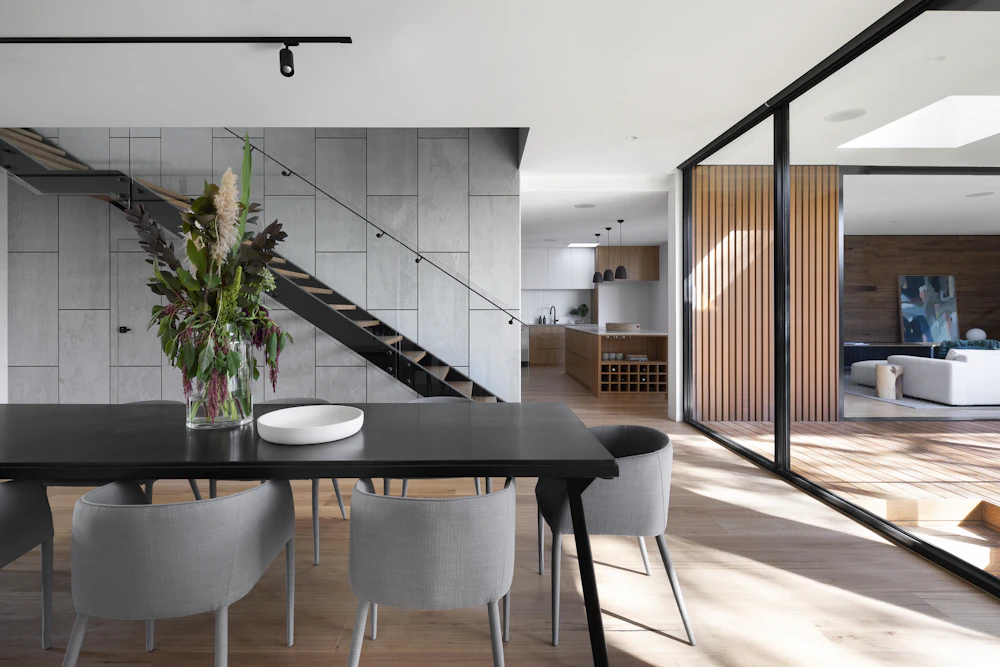
Elegant contemporary home interior with coordinated furniture and lighting
Plan · Design · Execute
01 / The short answer

Good interior design solves problems before it adds decoration.

The value of a professional interior designer is not simply choosing colours or furniture. It is coordinating many decisions—layout, storage, lighting, materials, furniture, services and execution—so they work together.

Interior A to Z’s current Delhi NCR service positioning combines customized concepts, space planning, 2D and 3D planning, modular kitchens, wardrobes, lighting, material selection and turnkey execution.

02 / Seven reasons

Why professional design can make a difference in Dwarka.

Dwarka homes can range from compact apartments to larger residences, so the design approach needs to respond to the actual floor plan, family requirements and project scope rather than applying one standard solution.

01 / SPACE

Better Space Planning

Plan furniture, circulation, room zoning and storage before expensive execution decisions are made.

02 / STORAGE

Smarter Storage

Use wardrobes, cabinets, vertical storage and custom furniture to improve capacity without overcrowding rooms.

03 / COHESION

One Design Language

Coordinate colours, materials, furniture, lighting and details so the home feels connected.

04 / BUDGET

Clearer Budget Planning

Define priorities and specifications earlier, reducing avoidable changes during execution.

05 / DETAIL

Professional Coordination

Bring design decisions, measurements, services, fabrication and installation into a structured process.

06 / LIFESTYLE

Personalized Design

Plan the home around how the household cooks, works, stores belongings, relaxes and entertains.

07 / EXECUTION

Design-to-Execution Continuity

Where execution is included, the approved design can be connected to procurement, fabrication and installation.

08 / LONG TERM

Practical Durability

Select materials, hardware and details according to use, maintenance and the demands of everyday living.

09 / VALUE

Fewer Costly Mistakes

Early planning can identify awkward dimensions, service conflicts and impractical furniture arrangements before execution.

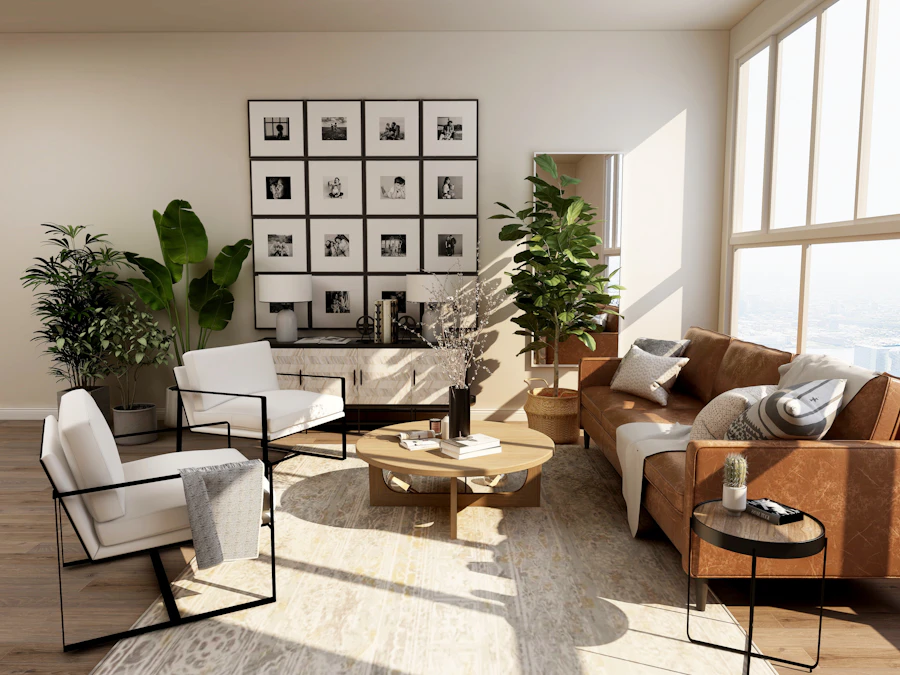
Modern Delhi home interior with practical space planning and refined finishes
03 / Reason one

Space planning turns square feet into usable space.

Furniture that looks good individually can still make a room uncomfortable when its dimensions and position are wrong. Professional planning considers circulation, door swings, windows, furniture proportions, storage and activity zones together.

  • Furniture placement before purchase or fabrication.
  • Clear circulation paths around major pieces.
  • Functional zoning for living, dining, working and relaxing.
  • Storage positioned around everyday use.
  • Better coordination of lighting and electrical points.

Explore space planning →

04 / Reason two

Storage can be designed around the things you actually own.

A professional designer can translate a household’s storage needs into wardrobes, kitchen cabinets, TV units, study storage, utility cabinets and other built-ins without treating every wall as a place for another cupboard.

  • Full-height storage where appropriate.
  • Internal wardrobe organization.
  • Kitchen drawers and functional cabinet zones.
  • Hidden storage for occasional items.
  • Custom furniture for difficult corners.
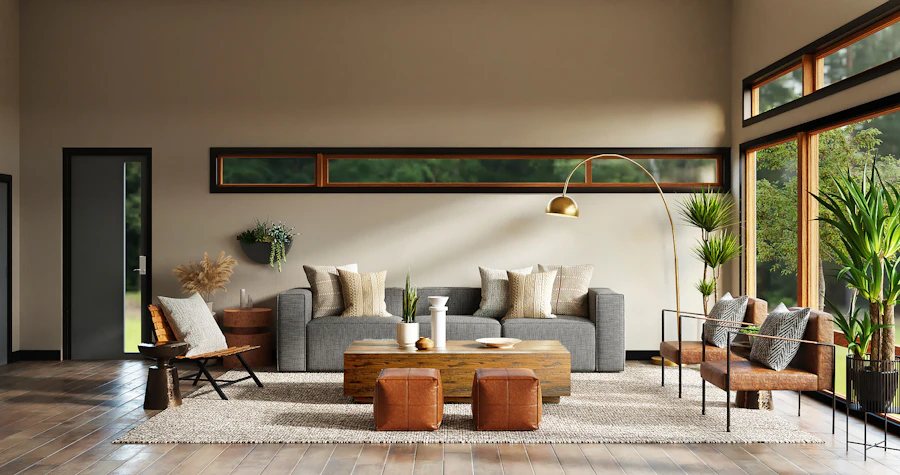
Built-in storage and furniture in a refined residential interior
05 / What a professional brings together

The strongest benefit is coordination.

Interior design decisions are connected. A wardrobe affects electrical points; a kitchen affects plumbing; a false ceiling affects lighting; furniture affects circulation. Planning them together can make the finished home more coherent.

AreaProfessional planningPractical outcome
LayoutFurniture, circulation and activity zonesA room that is easier to use.
KitchenCabinetry, appliances, work zones, storage and servicesA more coordinated cooking environment.
WardrobesExternal proportions and internal organizationStorage matched to actual belongings.
LightingAmbient, task and accent layersBetter function and atmosphere.
MaterialsFinishes selected by use, appearance and maintenanceA more consistent material palette.
ExecutionApproved design connected to fabrication and installation where includedFewer gaps between concept and finished work.
06 / From brief to home

A professional process makes decisions easier to follow.

01

Understand

Discuss the property, family requirements, style, priorities and approximate budget.

02

Measure

Assess dimensions, openings, services, natural light and existing conditions.

03

Plan

Develop room layouts, furniture positions, storage and circulation.

04

Design

Establish colours, materials, furniture, lighting and key visual details.

05

Visualize

Use appropriate 2D drawings and 3D views to communicate the proposed design.

06

Specify

Finalize relevant materials, hardware, furniture, cabinetry and execution requirements.

07

Execute

Coordinate the agreed fabrication, procurement, installation and finishing scope.

08

Complete

Review the finished project against the approved scope and details.

07 / Dwarka homes

Design for the property, not just the Pinterest image.

Dwarka has a mix of apartment homes and other residential formats. A professional approach starts with the actual property and then adapts the design to the space, lifestyle, budget and desired level of customization. The existing Interior A to Z Dwarka guidance similarly highlights layouts, space constraints, local coordination, modular solutions and space-saving techniques.

08 / Before hiring

Ask these questions before signing the scope.

Is the design scope written down? Confirm layouts, 3D views, revisions and other agreed deliverables.
Are materials specified? Check board types, finishes, hardware and other important specifications.
Who handles execution? Clarify procurement, fabrication, installation, supervision and site coordination.
What is excluded? Identify civil work, appliances, electrical changes, taxes and other potential extras.
How are payments structured? Review milestones and what each payment is linked to.
What happens after handover? Ask about warranty, defect resolution and after-sales support.
“The purpose of professional interior design is not to add more. It is to make every decision work together.”
Interior A to Z · Residential Interior Design
09 / Dwarka + Delhi NCR

Interior design services for homes across Delhi NCR.

Interior A to Z currently serves Delhi NCR, including Delhi, Gurgaon and Noida, with residential services covering complete home interiors, 2BHK and 3BHK projects, modular kitchens, wardrobes, lighting, luxury interiors and turnkey execution.

10 / Frequently asked

Professional interior designer questions.

Why should I hire a professional interior designer in Dwarka?

A professional interior designer can help coordinate space planning, storage, furniture, lighting, materials, budgeting and execution so the design works as a complete project rather than as separate purchases.

What does an interior designer do for a home in Dwarka?

An interior designer can assess the property, plan layouts, develop design concepts, coordinate kitchens and wardrobes, select materials and lighting, prepare relevant drawings or visualizations and support execution according to the agreed scope.

Can an interior designer help with a small Dwarka apartment?

Yes. Professional space planning can help compact apartments use circulation, vertical storage, furniture dimensions, lighting and multifunctional areas more effectively.

Can a professional interior designer help control the budget?

A designer can help establish priorities, compare material options, define scope and coordinate design decisions before execution. The final cost still depends on property size, specifications, quantities, customization and project scope.

Does hiring an interior designer include execution?

Some interior design services include execution or turnkey coordination, while others are design-only. The quotation should clearly state procurement, fabrication, installation, supervision and other responsibilities.

How do I choose an interior designer in Dwarka?

Review relevant residential projects, design approach, scope of services, material specifications, quotation details, communication process, execution responsibilities and references before appointing a designer.

Plan your Dwarka home

Start with the property. Build the design around real life.

Interior A to Z provides residential interior design and execution support across Delhi NCR, with a process connecting space planning, storage, lighting, materials, furniture and budget.

Discuss Your Project →
© Interior A to Z · Interior Design in Dwarka · Delhi NCR

Why Hire a Professional Interior Designer in Dwarka? Benefits & Value Read More »

Why do I need an interior designer?

You can think about an indoors clothier as a movie director. Their task is to reveal each minute element from begin to the very last cut. From pre-manufacturing to the very last edit, their attitude is chargeable for shaping the very last product. Similarly, indoors designers are experts who’re capable of gauge your desires and tastes to supply your dream home. They help you in getting custom-designed portions that in shape flawlessly into your lovely vision. From uncooked substances to completed products, they contend with everything!

Why do I need an interior designer? Read More »

What are the basic needs of a bathroom?

With this in mind, the vital objects mentioned underneath aren’t simplest beneficial however additionally aesthetically pleasing. This consists of tub tub towels, a tub tub mat, a place rug, a bath curtain, garage baskets, a trash can, a cleaning soap dispenser, a toothbrush holder and a hamper.

What are the basic needs of a bathroom? Read More »

Are thicker floor tiles better?

The thickness of a tile is depending on the cloth it’s far fabricated from and the producing process. Although any ground tile may be used at the wall too, a great ground tile is at the least 10mm thick. This will suggest it’s far long lasting and appropriate for heavy site visitors areas.

Are thicker floor tiles better? Read More »

Can we use Dr Fixit in wall putty?

It may be extensively utilized to fill cracks with the aid of using blending with white cement and as putty with the aid of using blending with OPC or white cement in excessive damp areas. Two-aspect water disputable coating with true coverage, reasonably-priced cost.

Can we use Dr Fixit in wall putty? Read More »

What material is 100% waterproof?

Polyurethane Laminate is the fabric of all fabrics that are waterproof in its own right. PUL is a polyester fabric that has a plastic backing comprising a thin waterproof layer. Polyurethane Laminate is a completely waterproof fabric, as well as being breathable and flexible.

What material is 100% waterproof? Read More »

Why does wall putty crack?

Wall putty cracks when it shrinks, loses adhesion, or is applied over an unstable surface. While hairline cracks are often cosmetic, wider or recurring cracks can indicate underlying issues with the wall or application process.

Common Causes of Wall Putty Cracks

1. Thick Application

Applying putty in a single thick coat causes uneven drying and shrinkage, leading to cracks.

Solution: Apply 2–3 thin coats, allowing each coat to dry completely before the next.

2. Poor Surface Preparation

If the wall has dust, grease, loose paint, or moisture, the putty may not bond properly and can crack or peel.

Solution: Clean the surface thoroughly and repair any damaged plaster before applying putty.

3. Improper Mixing

Adding too much water or not mixing the putty according to the manufacturer’s instructions can weaken its strength.

Solution: Follow the recommended water-to-putty ratio and mix until smooth.

4. Damp Walls

Moisture from leaks, seepage, or rising damp can weaken the putty and eventually cause cracking.

Solution: Fix the source of moisture and allow the wall to dry completely before repainting.

5. Poor-Quality Materials

Low-quality putty or expired products may have poor bonding properties.

Solution: Use a reputable brand and check the product’s shelf life before use.

6. Inadequate Drying Time

Applying paint or another coat before the putty has cured can trap moisture and contribute to cracking.

Solution: Follow the manufacturer’s recommended drying and curing times.

7. Structural or Plaster Cracks

If the plaster or masonry underneath develops cracks due to settlement, thermal movement, or structural issues, the putty will usually crack in the same location.

Solution: Repair the underlying crack before reapplying putty.

8. Temperature Changes

Rapid heating, cooling, or direct sunlight during application can cause the putty to dry too quickly, increasing the risk of shrinkage cracks.

Solution: Apply putty under suitable temperature and humidity conditions whenever possible.

How to Repair Cracked Wall Putty

  1. Scrape away all loose or cracked putty.
  2. Repair any cracks in the plaster or masonry if present.
  3. Clean the surface to remove dust and debris.
  4. Apply a suitable primer if recommended.
  5. Reapply putty in thin, even coats.
  6. Sand the surface after it has dried.
  7. Prime and repaint.

How to Prevent Future Cracks

  • Apply thin, even coats rather than one thick layer.
  • Prepare the wall properly before application.
  • Use good-quality putty and follow the mixing instructions.
  • Allow adequate drying time between coats.
  • Resolve any water seepage or dampness before starting.
  • Repair plaster or structural cracks before applying putty.

Bottom Line

Most wall putty cracks are caused by thick application, poor surface preparation, moisture, improper mixing, or movement in the underlying wall. Identifying and fixing the root cause before repainting will help achieve a smoother, longer-lasting finish.

Cracks with inside the wall plaster are brought on because of diverse reasons: Structural Displacement, Rapid evaporation of water, if the wall isn’t included from solar and wind, Moisture or water absorbed into the walls, blocks are very dry and water-absorbent or have now no longer been dampened earlier than plastering.

Why does wall putty crack? Read More »

How many coats of wall putty?

Generally, expert painters observe coats of Indigo wall putty earlier than portray any floor. The first coat fills with inside the imperfections and the second one coat guarantees that the lined floor and the wall are in a single line with every other.

How many coats of wall putty? Read More »

Which is better primer or putty?

Primer is a catalyst used hand-in-hand along the utility of wall putty. Generally, a primer is a product this is implemented earlier than the putty to assist the floor take in and maintain the paint better. It additionally offers a smoother finish, stopping any cracks from displaying up to your wall down the line.

Which is better primer or putty? Read More »

What bathroom finishes are easiest to maintain?

There’s simply one catch, all that shininess calls for a regular cleansing to preserve water spots and fingerprints from smudging the photo. Finishes inclusive of satin nickel, satin chrome, and stainless-steel on taps and different furnishings conceal water spots and fingerprints a good deal higher than their polished cousins.

What bathroom finishes are easiest to maintain? Read More »

Which tile is better ceramic or vitrified?

The system of vitrification makes vitrified tiles more potent than ceramic tiles. Since they’re composed of a combination of numerous substances like silica, quartz, and feldspar in conjunction with clay, baking at excessive temperatures fuses them collectively to cause them to extra long lasting and resistant.

Which tile is better ceramic or vitrified? Read More »

What is the easiest floor to maintain?

Vinyl floors might be the perfect to easy out of all of the alternatives indexed right here and additionally one of the simplest to maintain. Also called Cushion Floor, vinyl floors is to be had at an awesome fee and might take masses of damage over the years, that’s why many will include a fifteen yr warranted.

What is the easiest floor to maintain? Read More »

What is the best alternative to tiles in a bathroom?

Acrylic Panels. Acrylic bathe panels provide a easy and seamless appearance for your bathe. … PVC Panels. This is one of the maximum low cost bathe fabric alternatives available in the marketplace today. … Marble. … Stainless Steel. … Stone Resin. … Wood Shower Walls. … Paint.

What is the best alternative to tiles in a bathroom? Read More »

Which is better PVC or UPVC?

PVC vs uPVC: Which Is Better? 15 Key Differences & Uses
Interior A to Z · Home Interior Materials Guide Delhi NCR · Gurgaon · Noida · +91 98910 50117
Material Comparison · Doors · Windows · Interiors

Which Is Better: PVC or uPVC?

PVC and uPVC are widely used polymer-based materials, but they are not identical. Learn the practical differences in composition, strength, maintenance, moisture resistance, insulation, applications and suitability for modern homes.

Compare PVC & uPVC Explore Interior Services
PVC Versatile plastic material family
uPVC Unplasticized PVC formulation
Low Maintenance Common advantage of both materials
Application First Choose according to actual use
PVC vs uPVC Explained

PVC and uPVC are related, but they are not the same material.

The term PVC generally refers to polyvinyl chloride, while uPVC means unplasticized polyvinyl chloride. The important difference is that conventional flexible PVC can contain plasticizers, whereas uPVC is formulated without them.

In residential applications, the terms are sometimes used loosely. However, homeowners should look at the exact product specification, profile, reinforcement, thickness, hardware, glazing and installation method before comparing quotations.

For windows and doors, uPVC is commonly selected where rigid profiles, low maintenance and weather resistance are important. PVC-based products can also be useful for selected interior applications where flexibility, water resistance or lightweight construction is required.

Home Material Guide
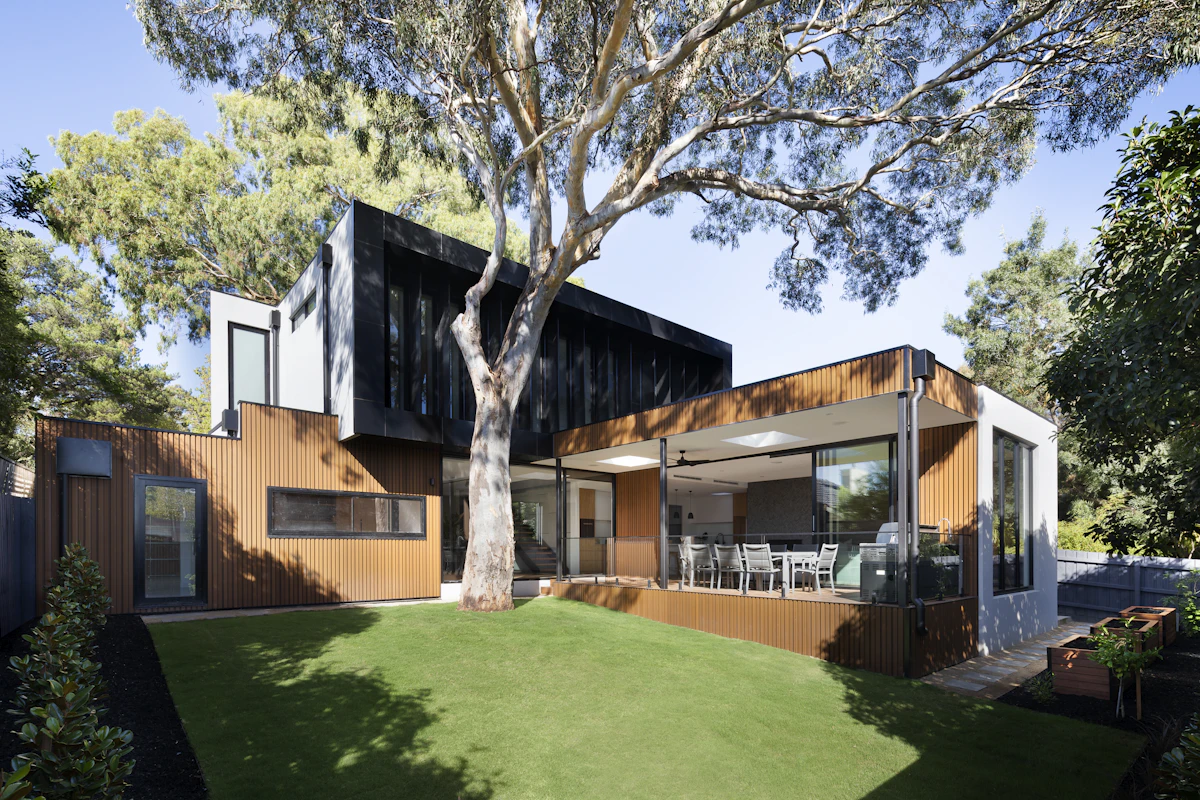
Modern home interior with large windows and contemporary materials
The Core Difference

PVC vs uPVC: side-by-side comparison

The right choice depends on the product and application. The table below provides a practical starting point rather than treating one material as universally better.

FactorPVCuPVC
MeaningPolyvinyl chloride, a broad material category.Unplasticized polyvinyl chloride.
FlexibilityCan be formulated in flexible or rigid forms.Generally rigid because plasticizers are not used.
Typical UsesPipes, sheets, panels, flooring, cables and selected interior products.Commonly used for rigid window and door profiles.
Moisture ResistanceGenerally resistant to moisture, depending on product construction.Well suited to applications where moisture and weather exposure are concerns.
MaintenanceGenerally low maintenance when correctly installed.Generally low maintenance for suitable window and door applications.
RigidityDepends strongly on formulation and product design.Rigid and commonly engineered into structural profiles.
InsulationDepends on product design and construction.Window and door systems can provide useful thermal and acoustic performance when correctly specified and glazed.
Best ApproachSelect according to the specific product and application.Particularly relevant for rigid window and door systems.
01 · Understanding PVC

What is PVC?

PVC stands for polyvinyl chloride. It is a widely used synthetic polymer available in different formulations and forms. Depending on how it is manufactured, PVC can be relatively flexible or rigid.

01 · VERSATILITY

Many Applications

PVC is used across construction, plumbing, electrical products, surfaces, panels and various manufactured products.

02 · MOISTURE

Useful in Moisture-Prone Areas

Appropriate PVC products can be useful where resistance to water and moisture is an important requirement.

03 · PRODUCT DEPENDENT

Specification Matters

PVC should not be judged by the material name alone. Thickness, formulation, reinforcement, finish and installation influence performance.

02 · Understanding uPVC

What is uPVC?

uPVC means unplasticized polyvinyl chloride. It is a rigid PVC formulation commonly used in window and door profiles because it can provide a combination of rigidity, low maintenance and resistance to weather-related exposure.

03 · Key Differences

15 things to compare before choosing PVC or uPVC

01

Composition

The most important distinction is that uPVC is PVC without added plasticizers.

02

Rigidity

uPVC is generally rigid, making it particularly relevant to rigid profiles and frames.

03

Flexibility

Some PVC formulations can be made more flexible for applications where rigidity is not required.

04

Moisture Resistance

Both can be useful in moisture-sensitive applications when the complete product is appropriately designed.

05

Weather Exposure

For exterior doors and windows, the complete profile and system specification matter more than the label alone.

06

Thermal Performance

Window performance depends on profile geometry, glazing, seals and installation as well as the frame material.

07

Acoustic Performance

Sound reduction depends on the complete window or door assembly, particularly glazing and sealing.

08

Maintenance

Properly specified PVC and uPVC products can require relatively little routine maintenance.

09

Cleaning

Smooth manufactured surfaces can generally be cleaned using appropriate non-abrasive methods.

10

Hardware Compatibility

Hinges, locks, handles and other hardware should be compatible with the exact profile system.

11

Profile Quality

Wall thickness, reinforcement, chambers and profile engineering can significantly affect performance.

12

Glazing

Glass type, thickness and configuration can materially affect insulation, noise and safety.

13

Installation

Correct measurement, fixing, sealing and alignment are essential to achieve the intended performance.

14

Appearance

Colour, surface finish, profile dimensions and hardware influence the final architectural appearance.

15

Total Cost

Compare the complete installed specification rather than comparing PVC or uPVC by material name alone.

Modern home with large windows and natural light
04 · Windows

For windows, the complete system matters.

When comparing PVC and uPVC windows, do not evaluate only the frame material. Window performance depends on the profile, reinforcement, glass, seals, hardware, frame dimensions and installation quality.

uPVC window systems are commonly used in residential projects because rigid profiles can support practical window configurations while requiring relatively little routine maintenance.

The best specification depends on the window size, opening type, climate exposure, acoustic requirements, ventilation needs and project budget.

Explore Window Types
05 · Where Each Can Fit

Which material is suitable for different applications?

Windows

uPVC is widely considered for rigid residential window systems. Evaluate the complete profile, glazing, reinforcement, hardware and installation.

Balcony Doors

uPVC systems can be useful where weather resistance, low maintenance and practical operation are important.

Bathroom Applications

Suitable PVC-based products can be useful in selected moisture-prone interior applications, subject to product specification.

Wall Panels

PVC panels can be used for selected decorative and moisture-resistant wall applications.

Interior Doors

Material selection should consider moisture, impact, appearance, hardware and the required construction rather than choosing by label alone.

Furniture Components

PVC-based products may suit selected applications, but structural requirements and complete construction should always be checked.

06 · How to Choose

Do not choose PVC or uPVC by price alone.

A lower material price does not necessarily mean a lower total project cost. Compare the complete specification before making a decision.

  • Confirm the exact product and profile specification.
  • Check thickness and reinforcement where applicable.
  • Compare the glass specification for windows and doors.
  • Check seals, gaskets and weather protection.
  • Confirm hardware quality and compatibility.
  • Review installation and sealing details.
  • Ask what warranty is provided and what it covers.
  • Compare the complete installed cost.
Modern residential interior with carefully selected materials
07 · PVC or uPVC for Indian Homes

What should homeowners consider in Delhi NCR?

For Delhi, Gurgaon and Noida homes, material selection should account for heat, dust, outdoor exposure, maintenance, noise, ventilation and the specific requirements of the property.

Heat & Sun Exposure

Consider the orientation of windows, direct sunlight and the complete glazing specification when selecting window systems.

Urban Noise

For busy roads and high-rise homes, evaluate the complete glazing and sealing specification rather than the frame material alone.

Dust & Maintenance

Easy-to-clean surfaces and properly sealed window and door systems can simplify routine home maintenance.

08 · Buying Checklist

Before ordering PVC or uPVC, ask these questions.

01

What exactly am I buying?

Ask for the exact product, profile, series, dimensions and specification.

02

What is inside the profile?

For applicable window systems, clarify reinforcement and construction details.

03

What glass is included?

Confirm single, double or other glazing configurations and their specifications.

04

Which hardware is included?

Check handles, hinges, locks, rollers and other operating components.

05

Who installs it?

Confirm whether measurement, fabrication, delivery, installation and finishing are included.

06

What is covered by warranty?

Ask for warranty terms covering profiles, hardware, glass and installation where applicable.

09 · Design Integration

Material selection should work with the interior design.

Windows, doors and interior materials influence the visual character of a home. Their colour, profile proportions, handles, glass and surrounding finishes should work with the wider design scheme.

01

Measure

Confirm opening dimensions and existing conditions.

02

Specify

Select the appropriate profile and construction.

03

Choose Glass

Match glazing to light, privacy and performance needs.

04

Coordinate

Align colours, hardware and surrounding interiors.

05

Install

Ensure accurate installation, sealing and finishing.

10 · Delhi NCR

PVC and uPVC solutions for Delhi, Gurgaon and Noida homes.

Interior material selection is part of a wider residential design process. The appropriate specification depends on the property, application, lifestyle and required performance.

Delhi

Material and interior planning for apartments, builder floors, independent homes and residential renovations across Delhi.

Delhi Home Interior Design →

Gurgaon / Gurugram

Residential interior solutions for high-rise apartments, builder floors, villas and modern homes.

Gurgaon Interior Design →

Noida

Practical material and interior planning for apartments and residential properties across Noida and nearby NCR areas.

Noida Interior Design →
Frequently Asked Questions

PVC vs uPVC FAQs

Which is better, PVC or uPVC?

Neither is universally better. uPVC is a rigid PVC formulation and is commonly used for windows and doors, while other PVC formulations are used across a wider range of applications. The correct choice depends on the product, application, specification and required performance.

What is the main difference between PVC and uPVC?

PVC is the broader polyvinyl chloride material family. uPVC means unplasticized polyvinyl chloride, meaning plasticizers are not added to create flexibility. This makes uPVC suitable for many rigid profile applications.

Is uPVC good for windows?

uPVC is commonly used for residential window profiles because rigid profiles can provide low-maintenance and weather-resistant solutions. Actual window performance depends on the profile, reinforcement, glass, seals, hardware and installation.

Is PVC good for home interiors?

Certain PVC products can be useful for selected interior applications such as panels and moisture-sensitive surfaces. The appropriate product should be selected according to the room, exposure, durability requirements and construction.

Which is more durable, PVC or uPVC?

Durability depends on the specific product and application. uPVC is a rigid formulation and is widely used for durable window and door profiles, while PVC products vary considerably depending on their formulation and construction.

Is uPVC maintenance-free?

No material is completely maintenance-free. Properly specified uPVC windows and doors generally require relatively little routine maintenance, but hardware, seals, drainage and moving parts still need appropriate care.

Are uPVC windows suitable for Delhi NCR?

uPVC window systems can be considered for Delhi NCR homes. Selection should account for heat, sunlight, dust, ventilation, noise, glazing requirements, profile quality and installation.

Is PVC cheaper than uPVC?

Cost varies by product, profile, thickness, finish, hardware, glazing and installation. Comparing only the material name can be misleading. The complete installed specification should be compared.

What should I check before buying uPVC windows?

Check the profile specification, reinforcement, glazing, seals, hardware, drainage, installation method, warranty and complete installed price.

Home Interior Material Planning

Choose the material according to the job it needs to do.

Whether you are planning windows, doors, wardrobes, kitchens or a complete home interior, compare the actual specification, performance requirements and installation details before selecting a material.

Call +91 98910 50117 WhatsApp Consultation

Which is better PVC or UPVC? Read More »

Which wall putty is waterproof?

Birla White’s Wallseal Waterproof Putty is licensed as ‘Best Waterproof Putty’ via way of means of Karvy Insights Limited. Birla White lately released Wallseal Waterproof Putty, a white cement-primarily based totally putty showing instances water resistance.

Which wall putty is waterproof? Read More »

Which is better Dr Fixit or damp proof?

Doctor Fixit is a good deal greater powerful because it stops the water in its extraordinary states from achieving a surface, as a consequence moisture from soil and water vapour in addition to water below hydrostatic strain is efficaciously averted from entering.08-Jan-2022

Which is better Dr Fixit or damp proof? Read More »

How can I waterproof my bathroom without removing tiles?

Shower Plug is a complicated waterproofing sealant for tiles, grout and all masonry surfaces. It is a clean liquid this is brushed onto tiles and grout after which wiped away, in a single easy application. Shower Plug is used for: Fixing and stopping bathe leaks with out putting off the tiles.

How can I waterproof my bathroom without removing tiles? Read More »

Which tiles are best for flooring?

For flooring, Vitrified tiles are the excellent guess for the reason that they’re long lasting and might resist heavy traffic. For walls, you could pick both ceramic or porcelain tiles as they’re non-porous or do now no longer soak up stains. For outside it is excellent to choose both matt end or anti-skid tiles to keep away from slips.

Which tiles are best for flooring? Read More »

Should bathrooms be tiled to the ceiling?

If your toilet has a tendency to get humid or you’re putting in a steam shower, you need to tile the ceiling to assist defend it from moisture. Otherwise, the first-class time to put in tile at the ceiling is in case you are doing an accessory wall withinside the shower, and need to increase the tile overhead.08-Jan-2016

Should bathrooms be tiled to the ceiling? Read More »

Which flooring is best for health in India?

The best flooring for health in India is one that is low in volatile organic compounds (VOCs), easy to clean, resistant to dust and mold, and comfortable for your climate and lifestyle. For most homes, vitrified tiles, natural stone, and engineered wood are among the healthiest choices.

Best Healthy Flooring Options

1. Vitrified Tiles (Best Overall)

Vitrified tiles are one of the most practical and hygienic flooring options for Indian homes.

Benefits:

  • Non-porous, so they resist moisture and stains.
  • Easy to clean and disinfect.
  • Do not trap dust, pollen, or pet hair.
  • Durable and suitable for most climates.

Best for: Living rooms, bedrooms, kitchens, and hallways.


2. Natural Stone (Marble or Granite)

Natural stone is long-lasting and contains no synthetic adhesives or finishes by default.

Benefits:

  • Durable and easy to maintain when properly sealed.
  • Naturally cool underfoot, which can be comfortable in many parts of India.
  • Does not harbor allergens like carpets can.

Best for: Living rooms, foyers, and premium homes.


3. Engineered Wood

Engineered wood offers the look of hardwood with better dimensional stability than solid wood.

Benefits:

  • Comfortable underfoot.
  • Less likely to accumulate dust than carpet.
  • Can contribute to a warm, inviting interior.

Choose products with low-VOC finishes and adhesives to minimize indoor air pollution.

Best for: Bedrooms and living rooms.


4. Ceramic Tiles

Ceramic tiles are another healthy, budget-friendly option.

Benefits:

  • Easy to clean.
  • Resistant to mold when installed correctly.
  • Available in many styles and price ranges.

Best for: Kitchens, bathrooms, and utility areas.

Flooring to Use with Caution

Carpet

Carpet can trap:

  • Dust
  • Pet dander
  • Pollen
  • Dust mites

This may be a concern for people with allergies or asthma unless the carpet is cleaned regularly.

Low-Quality Vinyl Flooring

Some inexpensive vinyl products may emit higher levels of VOCs, especially when new. If choosing vinyl, look for products that are independently certified for low chemical emissions.

Tips for a Healthier Floor

  • Select flooring and installation products with low-VOC certifications where available.
  • Keep floors dry to discourage mold growth.
  • Clean regularly with a microfiber mop or a vacuum suitable for hard floors.
  • Use entry mats to reduce dirt and allergens entering the home.
  • Ensure good ventilation during and after installation.

Which Is Best?

FlooringHealth RatingMaintenanceDurability
Vitrified tiles⭐⭐⭐⭐⭐EasyExcellent
Natural stone⭐⭐⭐⭐⭐ModerateExcellent
Ceramic tiles⭐⭐⭐⭐☆EasyVery good
Engineered wood⭐⭐⭐⭐☆ModerateGood
Carpet⭐⭐☆☆☆HighModerate

Bottom Line

For most Indian households, vitrified tiles are the best overall choice because they are hygienic, durable, moisture-resistant, and easy to maintain. If you’re looking for a more premium option, natural stone is also an excellent choice, provided it is properly sealed and maintained. If anyone in your household has allergies or asthma, hard-surface flooring is generally easier to keep free of dust and allergens than wall-to-wall carpeting.

Natural quartz stone slabs are the healthiest alternative for floors in India. They are clearly long lasting and aesthetically fascinating in nature. Natural Quartz slabs have excessive strength, durability, herbal sheen and fascinating designs. … Granite. Quartet/Sandstone. Limestone. Slate Stone. Bamboo. Concrete. Cork. Hardwood.

Which flooring is best for health in India? Read More »

What is the longest lasting flooring?

“Tile is the highest-rated floors the various classes we test,” , who leads floors trying out at Consumer Reports. “It does not put on out, scratch, or stain. Its color does not fade, it is waterproof, and it’s miles enormously slip-resistant, even if wet.

What is the longest lasting flooring? Read More »

Scroll to Top