Smart Tricks to Renovate Your Home at the Lowest Cost
Make your home feel newer, brighter and more functional without treating every room like a full renovation. The key is to spend where the visual and practical impact is highest.

Renovation does not have to mean starting again.
A budget renovation works best when you separate what must change from what can be refreshed. A good layout, usable furniture, sound flooring or a functional kitchen may not need to be removed simply because the home looks dated.
For Delhi NCR homes, a practical renovation plan can combine paint, lighting, hardware, storage improvements, selective furniture work and targeted repairs. This approach keeps the visual transformation strong while limiting unnecessary demolition and replacement.
Before buying anything, make three lists: repair, refresh and replace. The replace list should be the smallest one possible.
Spend less by changing what people notice first.
These upgrades can create a strong before-and-after effect without automatically turning the project into a complete rebuild.

Refresh the walls before replacing furniture
A well-chosen paint colour can change the perceived size, brightness and mood of a room for much less than replacing major furniture.
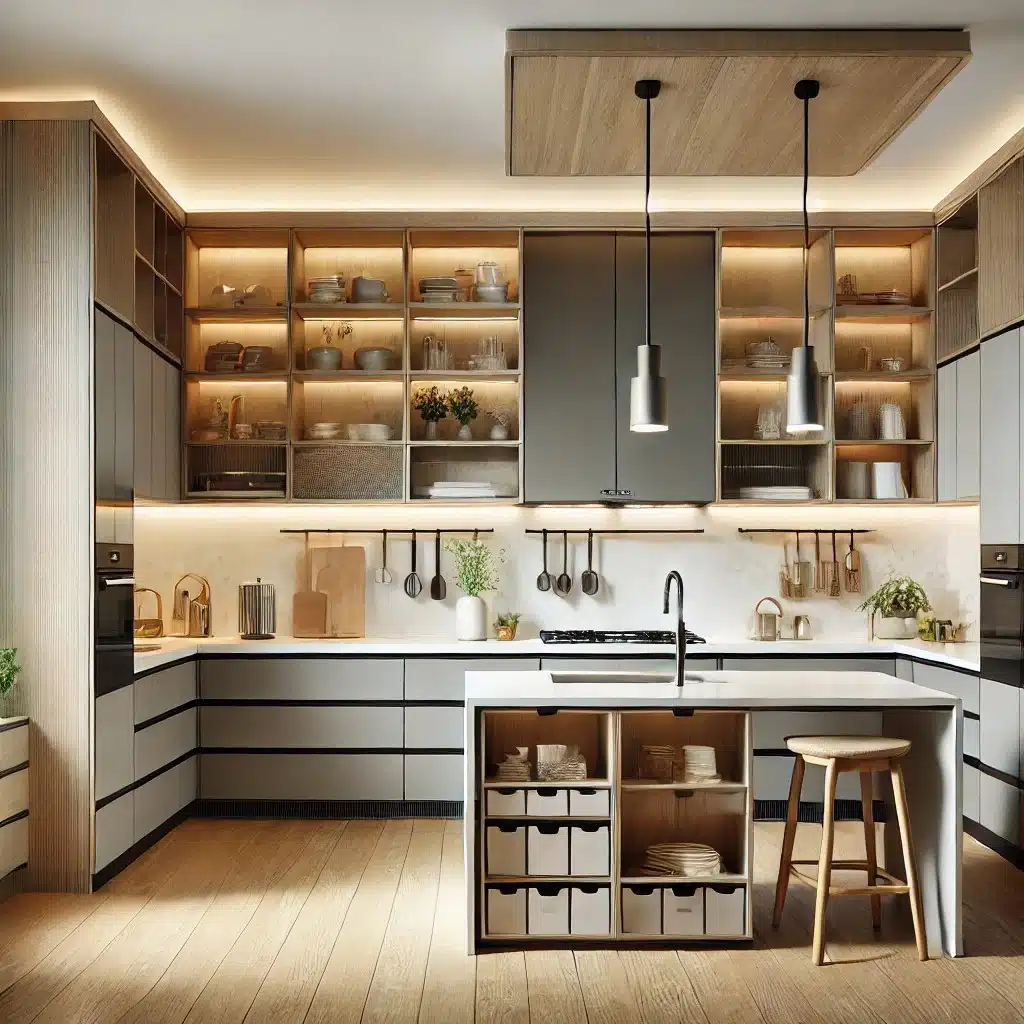
Keep the kitchen layout if it already works
Moving plumbing, electrical points and appliances can increase cost quickly. If the layout is functional, focus on fronts, handles, lighting, storage accessories and selected finishes.
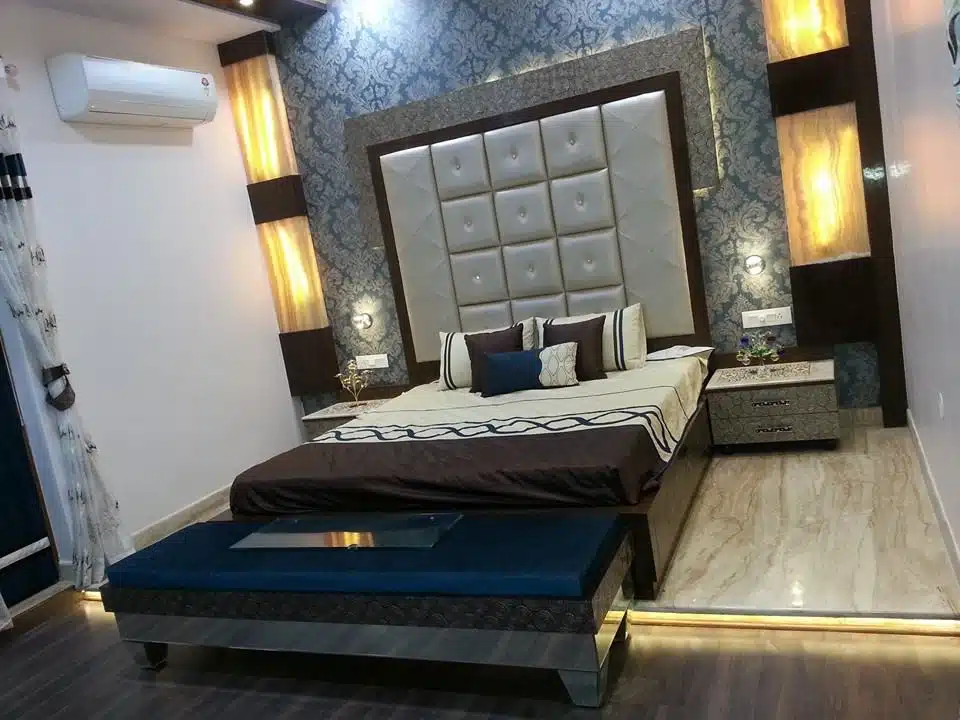
Give old furniture a second life
Painting, polishing, reupholstering or changing handles can make a structurally sound table, chair, sideboard or wardrobe feel completely different.

Use lighting as a design upgrade
Layer ambient, task and accent lighting. Replacing a few visible fixtures and adding warm accent light can produce more impact than expensive decorative construction.

Choose one focal wall
Instead of adding expensive treatment everywhere, concentrate wallpaper, texture, wood-look panels or artwork on one carefully selected wall.

Plan before demolition
Measure the home, identify existing services and finalise the scope before work begins. Better planning reduces rework, waste and expensive last-minute decisions.
Style balconies with simple layers
Outdoor seating, planters, a compact rug and warm lighting can turn an unused balcony into a useful extension of the home without major construction.
Repeat finishes instead of adding more
Use a small, consistent palette of wood tones, metals and wall colours. Coordination often looks more premium than adding many unrelated decorative elements.
Decorate after decluttering
Remove unused pieces before buying new decor. A cleaner composition can make the existing sofa, rug, art and lighting look more intentional.
Upgrade storage where it solves a problem
Prioritise storage in the rooms where clutter is persistent. Well-planned wardrobes, shelves and concealed storage can improve daily use without renovating every surface.
The biggest kitchen saving can be keeping the existing footprint.
Kitchen renovation becomes more expensive when walls, plumbing, electrical points and appliance locations all move together. If the current footprint works, retain it and direct the budget toward the elements you touch every day.
- Refresh cabinet shutters or visible panels where practical.
- Upgrade handles and frequently used hardware.
- Improve task lighting under cabinets.
- Compare countertop materials before committing.
- Add internal organisers only where they solve a real storage problem.
Spend in the right order.
A lower-cost renovation is easier to control when essential repairs come before cosmetic upgrades.
Repair & safety
Electrical, plumbing, seepage, damaged surfaces and other issues that should not be hidden by cosmetic work.
Function
Storage, kitchen usability, circulation, lighting and furniture layouts that improve everyday living.
Appearance
Paint, hardware, decor, feature walls, textiles and styling that complete the visual transformation.
| Upgrade | Budget-friendly approach | When to spend more |
|---|---|---|
| Walls | Quality paint and one focal treatment | When walls have major defects or moisture issues |
| Kitchen | Retain layout; refresh visible components | When cabinetry, services or layout are genuinely failing |
| Furniture | Repair, repaint or reupholster sound pieces | When the furniture no longer fits the room or use |
| Lighting | Replace key fixtures and add task/accent light | When rewiring or major electrical upgrades are required |
| Flooring | Replace only damaged or visually weak areas where suitable | When the existing floor is unsafe, damaged or beyond repair |
Where should a limited renovation budget go?
Prioritise the rooms and details that affect everyday use most often.
Light + layout
Refresh lighting, paint, curtains, cushions and the focal wall before replacing a good sofa.
Function first
Keep the footprint where possible and spend on storage, work surfaces, hardware and lighting.
Comfort + storage
Improve wardrobe organisation, bedside lighting, textiles and the wall behind the bed.
Small details
Use coordinated containers, mirrors, accessories and lighting while addressing waterproofing and plumbing first.
Five questions to answer before you spend.
These decisions can prevent a low-budget renovation from becoming an uncontrolled project.
Can it be repaired?
Do not replace a structurally sound item simply because it looks dated.
Does the layout work?
If yes, avoid moving plumbing, electrical points or walls without a clear functional reason.
Where is the daily friction?
Spend first on storage, lighting, circulation and other issues you experience every day.
What is the finish level?
Define standard, premium or luxury materials before comparing quotations.
What can surprise me?
Inspect old services and keep a contingency for concealed repairs and scope changes.
What can wait?
Separate essential work from decorative upgrades that can be completed later.
From budget idea to controlled renovation.
Inspect
Review the existing home and identify repairs.
Prioritise
Separate essential, useful and cosmetic work.
Design
Plan layout, materials, lighting and storage.
Price
Compare an itemised scope rather than only a headline total.
Execute
Control changes and approve additions before work proceeds.
Useful Interior A to Z renovation resources.
Home Renovation in Delhi NCR
Explore renovation planning, materials, execution and indicative cost levels.
PlanningHouse Renovation Cost Guide
Understand the factors that influence a renovation estimate before requesting a quote.
CostInterior Design Cost Delhi 2026
Review broader budget planning for home interiors and different finish levels.
Good budget design is about editing, not adding.
A coordinated palette, selective lighting and a few strong details can make a home feel considered without filling every surface.
Smart home renovation questions
How can I renovate my home at the lowest cost?
Start with a fixed scope. Repair essential problems, reuse sound furniture, refresh paint and lighting, upgrade visible hardware and focus new spending on areas that improve daily use.
What is the cheapest way to make a home look better?
Painting, lighting, decluttering, updated textiles, simple artwork, furniture refinishing and better organisation can create a strong visual change without a complete renovation.
Should I renovate the whole house or one room at a time?
If the budget is limited, prioritising one or two high-impact rooms can make cash flow and execution easier to control. The right sequence depends on the condition of the property and your priorities.
How can I save money on a kitchen renovation?
Keep the existing layout when it works, reuse service points, compare materials, refresh visible cabinet elements and spend selectively on high-use hardware, storage and lighting.
How can I control hidden renovation costs?
Inspect the existing electrical, plumbing and civil condition before pricing. Use an itemised scope, clearly define materials and retain a contingency for unexpected work.
Plan the renovation before you start spending.
Share your property type, location, approximate area, existing condition and renovation priorities. A clear scope can help you decide where to invest and where to save.