Interior Designer vs Interior Decorator
They may sound like interchangeable roles, but the scope can be quite different. This guide breaks down planning, functionality, materials, styling and execution so you can define the right brief for your project.
 Function + aesthetics
Interior design generally starts with how a space must work. Interior decoration generally starts with how an existing space should look and feel.
The boundary can overlap, and the exact scope depends on the professional and project. For a new home, renovation or complete interior, the distinction becomes especially useful because layout, storage, lighting, materials and execution may all need coordination.
Two disciplines. Different starting points.
Interior A to Z’s current guidance similarly distinguishes broader functional planning from decorative styling. The practical question is not which title sounds better, but what your property actually needs.
Plan the space.
- Space planning and furniture layouts
- Kitchen, wardrobe and storage planning
- Lighting and material coordination
- 2D/3D design development
- Technical and execution coordination
- Broader renovation or turnkey scope where agreed
Style the space.
- Colour palettes and visual themes
- Furniture and soft-furnishing selection
- Curtains, rugs and fabrics
- Artwork, mirrors and accessories
- Decorative lighting and styling
- Final visual layering and atmosphere
A finished room is more than its decoration.
A strong interior brings the hidden decisions and visible details together: circulation, storage, proportions, lighting, materials, furniture and finishing.

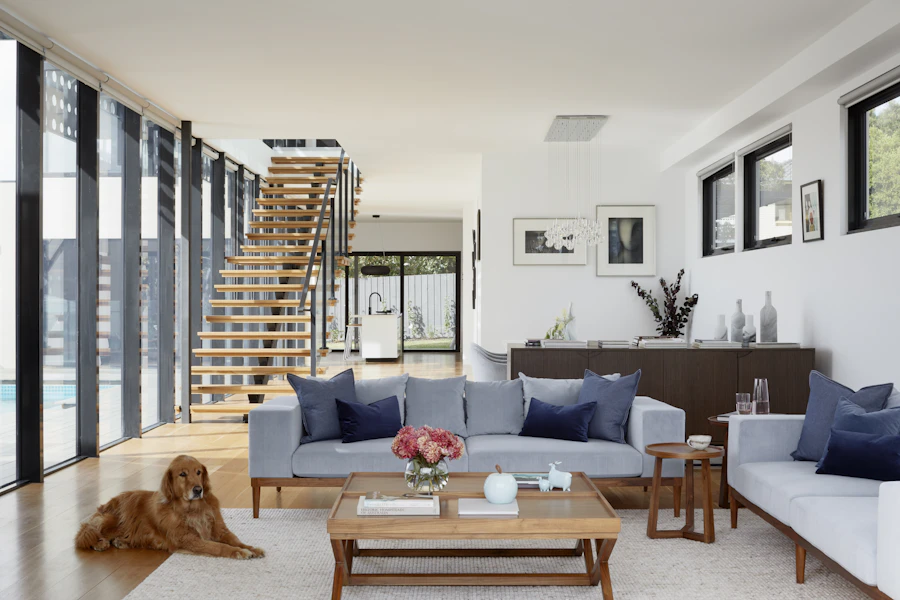

What changes when the project becomes more complex?
Designer: plans circulation, furniture relationships, storage and room use.
Decorator: usually works within an existing layout and improves furniture placement and visual balance.
Designer: may develop kitchens, wardrobes, built-ins and bespoke furniture around measurements.
Decorator: typically selects and combines ready-made furnishings and decorative pieces.
Designer: coordinates finishes with durability, use, maintenance and the wider design.
Decorator: primarily selects visible finishes, fabrics, colours and decorative surfaces.
Designer: can coordinate ambient, task and accent lighting with the layout and electrical plan.
Decorator: can shape atmosphere through decorative and accent lighting selections.
Designer: may coordinate vendors, fabrication, installation and finishing when included in the brief.
Decorator: commonly focuses on sourcing, placement and styling rather than construction execution.
Which brief sounds like yours?
Use the scope of work—not the job title alone—to decide what kind of professional support you need.
Consider an interior designer when…
- You are moving into a new apartment or villa.
- The layout or circulation needs improvement.
- You need a modular kitchen or custom wardrobes.
- Storage, lighting and furniture need to be coordinated.
- You want 2D/3D planning before execution.
- Multiple trades or vendors need coordination.
Consider a decorator when…
- The room layout already works well.
- You mainly want a new colour direction.
- Furniture, fabrics and accessories need refreshing.
- You want artwork, rugs, curtains or styling layers.
- You are completing an otherwise finished room.
- You need visual cohesion more than construction planning.
For complete interiors, planning and styling work best together.
A coordinated project connects the design brief to real measurements, materials, fabrication and installation rather than treating decoration as an isolated final step.
Brief
Understand property, lifestyle, rooms, priorities and budget.
Measure
Record dimensions, services, openings and site constraints.
Design
Develop layouts, storage, materials, lighting and 2D/3D views.
Execute
Coordinate fabrication, installation and finishing according to scope.
Style
Bring furniture, textiles, artwork and accessories together.
Interior design support across the region.
Interior A to Z currently positions its residential and turnkey services across Delhi NCR, Gurgaon and Noida, with services covering complete homes, kitchens, bedrooms, wardrobes, living rooms and broader execution.
Homes & apartments
Space planning, modular kitchens, wardrobes, furniture, lighting and complete interior coordination.
Explore Gurgaon interiors →Design + execution
Useful for apartments, builder floors and homes where multiple interior elements need one coordinated plan.
Explore Noida turnkey interiors →Complete home interiors
Connect functional planning with materials, storage, lighting, furniture and finishing.
Explore interior services →Interior designer vs interior decorator: common questions
What is the main difference between an interior designer and an interior decorator?
An interior designer typically works across space planning, functionality, materials, lighting and technical coordination, while an interior decorator primarily focuses on visual styling such as furniture, colours, fabrics, artwork and accessories.
When should I hire an interior designer?
Consider an interior designer when your project involves layout planning, custom storage, kitchen or wardrobe design, lighting coordination, material selection, renovation or broader execution.
When is an interior decorator enough?
A decorator may be suitable when the room layout is already functional and the main requirement is furniture selection, colour coordination, curtains, artwork, rugs, accessories or final styling.
Can an interior designer also handle decoration?
Yes. Many complete interior projects include both functional planning and decorative styling so the materials, furniture, lighting and finishing details work as one concept.
Does turnkey interior design include decoration?
It can. The exact scope depends on the agreed brief, but turnkey services may combine design planning, materials, custom furniture, kitchens, wardrobes, lighting, installation and finishing.
Start with the project, not the title.
If you are planning a 2BHK, 3BHK, 4BHK, villa, builder floor or complete home interior, define the rooms, functions, storage, style and execution requirements first. Then choose the service model that matches the brief.