Creative Living Room Interior Ideas to Transform Your Space
Create a welcoming and stylish living room with smart layouts, modern décor ideas, layered lighting, and personalized design inspiration for contemporary homes.
500+
Living Room Designs
12+
Years Experience
Delhi NCR
Design Expertise
Why Living Room Design Matters
The living room is often the heart of a home where families gather, guests are welcomed, and everyday life happens.
Thoughtful interior design improves comfort, movement, visual appeal, and functionality.
Across Gurgaon, Noida, and Delhi NCR, homeowners increasingly prefer personalized living spaces that combine comfort with modern aesthetics.
Living Room Design Inspiration
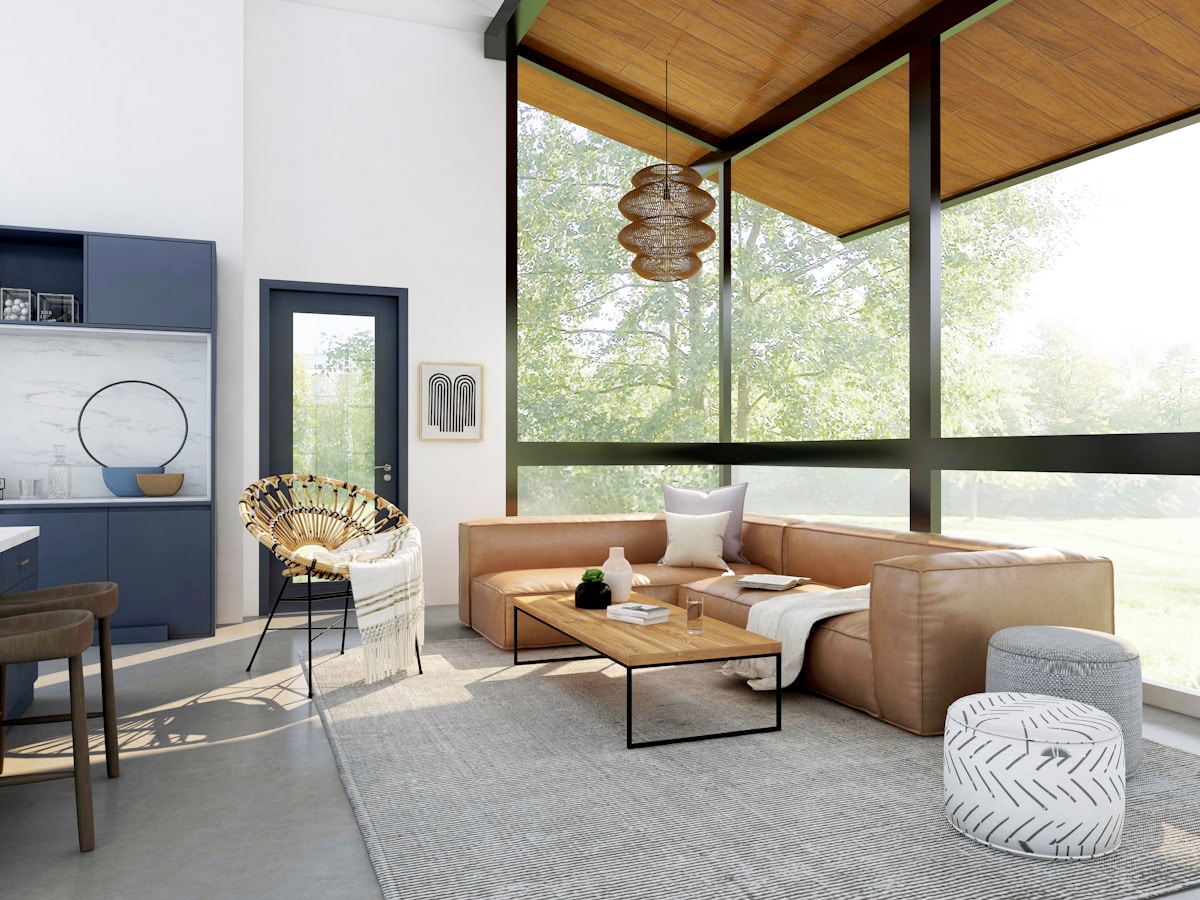
Minimal Living Spaces
Clean layouts and modern styling
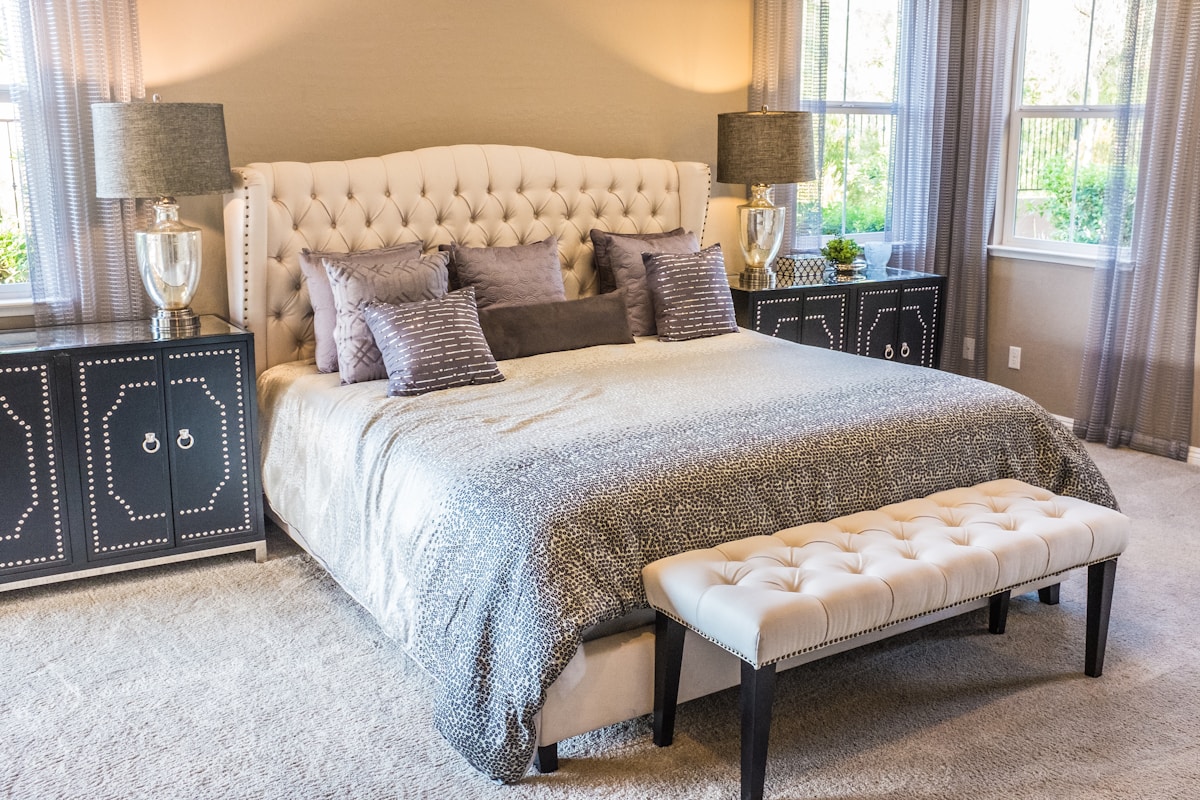
Warm Modern Interiors
Comfort-focused living environments
Statement Décor Ideas
Layered colors and focal styling
7 Creative Living Room Interior Ideas
Layer Your Lighting
Combine ambient, task, and accent lighting.
Create a Focal Point
Use artwork, shelving, or feature walls.
Add Natural Materials
Wood and textures create warmth.
Mix Materials
Combine glass, fabric, metal, and wood.
Use Flexible Furniture Layouts
Support comfort and movement.
Add Mirrors
Improve light and create depth.
Reduce Visual Clutter
Simple arrangements improve spaciousness.
Related Interior Resources
Frequently Asked Questions
How can I make a small living room feel larger?
Use mirrors, layered lighting, and furniture with cleaner visual lines.
Which colors work best?
Neutral shades combined with accent colors often create balance.
How often should living room décor change?
Small seasonal updates can refresh spaces without full renovation.
Ready to Transform Your Living Room?
Explore interior design solutions across Gurgaon, Noida and Delhi NCR.
Book Free Consultation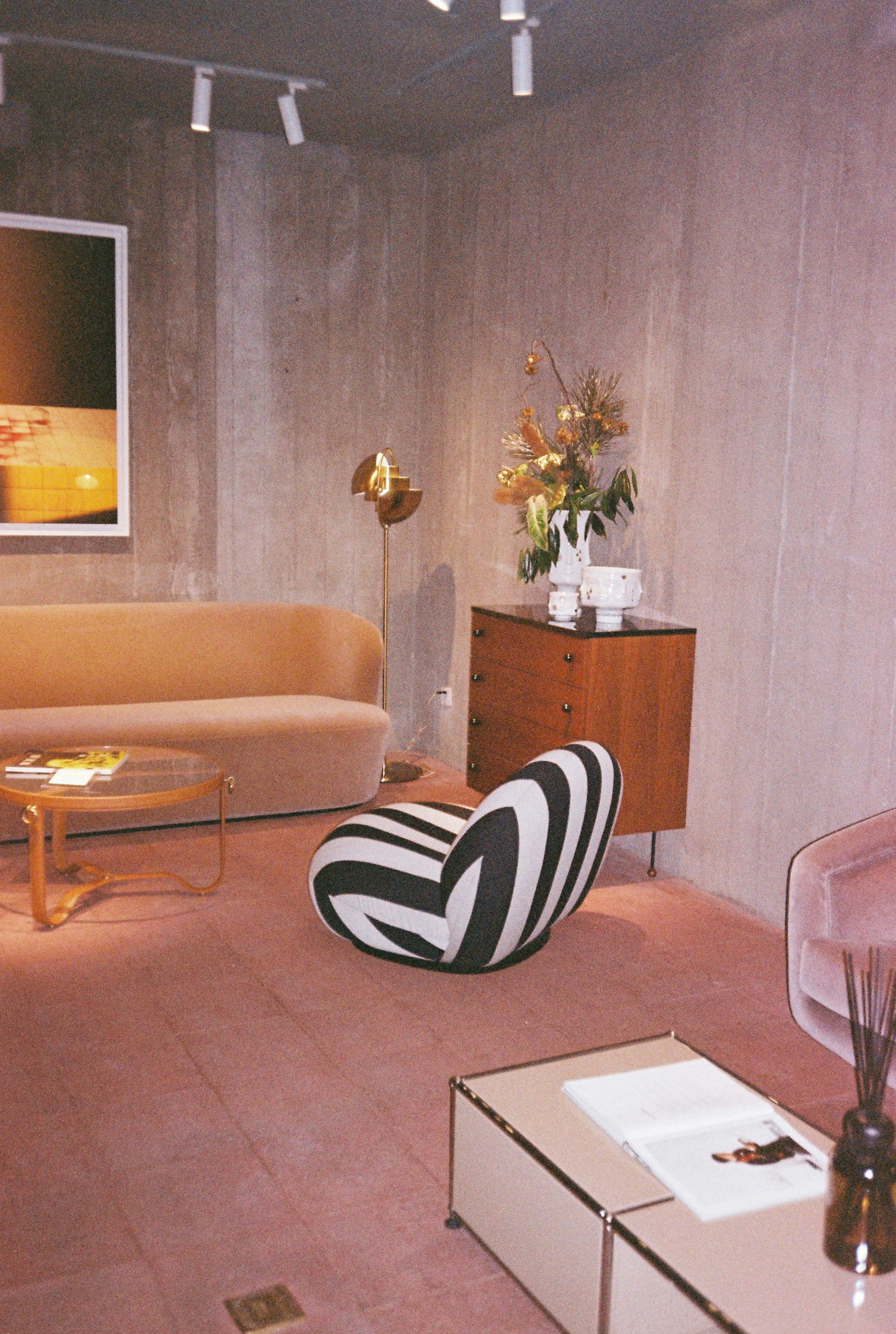
Introduction to Living Room Design
The living room is often regarded as the heart of the home, serving not only as a space for social gatherings but also as a reflection of personal style and comfort. When guests arrive, the living room is typically the first area they encounter, making its design crucial in setting the tone for the entire home. This importance underscores the need for a well-thought-out approach to living room decoration, balancing aesthetics with functionality.
In designing a living room, one must consider various elements that contribute to its overall atmosphere. Color schemes, furniture arrangements, and decorative accessories play vital roles in creating an inviting and harmonious environment. Whether you prefer a minimalist aesthetic, a bohemian vibe, or a classic elegance, your living room should encapsulate your personality while serving its primary functions—casual relaxation and entertaining guests.
Current trends in living room décor emphasize creating spaces that are both stylish and comfortable. Natural materials like wood, metal, and stone are gaining popularity, as they bring a sense of warmth and authenticity. Additionally, open floor plans are increasingly favored for their ability to promote connectivity between spaces, enhancing the social aspect of living areas. Incorporating multifunctional furniture, such as ottomans or sofa beds, can also maximize utility without compromising design.
Incorporating elements that reflect one’s unique style can be achieved through the careful selection of textiles, artwork, and accessories. Neglecting these aspects can lead to a generic look that fails to make an impact. Ultimately, a thoughtfully designed living room should be a sanctuary that balances the beauty of form with the practicality of function, inviting both family and guests to enjoy and appreciate its charm.
Color Schemes That Inspire
The color scheme of a living room is not merely a matter of aesthetics; it possesses the remarkable ability to transform the entire atmosphere of the space and evoke distinct emotions. When selecting a color palette, various options come into play, including warm, cool, and neutral tones, each with their undeniable appeal and impact.
Warm colors, such as reds, oranges, and yellows, tend to create an inviting and energetic ambiance. These shades can be particularly effective in larger living rooms where a sense of warmth and vibrancy is desired. In contrast, cool colors like blues, greens, and purples can instill a sense of tranquility and calmness, making them an excellent choice for smaller spaces or rooms that benefit from a more relaxed vibe. Interestingly, the influence of these colors extends beyond basic aesthetics. Research has shown that warm colors can stimulate activity, while cool colors promote restfulness.
Neutral color schemes, which include shades such as whites, grays, and beiges, offer a versatile backdrop that can seamlessly blend with various decor styles and furnishings. Choosing a neutral palette allows for easy layering with accent colors through accessories like cushions, artwork, or rugs. This approach not only adds visual interest but also provides flexibility as styles and tastes evolve over time.
When choosing the right color palette, it is essential to consider the size and natural light of the living room. Lighter colors can make small spaces feel larger and more open, while darker tones can create an intimate feeling in expansive rooms. It is advisable to test various shades within the room’s lighting conditions before finalizing your choice. Ultimately, the goal is to craft a harmonious space that not only reflects personal style but also enhances the overall living experience.
Furniture Selection for Comfort and Style
Choosing the right furniture for your living room is a crucial aspect of creating a harmonious and inviting space. The furniture not only dictates the room’s functionality but also contributes significantly to its overall aesthetic appeal. A well-curated selection of sofas, chairs, and tables can enhance comfort and style, making the living area a perfect gathering place for family and friends.
When selecting a sofa, consider both comfort and design. A plush, well-padded sofa can offer a cozy seating experience, while different styles such as sectional, traditional, or modern can embody the overall theme of the living room. It is essential to choose a fabric that is both durable and easy to maintain, especially in spaces that see heavy use. Pairing the sofa with accent chairs can further enhance the room’s comfort while allowing for a mix of styles that create visual interest.
Chairs should complement the sofa while providing additional seating options. Look for pieces that align with your living room’s aesthetic. If your style leans towards contemporary, sleek designs in leather or geometric patterns work well. For a more traditional look, consider upholstered armchairs with rich fabrics. Balancing the textures and colors among the seating can create a layered effect that feels both stylish and comfortable.
Tables, whether coffee tables, side tables, or consoles, are equally important in establishing a well-rounded living room. They serve practical purposes but should also harmonize with your existing furniture. Opt for materials that resonate with the rest of your decor, such as wood, metal, or glass. Mixing materials can add depth to your design, contributing to a more dynamic atmosphere. It’s essential to ensure that the scale of the tables fits the space, allowing for easy movement and accessibility.
Ultimately, striking the right balance between function and aesthetics through thoughtful furniture selection elevates your living room, making it a true reflection of your taste and lifestyle.
Incorporating Textures and Patterns
The integration of various textures and patterns in a living room is vital for creating a space that feels both inviting and stylish. Textiles play an essential role in achieving a layered look; thus, selecting the right fabrics for upholstery, cushions, and curtains is crucial. For instance, pairing smooth leather sofas with soft, knitted throws introduces a sense of warmth and comfort. Similarly, velvet or linen cushions can further enrich the tactile experience and serve as a beautiful contrast to harder surfaces, such as wooden or metallic furniture.
In addition to textiles, the selection of rugs is particularly important in defining the living area. A well-chosen area rug not only anchors the space but also contributes layers of texture. Opting for a mix of natural fibers, such as sisal or jute, alongside plush materials like shag or wool can create a visually intriguing ground for the room. Patterned rugs featuring geometric designs or floral motifs can act as statement pieces that subtly enhance the overall aesthetic.
Curtains can elevate the design further by adding softness and dimension to the room. Choosing curtains with intricate patterns or textures can serve as focal points while still complementing existing elements. Lightweight fabrics allow natural light to filter through, creating an airy feel, whereas heavier materials can provide a sense of intimacy. When considering wall finishes, textured wallpapers or paints with a matte finish can add depth without overwhelming the space. Striking a balance between bold patterns and subtler textures is key to maintaining harmony throughout the living room.
Personalized Decor: Art, Accessories, and More
Incorporating personalized decor into your living room can significantly enhance the ambiance of the space, providing a unique reflection of your individual style. Items such as artwork, photographs, and decorative pieces not only serve as focal points but also tell a story about your journey, interests, and memories. Selecting the right pieces is essential to achieve a harmonious blend with the overall decor while maintaining a personal touch.
When displaying artwork, consider a gallery wall that can serve as a striking visual display. This arrangement allows for varying sizes and styles of art pieces, inviting an engaging contrast within your decor. Ensure that the colors coordinate well with your living room palette to create an inviting atmosphere. For a more cohesive look, you might opt for similar framing styles that enhance the display without overpowering the art itself.
Photographs are another excellent way to personalize your living space. Choose frames that complement your decor and arrange them in clusters or along shelves. You can also mix in shadows or floating shelves to add dimensionality to the display. Remember to curate the selection, opting for images that evoke emotions or memories without overwhelming the visual space.
Decorative accessories such as sculptures, vases, or books can act as conversation starters. Organize these items thoughtfully on coffee tables or mantels, ensuring to leave room for negative space to avoid a cluttered appearance. Rotating these accessories seasonally can add a fresh twist to the interior while keeping your decor dynamic.
Ultimately, the key to effective personalization in decor lies in restraint and intention. By balancing personal items with mindful placement and spacing, you can successfully create a stylish living room that resonates with your individual identity.
Lighting: Setting the Right Mood
Lighting plays a crucial role in the design of any living room, as it can significantly influence not only the aesthetics of the space but also the mood and functionality. When considering the lighting setup for your living area, it is essential to incorporate three primary types of lighting: ambient, task, and accent lighting.
Ambient lighting serves as the foundational light source in the room, often coming from overhead fixtures such as chandeliers, flush mounts, or ceiling lights. This type of lighting is designed to provide uniform illumination throughout the space, allowing occupants to navigate comfortably. When selecting ambient lighting, consider fixtures that complement your overall decor style while also providing sufficient brightness for daily activities.
Task lighting, on the other hand, is intended for specific activities that require focused illumination, such as reading, knitting, or working on a hobby. Table lamps, floor lamps, and wall sconces are common examples used to achieve effective task lighting. Placing these light sources strategically, for instance, next to a reading chair or over a work desk, can help facilitate productivity without straining the eyes.
Accent lighting adds visual interest and highlights architectural features or decorative elements within the living room. This can be accomplished through the use of spotlights, track lighting, or even illuminated artwork. By drawing attention to specific areas—like an art piece or a stylish bookcase—accent lighting can create a layered effect that enhances the warm ambiance of the room.
To achieve a harmonious atmosphere, carefully layer these three types of lighting. Utilize dimmers to control the intensity of bright overhead lights, while allowing task and accent lights to create inviting pockets of illumination. The resulting blend fosters a welcoming environment that adapts to various moods and occasions, ultimately transforming your living space into a comfortable haven.
Functional Layouts for Every Lifestyle
Designing a living room that meets diverse lifestyle needs requires careful consideration of furniture arrangement and space optimization. Each family has unique requirements; therefore, adapting the layout to accommodate activities such as casual gatherings, children’s play, or serene relaxation time can make a significant difference.
For families, a practical and comfortable layout is essential. One popular setup includes a sectional sofa positioned to promote conversation while ensuring enough space for children to play on the floor. By placing a coffee table within reach and using side tables for added convenience, the space becomes multifunctional. In addition, opting for light-colored furnishings can give a sense of openness, which is ideal for family interactions and entertainment.
When entertaining guests, it’s vital to create an inviting atmosphere. Arranging furniture in a circular pattern around a central coffee table encourages interaction and fluid movement. Consider using lightweight chairs that can be easily repositioned, allowing the space to adapt as needed. Incorporating ottomans can serve dual purposes—they act as seating while maintaining a spacious feel. Additionally, placing accent chairs in corners can dramatically enhance the visual appeal while providing cozy seating options.
For individuals or couples who prefer a quiet retreat, a more minimalistic approach may be advisable. Selecting a few key pieces, such as a comfortable sofa and a compact coffee table, can lead to a less cluttered space that feels more inviting for relaxation. Strategic placement of a bookshelf or decorative elements can serve as focal points and help create a cozy atmosphere without overwhelming the room.
Regardless of lifestyle, considering factors such as traffic flow, functionality, and aesthetic appeal will assist in achieving an effective layout. Subsequent adjustments may enhance comfort and usability, ensuring a living space that reflects the homeowner’s personality while being practical for daily life.
Greenery and Nature in Interior Design
Incorporating greenery and natural elements into living room interiors has become a popular trend due to its various benefits. One of the primary advantages of adding plants to your living space is the enhancement of air quality. Indoor plants can help filter harmful toxins and produce oxygen, contributing to a healthier atmosphere. This is particularly important in urban settings, where indoor air quality may suffer due to pollutants from furniture, appliances, and other household items.
Moreover, greenery adds a splash of color and vitality to any room. The vibrant tones of leaves and flowers can brighten up a monotonous color scheme, creating a more inviting and lively environment. Plants have the unique ability to soften harsh lines of furniture and architecture, adding a touch of warmth and a natural aesthetic that can evoke tranquility.
Choosing the right plants for your living room does not have to be a daunting task. Many low-maintenance options make it easy for even the busiest individuals to enjoy the benefits of indoor gardening. For instance, the snake plant is an excellent choice due to its robust nature and ability to thrive with minimal care. The pothos plant is also highly recommended, as it can adapt to various light conditions and requires infrequent watering. Another fantastic option is the ZZ plant, known for its glossy leaves and resilience against neglect.
In addition to aesthetic enhancements, the presence of indoor plants can also promote psychological well-being. Studies have shown that spending time around greenery can reduce stress and improve mood, making it an invaluable addition to any living space. Therefore, introducing greenery into your living room can transform the atmosphere, making it feel more alive and ultimately improving the quality of life within the home.
Conclusion: Making Your Living Room Your Own
In conclusion, transforming your living room into a personal sanctuary is essential for creating a welcoming environment that reflects your individual style. As discussed throughout this post, there are myriad creative ideas that can help you achieve this goal. From selecting the right color palette to the careful arrangement of furniture and the thoughtful incorporation of decorative elements, each choice plays a vital role in defining the character of your space.
Remember that your living room should not only serve as a functional area for relaxation and entertainment but also as a canvas for your personality. Whether it’s through eclectic furnishings, unique artwork, or even personalized lighting options, every detail contributes to an atmosphere that is distinctly yours. Consider incorporating pieces that evoke fond memories or resonate with your aesthetic sensibilities, as these will enhance your enjoyment of the space while also impressing your guests.
It is recommended to remain open to experimentation, as creative living room designs often evolve over time. Feel free to mix and match various styles and elements until you find the perfect balance that resonates with you and those who visit. With careful planning and a touch of imagination, your living room can become more than just a common area; it can transform into a harmonious blend of comfort, style, and personality.
In summary, embrace the potential of your living room by implementing the ideas presented in this blog post. Ultimately, your living room should be a joyful space that encapsulates the essence of who you are while offering warmth and hospitality to family and friends alike.