
Can I Decorate My House by Myself?
Absolutely. With the right plan, you can create a beautiful, comfortable and personal home yourself. Learn what to do first, where to spend, what to avoid and when professional interior design support makes sense.
You can decorate your house yourself. The secret is knowing what to do first.
Decorating your own home can be rewarding when you approach it as a design project rather than a shopping exercise.
Begin with the room layout, your lifestyle and the things you already own. Then build the look gradually through furniture, colour, lighting, curtains, rugs, artwork, plants and accessories.
Current Interior A to Z guidance similarly recommends treating furniture placement, colour, lighting, textiles, artwork and accessories as connected parts of the overall design rather than isolated purchases. :contentReference[oaicite:0]{index=0}
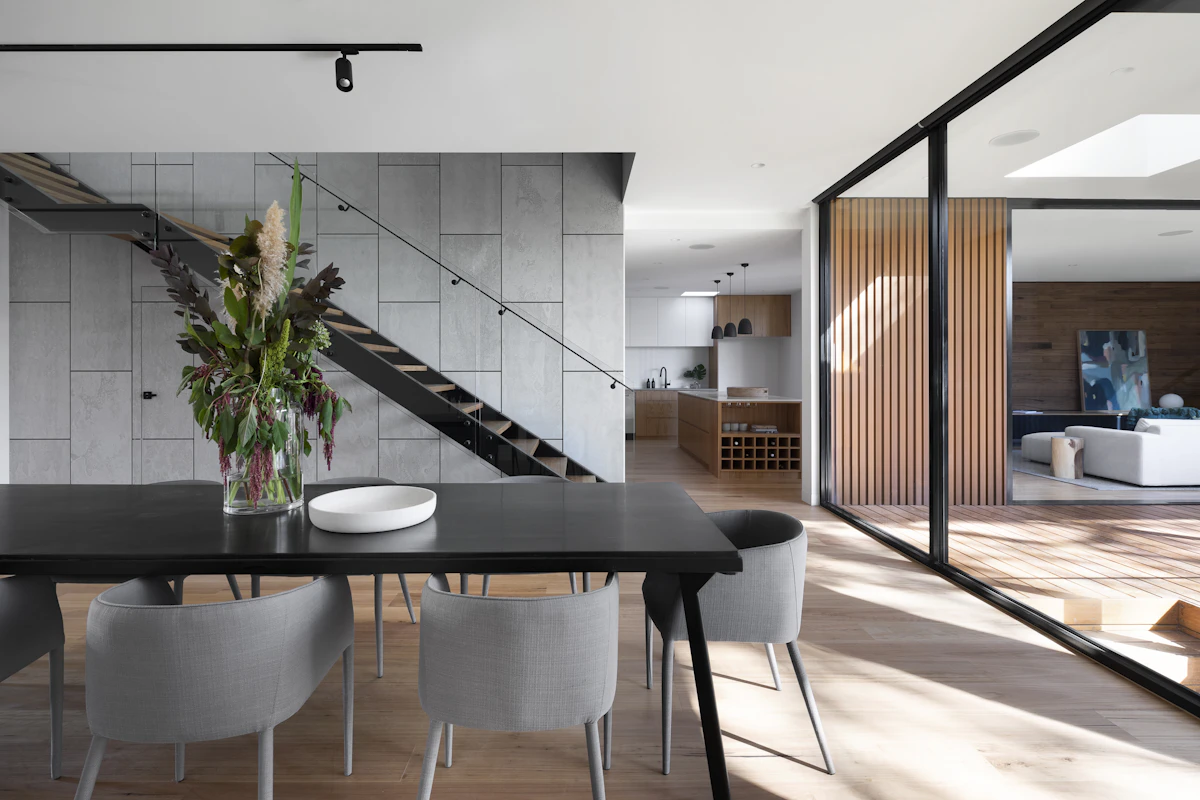
8 areas where DIY home decorating works particularly well
Start with changes that are relatively easy to adjust, replace or improve as your design evolves.

Choose Your Colour Palette
Select a base colour and one or two supporting tones before buying furniture and decorative accessories.

Rearrange Your Furniture
Test different furniture positions before purchasing anything. Good circulation can transform a room immediately.

Improve the Lighting
Combine general lighting with floor lamps, table lamps, pendants or accent lighting where appropriate.

Add Artwork
Use artwork, photographs, mirrors or a carefully planned gallery wall to give blank walls personality.

Layer Curtains and Rugs
Curtains, rugs and cushions can add warmth, texture and colour without changing the basic architecture of a room.

Style With Accessories
Books, ceramics, trays, vases and selected objects can add personality when used with restraint.

Bring in Plants
Indoor plants can add colour, texture and a natural element to living rooms, balconies and other suitable spaces.

Style the Soft Furnishings
Bedding, cushions, throws, bedside lighting and artwork can create a coordinated bedroom without major renovation.
How to decorate your house yourself
Follow the sequence below instead of buying everything at once. It helps reduce mistakes, unnecessary purchases and visual clutter.
Measure
Record room dimensions, doors, windows, electrical points and circulation areas before buying large furniture.
Define the Style
Choose a broad direction such as modern, minimalist, contemporary, traditional or modern Indian.
Buy the Essentials
Start with the sofa, bed, dining furniture, storage and other pieces that determine the room layout.
Style Slowly
Add lighting, rugs, curtains, artwork, plants and accessories after the functional foundation is complete.
DIY does not mean random. Design like a professional.
The difference between a room that looks collected and a room that looks cluttered is often proportion, repetition, balance and restraint.
Repeat selected colours, wood tones or finishes across different parts of the room to create visual continuity.
Balance large and small objects, dark and light tones, and empty and decorated areas.
Leave some visual breathing room. Every wall does not need artwork and every surface does not need accessories.
Where to begin in each room
Living Room
Start with sofa placement, circulation, lighting and the focal point.
Bedroom
Build around the bed, storage, lighting and soft furnishings.
Kitchen
Focus on functionality, storage, work zones and easy maintenance.
Work Area
Create a comfortable working zone with suitable light and storage.
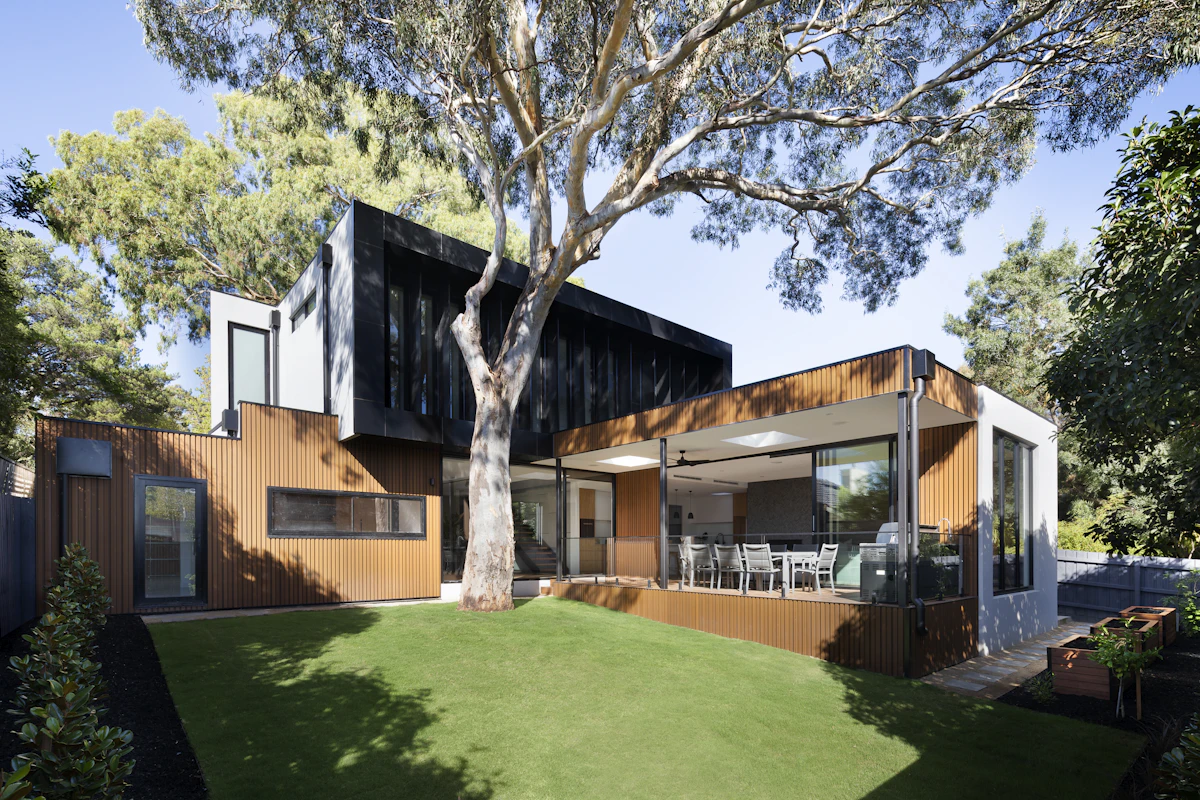
When should you decorate yourself and when should you hire a professional?
DIY is excellent for styling and smaller changes. Professional support becomes more useful when several technical and design decisions need to work together.
- DIY works well: furniture arrangement, paint decisions, curtains, rugs, artwork, plants and accessories.
- Professional guidance helps: complete-home planning, customized storage, modular kitchens, detailed lighting and multiple-room coordination.
- Professional execution is important: electrical, structural, major carpentry, plumbing and other technical work should be handled appropriately.
- Hybrid approach: have the main interior planned professionally and personalize the finished home yourself.
Common DIY decorating mistakes
Always check room dimensions, door access and circulation before purchasing large pieces.
A controlled palette usually creates a more coordinated appearance than adding unrelated colours throughout the home.
Empty space is part of good design. Allow important objects to have room around them.
Even beautiful furniture can look flat when the lighting is poorly positioned or insufficient.
Choose ideas that fit your home, lifestyle, maintenance needs and long-term preferences.
Complete the functional foundation first, then allow the decor to develop gradually.
DIY home decoration for Gurgaon, Noida and Delhi NCR
Home decoration can be handled differently depending on the property, available space, existing furniture and level of transformation required. Interior A to Z currently provides home styling and residential interior solutions across Delhi NCR, including Gurgaon, Noida and Delhi. :contentReference[oaicite:1]{index=1}
Can I decorate my house by myself? — FAQ
Can I decorate my house by myself?
Yes. Many home decoration tasks can be completed yourself, including furniture arrangement, colour selection, curtains, rugs, artwork, plants and accessories. More technical work such as electrical, structural or major construction work requires appropriate professional handling.
How do I start decorating my house myself?
Measure the rooms first, understand how each space will be used, choose a design direction, establish a budget and decide what furniture you already own. Then work from major furniture toward lighting, textiles and accessories.
Can I decorate my home on a low budget?
Yes. Paint, rearranging furniture, lighting, curtains, rugs, mirrors, plants and artwork can create a significant visual improvement without a complete renovation.
How can I make DIY home decor look professional?
Use a controlled colour palette, correctly scaled furniture, good lighting, repeated materials and fewer but more intentional decorative pieces.
What should I decorate first?
Begin with the layout and major furniture. Then establish lighting, curtains and rugs before adding artwork, plants and smaller accessories.
Should I hire an interior designer for my entire house?
It depends on the scope. Professional guidance becomes more useful when the project involves multiple rooms, customized storage, modular kitchens, detailed lighting, major carpentry or execution coordination.
Does Interior A to Z provide home decoration services?
Interior A to Z provides home decoration and residential interior solutions across Delhi NCR, Gurgaon and Noida. The scope can include styling, space planning, furniture, lighting, storage, modular kitchens and turnkey interiors. :contentReference[oaicite:2]{index=2}
More home decor and interior design ideas
Explore related Interior A to Z resources for decorating, styling, budgeting and planning your home.
Make your home personal, practical and beautiful.
Start with the changes you can confidently manage yourself. If your vision grows into a complete interior project, use professional planning to bring the larger pieces together while keeping your personal style at the centre.