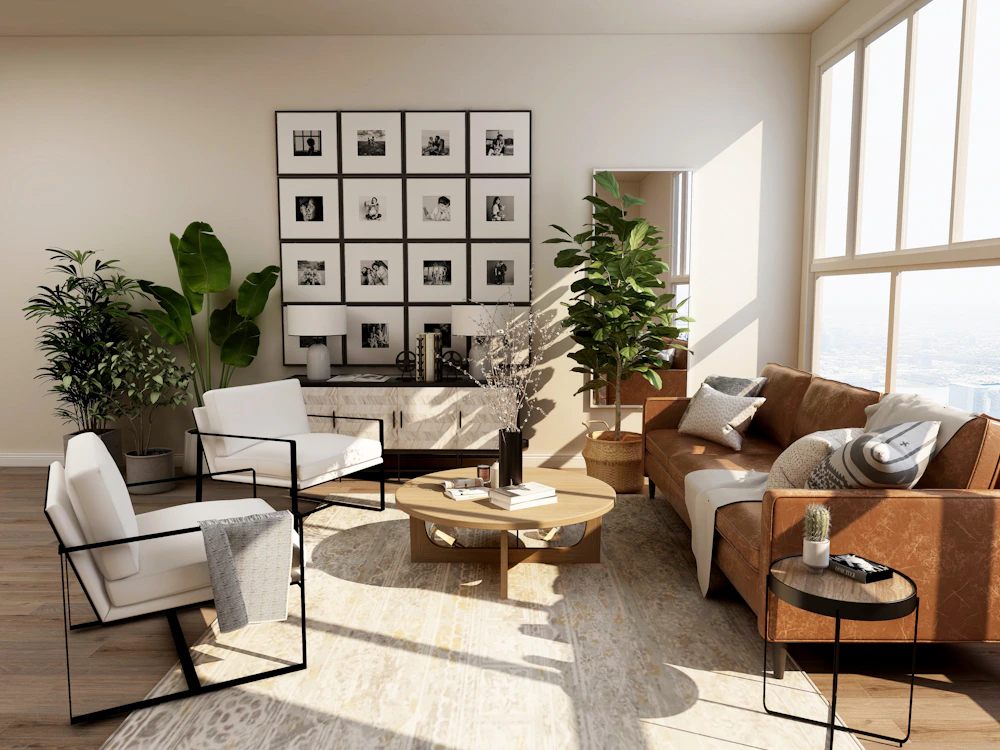
Transforming Spaces: The Art of Flat Interior Design in South Gurgaon
Flat Interior Design in South Gurgaon: 21 Stunning Ideas for Modern Homes
Looking for flat interior design in South Gurgaon? Explore practical and stylish ideas for modern apartments, including living rooms, bedrooms, modular kitchens, wardrobes, storage, lighting and complete home interiors.
Explore Design Ideas Get Interior ConsultationWhat Makes Good Flat Interior Design in South Gurgaon?
Good flat interior design in South Gurgaon combines aesthetic appeal with practical space planning. The interior should respond to the apartment’s floor plan, natural light, storage needs, family lifestyle, maintenance requirements and budget.
For modern Gurgaon apartments, an effective design usually combines functional furniture, customized storage, a well-planned modular kitchen, comfortable bedrooms, layered lighting and a coordinated material palette.
The Art of Flat Interior Design in South Gurgaon
South Gurgaon has developed into an important residential market with modern apartments, high-rise homes and a wide variety of floor plans. Each apartment presents different opportunities for space planning, storage and personalization.
Whether you are moving into a newly purchased apartment or renovating an existing home, the interior should begin with a clear understanding of how the family uses each room.
A professional flat interior designer in South Gurgaon can coordinate space planning, furniture, modular kitchens, wardrobes, lighting, colours, materials and execution into a cohesive design.
21 Flat Interior Design Ideas for South Gurgaon Homes
Use these ideas as a starting point and adapt them to your apartment’s carpet area, floor plan, natural light and lifestyle.
Modern Minimalist Layout
Keep furniture purposeful and reduce unnecessary visual clutter to create a cleaner and more spacious apartment.
Warm Neutral Colours
Warm white, beige, taupe and natural wood tones can create a timeless contemporary interior.
Full-Height Storage
Use the complete wall height for wardrobes and cabinets to increase storage without consuming additional floor area.
Multifunctional Furniture
Storage beds, wall-mounted desks and flexible tables can improve functionality in compact apartment layouts.
Customized Modular Kitchen
Plan kitchen cabinets around cooking habits, appliances, work surfaces and available wall space.
Layered Lighting
Combine ambient, task and accent lighting to improve both functionality and atmosphere.
Natural Wood Finishes
Wood textures can add warmth to contemporary living rooms, bedrooms, kitchens and storage units.
Floating TV Unit
A wall-mounted TV unit can reduce visual heaviness and provide selected storage without occupying excessive floor space.
Accent Wall
Use textured paint, wallpaper, wood-look panels or a controlled colour to create a focal point.
Compact Home Office
Convert an unused corner into a practical workspace with a wall-mounted desk and vertical storage.
Customized Wardrobes
Plan hanging areas, drawers, shelves, accessories and luggage storage according to household requirements.
Open Visual Zoning
Use rugs, furniture placement and lighting to define living and dining zones without unnecessary partitions.
Utility Storage
Dedicated cabinets can organize cleaning supplies, appliances and household equipment.
Soft Bedroom Palette
Neutral colours, upholstered elements and warm lighting can create a comfortable bedroom environment.
Compact Dining Furniture
Choose dining furniture according to actual circulation requirements rather than selecting oversized pieces.
Strategic Mirrors
Well-positioned mirrors can reflect available light and improve the visual sense of openness.
Indoor Plants
Selected plants and natural materials can add freshness and texture to contemporary apartment interiors.
Simple False Ceiling
A restrained ceiling design can accommodate lighting without making the apartment feel visually heavy.
Personalized Décor
Artwork, books, photographs and accessories can give the apartment a more individual character.
Easy-Maintenance Materials
Select finishes based on durability, cleaning requirements and everyday household use.
Consistent Design Language
Repeat selected colours, materials, handles and lighting details to visually connect the different rooms.
Living Room Interior Design Ideas for South Gurgaon Flats
The living room often needs to accommodate seating, entertainment, storage and movement. Furniture proportions should therefore be based on the actual room dimensions.
Choose Proportionate Seating
Avoid oversized sofas in compact living rooms. Maintain comfortable circulation around major furniture.
Design a Functional TV Wall
Combine the television with selected drawers, cabinets or display shelves instead of unnecessarily filling the entire wall.
Add Layered Lighting
Combine ceiling lights with floor lamps, wall lights or accent lighting for different levels of illumination.
Keep the Layout Open
Use furniture placement to define zones while maintaining clear movement through the living area.
Modern Modular Kitchen Ideas for South Gurgaon Apartments
A practical modular kitchen should be designed around cooking habits, storage requirements, appliances, counter space and ease of maintenance.
Tall Pantry Storage
Use vertical cabinets for groceries and appliances that are not used every day.
Deep Drawers
Large drawers provide convenient storage for pots, pans and kitchen equipment.
Under-Cabinet Lighting
Task lighting improves visibility across kitchen work surfaces.
Appliance Planning
Reserve cabinet and electrical space for refrigerators, ovens, microwaves and other appliances before finalizing the kitchen.
Easy-Care Finishes
Select finishes according to the kitchen’s everyday use and cleaning requirements.
Efficient Work Flow
Position major work areas to reduce unnecessary movement during meal preparation.
Bedroom Interior Design Ideas for South Gurgaon Flats
A comfortable bedroom needs a good balance between bed placement, storage, dressing, lighting and circulation.
Upholstered Headboard
An upholstered headboard can add comfort and create a simple focal point.
Full-Height Wardrobe
Use vertical space efficiently for clothing, accessories and luggage.
Compact Dressing Unit
Combine mirror, drawers and suitable lighting in a dedicated dressing area.
Bedside Storage
Keep frequently used items within convenient reach.
Warm Bedroom Lighting
Soft bedside and indirect lighting can create a calmer nighttime environment.
Calm Colour Scheme
Muted neutrals and earthy shades can maintain a visually restful bedroom.
2 BHK Flat Interior Design in South Gurgaon
A 2 BHK apartment benefits from careful space planning because each part of the floor area needs to serve a clear purpose.
Living Room
- Compact sofa
- Functional TV unit
- Concealed storage
- Layered lighting
- Minimal accessories
Master Bedroom
- Full-height wardrobe
- Storage bed
- Compact dressing unit
- Bedside storage
- Warm lighting
Second Bedroom
- Flexible furniture
- Study desk
- Wardrobe
- Guest or children’s use
- Multipurpose storage
Kitchen
- Modular cabinets
- Drawer storage
- Tall units
- Appliance planning
- Task lighting
3 BHK Flat Interior Design in South Gurgaon
A 3 BHK offers more flexibility for customized rooms and dedicated spaces while still requiring a consistent design language.
Master Bedroom
Coordinate the wardrobe, dressing, bedside storage, lighting and bed as one cohesive composition.
Children’s Bedroom
Combine sleeping, studying, storage and flexible activity space.
Guest Bedroom
Use a comfortable and adaptable layout for visitors or family members.
Study Room
Create an ergonomic workspace with suitable task lighting and organized storage.
Living & Dining
Define the two zones with furniture and lighting while maintaining visual continuity.
Entrance Area
Where space permits, add a compact shoe cabinet, mirror and functional console.
Luxury Flat Interior Design in South Gurgaon
Luxury interiors are usually defined by customization, material quality, detailing and execution rather than simply adding more decorative elements.
Customized Furniture
Bespoke furniture can be designed around the exact dimensions and requirements of the apartment.
Premium Wall Treatments
Selected wood, stone, textured or decorative finishes can create focal points.
Detailed Lighting Plan
Layered lighting can highlight architectural features and improve ambience.
Designer Wardrobes
Customized internal layouts can make premium wardrobes both attractive and practical.
Statement Furniture
A carefully selected sofa, dining table or accent chair can define a room.
Material Coordination
Repeating selected materials throughout the apartment creates visual consistency.
How to Make a Small Flat in South Gurgaon Look Bigger
Smart space planning is especially important in compact apartments. A few carefully considered decisions can improve the visual openness and functionality of the home.
Use Light Colours
Warm whites, beige and soft neutrals can make rooms appear brighter.
Use Mirrors Strategically
Position mirrors where they can reflect useful light and views.
Scale Furniture Correctly
Select furniture according to the actual room dimensions.
Build Vertical Storage
Full-height wardrobes and cabinets make better use of vertical space.
Reduce Surface Clutter
Keep counters and furniture surfaces organized and selectively decorated.
Choose Multifunctional Furniture
Use furniture that combines storage, seating or workspace where appropriate.
Best Colour Combinations for South Gurgaon Flat Interiors
A coordinated palette can connect rooms and create a more complete, intentional interior.
Warm White + Wood
A versatile combination for modern living rooms, bedrooms and kitchens.
Beige + Taupe
A soft neutral palette suitable for sophisticated contemporary interiors.
White + Charcoal
A modern combination when darker accents are used selectively.
Muted Green + Wood
Introduces a subtle natural character to the apartment.
Sand + Terracotta
Warm earthy shades can make minimalist interiors feel more welcoming.
Neutral + Dark Accent
A controlled dark accent can add depth without overwhelming the room.
Smart Storage Ideas for South Gurgaon Apartments
Storage should be considered at the beginning of the interior design process rather than added after the main furniture has been selected.
Floor-to-Ceiling Wardrobes
Use full wall height for clothes, accessories and luggage.
Storage Beds
Useful for bedding, seasonal clothing and less frequently used items.
Utility Cabinets
Keep cleaning products and household equipment organized.
Entryway Shoe Storage
Create a dedicated storage point near the entrance.
Overhead Kitchen Cabinets
Use vertical kitchen space for less frequently used items.
Floating Shelves
Add selected display and storage without making walls feel heavy.
Flat Interior Design Cost in South Gurgaon
The cost of flat interior design in South Gurgaon depends on apartment size, carpet area, scope of work, materials, furniture, modular kitchen requirements, wardrobes, lighting, false ceiling, electrical work and customization.
Rather than relying on a single price per square foot, homeowners should request a detailed scope of work and BOQ. The final budget can then be compared according to materials, quantities, hardware, furniture, installation and other project components.
| Interior Level | Typical Scope | Main Cost Factors |
|---|---|---|
| Essential | Basic modular kitchen, wardrobes, essential furniture and lighting | Standard finishes and limited customization |
| Mid-Range | Customized storage, furniture, improved finishes and lighting | Better hardware and additional detailing |
| Premium | Complete apartment interiors with greater customization | Higher-grade materials and more extensive execution |
| Luxury | Highly customized turnkey interiors | Bespoke furniture, premium finishes and detailed execution |
How to Choose a Flat Interior Designer in South Gurgaon
The right designer should understand apartment layouts, space optimization, materials, storage planning and the practical needs of everyday residential living.
Review Residential Portfolios
Look for completed apartment projects similar to your home’s size and requirements.
Check Relevant Experience
Ask about experience with 2 BHK, 3 BHK and larger Gurgaon apartments.
Request a Detailed BOQ
A detailed bill of quantities makes materials and project pricing easier to understand.
Clarify the Scope
Confirm what is included in design, manufacturing, installation and handover.
Discuss the Timeline
Clarify design approvals, manufacturing, installation and expected completion.
Ask About Warranty
Understand warranty coverage and the process for resolving post-handover issues.
Flat Interior Design Process in South Gurgaon
A structured process helps keep design decisions, budget and execution organized from initial consultation through handover.
Consultation
Discuss lifestyle, design preferences, requirements and approximate budget.
Site Measurement
Measure rooms and assess existing architectural and service conditions.
Space Planning
Plan furniture, storage, circulation and room functionality.
3D Design
Visualize furniture, colours, materials and lighting before execution.
Quotation & BOQ
Finalize scope, materials, quantities and commercial terms.
Manufacturing
Approved modular and customized components move into production.
Installation
Coordinate furniture, electrical, lighting, painting and finishing work.
Handover
Complete final inspection and agreed corrections before handover.
Flat Interior Design Services in South Gurgaon and Nearby Areas
A local apartment interior project should consider the actual floor plan, building conditions, access requirements, homeowner lifestyle and preferred design style.
South Gurgaon
Modern apartment interiors focused on practical space planning, storage and contemporary aesthetics.
Golf Course Road
Contemporary and premium apartment interiors with customized furniture and detailed space planning.
Golf Course Extension Road
Modern residential interiors for apartments and high-rise homes.
Sohna Road
Functional home interiors combining storage, furniture planning and modern styling.
New Gurgaon
Practical apartment interiors for contemporary residential layouts.
Delhi NCR
Residential interior solutions across Gurgaon, Delhi, Noida and surrounding NCR locations.
8 Flat Interior Design Mistakes to Avoid
1. Buying Furniture Before Measuring
Always check dimensions and circulation before buying major furniture.
2. Ignoring Storage
Insufficient storage can make an otherwise attractive apartment feel cluttered.
3. Selecting Materials Only by Price
Durability, specifications and hardware should be considered alongside cost.
4. Overusing Decorative Elements
Too many panels, textures and colours can make a compact apartment visually busy.
5. Planning Lighting Too Late
Lighting should be coordinated with electrical and ceiling planning.
6. Skipping the BOQ
A detailed BOQ helps clarify project scope, quantities and pricing.
7. Ignoring Maintenance
Choose materials according to everyday use and cleaning requirements.
8. Designing Only for Appearance
An apartment should be comfortable and functional for everyday living, not simply attractive in photographs.
Explore More Flat Interior Design Resources
Continue exploring related Interior A to Z resources covering apartment interiors, Gurgaon, Delhi NCR, Noida and interior design costs.
Top Flat Interior Designers in Gurgaon
A guide to selecting a residential interior designer for Gurgaon apartments.
Flat Interior Design Costs in Gurgaon
Understand the major factors that influence apartment interior budgets in Gurgaon.
How Much Does It Cost to Design a Flat in Gurgaon?
Explore the main cost components involved in designing a Gurgaon apartment.
3 BHK Flat Interior Design Tips in Gurgaon
Practical planning ideas for living rooms, bedrooms, kitchens and storage.
Residential Interior Design in Gurgaon
Explore professional residential interior design approaches for Gurgaon homes.
Interior Design Tips for Homes and Flats in Gurgaon
Useful ideas for improving comfort, functionality and visual appeal.
Flat Interior Designers in Delhi NCR
Learn what to consider when choosing an apartment interior designer across NCR.
Flat Interior Design Cost in Delhi NCR
Understand the major factors affecting apartment interior budgets across NCR.
Flat Interior Design Trends in Noida
Explore modern apartment design ideas relevant to Noida and Delhi NCR.
Flat Interior Design in South Gurgaon FAQs
What is the best flat interior design style for homes in South Gurgaon?
Modern, contemporary and minimalist interiors are popular choices for South Gurgaon apartments because they combine clean aesthetics, practical storage, comfortable furniture and efficient use of space.
How much does flat interior design cost in South Gurgaon?
The cost depends on apartment size, scope, materials, furniture, modular kitchen requirements, wardrobes, lighting, false ceiling, electrical work and customization. A detailed project quotation is more accurate than a universal fixed price.
What are the best interior design ideas for a 2 BHK flat in South Gurgaon?
Popular solutions include multifunctional furniture, full-height wardrobes, a compact modular kitchen, a functional TV unit, efficient storage, layered lighting and a coordinated colour palette.
What are good interior design ideas for a 3 BHK flat in South Gurgaon?
A 3 BHK can accommodate customized living and dining areas, a modular kitchen, master bedroom, children’s or guest bedrooms, study space, wardrobes and detailed lighting and storage.
How do I choose a flat interior designer in South Gurgaon?
Review residential portfolios, request a detailed scope and BOQ, compare material specifications, understand the execution process, confirm the timeline and discuss warranty and after-sales support.
How can I make a small apartment in South Gurgaon look bigger?
Use appropriately scaled furniture, light colours, vertical storage, selected mirrors, uncluttered surfaces, multifunctional furniture and consistent materials.
Does Interior A to Z provide interior design services in Gurgaon?
Interior A to Z provides residential interior design services across Delhi NCR, including Gurgaon, with solutions such as home interiors, modular kitchens, wardrobes, space planning, 3D design and turnkey execution.
Create a Modern Flat Interior in South Gurgaon
Whether you own a 2 BHK, 3 BHK or larger apartment, professional space planning can improve storage, comfort, functionality and the overall appearance of your home.
WhatsApp Consultation Call +91 9891050117Flat Interior Designer in South Gurgaon
Discuss your apartment layout, preferred style, storage requirements, materials and execution requirements with the Interior A to Z team.
M/s Interior A to Z and Construction Firm
53, Ground Floor, Khasra No: 308, A-1147, Block A1, Chhatarpur, New Delhi, Delhi 110074
Phone: +91-9891050117
Email: info@interioratoz.com
Service Areas: South Gurgaon, Gurgaon, Golf Course Road, Golf Course Extension Road, Sohna Road, New Gurgaon, Delhi, Noida and Delhi NCR.
Services: Flat interiors, apartment interiors, modular kitchens, wardrobes, bedroom interiors, living room interiors, renovation and turnkey home interiors.
Understanding Flat Interior Design
Flat interior design is an art that combines aesthetics with functionality to create living spaces that reflect personal style while ensuring comfort and usability. In regions like South Gurgaon, where urban living is prevalent, effective design can transform even the smallest spaces into a warm and inviting atmosphere.
Key Trends in South Gurgaon Interior Design
In South Gurgaon, contemporary interior design trends often emphasize minimalism, open spaces, and neutral color palettes, allowing for a spacious feel within flats. Homeowners are increasingly opting for multi-functional furniture pieces that maximize space efficiency. Additionally, the integration of smart technology in homes is becoming more popular, incorporating innovative designs that cater to modern lifestyles.
Choosing the Right Interior Designer
Finding a skilled flat interior designer in South Gurgaon is crucial for achieving the desired look and functionality of your home. When selecting a designer, consider their portfolio and experience in creating spaces that complement both urban living and individual preferences. A good designer will not only understand aesthetics but also the practicalities of space utilization and flow.
Transforming Spaces: The Art of Flat Interior Design in South Gurgaon Read More »