Modern Interior Design Guide
What Are Modern Interiors?
Modern interiors are spaces built around simplicity, functionality, clean lines, purposeful furniture, balanced proportions and carefully selected materials, colours and lighting. The goal is not an empty room, but a practical interior where each element has a clear purpose.
A modern interior is a thoughtfully planned indoor space that combines function, simplicity and visual clarity. It generally uses clean geometry, practical furniture, restrained decoration, coordinated materials and lighting rather than heavy ornamentation.
Definition
What is modern interior design?
Modern interior design is associated with the modernist design movement and its emphasis on function, simplicity and rational use of space. In today’s homes, the term is commonly used for interiors with clean forms, uncluttered layouts and practical materials.
Function comes first
Furniture, storage and circulation are planned around how people actually use the room. Decoration supports the space rather than becoming the main purpose.
Visual simplicity
Modern interiors generally avoid unnecessary ornamentation. Clean surfaces, controlled details and purposeful furniture create visual clarity.
Material balance
Wood, stone, glass, metal, laminate, fabric and other materials can be combined to create contrast while maintaining a coherent overall design.
Light and proportion
Natural light, artificial lighting, furniture scale and room proportions play an important role in making a modern interior feel comfortable rather than sterile.
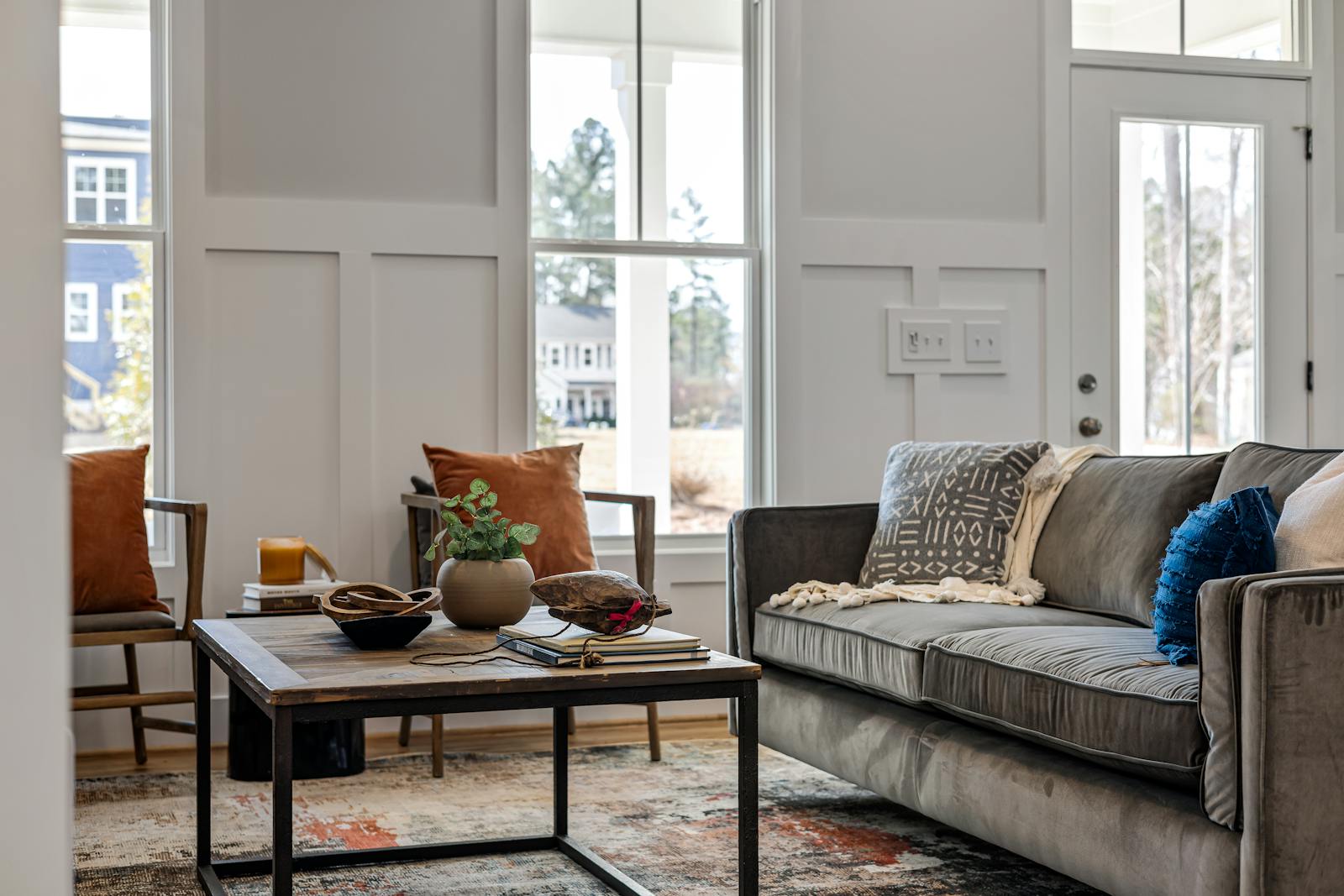
Key Characteristics
10 important features of modern interiors
Modern interiors can look very different from one home to another, but several characteristics commonly appear across the style.
1. Clean Lines
Straight or deliberately controlled forms help create a clear architectural and furniture language.
2. Functional Furniture
Furniture is selected for comfort, scale and usefulness rather than decoration alone.
3. Uncluttered Layouts
Open circulation and fewer unnecessary objects help the room feel organized and visually calm.
4. Restrained Colours
Neutrals such as white, beige, grey, taupe and natural wood often provide the foundation for the palette.
5. Natural Materials
Wood, stone, glass and other tactile materials can add warmth and contrast to simple forms.
6. Integrated Storage
Built-in wardrobes, cabinets and concealed storage help maintain clean visual lines.
7. Layered Lighting
Ambient, task and accent lighting can work together instead of relying on a single ceiling light.
8. Geometric Forms
Furniture, partitions, cabinetry and decorative elements often use simple geometric shapes.
9. Purposeful Décor
Artwork, plants and accessories are selected selectively so they complement rather than overwhelm the room.
10. Practical Finishes
Materials should be selected not only for appearance but also for durability, maintenance and the intended use of the room.
Materials & Colours
How to create a modern material palette
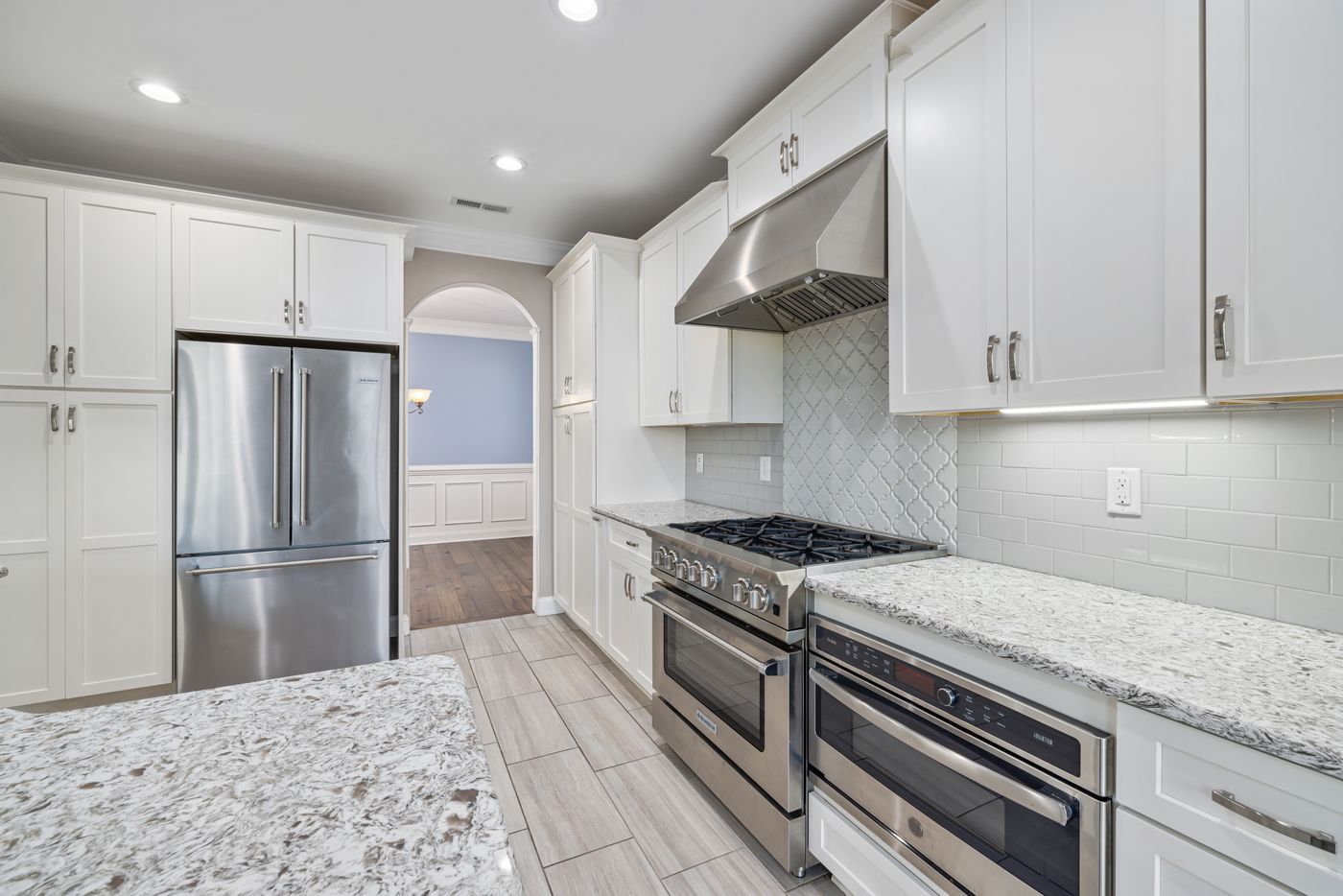
Modern interiors work best when the materials and colours have a clear relationship. A restrained palette can then be given depth through texture, lighting and carefully selected accents.
- Warm white and off-white surfaces
- Beige, taupe and soft grey
- Natural or engineered wood
- Stone and marble surfaces
- Glass and metal accents
- Matte or subtle textured finishes
- Black or darker accents for contrast
- Soft textiles for warmth and comfort
Important Difference
Modern vs contemporary interiors
The two terms are often used interchangeably in everyday conversation, but they describe different design ideas.
| Aspect | Modern | Contemporary |
|---|---|---|
| Meaning | Associated with modernist design principles and a defined design tradition. | Generally refers to what is current or developing in design. |
| Forms | Often clean, geometric and visually restrained. | Can change with current preferences and may mix different forms. |
| Materials | Often combines natural and manufactured materials with functional intent. | May use currently popular materials, finishes and combinations. |
| Design direction | Based on an established modernist vocabulary. | More flexible and responsive to present-day design trends. |
Read more about major interior design styles and how they differ.
Room-by-Room Ideas
Modern interior ideas for every room
A modern style should be adapted to the function of each room rather than applied as the same visual formula throughout the home.
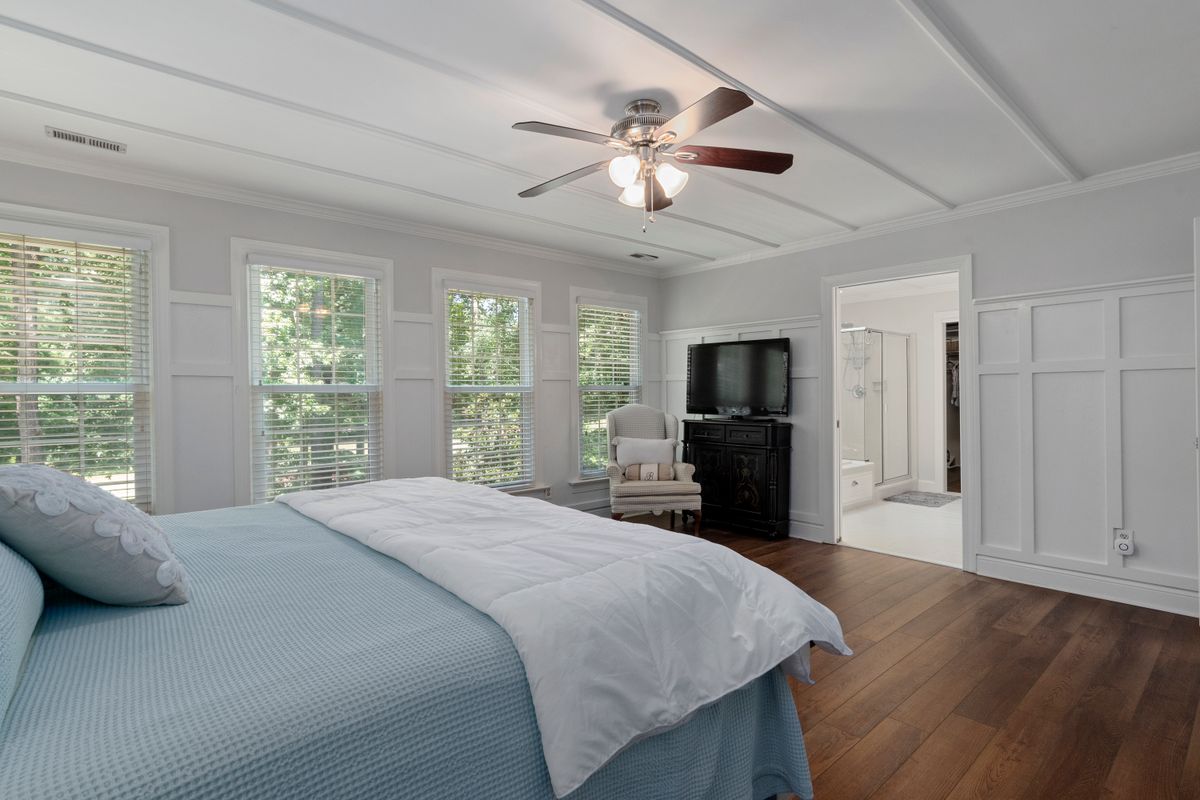
Modern Bedroom
Use a simple bed design, integrated wardrobes, warm lighting, restrained colours and comfortable textiles. Storage should support the clean appearance.
Modern Living Room
Focus on comfortable furniture, clear circulation, layered lighting, a controlled media wall, subtle artwork and a balanced combination of wood, fabric and hard surfaces.
The objective is an organized room that feels comfortable rather than overly decorated.
Modern Modular Kitchen
Flat-front cabinetry, integrated storage, practical work zones, durable countertops and coordinated lighting can create a modern kitchen without unnecessary visual clutter.
Explore modular kitchen design for more ideas.
Modern Dining Area
A clean dining table, appropriately scaled chairs, pendant lighting and a simple feature wall can define the dining zone without making the space feel crowded.
Modern Bathroom
Large-format surfaces, floating storage, simple sanitaryware, controlled lighting and coordinated hardware can create a clean modern bathroom.
Modern Home Office
Combine a practical workstation with good lighting, cable management, storage and acoustic comfort while keeping the visual design simple.
Design Principles
How to make a modern interior look premium
Premium modern interiors are usually created through proportion, material quality, lighting and restraint rather than simply adding expensive decorative elements.
Use fewer, better elements
Avoid filling every wall or surface. Give important furniture, artwork and architectural features enough visual space.
Mix textures
Combine smooth cabinetry with wood, stone, fabric or textured surfaces to prevent a neutral room from feeling flat.
Layer the lighting
Combine general illumination with task and accent lighting to create different levels of atmosphere.
Prioritize proportion
Furniture that is too large or too small can weaken an otherwise carefully designed room.
Hide visual clutter
Integrated storage, cable management and planned organization support the clean character of modern interiors.
Add personal character
Artwork, books, plants, textiles and meaningful objects can keep a modern home from feeling generic.
Indian Homes
Modern interiors for Indian homes
Modern design can be adapted to Indian homes rather than copied from international interiors. Practical storage, family routines, climate, maintenance, cooking habits and personal taste should influence the design.
Modern + Warm
Combine clean furniture with natural wood, warm neutrals, textured fabrics and soft lighting for a more welcoming home.
Modern + Indian
Add Indian artwork, textiles, handcrafted objects, brass accents or traditional details without abandoning a clean modern base.
Modern + Practical
Prioritize storage, durable finishes, easy maintenance and furniture suited to the actual needs of the household.
Delhi NCR
Modern interiors in Delhi, Gurgaon and Noida
Modern interior design is particularly adaptable to apartments, builder floors, villas and urban homes where space planning, storage and clean visual organization are important.
Delhi NCR Homes
Modern layouts can combine practical storage, comfortable furniture, lighting and a restrained material palette.
Home interior design in Delhi NCR →Gurgaon Homes
Apartments and larger residences can use modern planning to balance open areas, storage, furniture scale and premium finishes.
Interior design in Gurgaon →Noida Homes
Modern design can be adapted to compact apartments as well as larger residential properties through efficient layouts and storage.
Interior designers in Noida →Avoid These Mistakes
Common mistakes in modern interior design
- Using too many unrelated colours
- Buying furniture before planning the room
- Ignoring furniture scale and proportions
- Using only one type of lighting
- Creating storage without considering access
- Making every surface the same material
- Removing too much personality in the name of minimalism
- Following trends without considering long-term use
- Ignoring electrical and lighting planning
- Prioritizing appearance over everyday functionality
Related Guides
Explore more modern interior design resources
FAQ
Frequently asked questions about modern interiors
What are modern interiors?
Modern interiors are indoor spaces designed around simplicity, function, clean lines, purposeful furniture, restrained decoration, practical layouts and carefully selected materials and lighting.
What are the main features of modern interior design?
Common features include clean lines, functional furniture, uncluttered layouts, restrained colour palettes, natural and manufactured materials, purposeful lighting, integrated storage and visual simplicity.
What colours are used in modern interiors?
Modern interiors commonly use restrained colours such as white, beige, grey, black, taupe and natural wood tones. Accent colours can be introduced through artwork, furniture, textiles or accessories.
What materials are commonly used in modern interiors?
Common materials include wood, stone, glass, metal, laminates, fabrics and other finishes selected according to function, appearance, maintenance requirements and project scope.
Are modern and contemporary interiors the same?
No. Modern design refers to a design tradition associated with modernist principles and clean, functional forms. Contemporary design refers more broadly to what is current and can change as design preferences evolve.
Are modern interiors suitable for small apartments?
Yes. Modern interiors can work well in smaller homes when layouts, furniture sizes, storage, lighting and circulation are planned carefully. The style itself does not automatically make a room larger.
Can modern interiors be used in Indian homes?
Yes. Modern interiors can be adapted to Indian homes through practical storage, modular kitchens, natural materials, layered lighting, Indian artwork, textiles, wood finishes and other elements suited to the household.
Modern Interior Design
Planning a modern interior for your home?
Explore residential interior design, modular kitchens, complete home interiors and turnkey solutions from Interior A to Z across Delhi NCR, Gurgaon and Noida.