Unveiling Transparency: Decoding Local Interior Designer Pricing
Understand what actually influences an interior designer’s price, how local quotations are structured, what different per-square-foot ranges can mean, and how to compare proposals without comparing incomplete numbers.
The number alone is not the quotation
A transparent interior quotation starts with a clearly defined scope, not simply a price per square foot.
Local interior designer pricing can vary substantially because every property has a different combination of rooms, measurements, materials, storage, furniture, lighting, electrical work and execution requirements.
Current Interior A to Z pricing guides use broad planning ranges rather than one universal rate. Basic, mid-range, premium and luxury interiors can differ significantly depending on the approved specifications and scope. :contentReference[oaicite:1]{index=1}
- Define exactly which rooms are included
- Confirm the measurement basis
- Specify materials and hardware
- Separate design from execution where necessary
- Document inclusions and exclusions
- Compare complete quotations on a like-for-like basis

Understand the pricing level before comparing firms
These figures are useful for early budgeting. They are not fixed quotations because actual project scope and specification can vary.
Basic / Functional
₹800–₹1,500+ Approx. planning range / sq ftStandard finishes, essential modular work, basic storage and functional lighting.
Balanced Interior
₹1,500–₹3,000+ Approx. planning range / sq ftBetter materials, customized storage, improved hardware and more detailed lighting.
Premium / Bespoke
₹3,000–₹5,000+ Approx. planning range / sq ftHigher-grade finishes, custom furniture, detailed lighting and greater design customization.
Planning ranges vary across Interior A to Z guides because scope, specification and project type differ. Current Gurgaon and Delhi guides explicitly describe their figures as planning references, not fixed quotations. :contentReference[oaicite:2]{index=2}
Interior designer pricing is made up of several layers
A complete project budget may contain design, materials, furniture, fabrication, installation, project management and other execution requirements.
Design & Planning
Space planning, concepts, layouts, material direction, drawings and design development.
Modular Work
Kitchen cabinets, wardrobes, storage units and other modular furniture.
Custom Furniture
Beds, TV units, study units, consoles, seating and other furniture designed specifically for the space.
Materials
Plywood, laminates, veneers, acrylic, glass, stone, hardware, finishes and other specified materials.
Lighting & Electrical
Additional electrical points, wiring, fixtures, profiles, decorative lighting and layered illumination.
Execution
Fabrication, delivery, installation, site coordination and finishing according to the project scope.
Start with the area, then add the actual scope
Per-square-foot pricing can help create an initial budget, but the final quotation should be built from the actual requirements.
For example, a 1,000 sq ft property at a ₹1,500 planning rate gives a starting reference of approximately ₹15 lakh. The actual project amount can change depending on rooms, materials, furniture, hardware, taxes, civil work and execution scope.
Area
Confirm whether the rate is based on carpet area, built-up area or another measurement method.
Scope
Confirm whether the rate covers kitchen, wardrobes, furniture, ceiling, lighting, electrical and installation.
Specification
Check plywood, laminate, hardware, finish, brand and product specifications before comparing the price.
Good pricing begins with good planning
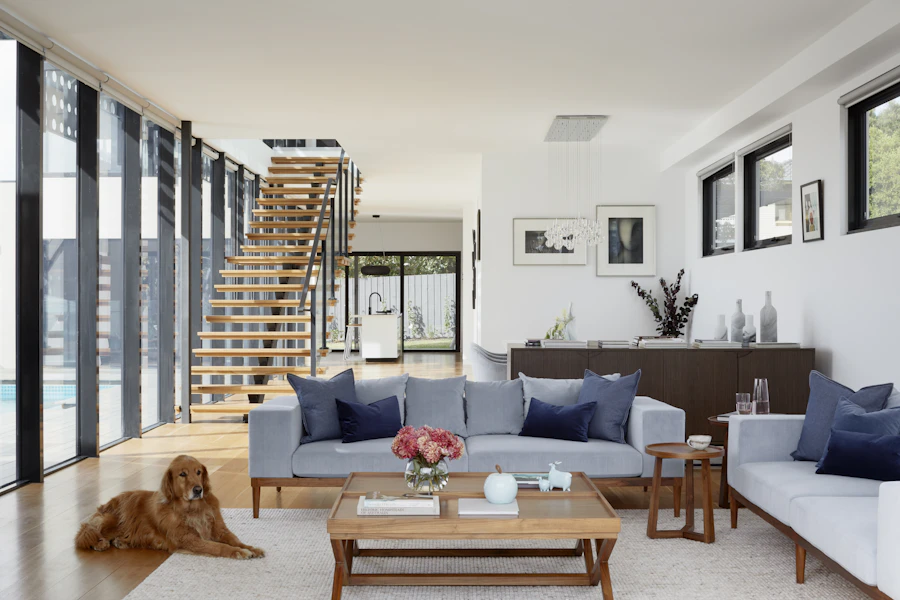
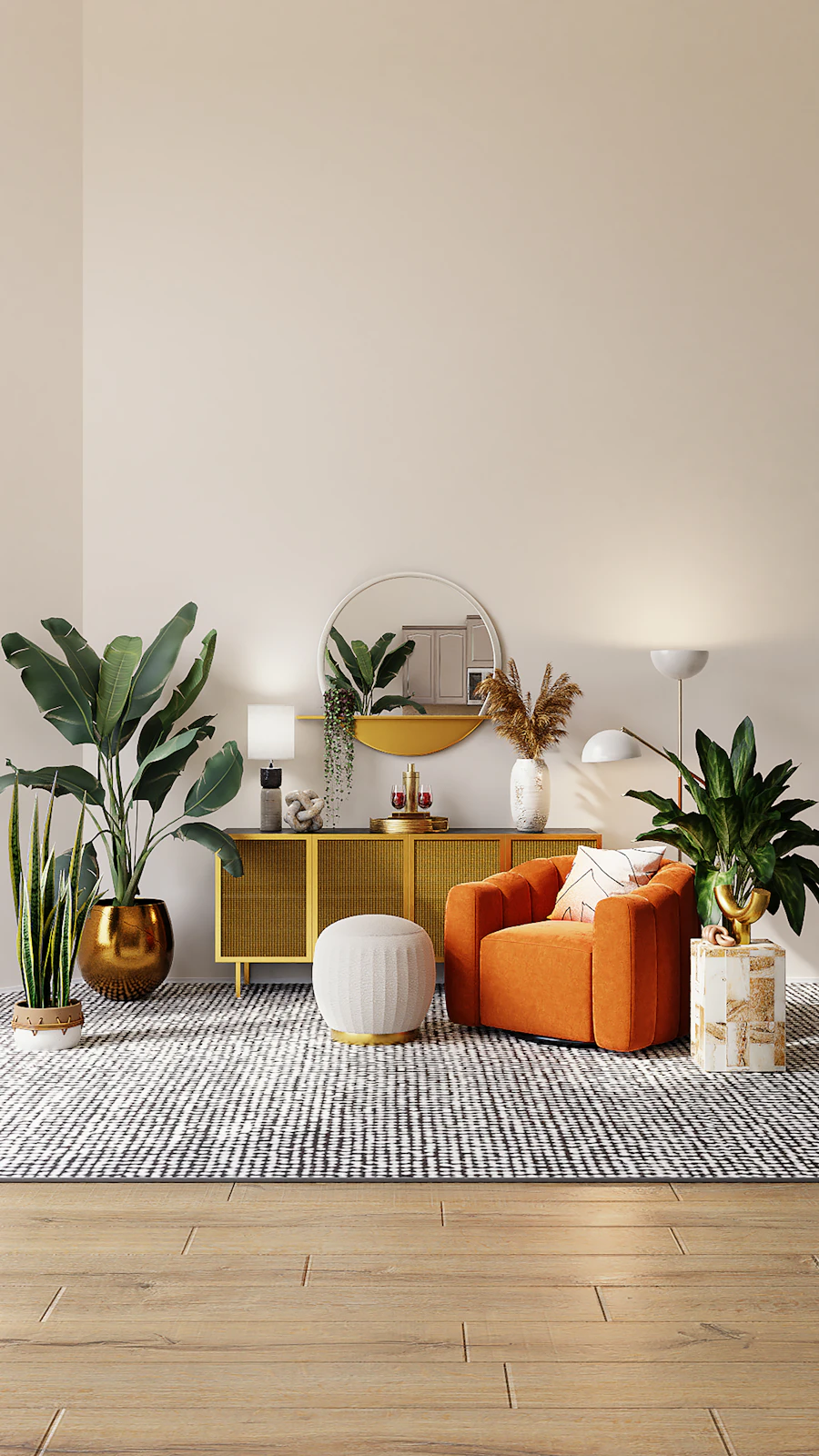
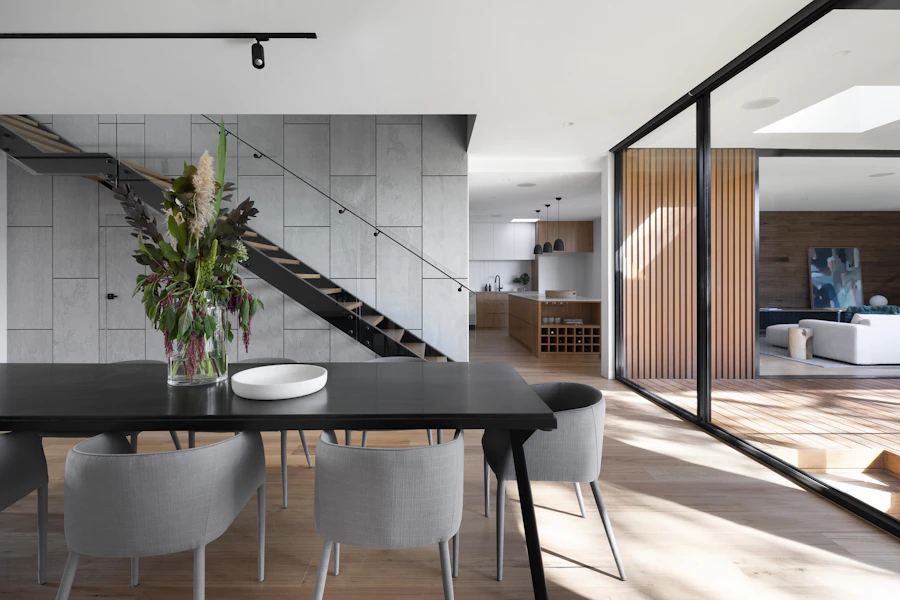
A transparent design process helps connect the visual concept, functional requirements and available investment.


What actually changes your local interior designer price?
The same apartment can have very different quotations because interior pricing is driven by specification as much as area.
Property Size
More area generally means more materials, furniture and execution.
Number of Rooms
Bedrooms, studies, utility areas and additional rooms expand scope.
Kitchen Size
Layout, shutters, hardware, accessories and countertop affect cost.
Wardrobe Quantity
Number, height, accessories and finish influence wardrobe pricing.
Material Quality
Plywood, laminate, veneer, acrylic, glass and stone have different costs.
Hardware
Drawer systems, hinges, lifts and accessories can change the budget.
Custom Furniture
Bespoke pieces generally require more fabrication and finishing.
False Ceiling
Ceiling design, profiles, materials and installation affect costs.
Lighting
Fixtures, profiles, decorative lighting and electrical points vary.
Electrical Work
New points, wiring, switches and modifications can expand scope.
Civil Work
Partitions, flooring, plumbing and structural changes add work.
Furniture
Loose furniture may be separate from fixed interior work.
Décor
Curtains, artwork, accessories and styling can form another layer.
Automation
Smart lighting, controls and home automation increase specification.
Site Conditions
Access, building rules, measurements and logistics can affect execution.
Timeline
Compressed schedules can require additional coordination and resources.
Turnkey Scope
Complete execution costs more than a design-only engagement because more services are included.
What can 2BHK and 3BHK interior pricing look like?
BHK budgets are useful only when the included scope is clear.
Kitchen, wardrobes, living space and bedroom requirements can be planned according to the available investment.
Current Interior A to Z guides use this as a starting planning range for certain 2026 scopes. Premium specifications can be higher.
Additional bedrooms, wardrobes, furniture and execution can materially increase the project scope.
Larger residences can require more custom furniture, storage, premium finishes and architectural detailing.
*Planning references only. Current Interior A to Z guides note that final pricing depends on materials, customization, room list, furniture, execution and approved specifications. :contentReference[oaicite:3]{index=3}
The cheapest quotation is not automatically the lowest project cost.
A lower headline rate can exclude important items such as hardware, electrical work, installation, furniture, taxes or certain material specifications. Compare quotations only after normalizing the scope.
View Interior Work Rates10 questions to ask before approving a quotation
A detailed quotation should make it easy to understand exactly what you are paying for.
| Check | Question to Ask | Why It Matters |
|---|---|---|
| 01. Area | What measurement has been used? | Different area calculations can produce very different totals. |
| 02. Rooms | Which rooms are included? | A full-home quote and partial-home quote cannot be compared directly. |
| 03. Materials | Which exact materials and brands are specified? | Material quality has a direct impact on price and durability. |
| 04. Hardware | Which hinges, channels and accessories are included? | Hardware can materially change the cost of kitchens and wardrobes. |
| 05. Furniture | Is loose furniture included? | Furniture can represent a substantial separate budget. |
| 06. Electrical | Are additional points, wiring and fixtures included? | Electrical exclusions can create unexpected project costs. |
| 07. Civil Work | Are flooring, plumbing, partitions or wall changes included? | Civil work can expand the scope considerably. |
| 08. Installation | Is fabrication, delivery and installation included? | A quote should clearly identify who handles execution. |
| 09. Taxes | Are taxes included or additional? | Compare final payable amounts on the same basis. |
| 10. Exclusions | What is specifically excluded? | Clear exclusions prevent misunderstandings later. |
Design fee, project cost and turnkey pricing are different things
One of the most common sources of confusion is treating the designer’s fee and the complete interior project budget as the same number.
Design-Only
May cover consultation, layouts, concepts, drawings, material selection and design development without complete execution.
Design + Selected Work
Combines design with selected furniture, modular work, materials or other defined execution components.
Turnkey
Can combine design, procurement, fabrication, coordination, installation and handover according to the approved scope.
Where should your interior budget go?
Room-wise budgeting makes it easier to decide where premium specifications provide meaningful value.
Kitchen
Cabinets, shutters, hardware, countertop, accessories, backsplash, appliances and lighting all contribute to the final cost.
Wardrobes
Quantity, dimensions, internal accessories, shutters, hardware and finish are key pricing variables.
Living Room
TV units, storage, furniture, wall treatments, lighting and décor can be separated into essential and upgrade layers.
Bedrooms
Beds, wardrobes, side tables, study units, lighting and storage should be planned together.
False Ceiling
Ceiling materials, profiles, lighting integration and design complexity can influence the overall project budget.
Lighting
Ambient, task and accent lighting can be combined to create a practical and visually balanced interior.
From first discussion to a clear project budget
Share Property Details
Provide the location, floor plan or measurements, BHK and photographs where available.
Define Requirements
Identify rooms, kitchen, wardrobes, furniture, lighting, electrical and renovation requirements.
Select Finish Level
Establish whether the project is essential, mid-range, premium or highly customized.
Prepare Scope
Convert the requirements into a room-wise and item-wise project scope.
Review Materials
Confirm materials, hardware, finishes, brands and specifications before final pricing.
Approve the Proposal
Finalize inclusions, exclusions, taxes, milestones and execution responsibilities before work begins.
Explore more Interior A to Z pricing resources
Interior Design Cost in Gurgaon 2026
Compare 2BHK, 3BHK and 4BHK planning ranges and understand the major cost drivers.
Interior Design Cost in Delhi
Explore Delhi interior pricing, BHK budgets and cost factors.
Interior Price List 2026
Review broad interior pricing references for Delhi, Gurgaon, Noida and other NCR locations.
Interior Work Rate List
Explore indicative work rates for painting, flooring, kitchens, wardrobes, ceilings and other categories.
Estimating Interior Design Costs
Learn how to build a realistic interior budget before requesting quotations.
Interior Design Services
Explore residential, commercial, modular and turnkey services.
Local Interior Designer Pricing — FAQ
How much does a local interior designer charge?
There is no single local interior designer fee. Pricing depends on property size, design scope, materials, customization, furniture, execution and location. Projects may be priced by scope, project value or per-square-foot planning references.
What is the interior design cost per square foot in Delhi NCR?
Current Interior A to Z planning guides show broad residential ranges depending on specification. Basic or essential interiors can start around ₹800–₹1,500 per sq ft, while premium and luxury specifications can be substantially higher. These are planning references rather than fixed quotations.
How much does a 2BHK interior cost?
A 2BHK interior budget depends on the rooms included, kitchen, wardrobes, furniture, lighting, ceiling, materials and execution scope. Current Interior A to Z guides use planning ranges that can begin around ₹5–₹12 lakh or more depending on specification.
How much does a 3BHK interior cost?
A 3BHK interior can vary significantly according to room count, wardrobes, kitchen, furniture, materials and execution. Current Interior A to Z planning references include approximately ₹8–₹20 lakh or more for different scopes, with premium specifications extending higher.
What is normally included in an interior designer quotation?
A quotation may include design, modular kitchen, wardrobes, furniture, ceiling, lighting, electrical work, materials, installation and project management depending on the approved scope. Inclusions and exclusions should always be documented.
Should I compare interior designers by per-square-foot price?
Per-square-foot pricing is useful for initial planning, but quotations should be compared using the same room list, material specifications, quantities, hardware, furniture, taxes, installation and exclusions.
How can I get an accurate local interior design estimate?
An accurate estimate requires the property size, floor plan or measurements, room requirements, preferred materials, storage requirements, furniture needs and execution scope. An itemized proposal is more useful than a single headline rate.
Know your scope before you commit to a quotation.
Share your BHK, approximate area, location, rooms required and preferred finish level with Interior A to Z to discuss the likely project scope.