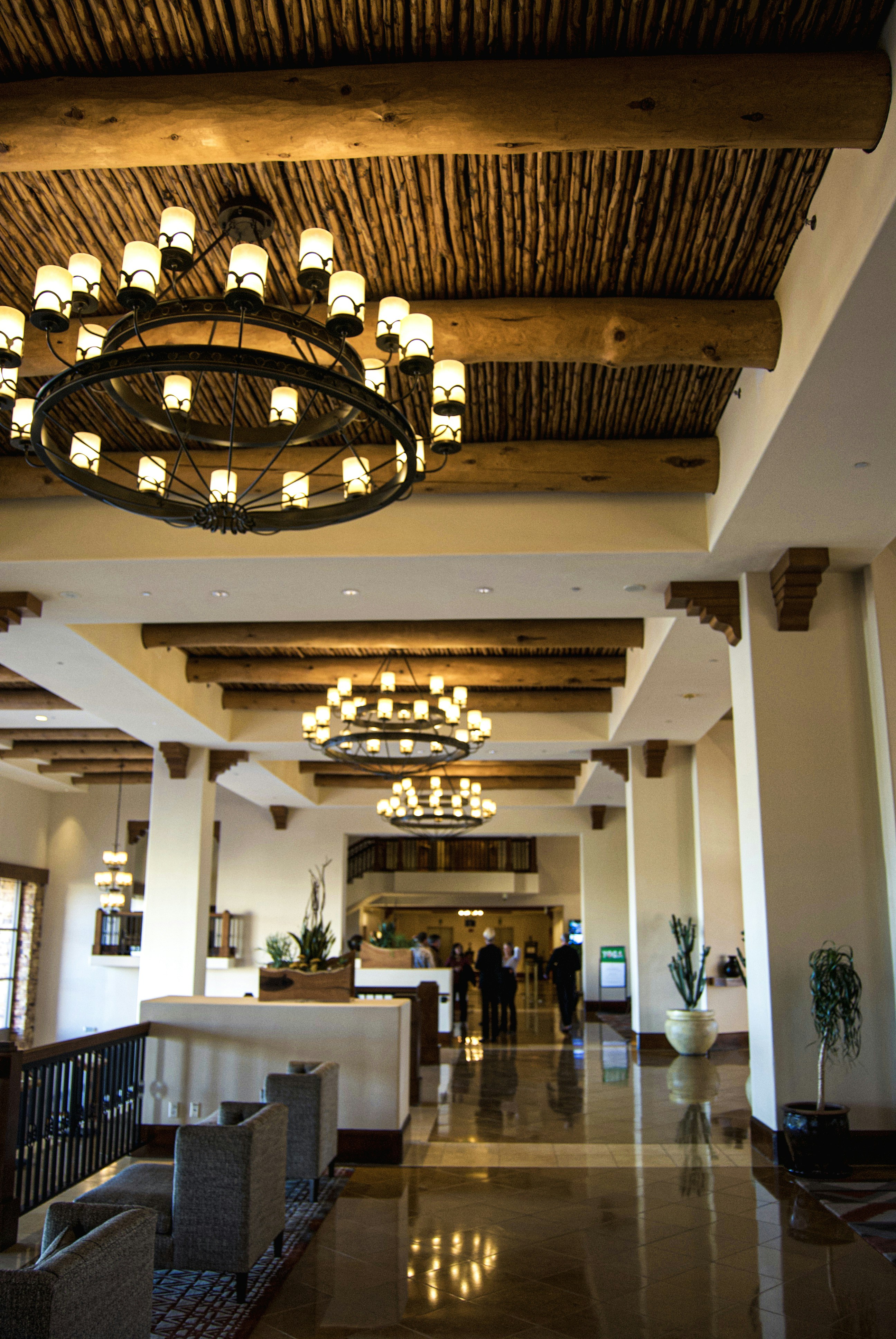
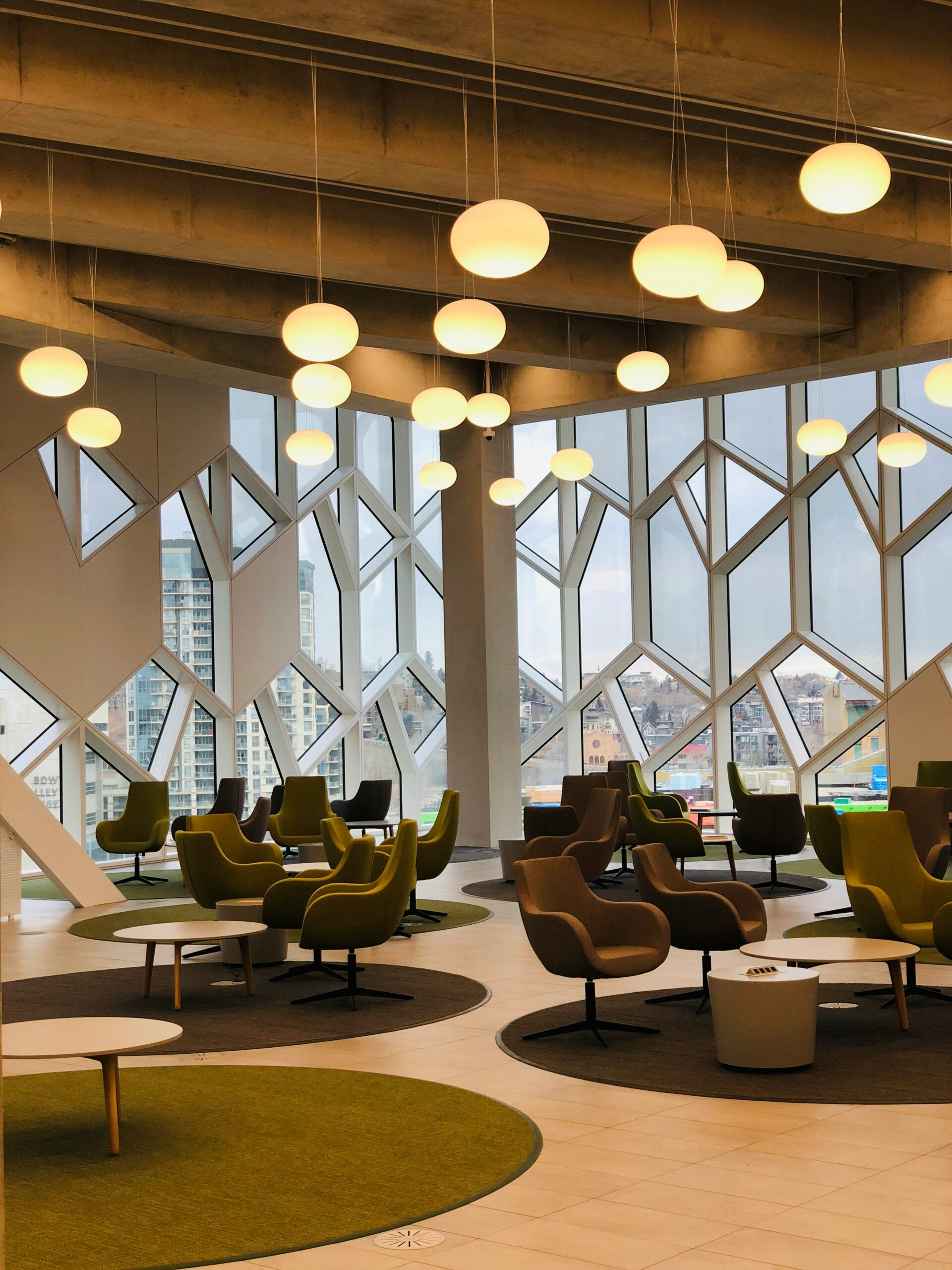
When it comes to boutique hotel lobby interior design, the focus is often on creating an inviting and memorable atmosphere. A boutique hotel is typically characterized by its unique style, personalization, and attention to detail, which makes the lobby a crucial space for setting the tone of the entire guest experience.
Key Elements of Lobby Design
One of the fundamental aspects of boutique hotel lobby decor is the blend of comfort and aesthetics. The choice of furniture, color schemes, and materials plays a significant role. For instance, plush seating areas with modern art contrasting against a warm color palette can create an inviting focal point. Additionally, incorporating local artwork or cultural elements can enhance the character of the lobby.
Functional Spaces within the Lobby
Modern boutique hotel lobbies also serve multi-functional purposes. It is essential to design spaces that accommodate check-in activities while offering relaxing zones for guests. Incorporating green elements, such as indoor plants, can promote a sense of tranquility. A well-thought-out layout not only enhances visual appeal but also encourages social interaction among guests.
In conclusion, boutique hotel lobby interior design is about combining style with functionality. Thoughtful considerations can lead to a vibrant space that resonates with guests, ensuring a lasting impression right from the entrance.
Hotel Interior Designer | Transforming Spaces for Guest Experience
Hotel Interior Design · Hospitality · Delhi NCR
Transforming Spaces: The Impact of a Hotel Interior Designer
Great hotel interiors do more than look impressive. They shape the guest
journey, support hotel operations, communicate the property’s identity
and create spaces that feel comfortable, memorable and purposeful.
More Than Decoration: Designing the Complete Guest Experience
Hotel interior design connects space planning, architecture, furniture,
lighting, materials, technology, comfort and brand identity. Unlike a
typical residential interior, a hotel must work simultaneously for
guests, staff, housekeeping, management and day-to-day operations.
From the entrance and reception to guest rooms, restaurants, corridors,
lounges and back-of-house areas, every space contributes to the overall
experience. A considered interior makes those spaces feel connected
while giving each one a clear purpose.
Guest Experience
Design should make arrival, navigation, relaxation, dining and
accommodation comfortable and intuitive.
Operational Performance
Layouts, materials and service routes should also support staff,
housekeeping, maintenance and everyday hotel operations.
Hospitality Projects
Hotel Interiors for Different Property Types
The design approach should reflect the hotel’s category, target guests,
location, operating model, room mix and desired brand experience.
01 · BOUTIQUE
Boutique Hotel Interiors
Distinctive spaces with a strong visual identity, carefully selected
materials and memorable guest-facing details.
02 · BUSINESS
Business Hotel Interiors
Comfortable and efficient environments for business travellers,
meetings, short stays and practical daily use.
03 · LUXURY
Luxury Hotel Interiors
Refined material palettes, customized furniture, sophisticated
lighting and detailed hospitality environments.
04 · RESORT
Resort Interiors
Relaxed environments connecting accommodation, leisure, dining and
the surrounding setting.
05 · SERVICED
Serviced Apartment Interiors
Residential comfort combined with hospitality functionality,
storage and practical maintenance.
06 · HERITAGE
Heritage Hotel Interiors
Design that respects architectural character while improving
comfort, functionality and contemporary guest requirements.
Spaces We Design
Complete Hotel Interior Design Across Guest & Public Areas
A hotel is a collection of connected experiences. The design language
should remain consistent while each area performs its specific
operational and guest-facing role.
Hotel Lobby
Arrival experience, reception, waiting and first impressions.
Guest Rooms
Beds, wardrobes, lighting, work areas, seating and storage.
Suites
Larger accommodation with premium planning and customized details.
Restaurant
Dining ambience, seating, circulation and brand expression.
Café & Lounge
Comfortable social spaces with distinctive atmosphere.
Meeting & Banquet Areas
Flexible spaces designed for business, events and social functions.
Hotel Design Strategy
8 Important Factors in Hotel Interior Design
Hospitality interiors must balance aesthetics with comfort, durability,
maintenance and operational requirements.
01
Guest Experience
Important guest touchpoints should feel comfortable, intuitive and
consistent with the hotel’s positioning.
02
Space Planning
Guest movement, staff circulation, furniture and service routes
should work together.
03
Brand Identity
Colours, textures, furniture and lighting can reinforce the
property’s visual identity.
04
Durability
High-use hospitality spaces require materials and furniture suited
to regular guest traffic and maintenance.
05
Lighting
Layered lighting establishes atmosphere while supporting activities
such as reading, dining and working.
06
Acoustics
Sound control contributes to comfort in guest rooms, corridors,
restaurants and public spaces.
07
Maintenance
Practical finishes can make cleaning, repair and ongoing hotel
operations easier.
08
Budget & Value
Design choices should balance investment, durability, guest
experience and long-term operational value.
Guest Room Design
Comfort Begins With the Details
Guest rooms need to feel comfortable immediately while supporting
the practical requirements of short or extended stays. Furniture,
lighting, storage, acoustics and technology should work together.
Comfortable bed positioning
Bedside lighting and controls
Wardrobe and luggage storage
Work desk and seating
Reading and task lighting
Blackout and privacy considerations
Durable surfaces and finishes
Bathroom and vanity coordination
Acoustic comfort
Guest convenience and accessibility
Hotel Identity
Design That Gives a Hotel Its Own Character
A hotel interior can become part of its identity. Materials, furniture,
lighting, artwork, colours and spatial details can create a recognizable
atmosphere without compromising comfort or operational requirements.
✓ Consistent material palette
✓ Distinctive entrance experience
✓ Signature lighting elements
✓ Customized furniture
✓ Coordinated guest rooms
✓ Brand-aligned colours
✓ Local design references where appropriate
✓ Artwork and decorative details
✓ Wayfinding and visual continuity
✓ Consistent public-area experience
Hotel Design Services
From Hotel Concept to Final Interior Execution
A coordinated process helps connect the initial hotel concept with
space planning, visual design, materials, furniture, lighting and
implementation.
01
Hotel Space Planning
Plan guest, staff, service and circulation zones around the
property’s operational requirements.
02
Concept Design
Establish the property’s visual language, atmosphere and overall
design direction.
03
3D Visualization
Visualize layouts, materials, furniture and lighting before
execution according to the project deliverables.
04
Guest Room Design
Develop comfortable and functional accommodation environments.
05
Lobby Design
Create an arrival experience that communicates the hotel’s
character from the first moment.
06
Restaurant Interiors
Coordinate dining ambience, seating, circulation and brand
expression.
07
Lighting Design
Layer ambient, task and accent lighting across different hotel zones.
08
Turnkey Execution
Coordinate implementation, installation and final finishing
according to the approved project scope.
Operational Design
The Best Hotel Interiors Work Behind the Scenes Too
Guests may primarily notice the lobby, room and restaurant, but
operational spaces are equally important. Staff movement, storage,
housekeeping and service circulation can affect how efficiently a
hotel functions.
Staff circulation
Housekeeping requirements
Service routes
Storage planning
Back-of-house organization
Maintenance access
Furniture replacement considerations
Cleaning requirements
Guest and service circulation separation
Operational flexibility
Project Process
A Structured Hotel Interior Design Process
01
Brief
Understand the hotel type, rooms, amenities, guest profile,
concept and project goals.
02
Site Study
Review existing conditions, dimensions, architecture and
project constraints.
03
Concept
Establish planning, design direction, materials and visual language.
04
Detailing
Develop furniture, lighting, finishes and relevant project
specifications.
05
Execution
Coordinate implementation, installation and final finishing
according to the approved scope.
Delhi NCR Hospitality Design
Hotel Interior Design in Delhi, Gurgaon & Noida
Hotel and hospitality projects across Delhi NCR can have very different
requirements depending on property category, location, room count,
public areas, amenities and operational model.
Delhi
Hospitality interiors for hotels, boutique properties, restaurants,
lounges and guest-facing commercial environments.
Gurgaon
Hotel and hospitality interiors for business, luxury and
contemporary properties.
Noida
Hospitality and commercial interiors planned around guest experience,
functionality and property requirements.
Hotel Interior Budget
What Determines Hotel Interior Design Cost?
Hotel interior budgets can vary substantially. A meaningful estimate
depends on the hotel category, built-up area, room count, public areas,
materials, furniture, lighting, technical requirements and execution
scope.
Property Scale
Room count, built-up area and the number of guest and public spaces
directly affect the project scope.
Material & Furniture
Finish specifications, customized furniture, lighting and hardware
can significantly affect the investment.
Execution Scope
Civil work, electrical requirements, installation, public areas and
turnkey execution can change the overall project budget.
Hotel projects should be assessed individually rather than relying on a
single generic cost-per-room or cost-per-square-foot figure.
A hotel interior designer plans guest rooms, suites, lobbies,
corridors, restaurants, lounges and other hospitality spaces around
guest experience, functionality, visual identity, materials,
lighting and operational requirements.
What areas of a hotel can be designed?
Hotel interior design can cover guest rooms, suites, reception,
lobby, corridors, restaurants, cafés, lounges, meeting rooms,
banquet areas, wellness spaces, lift lobbies and selected
back-of-house areas.
What makes hotel interior design different from residential design?
Hotels need to serve guests, staff and business operations
simultaneously. Durability, circulation, maintenance, acoustics,
guest experience and operational efficiency therefore become
important alongside aesthetics.
Can you design boutique hotel interiors?
Boutique hotel interiors can be developed around a distinctive
concept, guest experience, material palette, furniture, lighting
and the property’s identity.
Can restaurant and café spaces be included in a hotel project?
Yes. Restaurants, cafés and lounges can be included as part of a
wider hospitality project while addressing their individual seating,
circulation, ambience and operational requirements.
Do hotel interiors include guest room design?
Yes. Guest room design can address beds, wardrobes, work areas,
seating, storage, lighting, materials, acoustics and guest
convenience.
How much does hotel interior design cost?
Hotel interior costs vary substantially according to hotel category,
built-up area, room count, materials, furniture, lighting, technical
requirements, public areas and execution scope. A project-specific
assessment is required for a meaningful estimate.
Do you provide hotel interior design in Gurgaon and Noida?
Interior A to Z provides hotel and hospitality interior design
services across Delhi NCR, including Delhi, Gurgaon and Noida,
according to the project’s location and scope.
Can hotel interior design include 3D visualization?
3D visualization can be used to communicate layouts, furniture,
materials, lighting and the intended visual direction before
execution, depending on the agreed design deliverables.
How do I start a hotel interior design project?
Share the property location, hotel category, approximate area,
number of rooms, amenities, existing drawings, preferred design
direction, budget and opening timeline. These details help establish
the initial project brief.
Start Your Hotel Project
Planning a Hotel in Delhi NCR?
Share your property, hotel category, room count, amenities, concept and
project requirements to discuss an interior design approach that balances
guest experience, functionality and long-term practicality.
Luxury hotel interior design represents a vital facet of the hospitality industry, embodying elegance, sophistication, and a high standard of comfort. The primary goal of luxurious interiors is to enhance the overall guest experience, creating a memorable environment that entices visitors to return. In the realm of hotels, luxurious interiors translate into an inviting ambiance, sophisticated decor, and a meticulously curated atmosphere that reflects the brand’s values and essence.
Within the competitive landscape of the hospitality sector, the significance of exquisite design cannot be overstated. The interiors of a hotel are often a direct representation of its identity and offerings. From the opulent furnishings to the thoughtful layout, every detail matters. The selection of materials, color schemes, and even lighting can dramatically affect guests’ perceptions and experiences, ensuring they feel valued and indulged.
Moreover, luxury hotel interior design plays a substantial role in establishing brand differentiation. As travelers increasingly seek unique experiences, hotels that focus on distinct and high-quality interiors can effectively distinguish themselves from competitors. This differentiation not only enhances guest satisfaction but also elevates the hotel’s market presence, making it a coveted choice for discerning travelers.
In conclusion, luxury hotel interior design is not merely an aesthetic pursuit; it is a critical component that influences guest retention and brand loyalty. By investing in thoughtful design strategies, hotels can create immersive environments that resonate with guests, ultimately reinforcing a positive brand image and fostering lasting connections with visitors.
The Evolution of Hotel Interior Design in Gurgaon
The landscape of hotel interior design in Gurgaon has undergone significant transformation over the past few decades, reflective of the city’s rapid urban development and changing hospitality trends. Initially, hotels in Gurgaon echoed traditional design principles, featuring opulent furnishings and classical decor. These early designs were heavily influenced by European aesthetics, which were deemed luxurious at that time. As Gurgaon began to emerge as a major business hub in the early 2000s, the demand for modern accommodations led to a shift in interior design approaches.
During the early 2010s, the focus of hotel interior design began to pivot towards minimalism and functionality, embracing contemporary styles that favor clean lines and versatile spaces. This period saw the incorporation of local culture into hotel interiors, creating an ambiance that resonates with both domestic and international guests. The rise of boutique hotels in Gurgaon further contributed to this evolution, emphasizing unique designs that cater to specific themes and experiences, effectively blending luxury with comfort.
Dive into the defining elements of modern hotel interiors in Gurgaon today reveals key trends shaped by global inspiration. Sustainable design has become a pivotal aspect, with many hotels opting for eco-friendly materials and energy-efficient systems. Furthermore, the integration of technology into interior spaces is notably prominent, enhancing guest experiences through smart room controls and high-tech amenities.
Looking ahead, as Gurgaon continues to evolve, the role of interior designers becomes increasingly vital in crafting spaces that not only embody luxury but also resonate with the city’s dynamic atmosphere. Modern influences are continually reshaping the aesthetics and functionality of hotel interiors, making each visit a testament to the city’s growth and the caliber of its hospitality sector.
Top Luxury Interior Designers in Gurgaon
Gurgaon, known for its rapid development and burgeoning hospitality sector, has become a hub for exceptional luxury hotel interior designers. Among the top professionals in this arena, several names stand out due to their innovative approaches, remarkable portfolios, and distinct design philosophies.
One prominent designer is Richa Bansal, the founder of Richa Bansal Designs. Richa boasts over a decade of experience in the industry and has successfully completed numerous luxury hotel projects both nationally and internationally. Her design philosophy revolves around blending traditional aesthetics with modern elements, creating spaces that evoke a sense of grandeur while also being functional.
Another notable name is Ajay Shah of Studio Ajay Shah. Renowned for his striking use of color and textures, Ajay has redefined luxury hotel interiors in Gurgaon. His projects often incorporate local artisanship and sustainable materials, emphasizing an eco-friendly approach. His oeuvre includes several high-profile hotels that resonate with guests through their unique narratives and stylish execution.
Kriti Kharbanda, another leading figure, runs Kriti Designs, a firm celebrated for its luxurious yet understated style. Kriti’s designs often emphasize tranquility and elegance, ensuring that each space tells a story while catering to the needs of the modern traveler. Her work has garnered multiple accolades, further establishing her reputation in the luxury hotel design arena.
These designers not only exemplify aesthetic mastery but also understand the importance of function and sustainability in hotel interiors. Their commitment to quality and innovation positions them at the forefront of luxury hotel design in Gurgaon, making them highly sought after by hotel owners and developers alike.
Key Elements of Luxury Hotel Interior Design
Luxury hotel interior design embodies a delicate balance of aesthetics, comfort, and functionality, creating an immersive experience for guests. This section aims to highlight some of the key elements that define such interiors, particularly in Gurgaon, a hub for opulent hospitality.
Materials play a crucial role in establishing the identity of luxury interiors. High-quality materials such as marble, hardwood, and premium textiles are often utilized to convey sophistication and durability. Gurgaon hotels frequently showcase natural stone finishes and hand-crafted furnishings that enhance their lavish ambiance.
The color palette is paramount in setting the tone of a hotel. Neutral shades often serve as a foundation, accented by rich jewel tones or metallics to create a sense of grandeur. In Gurgaon, many luxury establishments opt for calming colors interspersed with vibrant artwork, resulting in a perfect balance between tranquility and opulence.
Furniture selection is another critical component, as it must align with both aesthetic and ergonomic standards. Customized furniture pieces that echo the local culture or modern design trends are common in Gurgaon’s luxury hotels. This blending of styles not only showcases craftsmanship but also ensures guest comfort.
Another essential aspect of luxury hotel interior design is lighting. Thoughtful lighting design can significantly enhance the mood of a space. Chandeliers, sconces, and ambient lighting are utilized to create warm, inviting environments. In many Gurgaon hotels, lighting is tailored to alter the mood based on the time of day, intellect of guests, and specific events, showcasing a dynamic range of options.
Lastly, the integration of technology is increasingly significant in luxury hotel design. Advanced automation systems manage lighting, temperature, and entertainment, elevating guest convenience. Hotels in Gurgaon are pioneering this integration, providing automated solutions that promise a seamless experience for every visitor.
Sustainability and Innovation in Luxury Hotel Design
As the hospitality industry continues to evolve, sustainability has emerged as a crucial aspect of luxury hotel interior design, particularly in Gurgaon. Luxury hotel designers are increasingly integrating eco-friendly practices into their projects, striving to balance aesthetics with environmental responsibility. This shift responds not only to growing consumer demand for sustainable options but also reflects a broader commitment to ecological stewardship.
Incorporating sustainable materials is a key strategy employed by designers aiming to achieve elegant interiors without compromising on environmental considerations. Luxury hotels are now utilizing reclaimed wood, recycled metals, and low-emission paints and finishes that meet high-performance standards. These materials not only reduce waste but also contribute to a sophisticated aesthetic, enhancing the overall guest experience.
Moreover, innovative technologies play a significant role in the evolution of luxury hotel interiors. Designers are leveraging advancements such as smart systems that optimize energy usage and improve guest comfort. For instance, climate control systems, which adjust temperatures based on occupancy, and automated lighting that reacts to natural light levels, are becoming commonplace in high-end establishments. These technologies not only ensure a comfortable environment for guests but also significantly decrease the hotel’s carbon footprint.
Furthermore, the inclusion of biophilic design elements—such as living walls, water features, and natural light enhancements—also reflects a shift toward connecting indoor spaces with nature. Luxury designers in Gurgaon are capitalizing on these trends, creating interiors that foster well-being while promoting sustainability.
By embracing sustainable practices and innovative technologies, luxury hotel designers in Gurgaon are not only redefining elegance in the hospitality industry but are also paving the way for a more environmentally conscious future. This synergy of sustainability and innovation demonstrates that luxury and responsibility can indeed go hand in hand.
Case Studies of Iconic Hotels in Gurgaon
Gurgaon, known for its thriving commercial landscape, is also home to several luxurious hotels that exhibit exceptional interior design. These hotels not only provide exemplary services but also emphasize aesthetics that resonate with modern luxury trends. This section delves into notable case studies to understand how design concepts, thematic choices, and luxury reflect the preferences of discerning guests.
One prominent example is the Marriott Hotel & Country Club. This establishment blends contemporary design with traditional Indian aesthetics. The interior features a warm color palette coupled with opulent furnishings, which create a welcoming atmosphere. The use of indigenous materials, such as locally sourced stone and wood, underscores a connection to regional culture while providing a luxury experience. Guests are greeted by expansive lobbies adorned with striking art pieces, offering a glimpse of sophistication.
Another iconic property is the Hyatt Regency Gurgaon. The hotel’s design reflects a modern take on traditional luxury, showcasing clean lines and minimalist decor. The interiors are thoughtfully designed to maximize space and light, promoting an open and airy feel. The integration of smart technology in guest rooms further enhances the luxury experience, allowing guests to tailor their environment to personal preferences seamlessly. Additionally, the thematic choices in the restaurants, marked by unique decor inspired by various cuisines, create an engaging dining atmosphere.
Lastly, the Westin Gurgaon stands out for its emphasis on wellness and relaxation. The interior design promotes a tranquil ambiance through the use of soothing colors and natural elements. Spas and wellness centers within the hotel are designed to prioritize guest comfort, featuring organic materials and serene decor. This holistic approach to interior design not only reflects luxury but also appeals to the growing market segment that prioritizes health and well-being in their travel experiences.
The Role of Cultural Influences in Design Choices
Gurgaon, a vibrant city known for its modern skyline, hosts a plethora of luxury hotels that incorporate cultural influences into their interior design. The local heritage and traditions play a pivotal role in shaping the aesthetic experience offered to guests. Designers in Gurgaon often find ways to balance contemporary styles with traditional motifs, creating spaces that resonate with both luxury and the local culture.
The rich tapestry of Indian culture, characterized by its diverse art forms and craftsmanship, informs many design decisions in these hotels. For instance, a designer may choose to incorporate traditional textiles and patterns that reflect regional artistry. This integration not only enhances the visual appeal but also provides guests with a deeper understanding of the locale’s history and traditions.
Furthermore, elements such as color palettes, material choices, and decorative features are carefully selected to reflect the cultural ethos of the region. Designers might opt for warm earthy tones reminiscent of Indian architecture or utilize handcrafted furniture that showcases local craftsmanship. Such thoughtful choices evoke a sense of place, allowing guests to experience the essence of Gurgaon through its luxurious accommodations.
Moreover, the incorporation of art pieces, sculptures, and artifacts from local artisans serves as a means to connect guests with Haryana’s cultural heritage. This not only supports local artists but also enriches the guests’ experience, offering them unique stays that transcend typical luxury hotel standards. By merging modern functional design with culturally significant elements, the interior designers in Gurgaon create exceptional environments that celebrate both the past and the present.
Client-Designer Collaboration Process
The collaboration process between luxury hotel clients and interior designers is pivotal in creating a space that not only meets aesthetic expectations but also aligns with the operational and branding goals of the hotel. This partnership typically begins with initial consultations where designers seek to gain a thorough understanding of the client’s vision, requirements, and specific needs related to functionality, guest experience, and brand identity.
During the conceptualization stage, interior designers employ various techniques to translate the client’s aspirations into tangible design proposals. Mood boards, sketches, and digital renderings are commonly used tools, allowing both parties to visualize the potential outcomes. This stage is crucial, as it establishes a shared vision and enables open dialogue about design elements, materials, and costs. An iterative process often evolves, with multiple revisions made based on client feedback, ensuring the final design resonates with the hotel’s brand ethos.
Effective communication stands as a cornerstone of successful client-designer collaborations. Regular check-ins and updates provide opportunities for clients to express their thoughts about the ongoing design process. Moreover, it allows designers to address any concerns that may arise, fostering a positive and productive relationship. Transparency regarding timelines, budgets, and potential design challenges is essential, as it helps manage expectations and builds trust.
Ultimately, the collaborative endeavor culminates in the execution phase, where the agreed-upon designs are brought to life. This stage also involves close coordination among various contractors and vendors to ensure that the envisioned outcome is achieved efficiently. By prioritizing the client’s needs and maintaining a structured yet flexible communication channel, the collaboration between luxury hotel clients and interior designers results in innovative and unique spaces that cater to the discerning tastes of guests.
Future Trends in Luxury Hotel Interior Design
The luxury hotel interior design landscape is rapidly evolving, influenced by technological advancements and shifting guest preferences. One of the key trends anticipated is the integration of smart technology in hotel environments. With the proliferation of smart devices, hotels are expected to incorporate IoT (Internet of Things) features into their design. This can include everything from automated lighting and temperature control to voice-activated room systems, creating an atmosphere of personalized luxury that significantly enhances the guest experience.
In particular, as guests become more eco-conscious, there is a growing demand for sustainable luxury. Designers are now focused on using environmentally friendly materials and sustainable practices within their projects. This means using recycled materials, implementing energy-efficient designs, and opting for local sourcing of interior furnishings. Such initiatives not only appeal to the modern traveler’s sense of responsibility but also create unique and attractive spaces that reflect a commitment to sustainability.
Furthermore, the trends are leaning towards creating unique and immersive experiences rather than just providing luxury accommodations. Hotels are now looking to reflect local culture and heritage through meticulous design choices. This can manifest in artworks that tell local stories, traditional craftsmanship showcased in furniture design, and even local culinary themes integrated into restaurants and cafes. Such approaches foster an emotional connection with guests, making their stay memorable and authentic.
Finally, as the market dynamics continue to change, it will be crucial for designers in Gurgaon and beyond to adapt swiftly and creatively. They must anticipate the needs and desires of guests, balancing luxury with comfort, and innovation with tradition. This dynamic approach to design will ultimately define the future of luxury hotel interiors, ensuring that they remain relevant and appealing to discerning travelers.
Luxury hotel interior design transcends mere aesthetics; it embodies an experience that envelops guests in an atmosphere of comfort and extravagance. At the heart of this design philosophy lies a careful consideration of space planning. The layout of a hotel should facilitate natural flow while also providing intimate nooks for seclusion, ensuring that guests feel both welcomed and pampered. From expansive lobbies to thoughtfully designed dining areas, the spatial arrangement must work harmoniously to enhance the overall guest experience.
Aesthetics play a pivotal role as well, with opulent color palettes, textures, and furniture selections contributing to the ambiance. Luxury hotels often employ a cohesive design theme that resonates throughout the spaces, utilizing rich fabrics such as silk and velvet, alongside sophisticated color schemes that evoke a sense of tranquility and indulgence. Lighting fixtures, whether grand chandeliers or soft accent lights, further enrich the environment by creating a mood that aligns with the luxurious experience sought after by discerning travelers.
In addition to space planning and aesthetics, the selection of high-quality materials significantly influences the luxury appeal. Utilization of natural stones, hardwoods, and bespoke furnishings elevates the tactile experience, inviting guests to feel the sophistication in every detail. Sustainable and ethically sourced materials are increasingly becoming part of luxury hotel design, as they offer a modern touch while aligning with contemporary values regarding environmental consciousness.
Moreover, aligning design principles with the hotel’s brand identity is crucial. A luxury hotel must reflect its unique character and ethos through interior design that tells a story, weaving together elements that speak to the essence of its location, heritage, and target clientele. By investing in a carefully curated interior, hotels can create not just spaces but experiences that resonate with guests long after their stay, ultimately defining the essence of luxury hospitality in Gurgaon and beyond.
Trends Shaping Luxury Hotel Interiors in Gurgaon
The landscape of luxury hotel interior design in Gurgaon is continuously evolving, with several key trends influencing the aesthetic and functional aspects of these spaces. One of the most prominent trends is the integration of biophilic design, which seeks to connect guests with nature, enhancing their overall comfort and relaxation. This design philosophy encourages the use of natural elements, such as indoor plants, living walls, and large windows that provide beautiful views of the outdoors. By creating a harmonious environment that mimics natural settings, hotels can significantly improve guests’ experiences and promote their well-being.
In parallel, the use of sustainable materials is becoming increasingly popular in Gurgaon’s luxury hotel interiors. This trend reflects a growing awareness of environmental concerns among travelers and hotel operators alike. Luxury hotels are now prioritizing eco-friendly materials such as reclaimed wood, recycled metals, and organic textiles. These sustainable choices not only contribute to reducing the carbon footprint but also resonate with guests who value ethical consumption. Furthermore, using locally sourced materials often adds a unique charm to the interiors, showcasing the region’s heritage and craftsmanship.
The incorporation of smart technologies is another noteworthy trend shaping luxury hotel designs in Gurgaon. Modern travelers expect a seamless blend of luxury and convenience; thus, hotels are investing heavily in technology that enhances guest experiences. Features such as mobile check-ins, smart room controls, and automated lighting systems allow guests to customize their environments according to their preferences. This level of interactivity elevates the hospitality experience, providing a contemporary atmosphere that appeals to a tech-savvy clientele.
Additionally, the influence of local culture and art plays a vital role in the design choices made within luxury hotels. By embracing indigenous art forms and regional design motifs, hotels create a sense of place that deepens the connection between guests and the locale. From artworks to textile patterns, these elements not only enhance visual appeal but also foster an appreciation for the rich cultural heritage of Gurgaon, offering guests a more immersive experience.
Key Elements to Consider in Designing Luxury Hotel Interiors
When creating luxury hotel interiors, several key elements should be taken into account to ensure an exceptional hospitality experience. One of the most critical considerations is the color scheme. Choosing the right colors can evoke specific emotions and set the overall ambiance of the space. Soft, neutral tones often promote a feeling of serenity, while bold, rich colors can convey a sense of elegance and sophistication. It is essential for designers to strike a balance between colors that reflect the hotel’s brand and those that appeal to the target demographic of guests.
Furniture selection is also paramount in luxury hotel interior design. The furniture pieces must not only complement the aesthetic but also prioritize comfort and functionality. High-quality, bespoke furnishings offer a tangible representation of luxury. Consideration should be given to the arrangement of furniture to encourage social interaction among guests and enhance the overall flow of the space. The quality of upholstery, the materials used, and the ergonomics of the seating all play vital roles in guests’ comfort levels.
Another crucial aspect is lighting design. Proper lighting creates atmosphere and can dramatically influence how a space is perceived. A blend of natural light, ambient, task, and accent lighting can accentuate design features and highlight architectural details. Designers should consider dimmable options and layering lighting to create a versatile environment that caters to various moods throughout the day.
Ultimately, functionality and luxury must coexist harmoniously. Each space within the hotel should not only exude opulence but also serve a practical purpose. Designers should aim to create memorable spaces that allow guests to engage with their surroundings while enjoying the comforts of luxury. The careful integration of these key elements—color schemes, furniture, and lighting—will contribute greatly to the overall success of luxury hotel interior design in Gurgaon.
Success Stories: Iconic Luxury Hotels in Gurgaon
In Gurgaon, the luxury hotel sector has burgeoned with some iconic properties setting benchmarks in interior design excellence. These hotels not only reflect sophistication but also offer unique experiences that distinguish them in a highly competitive hospitality market. One such example is the Leela Ambience Gurugram Hotel & Residences, which underwent a significant renovation to rejuvenate its aesthetic appeal. The design concept focused on merging traditional Indian craftsmanship with contemporary styles, resulting in luxurious spaces that resonate with guests. The integration of vibrant color palettes alongside elegant furnishings creates a welcoming environment while providing an immersive cultural experience.
Another noteworthy property is the ITC Grand Bharat. Designed to evoke the grandeur of a palace, the hotel showcases intricate carvings, lush textiles, and ornate fixtures that narrate a story of heritage and luxury. During the renovation phase, designers faced the challenge of maintaining the historical essence while incorporating modern amenities. Through innovative architectural solutions, the hotel now features a harmonious blend of opulence and functionality, greatly enhancing the guest experience.
Feedback from guests reveals a deep appreciation for both the aesthetic and experiential aspects of these hotels. Many highlighted how the thoughtfully executed designs contribute to their overall satisfaction, with elements such as spacious layouts, art installations, and ambient lighting enhancing their stay. Designers involved in these projects stress the importance of understanding guest needs and preferences, showcasing how successful interior design transcends mere decoration. These success stories serve as a testament to the power of exceptional interior design in executing luxurious hospitality experiences in Gurgaon.
The world of hotel interior design has evolved, particularly in urban settings like Gurgaon. As travelers seek unique experiences, hoteliers are turning to opulent designs that can captivate and engage guests from the moment they step in. Whether it’s the lobby, suites, or recreational spaces, each area plays a crucial role in defining the guest experience.
Designing Elegant Lobbies
The lobby is often considered the heartbeat of a hotel. A well-designed lobby should reflect luxury and comfort, creating a lasting first impression. Incorporating sophisticated lighting fixtures, plush seating, and artful decorations can transform an ordinary entrance into an extraordinary one. In Gurgaon, many hotels focus on blending contemporary styles with local influences, ensuring that guests feel a connection to the city.
Creating Inviting Suites and Recreational Areas
In addition to the lobby, the design of suites is vital in providing an exceptional guest experience. Luxurious furnishings, modern amenities, and striking decor enhance the comfort factor while still maintaining a sophisticated aesthetic. Recreational areas, such as spas and pool lounges, should be thoughtfully designed to promote relaxation and enjoyment, further elevating the overall experience. By emphasizing comfort and style in these spaces, hotels in Gurgaon can cater to the discerning tastes of their guests.
Hotel Interior Design: Designing Luxurious Lobbies, Suites, and Recreational Areas in Gurgaon
In the bustling city of Gurgaon, hotel interior design plays a pivotal role in creating an unforgettable experience for guests. The city’s blend of modernity and luxury makes it a prime location for a diverse range of hotels, from business-centric accommodations to lavish resorts. A hotel’s interior design must strike the right balance between comfort, aesthetics, and functionality. Whether designing lobbies, suites, or recreational areas, each aspect should evoke a sense of luxury while ensuring practicality for guests and operational efficiency for the hotel.
Here’s a detailed look at key considerations and design elements involved in creating luxurious hotel interiors in Gurgaon:
1. Luxurious Hotel Lobbies: First Impressions Matter
The lobby is often the first point of contact for guests and sets the tone for the entire stay. It should exude an air of luxury, providing a warm welcome while incorporating functional spaces for both relaxation and interaction. Key design elements of a luxurious hotel lobby include:
Statement Lighting: The use of chandeliers, pendant lights, or ambient lighting enhances the grandeur of the lobby. Crystal chandeliers or modern LED fixtures are often used to create a visually captivating entrance.
Focal Points: A well-designed focal point in the lobby, such as an eye-catching sculpture, a grand reception desk, or an elegant water feature, captures attention and reinforces the hotel’s unique identity.
Open Layouts: Spacious and open layouts provide a sense of grandeur. The lobby should be designed with plenty of room for guests to move freely while keeping the space inviting and cozy.
Luxurious Materials: Using premium materials like marble, granite, wood paneling, and high-quality textiles elevates the space, adding sophistication to the environment.
Seating Areas: Comfortable yet stylish seating areas equipped with plush armchairs, sofas, and ottomans encourage guests to relax. These areas also serve as spaces for informal meetings or casual conversations.
2. Hotel Suites: Where Comfort Meets Elegance
The suite is where guests will spend most of their time, and it needs to offer a serene, private, and luxurious environment. From the bedroom to the bathroom, every corner should be thoughtfully designed for comfort, functionality, and elegance. Key elements of a luxurious hotel suite design include:
Elegant Bed Designs: A king-size bed with high-quality linens and plush pillows serves as the focal point of the room. The bed frame can be designed with luxurious finishes such as upholstered headboards, metal accents, or wooden frames to create a sense of opulence.
Spacious Layouts: The suite should have ample space, including areas for lounging and working. A separate sitting area with comfortable seating, coffee tables, and end tables allows guests to unwind and entertain visitors.
Bespoke Furniture: Custom-designed furniture adds a personal touch to the room. The use of high-end furnishings, such as leather chairs, wooden writing desks, and designer rugs, creates a sophisticated and cohesive design theme.
Advanced Technology: Integrating the latest technology into hotel suites is crucial for a modern luxury experience. Smart TVs, touchscreen controls for room lighting and temperature, and wireless charging stations for devices provide convenience and comfort.
En-suite Bathrooms: Luxury hotel suites feature spacious bathrooms with freestanding bathtubs, rain showers, double vanities, and premium bathroom fixtures. The use of marble or granite surfaces, along with designer toiletries, adds an element of indulgence to the space.
3. Recreational Areas: Creating an Immersive Experience
Recreational areas in a hotel are essential for guest relaxation and entertainment. These spaces are designed to offer guests a break from their routines while immersing them in a calming and enjoyable environment. Popular recreational areas in luxury hotels include:
Spas and Wellness Centers: A dedicated spa or wellness center should evoke a tranquil atmosphere with soft lighting, natural elements like wood and stone, and plush massage beds. The design focuses on creating a holistic experience, promoting relaxation and rejuvenation.
Fitness Centers: State-of-the-art fitness centers are essential in luxury hotels. They should be equipped with high-end gym equipment, spacious layouts, and floor-to-ceiling windows that allow guests to enjoy views while working out.
Indoor Pools: The design of indoor swimming pools is often sleek and contemporary, with the use of glass walls, stylish tiles, and natural materials like wood or stone. These areas offer guests a place to relax and unwind in a private, serene setting.
Lounges and Bars: A hotel lounge or bar should have an inviting atmosphere, with soft lighting, comfortable seating, and stylish decor. The bar area may feature a luxurious counter, unique shelving, and artistic displays of liquor or wine.
Game Rooms and Entertainment Zones: For family-friendly hotels, game rooms and entertainment zones can be designed with engaging activities such as pool tables, arcade games, or movie theaters.
4. Attention to Detail: Luxury in Every Corner
The true essence of luxury lies in the details. Every aspect of the hotel interior should reflect sophistication and exclusivity. Key details that make a hotel space stand out include:
Textural Contrast: The mixing of textures, such as silk cushions, velvet curtains, leather upholstery, and wood paneling, adds richness and depth to the space.
Artistic Decor: Bespoke artworks, whether abstract paintings, sculptures, or installations, are used to create a unique atmosphere that reflects the hotel’s identity. Locally inspired art can add an authentic touch.
Mirrors and Glass Elements: Strategically placed mirrors and glass partitions help expand the space visually while adding an element of glamour and light reflection.
Indoor Plants: The use of greenery in hotel interiors, through indoor plants, vertical gardens, or flower arrangements, enhances the aesthetic appeal while contributing to a calming ambiance.
High-End Textiles: Luxurious fabrics such as silk, linen, and cashmere used for bed linens, curtains, and cushions elevate the guest experience, adding an indulgent touch to the space.
5. Sustainability and Eco-Friendly Practices
Sustainable design is gaining traction in the luxury hotel industry. More hotels are focusing on eco-friendly and sustainable practices, including the use of energy-efficient lighting, recycled materials, and green certifications. Some sustainable design elements include:
Energy-Efficient Systems: The use of LED lighting, motion sensors, and solar-powered systems can significantly reduce the hotel’s carbon footprint.
Sustainable Furnishings: Choosing eco-friendly materials for furniture, such as bamboo, reclaimed wood, or organic textiles, aligns with sustainability goals while maintaining a luxurious atmosphere.
Water Conservation: Luxury hotels are incorporating water-saving fixtures such as low-flow faucets, dual-flush toilets, and water-efficient irrigation systems for landscaping.
Conclusion
The design of luxurious hotel interiors in Gurgaon reflects the dynamic energy and modern sophistication of this thriving city. From opulent lobbies and stylish suites to recreational spaces and wellness centers, each design element contributes to creating a world-class experience for hotel guests. By focusing on luxury materials, functional layouts, and eco-conscious practices, interior designers can transform a hotel into a haven of comfort and elegance, offering guests an unforgettable stay.