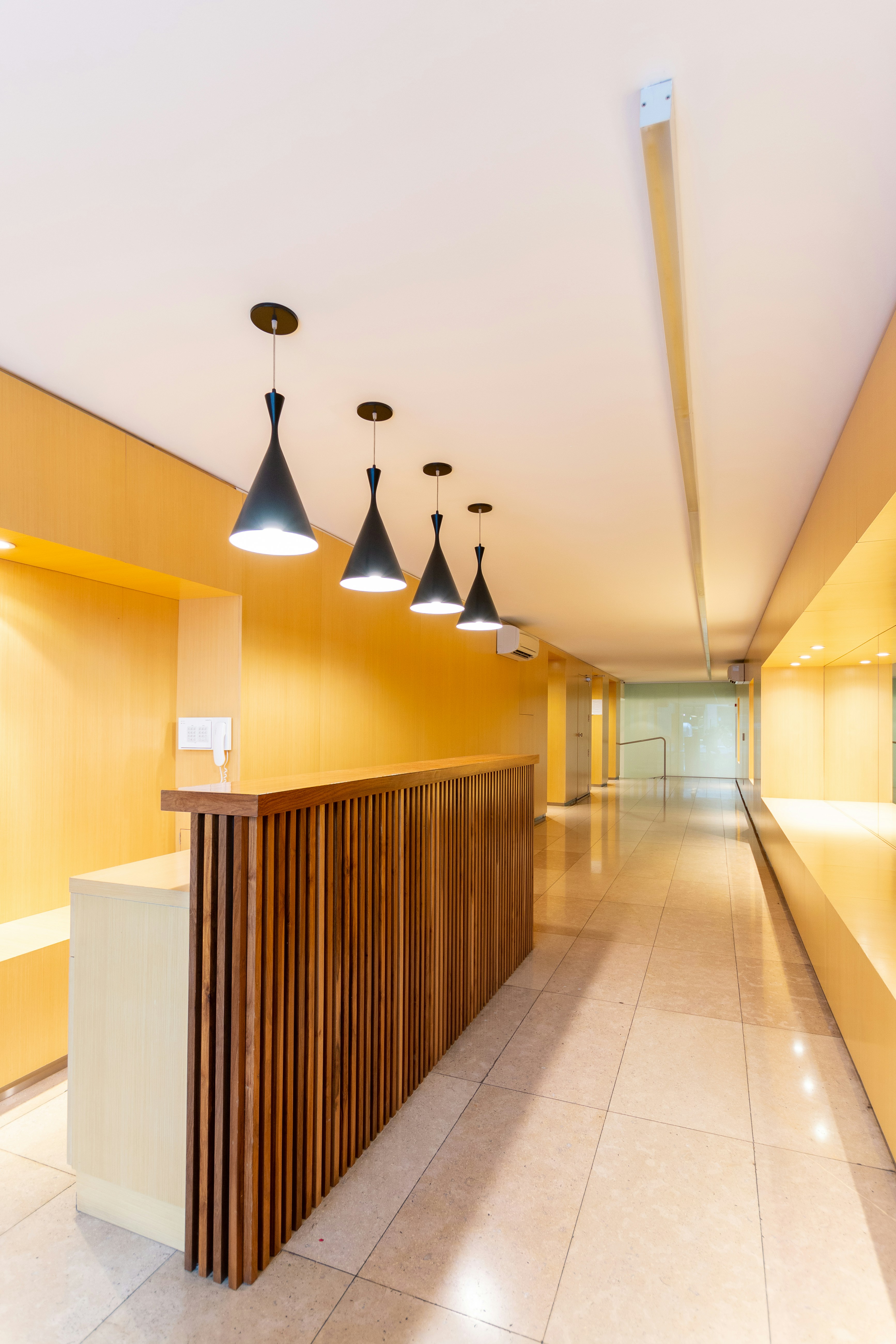
Understanding Space Planning in Smart Homes
Space planning is crucial in designing interiors that not only look appealing but also function seamlessly in everyday life. In smart home interiors, effective space planning enhances the usability of gadgets and technologies, creating a harmonious living environment. Proper organization allows for optimal flow, ensuring every corner serves a purpose.
Key Principles of Smart Home Interior Design
When integrating technology into your home, consider the principles of ergonomics and accessibility. Smart home devices should be easily reachable and intuitively placed. This ensures that users can interact with their smart systems without complications. Room layouts should accommodate both tech and the traditional elements of home life, striking a perfect balance between innovation and comfort.
Maximizing Functionality with Smart Layouts
With effective space planning, you can maximize functionality while minimizing clutter. Use multi-functional furniture that incorporates technology. For instance, consider a coffee table with built-in charging capabilities or a sofa that transforms into a workspace. Such strategic placements enhance the overall experience and reflect a smart lifestyle.
In conclusion, smart home interiors rely heavily on thoughtful space planning. By understanding the importance of effective layouts and ergonomic principles, you can create a home that is not only technologically advanced but also livable and beautiful.