Is Luxury Better Than Deluxe?
Understand the practical difference between luxury and deluxe in terms of quality, design, materials, space, amenities, personalization, service and price before choosing between them.

Luxury usually represents a higher level of specification.
Interior A to Z’s existing page describes deluxe as a high-quality upgraded experience and luxury as a more premium, exclusive and personalized category. :contentReference[oaicite:0]{index=0}
But “better” depends on what you actually value. A luxury category may add premium materials, greater customization, larger layouts, exclusive amenities or personalized service. A deluxe category may deliver most of the comfort and visual quality you need without the additional specification.
Luxury vs deluxe: what changes?
The exact definitions vary between hotels, properties and interior projects, so the actual specification should always be checked.
| Feature | Deluxe | Luxury |
|---|---|---|
| Quality | High-quality and upgraded | Ultra-premium or highly specified |
| Design | Stylish, elegant and refined | Bespoke, distinctive and highly detailed |
| Materials | Good-quality materials and finishes | Premium materials and more specialised finishes |
| Customization | Some customization may be available | Greater emphasis on made-to-measure and bespoke elements |
| Space | Comfortable or upgraded space | May offer more generous or carefully zoned space |
| Amenities | Good upgraded amenities | Additional premium or exclusive amenities may be included |
| Technology | Modern conveniences | More advanced automation or integrated technology may be included |
| Service | High-quality standard service | May include more personalised service |
| Price | Premium compared with standard options | Usually positioned at a higher price level |
Luxury is not simply “more expensive deluxe.”
The distinction is more useful when viewed through the actual experience and specification rather than through price alone.
Material Quality
Deluxe interiors may use good-quality wood finishes, fabrics, metals and surfaces. Luxury projects can introduce more premium natural stones, specialist finishes, fine textiles and custom materials.
Customization
Custom proportions, made-to-measure furniture, tailored storage and distinctive detailing can move a project toward a luxury specification.
Craftsmanship
Luxury is often expressed through finer detailing, specialist fabrication, precise installation and carefully coordinated finishes.
Spatial Experience
A luxury environment may use larger proportions, stronger zoning, better circulation and more carefully planned private and social spaces.
Smart Integration
Lighting, climate, curtains, security and entertainment can be integrated more comprehensively in a highly specified luxury project.
Personalization
Luxury design can be tailored more closely to the client’s lifestyle, aesthetic preferences, collections, routines and functional needs.
What creates a luxury feeling?
Premium interiors are often defined by proportion, material coordination, lighting, craftsmanship and restraint—not by simply adding more decorative objects.
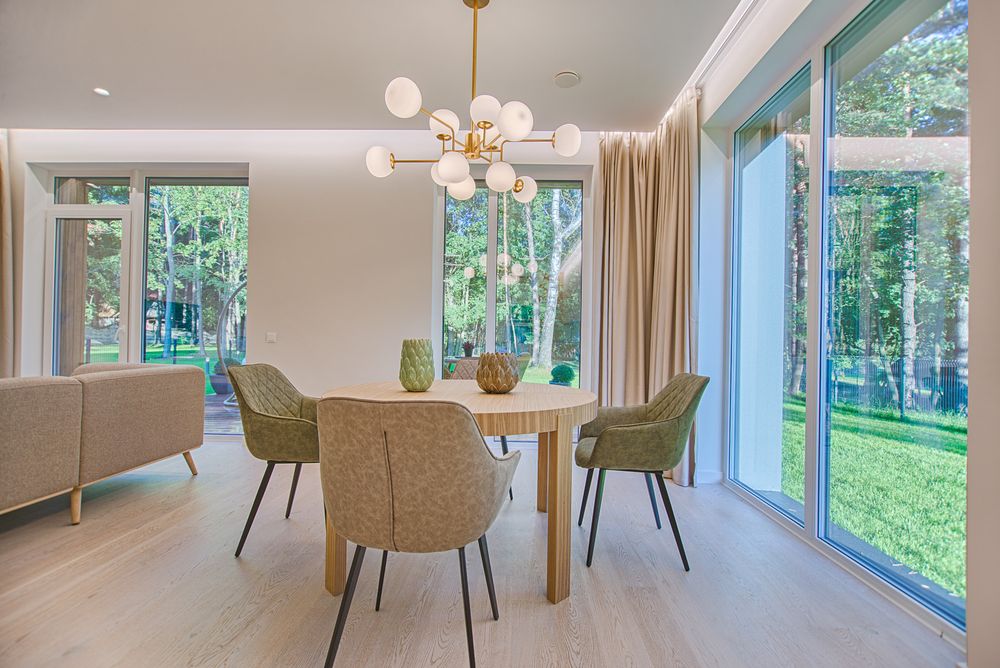
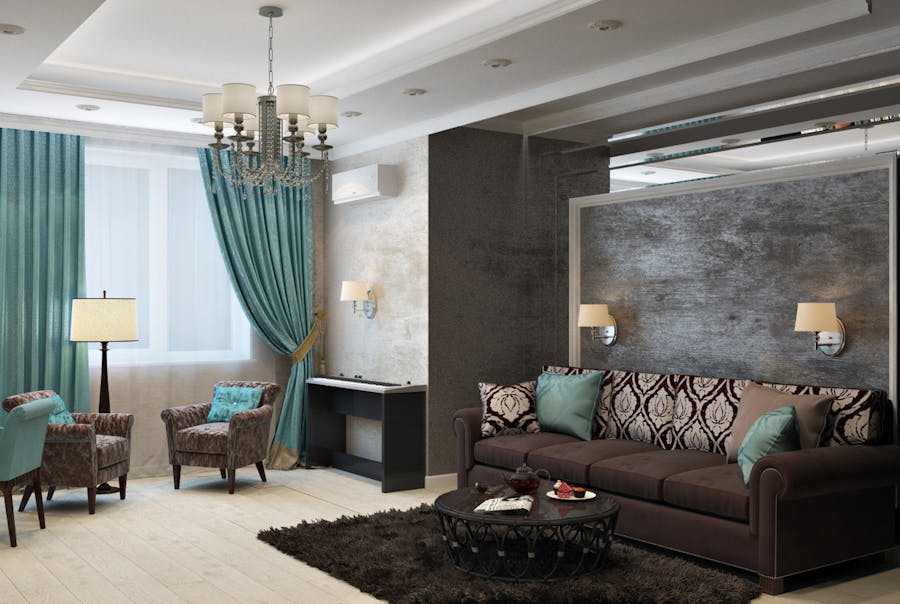
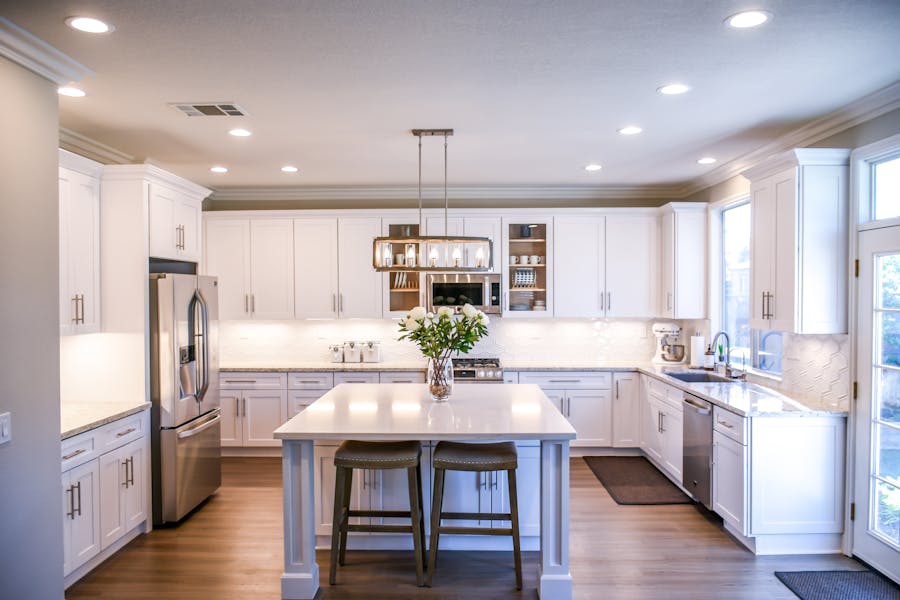
How the distinction translates to a home.
Interior A to Z’s current page specifically connects luxury interiors with features such as smart-home automation, premium marble flooring, custom-built designer furniture and premium decorative detailing. :contentReference[oaicite:1]{index=1}
When does deluxe make more sense?
Deluxe can be a practical specification when the goal is high-quality comfort without the additional cost and complexity of maximum customization.
Deluxe may suit you when:
- You want a refined, upgraded environment.
- You prefer standardised solutions where they work well.
- You want good-quality materials without extensive bespoke work.
- You do not need highly personalised technology.
- You want to control the overall investment.
- The space itself does not require extensive customization.
Luxury may suit you when:
- You want a highly personalized environment.
- Custom furniture is important to the project.
- Premium materials and craftsmanship are priorities.
- You want advanced smart-home integration.
- You value distinctive architectural detailing.
- You want the design to reflect a specific lifestyle or collection.
Luxury vs deluxe in hotel rooms.
Hotel room terminology is not standardized, so the category name should never be the only factor used to compare two properties.
| Consider | Deluxe | Luxury |
|---|---|---|
| Room size | Often larger or more upgraded than standard | May be larger, but category definitions vary |
| Furniture | Good-quality and comfortable | Higher-specification or designer furniture may be included |
| Bathroom | Upgraded fixtures and finishes | May include more premium materials and additional features |
| View | May have a good view depending on the property | May be associated with preferred views or locations, but not always |
| Service | Good hotel service | May include additional personalized services |
| Privacy | Depends on room layout | May offer more privacy through layout or exclusive facilities |
| Inclusions | Upgraded standard amenities | May add premium amenities or exclusive access |
Luxury itself can have different levels.
A useful way to understand luxury is to separate accessible luxury, higher-specification luxury and ultra-luxury rather than treating the word as one fixed standard.
Entry-Level Luxury
Focuses on refined design, better materials, comfortable furniture, attractive lighting and selected premium details.
Mid-Tier Luxury
Adds greater customization, higher-grade finishes, bespoke furniture, more sophisticated lighting and stronger design coordination.
Ultra-Luxury
Emphasises highly bespoke architecture, rare or specialist materials, exceptional craftsmanship, advanced technology and extensive personalization.
Ask these questions instead of simply asking “luxury or deluxe?”
What exactly is included?
Compare materials, furniture, appliances, lighting, technology, services and other inclusions line by line.
How much is customized?
Determine whether the design is based on standard products or genuinely tailored to the space.
What quality level is specified?
Look at actual brands, materials, hardware, finishes and warranties instead of relying on category names.
Will I use the extra features?
Premium technology and amenities only create value when they support how you actually live or travel.
What is the maintenance requirement?
Premium materials can require specific cleaning, maintenance or specialist repair, so consider the long-term implications.
What is the total cost?
Compare the complete scope, not just the headline price of a room, package or interior specification.
Explore more luxury and premium interior topics.
Luxury vs deluxe FAQs.
What is the main difference between luxury and deluxe?
Deluxe generally describes an upgraded, comfortable and high-quality offering, while luxury usually indicates a higher degree of customization, exclusivity, premium materials, amenities or service. The exact meaning varies by hotel, property or interior project.
Is luxury always better than deluxe?
Not necessarily for every person or purpose. Luxury generally offers more premium features, but deluxe can provide the comfort and quality needed without paying for features that may not be important to you.
Which is more expensive, luxury or deluxe?
Luxury is generally positioned at a higher price level than deluxe, although actual prices vary according to the property, location, materials, services and inclusions.
Are luxury rooms always larger than deluxe rooms?
No. Room categories are not standardized. A luxury room may provide better materials, amenities or services without being substantially larger.
What is the difference between luxury and deluxe in interior design?
Deluxe interiors generally focus on upgraded finishes, attractive furniture and comfortable functionality. Luxury interiors usually add greater customization, premium materials, detailed craftsmanship, stronger personalization and more sophisticated technology.
When is deluxe a practical choice?
Deluxe can be practical when you want a refined, upgraded environment with good-quality materials and comfort but do not need extensive customization, exclusivity or premium services.
Luxury starts with the right specification, not just the label.
Whether you are planning a home, apartment, villa or executive workspace, the right design should connect your budget, lifestyle, materials, space planning, craftsmanship and long-term use.