Do You Save Money With an Interior Designer?
Learn how professional planning can help control your home interior budget, reduce mistakes, avoid unnecessary rework and make quotations easier to compare.
An Interior Designer Does Not Automatically Make Your Project Cheaper
But professional planning can help you use your interior budget more deliberately.
The potential financial benefit often comes from avoiding preventable costs such as incorrect measurements, unsuitable furniture, unnecessary material changes, poorly coordinated electrical work, inefficient storage and repeated carpentry.
The designer’s fee is itself part of the project budget. Whether hiring a designer creates enough value for your particular project depends on its size, complexity, scope, deliverables and the amount of work you would otherwise manage yourself.
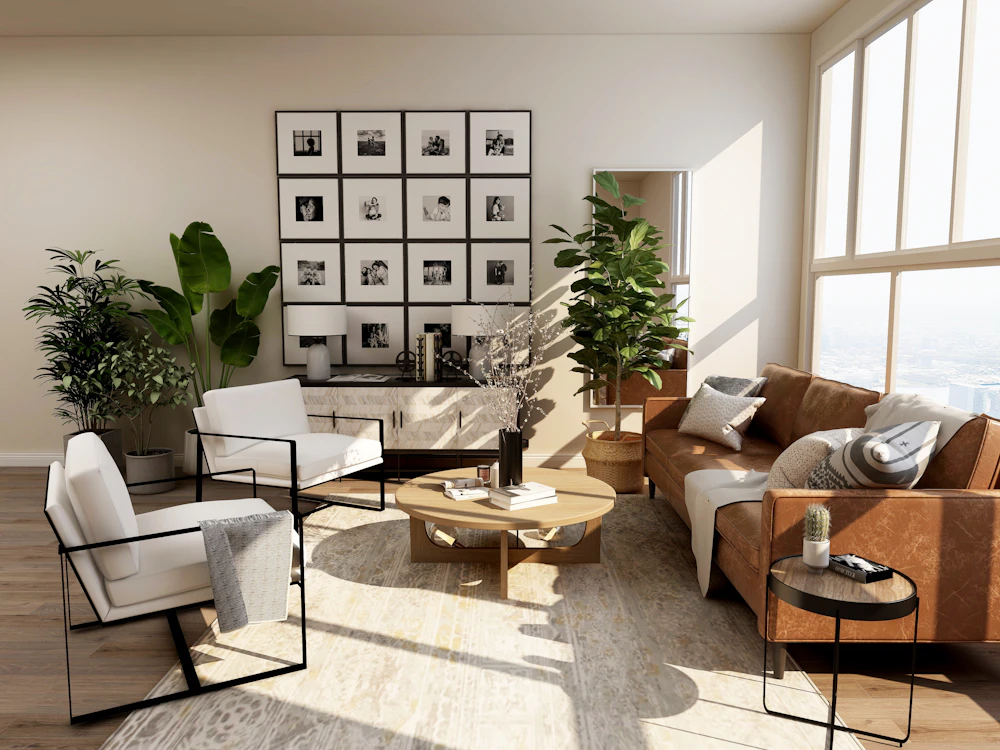
Can an Interior Designer Save You Money?
Potentially, through better planning and cost control.
A professional designer can plan the space before execution, coordinate measurements and drawings, specify materials and help reduce changes after work has started.
This can be particularly useful for a complete home interior where the project includes a modular kitchen, wardrobes, furniture, lighting, false ceilings, electrical work and multiple execution activities.
However, the designer’s own fee must also be included when evaluating the total project economics. The most useful comparison is therefore the complete scope, specifications and deliverables.
DIY Interior Planning vs Professional Design
The financial comparison is broader than the designer’s fee. It includes your own time, coordination responsibility, purchasing decisions and the risk of rework.
Managing the Project Yourself
- You control design and purchasing decisions.
- You can compare vendors directly.
- You manage measurements and specifications.
- You coordinate contractors and deliveries.
- You manage design changes during execution.
- You take responsibility for site coordination.
Working With an Interior Designer
- Space planning is developed before execution.
- Furniture and storage can be planned around the room.
- Materials can be specified systematically.
- Drawings can help coordinate execution.
- Procurement may be coordinated depending on scope.
- The design fee becomes part of the overall budget.
How an Interior Designer Can Help Control Costs
These are the areas where professional planning can potentially reduce avoidable spending during a residential interior project.
Better Space Planning
A proper layout can reduce the need for unnecessary furniture and help every part of the room perform a useful function.
Accurate Measurements
Correct measurements reduce the risk of manufacturing furniture that does not fit the available walls or openings.
Less Rework
Coordinated planning can reduce conflicts between carpentry, electrical work, ceiling work, lighting and furniture.
Smarter Material Selection
Materials can be selected according to use, durability, appearance, maintenance and budget instead of upgrading every surface unnecessarily.
Controlled Customization
Custom furniture can be concentrated on areas where it provides meaningful functional or visual value.
Fewer Wrong Purchases
Furniture, lights and accessories can be selected after the room concept and dimensions are established.
Efficient Storage
Proper wardrobes, kitchens and built-in storage can reduce the need for additional furniture later.
Electrical Planning
Socket, appliance and lighting locations can be coordinated before walls, ceilings and furniture are finalized.
Clear Procurement
Material schedules and specifications make it easier to identify what needs to be purchased and installed.
Fewer Last-Minute Changes
A developed design reduces the number of decisions that need to be made after manufacturing or installation has started.
Correct Furniture Scale
Furniture planned around the actual room is less likely to create circulation problems or require later replacement.
Vendor Coordination
Where project management is included, coordination can help align carpentry, electrical, painting and installation work.
Better Budget Priorities
A designer can help identify where higher-quality materials matter most and where simpler specifications may be sufficient.
Better Product Fit
Dimensions and specifications can be checked before committing to appliances, furniture and fixtures.
Long-Term Function
A home designed around actual lifestyle requirements can reduce the need for avoidable modifications later.
Clearer Project Scope
A detailed scope makes it easier to identify included work and exclusions before the project begins.
Fewer Budget Surprises
Planning for electrical, civil work, installation, appliances, loose furniture and other exclusions can make the total budget easier to understand.
Where Should You Spend More on Interior Design?
A controlled budget does not mean choosing the cheapest material everywhere. It means allocating money according to durability, function, visibility and frequency of use.
Consider Investing in
Focus on components that are handled or used frequently.
- Kitchen hardware
- Wardrobe hardware
- Frequently used storage
- Seating
- Essential lighting
Use Custom Work Selectively
Customization can add value, but it should be used where it solves a real functional or design requirement.
- Feature walls
- Bespoke furniture
- Decorative partitions
- Special ceiling details
- Premium finishes
Check Possible Exclusions
Always confirm whether these items are included in the quotation.
- Appliances
- Loose furniture
- Curtains and blinds
- Taxes
- Civil modifications
- Delivery and installation
The Lowest Quote Is Not Always the Lowest Total Cost
Two interior quotations can have very different prices because their materials, hardware, furniture, services and exclusions may differ.
Check the Inclusions
- Kitchen
- Wardrobes
- Furniture
- False ceiling
- Electrical work
- Lighting
- Painting
- Installation
- Project management
Check the Exclusions
- Appliances
- Loose furniture
- Curtains and blinds
- Demolition
- Plumbing changes
- Premium upgrades
- Taxes
- Site or society charges
How Homeowners Can Accidentally Increase Interior Costs
Many budget changes happen because important decisions are made after execution has already started.
Without a clear room list and work scope, quotations become difficult to compare.
Furniture or appliances purchased before layout planning may not fit the final design.
Repeated substitutions and upgrades can increase procurement and installation costs.
Late electrical changes can require additional labour and finishing work.
A per-square-foot rate without a defined scope does not reveal the actual project cost.
Existing conditions and unforeseen site work can create additional costs during renovation.
How an Interior Designer Can Help Control Your Budget
A structured interior project moves from requirements and measurements to design, specifications, quotation and execution.
Brief
Understand rooms, lifestyle, priorities and budget.
Measure
Record dimensions, openings, services and site conditions.
Design
Develop layouts, furniture, storage and visual direction.
Specify
Define materials, hardware, finishes and quantities.
Quote
Review scope, exclusions, milestones and payment stages.
Execute
Coordinate production, installation and final checks.
Interior Budget Planning for Gurgaon, Noida & Delhi NCR
Current Interior A to Z pricing guidance shows that interior costs vary according to property size, materials, customization, furniture, site conditions and execution scope. Published ranges are planning references rather than fixed quotations.
Gurgaon
Plan apartment, builder-floor and villa interiors with a defined scope for kitchens, wardrobes, furniture, lighting and execution.
Explore Interior A to Z →Noida
Build a project-specific interior budget around the property’s dimensions, storage requirements, materials and execution scope.
Explore Noida Interior Services →Delhi NCR
Compare design planning and turnkey approaches while defining materials, furniture, services, installation and exclusions.
Explore Delhi NCR Interiors →Do You Save Money With an Interior Designer? FAQs
Do you save money with an interior designer?
An interior designer does not automatically make a project cheaper. Professional planning can help control total project costs by reducing avoidable mistakes, rework, unsuitable purchases, material waste and coordination problems.
How can an interior designer save money?
An interior designer can help through accurate measurements, space planning, material specifications, coordinated drawings, procurement planning, storage planning and execution coordination, depending on the agreed project scope.
Is hiring an interior designer worth the cost?
The value depends on the project’s complexity, scope, homeowner involvement and the designer’s deliverables. Complex projects generally require more planning and coordination.
Can an interior designer reduce renovation mistakes?
Professional measurements, drawings, specifications and coordination can reduce certain avoidable mistakes. The actual outcome also depends on site conditions and execution quality.
Does an interior designer get better material prices?
A designer or design firm may have supplier relationships, but pricing varies by supplier, quantity, specification and material. Compare itemized quotations rather than assuming a particular discount.
What should I compare when choosing an interior designer?
Compare the room list, scope, drawings, materials, hardware, furniture, electrical work, ceiling work, installation, project management, taxes, exclusions, warranties, payment stages and revision policy.
Is design-only cheaper than turnkey interior design?
Design-only and turnkey services have different scopes. Design-only may cover planning and documentation, while turnkey services may include procurement, manufacturing, installation, supervision and execution.
Plan Your Interior Budget With More Clarity
Plan Your Interior Budget Before You Start Spending
Share your home size, BHK, location and requirements. Build a clearer scope for your kitchen, wardrobes, furniture, lighting, ceiling, electrical work and complete interior execution.