Home Interior Design Budget: A Practical Guide to Planning Your Costs
A successful interior project starts with a realistic budget. Understand how property size, project scope, materials, design preferences and unexpected expenses can influence your overall home interior cost.

What Does a Home Interior Design Budget Include?
When planning a new interior or renovation, the first question is often how much the project will cost. There is no single figure that applies to every home because the budget depends on the project’s size, scope, design preferences and material selections.
A good budget gives you a framework for deciding which improvements matter most while helping you avoid unnecessary overspending.
- Property size and number of rooms
- Complete renovation or selected-room makeover
- Materials and finishes
- Furniture and customized elements
- Professional design services
- Installation and execution requirements
- Unexpected project expenses
7 Important Factors That Influence Your Interior Budget
Understanding the main cost drivers makes it easier to create a realistic budget before design and execution begin.

Size of Your Home
Larger spaces generally require more materials, furniture, labour and design time. The number and size of rooms can therefore influence the overall budget significantly.
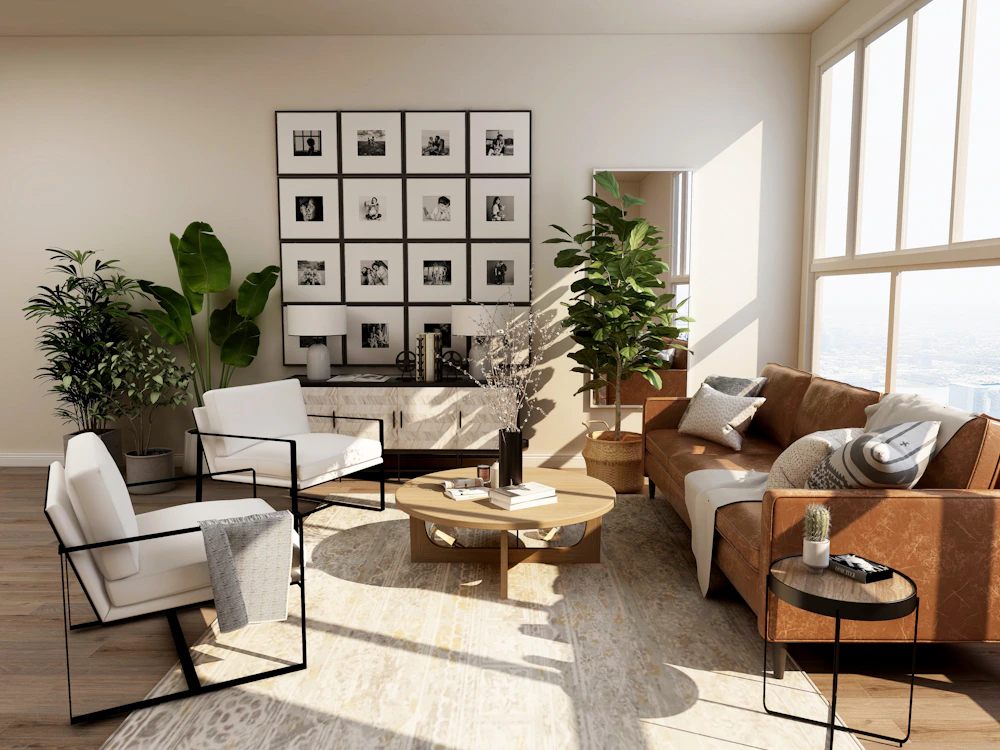
Project Scope
A complete home transformation will require a different budget from refreshing one bedroom, living room or kitchen.

Materials & Finishes
The quality and specification of flooring, cabinetry, hardware, lighting, wall finishes and other materials can substantially affect cost.
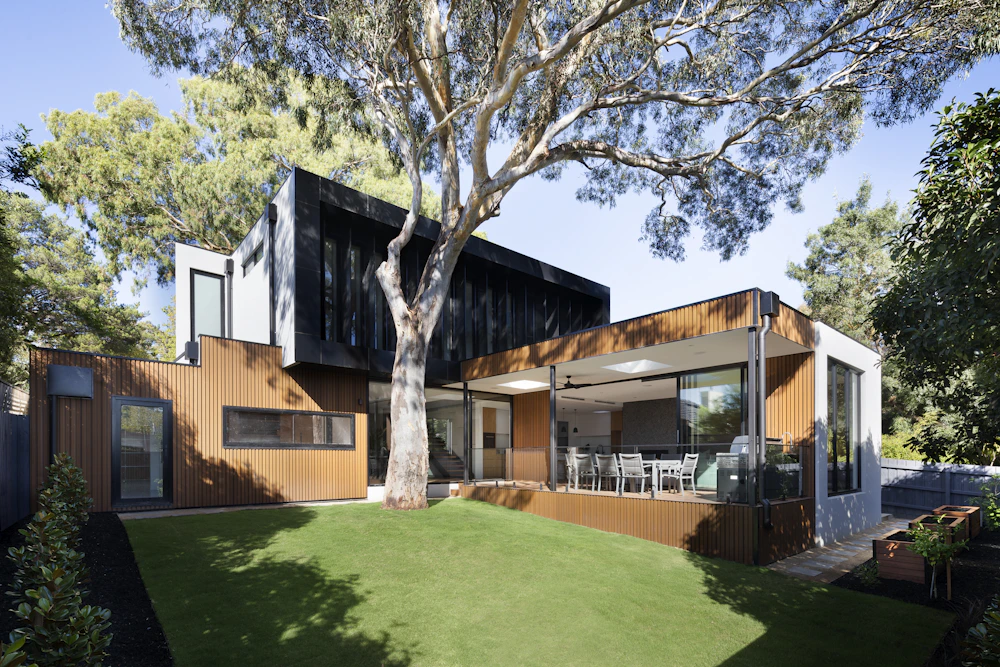
Customization
Custom furniture, wardrobes, storage systems and architectural details can require additional design, manufacturing and installation work.

Design Preferences
Minimal, contemporary and luxury interiors can have very different material and detailing requirements.

Kitchen & Storage
Modular kitchens, wardrobes and storage systems involve cabinetry, hardware, finishes and installation that should be included in the budget.

Unexpected Expenses
Keeping some flexibility in the budget can help you manage unexpected work, changes or additional requirements during execution.
How Much Should You Allocate for Home Interior Design?
The source guide uses a general rule of thumb of allocating around 10% of a home’s total value for renovations. This should be treated as a starting point rather than a universal price because actual interior costs vary considerably by property, scope, specifications and location.
For example, if a home is valued at ₹1 crore, a 10% planning benchmark would be ₹10 lakh. The final budget should still be adjusted according to the actual work required and the materials selected.
- Start with the property value: Use it only as an initial budgeting reference.
- Define the scope: Decide which rooms and elements will actually be renovated.
- Prioritize: Spend more on features that matter most to your lifestyle.
- Keep flexibility: Allow room for unexpected project expenses.
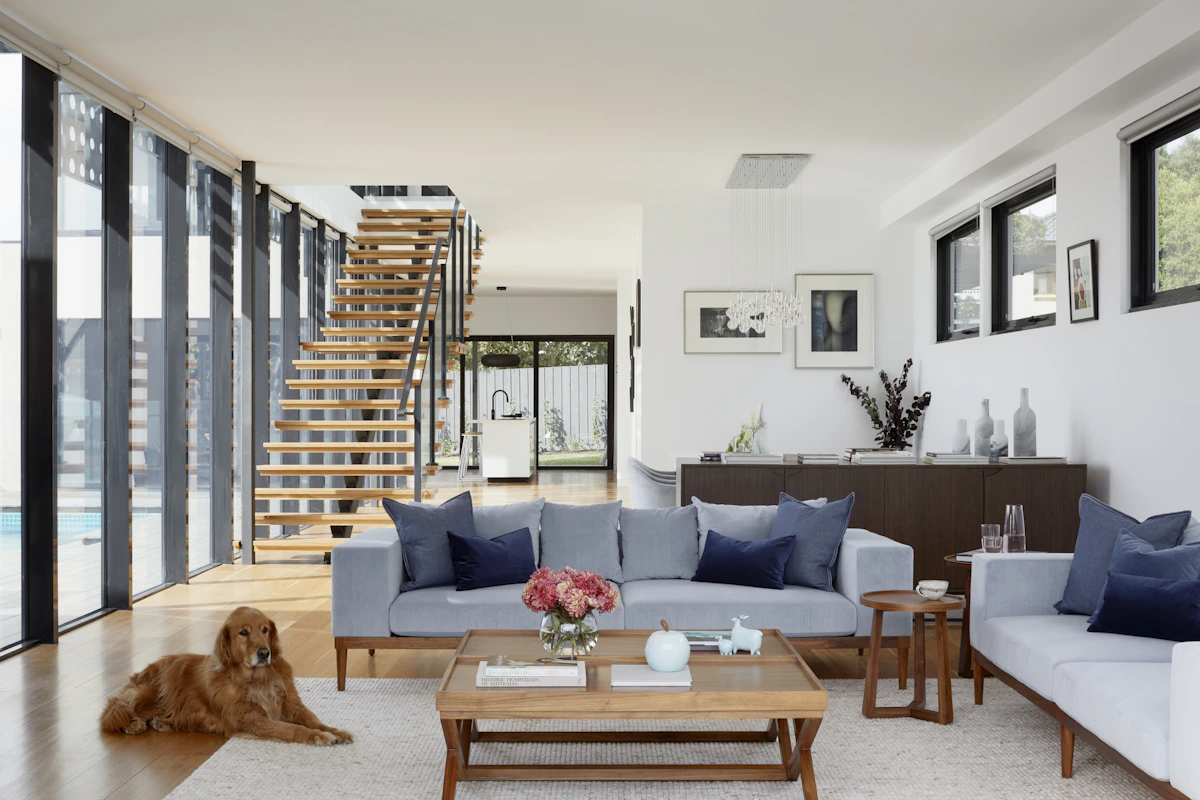
Build Your Interior Budget in 4 Practical Categories
Breaking the project into categories makes it easier to understand where the money needs to go.
Design
Professional planning, concepts, layouts, selections and design development.
Materials
Flooring, cabinetry, hardware, finishes, lighting and other selected products.
Execution
Labour, installation, carpentry, electrical and other implementation requirements.
Contingency
A flexible amount reserved for unexpected expenses and project changes.
Home Interior Budget Planning Checklist
Review these areas before finalizing an interior quotation.
| Budget Area | What to Consider | Why It Matters |
|---|---|---|
| Property Size | Built-up area, rooms and spaces | Influences material and labour requirements |
| Project Scope | Full home or selected rooms | Defines the overall scale of work |
| Materials | Quality, finishes and specifications | Can significantly change the final cost |
| Customization | Furniture, wardrobes and storage | Custom work requires additional planning and manufacturing |
| Execution | Labour and installation | Required to physically implement the design |
| Contingency | Unexpected work or changes | Provides budget flexibility |
Smart Strategies for Staying Within Your Interior Budget
A realistic budget is not only about setting a number. It is also about controlling priorities throughout the project.
Before Design Begins
- Set your maximum comfortable budget.
- Identify the rooms that need the most attention.
- Separate essential requirements from optional upgrades.
- Decide your preferred design style.
- Discuss your expectations with the designer.
During Material Selection
- Compare material specifications.
- Balance quality with long-term durability.
- Prioritize frequently used areas.
- Review hardware and accessories carefully.
- Avoid unnecessary upgrades.
During Execution
- Track approved changes.
- Review measurements before production.
- Coordinate material deliveries.
- Monitor additional work.
- Keep communication clear with the execution team.
Before Final Approval
- Review the complete quotation.
- Check inclusions and exclusions.
- Confirm material specifications.
- Understand payment milestones.
- Keep a contingency reserve.
Budget for What Matters Most in Your Home
A practical interior budget should reflect how you actually use your home. Not every room or feature needs the same level of investment.
For example, a family may prioritize a durable modular kitchen and efficient storage, while another homeowner may place greater emphasis on living room aesthetics, lighting or a luxury bedroom.
The goal is to create a budget that supports your lifestyle while maintaining control over the overall project cost.
- Prioritize functionality
- Invest in frequently used spaces
- Choose materials according to lifestyle
- Avoid spending simply for appearance
- Keep long-term maintenance in mind
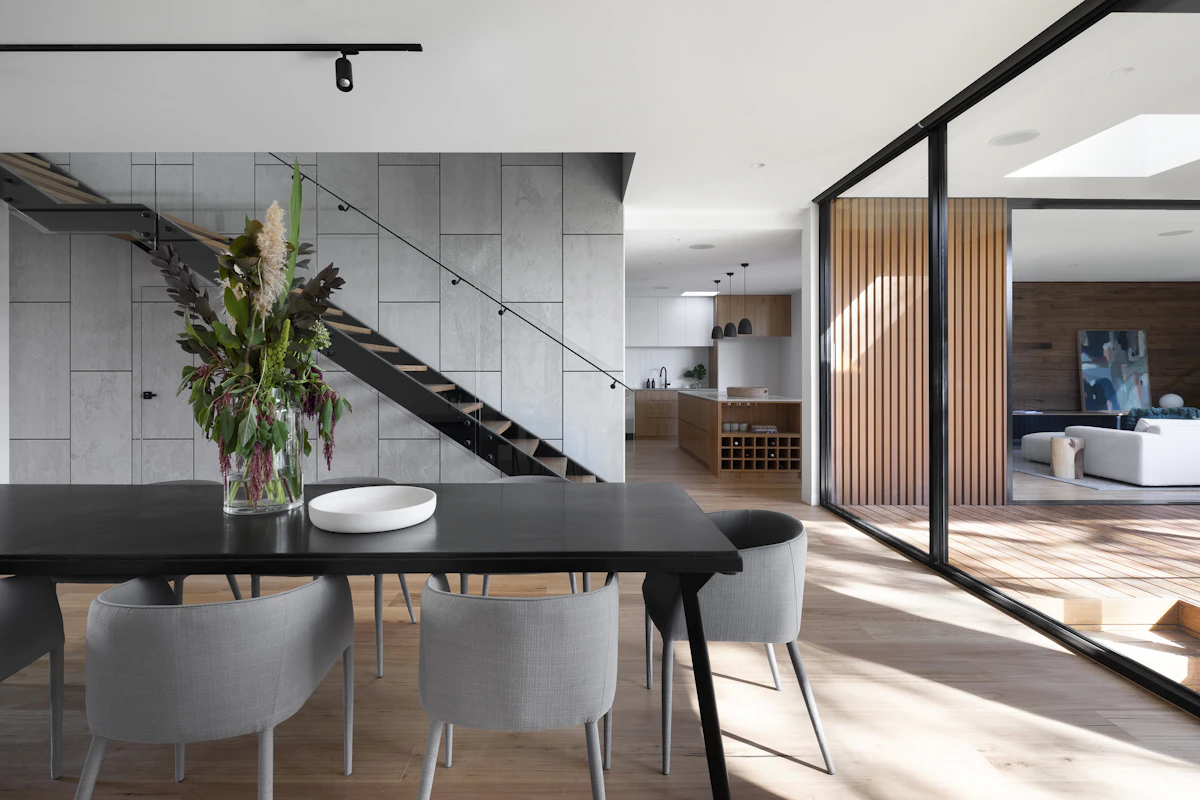
Home Interior Budget Planning in Delhi NCR
Interior costs can vary according to property type, project scope, materials and local execution requirements. A location-specific consultation can help establish a more useful project estimate.
Delhi
Plan apartment and independent-home interiors with a clear scope, material selection and realistic execution budget.
Gurgaon
Budget for modern apartments, luxury homes, modular kitchens, wardrobes and complete turnkey interior projects.
Noida
Create a practical interior budget for new apartments, renovations, modular kitchens and complete home interiors.
4-Step Home Interior Budget Process
Use this simple sequence to move from an idea to a controlled project budget.
Define
Identify the property, rooms and scope of work.
Prioritize
Decide which features deserve the largest share of your budget.
Estimate
Review design, material, execution and contingency requirements.
Control
Track selections, changes and expenses throughout the project.
Home Interior Design Inspiration
Good budgeting allows you to balance aesthetics, comfort and functionality without losing control of the project.


Ready to Plan Your Home Interior Budget?
Interior A to Z provides interior design, budget planning and turnkey execution services across Delhi NCR, Gurgaon and Noida. Discuss your requirements before making major design or material decisions.
Frequently Asked Questions About Home Interior Design Budgeting
Answers to common questions homeowners ask before starting an interior project.
How much should I budget for home interior design?
There is no single budget that applies to every home. The cost depends on property size, project scope, materials, finishes, customization and design preferences. The source guide suggests around 10% of the home’s value as a general starting benchmark, but the actual project should be estimated according to its specific requirements.
What factors affect home interior design cost?
The main factors include home size, project scope, material quality, finishes, customization, furniture, design complexity, labour and execution requirements.
Should I keep extra money aside for unexpected expenses?
Yes. Keeping some flexibility in the budget can help accommodate unexpected expenses, changes in requirements or additional work during execution.
Does the size of the house affect the interior budget?
Yes. Larger homes generally require more materials, labour and time. However, the final budget also depends heavily on the scope and quality of the interior specifications.
How can I reduce unnecessary interior expenses?
Start by defining priorities, selecting materials carefully, avoiding unnecessary customization and maintaining a clear project scope. Professional planning can also help identify where the budget should be concentrated.
Can an interior designer help with budget planning?
Yes. An interior designer can help translate your requirements into a design scope, recommend materials and finishes, prioritize features and coordinate the project according to your budget.
Interior A to Z
Interior design, budget planning and turnkey execution services for homes and offices across Delhi NCR, Gurgaon and Noida.
Phone:+91 9891050117
Email:info@interioratoz.com
Office:
53, Ground Floor, Khasra No: 308, A-1147,
Block A1, Chhatarpur, New Delhi,
Delhi 110074
Request a Budget Consultation
Tell us about your property, preferred design and approximate budget. Get professional guidance for planning your home interior project.
Book Consultation
Call Now
Understanding the Costs of Interior Design
When planning to renovate or create a new look for your living space, one of the most pressing questions is, “How much should I budget for home interior design?” The answer can vary significantly based on the complexity of your project, personal preferences, and the materials you choose.
Factors Influencing Your Interior Design Budget
Several elements will influence your interior design budget. First, consider the size of your space; larger areas typically require more materials and time. Additionally, the scope of the project matters. Will you be doing a total makeover or just refreshing a few rooms? Understanding these factors will help you estimate more accurately.
Creating a Realistic Budget
A good rule of thumb when budgeting for home interior design is to allocate around 10% of your home’s total value for renovations. For instance, if your home is valued at $300,000, a budget of $30,000 for interior design could be reasonable. However, it is essential to leave some wiggle room for unexpected expenses.
Ultimately, setting a clear budget will help you focus on what truly matters for your space and ensure that you achieve the desired aesthetic without overspending.