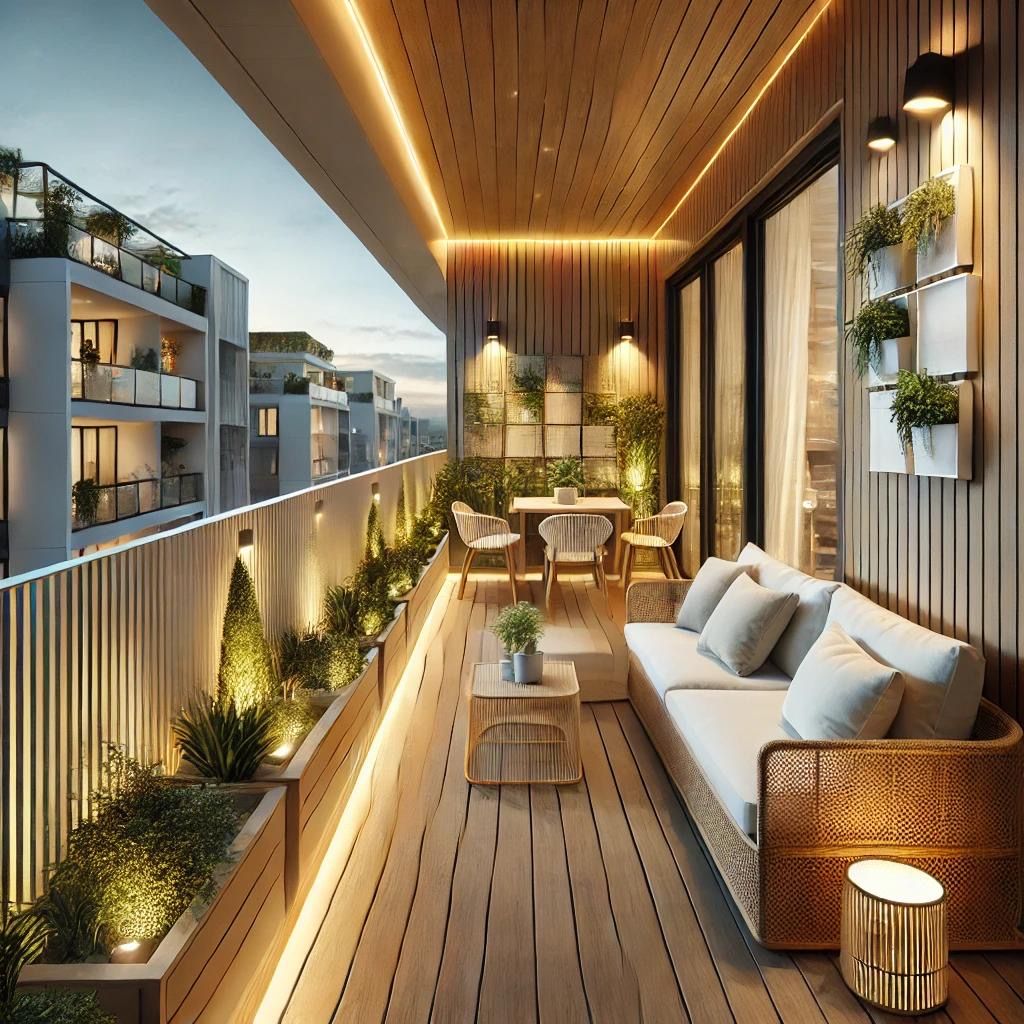
Advantages and Disadvantages of Interior Design
Understanding the advantages and disadvantages of interior design can help homeowners make a more informed decision before spending money on design, renovation, furniture and execution. Professional interior design can improve how a space looks, functions and feels, but it also involves costs, decisions, time and coordination.
Whether you are planning a new apartment, renovating an existing home, designing an office or furnishing a property in Delhi, Gurgaon, Noida or Delhi NCR, understanding both sides is more useful than looking only at the benefits.
The main advantages of interior design are better space utilization, improved functionality, personalization, coordinated aesthetics, professional planning, time savings and potentially better long-term value. The main disadvantages can include professional fees, material and execution costs, time requirements, decision-making, design disagreements and the risk of unexpected expenses. Good planning and a clearly defined scope can reduce many of these disadvantages.
Interior Design: Advantages and Disadvantages at a Glance
The Advantages
Professional planning can help you use space more effectively, coordinate materials and furniture, improve storage, create a consistent design and avoid some common planning mistakes.
The Disadvantages
Interior projects require an investment of money and time. You may also need to make many decisions and manage approvals, changes, expectations and execution details.
10 Advantages of Interior Design
Interior design is not simply about making a room attractive. Good interior planning connects aesthetics with practical requirements such as circulation, storage, lighting, furniture dimensions and everyday use.
Better Space Utilization
A designer can study the available floor area and plan furniture, storage and circulation so that the space is used efficiently. This is especially valuable in apartments and compact homes.
Improved Functionality
Good design considers how people actually use a room. Furniture placement, kitchen work zones, storage and lighting can be planned around daily routines rather than appearance alone.
Personalized Interiors
Professional design can be customized around your lifestyle, preferences, family requirements, hobbies, storage needs and preferred materials.
Better Storage Planning
Wardrobes, kitchen cabinets, TV units, study storage and other built-in solutions can be planned according to available dimensions and actual storage requirements.
Consistent Visual Design
A designer can coordinate colours, materials, furniture, lighting and finishes so that different rooms feel connected rather than visually unrelated.
Professional Material Guidance
Designers can help compare finishes, hardware, surfaces and other materials according to appearance, durability, maintenance and budget.
Better Lighting Planning
Layered lighting can combine general illumination, task lighting and accent lighting to make rooms more functional and visually comfortable.
Time Savings
A structured design process can reduce the time spent searching for products, comparing alternatives and coordinating multiple design decisions.
Fewer Planning Mistakes
Proper measurements, drawings and planning can reduce avoidable problems such as oversized furniture, inadequate storage or poorly positioned electrical points.
A More Cohesive Finished Home
When layout, materials, furniture, lighting and décor are considered together, the finished interior can feel more intentional and balanced.
8 Disadvantages of Interior Design
Interior design can provide significant value, but it is not completely risk-free. Understanding the potential disadvantages helps you plan the project more realistically.
Professional Fees
Hiring an interior designer adds a professional service cost to your project. The fee may be charged as a fixed amount, per square foot, percentage or another agreed structure.
Overall Project Cost Can Increase
Customized furniture, premium materials, civil work, electrical changes, lighting and additional features can increase the final project budget.
Interior Projects Take Time
Design development, approvals, procurement, manufacturing, installation and site work require time. More customized projects usually require more coordination.
Many Decisions Are Required
Clients may need to approve layouts, colours, materials, hardware, furniture, lighting and other details. Delayed approvals can affect the project schedule.
Design Preferences Can Differ
Interior design is partly subjective. Your preferred style may not initially match the designer’s proposal, which makes communication and feedback important.
Changes During Execution Can Be Expensive
Changing an approved layout, material or furniture design after manufacturing or installation has started can create additional cost and delay.
Quality Depends on Execution
A beautiful design does not automatically guarantee a good result. Workmanship, material quality, installation and site supervision all influence the finished interior.
Miscommunication Can Create Problems
Unclear expectations about budget, materials, dimensions or deliverables can cause disagreements. Written specifications and approvals help reduce this risk.
Advantages vs Disadvantages of Interior Design
| Area | Potential Advantage | Potential Disadvantage |
|---|---|---|
| Space | Better layout and space utilization | Planning takes time and may require compromises |
| Budget | Can reduce costly planning mistakes | Professional fees add to the initial budget |
| Design | Customized and cohesive appearance | Personal preferences may differ |
| Materials | Professional selection and comparison | Premium materials can increase project cost |
| Time | Designer can organize the process | Approvals and execution still require time |
| Execution | Better coordination when professionally managed | Quality depends on workmanship and supervision |
| Flexibility | Solutions can be customized to your needs | Major changes after approval can be expensive |
Is Interior Design Worth the Cost?
Whether professional interior design is worth the investment depends on your project. A homeowner with a small, simple room may be comfortable handling the work independently. A larger home with extensive furniture, storage, renovation or execution requirements can benefit more from professional planning.
Professional interior design may be especially useful when:
- You have a large or complex property
- You have limited time to manage the project
- You need extensive storage
- You are renovating an existing home
- You need customized furniture
- You are coordinating several contractors
- You want detailed 2D and 3D planning
- You need help selecting materials
- You want a coordinated design across the entire home
- You prefer an end-to-end execution service
Does Hiring an Interior Designer Increase the Total Cost?
Hiring a designer introduces a professional fee, but the total financial impact depends on the project. A designer may help identify practical solutions, coordinate selections and reduce certain avoidable mistakes. At the same time, extensive customization and premium specifications can increase the overall budget.
The most useful approach is to compare the complete scope of work rather than judging the designer only by the fee.
| Cost Area | Questions to Ask |
|---|---|
| Design Fee | Is the professional design fee fixed, per sq. ft. or percentage-based? |
| Materials | Are brands, grades and finishes clearly specified? |
| Furniture | Which furniture pieces are included? |
| Hardware | Are hinges, channels, handles and accessories included? |
| Execution | Are labour, installation and site management included? |
| Civil Work | Are electrical, plumbing, flooring or masonry works included? |
| Taxes | Are applicable taxes included in the quoted price? |
How to Reduce the Disadvantages of Interior Design
Most project problems can be reduced through better planning and clearer communication. Before work begins, make sure the scope and expectations are understood by everyone involved.
- Set a realistic budget before designing
- Define your must-have requirements
- Ask for a detailed scope of work
- Confirm material specifications
- Review drawings before execution
- Keep approved designs documented
- Ask about additional-change costs
- Clarify the payment schedule
- Confirm the expected project timeline
- Discuss site supervision responsibilities
- Keep communication organized
- Maintain a contingency budget
Example: When Interior Design Adds Real Value
Consider a compact 2 BHK apartment where the family needs a modular kitchen, three wardrobes, a work-from-home area and additional storage. Simply buying furniture may leave awkward gaps and reduce usable space.
A professional design approach can first establish the furniture layout, storage dimensions, electrical requirements and circulation. The family can then decide where customization is genuinely useful and where standard products are sufficient.
The value of interior design is not necessarily in adding more decoration. It is often in making better decisions about the space before money is spent on furniture and finishes.
When Should You Hire an Interior Designer?
You may benefit from a professional interior designer if your project involves several rooms, customized furniture, renovation work, extensive storage or multiple contractors.
DIY can make sense for smaller decorative changes, especially when the property already has a functional layout and you enjoy managing product selection and installation yourself.
| Project Situation | Potentially Suitable Approach |
|---|---|
| One-room cosmetic refresh | DIY or consultation |
| Small apartment with limited changes | DIY + professional consultation if needed |
| 2 BHK / 3 BHK full-home interior | Professional design can be useful |
| Large renovation | Professional design and project coordination |
| Villa or luxury residence | Detailed professional design and execution |
| Office or commercial project | Professional planning is generally valuable |
Interior Design in Delhi NCR: What Homeowners Should Consider
Home interiors in Delhi, Gurgaon and Noida can involve different apartment layouts, builder specifications, access conditions, renovation requirements and execution constraints. These local factors should be considered before finalizing the design.
For example, an apartment may require careful storage planning, while a builder floor may need more attention to electrical, lighting, circulation and furniture dimensions. The right solution depends on the actual property rather than simply following a trend.
Explore More Interior Design Guides
Frequently Asked Questions About the Advantages and Disadvantages of Interior Design
What are the main advantages of interior design?
The main advantages include better space utilization, improved functionality, personalized design, better storage planning, coordinated aesthetics, professional material guidance, lighting planning and a more organized design and execution process.
What are the disadvantages of interior design?
Potential disadvantages include professional fees, higher costs for customized materials and furniture, time requirements, many design decisions, possible disagreements about style, and additional costs when approved designs are changed during execution.
Is hiring an interior designer worth it?
It can be worthwhile when a project is large, complex or time-consuming and requires professional space planning, storage, customized furniture or execution coordination. For a small decorative project, DIY or a consultation may be sufficient.
Can an interior designer save money?
Professional planning may help reduce certain avoidable mistakes, improve material decisions and coordinate the project. However, hiring a designer does not automatically make a project cheaper. The overall value depends on the scope, designer, materials and execution.
Does interior design increase property value?
A well-maintained and thoughtfully designed property may be more attractive to buyers or tenants, but the effect on property value depends on location, market conditions, property quality and the design choices made. Interior design should not be treated as a guaranteed return on investment.
Is interior design only about decoration?
No. Interior design can include space planning, furniture layouts, storage, lighting, materials, kitchen planning, electrical planning, functionality and project coordination in addition to decorative elements.
What is the biggest disadvantage of hiring an interior designer?
For many homeowners, the additional professional fee is the most obvious disadvantage. However, the actual project cost can also rise when clients choose extensive customization, premium materials or additional work beyond the original scope.
Can I use an interior designer only for design?
Yes. Depending on the professional or firm, you may be able to hire design-only services and manage procurement and execution yourself, or choose a complete turnkey service.
How can I avoid problems with an interior designer?
Define the scope, budget, materials, deliverables, timeline, payment schedule and revision policy before starting. Keep important approvals and changes documented and ask about additional costs before approving changes.
Is interior design useful for small apartments?
Yes. Small apartments can benefit significantly from careful space planning, multifunctional furniture, vertical storage, appropriate lighting and furniture scaled to the available space.
Planning an Interior Design Project?
Whether you are planning a home, apartment, office or renovation in Delhi NCR, start with a clear understanding of your space, requirements, budget and priorities. Interior A to Z can help you explore a suitable design and execution approach for your project.
Discuss Your ProjectFinal Takeaway
The advantages and disadvantages of interior design should be considered together. Professional design can improve functionality, storage, space utilization, aesthetics and project organization. At the same time, it requires an investment of money, time and attention.
The best approach is not to choose interior design simply because it is fashionable or avoid it because it costs money. Instead, consider the complexity of your property, your available time, your design confidence, your budget and how much professional coordination you actually need.
For homeowners in Delhi NCR, Gurgaon and Noida, a well-defined scope, realistic budget and clear communication can help capture the benefits of professional interior design while reducing many of its potential disadvantages.