
How to Decorate with Thrifted Finds on a Budget
Create a home with character without overspending by combining second-hand furniture, vintage accents, affordable accessories, thoughtful styling and a little creative upcycling.
Beautiful interiors do not have to start with expensive shopping.
Thrifted finds can introduce texture, history and personality into a home while helping you control the decorating budget.
The secret is not to fill a room with random second-hand objects. Instead, select pieces that work with the room’s proportions, colour palette and existing furniture. A single vintage mirror, an old wooden side table or a distinctive lamp can become a strong focal point when surrounded by simpler elements.
Before you thrift, know what your home actually needs.
A simple plan prevents inexpensive purchases from becoming expensive clutter.

Measure First
Know the dimensions of available spaces before buying furniture, mirrors, artwork or storage pieces.

Choose A Palette
Decide on two or three dominant colours so different thrifted pieces can still look intentionally connected.

Make A Shopping List
Identify missing items such as a side table, mirror, lamp, artwork or storage basket before browsing for bargains.
10 thrifted decor ideas that can transform a room
Look for character, quality, proportion and usefulness rather than simply choosing the cheapest item available.

Solid Wood Furniture
Look for sturdy side tables, cabinets, consoles and chairs. Small imperfections can often add character rather than reduce it.

Vintage Mirrors
An interesting mirror can create a focal point while reflecting light and making a compact room feel more open.

Old Frames & Artwork
Mismatched frames can become a cohesive gallery wall when grouped by colour, subject or spacing.

Second-Hand Lamps
A distinctive lamp can add more personality than several small decorative purchases. Check the wiring and electrical condition before use.

Textiles
Cushions, throws, rugs and suitable curtains can introduce pattern and texture without changing the whole room.

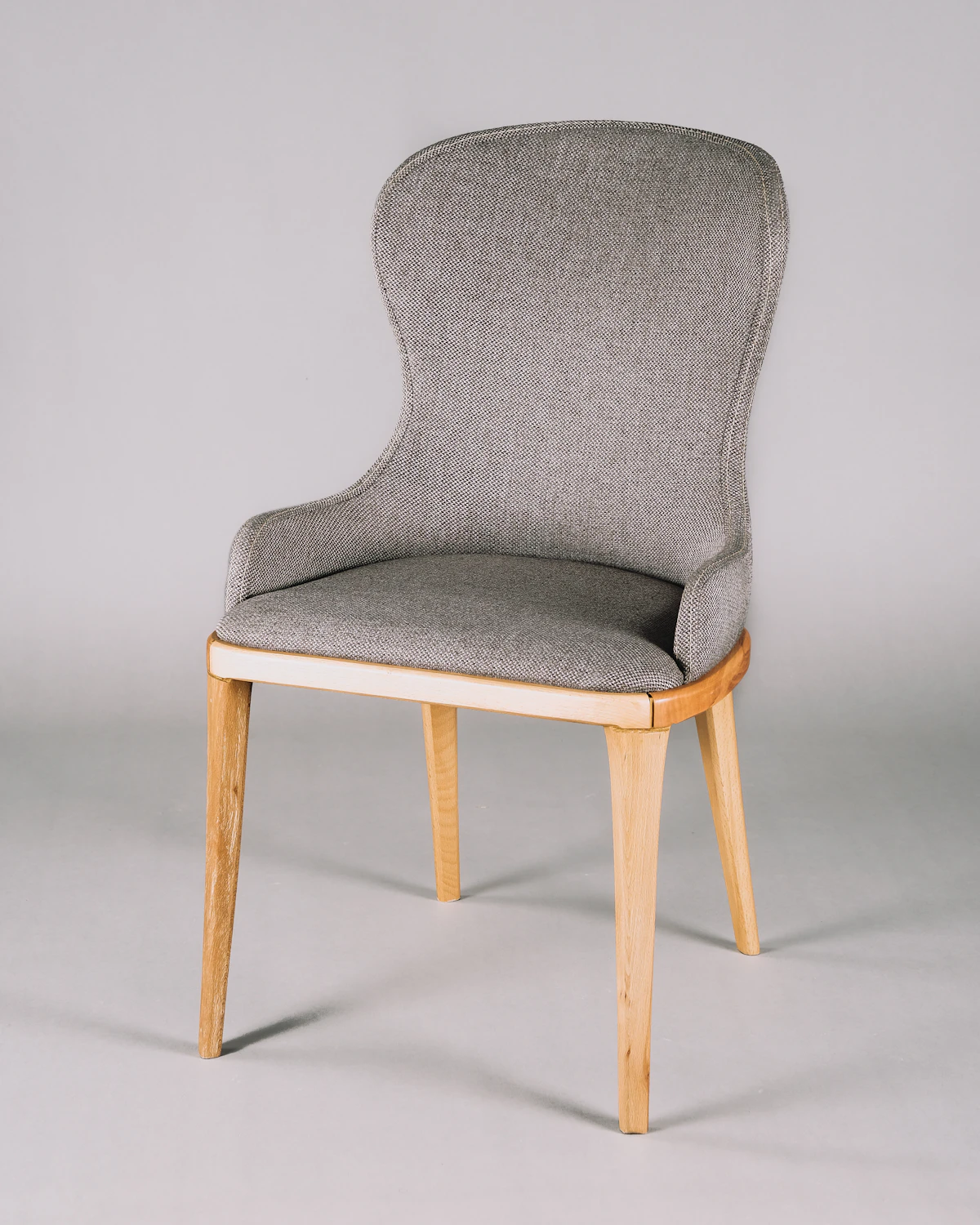
Accent Chairs
A single vintage chair can create contrast against contemporary furniture and make the room feel more collected.
Books & Objects
Old books, trays, ceramics and small collected objects can create depth on shelves and coffee tables.

Baskets & Storage
Woven baskets can add texture while providing practical storage for throws, magazines, toys and everyday items.

Vintage Desks
An older writing desk can become a distinctive home office, study corner or console when its proportions suit the room.

One Statement Find
Sometimes one exceptional thrifted piece is enough. Let it become the visual anchor instead of filling the room with multiple competing objects.
Make thrifted pieces look intentional, not random.
The difference between clutter and character is usually editing, repetition and proportion.
Connect different finds by repeating one or two colours throughout the room.
Pair vintage pieces with clean contemporary furniture for visual balance.
Give distinctive pieces enough breathing room so they remain noticeable.
Not every bargain deserves a place in your home. Edit aggressively.
Give a good thrifted piece a second life.
A simple repair or finish change can make an older item work beautifully with a contemporary interior.
- Clean furniture thoroughly before bringing it indoors.
- Repair loose joints and damaged hardware where appropriate.
- Sand and refinish suitable wooden surfaces.
- Replace dated handles or knobs where suitable.
- Reupholster chairs when the structure is sound.
- Use paint selectively rather than covering every natural surface.
- Check electrical fixtures before connecting them.
- Reject items with serious structural, mould or pest problems.
Where thrifted finds work especially well
Different rooms call for different types of second-hand pieces.

Living Room
Try vintage side tables, mirrors, lamps, artwork, baskets and one distinctive accent chair.

Bedroom
Consider a vintage bedside table, mirror, frame, bench, textile or small chest of drawers.

Kitchen & Dining
Use suitable ceramics, trays, wooden boards, stools, baskets and vintage-inspired serving pieces.

Home Office
A second-hand desk, bookshelf, task lamp or framed artwork can create a more personal workspace.
Spend less by prioritising high-impact pieces.
The goal is not to make every item thrifted. Combine affordable finds with what you already own and spend selectively where quality or functionality matters most.
| Decor Category | Budget Approach | What to Look For |
|---|---|---|
| Furniture | Buy fewer, better pieces | Solid construction, useful proportions, repair potential |
| Mirrors | Use one as a focal point | Interesting frame, suitable size and good condition |
| Artwork | Build gradually | Frames, prints, photographs and pieces with personal meaning |
| Lighting | Prioritise safe, functional pieces | Good proportions, sound condition and compatible electrical components |
| Textiles | Buy selectively | Washable, clean and suitable materials |
| Accessories | Use sparingly | Objects that add function, texture or personality |
A simple five-step way to shop without overspending
Assess Your Room
Identify what is missing and what can be reused before shopping.
Know Your Sizes
Carry room and furniture dimensions so an attractive find does not become a bad fit.
Check Condition
Look carefully for structural damage, pests, mould, odours and unsafe electrical components.
Respect Your Budget
Set a maximum price before buying and factor in transport, cleaning and restoration.
Edit The Final Room
Place the best finds with existing pieces and remove anything that creates visual clutter.
Thrifted does not mean old-fashioned.
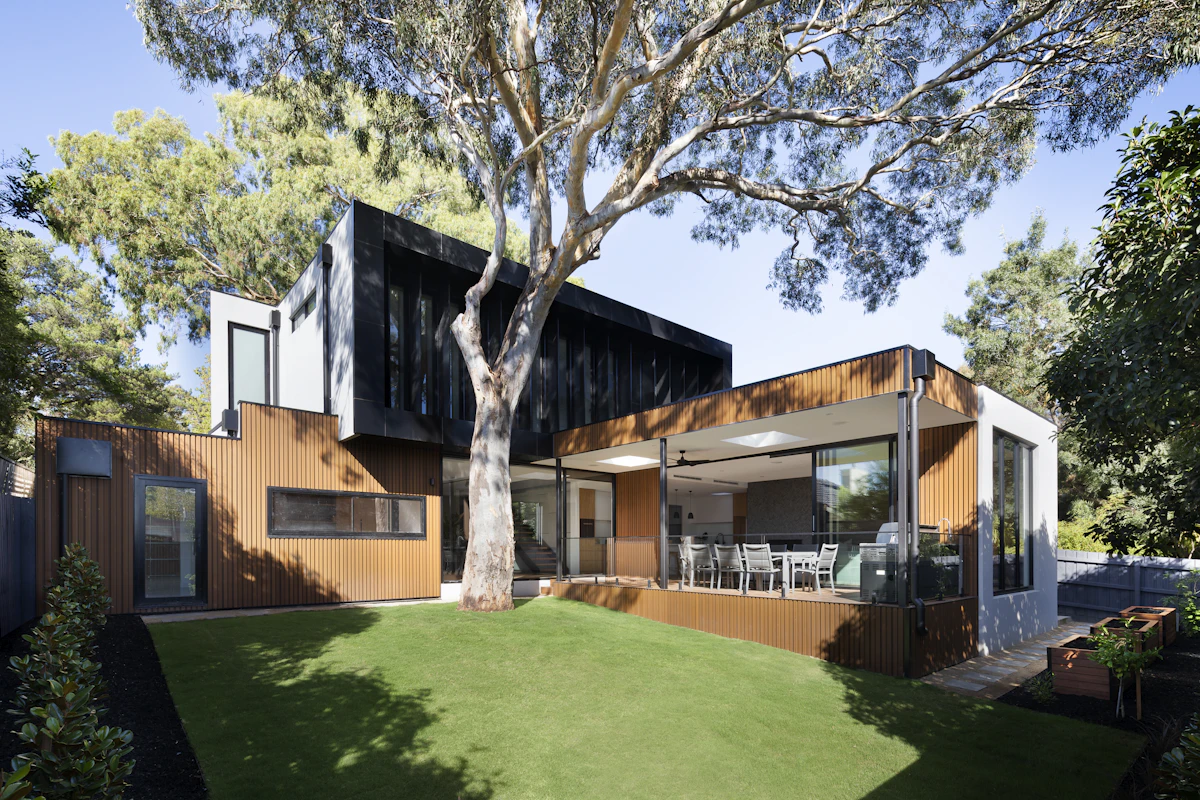
One of the most effective approaches is to combine vintage character with contemporary simplicity.
A modern sofa can sit alongside an older wooden side table. Contemporary lighting can highlight a vintage mirror. A clean modular kitchen can be softened with carefully selected ceramics, baskets or artwork.
This balance creates a collected interior rather than a room that looks like a themed showroom.
Explore Modern Home DecorBudget decorating ideas for Gurgaon, Noida and Delhi homes
Thrifted and second-hand decor can work across apartments, builder floors and independent homes when it is selected around the existing architecture and lifestyle.
Gurgaon
Combine contemporary apartment interiors with selected vintage furniture, artwork, mirrors and accessories.
Gurgaon Interior Design →Noida
Use budget styling, smart storage and carefully selected second- hand pieces to personalise apartment interiors.
Noida Interior Design →Delhi NCR
Create character-rich interiors by combining practical planning with affordable decor and meaningful collected pieces.
Delhi NCR Home Interiors →More budget-friendly interior ideas
Thrifted home decor FAQ
How do I decorate with thrifted finds on a budget?
Start with a clear colour palette and room plan. Look for second-hand furniture, mirrors, frames, lamps, textiles and accessories that solve a specific design need. Clean, repair or refinish suitable pieces before styling them with your existing furniture.
What are the best thrifted items for home decor?
Solid furniture, mirrors, picture frames, lamps, vases, baskets, books, artwork and selected textiles can all work well. Prioritise condition, proportion and usefulness rather than buying simply because an item is inexpensive.
How can I make thrifted furniture look expensive?
Clean it thoroughly, repair loose parts, replace dated hardware where appropriate and refinish suitable surfaces. Pair the piece with a restrained palette, good lighting and uncluttered styling.
Is thrifted decor suitable for modern interiors?
Yes. One or two vintage or second-hand pieces can add warmth and character to a modern interior. Balance older pieces with contemporary furniture, clean lines and a coordinated palette.
How can I avoid overspending when thrift shopping?
Set a spending limit before shopping, measure your space, carry a list of required items and avoid buying pieces that do not have a clear place or purpose. Remember to include transport, cleaning and restoration costs.
Are thrifted furniture and decor safe to use?
Inspect second-hand pieces carefully. Avoid furniture with serious structural damage, mould, pest infestation or unsafe electrical components. Clean and repair suitable pieces before bringing them into regular use.
Create a home that feels collected, personal and practical.
Thrifted finds can add character to a home, while professional interior planning can help make the larger layout, storage, furniture and functionality work together.