Which Is Better: Suite or Deluxe Room?
The right choice depends on how you plan to use the room. Compare space, privacy, layout, comfort, work areas, amenities and practical value before booking a suite or deluxe room.
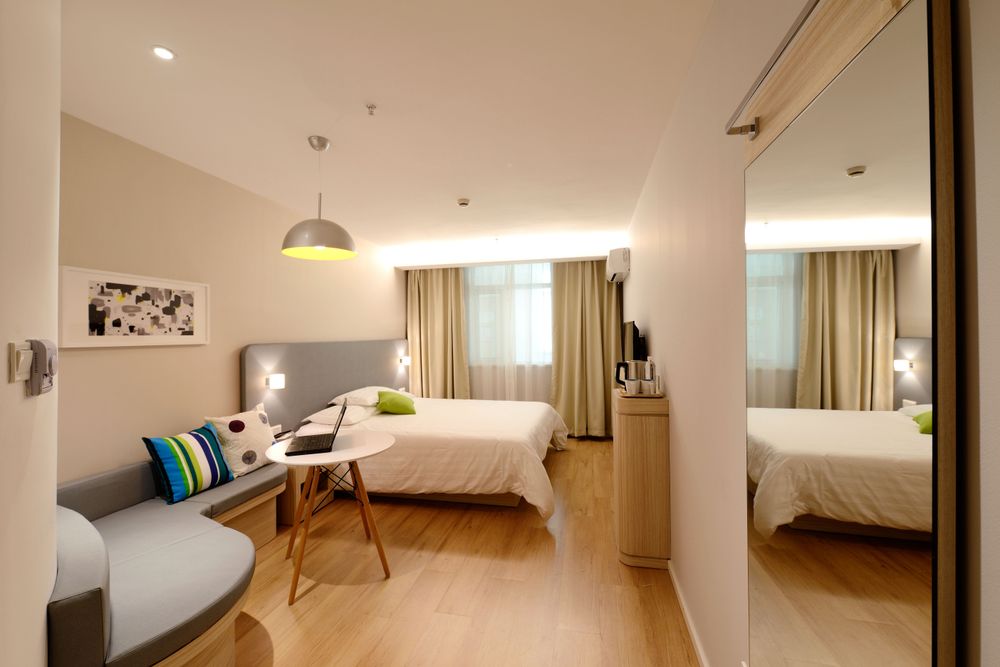
Suite and deluxe are different room categories.
A suite generally focuses on additional space and separation between sleeping and living functions. A deluxe room generally focuses on providing an upgraded hotel-room experience within a more conventional room layout.
However, hotel terminology is not completely standardized. One hotel’s deluxe room can be larger than another hotel’s entry-level suite, so the actual floor plan, room size and inclusions matter more than the category name alone.
Suite vs deluxe room: what is the difference?
Use the actual room specifications from the hotel as the final source of truth, because categories can vary between properties.
| Feature | Suite | Deluxe Room |
|---|---|---|
| Overall layout | Often includes separate or partially separated living and sleeping zones. | Usually a single primary room with sleeping and seating functions together. |
| Space | Generally more spacious, but exact size varies by hotel. | Usually larger or more upgraded than standard rooms at the same property. |
| Living area | Often has a dedicated lounge or sitting area. | May have a sofa, chair or compact seating area within the room. |
| Privacy | Potentially greater because functions can be separated. | Less separation between sleeping and living functions. |
| Work area | May offer more room for a dedicated desk or workspace. | Usually uses a compact desk or work area. |
| Families | Can be practical when additional living space is useful. | Can work for smaller families depending on occupancy and layout. |
| Entertaining | More suitable when you expect to use a separate sitting area. | Better suited to personal use and shorter visits. |
| Price | Usually positioned above conventional room categories, but pricing varies. | Usually below suites within the same hotel, though hotel pricing varies. |
The biggest difference is often spatial planning.
Looking at a room category through an interior-design lens makes the distinction easier to understand.
Sleeping Zone
Both room categories normally provide a dedicated sleeping area with a bed, bedside tables, lighting and wardrobe or luggage storage.
Living Zone
Suites are more likely to provide a distinct lounge or sitting area, giving guests a stronger separation between activities.
Workspace
Both may provide a desk, but a larger suite can offer more flexibility for working without occupying the main sleeping area.
Luggage & Wardrobes
Room size can influence luggage storage, wardrobe capacity and how comfortably belongings can be organised during longer stays.
Bathroom
Do not assume a suite automatically has a superior bathroom. Compare the actual bathroom specifications and amenities.
Circulation
A well-planned suite can separate circulation from the sleeping area, creating a more residential feeling.
Room size matters, but layout matters too.
Two rooms with similar floor areas can feel very different depending on furniture proportions, circulation, storage and zoning.
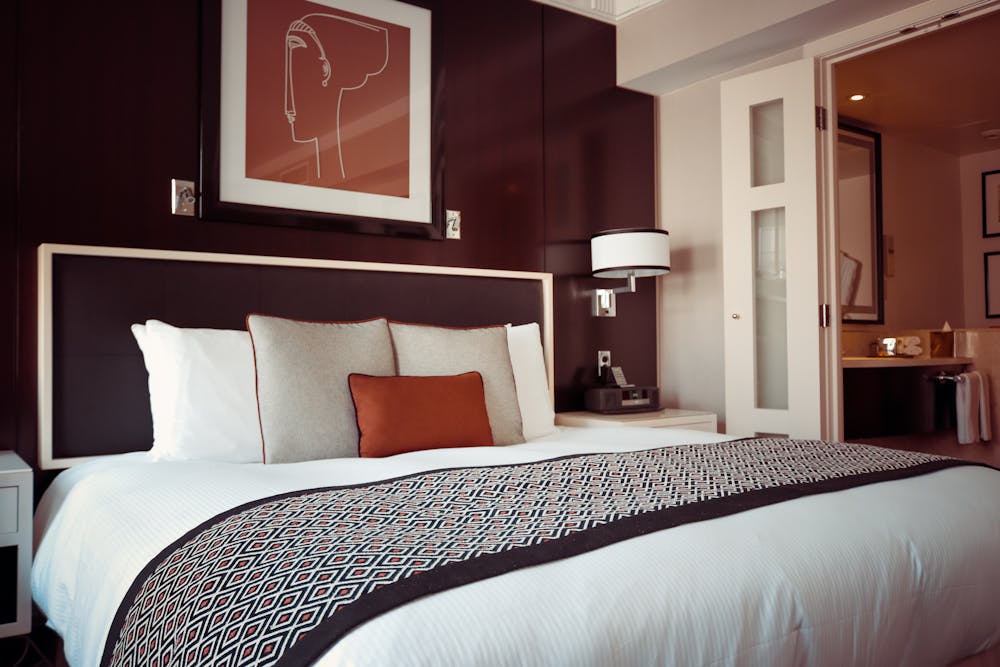
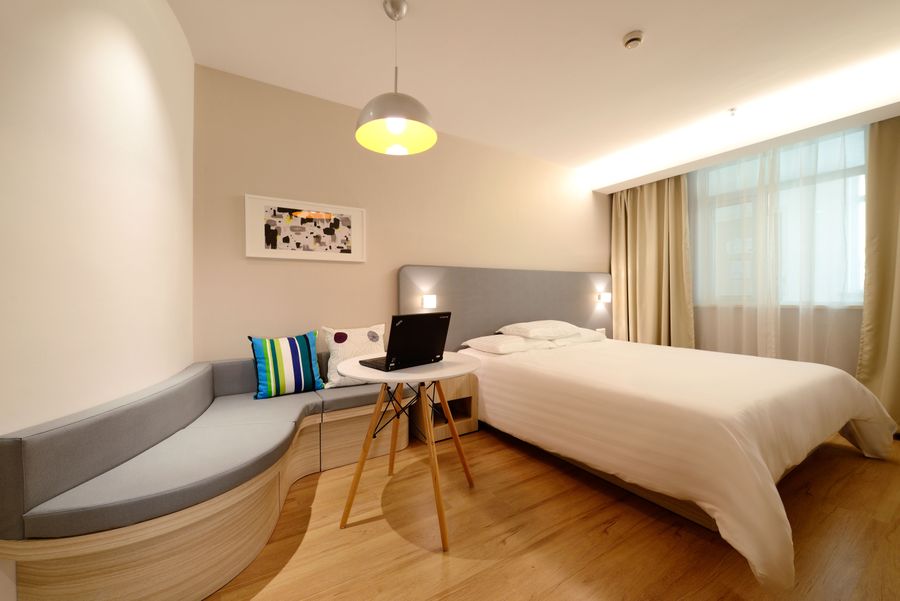
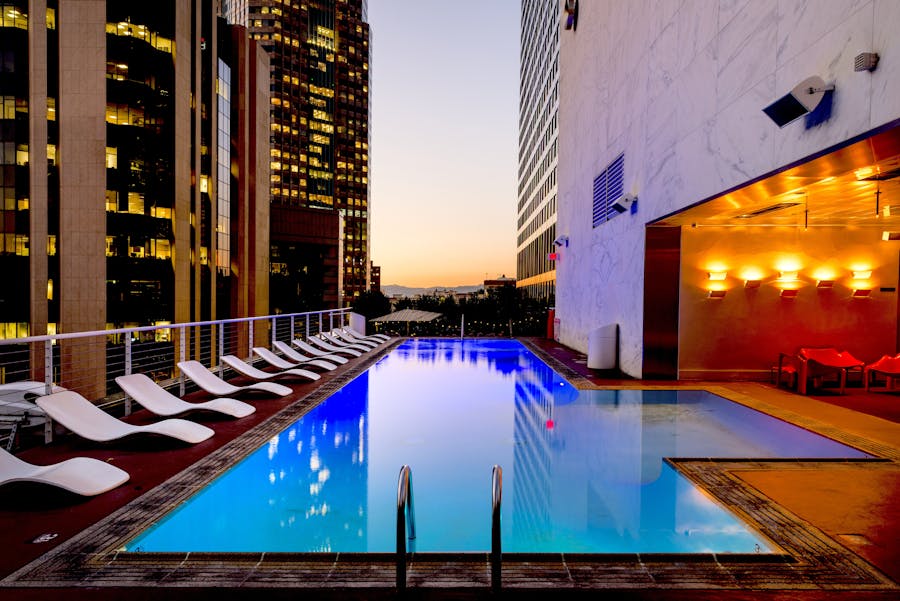
Which room works better for different types of stays?
Instead of asking which category is universally better, match the layout to how you expect to use the property.
What makes a suite attractive?
Suites are primarily about spatial flexibility and separation rather than simply having a more luxurious room name.
More Functional Separation
- Sleeping and sitting areas can be separated.
- Work can happen away from the bed.
- Visitors can remain in the living area.
- The room can feel more like a small apartment.
More Space for Longer Stays
- More room for luggage and belongings.
- Greater flexibility for different activities.
- Additional seating can improve comfort.
- Useful when spending more time inside the hotel.
Why choose a deluxe room?
A deluxe room can offer a comfortable premium experience without requiring the additional space of a suite.
Efficient Layout
Everything is typically organised around one main room, which can be convenient for shorter stays.
Comfort Upgrade
Deluxe categories may include better views, furnishings, amenities or room positioning compared with standard categories.
Easy Movement
A compact layout can make it simple to access the bed, bathroom, wardrobe and workspace.
Short-Stay Practicality
If you spend most of the day outside the hotel, additional living space may not be particularly useful.
Couple-Friendly
A well-designed deluxe room can provide sufficient comfort and amenities for a couple’s stay.
Lower Category Complexity
It is often easier to understand the room’s basic function when the sleeping and living areas share one primary space.
Do not choose only by the room name.
Hotel terminology varies. Check the property’s actual room details before comparing prices.
Why suites feel more residential.
From an interior-design perspective, the key distinction is zoning. A suite can create separate environments for sleeping, relaxing, working and entertaining.
Visual Zoning
Furniture, rugs, lighting and partial partitions can define different functions without closing off the space.
Lighting Layers
Separate lighting scenes can support reading, working, relaxing and sleeping.
Furniture Scale
Larger rooms allow designers to use lounge furniture and tables without overcrowding the sleeping zone.
Privacy
A properly zoned suite can keep the sleeping area visually separate when guests or visitors are using the sitting area.
Storage
Additional floor area can allow more generous wardrobe, luggage and storage planning.
Residential Feel
Multiple functional zones can make a suite feel closer to a compact home than a conventional hotel bedroom.
Suite or deluxe room: which one fits your stay?
Consider a Suite When…
- You want separate living and sleeping zones.
- You are staying for several nights.
- You need more space to work.
- You expect visitors.
- You are travelling with family.
- You value space more than a compact layout.
Consider a Deluxe Room When…
- You mainly need a comfortable bedroom.
- You will spend much of the day outside.
- Your stay is relatively short.
- You do not need a separate living room.
- You prefer a simpler room layout.
- The hotel’s deluxe category has the amenities you need.
Explore more luxury room and interior design topics.
Suite vs deluxe room FAQs.
Which is better, a suite or deluxe room?
It depends on the purpose of the stay. A suite generally provides more space and may include separate living and sleeping areas, while a deluxe room generally provides an upgraded version of a conventional hotel-room layout.
Is a suite bigger than a deluxe room?
Often, but not always. Hotel categories are not standardized, so check the actual room dimensions and floor plan before booking.
Is a deluxe room good for a couple?
Yes. A well-designed deluxe room can be comfortable for couples, particularly when the stay is short and a separate living area is not necessary.
Is a suite better for families?
A suite can be more practical when the additional living area provides useful space for family members. Always verify maximum occupancy and sleeping arrangements with the hotel.
Is a suite worth the extra money?
It depends on whether you will use the additional space and inclusions. Compare the actual room layout, amenities, privacy and length of stay rather than choosing based only on the category name.
What should I check before booking a suite or deluxe room?
Check the actual room size, floor plan, bed configuration, bathroom, living area, workspace, view, occupancy, breakfast, lounge access, cancellation policy and other inclusions.
The best room is the one that fits how you use the space.
Whether you are comparing hotel rooms or planning a luxury residential interior, good design starts by separating functions, understanding movement and matching the layout to real-life use.