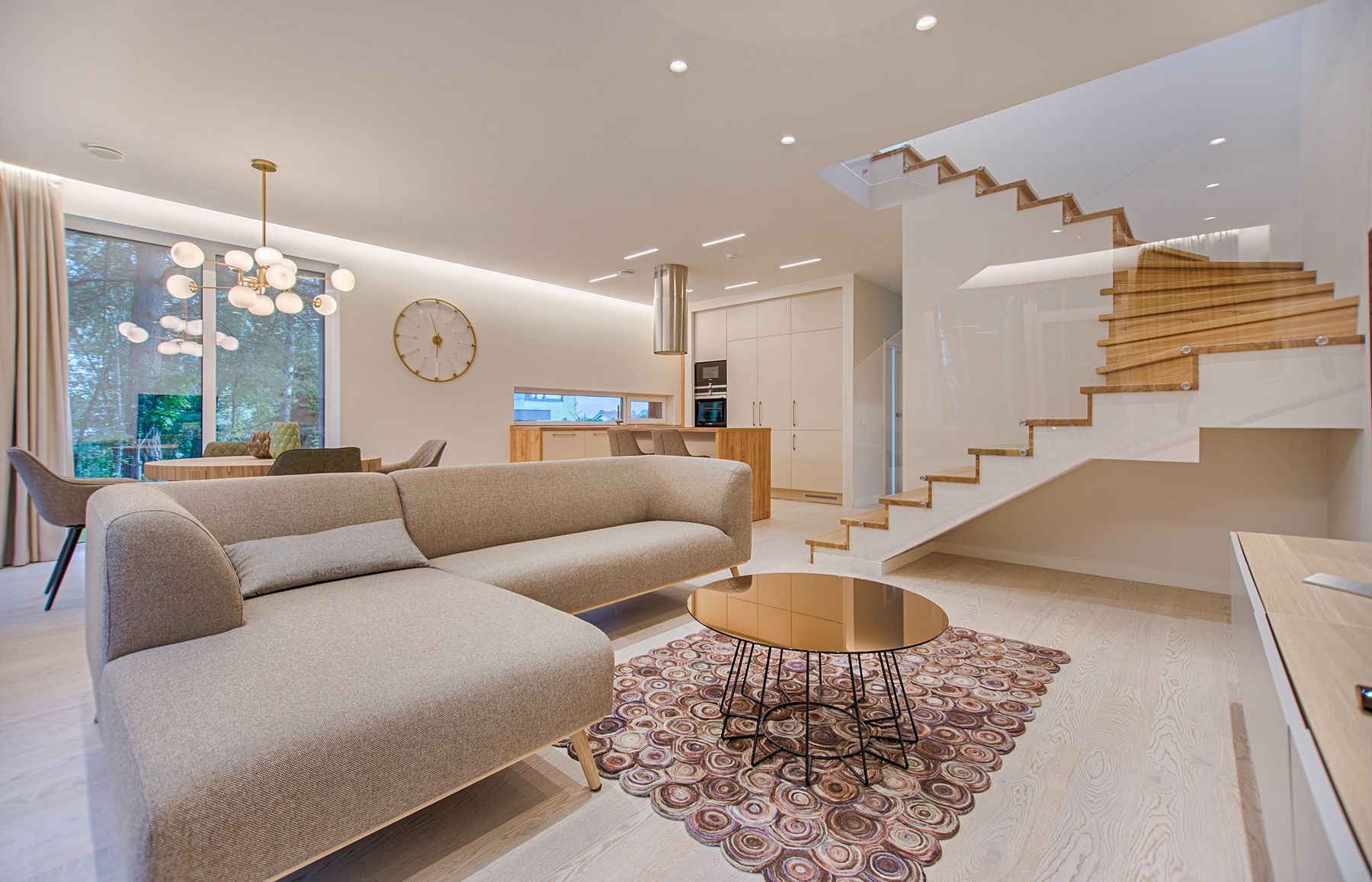
Economical Interior Design on a Budget Without Sacrificing Style
Create a comfortable, attractive and practical home by spending where it matters most. Smart planning, economical materials, modular solutions and selective décor can deliver strong visual results without unnecessary expense.
Economical interior design starts with better decisions, not simply lower prices.
A limited interior budget does not mean every part of the home needs to look basic. The key is to decide where design investment creates the most useful and visible improvement.
For homes in Gurgaon, Noida and Delhi NCR, practical planning can combine modular furniture, economical laminates, efficient storage, simple lighting, reused furniture and carefully selected décor. Interior A to Z’s existing budget-focused guidance similarly emphasizes priorities, modular solutions, durable materials and reuse as ways to control project spending.
- Prioritize essential spaces
- Reuse suitable furniture
- Choose practical materials
- Plan before purchasing
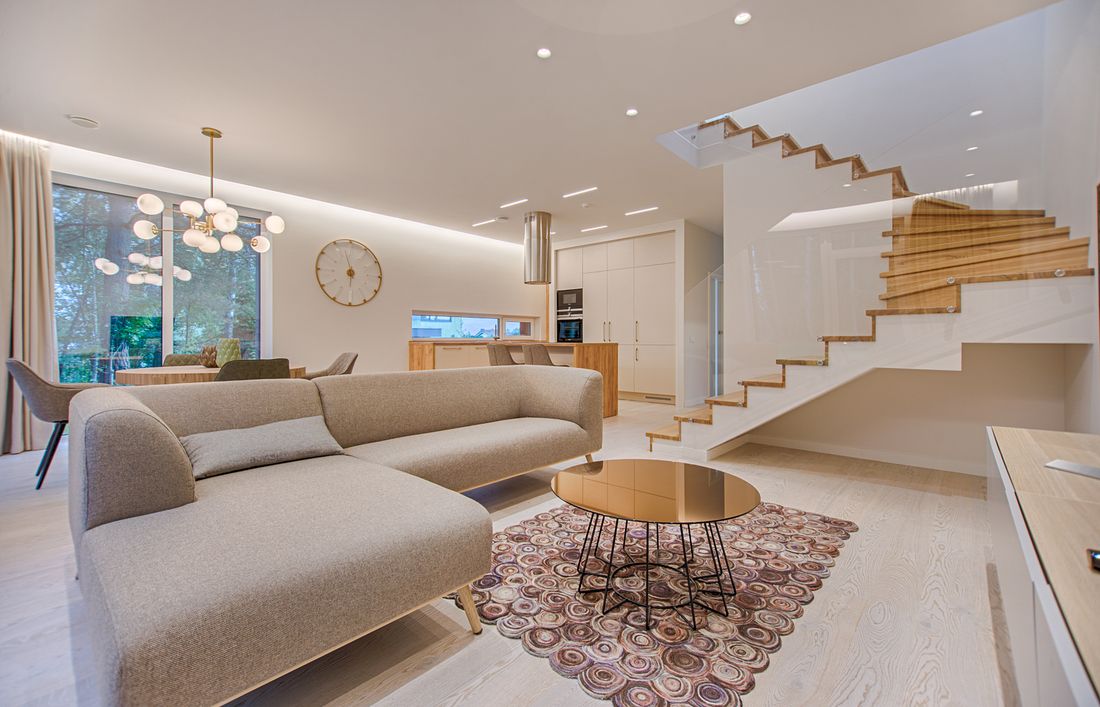
15 economical interior design ideas that create a big visual impact
Focus your budget on changes that improve everyday function, appearance and organization rather than adding expensive details everywhere.
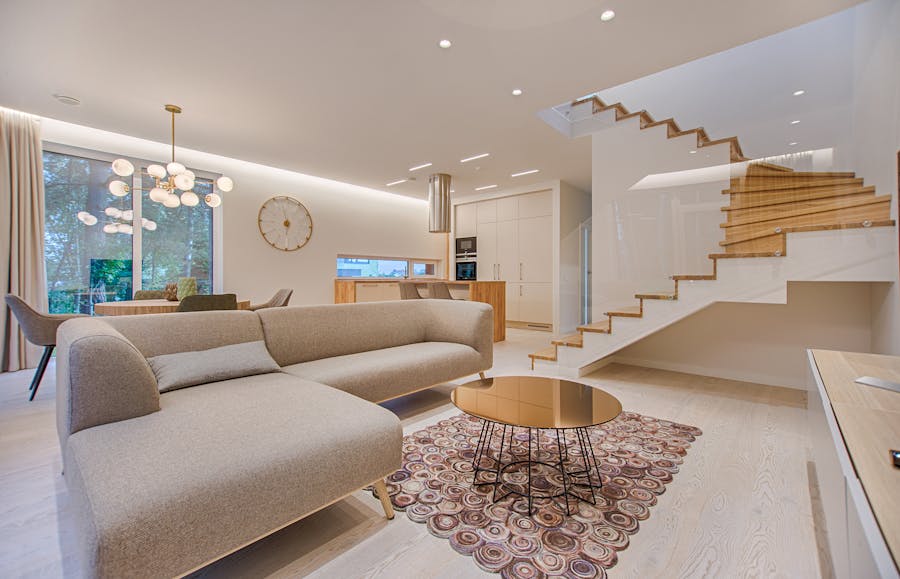
Spend first on high-use areas
Start with the kitchen, living room, primary bedroom and essential storage before spending heavily on decorative features.
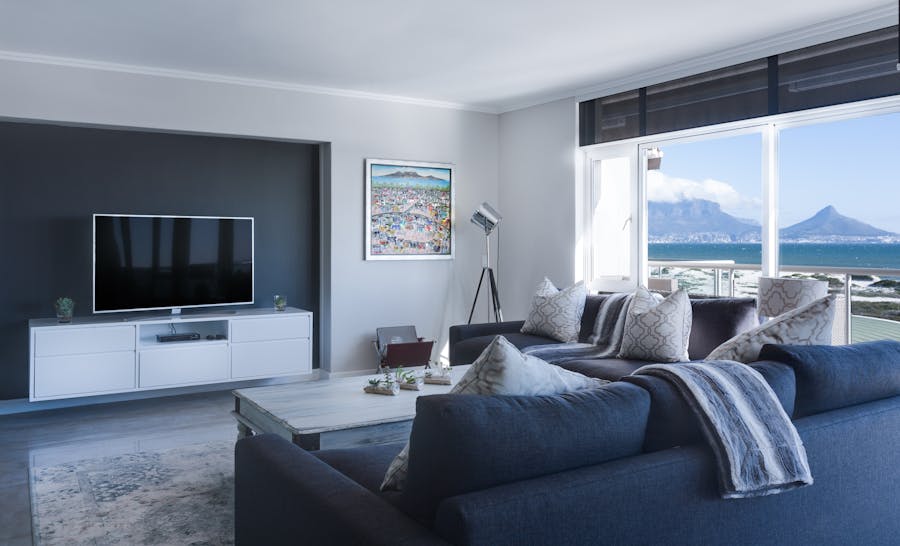
Upgrade lighting strategically
Good lighting can change the atmosphere of a room without requiring major construction. Use layered, energy-efficient lighting where useful.
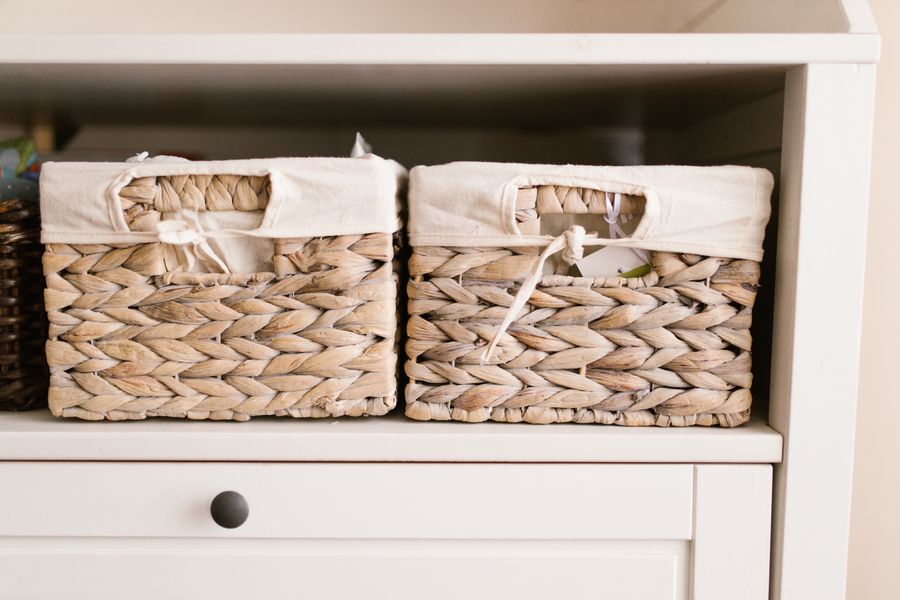
Use smart storage
Efficient storage reduces clutter and can make even a modest interior feel more organized and spacious.
Choose practical furniture
Ready-made or modular furniture can reduce unnecessary customization while still delivering useful storage and clean proportions.
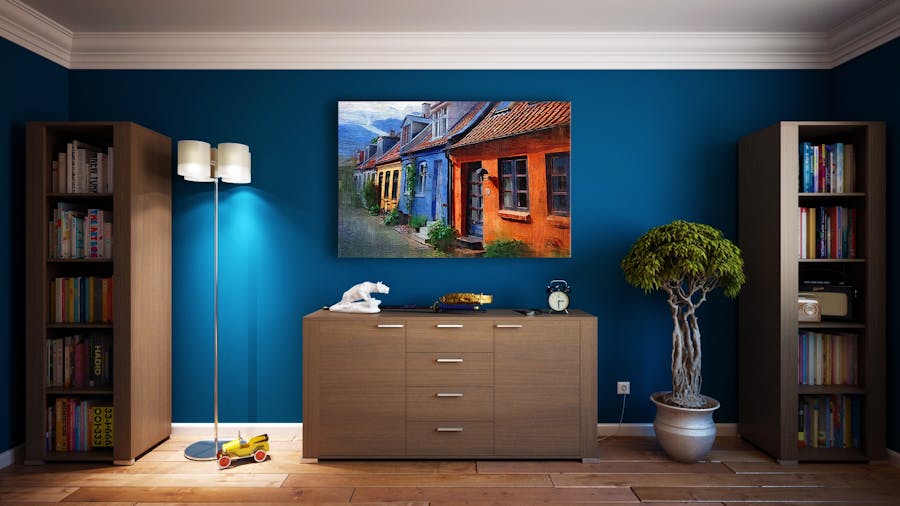
Use paint for maximum impact
A carefully selected wall colour can refresh an entire room at a lower cost than extensive wall treatments.
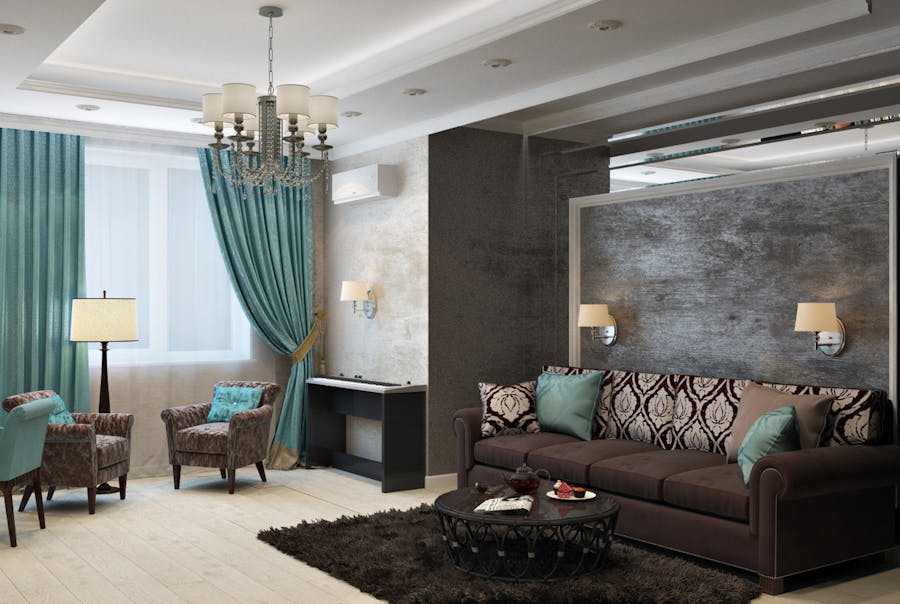
Add selective accent pieces
Cushions, rugs, artwork, plants and curtains can introduce personality without requiring a complete room renovation.
Consider modular solutions
Modular kitchens, wardrobes and storage systems can provide predictable layouts and efficient fabrication for many residential projects.
Reuse existing furniture
Good furniture does not always need replacement. Repositioning, refinishing or reupholstering selected pieces can reduce costs.
Keep ceiling treatments simple
Avoid unnecessary complexity. A clean ceiling with well-planned lighting can look polished without excessive construction.
Use multifunctional furniture
Storage beds, nesting tables, benches with storage and foldable furniture can reduce the need for multiple separate pieces.
Use selective feature walls
Instead of treating every wall, create one focused visual feature using paint, texture or carefully selected wallpaper.
Decorate gradually
Complete the essential interior first and add artwork, accessories and smaller decorative pieces over time.
Use a coordinated colour palette
A restrained palette can make economical furniture and finishes look more cohesive and intentional.
Design around everyday use
Spend on features that improve daily routines rather than adding expensive elements that have little practical value.
Complete the home in stages
If the entire project does not fit the available budget, divide the work into sensible phases instead of compromising every area.
A simple way to divide an economical interior budget
There is no universal interior price because the final amount depends on property size, scope, materials, existing furniture, customization and execution requirements. Use a budget allocation as a planning tool, not as a fixed quotation.
| Area | Budget Priority | Practical Approach |
|---|---|---|
| Kitchen | High | Prioritize functional storage, hardware and durable surfaces. |
| Wardrobes | High | Use efficient internal layouts and practical finishes. |
| Living Room | Medium–High | Focus on seating, lighting, TV/storage unit and selected décor. |
| Bedrooms | Medium | Prioritize bed, wardrobe, lighting and essential storage. |
| Paint & Lighting | Medium | Use colour and lighting to create visual improvement efficiently. |
| Décor | Flexible | Add gradually after essential work is completed. |
Economical interior design ideas for every room
Living Room
Use a practical sofa, simple TV unit, accent lighting, curtains, rug and selected artwork instead of excessive built-in decoration.
Bedroom
Prioritize a comfortable bed, functional wardrobe, bedside lighting and storage. Add decorative elements later.
Kitchen
Focus spending on storage functionality, hardware, countertop durability and efficient use of the available layout.
Dining Area
Choose appropriately sized furniture and use lighting or wall décor to create a finished look without excessive construction.
7 practical ways to control interior design costs
Economical interior design works best when savings are deliberate. The objective is to reduce unnecessary expenditure while retaining functionality and reasonable durability.
- Reuse furniture that is structurally sound.
- Compare material specifications rather than choosing only by appearance.
- Use modular solutions where they suit the room.
- Prioritize storage and furniture that you use every day.
- Avoid unnecessary structural or decorative work.
- Use paint, lighting and textiles for lower-cost visual upgrades.
- Plan the complete scope before starting execution.
Choose value, not simply the lowest price
The cheapest material is not always the most economical choice over the life of the interior. Compare appearance, durability, maintenance, hardware quality and expected usage before selecting materials.
Practical surface finishes
Laminates offer a wide range of colours and textures and can be a practical option for economical cabinetry and furniture.
Efficient fabrication
Modular systems can help organize kitchens, wardrobes and storage with standardized components and planned installation.
High visual impact
Thoughtful lighting can significantly improve a room’s atmosphere without requiring expensive decorative construction.
A practical process for economical interior design
Planning the budget before selecting finishes helps prevent unnecessary changes and keeps the project aligned with priorities.
Set your priorities
Define your budget, rooms, must-have requirements, preferred style and expected level of customization.
Review the space
Check the layout, existing furniture, storage, natural light, electrical points and improvement opportunities.
Select practical solutions
Compare layouts, materials, modular options and design details according to function and available budget.
Build in planned stages
Coordinate fabrication, installation and finishing while keeping the approved scope and specifications clear.
Want a stylish home that respects your budget?
Discuss your property, priorities, preferred style and available budget with Interior A to Z.
Frequently asked questions
What is economical interior design?
How can I reduce interior design costs without making my home look cheap?
Can I get economical interior design in Gurgaon, Noida and Delhi NCR?
Is modular furniture suitable for economical interior design?
Should I renovate the entire home at once on a limited budget?
More affordable interior design resources
Explore related Interior A to Z services and budget-focused guides for homeowners across Gurgaon, Noida and Delhi NCR.