

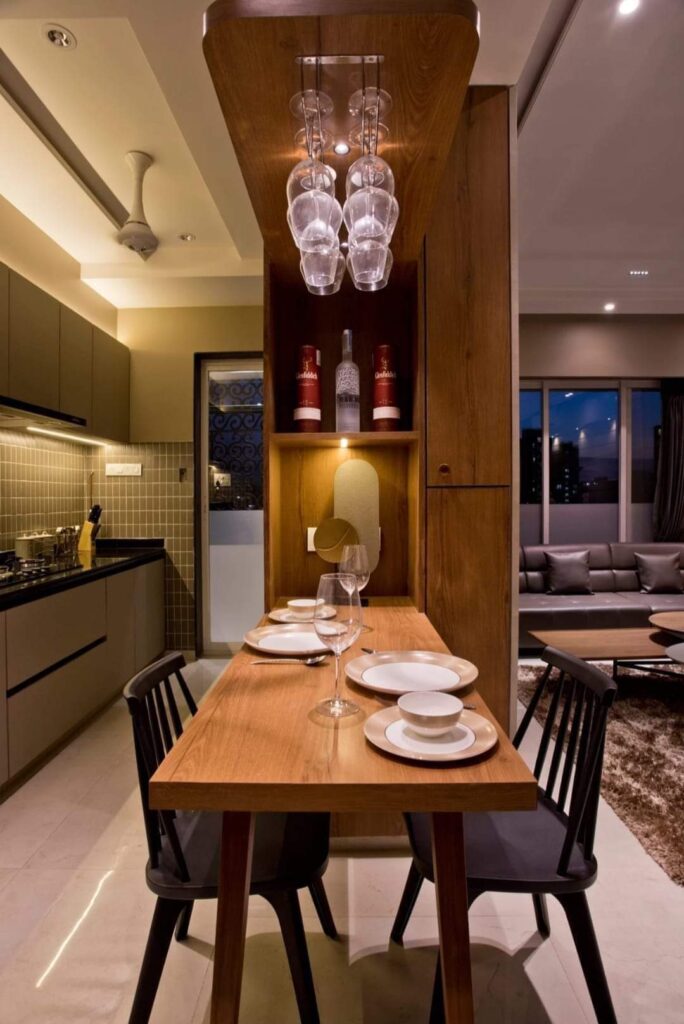
[vc_row][vc_column][vc_column_text]Interior Design Careers Points | Chhatarpur Delhi | Gurgaon | Noida
Interior design majors explore the artistic, creative, and technical principles involved in creating inviting and engaging interiors. Interior design majors can pursue careers in interior, textile and furniture design, as well as architectural technology, property management and more. This page describes career opportunities and provides practical information to help you identify and define your career goals in interior design.
Why Pursue a Career in Interior Design?
A career in interior design often requires detail-oriented, creative thinkers who enjoy finding imaginative solutions to practical challenges. Strong visualization, artistic and interpersonal skills are also necessary qualities in an interior designer’s career paths.The professionals who are asked to name the most important qualities of a good interior designer consistently provide similar qualities. These include an enthusiasm for a variety of design styles and a career-long commitment to growth and learning. Another key trait is a talent for finding inspiration anywhere.
Skills Gained With a Interior Design Degree
Interior design programs equip graduates with a range of creative and business skills to help them in their jobs. Every day is different and depends on the project; Interior designers must therefore be versatile. Interior design programs typically offer additional courses, internships, and certifications to prepare students for their careers.
Creative Eye
Interior designers work with all types of spaces and clients, and it’s important that they recognize the potential of the space and work towards realizing their client’s vision. Interior designers can look into spaces that seem hopeless to others and use their attention to detail and ability to see the end product to create something beautiful and functional.
Understanding Trends
Ability to Communicate
Knowledge of Construction
Technical Abilities
While some interior designers primarily sketch their ideas, most use design software to create 3D models of their plans. This helps create scaled renderings that better convey ideas to clients, project managers, carpenters, and other professionals on the job site.
Interior Design Career Paths
Interior designers work in a variety of industries and fields. As a result, schools offer concentrations and areas of specialization to help graduates focus their career aspirations in a specific area of design. Specializations vary by school, so students should do their research to find a program that suits their interests. The following section provides an overview of some common options, but does not represent the full spectrum.
Sustainable Design
With a focus on using green materials to create green spaces, graduates interested in sustainable design seek ways to increase the efficiency of public services, improve air quality, and create spaces that meet the requirements of Leadership in Energy and Environmental design for sustainability.
Corporate Design
This specialty prepares students to design work spaces such as offices, conference rooms, entrances and waiting areas. People use their understanding of space to meet customer needs and create efficient and functional spaces.
Restaurant Design
How to Start Your Career in Interior Design
For many interior design professions, a strong portfolio is key to unlocking career-enhancing opportunities. Degree programs provide a supportive environment to sharpen and hone your sense of visual creativity, which in turn can help you put together an impressive portfolio that will lead to your first job.You can study interior design at associate, bachelor’s, master’s, and doctoral degrees, but formal credentials are still less important than your ability to articulate and implement customer-eccentric solutions. Still, conventional wisdom suggests that earning a bachelor’s or master’s degree will boost your creative development. These programs introduce many of the design principles you will apply throughout your career.
Associate Degree in Interior Design
An associate’s degree in interior design prepares students to enter the field after two years of full-time study, an excellent option for those considering a career in interior design. Most programs require students to complete around 60 credits and cover a mix of general education and interior design subjects. After graduating with an associate’s degree, professionals can take on assistant positions in design firms and other creative positions that rely more on innate talent than formal training (e.g., textile designer or carpenter).Check out some of the available jobs with this title to get an idea of your options.
Bachelor’s Degree in Interior Design
Interior designers must hold a bachelor’s degree and be licensed in states that require it. Interior design programs provide the fundamental knowledge needed to start a career in entry-level positions by covering topics such as design elements, built environments, visual communication, materials and applications, sustainable environments, and color theory.Most programs require four years of full-time study, although part-time or accelerated study options may be available. Check out the jobs available for graduates to see if this type of program fits your professional and financial goals.
Interior Designer
Interior designers create interiors that meet customer specifications. They walk rooms for renovations, create design plans, prepare estimates, oversee projects during construction, and work with clients to find designer pieces (e.g., furniture and wall coverings) that match their style.
Architect
Architects create plans and designs for structures ranging from houses to skyscrapers. They work with customers to understand their needs before creating engineering drawings, sketches and models to give customers an idea of the finished product. They also prepare preliminary cost estimates and schedules.
Landscape Architect
Landscape architects take care of green spaces. They design gardens, parks, courtyards, recreation areas and campuses based on client needs, climate, budget and available materials. They also conduct soil tests and drainage studies to ensure plants can survive in space.
Industrial Designer
These professionals use their creative and analytical skills to design concepts for items such as gadgets, toys, furniture, automobiles, and other consumer goods. They sketch their ideas, create prototypes, decide on suitable materials, estimate costs and collaborate with others in the industry to bring their designs to life.
Construction Manager
Site managers operate residential, commercial and industrial construction sites. They oversee subcontractors and workers, manage budgets, communicate with clients on progress, meet with local government officials to discuss safety and regulatory requirements, and work with architects and engineers to ensure a building meets all requirements.
[/vc_column_text][vc_column_text]
Navigating a Creative Journey: Key Points to Consider for Interior Design Careers
Embarking on a career in interior design is a thrilling journey into the realm of creativity, aesthetics, and functionality. Whether you’re a budding designer or contemplating a switch to this dynamic field, there are several essential points to consider. From education and skills to market trends and personal growth, let’s delve into the key factors that can shape your path in the world of interior design careers.
**1. Education and Training:
A solid educational foundation is crucial for a successful interior design career. Many aspiring designers pursue a bachelor’s degree in interior design, architecture, or a related field. Formal education provides essential knowledge about design principles, space planning, materials, and construction methods.
**2. Developing Design Skills:
Interior designers need a diverse skill set to excel in their roles. Skills such as spatial visualization, creativity, attention to detail, communication, and problem-solving are essential. Continuous improvement and refinement of these skills are vital for staying competitive in the field.
**3. Portfolio Building:
A well-crafted portfolio showcases your design projects, creativity, and skills to potential clients and employers. As you gain experience, continually update your portfolio to demonstrate your growth and versatility as a designer.
**4. Market Research:
Understanding market trends and consumer preferences is critical for success in interior design careers. Stay informed about emerging design styles, sustainable practices, and technological advancements that can influence your design choices.
**5. Networking:
Networking is a cornerstone of career growth in any field, including interior design. Attend industry events, connect with fellow designers, architects, suppliers, and potential clients. Networking can open doors to collaborations, job opportunities, and mentorship.
**6. Licensing and Certifications:
Depending on your location, you might need a professional license or certification to practice interior design. Research the requirements in your region and ensure you meet them to operate legally and ethically.
**7. Specializations:
Interior design offers various specializations, such as residential design, commercial design, hospitality design, and sustainable design. Exploring these specializations allows you to tailor your career path to your interests and strengths.
**8. Freelancing vs. Employment:
Decide whether you want to work as a freelance designer or be employed by a design firm. Freelancing offers flexibility and autonomy, while employment provides stability and opportunities for mentorship.
**9. Client Relationships:
Effective communication and building strong relationships with clients are essential. Understanding their needs, preferences, and visions is crucial to delivering successful design solutions.
**10. Business Acumen:
Interior designers often wear multiple hats, including those of designers, project managers, and entrepreneurs. Developing business skills, such as budgeting, marketing, and project management, is vital for a well-rounded career.
**11. Continuous Learning:
Interior design is a constantly evolving field. Stay updated with design trends, software advancements, and industry standards through workshops, webinars, and professional development courses.
**12. Balancing Creativity and Practicality:
Successful interior designers strike a balance between their creative visions and practical solutions. Design aesthetics should align with the functionality and needs of the space and its inhabitants.
Embarking on a career in interior design offers a world of possibilities for creativity, innovation, and personal fulfillment. By considering these key points, you can navigate the path with clarity, confidence, and a strong foundation, ensuring that your journey in interior design is both rewarding and successful.[/vc_column_text][vc_column_text]
[/vc_column_text][/vc_column][/vc_row][vc_row][vc_column][vc_column_text]
Interior Design Careers – Key Points
If you are exploring interior design as a career, here are the most important aspects to know:
1. Career Scope
Residential Design: Homes, flats, villas.
Commercial Design: Offices, retail stores, restaurants, hotels.
Specialized Fields: Modular kitchens, sustainable design, luxury interiors, furniture design.
2. Required Skills
Space planning and ergonomics.
Knowledge of materials, finishes, and furniture.
CAD / 3D design software (AutoCAD, SketchUp, 3ds Max).
Creativity and aesthetic sense.
Communication and project management.
3. Education Path
Diploma, Bachelor’s, or Master’s in Interior Design / Architecture.
Short-term certification courses for specializations.
Internships with design firms to gain practical experience.
4. Career Opportunities
Work with architectural firms, real estate developers, or design studios.
Freelance interior designer or consultant.
Start your own interior design firm.
Corporate roles in modular furniture and décor brands.
5. Income Potential
Entry level: ₹3–6 LPA (in India).
Mid-level: ₹8–15 LPA.
Senior / Independent Designers: Project fees ₹500–₹1500+ per sq. ft depending on scope.
6. Advantages of an Interior Design Career
High demand due to real estate growth.
Creative + technical balance.
Flexible career options (employment or entrepreneurship).
Direct, visible impact on people’s lifestyles.
7. Challenges
Highly competitive field.
Client management and budget constraints.
Need to stay updated with changing trends and technology.
✅ Summary
An interior design career offers creativity, flexibility, and strong earning potential, especially in growing markets like Delhi NCR and Gurgaon. With the right education, skills, and portfolio, it
[/vc_column_text][/vc_column][/vc_row]