What Is the Importance of Residential Interior Design?
Residential interior design is about much more than making a home look beautiful. Thoughtful planning can improve space utilization, storage, lighting, comfort, functionality and the overall experience of everyday living.
Explore Interior Services Home Interior DesignA well-designed home should work beautifully every day.
The importance of residential interior design comes from its ability to connect aesthetics with practical living. A successful home interior considers how people move, cook, sleep, work, relax, store belongings and use each room.
Residential interior design can bring together space planning, furniture, storage, lighting, materials, colours, finishes and décor into one coordinated design direction. Instead of treating every room separately, the home can be planned as a connected environment.
For apartments, builder floors, villas and independent homes across Delhi NCR, Gurgaon and Noida, the right design approach depends on the property layout, lifestyle, requirements and project scope.
Explore Home Interior Design
What does residential interior design actually improve?
Better Space Planning
Furniture, circulation, room zoning and storage can be planned according to the actual dimensions and movement patterns of the home.
Improved Functionality
Kitchens, bedrooms, living areas and work zones can be designed around the way residents actually use them.
Smarter Storage
Built-in wardrobes, modular kitchens and customized storage can reduce clutter while making better use of available space.
Better Lighting
Ambient, task and accent lighting can be coordinated to support different activities and create a comfortable atmosphere.
A Consistent Aesthetic
Colours, furniture, materials, textures and finishes can follow a cohesive design language throughout the home.
Long-Term Practical Value
Thoughtful layouts, durable materials and useful storage can make a home more comfortable and practical over time.
15 important benefits of residential interior design
The importance of residential interior design becomes clearer when design decisions are connected to everyday problems inside the home.
Furniture and storage can be positioned to make better use of both large and compact rooms.
Each space can be planned according to its actual purpose and daily activities.
Wardrobes, cabinets, shelves and built-in storage can reduce unnecessary clutter.
Furniture proportions, circulation and lighting can contribute to a more comfortable environment.
A coordinated colour, material and furniture palette helps different rooms feel connected.
Design can be adapted to families, couples, children, work-from-home needs and hobbies.
Kitchen layouts can organize cooking zones, appliances, storage and work surfaces.
Bedrooms can combine practical wardrobes, comfortable furniture, lighting and calm finishes.
Different lighting layers can support reading, cooking, entertaining and relaxation.
Materials can be selected according to durability, maintenance, appearance and application.
A defined design direction makes decisions about furniture, finishes and décor easier.
Priorities and project scope can be established before major purchases and execution begin.
Colours, furniture, artwork, textures and layouts can reflect the people who live there.
Electrical, lighting, ceiling, furniture and storage requirements can be considered together.
The final interior can balance aesthetics, comfort, functionality and practical requirements.
Design every part of the home with purpose.
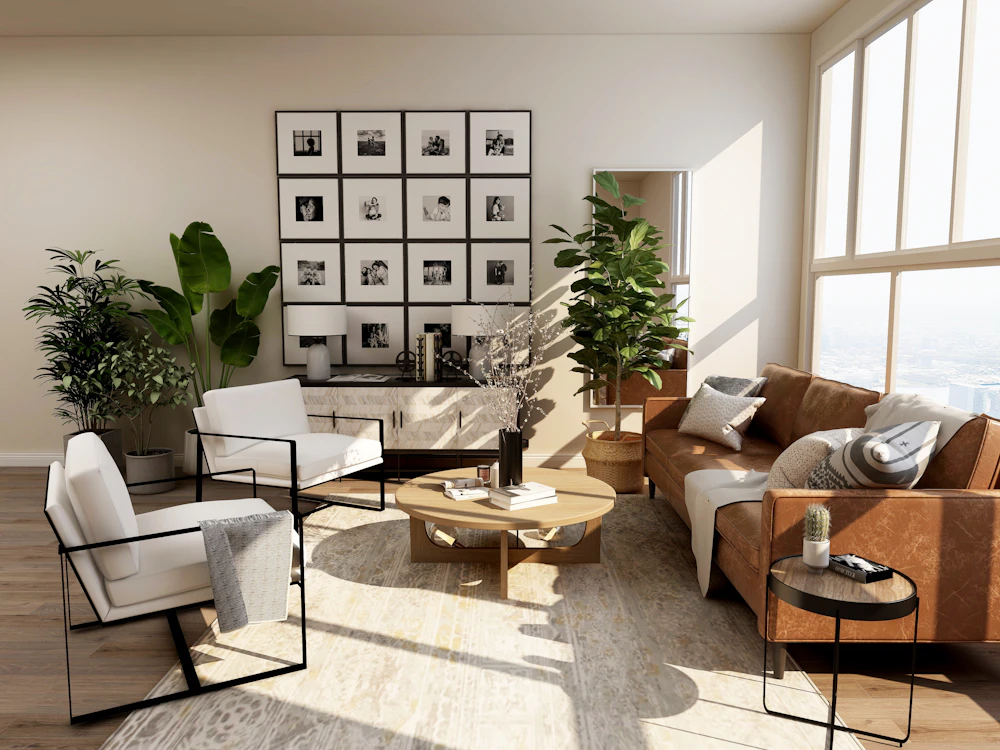

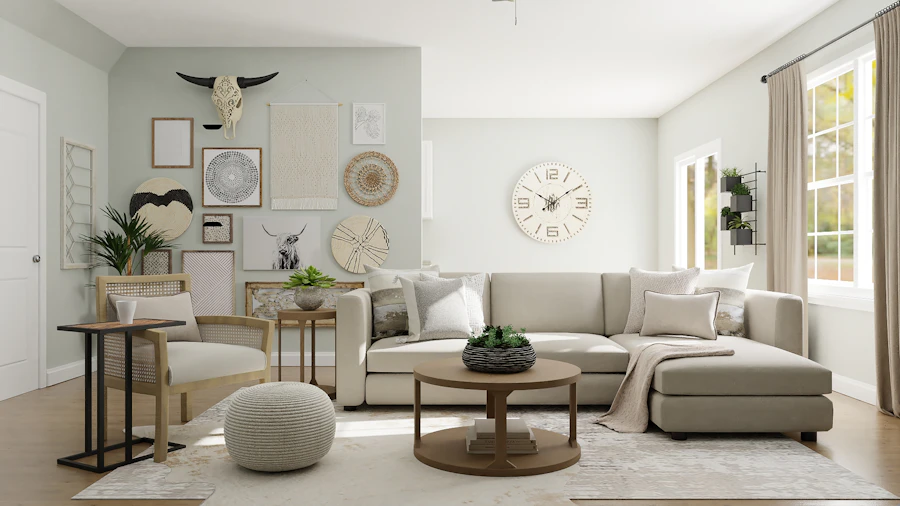
Good design begins before furniture arrives.
Space planning is one of the most important parts of residential interior design. The objective is to organize rooms, furniture, storage, circulation and functional zones so the home feels comfortable rather than crowded.
- Furniture dimensions and placement
- Door and window positions
- Walking and circulation paths
- Storage requirements
- Electrical and lighting points
- Daily lifestyle and room usage

A beautiful home must also be practical.
Residential interior design connects visual appearance with everyday functionality. The best layouts consider what residents need to do in each space rather than simply filling rooms with furniture.
Living Room
Plan seating, television placement, circulation, lighting and storage around how the family uses the room.
Bedroom
Combine bed placement, wardrobes, bedside storage, dressing areas and lighting without compromising movement.
Kitchen
Coordinate work zones, cabinetry, appliances, countertops and storage for efficient everyday cooking.
Dining Area
Create sufficient movement around the dining table while connecting the area naturally with the kitchen and living room.
Home Office
Plan desk position, lighting, storage, electrical points and visual privacy for focused work.
Entry & Storage
Use practical storage for shoes, bags, keys and daily essentials to reduce clutter near entrances.
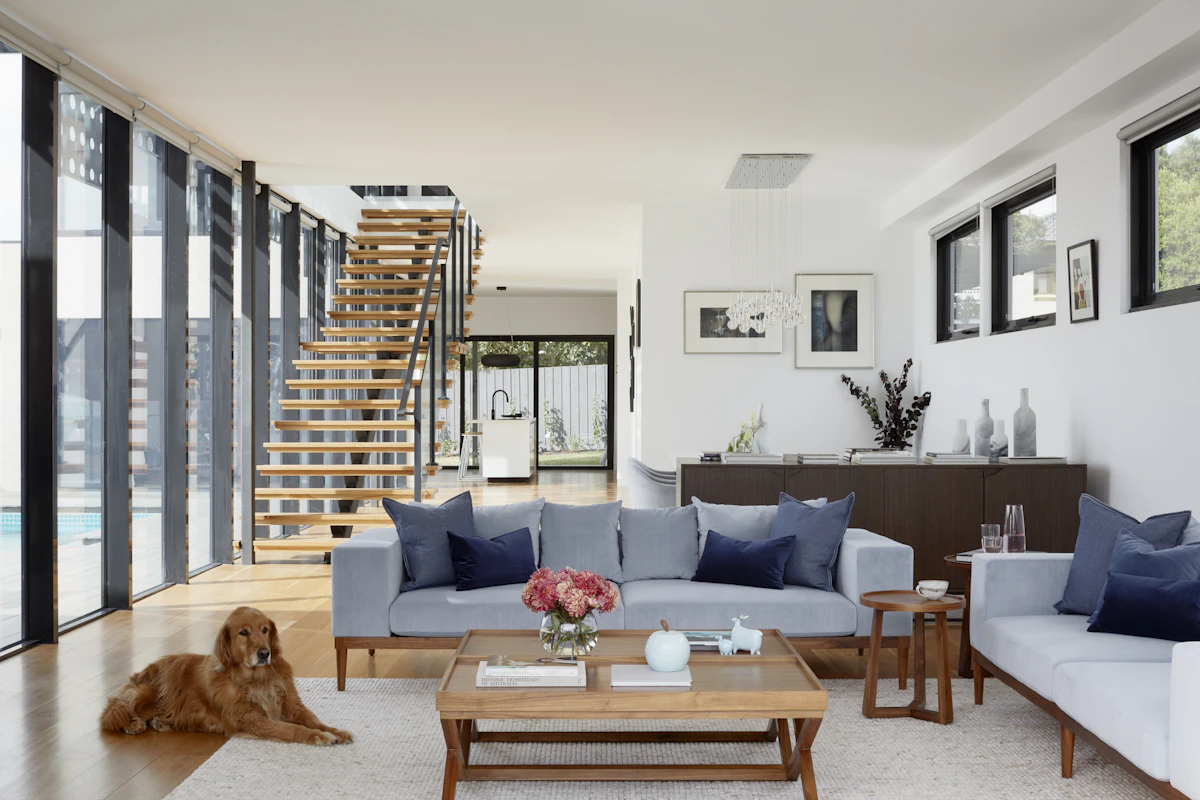
Interior design should reflect how you actually live.
Every household has different routines. A family with children may need more storage and durable finishes. A work-from-home professional may require a dedicated workspace. A compact apartment may need multifunctional furniture.
Residential interior design becomes valuable when these requirements are translated into practical layouts, furniture, storage, lighting and materials.
Explore Customized Interior DesignChoose a design style that supports the home.
Modern Minimalist
Clean forms, practical furniture, restrained colours and uncluttered spaces.
Contemporary
Balanced furniture, modern finishes, layered lighting and comfortable textures.
Modern Luxury
Premium materials, customized furniture, statement lighting and refined detailing.
Scandinavian
Light colours, natural textures, simple furniture and a comfortable atmosphere.
Modern Indian
Contemporary planning combined with Indian materials, patterns, art and décor.
Warm Contemporary
Soft neutral colours, wood tones, comfortable furniture and subtle decorative details.
Smart storage can change the way a home feels.
Storage is one of the most practical reasons to invest in residential interior design. Well-planned storage helps keep everyday belongings organized without overwhelming the visual appearance of the home.
- Full-height wardrobes
- Modular kitchen cabinets
- TV and entertainment storage
- Entryway shoe storage
- Under-bed storage
- Study and home-office storage
- Utility and cleaning storage

Material choices influence appearance, maintenance and durability.
Residential interior design also helps homeowners evaluate materials according to where and how they will be used. A kitchen, bedroom wardrobe and living-room wall do not necessarily require the same finish or specification.
Kitchen Materials
Consider moisture, heat, cleaning requirements, hardware, cabinetry and countertop use.
Wardrobe Finishes
Select finishes according to appearance, daily use, maintenance and the overall bedroom palette.
Flooring
Consider durability, maintenance, visual continuity and the requirements of different rooms.
Wall Finishes
Paint, wallpaper, wood finishes, panels and textured surfaces can create different visual effects.
Lighting
Select fixtures and colour temperature according to room function and desired atmosphere.
Hardware
Handles, hinges, drawer systems and accessories affect everyday usability and finishing quality.
Residential interior design can also make spending more intentional.
Good planning does not automatically mean spending more. It helps identify priorities, compare materials, define the project scope and reduce avoidable changes during execution.
Plan Essential Areas First
Kitchens, wardrobes, storage, lighting and other functional requirements can be prioritized before decorative additions.
Compare Equivalent Specifications
Quotations should be compared by scope, materials, hardware, finishes and inclusions rather than headline price alone.
Reduce Rework
Planning electrical points, storage, furniture and finishes before execution can reduce unnecessary changes later.
From first idea to completed home.
A structured residential interior design process helps connect the design concept with real-world measurements, materials and execution.
Consultation
Understand property, lifestyle, requirements and priorities.
Site Study
Review dimensions, existing conditions and functional requirements.
Space Planning
Develop layouts, circulation, furniture and storage.
Design
Develop colours, materials, furniture and visual direction.
Materials
Finalize relevant finishes, hardware, lighting and specifications.
Execution
Coordinate fabrication, installation and finishing according to scope.
Why residential interior design is especially useful for urban homes.
Apartments, builder floors and modern homes often need to balance limited floor area with storage, furniture, workspaces and family requirements. A planned interior approach can address these requirements together.
Delhi
Residential interior planning for apartments, builder floors and independent homes across Delhi and South Delhi.
Explore Delhi Home Interiors →Gurgaon
Home interiors for apartments, high-rise homes, builder floors and villas with practical planning and customized design.
Explore Gurgaon Interior Design →Noida
Residential interior design for apartments and homes across Noida and surrounding NCR locations.
Explore Noida Interior Design →Explore more residential interior design resources.
Residential Interior Design FAQs
What is the importance of residential interior design?
Residential interior design is important because it connects aesthetics with practical living. It can improve space planning, storage, lighting, furniture placement, comfort, functionality and the overall visual consistency of a home.
What are the main benefits of residential interior design?
Major benefits include better space utilization, improved storage, practical furniture layouts, better lighting, coordinated materials, personalized design, improved comfort and more organized living spaces.
Is interior design only about making a home look beautiful?
No. A residential interior design plan should consider functionality, circulation, storage, lighting, furniture, materials, maintenance and lifestyle requirements along with aesthetics.
Why is space planning important in residential interior design?
Space planning organizes furniture, storage, circulation and functional zones. It helps ensure that rooms remain usable and comfortable rather than becoming overcrowded.
Can residential interior design improve storage?
Yes. Wardrobes, modular kitchens, built-in cabinets, TV units, utility storage and other customized solutions can be planned according to the available space and household requirements.
Can an interior designer work with a specific budget?
A residential interior project can be planned around a defined budget by prioritizing essential work, comparing suitable materials and controlling the project scope. Final costs depend on the property, specifications, customization and execution requirements.
Does Interior A to Z provide residential interior design in Delhi NCR?
Interior A to Z provides residential interior design services for homes, apartments, builder floors and villas across Delhi NCR, Gurgaon and Noida, subject to project scope and location.
Can Interior A to Z design a complete home?
Yes. Complete home interior projects can include living areas, bedrooms, kitchens, wardrobes, storage, lighting, furniture, materials and other requirements according to the agreed project scope.
Design a home that looks good and works well.
Share your property type, location, approximate size, requirements, preferred design style and budget. The right residential interior design approach can then be planned around your actual home.
Call +91 98910 50117 WhatsApp Consultation