Home Decorating Guide
Where Do You Start to Decorate Your House?
Start with a plan, not a shopping list. The easiest way to decorate your house is to first understand your lifestyle, define the design direction, measure the space and set priorities before choosing furniture, colours, lighting and accessories.
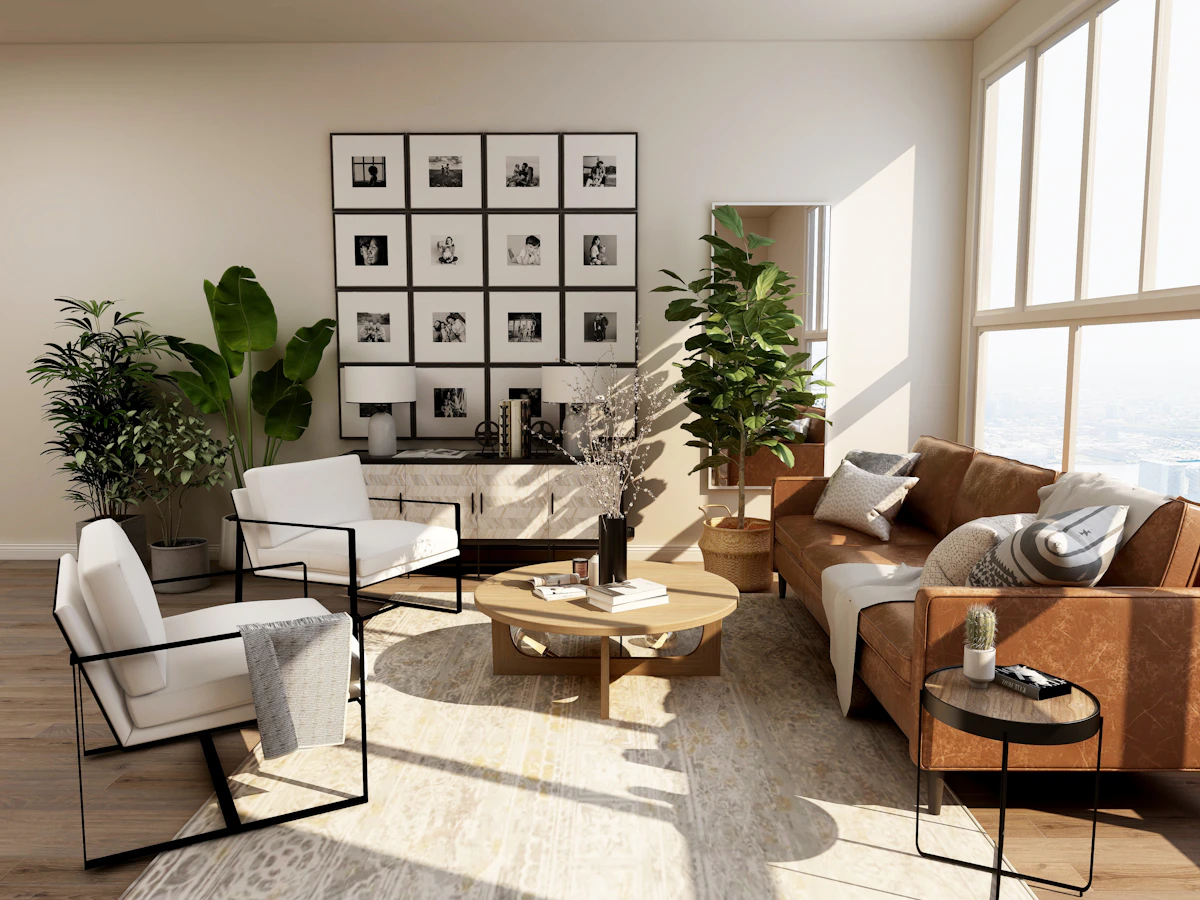
Before buying cushions, artwork or decorative accessories, decide how you want the home to function, what style you prefer, which rooms matter most, what furniture you are keeping and how much you want to spend. Once these decisions are clear, the smaller decorating choices become much easier.
The right sequence
15 steps to start decorating your house
A successful home interior usually develops from planning to fixed elements and then to decorative details. Use the sequence below to avoid unnecessary purchases and design changes.
Understand your lifestyle
Think about how you actually use the house. Consider family size, work-from-home needs, children, entertaining, storage requirements, pets and everyday routines.
Measure every important space
Record room dimensions, ceiling heights, doors, windows, electrical points and circulation areas. Accurate measurements prevent furniture and storage mistakes.
Define your design style
Decide whether your home should feel modern, minimalist, contemporary, traditional, luxury, warm or eclectic. You can combine influences, but keep one clear visual direction.
Create a whole-home palette
Select a base colour family and supporting tones before choosing individual finishes. A consistent palette helps different rooms feel connected.
Set your decorating budget
Divide the available budget between furniture, kitchen, wardrobes, lighting, soft furnishings, décor and professional services. Keep a contingency for unexpected requirements.
Prioritise the rooms
You do not have to complete everything simultaneously. Start with the rooms that are most important to your daily life or require the greatest amount of planning.
Plan the furniture layout
Decide where sofas, beds, dining tables, storage units and other large pieces will go before selecting decorative objects.
Plan storage early
Storage should be considered before decoration. Wardrobes, TV units, shoe storage, kitchen cabinets and utility storage influence the available floor area.
Design the kitchen carefully
The kitchen combines aesthetics and function. Plan the work triangle, storage, appliances, lighting, materials and countertop requirements before choosing finishes.
Plan lighting in layers
Combine general lighting with task and accent lighting. Decorative lighting can add atmosphere, but practical illumination should come first.
Select major materials
Choose flooring, wall finishes, cabinetry, laminates, wood tones, fabrics and metal finishes as a coordinated group rather than making isolated decisions.
Choose statement pieces
Add one or two strong focal elements such as an artwork, statement light, accent chair, feature wall or distinctive furniture piece.
Add textiles and softness
Curtains, rugs, cushions, upholstery and bedding can make a house feel warmer and more finished without requiring major structural changes.
Layer accessories slowly
Artwork, mirrors, plants, books and decorative objects should be added after the main furniture and lighting are established.
Review the entire home
Walk through every room and check function, circulation, storage, lighting, visual balance and maintenance before considering the project finished.
Before you buy
Do not decorate one item at a time
A common mistake is buying attractive pieces individually without considering how they work together. Instead, make a simple plan for each room and establish the large visual elements first.
Fixed elements
Flooring, kitchen cabinetry, wardrobes, ceilings, major wall treatments and built-in storage usually have the biggest influence on the final design.
Large furniture
Sofas, beds, dining tables, TV units and other major furniture pieces establish the layout and scale of the room.
Lighting and textiles
Lighting, curtains, rugs and upholstery add comfort and atmosphere after the primary layout has been resolved.
Accessories
Artwork, mirrors, plants and decorative objects should finish the room rather than determine its basic function.
Design principle
Function first. Beauty follows.
Good decorating is not simply about making a room look attractive. The layout should support movement, storage, comfort, lighting and everyday routines. Once those fundamentals work, colours, materials and décor can make the space feel personal.
This approach is particularly useful for apartments where every square metre matters.
Room by room
Where should you start in each room?
Different rooms have different priorities. Start with the element that controls the layout and functionality of that particular space.
Common mistake
Should you choose paint, furniture or décor first?
There is no single rule for every home, but a practical order can make decisions easier.
| Decision | Recommended approach | Why it matters |
|---|---|---|
| Furniture | Plan major furniture early. | It determines scale, circulation and available floor space. |
| Paint | Choose after the broad palette and major finishes are known. | Wall colours can be adjusted to complement furniture and materials. |
| Lighting | Plan before finishing ceilings and electrical work. | Late changes can be more disruptive and expensive. |
| Décor | Choose near the end. | Accessories should complement the finished room rather than dictate it. |
Budget planning
How to decorate your house without losing control of the budget
Decorating becomes easier when you decide what deserves the largest share of the budget before purchasing anything.
Spend first on function
Prioritise storage, comfortable furniture, kitchen functionality, lighting and other elements you use every day.
Separate fixed and movable items
Fixed elements often require more planning, while décor and smaller furniture can be introduced gradually.
Keep a contingency
Measurements, site conditions, electrical changes and material selections can affect final requirements.
If you are planning a complete home project, review the interior design cost guide before finalising your scope.
Professional planning
When decorating becomes an interior design project
Simple decorating may involve furniture, colour and accessories. A larger project can involve space planning, modular kitchens, wardrobes, lighting, false ceilings, electrical coordination, material selection and execution.
Space planning
The layout is developed around movement, furniture dimensions, storage and room functions.
Design development
Colours, materials, furniture, lighting and architectural details are coordinated into one direction.
Execution
When multiple trades and custom elements are involved, execution coordination becomes part of the project.
Explore Interior A to Z interior design services if your project requires design and execution support.
Delhi NCR
Planning a home in Delhi, Gurgaon or Noida?
The same decorating principles apply across Delhi NCR, but apartment layouts, builder floors, villas and independent homes can require different space-planning solutions.
Delhi
Plan around available space, storage, circulation and the character of the existing property.
Home Interior Design Delhi NCR →Gurgaon
Apartment interiors often benefit from carefully coordinated kitchens, wardrobes, lighting and furniture layouts.
Interior Design Firm in Gurgaon →Noida
A room-by-room plan can help balance practical storage with a consistent contemporary interior.
Interior Designers in Noida →Useful resources
Continue planning your home
Space Planning
Learn how room layouts, circulation and furniture placement can make a home more functional.
Explore Space Planning →Modular Kitchen Design
Explore practical approaches to kitchen storage, layout, materials and visual design.
Explore Kitchen Design →Home Interiors
Explore interior planning for apartments, independent homes, villas and different home sizes.
Explore Home Interiors →3 BHK Interiors
See how a larger home can be planned around bedrooms, living spaces, storage and shared areas.
Explore 3 BHK Planning →Turnkey Interiors
Understand the difference between decorating a room and coordinating a broader interior execution.
Explore Turnkey Interiors →Interior Projects
Explore completed-style project categories for apartments, homes, villas and commercial spaces.
View Interior Projects →FAQ
Where do you start to decorate your house?
Where do you start when decorating a house?
Start with your lifestyle, measurements, budget and overall design direction. Then plan major furniture and fixed elements before moving to colours, lighting, textiles and accessories.
What room should I decorate first?
Start with the room that has the greatest impact on your daily life or requires the most planning. For many homes, this is the living room, kitchen or master bedroom.
Should I choose furniture or paint first?
It is generally easier to establish the major furniture and overall material direction before finalising paint colours. This gives you more context for selecting the right wall tones.
How do I decorate my house on a budget?
Prioritise essential furniture, storage, lighting and the rooms you use most. Reuse suitable furniture where possible and introduce decorative pieces gradually.
Should I decorate the whole house at once?
Not necessarily. You can complete the home room by room, but establish a broad colour and material direction first so that the finished rooms still feel connected.
When should I hire an interior designer?
Professional help can be useful when the project involves significant space planning, modular kitchens, wardrobes, detailed lighting, multiple rooms or turnkey execution.
Plan with purpose
Ready to turn your house into a well-planned home?
Start with your requirements, floor plan, preferred style and approximate budget. A clear brief makes the next design decisions much easier.