What to Check Before Hiring an Interior Contractor in Greater Noida West
Hiring an interior contractor is an important decision because the quality of the work, material selection, project supervision and payment terms can directly affect your home renovation experience.
Before hiring an interior contractor in Greater Noida West, verify their previous work, compare detailed quotations, inspect material specifications, understand the execution process and sign a written agreement. A little preparation can help you avoid unclear costs, material substitutions, delays and unfinished work.

What Should You Check Before Hiring an Interior Contractor?
Before hiring an interior contractor in Greater Noida West, check these essential points:
- Relevant experience in residential interior projects.
- Genuine photographs and verifiable completed projects.
- References from previous homeowners.
- Clear itemised quotation and bill of quantities.
- Written material brands, grades, thicknesses and finishes.
- Defined scope, inclusions and exclusions.
- Drawings and design approvals before execution.
- Named site supervisor and communication process.
- Realistic project schedule and milestone dates.
- Payment schedule linked to agreed progress.
- Written agreement, change-order process and handover terms.
- Applicable warranty and after-sales support details.
1. Verify the Contractor’s Experience and Type of Work
Start by checking whether the contractor has experience with projects similar to your own. A contractor experienced in small apartment renovations may have a different working approach from a team handling large villas or commercial spaces.
Residential Experience
Ask about completed 2BHK, 3BHK, 4BHK or other residential projects relevant to your property.
Technical Capability
Check experience with modular kitchens, wardrobes, false ceilings, electrical coordination and civil modifications included in your scope.
Project Responsibility
Understand whether the contractor manages design, procurement, labour, installation and coordination or only selected execution activities.
Questions to ask
- How many projects similar to mine have you completed?
- Do you handle complete turnkey execution or selected work?
- Which activities are handled by your own team?
- Which activities are assigned to specialist subcontractors?
- Can you show examples of work with a similar budget and scope?
2. Inspect Real Completed Projects and Visit an Active Site
Photographs and design presentations can help you understand a contractor’s style, but they should not be the only evidence used to assess execution quality.
What to inspect during a site visit
- Alignment and finishing of cabinets and wardrobes.
- Quality of laminate, veneer or other visible finishes.
- Shutter gaps, hinges and drawer operation.
- Flooring joints, skirting and tile finishing.
- Paint quality and surface preparation.
- Cleanliness and organisation of the work area.
- Whether work appears consistent with approved drawings.

Ask permission to visit a completed project or an active site. If possible, speak directly with the homeowner. Confirm what work the contractor actually completed rather than assuming every photograph represents a project managed entirely by that contractor.
3. Speak to Previous Clients and Check References
A previous client can explain how the contractor handled the project after the initial presentation and quotation. Ask about the complete experience, including communication, delays, additional costs and post-handover support.
Questions to ask previous homeowners
- Was the final bill consistent with the agreed quotation?
- Were material brands and specifications followed?
- Was the project completed according to the agreed schedule?
- Was a responsible supervisor available?
- How were changes and additional costs communicated?
- Were defects corrected after handover?
- Would you consider hiring the contractor again?
Practical verification tip
Request two or more relevant client references where possible. Contact them directly with permission and ask specific questions. A general positive review is less informative than a detailed account of how the project was managed.
4. Ask for a Detailed Interior Design Quotation
A professional quotation should explain what you are paying for. Avoid comparing contractors only by their final total because different quotations may include different rooms, materials, quantities and services.
| Quotation Item | What to Verify |
|---|---|
| Design services | Layouts, drawings, 3D views, revisions and design supervision. |
| Modular kitchen | Cabinet dimensions, board type, finish, accessories and hardware. |
| Wardrobes | Sizes, internal layout, board specifications, shutters and fittings. |
| Furniture | Design, dimensions, material, finish and installation. |
| Civil work | Demolition, masonry, plaster, repairs and debris removal. |
| Electrical work | New points, wiring, switches, fixtures and related labour. |
| Plumbing | Pipe changes, fittings, drainage and installation responsibilities. |
| Ceiling and painting | Areas, material specifications, preparation and finish. |
| Logistics | Transport, loading, unloading, lift protection and installation. |
| Taxes and exclusions | Applicable taxes, excluded items and additional charges. |
Ask for quantities and measurement methods wherever practical. For example, confirm whether a cabinet price is based on running feet, square feet, unit dimensions or another measurement method.
Use our Interior Design Quotation Checklist for Greater Noida West to review a proposal in greater detail.
5. Verify Material Brands, Grades and Specifications
Terms such as premium quality, branded plywood and high-quality hardware are not detailed material specifications. Ask the contractor to write down the actual product type, grade, thickness, brand or approved equivalent where relevant.
Plywood and Boards
Confirm plywood, HDHMR, MDF or other board type, grade, thickness and intended application.
Surface Finishes
Specify laminate, acrylic, veneer, PU paint or other finish, including brand and relevant thickness.
Hardware
Record hinge, channel, handle and accessory brands, models or product ranges.
Countertops
Confirm material, thickness, edge profile, backsplash and installation details.
Electrical Products
Specify switchgear, wires, lighting products and relevant technical ratings.
Paint and Flooring
Confirm product range, finish, colour, tile size and other relevant specifications.
Approve physical samples
Where possible, inspect physical finish samples before approving the purchase. Keep a record of the approved sample, product description and any permitted alternative. Ask for written approval before a material substitution.
Read Best Modular Kitchen Materials and Finishes for a more detailed explanation of cabinet materials and finish options.
6. Confirm the Scope of Work and Exclusions
Many disputes happen because the homeowner and contractor have different expectations about what is included in the package. Make sure the scope is clear before signing.
Items to clarify
- Which rooms and areas are included?
- Is design and drawing preparation included?
- Are kitchen appliances included or excluded?
- Are lights, fans and electrical accessories included?
- Are plumbing and bathroom fittings included?
- Does the quotation include civil modifications?
- Are false ceiling and painting included?
- Who handles transport, loading and installation?
- Is debris removal included?
- Are society deposits or permissions excluded?
- What happens if additional repairs are discovered?
Ask the contractor to attach the room-wise scope and relevant drawings to the agreement. If an item is not included, it should be identified clearly rather than left open to interpretation.
7. Review Drawings and Design Approval Before Execution
Before manufacturing cabinets or starting major site work, confirm that the design and technical details match your requirements and the actual site measurements.
Drawings to request where relevant
- Furniture and room layout.
- Modular kitchen plan and elevations.
- Wardrobe internal and external elevations.
- False ceiling and lighting layout.
- Electrical and switch-point layout.
- Relevant plumbing and civil details.
- Material and finish schedule.

Check door clearances, appliance sizes, storage access, furniture movement and service access. Make sure important design changes are approved before fabrication or installation.
8. Identify the Site Supervisor and Project Communication Process
A contractor may have a designer, salesperson, supervisor, carpentry team and specialist subcontractors. You should know who is responsible for coordinating the work and answering your questions.
Confirm these responsibilities
- Name and contact details of the project supervisor.
- Who coordinates labour and specialist trades?
- Who checks measurements and material deliveries?
- How often will the site be inspected?
- How will progress photographs and updates be shared?
- Who approves technical changes?
- Who handles complaints and snag-list corrections?
Agree on a practical communication routine. Keep important decisions, approvals and cost changes in writing through email or another mutually agreed record.
9. Ask for a Realistic Project Timeline
Do not rely only on a verbal promise such as completion in a few weeks. Ask for a phase-wise schedule that identifies the work, dependencies, approval requirements and expected completion dates.
| Project Stage | Timeline Details to Confirm |
|---|---|
| Design and planning | Site measurements, layouts, drawings and approvals. |
| Procurement | Material selection, ordering and delivery. |
| Civil and services | Demolition, repairs, plumbing and electrical work. |
| Ceiling and finishes | Framework, plaster, flooring, tiling and painting. |
| Carpentry | Manufacturing, delivery, installation and adjustments. |
| Final installation | Lighting, fittings, accessories and finishing. |
| Handover | Testing, snag corrections, cleaning and documentation. |
Ask what could cause delays, how schedule changes will be communicated and whether the completion date will be revised if approvals, material selection or site access are delayed.
10. Understand the Payment Schedule Before Paying an Advance
Payment terms should be transparent and connected to defined project stages or deliverables. Avoid paying a large amount without a written scope, agreement and clear explanation of what the payment covers.
Payment questions to ask
- What is the initial booking or mobilisation payment for?
- What triggers each subsequent payment?
- Are material purchases supported by invoices?
- Are payments linked to delivery or verified installation?
- How are additional works approved and billed?
- What amount is due after snag-list completion?
- Will invoices and payment receipts be provided?
Keep payment records
Pay the contracting business or invoicing entity named in the agreement. Obtain receipts and retain transaction records. Do not transfer money to an unrelated personal account without verifying the reason and documenting the arrangement.
There is no single payment percentage that is suitable for every interior project. Agree on a schedule that reflects the scope, procurement requirements and measurable progress.
11. Read the Written Agreement Carefully
A written agreement helps both parties understand their responsibilities. It should be prepared before execution starts and should reflect the final approved quotation and drawings.
Important contract terms
- Full names and details of the contracting parties.
- Property address and project description.
- Room-wise scope of work and exclusions.
- Approved drawings and material specifications.
- Total price and applicable taxes.
- Payment stages and payment conditions.
- Start date and expected completion date.
- Responsibilities for site supervision and safety.
- Process for additional work and material changes.
- Delay communication and dispute-handling process.
- Warranty, defect correction and service conditions.
- Handover requirements and termination provisions.
For large or complex projects, consider having the agreement reviewed by a qualified legal professional before signing.
12. Check Warranty and After-Sales Service
Different products and types of workmanship may have different warranty conditions. Do not assume that every item in the project has the same warranty period.
Modular Kitchen
Ask about cabinet components, hardware, finish defects and installation-related support.
Wardrobes and Furniture
Clarify coverage for hardware, manufacturing defects, alignment and workmanship.
Electrical and Plumbing
Check product warranties, installation responsibilities and service contacts.
Ask for written warranty periods, exclusions, claim procedures, response arrangements and any service charges. Keep invoices, product details and handover documents safely.
Read Interior Design Warranty and After-Sales Service in Greater Noida West for a more detailed checklist.
13. Confirm Society Rules and Site Management in Greater Noida West
Apartment projects in Greater Noida West may involve specific requirements for contractor entry, material delivery, lift use, working hours and renovation debris. Confirm the applicable rules with your society or property management before work begins.
- Who will arrange contractor and worker entry?
- Are identity documents or entry passes required?
- What are the permitted working hours?
- Are there restrictions on drilling or noisy activities?
- How should materials be delivered and unloaded?
- Are lift and common-area protection arrangements required?
- Where can renovation debris be stored and removed?
- Is written permission or a renovation deposit required?
- Are plumbing, electrical or balcony changes restricted?
Ask the contractor whether they have handled apartment work in communities such as Gaur City, Ace City, Ace Divino, Nirala Estate, Panchsheel Greens, Supertech Eco Village, Cherry County, Galaxy Vega and Mahagun Mywoods. Verify references rather than assuming experience from a location claim.
14. Watch for These Interior Contractor Red Flags
Be cautious if a contractor avoids reasonable questions or pressures you to make a quick payment before the project details are settled.
| Warning Sign | Why It Matters | What to Do |
|---|---|---|
| Only a verbal quotation | Scope and price may be disputed later. | Request a written itemised proposal. |
| Unusually low total price | Important materials or services may be excluded. | Compare the full scope and specifications. |
| No real project references | Execution experience is difficult to verify. | Request verifiable projects and client contacts. |
| Vague material descriptions | Substitutions may be difficult to challenge. | Record exact specifications in writing. |
| Pressure for a large advance | Your payment may get ahead of deliverables. | Agree on documented payment milestones. |
| No named supervisor | Responsibility and communication may be unclear. | Identify a single project contact. |
| No written timeline | Progress and delays become difficult to track. | Request a phase-wise schedule. |
| Refuses a written agreement | Important commitments remain uncertain. | Do not proceed until terms are documented. |
| Unapproved material changes | Final quality may differ from the approved plan. | Require written approval for substitutions. |
15. Compare Three Contractors Using the Same Checklist
If you have shortlisted multiple contractors, use the same project scope and material requirements when comparing them. This makes it easier to identify differences in price, quality, supervision and service.
| Evaluation Point | Contractor A | Contractor B | Contractor C |
|---|---|---|---|
| Relevant experience | ________ | ________ | ________ |
| Completed site references | ________ | ________ | ________ |
| Itemised quotation | ________ | ________ | ________ |
| Material specifications | ________ | ________ | ________ |
| Drawings and approvals | ________ | ________ | ________ |
| Site supervisor | ________ | ________ | ________ |
| Project timeline | ________ | ________ | ________ |
| Payment milestones | ________ | ________ | ________ |
| Written agreement | ________ | ________ | ________ |
| Warranty and service | ________ | ________ | ________ |
| Final quotation amount | ________ | ________ | ________ |
Do not select a contractor based on the lowest price alone. Compare the complete scope, material quality, accountability, payment terms and ability to deliver the agreed work.
Important Questions to Ask an Interior Contractor
- Can you show two completed projects similar to mine?
- Can I speak directly with previous clients?
- Who will supervise my project?
- Which activities will be subcontracted?
- Will I receive an itemised quotation and material schedule?
- Are design drawings included in the agreed fee?
- What is excluded from the quotation?
- How are additional costs approved?
- What are the payment milestones?
- How will delays be communicated?
- What happens if materials are unavailable?
- What warranty and post-handover support are provided?
Interior Design References for Your Home Project
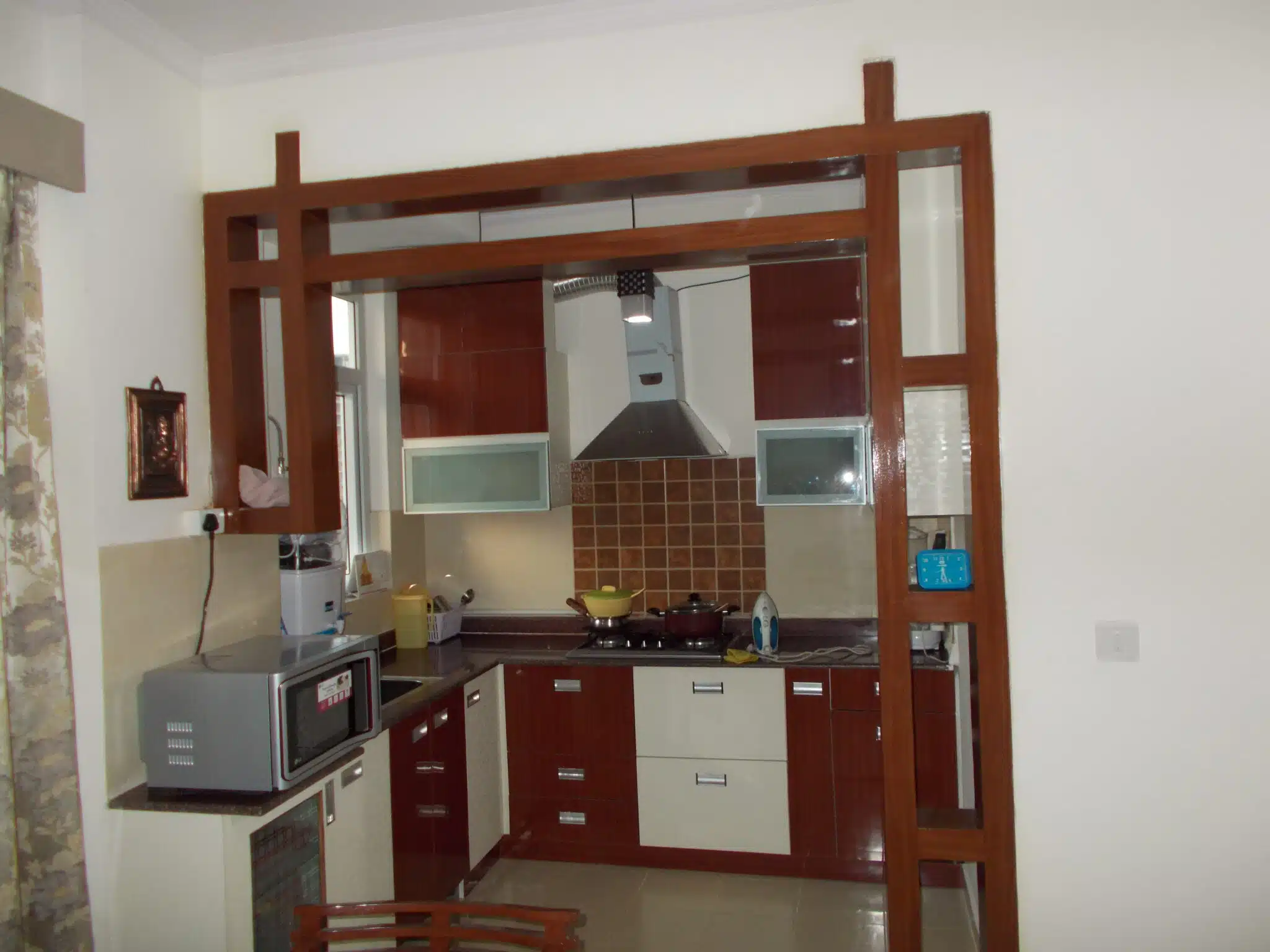
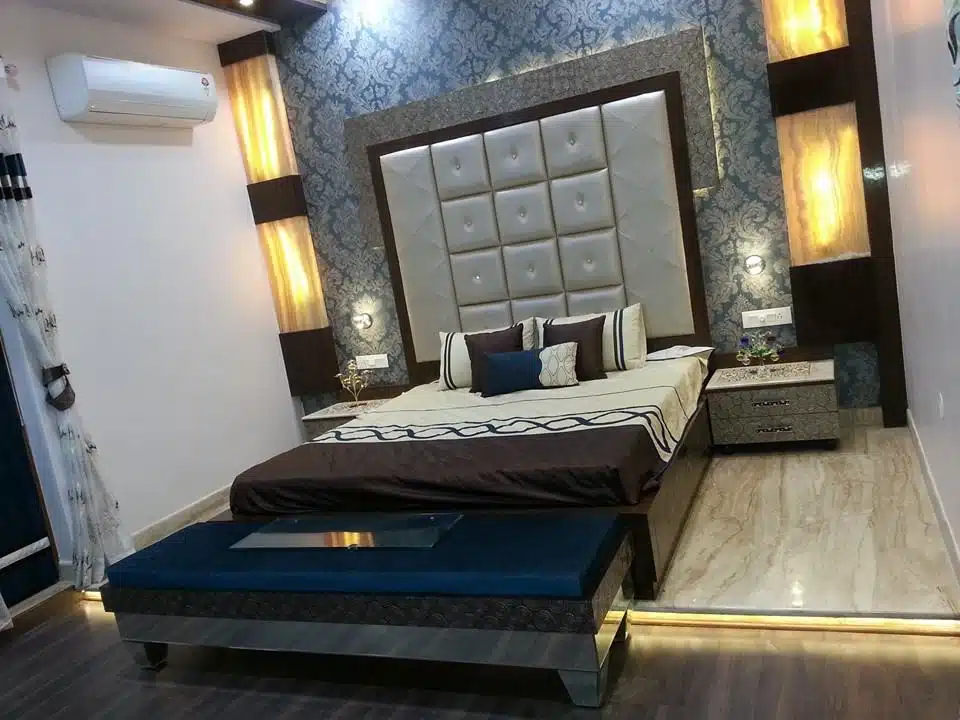
Use these images as general references while discussing styles, finishes, furniture and room planning with your shortlisted contractor. They are inspiration images, not proof of a particular contractor’s completed work.

More Interior Design Resources for Greater Noida West
Compare Interior Design Packages
Understand package inclusions, materials, furniture and execution differences.
Interior Design Quotation Checklist
Check itemised quotations, material specifications and exclusions.
Home Renovation Checklist
Plan property inspection, budgeting, execution and final handover.
FAQs: Hiring an Interior Contractor in Greater Noida West
What should I check before hiring an interior contractor in Greater Noida West?
Check relevant experience, genuine project references, itemised quotations, material specifications, drawings, site supervision, project timelines, payment milestones, written agreements and after-sales terms.
How many quotations should I compare before hiring?
Comparing around three detailed quotations can provide a useful basis for evaluating scope, materials, pricing and services. Make sure all contractors quote against the same requirements.
Should I visit a contractor’s previous projects?
Yes, where possible. Visit a completed or active site with permission and inspect workmanship, finishing, site organisation and adherence to drawings. Speak to previous clients directly if they agree.
What should an interior contractor’s quotation include?
It should describe the work room by room, quantities, material specifications, labour, installation, design services, civil and electrical work where applicable, taxes, exclusions and payment terms.
Is a written agreement necessary for interior work?
A written agreement is strongly advisable. It should cover scope, materials, drawings, price, payment milestones, schedule, responsibilities, changes, warranty and handover conditions.
How much advance payment should I give an interior contractor?
There is no universal advance percentage suitable for every project. Agree on a documented schedule that explains what each payment covers and links subsequent payments to defined deliverables or verified progress.
How can I check whether an interior contractor uses genuine materials?
Ask for written brands, grades, thicknesses and product specifications. Review samples before approval and request invoices or product documentation where relevant. Record any approved substitutions in writing.
What if an interior contractor asks for additional payment during execution?
Ask for a written explanation of the additional work, its reason, quantity, cost and timeline impact. Approve the change in writing before the additional work begins.
Should the interior contractor provide a project supervisor?
Clarify who will supervise the site, coordinate trades, check materials and communicate progress. The agreement should identify the responsible contact and a practical update schedule.
What should I check before making the final payment?
Inspect the completed scope, test relevant fittings, check finishes and carpentry, record defects in a written snag list and collect applicable invoices, manuals and warranty documents. Follow the final-payment terms in your agreement.
Can society rules affect interior work in Greater Noida West?
Yes. Individual societies may have requirements for contractor entry, working hours, material delivery, lift use, debris disposal and certain alterations. Confirm the current rules before work begins.
How do I choose between a turnkey contractor and a labour-only contractor?
A turnkey arrangement generally places more procurement and coordination responsibilities with the contractor, depending on the agreement. A labour-only arrangement requires the homeowner to manage more material purchasing and coordination. Compare the responsibilities, cost and time commitment before choosing.
Planning an Interior Project in Greater Noida West?
Whether you are designing a new 2BHK or 3BHK flat, renovating an existing apartment or planning a complete home makeover, start with a clear scope, material specifications and project requirements.
Contact Interior A to Z to discuss your home interior requirements and understand the services relevant to your project.
Conclusion: Choose an Interior Contractor Based on Evidence, Not Promises
Knowing what to check before hiring an interior contractor in Greater Noida West can help you make a more informed decision. Verify experience, inspect real work, speak to previous clients, compare detailed quotations and confirm materials before signing.
Most importantly, document the scope, payment milestones, project schedule, responsibilities, change process and handover requirements in writing. A transparent working arrangement gives both the homeowner and contractor a clearer basis for managing the project.
Use this checklist during contractor meetings and before making an advance payment. For further planning, explore our Flat Interior Design Greater Noida West guide and Interior Design Services.