Call WhatsApp

Interior design

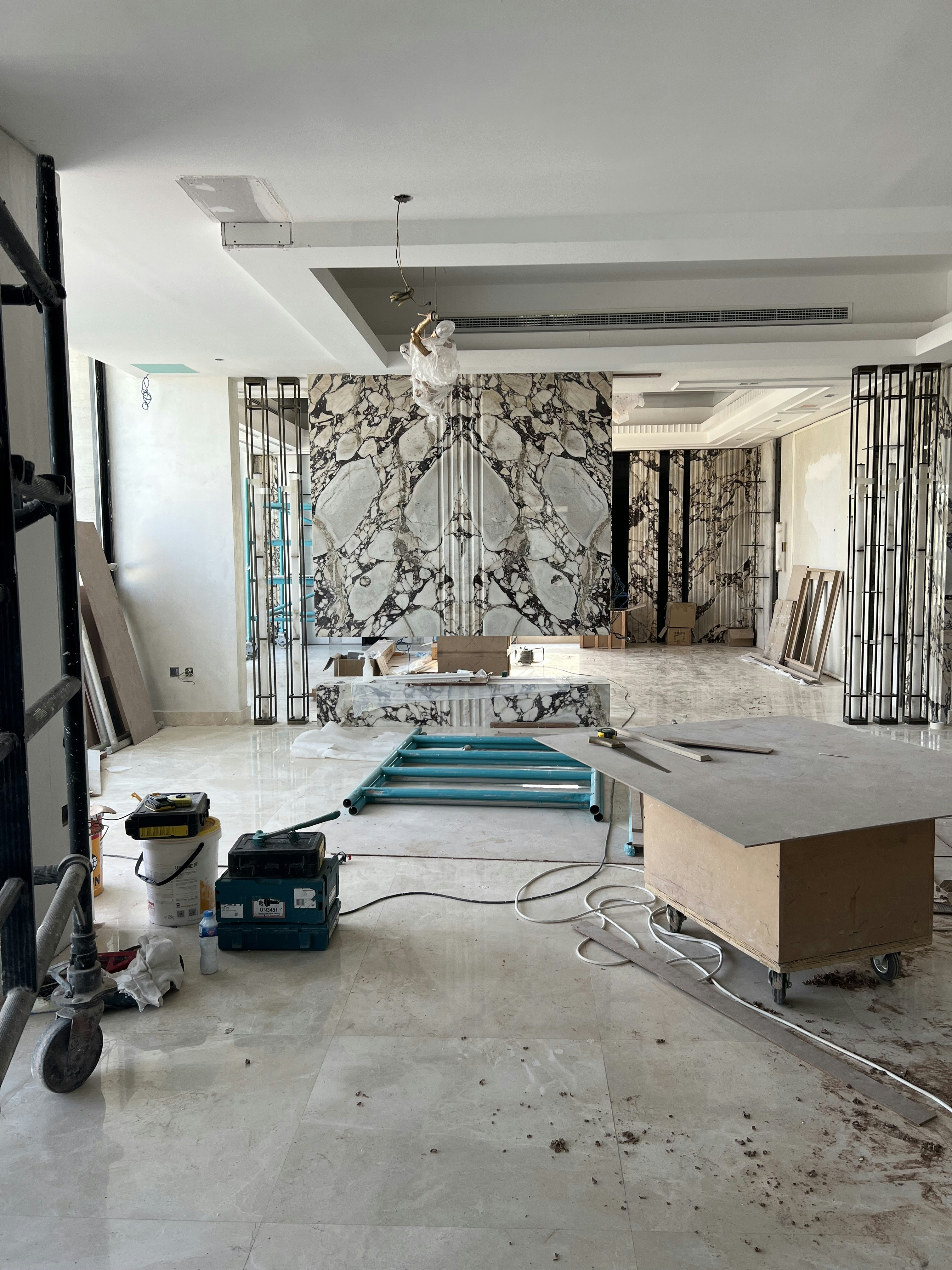
Finding the Right Interior Design Consultant Near You
Finding the Right Interior Design Consultant Near You

Why Hire an Interior Design Consultant?

The world of interior design can often feel overwhelming. Whether you’re looking to refresh a single room or completely renovate your home, enlisting the help of an interior design consultant near you can make the process smoother and more enjoyable. These professionals bring expertise, creativity, and a unique perspective that can transform your space into a reflection of your style and personality.

How to Choose the Right Consultant

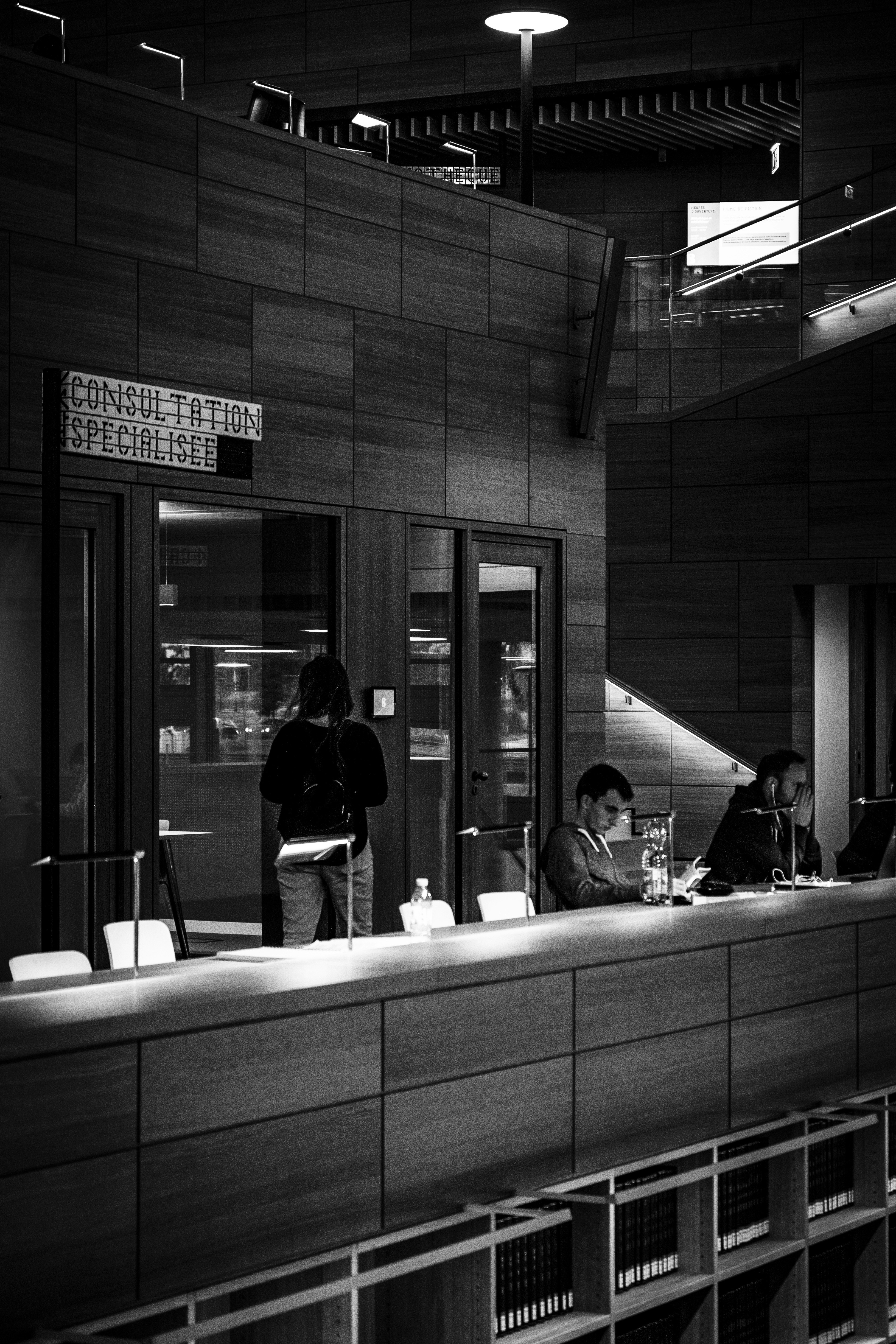
When searching for an interior design consultant near me, consider looking for someone whose portfolio resonates with your taste. Reviewing their previous projects can offer valuable insight into their design philosophy and style. Additionally, personal compatibility is essential; a good designer should listen to your ideas and work collaboratively to create the perfect space.

The Benefits of Local Expertise

Choosing a local interior design consultant has its advantages. They possess knowledge of the latest trends and materials that work best within your community. Local consultants also understand the climate and environment, allowing for more practical and sustainable design choices. As you explore options for an interior design consultant near you, remember that their local experience can lead to a more personalized and effective outcome.

Finding the Right Interior Design Consultant Near You Read More »
Discover the Best Interior Design Ideas for Your Home

Discover the Best Interior Design Ideas for Your Home

Understanding Interior Design Trends

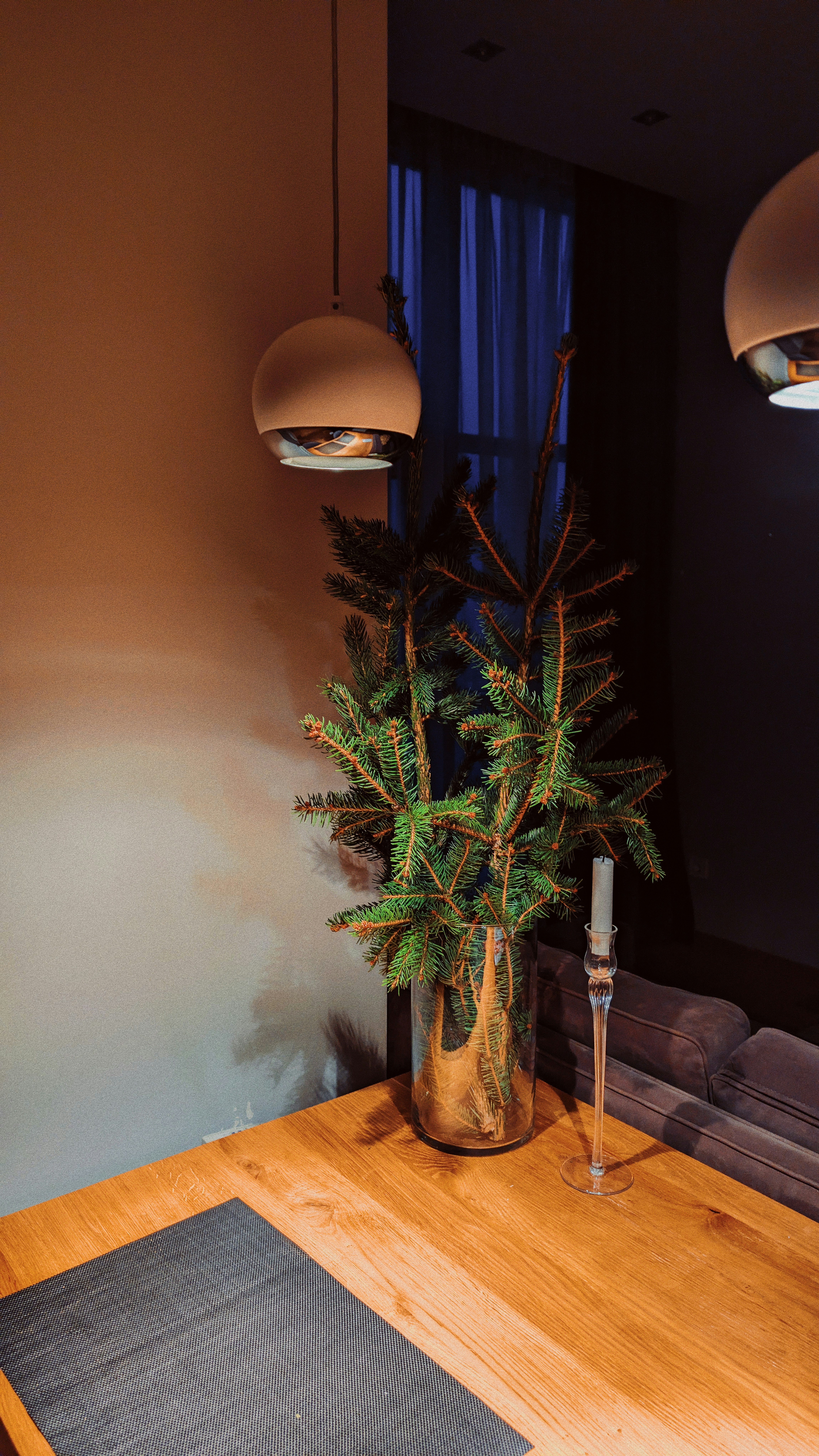
When it comes to creating a beautiful living space, understanding the latest interior design trends is essential. The best interior design for a home reflects both aesthetics and functionality, catering to the needs of the household while also expressing personal style. From minimalist designs to maximalist cramming, there’s something for everyone in the world of interior design.

Choosing the Right Color Palette

One of the cornerstones of effective interior design is the color palette. Opting for a harmonious color scheme can transform any space. For the best interior design, consider colors that not only complement each other but also resonate with your personality. Neutrals can evoke calm and sophistication, while bold hues can add energy and vibrance to your home.

Incorporating Functional Furniture

Furniture plays a crucial role in achieving the best interior design for your home. Selecting pieces that offer both comfort and utility is vital. Multipurpose furniture, such as sofa beds or dining tables with storage, is perfect for optimizing space without sacrificing style. Remember, the best interior design achieves a balance between beauty and practicality.

Discover the Best Interior Design Ideas for Your Home Read More »

The Benefits of Hiring an Interior Designer for Your Home

The Benefits of Hiring an Interior Designer for Your Home

Why You Should Consider an Interior Designer

Hiring an interior designer can transform your living space into an aesthetically pleasing and functional environment. Many homeowners underestimate the value an interior designer brings, believing that they can tackle the project themselves. However, professional designers offer expertise that can save you time, stress, and money in the long run.

Expertise and Experience

One of the primary benefits of hiring an interior designer is their extensive knowledge of design principles. They are trained to understand color theory, spatial arrangements, and the use of materials, enabling them to create cohesive designs that reflect your unique style. This expertise ensures that your project runs smoothly from concept to completion.

Maximizing Space and Budget

Another significant advantage is that an interior designer can maximize your space’s potential while staying within budget. They are skilled in sourcing materials, furniture, and décor that align with your vision and wallet. Additionally, they can help avoid costly mistakes by suggesting alternative solutions that might not have occurred to you on your own.

In summary, hiring an interior designer can be a worthwhile investment for anyone looking to enhance their home. Their expertise, experience, and ability to maximize space and budget can turn your design dreams into reality, ensuring your home is not only beautiful but also functional.

The Benefits of Hiring an Interior Designer for Your Home Read More »

Interior Design Tips for Your 2BHK Flat

Interior Design Tips for Your 2BHK Flat

Understanding Your Space

When designing the interior of a 2BHK flat, it’s important to consider the unique layout and dimensions of your space. A 2-bedroom home often serves as a cozy haven for families or couples, so careful planning is essential. Begin by analyzing the flow of your flat; identify areas that naturally serve as traffic paths and those that can be utilized for specific purposes, such as work or relaxation.

Choosing the Right Color Palette

Color plays a significant role in interior design, particularly in a compact living area. Neutral tones can help create a sense of openness, making the flat feel larger than it is. Use a combination of whites, beiges, and light grays for walls, allowing you to add splashes of color through accessories like cushions and artwork. This approach not only enhances the aesthetic appeal but also provides flexibility as your tastes evolve.

Maximizing Functionality with Furniture

In a 2BHK flat, selecting the right furniture is crucial to ensure functionality and style coexist. Opt for multi-purpose furniture pieces, such as a sofa bed in the living room or a dining table that can double as a workspace. This strategy helps in maximizing the available space, ensuring that you can accommodate guests or adapt to different needs without compromising comfort.

Interior Design Tips for Your 2BHK Flat Read More »

Maximizing Space: Small Bedroom Interior Design Tips

Maximizing Space: Small Bedroom Interior Design Tips

Understanding Small Bedroom Challenges

Designing a small bedroom can often feel like a daunting task. With limited space, it’s crucial to focus on functionality without compromising on style. This blog post will explore various strategies to enhance your small bedroom interior design, ensuring that even the coziest of spaces feels inviting and organized.

Choose the Right Color Palette

The color scheme you choose for your small bedroom can significantly impact its overall ambiance. Lighter shades, such as whites, pastels, and soft neutrals, can make a space feel larger and more open. Consider incorporating an accent wall with a slightly darker hue to add depth and character without overwhelming the space.

Utilize Multi-Functional Furniture

In small bedroom interior design, it’s beneficial to invest in multi-functional furniture. For instance, a bed with built-in storage or an ottoman that doubles as a seating area can help manage clutter while also serving multiple purposes. Additionally, wall-mounted shelves can create extra storage without taking up floor space, keeping your small bedroom organized and stylish.

With these thoughtful design tips, you can transform your small bedroom into a space that reflects your personal style while maximizing every inch of available space. Remember, it’s all about creating a harmonious balance between aesthetics and practicality.

Maximizing Space: Small Bedroom Interior Design Tips Read More »

Exploring the Best Interior Design Stores: A Comprehensive Guide

Exploring the Best Interior Design Stores: A Comprehensive Guide

Introduction to Interior Design Stores

When it comes to creating a beautiful and functional living space, interior design stores play a crucial role. They offer a wide array of products ranging from furniture to decorative items, all designed to enhance the aesthetic and practical aspects of your home. Whether you are looking for contemporary styles or rustic designs, interior design stores have something to cater to every taste.

Why Choose Specialized Interior Design Stores?

Specialized interior design stores provide expertise that is often absent in generic retail outlets. The staff is usually knowledgeable and can offer personalized advice that aligns with your vision. Additionally, these stores often carry unique items that aren’t available in big-box stores, allowing you to create a one-of-a-kind space.

Tips for Shopping at Interior Design Stores

When visiting an interior design store, it’s essential to come prepared. Start by researching your style preferences and setting a budget. This will help you navigate the extensive options available without feeling overwhelmed. Don’t hesitate to ask store personnel for recommendations, as they can suggest products that suit your needs and preferences.

Moreover, keep an eye out for seasonal sales and promotions, as many interior design stores offer discounts that can significantly lower your expenses. Lastly, take your time exploring different sections of the store; sometimes the most inspiring finds are hidden in unexpected places.

In summary, interior design stores are invaluable resources for crafting your dream home. By selecting the right store and utilizing effective shopping strategies, you can discover distinctive and stylish pieces that reflect your personality and enhance your space.

Exploring the Best Interior Design Stores: A Comprehensive Guide Read More »

Transform Your Space: A Guide to Budget Interior Design

Transform Your Space: A Guide to Budget Interior Design

Understanding Budget Interior Design

Budget interior design is all about creating a beautiful and functional space without breaking the bank. By embracing a cost-effective approach, anyone can refresh their home, making it both stylish and inviting. From smart shopping to DIY projects, there are numerous ways to achieve stunning results on a limited budget.

Tips for Effective Budget Interior Design

One of the most effective strategies for budget interior design is prioritizing functionality alongside aesthetics. Start by assessing your needs—evaluate the existing space and determine which areas require the most attention. Look for affordable options such as repainting walls, reorganizing furniture, or adding budget-friendly decor. Thrift stores and online marketplaces can also be a treasure trove for stylish finds at a fraction of the cost.

DIY Projects to Enhance Your Space

Another way to embrace budget interior design is through do-it-yourself (DIY) projects. Creating your own artwork, sewing new throw pillow covers, or building custom shelves are just a few ideas that can add personal flair. Online tutorials and inspirations are plentiful, ensuring that anyone, regardless of skill level, can successfully undertake these projects. Not only do these DIY endeavors save money, but they also provide a unique touch that reflects your personality.

Transform Your Space: A Guide to Budget Interior Design Read More »

Top Interior Design Sites to Inspire Your Next Project

Top Interior Design Sites to Inspire Your Next Project

Discover the Best Interior Design Sites

In today’s digital age, the internet offers a plethora of resources for anyone interested in interior design. From blogs to portfolios, there are various interior design sites that can provide inspiration for your next home makeover. Whether you’re a seasoned designer or a homeowner seeking fresh ideas, these websites cater to all tastes and preferences.

Trendy Platforms for Design Inspiration

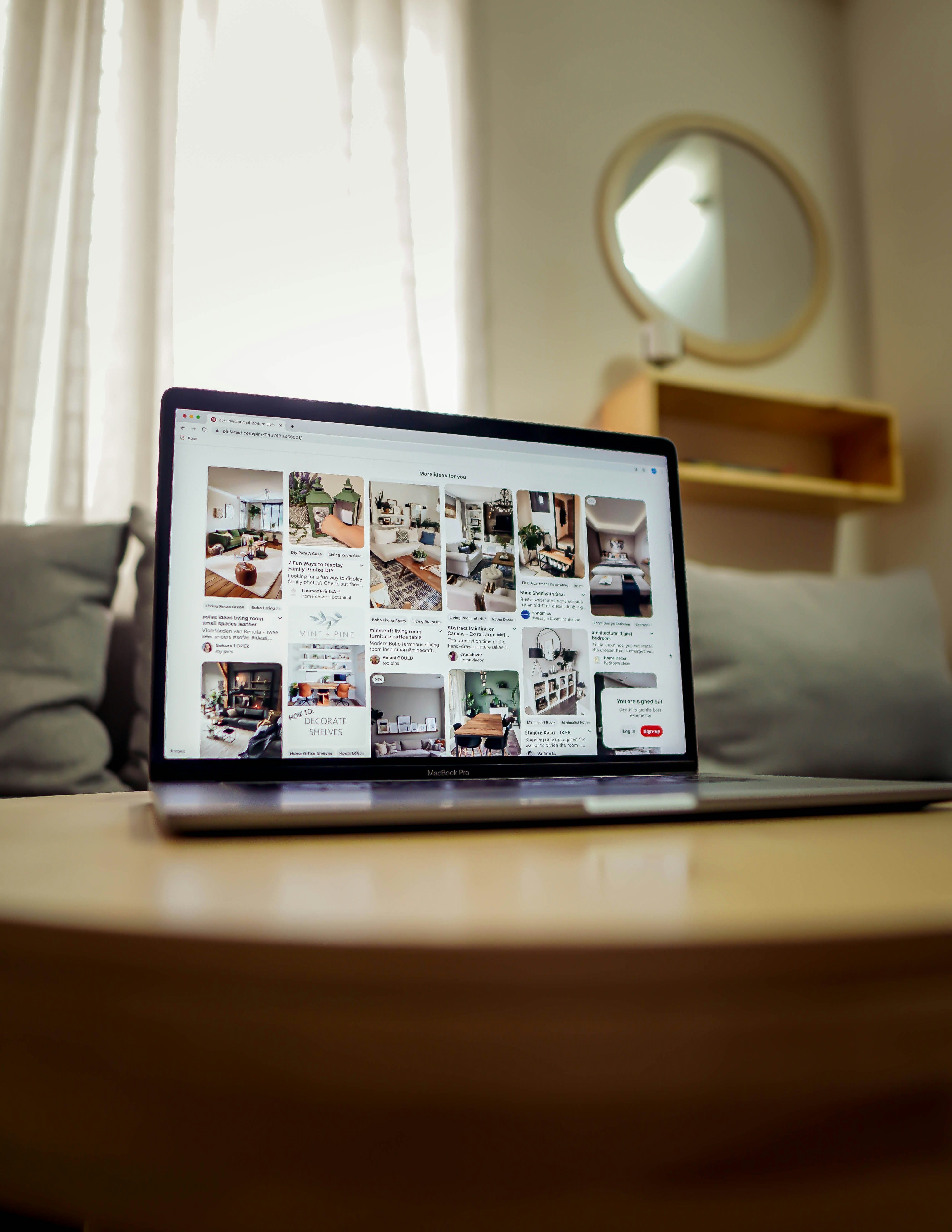
Among several noteworthy interior design sites, platforms like Houzz and Pinterest stand out for their extensive galleries. Houzz features high-quality images and allows users to collaborate with professionals. Pinterest, on the other hand, is a treasure trove of user-generated content where you can create boards tailored to your aesthetics. Both sites are not only visually appealing but also user-friendly, making them accessible for all.

Blogs that Showcase Innovative Designs

If you prefer reading in-depth articles, design blogs like Design*Sponge and Apartment Therapy provide valuable insights. These interior design sites compile trends, expert advice, and DIY projects that can spark creativity. Additionally, they often feature interviews with designers, allowing you to learn directly from industry professionals. Exploring these platforms offers a well-rounded view of what is currently trending in the world of interior design.

As you navigate through these interior design sites, remember that inspiration can come from various sources. Each platform brings a unique perspective that can help you cultivate your individual style and create a space that truly feels like home.

Top Interior Design Sites to Inspire Your Next Project Read More »

The Value of Hiring a Certified Interior Designer for Your Home

Hiring a Certified Interior Designer: 15 Expert Tips for a Better Home
Interior Design Hiring Guide • Delhi NCR

Hiring a Certified Interior Designer: 15 Expert Tips for a Better Home

Learn what to check before hiring a certified interior designer—from qualifications and portfolio experience to space planning, materials, quotations, execution, communication and contracts.

Explore Interior Services Call +91 98910 50117

What Does Hiring a Certified Interior Designer Involve?

Hiring a certified interior designer should be more than choosing an attractive portfolio or accepting the lowest quotation. A good professional should be able to understand your property, lifestyle, functional requirements, preferred style, budget and implementation needs.

Quick answer: Before hiring a certified interior designer, verify relevant qualifications or credentials, review completed projects similar to yours, assess design compatibility, understand the scope of work, check 2D/3D deliverables, review material specifications, compare detailed quotations and clarify execution, timeline, contract and warranty terms.

For residential projects in Delhi NCR, Gurgaon and Noida, the right designer should also be able to coordinate space planning, storage, lighting, materials, furniture and execution according to the property’s actual requirements.

Interior designer reviewing a modern residential interior project
15+ Years Interior Design Experience
500+ Projects Completed
3 Core Delhi NCR Markets
3D Design Visualization

15 Things to Check Before Hiring a Certified Interior Designer

Use this checklist to compare professionals on the factors that can affect design quality, project clarity, budget control and execution.

1

Check Professional Credentials

Ask about relevant education, certifications, professional memberships or credentials claimed by the designer. Verify documentation where appropriate.

2

Review Relevant Experience

Look for experience with properties similar to yours, whether it is a 2BHK, 3BHK, villa, builder floor, apartment, office or commercial space.

3

Study Completed Projects

Completed projects reveal how the designer handles real layouts, storage, furniture proportions, materials and practical requirements.

4

Check Design Compatibility

Make sure the designer understands your preferred direction, whether modern, contemporary, minimalist, traditional, warm-natural or luxury.

5

Evaluate Space Planning

Look beyond decorative photographs. Evaluate circulation, furniture placement, storage, lighting, proportions and everyday functionality.

6

Ask About 2D & 3D Design

Confirm whether layouts, elevations, drawings and 3D visualizations are part of the design process before execution or manufacturing.

7

Understand Materials

Ask about boards, plywood or other substrates, laminates, hardware, paint, countertops, glass, lighting and other major material specifications.

8

Demand a Detailed Quotation

The proposal should make it reasonably clear what work, materials, quantities, services and exclusions are included.

9

Clarify Site Responsibility

Find out who coordinates carpentry, electrical work, painting, installation, fabrication and other site activities.

10

Discuss the Timeline

Understand how consultation, design approvals, procurement, manufacturing, installation and handover will be sequenced.

11

Assess Communication

Clarify how design approvals, revisions, changes, progress updates and project decisions will be communicated.

12

Review the Contract

Payment milestones, scope, exclusions, change orders, responsibilities and other commercial terms should be clearly documented.

13

Ask About Warranty

Understand what warranty or post-handover support applies to the agreed products, workmanship and services.

14

Compare Like for Like

Two quotations can have different prices because their scope, materials, furniture, hardware and execution responsibilities differ.

15

Trust the Process, Not Just the Promise

A structured process for consultation, design, approvals, materials and execution can be more meaningful than broad promises about the final result.

Professional interior design planning for a residential space

Certified Does Not Mean Credentials Alone

Professional credentials can be useful when assessing an interior designer, but they should be considered alongside practical project experience.

A designer may have strong qualifications but still not be the right fit for a particular project if their experience, design style, communication approach or execution model does not match your requirements.

  • Verify relevant professional qualifications or certifications.
  • Review completed projects similar to yours.
  • Check whether the designer understands your preferred style.
  • Ask how the design will be documented.
  • Understand who manages execution.
  • Review the commercial terms before signing.

What Services Should You Expect From an Interior Designer?

The exact scope varies by professional and project. Establish the required level of support before comparing fees.

Consultation

Discuss the property, lifestyle, design direction, functional requirements, priorities and approximate budget.

Space Planning

Develop furniture layouts, circulation, storage planning and room relationships according to the property’s dimensions.

2D & 3D Visualization

Use drawings and visualizations to understand layouts, furniture, finishes and design direction before execution.

Material Selection

Coordinate cabinetry, laminates, hardware, countertops, lighting, paint, wall finishes and other project materials.

Furniture & Storage

Plan wardrobes, modular kitchens, storage, furniture and built-in solutions according to the available space.

Execution Coordination

Depending on the agreed scope, coordinate manufacturing, installation, finishing and other implementation activities.

Questions to Ask Before Hiring a Certified Interior Designer

Experience & Design

  • How many years have you been designing interiors?
  • Have you completed projects similar to mine?
  • Can I review relevant completed projects?
  • What design styles do you commonly work with?
  • How do you approach space planning?
  • Do you provide 2D drawings and 3D visualizations?
  • How many revisions are included?

Execution & Commercial Terms

  • How is the design fee calculated?
  • Will I receive a detailed BOQ or quotation?
  • Which materials and hardware are specified?
  • Who supervises the site?
  • What is the expected project timeline?
  • How are design changes priced?
  • What is included and excluded from turnkey execution?
  • What warranty or post-handover support applies?

How to Compare Interior Designer Quotations

The cheapest quotation is not automatically the best value. Compare the actual scope, materials and responsibilities behind each number.

CategoryWhat to CheckWhy It Matters
Design FeeFixed fee, percentage, per-square-foot model or package structure.Clarifies what you are paying for professional design services.
CarpentryBoard or plywood specification, thickness, laminate, hardware and quantities.Material and hardware specifications can significantly affect the result.
KitchenCabinet construction, shutters, hardware, countertop and accessories.Kitchen scope can vary considerably between proposals.
WardrobesInternal layout, shutters, hardware and accessories.Two wardrobes with similar dimensions may have different specifications.
LightingFixtures, electrical points, installation and decorative lighting.Clarifies whether lighting is part of the quoted scope.
ExecutionSite supervision, installation, coordination and finishing.Defines who is responsible for implementing the approved design.
ExclusionsAppliances, loose furniture, civil work, taxes, transportation or additional work.Clear exclusions help reduce unexpected additions later.

How to Hire an Interior Designer: A Practical 6-Step Process

Use a structured process to make your decision more objective and reduce uncertainty before the project begins.

Define Your Project Brief

Note your property type, location, approximate size, rooms, possession or start date, preferred style, must-have features and expected investment range.

Shortlist Suitable Designers

Look for professionals with relevant experience in properties and project scopes similar to yours.

Review Credentials and Portfolios

Check professional qualifications or certifications where relevant and review completed projects rather than relying only on concept images.

Conduct Consultations

Discuss your floor plan, requirements, style, budget, timeline, design process and expected level of involvement.

Compare Written Proposals

Compare scope, materials, drawings, execution responsibilities, exclusions, timeline and payment milestones rather than only the headline price.

Sign Clear Terms Before Starting

Confirm the agreed scope, payment schedule, responsibilities, change-order process, timeline, warranty and other important terms in writing.

When Should You Hire a Certified Interior Designer?

New Home

Hiring early can help coordinate layouts, storage, kitchens, wardrobes, lighting, materials and furniture before implementation begins.

Apartment Interior

Professional space planning can be particularly useful when several functions need to fit into a fixed apartment layout.

Villa or Builder Floor

Larger or multi-level properties often require coordinated planning between rooms, circulation, storage, lighting and furniture.

Home Renovation

A designer can help evaluate existing layouts, identify priorities and coordinate new finishes, storage and furniture.

Luxury Interior

Detailed material coordination, customized furniture, lighting and architectural detailing can require a more structured design process.

Turnkey Project

A turnkey approach can be useful when you prefer design, material coordination and execution to be managed through one coordinated project team.

Why Experience Matters Alongside Certification

Interior projects involve practical decisions that are difficult to judge from a certificate or portfolio image alone. Dimensions, storage, electrical points, materials, furniture proportions, installation details and site conditions all influence the final result.

Interior A to Z brings 15+ years of interior design experience and 500+ completed projects, with services across Delhi NCR, Gurgaon and Noida. Its residential services include consultation, space planning, material selection, 3D visualization, furniture design and execution support.

The objective is to connect design decisions with how the finished space will actually be used.

About Interior A to Z
Interior design professional working on a residential project

Hiring a Certified Interior Designer in Delhi NCR

Property type, location and project complexity can influence the right designer and the scope of services required.

Delhi

For Delhi homes, compare designers based on experience with apartments, builder floors, independent homes and villas, along with their ability to manage practical space planning.

Interior Designers in Delhi →

Gurgaon

Gurgaon projects can range from compact apartments to larger residences. Look for relevant experience, clear material specifications and an execution process that fits your property.

Home Interior Design in Gurgaon →

Noida

For Noida projects, compare space planning, 2D/3D design, materials, quotations, site supervision and execution responsibilities.

Interior Design Services →

Related Interior Design Resources

Use these Interior A to Z resources to research designers, services and home interior planning before starting your project.

How to Choose an Interior Designer in Delhi

Review a detailed checklist covering portfolio, experience, design fit, quotation, materials, execution, timeline and contract terms.

Read the Delhi Hiring Guide →

Hire an Interior Designer

Understand the different levels of interior design support available for homes, apartments, villas and individual rooms.

Explore Hiring Options →

Professional Interior Designer Services

Explore consultation, space planning, materials, 3D visualization, furniture design and execution services.

View Designer Services →

Home Interior Design Delhi NCR

See how residential interiors can be planned around lifestyle, storage, materials, lighting and everyday functionality.

Explore Home Interiors →

New Home Interior Designer

Explore complete new-home planning including space planning, modular kitchens, wardrobes, 3D visualization and turnkey execution.

New Home Interior Design →

Turnkey Interior Design

Learn how a coordinated turnkey model can connect design, materials, manufacturing, installation and finishing.

Explore Turnkey Design →

Frequently Asked Questions About Hiring a Certified Interior Designer

What should I check before hiring a certified interior designer?

Check relevant qualifications or credentials, completed projects, experience with similar properties, design compatibility, space-planning ability, 2D/3D deliverables, materials, quotation, execution responsibility, timeline, communication, contract terms and warranty.

How do I verify an interior designer’s credentials?

Ask the designer to explain their professional education, certifications, memberships or other credentials and verify documentation where applicable. Also evaluate completed projects and references rather than relying on credentials alone.

Should I compare multiple interior designers before hiring?

Yes. Comparing two or three suitable designers using the same project brief can make differences in scope, materials, design approach, communication, execution and pricing easier to understand.

What should an interior design quotation include?

A useful quotation should identify major work, materials, quantities, furniture or cabinetry, execution responsibilities, exclusions, taxes where applicable, payment milestones and other important commercial terms.

Is certification alone enough to choose an interior designer?

No. Credentials are only one part of the decision. Relevant experience, portfolio quality, design compatibility, technical planning, communication, execution capability and clear commercial terms also matter.

What questions should I ask an interior designer before hiring?

Ask about similar completed projects, design process, 2D and 3D drawings, revisions, fees, materials, BOQ or quotation, site supervision, timeline, changes, exclusions, turnkey scope, warranties and post-handover support.

Should I choose the cheapest interior designer quotation?

Not automatically. Compare the complete scope, materials, supervision, timeline, documentation, warranty and potential variation costs before making a decision.

Is a turnkey interior designer useful for a complete home?

A turnkey approach can be useful when you want design, material coordination, procurement and execution managed through one coordinated team. The exact scope should be documented before the project begins.

Modern home interior designed with coordinated furniture and finishes

Make Your Interior Designer Decision With Clarity

Hiring a certified interior designer is an important project decision, but certification should be considered as part of a wider evaluation.

Compare relevant experience, completed projects, design compatibility, planning ability, materials, written scope, execution capability, communication and contractual terms.

Interior A to Z provides residential and turnkey interior design services across Delhi NCR, Gurgaon and Noida, with customized planning, 2D and 3D design, material guidance and execution support.

Discuss Your Interior Project

Ready to Hire the Right Interior Designer?

Share your property type, location, approximate size, requirements, preferred style and budget range so the interior design scope can be discussed clearly.

Call +91 98910 50117 Email Interior A to Z
Phone +91 9891050117
Email info@interioratoz.com
Service Areas Delhi • Gurgaon • Noida • Delhi NCR

The Value of Hiring a Certified Interior Designer for Your Home Read More »

Transform Your Space: Home Office Interior Design Tips

Transform Your Space: Home Office Interior Design Tips

Creating a Functional Layout

When it comes to home office interior design, the layout is essential. A well-organized space allows for increased productivity and better work-life balance. Start by identifying your primary work functions. Whether you need space for a computer, files, or creative tools, ensure your setup enhances your workflow.

Selecting the Right Furniture

Your choice of furniture significantly impacts both functionality and aesthetics in home office interior design. Invest in a comfortable chair and a spacious desk that suits your specific needs. Consider ergonomic options to maintain comfort during long hours of work. Additionally, incorporating shelves or cabinets can help keep your office organized and clutter-free.

Personalizing Your Workspace

To make your home office inviting, personalization is key in interior design. Use color schemes, artwork, or plants that inspire you and reflect your personality. Adding personal touches, such as family photos or motivational quotes, can create a pleasant atmosphere that fosters creativity and focus. Remember, your home office should feel like a space where you enjoy spending time.

Transform Your Space: Home Office Interior Design Tips Read More »

Creative 1 BHK Interior Design Ideas for Small Spaces

Creative 1 BHK Interior Design Ideas for Small Spaces

Understanding 1 BHK Interior Design

When it comes to 1 BHK interior design, optimizing every square foot is essential. A one-bedroom, hall, and kitchen configuration is particularly popular in urban settings, making creative interior solutions necessary. The goal is to create a stylish yet functional space that reflects your personal taste while accommodating the limited area.

Maximizing Space in Your 1 BHK

Incorporating multipurpose furniture is a game-changer in 1 BHK interior design. Look for pieces that serve dual functions, such as a sofa bed or a coffee table with built-in storage. These items not only save space but also provide convenience. Additionally, consider the layout carefully; an open-plan design can make the space feel larger and more inviting.

Color Schemes and Decor Tips

A well-chosen color palette can transform the ambiance of your 1 BHK. Lighter colors often make a room feel more spacious, while a few bold accent walls can add personality. Invest in good lighting—natural light opens up a room while strategically placed lamps create warmth. Finally, incorporate personal decor like framed photos or artwork to make your living space feel more like home.

Creative 1 BHK Interior Design Ideas for Small Spaces Read More »

The Importance of Corporate Interior Design in Today’s Business Environment

The Importance of Corporate Interior Design in Today's Business Environment

What is Corporate Interior Design?

Corporate interior design refers to the artistic and functional aspects of designing workplace environments. It’s an essential component of any business’s overall branding and operational strategy. A well-thought-out corporate interior can significantly influence employee productivity and overall morale, making it a crucial investment for any company.

Benefits of Effective Corporate Interior Design

Implementing effective corporate interior design offers numerous advantages. First, it can enhance the functionality of the workspace, ensuring that employees have the necessary space and resources to perform their tasks efficiently. Additionally, a thoughtfully designed office can foster collaboration and communication among team members, ultimately driving innovation and creativity.

Creating a Lasting Impression

Furthermore, corporate interior design plays a pivotal role in creating a lasting impression on clients and visitors. A well-designed office not only reflects the company’s brand image but also conveys professionalism and attention to detail. Clients are more likely to trust and engage with a business that invests in its physical environment, making corporate design a vital aspect of customer relations.

The Importance of Corporate Interior Design in Today’s Business Environment Read More »

Essential Tips for Interior Design Beginners

Interior Design Guide for Beginners

Essential Tips for Interior Design Beginners

Starting your interior design journey can feel overwhelming, but the right fundamentals make it easier. Learn how to plan your space, choose colors, select furniture, improve lighting and create a beautiful home with confidence.

Talk to an Interior Designer Explore Interior A to Z
Interior design ideas for beginners
Start With the Basics

Interior Design for Beginners: Understanding the Fundamentals

Interior design for beginners does not have to be complicated. The best way to start is by understanding how different design elements work together to create a comfortable and visually balanced space.

Color, space, furniture, lighting, texture, proportion and pattern all have an important role in interior design. You do not need to master everything immediately. Begin with the fundamentals and gradually develop your own design style.

Beginner tip: Before purchasing furniture or décor, decide what you want the room to achieve. A beautiful room should also be comfortable, functional and easy to live in.
Design Fundamentals

7 Essential Interior Design Tips for Beginners

These practical principles can help beginners make better design decisions without making the process unnecessarily complicated.

TIP 01

Understand Your Space

Start by measuring the room. Note the location of doors, windows, electrical points and major architectural elements before deciding on furniture placement.

  • Measure walls accurately
  • Mark doors and windows
  • Identify natural light sources
  • Consider circulation space
TIP 02

Choose a Color Palette

Color is one of the easiest ways to establish the mood of an interior. Start with a simple base color and introduce complementary accent shades.

  • Start with neutral colors
  • Add one or two accent shades
  • Test colors in natural light
  • Repeat colors throughout the room
TIP 03

Prioritize Functionality

A stylish room still needs to work for everyday life. Consider how people will move, sit, work, relax and store their belongings.

  • Keep pathways clear
  • Plan storage early
  • Choose practical furniture
  • Think about daily routines
TIP 04

Select Furniture Carefully

Furniture should match the scale of the room. Oversized pieces can make a small space feel crowded, while very small furniture may make a large room feel disconnected.

  • Measure before purchasing
  • Check furniture proportions
  • Prioritize comfort
  • Maintain walking space
TIP 05

Use Layered Lighting

Good lighting combines general illumination with task and decorative lighting. This creates flexibility and improves the atmosphere of a room.

  • Ambient lighting
  • Task lighting
  • Accent lighting
  • Natural daylight
TIP 06

Add Texture and Pattern

Texture prevents a room from looking flat. Use rugs, curtains, cushions, wood, fabrics, artwork and other materials to introduce visual interest.

  • Mix smooth and textured surfaces
  • Use fabrics for warmth
  • Add patterns carefully
  • Repeat materials for cohesion
TIP 07

Avoid Over-Decorating

Beginners often try to fill every empty surface. Instead, leave some visual breathing room and allow important furniture and decorative pieces to stand out.

  • Reduce unnecessary clutter
  • Use statement pieces selectively
  • Keep surfaces organized
  • Allow negative space
BONUS TIP

Design in Stages

You do not have to complete the entire room in one day. Build the interior gradually, beginning with essential furniture and adding décor once the main layout works.

  • Plan first
  • Buy essential furniture
  • Add lighting
  • Finish with décor
Color Planning

How Beginners Can Choose the Right Interior Color Palette

Choosing colors is often one of the first decisions beginners face. A simple approach is to select a dominant color, a secondary color and one accent color.

Neutral Base

White, beige, cream, grey and warm neutral shades can provide a flexible foundation for furniture and décor.

Secondary Color

Introduce a complementary shade through furniture, curtains, rugs, cabinetry or selected walls.

Accent Color

Use stronger colors sparingly through cushions, artwork, accessories or small furniture pieces.

Practical rule: If you are unsure, begin with neutral larger surfaces and experiment with stronger colors through easily replaceable accessories.
Modern interior color palette for beginners
Furniture selection and space planning for interior design beginners
Furniture Planning

How to Choose Furniture as an Interior Design Beginner

Furniture should combine comfort, scale, function and visual appeal. Before purchasing a sofa, bed, dining table or cabinet, measure the available space.

  • Measure the room before shopping
  • Check door and lift access for large furniture
  • Leave comfortable circulation paths
  • Choose furniture according to room scale
  • Consider maintenance requirements
  • Prioritize quality for frequently used pieces

For smaller apartments in Delhi NCR, Gurgaon and Noida, multifunctional furniture can be particularly useful because it can provide additional storage without occupying unnecessary floor space.

Beginner-Friendly Ideas

Interior Design Tips for Different Rooms

Each room has different functional requirements. Start with the purpose of the space before choosing its decorative style.

Living room interior design for beginners

Living Room

Start with the sofa and main seating arrangement. Then plan the TV unit, lighting, rug, curtains and decorative accessories around it.

  • Define the seating zone
  • Plan TV placement
  • Add layered lighting
  • Use a suitable rug
Bedroom interior design tips for beginners

Bedroom

Comfort should be the priority. Begin with the bed, then plan bedside storage, wardrobes, lighting and soft furnishings.

  • Choose a comfortable bed
  • Plan wardrobe storage
  • Use warm lighting
  • Keep the room uncluttered
Kitchen interior design tips for beginners

Kitchen

Think about workflow, storage and cleaning before focusing on decorative details. A practical kitchen layout can make everyday cooking easier.

  • Plan work zones
  • Use efficient storage
  • Consider appliance placement
  • Select easy-care finishes
Wardrobe interior design ideas

Wardrobe

Plan storage according to the clothes and accessories you actually use. Different compartments can make organization considerably easier.

Dining room interior design ideas

Dining Area

Choose a dining table according to available space and household size. Pendant lighting can create a visual focal point above the table.

Small apartment interior design ideas

Small Spaces

Use vertical storage, multifunctional furniture, mirrors and a restrained color palette to make compact rooms feel more open.

Lighting Basics

Lighting Tips Every Interior Design Beginner Should Know

Lighting can completely change the appearance and atmosphere of an interior. Instead of relying on one ceiling fixture, use multiple light sources.

Ambient Lighting

Provides general illumination throughout the room.

Task Lighting

Provides focused light for activities such as reading, cooking, working or applying makeup.

Accent Lighting

Highlights artwork, architectural features, shelves or decorative objects.

  • Use daylight whenever possible
  • Layer multiple light sources
  • Choose warm lighting for relaxing spaces
  • Use brighter task lighting where necessary
Interior lighting design ideas for beginners
Avoid These Mistakes

Common Interior Design Mistakes Beginners Should Avoid

1

Buying Furniture Too Quickly

Do not purchase major furniture before measuring the room and planning the layout.

2

Ignoring Storage

Storage should be planned from the beginning rather than added after the room is already finished.

3

Using Too Many Colors

Too many unrelated colors can make an interior look visually confusing. Create a coordinated palette instead.

4

Poor Lighting

A room can look flat or uncomfortable when it relies entirely on a single light source.

5

Ignoring Scale

Furniture should be appropriately sized for the room. Proportion is one of the foundations of good interior design.

6

Over-Decorating

Decorative objects should enhance the room rather than make it feel cluttered.

Budget friendly interior design ideas for beginners
Budget-Friendly Design

How Beginners Can Design a Home on a Budget

Interior design does not always require a complete renovation. Beginners can create significant improvements by prioritizing the changes that have the greatest visual and functional impact.

  • Start with space planning
  • Reuse quality furniture where possible
  • Refresh walls with paint
  • Upgrade lighting fixtures
  • Add curtains and rugs
  • Use artwork strategically
  • Invest in storage where needed
  • Buy décor gradually
Budget principle: Spend more on items that are used every day and choose affordable, replaceable accessories for trend-based decoration.
Simple Design Process

A Beginner-Friendly Interior Design Process

1

Measure

Record room dimensions, windows, doors, electrical points and other important architectural features.

2

Plan

Decide how the room will be used and create a basic furniture layout before buying anything.

3

Select

Choose colors, materials, furniture, lighting and décor that work together as one visual scheme.

4

Refine

Live with the space and gradually adjust accessories, artwork, storage and decorative details.

Delhi NCR Interior Design

Interior Design for Beginners in Delhi, Gurgaon and Noida

Homes across Delhi NCR often require a balance between aesthetics, available space, storage and practical everyday living.

Delhi

For Delhi homes, consider the property’s age, room dimensions, natural light, ventilation and storage requirements before selecting finishes.

Gurgaon

Modern Gurgaon apartments can benefit from contemporary layouts, customized storage, modular kitchens and flexible furniture.

Noida

Newer apartments in Noida can be planned around the existing floor plan, electrical points and builder-provided finishes.

When to Get Professional Help

Should Beginners Hire an Interior Designer?

DIY interior design can be rewarding, particularly for smaller decorative projects. However, professional help can be useful when the project involves major renovation, customized furniture, modular kitchens, electrical changes or complete home interiors.

  • Full-home interior projects
  • Complex space planning
  • Modular kitchen design
  • Customized wardrobes
  • False ceiling and lighting planning
  • Multiple contractors and trades
  • Large renovation projects
Get a Free Consultation
Professional interior designer helping homeowners
Frequently Asked Questions

FAQs About Interior Design for Beginners

How do I start interior design as a beginner?

Start by measuring your room, identifying how you will use it, planning the furniture layout and choosing a simple color palette. Then add lighting, storage and décor gradually.

What are the basic elements of interior design?

The basic elements include space, line, form, color, texture, pattern, light and proportion. These elements work together to create a balanced interior.

What should I choose first when designing a room?

Begin with the room’s purpose and layout. For many rooms, the primary furniture piece can then guide the remaining furniture, colors, lighting and décor decisions.

How many colors should beginners use in a room?

There is no fixed rule, but a simple palette with a dominant color, a secondary color and a limited accent color is often easier for beginners to coordinate.

How can I make a small room look bigger?

Use appropriately scaled furniture, maintain clear pathways, maximize natural light, use strategic mirrors, incorporate vertical storage and avoid unnecessary clutter.

Is interior design expensive?

Interior design costs vary according to the scope, property size, materials, customization and execution requirements. Beginners can also start with smaller improvements instead of redesigning the entire home.

Can I do interior design myself?

Yes. Simple projects such as painting, furniture rearrangement and décor can be handled independently. Professional help becomes more valuable for complex renovation and full-home interior projects.

When should I hire an interior designer?

Consider hiring an interior designer when you need detailed space planning, customized furniture, modular kitchens, extensive storage, renovation or coordinated execution.

Interior A to Z

Turn Your Interior Ideas Into a Beautiful Home

Whether you are designing your first room or planning a complete home interior, professional guidance can help you make better decisions about space, materials, furniture, lighting and budget.

WhatsApp Consultation Call 9891050117
Essential Tips for Interior Design Beginners

Understanding the Basics of Interior Design

Interior design for beginners can seem overwhelming at first. However, grasping a few fundamental concepts can significantly ease your journey. Start by familiarizing yourself with the elements of design such as color, space, texture, and pattern. Each of these plays a vital role in creating a harmonious living space that reflects your personal style.

Choosing a Color Palette

One of the most crucial aspects of interior design is selecting a color palette. Choose colors that evoke the desired emotions and create a cohesive look throughout your home. Consider starting with neutral tones as a base and then add splashes of color through accent pieces like cushions, curtains, and artwork. This way, you can easily refresh your space without a complete overhaul.

Furnishing Your Space

When furnishing your space, think about functionality and style. Invest in quality furniture that provides comfort and fits your lifestyle. A well-furnished room can enhance the aesthetics of your home. Additionally, balancing large furniture pieces with smaller accents can create a well-proportioned room. Remember to allow for movement and accessibility in your layout!

By incorporating these fundamental tips into your design process, you will be well on your way to creating beautiful interiors that you love. With patience and creativity, interior design for beginners can be both fun and rewarding!

Essential Tips for Interior Design Beginners Read More »

Choosing the Perfect Couch for Your Interior Design

Choosing the Perfect Couch for Your Interior Design

Understanding the Role of a Couch in Interior Design

When it comes to interior design, the couch often serves as a focal point in a living space. It’s where family gatherings happen, guests are entertained, and relaxation occurs. Therefore, selecting the right couch is essential not only for aesthetic appeal but also for functional comfort.

Factors to Consider When Choosing a Couch

Before making a purchase, consider the size of your room. Measure the available space to ensure your chosen couch fits without overwhelming the area. Additionally, think about the sofa’s fabric and color; these choices should complement your existing decor. For a more contemporary look, opt for neutral tones, while vibrant colors can make a bold statement.

Styles and Trends in Couch Design

There are various styles of couches available in the market today, ranging from classic to modern designs. Mid-century modern couches, for example, are quite popular for their sleek lines and functionality. If you prefer a traditional feel, a chesterfield or a sectional couch might be the way to go. Don’t forget to consider trends in cushions and throw pillows, as these can easily change the vibe of your living space without needing to invest in a completely new couch.

In conclusion, selecting the right couch for your interior design requires thoughtfulness about size, style, and color. With the right choices, your couch can enhance your room’s aesthetic and provide comfort for years to come.

Choosing the Perfect Couch for Your Interior Design Read More »

Creating Your Ideal Dream Home Interiors

Creating Your Ideal Dream Home Interiors

Understanding Dream Home Interiors

When it comes to designing dream home interiors, the expression of individuality combined with functionality is key. Your interiors should reflect your personal style while also serving practical purposes. From color schemes to furniture selections, every element plays a critical role in creating a harmonious living space.

Incorporating Natural Light

One of the most crucial aspects of dream home interiors is the use of natural light. Large windows, skylights, and open spaces can create a warm and inviting atmosphere. Consider placing mirrors strategically to enhance the light and make the spaces appear larger. This not only improves aesthetics but also contributes to a positive mood within the home.

Choosing the Right Color Palette

The color palette you select for your interiors can dramatically impact the overall feel of your home. Calm colors such as soft blues, greens, and neutrals tend to promote relaxation, while vibrant hues can add energy and life. When deciding on your dream home interiors, think carefully about the emotions you want to evoke in each room.

In conclusion, dream home interiors require thoughtful planning and a personalized approach. By focusing on natural light, selecting the right color palette, and integrating your personal style, you can transform any space into your ideal haven.

Creating Your Ideal Dream Home Interiors Read More »

Elevate Your Space: Inspiring 2 BHK Interior Design Ideas

Elevate Your Space: Inspiring 2 BHK Interior Design Ideas

Understanding 2 BHK Interior Design

When it comes to interior design, a 2 BHK (two bedrooms, hall, and kitchen) layout offers flexibility and creativity. The goal is to create a harmonious space that reflects your style while maximizing functionality. A well-thought-out design can make your living space appear larger and more inviting.

Choosing the Right Color Palette

One of the key elements in 2 BHK interior design is the color palette. Light and neutral tones can make the rooms feel more open and airy. Consider using soft whites, pastels, or earthy shades as a base, and then add pops of color with accessories, cushions, or artworks. This combination will enhance the overall aesthetic while ensuring a cohesive look throughout the space.

Maximizing Space with Smart Furniture Choices

Furniture selection is crucial in a 2 BHK home. Opt for multifunctional pieces that serve more than one purpose, such as a sofa bed or a coffee table with storage. Arrange furniture strategically to allow for easy movement and ensure each area feels inviting. Remember, proper scaling of furniture will make your space feel proportionate, which is vital in a compact layout.

Incorporating these elements into your 2 BHK interior design will create a beautiful and functional living space. Take time to plan and visualize your layout for the best results.

Elevate Your Space: Inspiring 2 BHK Interior Design Ideas Read More »

Exploring the Beauty of World Interiors

Exploring the Beauty of World Interiors

The Essence of World Interiors

World interiors offer a unique blend of culture, history, and design, showcasing the beauty found in diverse spaces across different countries. From the cozy nooks of Spanish homes to the minimalist aesthetics of Scandinavian designs, each interior tells a story.

Elements Influencing Interior Design Globally

The elements influencing interiors vary dramatically from one region to another. Cultural traditions, climate, and available materials play significant roles in shaping these spaces. For instance, Japanese interiors emphasize simplicity and nature, while Mediterranean designs embrace vibrant colors and intricate patterns.

Embracing Global Inspiration in Your Home

Incorporating aspects of world interiors into your own home can create a rich and inviting atmosphere. Begin by choosing color palettes reflective of your favorite styles, or select furniture pieces inspired by global designs. With a few well-thought-out changes, you can infuse your living space with the warmth and character found in international interiors.

Exploring the Beauty of World Interiors Read More »

Elevate Your Home with Luxury Interior Designers

Understanding Luxury Interior Design

Luxury interior designers specialize in creating beautifully curated spaces that reflect sophistication and elegance. Their expertise extends beyond mere aesthetics; they possess a keen understanding of how to blend functionality with opulence. Whether it’s a cozy living room or an expansive mansion, luxury designers tailor their approach to meet the unique needs of each client.

The Role of Luxury Interior Designers

These professionals guide homeowners through the entire design process. From selecting high-quality materials to sourcing bespoke furniture, luxury interior designers ensure that every element harmonizes with the overall vision of the space. They keenly consider aspects such as lighting, color schemes, and spatial arrangement to amplify the quality of life within a home.

Choosing the Right Luxury Interior Designer

When searching for a luxury interior designer, consider their portfolio and design philosophy. It’s essential to find someone whose style resonates with your vision. Additionally, a good designer maintains a balance between modern trends and timeless designs, ensuring that your home remains both fashionable and enduring. Engaging with a luxury interior designer can turn your dream space into a reality that exudes comfort and prestige.

Elevate Your Home with Luxury Interior Designers Read More »

Transform Your Space: A Guide to Residential Interior Design

Transform Your Space: A Guide to Residential Interior Design

Understanding Residential Interior Design

Residential interior design is a crucial element in creating comfortable and functional living spaces. By focusing on aesthetics, functionality, and the needs of homeowners, interior designers play a vital role in transforming ordinary homes into beautiful retreats. This discipline balances creativity and practicality, ensuring that every space is tailored to the lifestyle of its inhabitants.

The Importance of Personal Style

One of the hallmarks of successful residential interior design is reflecting the personal style of the homeowner. Every individual has unique tastes and preferences, influencing their choices in decor, color palettes, and furniture. When designing a space, it’s essential to incorporate elements that resonate with the homeowner’s personality, making the home feel authentic and inviting.

Key Elements of Interior Design

When embarking on a residential interior design project, several key elements must be considered. These include space planning, color theory, and the selection of materials and furnishings. Effective space planning optimizes the functionality of each room while ensuring adequate flow throughout the home. Additionally, choosing a cohesive color scheme can unify different areas, creating a serene ambiance. Finally, selecting appropriate materials and furnishings that complement the design concept is vital to achieving a harmonious look.

Transform Your Space: A Guide to Residential Interior Design Read More »

Transforming Spaces: Key Elements of Interior Design Renovation

Transforming Spaces: Key Elements of Interior Design Renovation

Understanding the Importance of Renovation in Interior Design

Renovation interior design is crucial for creating spaces that reflect current trends and meet personal needs. This process not only enhances the aesthetic appeal of a space but also improves functionality. As lifestyles evolve, updating interiors ensures that they remain practical and inviting.

Essential Elements of Interior Design Renovation

When embarking on a renovation project, consider focusing on key elements such as color schemes, flooring, and furniture layout. Color plays a significant role in influencing mood and ambiance. Selecting a cohesive palette can create a harmonious atmosphere. Flooring choices, whether it’s hardwood, tile, or carpet, affect both style and comfort, making them critical to the overall design.

Tips for Successful Renovation Projects

To achieve a successful renovation, plan meticulously. Start by defining the purpose of the space and identifying your style preferences. Ensure that you allocate a reasonable budget, keeping in mind the costs of materials and labor. Lastly, engage with professional interior designers if possible, as their expertise can guide you through the complex decisions involved in the renovation process.

Transforming Spaces: Key Elements of Interior Design Renovation Read More »

Exploring the Art of Studying Interior Design

Exploring the Art of Studying Interior Design

Understanding Interior Design

Interior design is a fascinating field that blends creativity with functionality. Studying interior design allows you to explore various elements such as color, space, and furniture arrangement to create aesthetically pleasing environments. The art of interior design is not just about making spaces look good; it’s also about ensuring that they serve a specific purpose and enhance the quality of life for their occupants.

The Importance of Formal Education

Pursuing a degree in interior design provides a strong foundation in design principles and practices. It covers essential areas such as architectural history, space planning, and materials. Many institutions offer programs that combine lectures with hands-on projects, allowing students to apply their knowledge in real-world scenarios. This structured learning path is invaluable for anyone hoping to excel in this competitive field.

Gaining Practical Experience

While theoretical knowledge is significant, gaining practical experience is equally important. Internships and design projects can provide insights that classroom learning may not cover. Engaging with professionals in the industry offers a chance to understand current trends and the standards expected in interior design. Studying interior design in real-world contexts helps in developing a portfolio, which is crucial for future employment opportunities.

Exploring the Art of Studying Interior Design Read More »

Scroll to Top