Storage Solutions for Gurgaon Apartment Living
Make every wall, corner and cabinet work harder. Plan elegant built-in storage, wardrobes, kitchen cabinets, utility units and multifunctional furniture around the actual dimensions and daily routines of your Gurgaon apartment.
More storage. Less visual clutter.
The best apartment storage is not simply about adding cabinets. It is about deciding what belongs where, using overlooked vertical space and keeping circulation comfortable.
For Gurgaon apartments, storage planning should begin with the floor plan, furniture clearances, doors, windows, columns, electrical points and the household’s actual belongings. This makes wardrobes, cabinets and custom furniture feel integrated rather than added later.
Interior A to Z plans residential interiors around space, lifestyle, furniture, lighting and storage requirements, including apartment and complete-home solutions.
Storage that earns its footprint
Floor-to-ceiling wardrobes
Use the full available height for everyday clothing, luggage, seasonal items, linens and upper compartments for less frequently used belongings.
Sliding wardrobes
Useful where bedroom clearance is limited. Mirror, glass, laminate or matte shutters can keep the room visually clean while preserving floor area.
Loft storage
Turn the space above wardrobes, selected cabinets or utility zones into discreet storage for suitcases, seasonal décor and occasional-use items.
Storage beds
Hydraulic lifts or drawers can convert otherwise unused bed volume into organized storage for bedding, luggage and seasonal items.
TV & media units
Combine display, concealed cabinets, books, electronics and cable management without filling the living room with separate furniture.
Entryway storage
Plan compact consoles, shoe storage, hooks and closed cabinets near the entrance to control everyday clutter before it reaches the living space.
Every room has a storage opportunity.
Storage works best when each zone has a clear job. Instead of repeating the same cabinet everywhere, divide storage according to what the household actually uses.
TV units, display niches, concealed cabinets, books and everyday accessories.
Wardrobes, lofts, dressing storage, bedside drawers and bed storage.
Tall units, drawers, corner storage, appliance cabinets and pantry planning.
Crockery units, bar cabinets, sideboards and compact display storage.
Cleaning supplies, laundry, appliances and service storage kept out of sight.
Desk storage, books, documents, cables and equipment in a compact footprint.
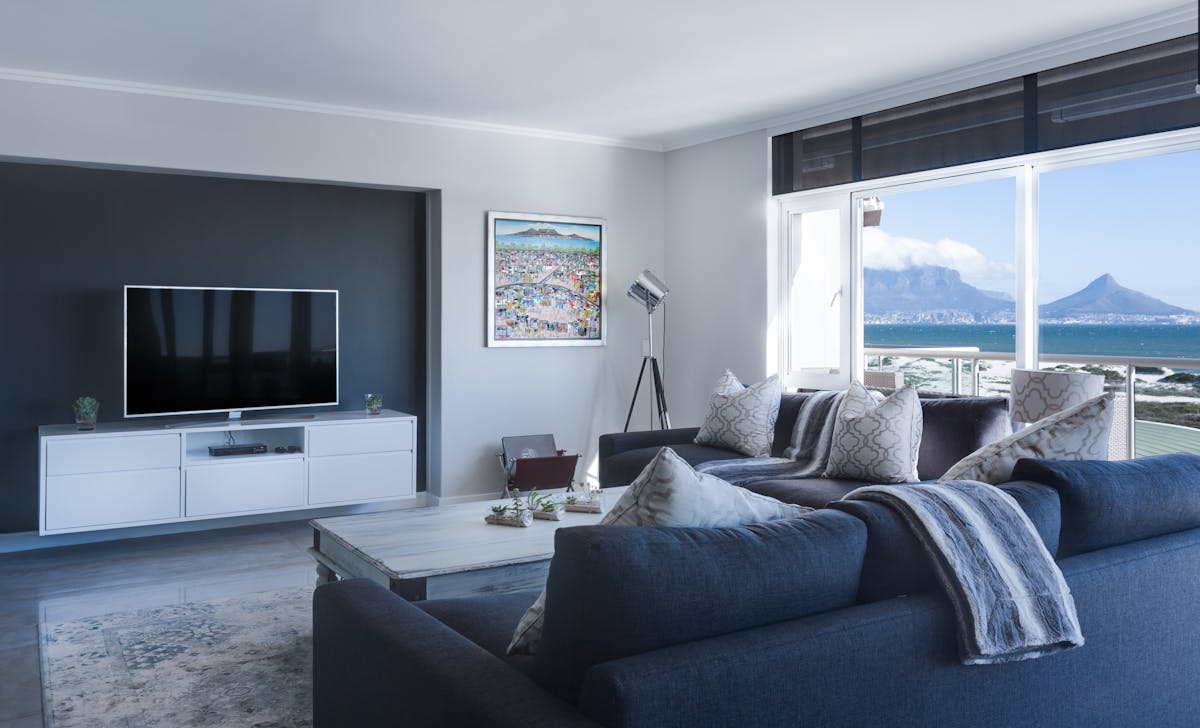
Design vertically before adding more furniture.
Use the walls
Full-height cabinetry can provide substantially more useful volume than a low cabinet while keeping the floor visually open.
Combine functions
A study desk can become part of a wardrobe wall; a TV unit can include closed storage; a bench can hide shoes or household items.
Hide occasional items
Reserve upper cabinets, lofts and less accessible zones for luggage, festive décor, spare bedding and seasonal belongings.
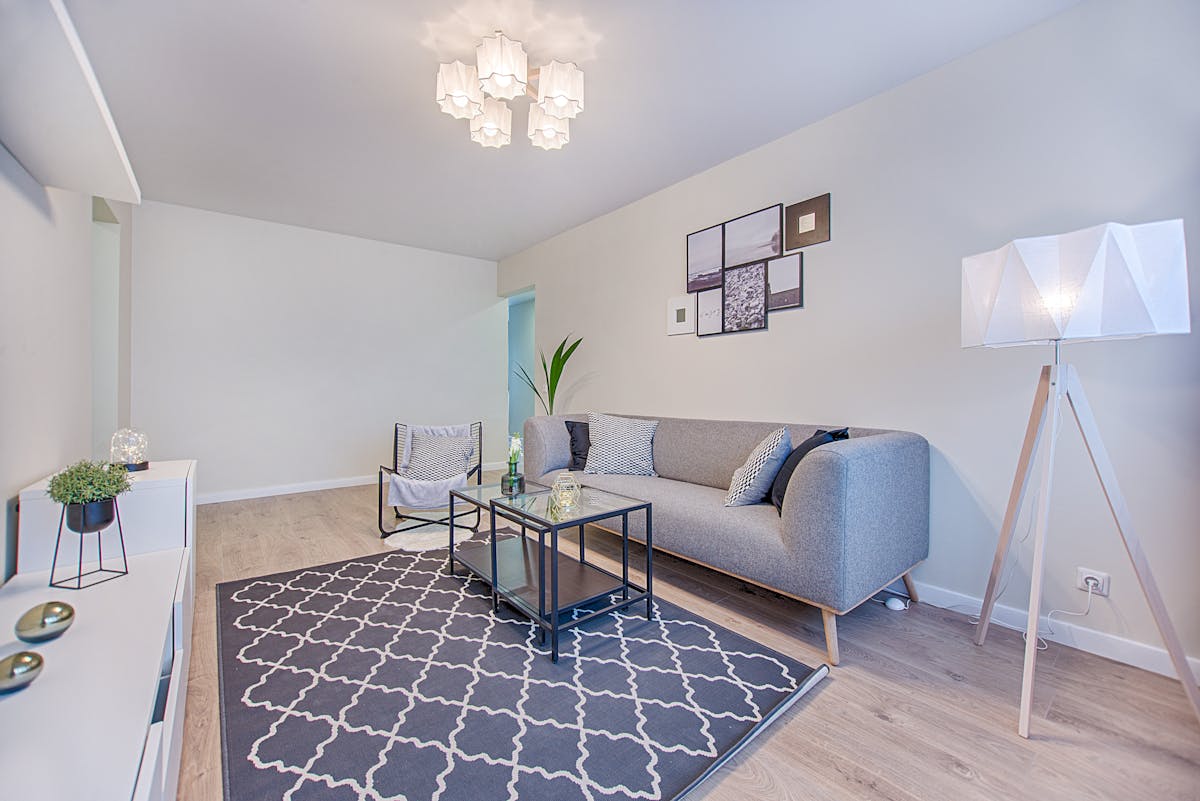
Organize storage by the way you live.
A useful wardrobe is divided into practical zones instead of one large empty volume.
Storage should look like architecture.
| Element | Planning priority | Useful choices |
|---|---|---|
| Wardrobe shutters | Room proportion and maintenance | Laminate, acrylic, veneer, glass or matte finishes |
| Internal storage | Organization and access | Drawers, shelves, hanging zones, pull-outs and organizers |
| Kitchen cabinets | Workflow and appliance integration | Drawers, tall units, corner solutions and pantry storage |
| Living-room units | Visual calm and cable management | Closed cabinets, open niches and concealed wiring |
| Utility storage | Durability and easy cleaning | Practical finishes and dedicated appliance/service zones |
Material selection should consider the room, usage, maintenance expectations and budget rather than appearance alone. Interior A to Z’s current wardrobe guidance also emphasizes layout, storage requirements, materials, finishes, accessories and budget.
Storage designed from measurements, not guesses.
Measure
Record walls, ceiling height, doors, windows, columns, electrical points and clearances.
Inventory
Identify clothing, books, kitchenware, luggage, appliances, documents and other storage categories.
Zone
Assign everyday, occasional and concealed storage to the right rooms and heights.
Design
Coordinate cabinetry, furniture, finishes, lighting and circulation into one plan.
Execute
Coordinate fabrication, installation, finishing and final checks for the completed storage system.
Refine
Review how doors, drawers, furniture and walking routes work together before final handover.
Storage planning for different homes
1BHK & compact apartments
Prioritize multifunctional furniture, vertical storage, compact wardrobes and concealed cabinets.
2BHK apartments
Coordinate living storage, bedroom wardrobes, kitchen organization and utility storage without overcrowding.
3BHK apartments
Separate storage by family member and function while keeping materials and furniture visually connected.
4BHK & premium apartments
Add dedicated dressing areas, study storage, larger utility systems, display cabinetry and customized furniture.
Builder floors
Use room proportions, stair zones, passages and underused walls for customized built-in solutions.
New Gurgaon homes
Plan around the actual apartment layout, natural light, circulation and household storage requirements.
Storage solutions for Gurgaon apartments — FAQ
What are the best storage solutions for a Gurgaon apartment?
Floor-to-ceiling wardrobes, lofts, storage beds, modular kitchen cabinets, TV units, utility cabinets and multifunctional furniture are strong options when planned around the apartment layout.
How can I add storage without making my apartment look smaller?
Use built-in and full-height storage, keep everyday items concealed, coordinate cabinet finishes with the room and protect clear circulation routes.
Are sliding wardrobes good for small bedrooms?
Yes. Sliding shutters can reduce the front clearance needed for wardrobe doors, making them useful where bedroom floor space is limited.
Should wardrobes go all the way to the ceiling?
Full-height wardrobes can make better use of vertical space. Upper compartments are particularly useful for luggage and seasonal belongings.
How should I plan storage for a 2BHK apartment?
Start with the floor plan and divide storage into living-room, kitchen, bedroom and utility requirements. Prioritize high-use storage at comfortable access heights.
Can storage be customized to my family’s needs?
Yes. Custom storage can be organized around the household’s clothing, books, appliances, luggage, documents, hobbies and daily routines.
Can storage solutions be included in complete home interiors?
Yes. Complete-home interior planning can coordinate wardrobes, kitchens, furniture, lighting, storage and other rooms as one connected design.
Do you provide storage design in Gurgaon?
Interior A to Z provides wardrobe and storage design as part of its residential interior services in Gurgaon and Delhi NCR.
Turn unused corners into useful space.
Share your Gurgaon apartment layout, BHK type and storage requirements. Plan wardrobes, kitchen storage, living-room units and multifunctional furniture around the way your home is actually used.