Effective Strategies for Budgeting with an Interior Designer
A well-planned interior budget helps you control design fees, materials, furniture, renovation expenses and unexpected costs without compromising the functionality of your home.

Why Budgeting with an Interior Designer Matters
Hiring an interior designer can help transform a home into a functional and visually cohesive space. However, the project should begin with a clear understanding of what you want to achieve and what you can comfortably invest.
The most effective approach is to create a budget that covers not only professional design services but also furniture, materials, renovation, installation and possible unexpected expenses.
- Define the rooms requiring professional assistance
- Separate essential work from optional upgrades
- Research current local interior design costs
- Clarify the designer’s pricing structure
- Keep funds aside for unexpected expenses
Start With a Realistic Interior Design Budget
A realistic budget begins with your actual design requirements. Determine whether you need a complete home transformation or only specific rooms such as the kitchen, bedrooms or living room.
Once the scope is clear, research typical design and execution costs in your location. The budget should then be divided between professional fees, materials, furniture, renovation and other project requirements.

9 Effective Strategies for Budgeting with an Interior Designer
Use these practical steps to make your interior project financially more predictable.

Assess Your Interior Design Needs
Identify which rooms require professional design assistance. Decide whether you need a complete home interior, selected room upgrades, renovation or only furniture and décor.

Set Your Maximum Comfortable Budget
Determine the amount you can realistically invest without putting pressure on your other financial commitments.

Separate Must-Haves From Nice-to-Haves
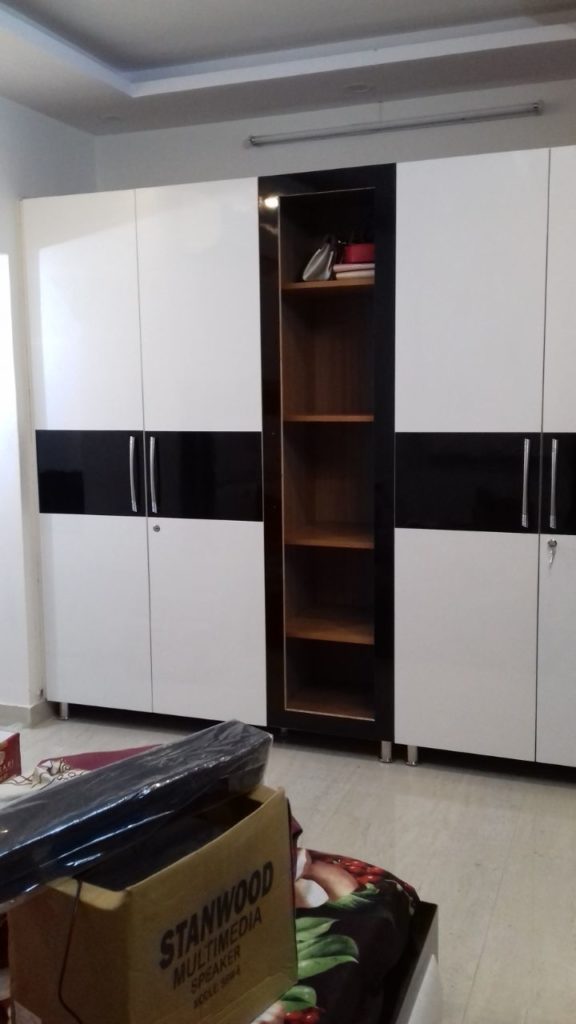
Prioritize kitchens, wardrobes, storage and other functional requirements before allocating money to decorative upgrades.

Clarify Interior Designer Fees
Ask whether the designer charges a flat fee, hourly fee, percentage-based fee or project-based amount, and understand exactly what is included.

Create a Furniture Budget
Furniture can represent a significant portion of the project. Account for beds, sofas, dining furniture, study units and other loose furniture separately.

Specify Materials Before Comparing Quotes
Plywood, laminates, acrylic, veneer, hardware and finishes can dramatically change the project cost. Compare quotations using matching specifications.

Account for Renovation Costs
Include civil work, electrical changes, plumbing, flooring, ceiling work, painting and other site requirements where applicable.

Track Changes During Execution
Design changes after execution begins can increase the cost. Record variations and approve additional work before it is carried out.
Keep a Contingency Fund
Unexpected site conditions, material changes and additional work can arise during execution. A contingency reserve provides financial flexibility.
What Should Your Interior Design Budget Include?
Create separate allocations instead of treating the entire project as one unexplained number.
| Budget Component | What It Can Include | Why It Matters |
|---|---|---|
| Design Fees | Concepts, layouts, drawings, consultations and design development | Defines the design scope and professional service cost |
| Modular Work | Kitchen, wardrobes, storage and TV units | Often represents a major portion of residential interiors |
| Furniture | Beds, sofas, dining tables, chairs and study furniture | Controls comfort, functionality and overall style |
| Materials | Plywood, laminates, acrylic, veneer, glass and finishes | Material selection strongly affects the final cost |
| Electrical & Lighting | Wiring, switches, fixtures and decorative lighting | Necessary for both functionality and ambience |
| Civil / Renovation | Flooring, plumbing, ceiling, painting and modifications | Additional site work can materially change the budget |
| Contingency | Unexpected requirements and approved changes | Helps prevent budget pressure during execution |
7 Factors That Can Change Your Interior Budget
The final project cost depends on your specific home, design scope and material choices.
Home Size
Larger homes generally require more cabinetry, materials, furniture, lighting and installation.
Design Complexity
Highly customized designs require more design development and specialized execution.
Material Selection
Premium finishes and specialized materials can substantially change the project investment.
Hardware Quality
Drawer systems, hinges, channels and accessories can create significant differences between quotations.
Furniture Requirements
Custom furniture and premium loose furniture add to the total budget.
Renovation Scope
Civil, electrical, plumbing and flooring work may increase the execution cost.
Project Location
Labour, transportation, building access and site conditions vary across Delhi NCR, Gurgaon and Noida.
Smart Budgeting Creates Better Interior Decisions
A clear financial plan allows you to make design decisions based on priorities rather than reacting to unexpected costs.

Interior Design Budget Planning in Delhi NCR
Interior project costs can vary by location, site conditions, building requirements and material logistics.
Delhi
Plan home interiors with a clear budget covering design, modular work, furniture, materials and execution.
Delhi Budget ConsultationGurgaon
Create a practical interior budget for apartments, villas and independent homes in Gurgaon.
Gurgaon Budget ConsultationNoida
Budget for modular kitchens, wardrobes, bedrooms, living rooms and complete home interiors in Noida.
Noida Budget Consultation5 Steps to Build a Reliable Interior Budget
A structured process makes it easier to control your investment.
Assess
Identify rooms, design requirements and renovation needs.
Prioritize
Separate essential features from optional upgrades.
Specify
Confirm materials, finishes, hardware and furniture.
Quote
Compare detailed quotations with identical specifications.
Track
Monitor changes and maintain a contingency reserve.
Need Help Planning Your Interior Budget?
Share your location, home size and requirements with Interior A to Z. Get guidance on creating a practical interior budget for your home in Delhi NCR, Gurgaon or Noida.
Frequently Asked Questions About Interior Design Budgeting
How should I start budgeting with an interior designer?
Start by identifying the rooms and services you need, establish a comfortable maximum budget, research local costs and then allocate funds for design fees, materials, furniture, renovation and contingency.
What should an interior design budget include?
Your budget should account for professional design services, modular work, furniture, materials, lighting, electrical work, renovation, installation and unexpected project requirements.
Do interior designers charge a flat fee or hourly rate?
Pricing structures vary. A designer may charge a flat fee, hourly rate, percentage, project fee or another agreed structure. Always confirm the method and inclusions before starting.
How can I prevent my interior project from exceeding the budget?
Define the scope before execution, specify materials clearly, compare detailed quotations, approve changes in writing and maintain a contingency reserve.
Should I spend more on materials or design?
Both design and material decisions matter. Professional planning can help ensure that your investment is allocated to the areas that provide the greatest functional and visual value.
Can an interior designer help me work within a fixed budget?
Yes. A designer can help prioritize requirements, recommend materials and develop solutions around a defined project budget.
Interior A to Z
Interior design and turnkey solutions across Delhi NCR, Gurgaon and Noida.
Phone: +91 9891050117
Email: info@interioratoz.com
Office:
53, Ground Floor, Khasra No: 308, A-1147,
Block A1, Chhatarpur, New Delhi,
Delhi 110074
Request a Budget Consultation
Share your home size, location and interior requirements to begin planning your project budget.
Request Consultation
Call Now
Understanding the Importance of Budgeting
When it comes to enhancing your living space, hiring an interior designer can be an invaluable investment. However, before embarking on this journey, it’s crucial to create a budget that aligns with your financial capabilities. A well-structured budget not only ensures that you can afford the services of an interior designer but also helps you manage your overall spending effectively.
Assessing Your Interior Design Needs
The first step in budgeting for an interior designer is to assess your needs and goals for your space. Determine which areas require professional assistance. Do you need a complete overhaul of your home, or perhaps just a refresh in certain rooms? By clearly outlining your design objectives, you can estimate how much you might need to spend on both the interior design services and the materials required.
Creating a Realistic Budget
Once you have an understanding of your needs, create a realistic budget. Start by researching the average costs associated with interior design services in your area. Interior designers may charge either a flat fee or an hourly rate, so be sure to clarify this upfront. Include budget allocations for furniture, decor, and any potential renovations in addition to the designer’s fees. Don’t forget to add a contingency fund for unexpected expenses, which can arise during the design process.
By following these steps, you can approach your project with a solid financial plan, ensuring a smooth collaboration with your interior designer and a beautifully designed space that meets your needs.