Related Interior Design Services
- Interior Designer in Kirti Nagar
- Interior Designer in Punjabi Bagh
- Interior Designer in Rajouri Garden Delhi
- Interior Designer in Patel Nagar Delhi
- Interior Designer in Janakpuri Delhi
- Interior Designer in Vikaspuri Delhi
- Wallpaper for Walls
- Interior Design Cost Delhi NCR
- Room Garden Design in Gurgaon
- DLF The Ultima Interiors Gurgaon
- Interior Designer in Rudrapur
- How to Choose Long-Lasting Furniture
- Living Room Interior Ideas
- Bedroom Interior Design Delhi
- Interior Designers in Chhattarpur
- Builder Floor Interior Design
- Office Interior Design Role
- Retail Interior Design Art & Science
- Restaurant Interior Design Ambiance
Understanding the Role of a Hotel Interior Designer
A hotel interior designer plays a crucial role in creating a welcoming and aesthetically pleasing environment. These professionals are responsible for incorporating functionality, style, and comfort into hotel spaces, ensuring that guests have a memorable experience. Through careful planning and an understanding of brand identity, a hotel interior designer crafts atmospheres that align with the hotel’s theme and audience.
Key Elements of Hotel Interior Design
One of the primary concerns for hotel interior designers is to balance beauty and practicality. This includes selecting appropriate furnishings, color palettes, and lighting that enhance the guest experience. A successful hotel interior designer must also consider flow and accessibility within the layout, creating inviting common areas and tranquil private spaces. Elements like artwork, textiles, and decor details contribute significantly to the overall ambiance.
The Guest Journey and Spatial Design
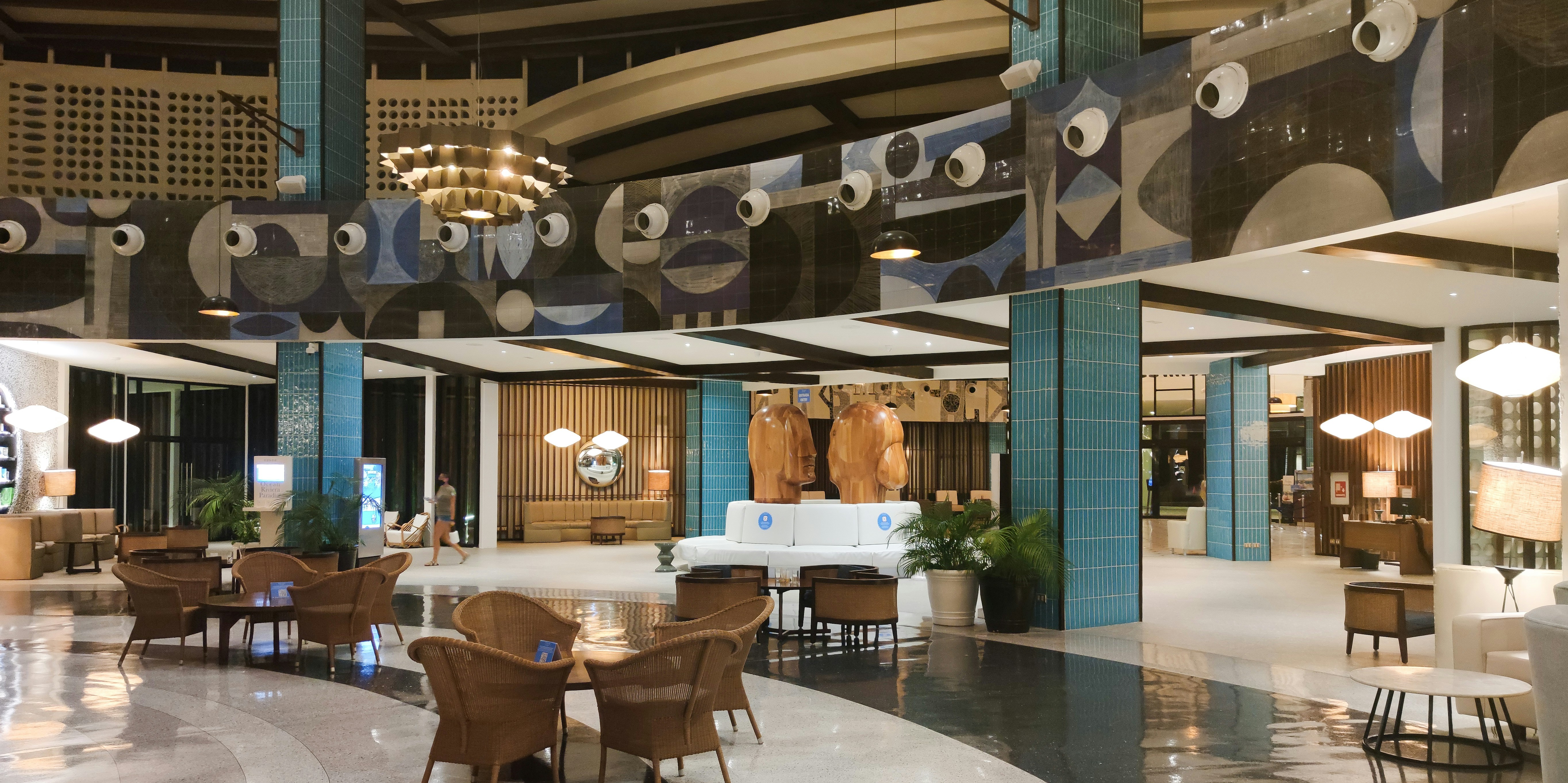
Spatial design in hotels is about mapping the entire guest journey, from the moment they enter the lobby to the time they retire to their room:
- The Lobby Experience: Creating a “wow” factor while maintaining efficient check-in zones.
- Corridor Dynamics: Using lighting and carpeting to make long hallways feel shorter and more inviting.
- The Guestroom Sanctuary: Focusing on high-quality sleep environments, intuitive lighting controls, and multi-functional furniture.
- Social Hubs: Designing bars and lounges that encourage guest interaction and increase on-site spending.
Current Trends in Hotel Interior Design
In today’s hospitality industry, trends are ever-evolving, and a hotel interior designer must stay updated. Modern designs often incorporate sustainable materials and technology to create efficient, eco-friendly spaces. Whether it’s through biophilic designs that integrate nature or smart room features, contemporary hotels aim to attract guests by prioritizing both aesthetics and functionality. Moreover, personalization is becoming increasingly vital, as hotels seek to offer unique experiences that resonate with their clientele.
Conclusion
Ultimately, the impact of a hotel interior designer is measured by guest satisfaction and brand loyalty. By blending luxury with comfort and innovation with tradition, they transform physical structures into emotional experiences that keep guests coming back.