Exploring Interior Architecture Services: Transforming Spaces with Expertise
Discover how interior architecture services combine structural planning, intelligent layouts, functionality, and modern design to transform residential and commercial spaces.
1000+
Design Projects
15+
Years Experience
Delhi NCR
Architecture Expertise
What Are Interior Architecture Services?
Interior architecture combines architectural planning with interior functionality to create efficient and visually balanced spaces.
These services commonly include space planning, lighting design, circulation flow, material selection, and layout optimization.
Across Gurgaon, Noida, and Delhi NCR, interior architecture services continue helping homeowners and businesses create practical and modern environments.
Interior Architecture Inspiration
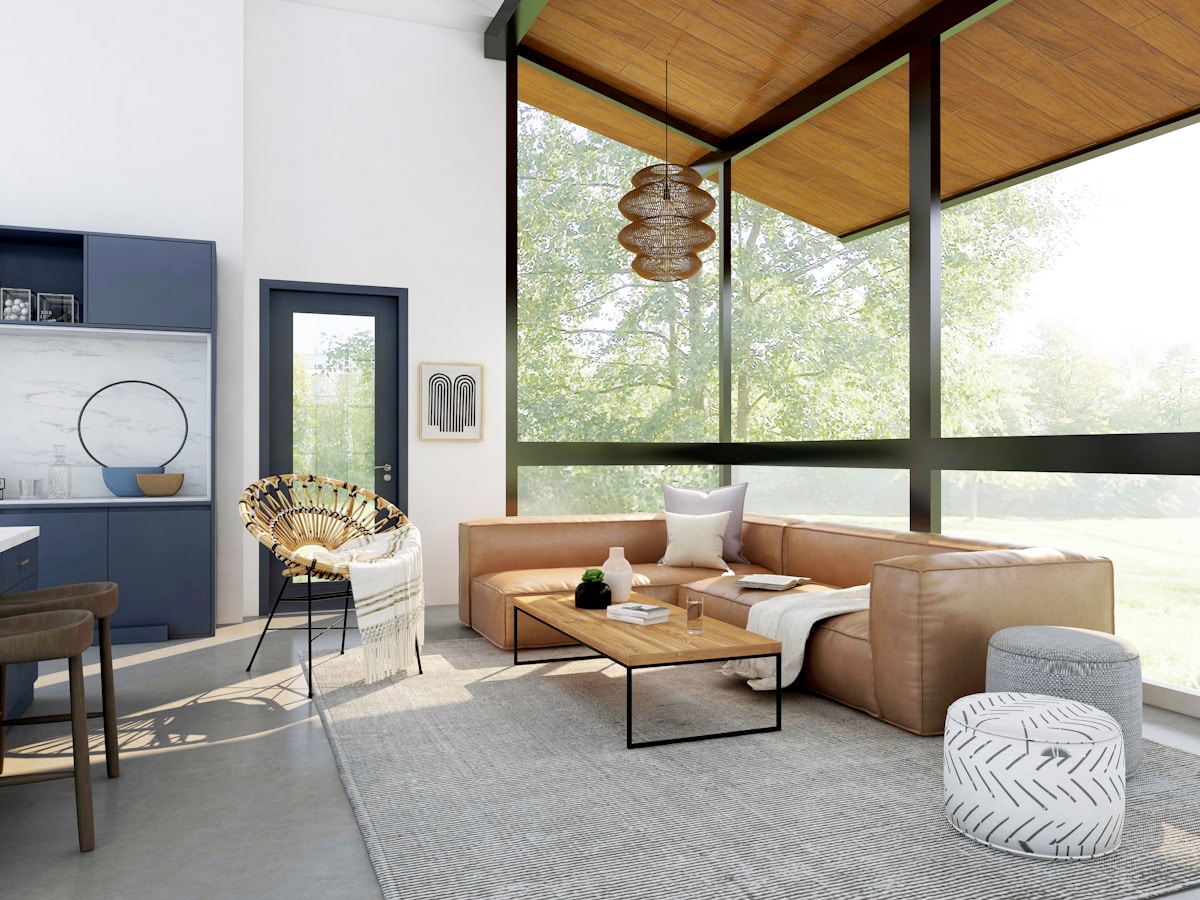
Living Space Planning
Open layouts with functional design
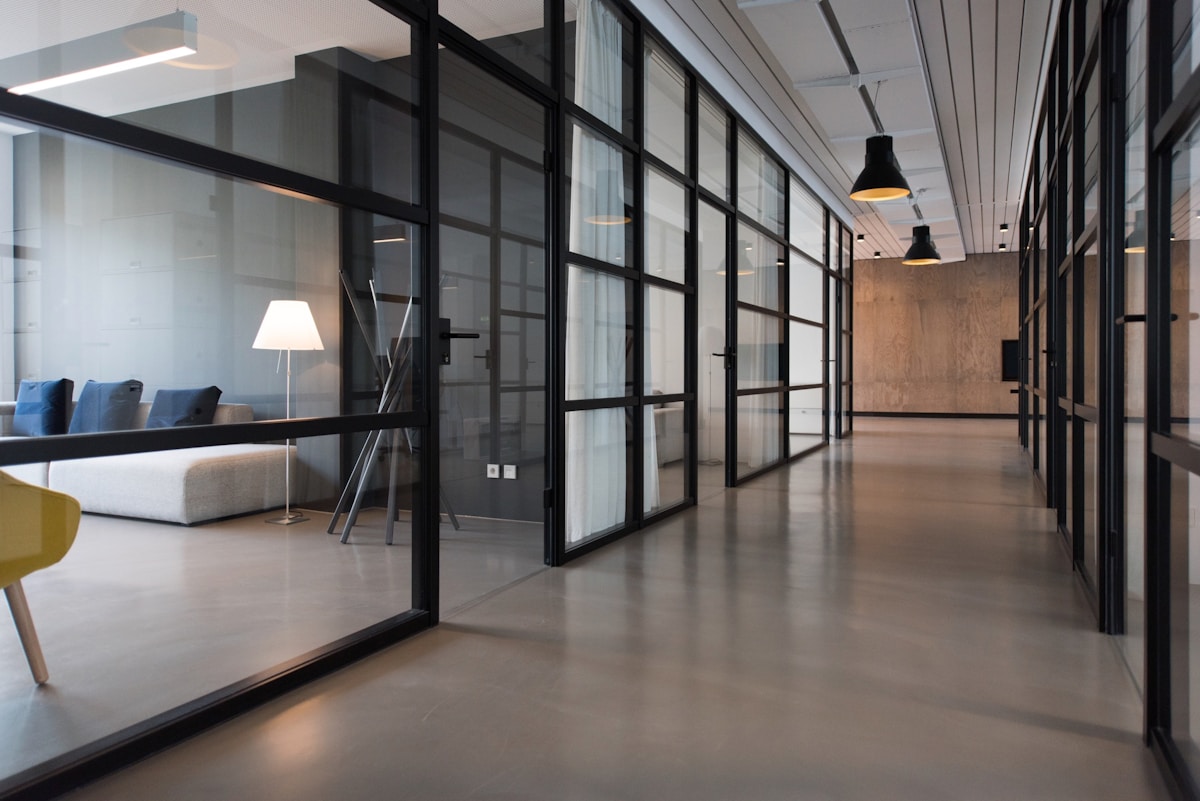
Office Space Design
Balanced work environments and planning
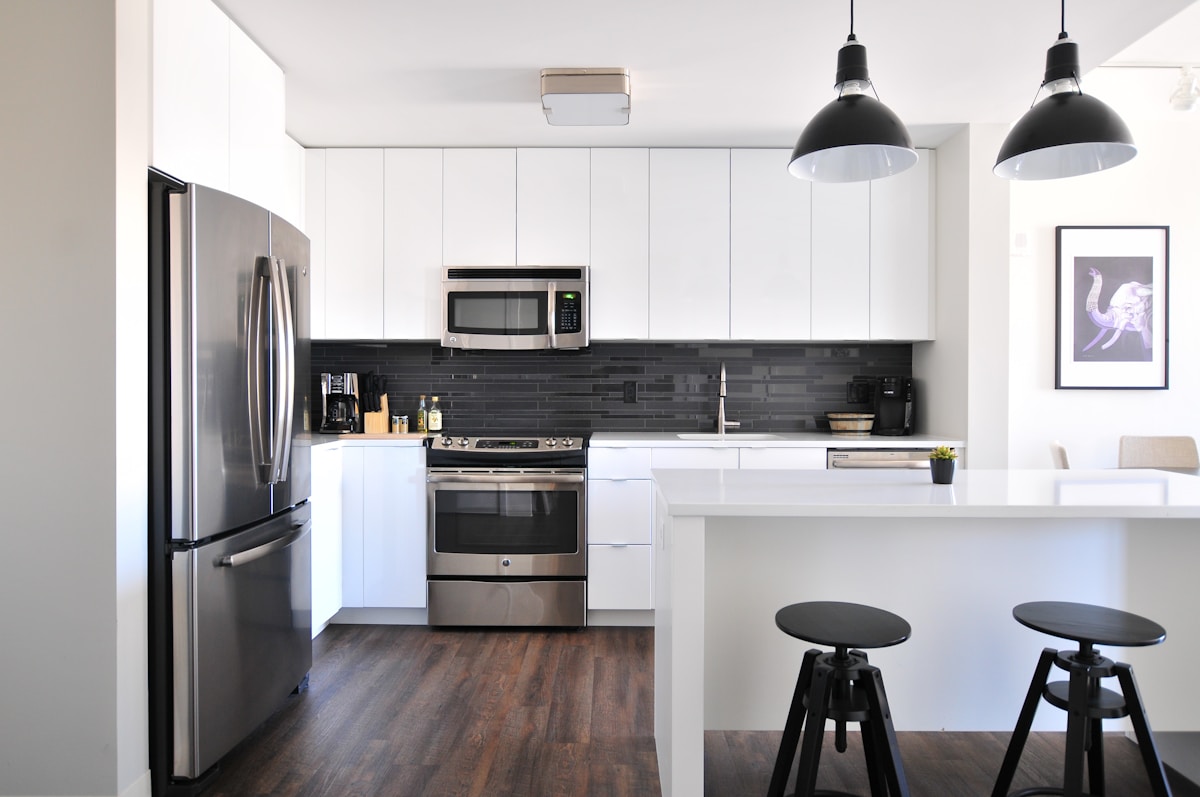
Kitchen Architecture
Smart layouts and integrated solutions
7 Interior Architecture Services That Transform Spaces
Space Planning
Optimize movement and functionality.
Structural Design
Improve layouts and usability.
Lighting Strategy
Create comfort and visual balance.
Material Selection
Choose finishes for style and durability.
Furniture Integration
Support functionality and aesthetics.
Project Coordination
Improve planning and execution.
Sustainable Design
Support healthier and efficient spaces.
Related Interior Resources
Frequently Asked Questions
What does interior architecture include?
It commonly includes planning, structural design, layout optimization, and space functionality.
Can interior architecture improve small spaces?
Yes. Space planning often improves functionality and usability.
Why hire interior architecture professionals?
Professionals combine design expertise with technical planning.
Ready to Transform Your Space?
Explore interior architecture services across Gurgaon, Noida and Delhi NCR.
Book Free Consultation
Understanding Interior Architecture
Interior architecture is a discipline that marries the art of interior design with the principles of architecture. Unlike conventional interior design, which primarily emphasizes aesthetics and furnishings, interior architecture focuses on the spatial configuration and functionality of interior spaces, considering the architecture that surrounds them. This distinction is essential, as interior architects delve deeper into the spatial dynamics, examining how each element within a structure interacts with the overall architectural intent.
At its core, interior architecture transcends mere decoration. It encompasses the arrangement and organization of space, ensuring that it meets the practical needs of its occupants while adhering to the structural integrity and aesthetic language of the broader architectural environment. This balance between form and function is what sets interior architecture apart from standard interior design practices.
Moreover, interior architecture involves a thoughtful integration of human behavior and environmental psychology, making it crucial for creating spaces that not only look good but also enhance the experience of those who inhabit them. By analyzing the flow of movement, light, and interaction within a space, interior architects can craft environments that are both functional and inviting, ultimately influencing how individuals perceive and interact with their surroundings.
Additionally, the field of interior architecture is concerned with safety and compliance with building codes and regulations. Interior architects must ensure that their designs meet the technical requirements set forth by authorities while still achieving the desired aesthetic. This requires a thorough understanding of architectural principles, as well as a strong grasp of materials, structural systems, and sustainable practices.
Key Services Offered by Interior Architects
Interior architecture firms provide a wide array of specialized services that play a crucial role in transforming spaces efficiently and effectively. One of the principal services offered is space planning. This service entails analyzing a given space to optimize its use, ensuring that it is both functional and aesthetically pleasing. Professionals assess the dimensions, lighting, and flow of the area, creating a layout that maximizes usability while maintaining comfort.
Another key service is design documentation. This involves the creation of detailed drawings and specifications that guide the construction or renovation process. Architects prepare documents that outline design intentions, materials, finishes, and installation methods. Such meticulous documentation ensures that contractors execute the project accurately, thereby reducing discrepancies and ensuring adherence to design principles.
Material selection is also a primary service in the interior architecture domain. Interior architects assist clients in choosing appropriate materials that align with the overall design vision, budget, and sustainability goals. They consider various factors, including durability, maintenance requirements, and environmental impact, thus ensuring that the chosen materials enhance the space’s functionality and aesthetic appeal.
Project management is another critical aspect of interior architecture services. This service entails overseeing the entire design process, coordinating with contractors, and ensuring that projects are completed on time and within budget. Effective project management is essential for maintaining communication among all stakeholders, thereby facilitating smoother execution and timely resolution of any challenges that arise.
In addition to these core services, many firms offer personalized consultations, furniture selection, and lighting design services to further tailor the interior environment to the client’s preferences. Collectively, these services underscore the significant expertise that interior architects bring to a project, ensuring a holistic approach to the design process.
The Process of Interior Architecture Design
The journey of an interior architecture project is marked by a series of systematic stages, each pivotal to achieving a functional and aesthetically pleasing space. The process begins with an initial consultation, where the client’s needs, preferences, and budget are discussed. This meeting is crucial for establishing a communication channel and aligning expectations between the client and the design team.
Following the consultation, the design team engages in concept development. During this phase, architects and designers explore various design ideas that reflect the client’s vision. This includes creating mood boards, sketches, and preliminary layouts, which serve as a foundation for the subsequent stages. Collaboration at this juncture is essential, as it encourages open feedback, ensuring that the design aligns with the client’s aspirations and lifestyle.
Once the concept is approved, the project moves into the design development phase. This stage involves detailed planning and refinement of the chosen design direction. Technical drawings, materials selection, and color palettes are meticulously curated to create a cohesive look. It is also during this phase that any necessary permits and approvals are secured from relevant authorities, ensuring all aspects of the construction comply with local regulations.
With the design finalized, the project enters the execution phase. This is where the collaborative effort among architects, contractors, and designers becomes profoundly evident. Each team member plays a specific role in transforming the vision into reality, managing resources, timelines, and budgets effectively. Communication among all parties is crucial, as it helps to address any challenges that may arise during construction.
Finally, upon completion, a thorough inspection and client walkthrough are conducted to ensure satisfaction with the finished space. Feedback from the client at this stage provides valuable insights for future projects, reflecting the continuous improvement in the practice of interior architecture.
Benefits of Hiring Interior Architecture Services
Engaging professional interior architecture services presents numerous advantages for individuals and businesses seeking to enhance their spaces. One of the primary benefits is the enhanced functionality of environments. A skilled interior architect evaluates the space to understand the client’s needs and preferences, optimizing layouts to improve traffic flow and accessibility. This meticulous planning ensures that every square foot is utilized effectively, resulting in functional areas that cater to specific requirements.
Another significant advantage is the aesthetic appeal that professional design adds to a space. Interior architects expertly blend colors, textures, and materials to create visually harmonious environments that reflect the client’s style. By leveraging design principles and trends, these professionals can transform ordinary spaces into captivating areas that enhance the overall experience for occupants.
Furthermore, hiring an interior architecture service tends to increase property value. Well-designed interiors not only possess charm but also convey a sense of quality and sophistication, making properties more appealing in the real estate market. Investors and homeowners often recognize that well-executed design can lead to higher resale values, making the initial investment worthwhile.
Tailored design solutions are a hallmark of interior architecture services. Unlike generic design approaches, professionals collaborate closely with clients to develop customized designs that resonate with their unique vision, needs, and lifestyle. This personalized approach ensures that each project embodies the essence of the clients while adhering to functionality and aesthetics.
In addition to these tangible benefits, utilizing interior architecture services can also save time and reduce stress. The design process can be overwhelming without professional guidance, and experienced architects streamline the workflow, managing details such as permits, sourcing materials, and coordinating contractors. This expertise allows clients to concentrate on their daily lives while the professionals handle the complexities of the project.