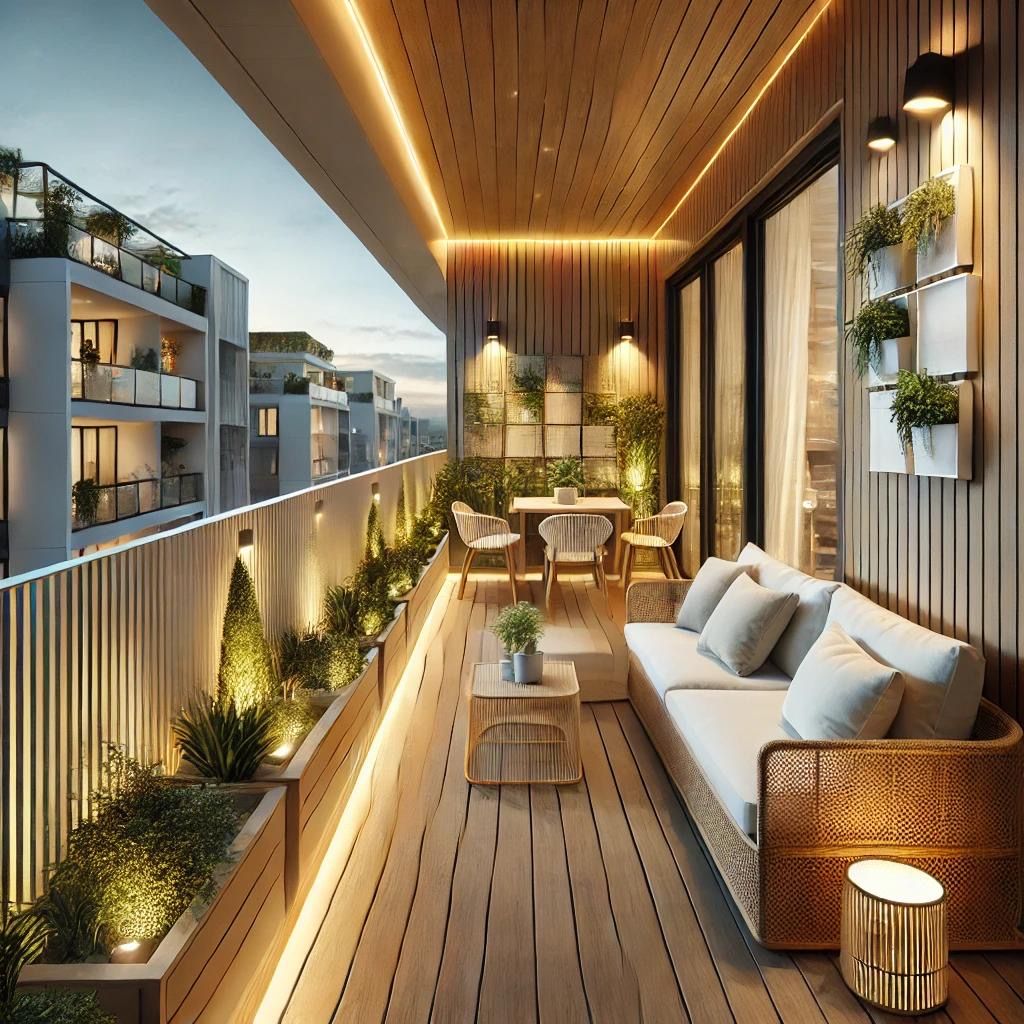
Interior design is the art of making a space functional, stylish, and comfortable. Whether you’re designing a home in Delhi, Noida, or Gurgaon, these step-by-step tips will help you create a beautiful interior.
🏠 1. Understand Your Space & Needs
✅ Measure the dimensions of each room before planning.
✅ Identify key requirements (storage, seating, lighting, etc.).
✅ Consider your lifestyle and personal style preferences.
🎨 2. Choose a Theme or Design Style
✅ Explore popular styles like modern, contemporary, traditional, or minimalist.
✅ Pick a color scheme that complements the space.
✅ Use textures, patterns, and materials that align with the theme.
🛋️ 3. Plan the Furniture Layout
✅ Use the right furniture size for the room’s scale.
✅ Optimize space with multi-functional furniture (sofa beds, storage ottomans).
✅ Arrange furniture for easy movement and functionality.
💡 4. Focus on Lighting & Ambience
✅ Use a mix of ambient, task, and accent lighting.
✅ Maximize natural light with large windows or mirrors.
✅ Add LED strip lights, pendant lights, or floor lamps for a stylish touch.
🎭 5. Decorate with Accessories & Wall Art
✅ Use wallpapers, paintings, or mirrors to add character.
✅ Add indoor plants for a fresh and natural look.
✅ Use rugs, cushions, and curtains to bring warmth to the space.
🏡 6. Design a Functional Kitchen & Storage Spaces
✅ Opt for a modular kitchen with efficient storage solutions.
✅ Use overhead cabinets, pull-out drawers, and pantry organizers.
✅ Keep the design clutter-free and easy to maintain.
🎨 7. Personalize Your Space
✅ Add family photos, souvenirs, or DIY decor.
✅ Use custom furniture or artwork that reflects your personality.
✅ Create a cozy and inviting environment with soft furnishings.
🛠️ 8. Stick to a Budget
✅ Set a realistic budget before starting.
✅ Prioritize important areas (living room, bedroom, kitchen).
✅ Find affordable decor items from local markets in Delhi, Noida, and Gurgaon.
🚀 9. Use Smart Technology
✅ Install smart lighting and voice-controlled appliances.
✅ Use automated blinds, security systems, and energy-efficient solutions.
✅ Make your home modern and convenient with smart gadgets.
🏗️ 10. Seek Professional Help If Needed
✅ Consult an interior designer for expert advice.
✅ Get customized solutions for space optimization and aesthetics.
✅ Ensure quality materials, finishing, and durability in your design.
✨ Final Thoughts
Interior design is about blending creativity with functionality. By following these steps, you can create a stylish and comfortable home in Delhi, Noida, or Gurgaon.
Would you like personalized interior design ideas for your home? 😊🏡🎨
Let’s break down the interior design process into manageable steps.
FAQ: 🎨 How Do I Do Interior Design? 🏡✨
1. Q: What’s the first step in any interior design project?
- A: Defining Your Needs and Goals:
- Start by understanding your lifestyle, preferences, and the purpose of the space.
- Ask yourself:
- Who will be using the space?
- What activities will take place there?
- What’s your preferred style (modern, traditional, bohemian, etc.)?
- What’s your budget?
- What are the must-haves and nice-to-haves?
- This stage is crucial for creating a design that truly reflects your needs.
2. Q: How do I gather inspiration?
- A: Inspiration Gathering:
- Pinterest and Instagram: Create mood boards and save images of spaces you love.
- Houzz: Explore photos and find professionals in your area.
- Magazines and Books: Browse design publications for ideas.
- Visiting Showrooms and Stores: See furniture and decor in person.
- Observing Your Surroundings: Pay attention to architectural details and design elements in your daily life.
- Create a physical or digital moodboard.
3. Q: How do I plan the layout of my space?
- A: Space Planning:
- Measure the Space: Accurately measure the dimensions of the room and any existing furniture.
- Create a Floor Plan: Use graph paper or design software to draw a floor plan.
- Consider Traffic Flow: Ensure that furniture is arranged to allow for easy movement.
- Determine Focal Points: Identify the main features of the room and arrange furniture accordingly.
- Think about scale and proportion.
4. Q: How do I choose a color palette?
- A: Color Selection:
- Start with a Color Scheme: Choose a color scheme that reflects your style and creates the desired mood.
- Consider the Room’s Function: Use calming colors for bedrooms and bathrooms, and energizing colors for living areas and kitchens.
- Think About Lighting: Natural and artificial light can affect the appearance of colors.
- Use Color Samples: Test paint samples on the walls to see how they look in different lighting conditions.
- Use the 60-30-10 rule: 60% dominant color, 30% secondary color, 10% accent color.
5. Q: How do I select furniture and decor?
- A: Furniture and Decor Selection:
- Prioritize Functionality: Choose furniture that meets your needs and fits the space.
- Consider Style and Comfort: Select pieces that reflect your style and provide comfort.
- Mix and Match: Combine different styles and textures to create visual interest.
- Add Personal Touches: Incorporate artwork, photos, and other personal items.
- Don’t forget rugs, curtains, and lighting.
6. Q: How do I incorporate lighting into my design?
- A: Lighting Design:
- Layer Lighting: Combine ambient, task, and accent lighting to create depth and dimension.
- Consider Natural Light: Maximize natural light by using sheer curtains and mirrors.
- Choose the Right Fixtures: Select lighting fixtures that complement your style and provide adequate illumination.
- Use Dimmers: Install dimmers to control the intensity of the light.
- Think about the temperature of the light.
7. Q: How do I bring it all together?
- A: Implementation and Styling:
- Start with the Big Pieces: Place furniture and rugs first.
- Add Layers: Incorporate lighting, artwork, and decor.
- Pay Attention to Details: Style shelves, arrange pillows, and add finishing touches.
- Step Back and Evaluate: Take a step back to see how everything looks together.
- Make Adjustments: Don’t be afraid to rearrange furniture or swap out decor.
8. Q: What are some common mistakes to avoid?
- A: Common Mistakes:
- Ignoring Scale and Proportion: Choosing furniture that is too large or too small for the space.
- Neglecting Lighting: Not considering the impact of natural and artificial light.
- Overlooking Functionality: Prioritizing aesthetics over practicality.
- Being Afraid to Experiment: Not trying new styles or combinations.
- Not setting a budget.
By following these steps, you can create a beautiful and functional interior design that reflects your personal style and meets your needs.