What Is the Difference Between Interior Design and Interior?
The words interior and interior design are closely related, but they do not mean the same thing. An interior describes the inside of a building, while interior design is the planned process of making that space functional, comfortable and visually appropriate.
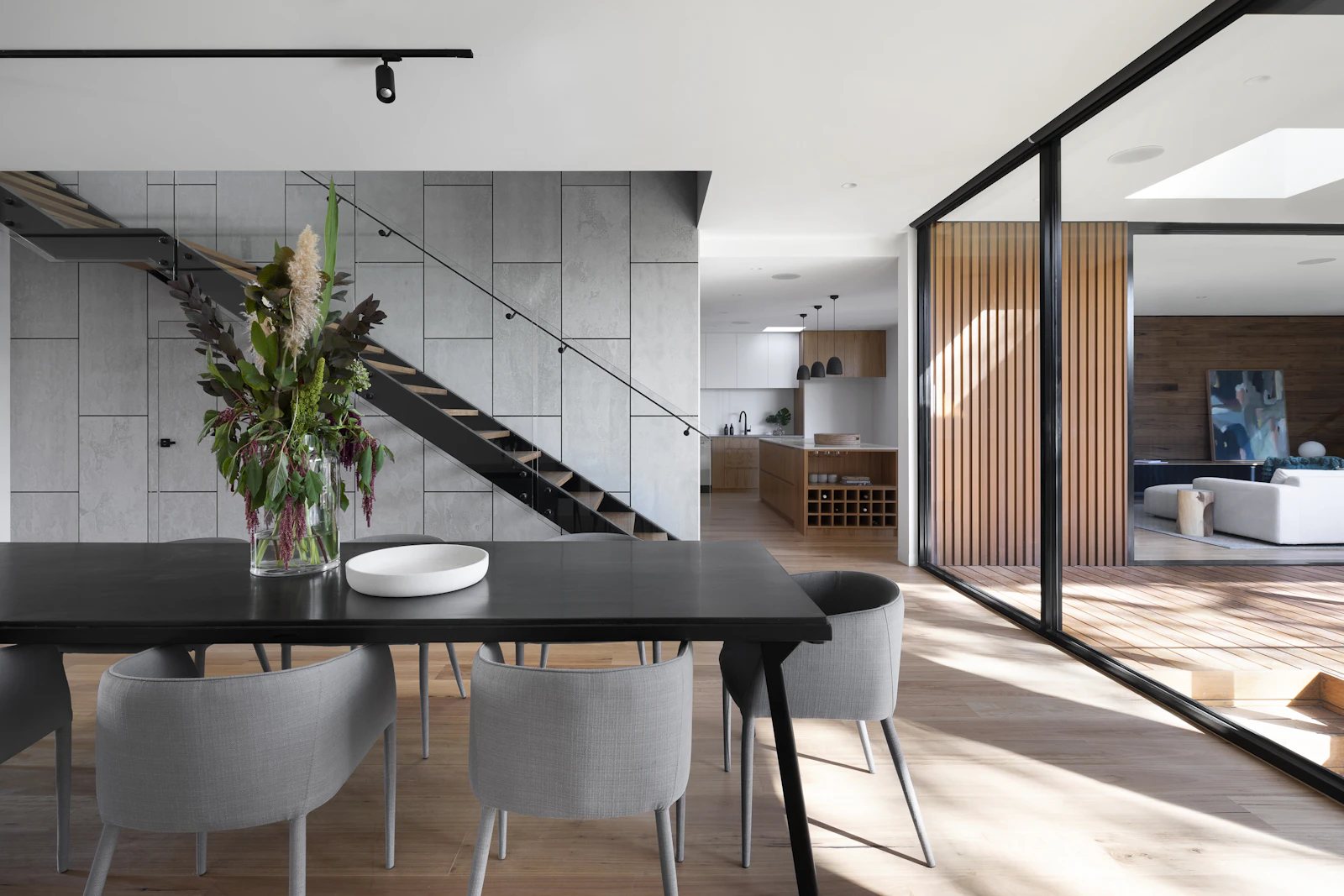
An interior is the inside of a building or room. Interior design is the process of planning that interior so that its layout, furniture, lighting, materials, colours, storage and other elements work together for a specific purpose.
What does “interior” mean?
The word interior simply refers to the inside part of a building, home, office, shop or other enclosed space. It describes the environment that exists inside the structure.
For example, the interior of a house can include the living room, bedrooms, kitchen, bathrooms, corridors, wardrobes, furniture, finishes, lighting and other visible or functional elements.
Therefore, when someone says “home interior,” they are generally talking about the inside environment of the home rather than describing a specific professional process.
What is interior design?
Interior design is a systematic process of planning and developing an indoor space around the needs of the people who use it.
It can involve the arrangement of rooms and furniture, circulation, storage, lighting, colours, materials, finishes, custom furniture and other elements that determine how the space performs and looks.
A professional interior design project may begin with understanding the property and client’s requirements, followed by space planning, design development, material selection, visualization and execution coordination. Interior A to Z describes its service scope in similar terms, including space planning, 2D and 3D planning, kitchens, wardrobes, lighting, materials and execution coordination. :contentReference[oaicite:1]{index=1}

Interior vs interior design: what is the difference?
The simplest way to understand the difference is to think of one term as describing the space and the other as describing the process.
| Interior | Interior Design |
|---|---|
| The inside of a building or room. | The process of planning and developing that indoor space. |
| Describes an existing environment. | Creates or improves the environment according to requirements. |
| Includes the physical indoor setting. | Includes planning, design decisions and coordination. |
| Can exist without professional design. | Uses a deliberate design approach to solve functional and aesthetic requirements. |
Interior, interior design, interior designer and interior decoration
These four terms are often used interchangeably in everyday conversation, but they describe different things.
Interior
The inside environment of a building, such as a home, office, restaurant or shop.
Interior Design
The process of planning the space, its functionality, appearance, materials, furniture, lighting and other design elements.
Interior Designer
A professional who develops interior design solutions around the property’s requirements, user’s needs, aesthetic direction and project constraints.
Interior Decoration
Primarily focuses on the visual finishing and styling of a space through elements such as colours, furnishings, fabrics, artwork and accessories.
What does an interior designer actually do?
An interior designer does more than select attractive furniture or wall colours. The exact scope varies by project, but professional interior design commonly addresses both functionality and appearance.
- Understand the client’s lifestyle, requirements and priorities.
- Study the property’s dimensions and existing conditions.
- Plan furniture layouts and circulation.
- Develop storage and wardrobe solutions.
- Plan kitchens and functional work zones.
- Develop lighting and false-ceiling concepts.
- Select materials, finishes, colours and textures.
- Develop 2D layouts and, where appropriate, 3D visualizations.
- Coordinate furniture and custom elements.
- Support fabrication, installation and project execution where included in the scope.
This broader approach is reflected in Interior A to Z’s published service scope, which combines design planning with materials, furniture, kitchens, wardrobes, lighting and execution coordination. :contentReference[oaicite:2]{index=2}
Interior design vs interior decoration
Interior design and interior decoration overlap, but they are not identical. Decoration mainly changes or enhances the visual character of an existing space. Interior design can address the way the space itself functions and is organised.
Interior design may address
- Space planning
- Furniture layouts
- Storage planning
- Kitchen planning
- Lighting
- Materials and finishes
- Custom furniture
- Design development
- Execution coordination
Decoration may focus on
- Colours
- Curtains and fabrics
- Rugs
- Artwork
- Accessories
- Cushions
- Decorative objects
- Styling
Imagine you are designing a 3BHK home
Suppose you have purchased a 3BHK apartment. The rooms already exist, but the home needs to be planned for your family.
Simply buying a sofa, bed, dining table and curtains would furnish the property. Interior design goes further by asking how the family will use the home.
- Where should the sofa and television be positioned?
- How much storage does each bedroom require?
- Where should the dining table sit relative to the kitchen?
- How should the kitchen work zones be organised?
- Where should electrical points and lighting be located?
- Which materials will work with the family’s lifestyle?
- How can circulation remain comfortable?
- How should the rooms share a consistent design language?
These questions demonstrate why interior design is more than simply decorating a room. It combines functional planning with visual decisions.
What is the typical interior design process?
1. Consultation
Understand the property, lifestyle, requirements, preferred style and project scope.
2. Site and space study
Review dimensions, existing conditions, circulation, natural light and functional requirements.
3. Space planning
Develop furniture layouts, storage requirements, room relationships and functional zones.
4. Design development
Establish colours, materials, furniture, lighting, finishes and the overall design direction.
5. Visualization and detailing
Use drawings, layouts and suitable 3D views to communicate the proposed design.
6. Execution
Where included in the agreed scope, coordinate fabrication, installation and finishing.
When should you hire an interior designer?
Professional interior design can be particularly useful when a project involves multiple rooms, significant storage, a new kitchen, customized furniture, renovation work or coordinated execution.
It can also help when you want the home to feel visually consistent while remaining practical for everyday living. Interior A to Z currently provides residential and turnkey interior services for apartments, builder floors, villas and homes across Delhi NCR, Gurgaon and Noida. :contentReference[oaicite:3]{index=3}
So, what is the difference between interior design and interior?
The difference is straightforward: interior refers to the inside space, while interior design refers to the process of planning and improving that space.
A good interior design combines function, comfort and aesthetics. It considers how people move through a space, where they store things, how they use furniture, how lighting works, which materials are appropriate and how all the rooms relate to one another.
In other words, an attractive interior is the result; interior design is the thinking, planning and development that helps create it.
Interior design terminology FAQs
What is the difference between interior and interior design?
An interior is the inside of a building or room. Interior design is the planned process of improving that space through layout, furniture, storage, lighting, materials, colours and other design decisions.
What is interior design in simple words?
Interior design is the process of planning an indoor space so that it works well, feels comfortable and has a coherent visual appearance.
What is the difference between an interior designer and an interior decorator?
An interior designer can work with space planning, functionality, materials, furniture, lighting and design development, while an interior decorator primarily focuses on the visual styling and finishing of a space.
Is interior design only about decoration?
No. Interior design can involve space planning, circulation, furniture layouts, storage, kitchens, lighting, materials, finishes and execution coordination, in addition to decorative decisions.
Why is interior design important?
Interior design can make a space more functional, organised, comfortable and visually cohesive while adapting it to the people who use it.
Can interior design be done for one room?
Yes. Interior design can be planned for an individual bedroom, living room, kitchen or another space, or it can cover an entire home.
Need professional interior design for your home?
Share your property type, location, approximate size, requirements and preferred style. A suitable interior design approach can then be developed around your space and lifestyle.