How to Choose an Interior Designer in Delhi NCR
Choosing the right interior designer requires more than comparing photographs or selecting the lowest quotation. Evaluate relevant experience, design compatibility, space planning, materials, execution, communication, timelines and contract terms before making your decision.
Discuss Your Interior Project
What should you look for in an interior designer?
The right interior designer should understand your property, lifestyle, functional requirements, preferred design direction and budget before developing the interiors.
Delhi NCR includes apartments, builder floors, villas, independent homes, renovations and commercial properties. Relevant project experience therefore matters when choosing a designer.
The strongest selection process is to compare two or three suitable designers using the same project brief, then evaluate their portfolio, design process, material specifications, quotation, execution capability, timeline, communication and contract terms.
1. Define your interior design requirements
Before contacting designers, prepare a clear project brief. The more accurately you describe your requirements, the easier it becomes to compare suitable designers and receive useful proposals.
2. Check the portfolio carefully
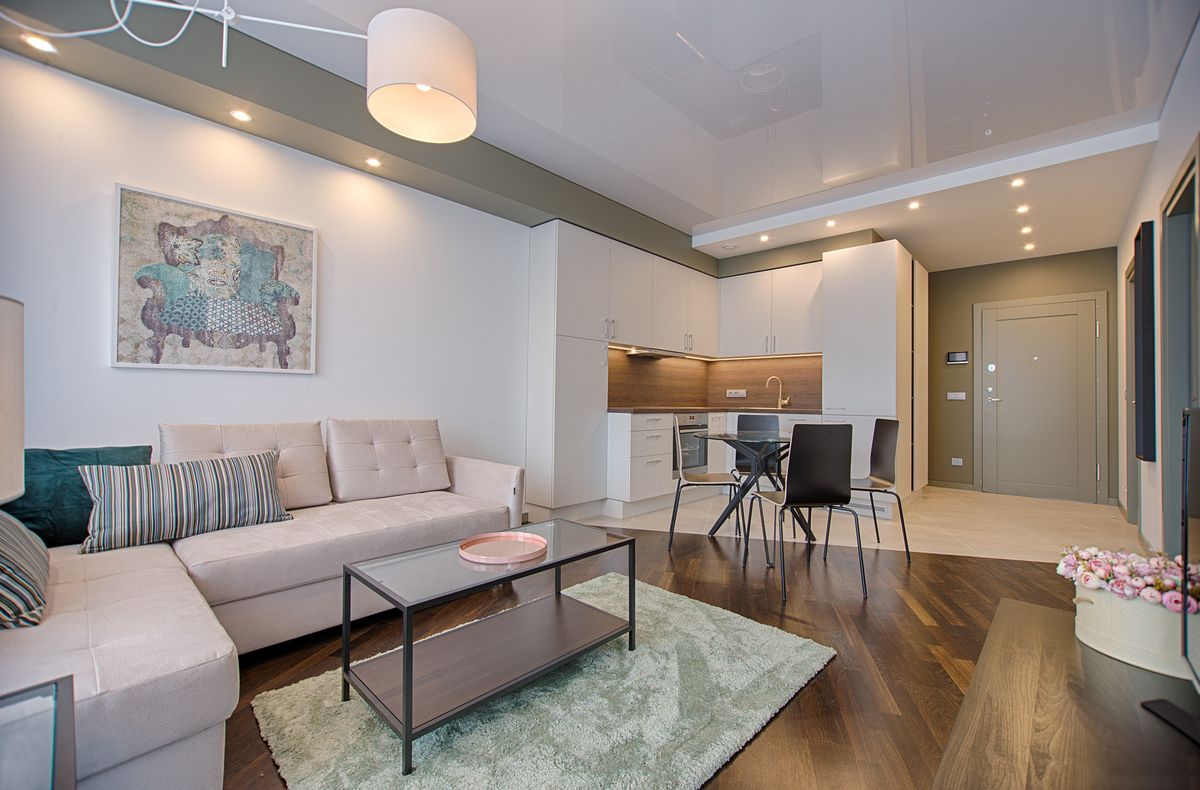
A professional portfolio is one of the most useful ways to evaluate an interior designer. Focus on completed projects rather than only concept images or individual decorative photographs.
- Living rooms
- Bedrooms
- Modular kitchens
- Dining areas
- Wardrobes
- TV units
- Home offices
- Bathrooms
- Custom furniture
- Storage solutions
Look for consistency in layout, proportions, materials, lighting and finishing rather than focusing only on decorative elements.
3. Choose a designer who understands your design style
The designer does not need to reproduce an inspiration image exactly. What matters is whether they can understand your preferred aesthetic and adapt it to your actual property.
Modern
Clean lines, practical furniture and a controlled material palette.
Contemporary
Flexible modern interiors combining current materials with timeless proportions.
Minimalist
Clean planning, integrated storage and restrained detailing.
Luxury
Premium materials, bespoke furniture, architectural detailing and layered lighting.
Traditional
Warm materials, craft-inspired details and classic design elements.
Personalised
A customised combination developed around your lifestyle and property.
4. Evaluate the designer’s space-planning skills
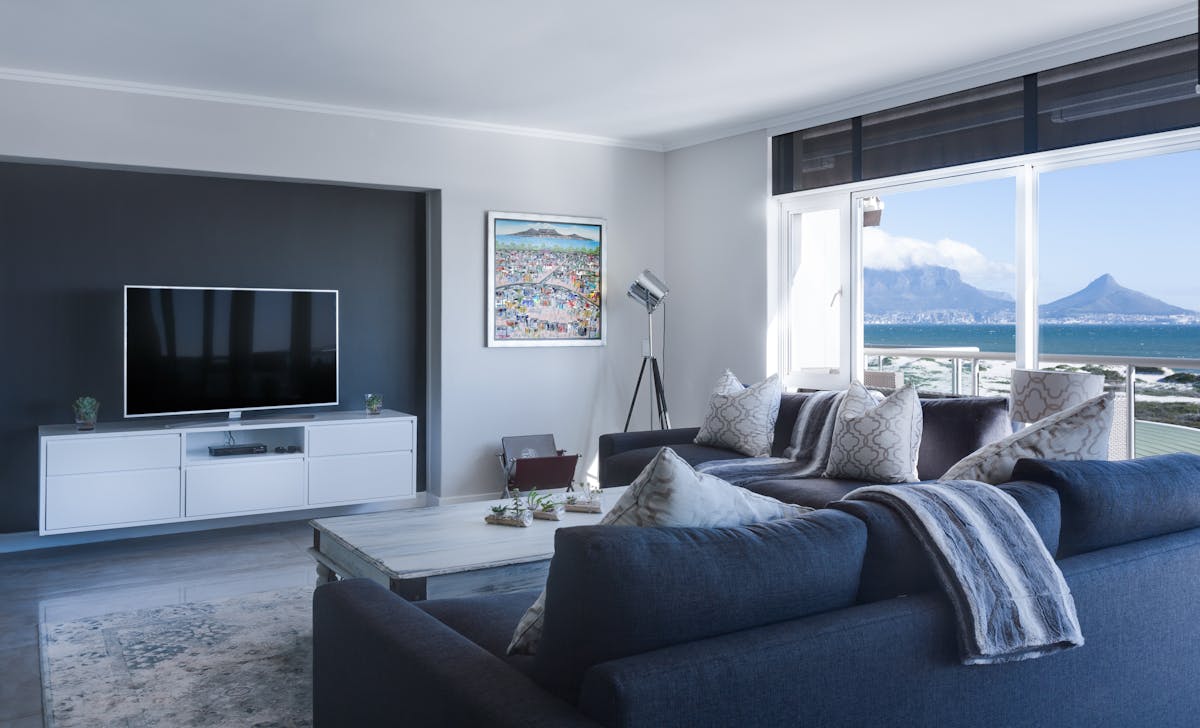
Good interior design starts with the floor plan. A capable designer should discuss how you use the home before focusing on finishes.
- Furniture placement
- Circulation
- Storage requirements
- Kitchen workflow
- Lighting positions
- Electrical points
- Door and window relationships
- Work-from-home requirements
The objective is to create a home that looks good while remaining comfortable, practical and easy to maintain.
5. Ask about 2D and 3D design deliverables
Before execution begins, understand exactly what drawings and visual design information you will receive.
6. Verify the materials and specifications
Avoid relying on general descriptions such as “premium quality” or “luxury finish”. Ask for clear specifications for important materials and products.
Boards & plywood
Ask about the material type, grade and thickness where relevant.
Finishes
Confirm whether surfaces use laminate, veneer, acrylic, PU or another finish.
Hardware
Check hinges, channels, drawer systems and other fittings.
Countertops
Confirm kitchen countertop material and installation requirements.
Lighting
Clarify fixtures, electrical work, controls and installation.
Paint & wall finishes
Confirm the proposed finish and preparation requirements.
7. Demand a detailed and transparent quotation
Do not compare designers using the headline price alone. Two quotations may have different scopes, materials, quantities and execution responsibilities.
| Factor | What to check |
|---|---|
| Design | 2D plans, elevations, 3D views, working drawings and revisions. |
| Materials | Major materials, finishes, hardware and product specifications. |
| Scope | Rooms, kitchen, wardrobes, furniture, lighting and other included work. |
| Exclusions | Clearly identify work and products that are not included. |
| Execution | Site supervision, installation, coordination and quality responsibilities. |
| Payments | Payment milestones and applicable commercial terms. |
| Additional work | Process for changes, variations and additional costs. |
The strongest comparison is between detailed proposals prepared from the same project brief, not between unrelated package prices.
For general planning information, see Interior Design Cost Gurgaon or Interior Design Cost Noida .
8. Understand who manages the execution
A strong design still needs proper execution. Ask who coordinates the site, vendors, carpentry, electrical work, painting, installation and quality checks.
- Who supervises the site?
- Who coordinates vendors?
- Who checks measurements?
- Who manages material deliveries?
- Who handles installation?
- Who checks workmanship?
- Who handles snagging and corrections?
If you choose turnkey execution, make sure the exact scope and responsibilities are documented.
9. Set a realistic project timeline
Ask how design approvals, procurement, manufacturing, site work, installation and handover will be sequenced.
Brief
Requirements, measurements and design direction.
Design
Layouts, concepts, drawings and visualisation.
Approval
Materials, scope and commercial terms are finalised.
Execution
Manufacturing, site work and installation.
Handover
Final checks, snagging and completion.
Ask how design changes, delayed approvals, material availability and additional work can affect the expected completion date.
10. Check communication before you sign
The initial consultation can tell you a lot about how the designer approaches the project. The designer should understand how you live, ask relevant questions and explain practical trade-offs.
Project updates
Ask how design and execution progress will be communicated.
Approvals
Understand how materials, drawings and design decisions are approved.
Design changes
Ask how revisions and changes are documented and priced.
Site decisions
Establish who makes decisions when site conditions require changes.
Responsibility
Know exactly who your main project contact will be.
After handover
Clarify how snags, defects and support requests are handled.
11. Read the contract before starting work
Important decisions should be documented before execution begins. A clear agreement helps reduce misunderstandings during the project.
Red flags when choosing an interior designer
How to compare 2–3 interior designers
Give every shortlisted designer the same project brief. Then compare the proposals using the same criteria.
| Factor | What to Check |
|---|---|
| Experience | Similar completed residential or commercial projects. |
| Portfolio | Quality, consistency and relevance to your project. |
| Design Style | Compatibility with your preferred design direction. |
| Space Planning | Practical layouts, furniture, storage and circulation. |
| Materials | Quality, suitability and clear specifications. |
| Quotation | Detailed scope, inclusions, exclusions and commercial terms. |
| Execution | Site management, installation and project coordination. |
| Timeline | Realistic project schedule and milestones. |
| Communication | Clear approvals, updates and project responsibility. |
| Warranty | Post-handover support and documented responsibilities. |
Questions to ask before hiring an interior designer
Project Experience
Have you completed projects similar to mine?
Portfolio
Can I see recent completed projects?
Design
Do you provide 2D layouts, 3D designs and working drawings?
Materials
Which materials and hardware do you recommend?
Budget
Can the design be developed within my budget?
Turnkey
Do you provide execution and project management?
Site
Who supervises the site?
Timeline
What is the expected project duration?
Additional Work
How are design changes and additional work charged?
Choosing an interior designer across Delhi NCR
Location can affect site visits, delivery, apartment or society requirements, access, installation schedules and project coordination. However, location should not be the only selection criterion.
Delhi
Consider experience with apartments, builder floors, villas, independent homes and renovation projects.
Gurgaon
Consider experience with apartments, builder floors, villas, modern homes and complete residential interiors.
Noida
Look for experience with apartment planning, storage, modular kitchens and space-efficient layouts.
Interior A to Z currently provides residential interior design services across Delhi NCR, including Delhi, Gurgaon and Noida, covering space planning, 2D and 3D design, modular kitchens, wardrobes, lighting, materials and turnkey execution.
Explore: Home Interior Design Delhi NCR · Interior Design Firm in Gurgaon · Interior Designers in Noida
How to Choose an Interior Designer in Delhi NCR — FAQs
How do I choose an interior designer in Delhi NCR?
Compare completed projects, relevant experience, design compatibility, space planning, 2D and 3D deliverables, material specifications, detailed quotations, execution responsibility, timeline, communication, warranty and contract terms.
How many interior designers should I compare?
Ideally, compare two or three suitable designers using the same project brief. This makes it easier to compare experience, scope, design approach, quotations and execution responsibilities.
What should I check in an interior designer’s portfolio?
Look for completed projects similar to your property type and scope. Review space planning, proportions, materials, lighting, storage, furniture and finishing quality.
What should an interior design quotation include?
A detailed quotation should clarify major work, materials, quantities where applicable, inclusions, exclusions, payment requirements, design deliverables, execution responsibilities and additional-work policies.
Should I choose the cheapest interior designer?
Not necessarily. Compare the complete scope, material specifications, workmanship, design deliverables, execution responsibilities, exclusions and support before comparing prices.
What should I check before signing an interior design contract?
Confirm the scope, materials, drawings, payment milestones, timeline, exclusions, change-order process, warranty and post-handover responsibilities in writing.
Explore Interior A to Z services
Home Interior Design
Modular Kitchen
Space Planning
Turnkey Interiors
Luxury Interiors
All Services
Choose the right designer for your home
Share your property type, floor plan, requirements, preferred design style and budget to discuss a customised interior design approach.
Book an Interior Design Consultation