Interior Designer Fees vs Turnkey Interior Cost: What Should You Pay For?
Understanding interior designer fees vs turnkey interior cost is essential before planning a home renovation or a new apartment interior. Although both options involve professional interior design services, they differ in scope, execution responsibilities, project coordination and payment structure.
An interior designer may charge separately for consultation, layouts, 3D visualisation and design documentation, while a turnkey interior package generally combines design, materials, labour, procurement and execution under an agreed scope. The right choice depends on your budget, available time and preferred level of project involvement.
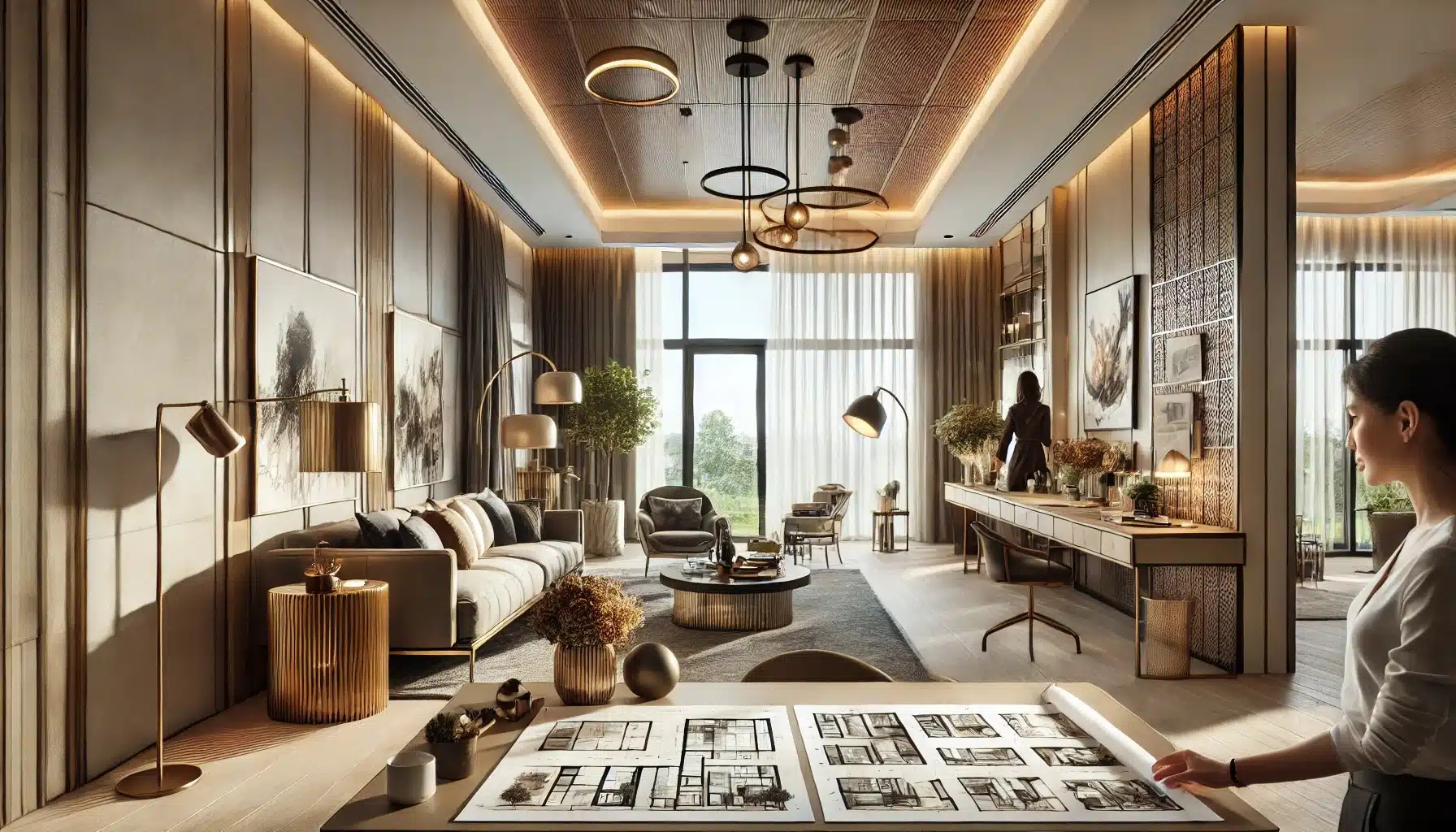
Contemporary home interior design reference.
Interior Designer Fees vs Turnkey Interior Cost: The Basic Difference
The main difference is what you are paying the professional or company to deliver. Design-only services focus on planning and documentation. Turnkey services generally cover a wider execution package, subject to the inclusions and exclusions written into the agreement.
| Comparison Point | Interior Designer Fees | Turnkey Interior Cost |
|---|---|---|
| Primary purpose | Design, planning and professional guidance | Coordinated design and execution package |
| Design drawings | Usually included in the agreed design scope | Generally included as part of project delivery |
| 3D visualisation | May be included or charged separately | Depends on the agreed package |
| Material procurement | May remain the homeowner’s responsibility | Often coordinated by the turnkey provider |
| Labour and installation | Usually arranged separately unless specified | Generally included for listed work items |
| Site coordination | May be a separate service | Usually part of project execution |
| Vendor management | Depends on the appointment | Often coordinated by the provider |
| Final handover | May not include execution or installation | Usually included for the contracted scope |
What Are Interior Designer Fees?
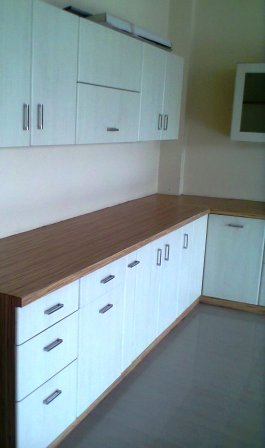
Residential interior design inspiration.
Interior designer fees are professional charges for services such as understanding client requirements, planning layouts, developing concepts, selecting materials and preparing design documentation.
Depending on the agreement, a designer may also provide site visits, vendor recommendations, execution guidance or project supervision. These services should be clearly identified in the appointment.
Common services covered by design fees
- Initial consultation and requirement discussion.
- Site measurement and space planning.
- Furniture layouts and design concepts.
- Colour palettes and material recommendations.
- 3D views or visual presentations, where included.
- Working drawings and design documentation.
- Lighting and electrical planning, where specified.
- Design revisions within the agreed limits.
Common Ways Interior Designers Charge Their Fees
Interior design fees can be structured in different ways. The appropriate method depends on project size, design complexity, deliverables and the designer’s responsibilities.
Fixed Design Fee
A predetermined amount is agreed for a defined list of design services. This method is useful when the deliverables and revision limits are clearly documented.
Per Square Foot Fee
The design fee is calculated using an agreed area measurement and rate. Confirm whether the calculation uses carpet area, built-up area or another measurement.
Percentage-Based Fee
The designer’s fee is calculated as a percentage of an agreed project value or construction budget. Clarify which costs are included in the calculation.
Hourly Consultation
Charges are based on consultation time. This may suit homeowners who need advice on layouts, materials, colours or renovation decisions.
Room-Wise Design Fee
A separate fee is agreed for individual spaces such as a living room, bedroom, kitchen or home office.
Design Plus Supervision
Design documentation is combined with agreed site visits or execution supervision. Confirm the visit frequency and responsibilities in writing.
What Is Turnkey Interior Cost?
Turnkey interior cost generally refers to the price of a broader interior project in which a provider coordinates multiple stages of work, from design and material procurement to installation and handover.
Instead of independently arranging every contractor and supplier, the homeowner works with one primary provider for the items covered by the agreement.
Typical turnkey project components
- Design development and approved layouts.
- Specified materials and finishes.
- Carpentry and furniture fabrication.
- Modular kitchen and wardrobe installation.
- Painting and selected wall treatments.
- Electrical and lighting work included in the scope.
- Transportation and installation for listed items.
- Site coordination and project management.
- Final inspection and handover of contracted work.
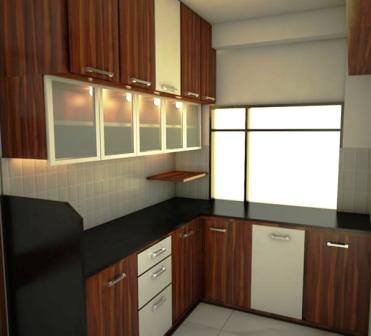
Modern residential interior design reference.
What Is Included in a Turnkey Interior Quotation?
A detailed turnkey quotation should explain what the provider will supply, install, coordinate and hand over. A single package price is not enough to understand the actual value.
Design and Drawings
Room layouts, furniture arrangements, material selections, elevations and other agreed design documents.
Material Supply
Specified boards, laminates, hardware, countertops, paint and other approved materials.
Carpentry and Installation
Wardrobes, kitchen cabinets, TV units, storage furniture and other listed custom work.
Electrical and Lighting
Agreed wiring changes, switches, fixtures and lighting installation within the defined scope.
Site Coordination
Coordination of vendors, delivery schedules, installation activities and site progress.
Inspection and Handover
Review of completed work, snag identification and handover according to the contract.
Interior Designer Fees vs Turnkey Interior Cost: Which Is More Affordable?
Neither option is automatically cheaper. The total amount depends on what is included, the quality of materials, the number of custom furniture items, labour requirements and the level of project coordination.
Design-Only May Suit You When
- You want control over vendor selection.
- You can coordinate contractors yourself.
- You have time to manage procurement.
- You need professional design documentation.
- You want to execute the work in phases.
Turnkey May Suit You When
- You prefer one main project coordinator.
- You want design and execution connected.
- You have limited time for vendor management.
- You need a coordinated installation schedule.
- You prefer a consolidated project scope.
Compare the Total Cost
- Include design and consultation fees.
- Add materials, labour and transportation.
- Include supervision and project management.
- Check taxes and possible exclusions.
- Allow for changes and contingency.
Illustrative Example: Comparing Design-Only and Turnkey Budgets
Consider a hypothetical home interior project. The following figures are illustrative only and are not market rates or a quotation from InteriorAtoZ. They demonstrate why homeowners should compare the complete project cost rather than only the design fee or package headline price.
| Cost Component | Design-Only Route | Turnkey Route |
|---|---|---|
| Design and documentation | ₹50,000 | Included in package |
| Materials and products | ₹3,00,000 | Included in package |
| Labour and installation | ₹1,20,000 | Included in package |
| Coordination and supervision | ₹30,000 | Included in package |
| Other agreed project costs | ₹20,000 | Included in package |
| Illustrative total | ₹5,20,000 | ₹5,40,000 |
In this hypothetical example, the turnkey route costs more, but it also consolidates several services. In a real project, the difference could be smaller or larger depending on specifications, procurement, execution and the contract.
Major Factors That Affect Turnkey Interior Cost
Turnkey interior cost is influenced by more than the size of the apartment. The specification and quantity of work can have a substantial impact on the final estimate.
Property Size and Layout
Larger spaces or complex room arrangements may require additional design, materials and execution work.
Carpentry Scope
Wardrobes, kitchen cabinets, beds, TV units and custom storage affect material quantities and labour.
Material Specifications
Board grade, thickness, laminate, veneer, hardware and finish selections influence the estimate.
Kitchen Requirements
Layout, accessories, shutters, countertop materials and appliances affect kitchen costs.
Electrical and Civil Work
Changes to wiring, plumbing, flooring, walls or ceilings can add to the project scope.
Furniture and Decor
Loose furniture, curtains, decorative lighting and accessories may be separate or included items.
Project Location
Site access, transportation, building rules and local execution conditions can affect project logistics.
Customisation Level
Special finishes, bespoke furniture and detailed wall treatments may require additional work.
Timeline and Coordination
Project sequencing, delivery requirements and coordination responsibilities should be reflected in the proposal.
Interior Designer Fees and Turnkey Costs for Different Home Sizes
The scope of work often changes with the number of rooms and the household’s requirements. The following table highlights typical planning considerations rather than fixed prices.
| Property Type | Common Design Requirements | Items to Clarify in a Turnkey Quote |
|---|---|---|
| 1BHK Apartment | Living area, kitchen, one bedroom and compact storage | Kitchen, wardrobe, TV unit, electrical and painting scope |
| 2BHK Apartment | Living and dining, kitchen, two bedrooms and storage | Both bedrooms, kitchen accessories, furniture and lighting |
| 3BHK Apartment | Living and dining, kitchen, three bedrooms and utility spaces | Three bedroom packages, kitchen, wardrobes and common areas |
| Villa or Independent Home | Multiple floors, larger rooms, staircases and outdoor areas | Floor-wise work, civil changes, services and specialist installations |
How to Compare Two Interior Design Quotations
Two quotations can have very different totals even when they appear to cover the same home. Compare the details line by line rather than choosing the lowest headline amount.
Quotation comparison checklist
- Check whether the measured area is the same.
- Confirm the number of rooms and furniture units included.
- Compare board type, grade and thickness.
- Check laminate, veneer or paint finish specifications.
- Review hardware brands, models and load specifications.
- Confirm kitchen accessories and countertop details.
- Check electrical, plumbing and civil work inclusions.
- Confirm transportation, installation and site coordination.
- Identify taxes, exclusions and additional charges.
- Review payment milestones, timelines and warranty terms.
Questions to ask before accepting a quotation
- Who will purchase and verify the materials?
- Who is responsible for labour and installation?
- How many design revisions are included?
- How are changes after design approval priced?
- Who coordinates vendors and site activities?
- What is the process for reporting defects or incomplete work?
- What exactly is covered after handover?
Hidden Costs to Check Before Starting an Interior Project
Unexpected expenses often arise when the project scope is unclear or site conditions differ from initial assumptions. Ask for a written list of exclusions before signing the agreement.
Electrical Changes
Additional wiring, switch relocation, new points, specialised fixtures and distribution changes may not be included.
Plumbing Changes
Moving water points, drainage adjustments and additional plumbing work may require separate approval.
Appliances
Refrigerators, ovens, hobs, chimneys and other appliances may be excluded from furniture and kitchen packages.
Loose Furniture
Sofas, dining tables, chairs, mattresses and movable furniture should be listed individually.
Building and Society Charges
Permissions, deposits, service lift arrangements and work-hour restrictions may affect project logistics.
Scope Changes
Additional units, upgraded finishes and revisions after approval can increase the final project value.
Design-Only, Design-and-Build or Turnkey: Which Should You Choose?
Homeowners do not always have to choose between a design-only appointment and a full turnkey contract. A design-and-build arrangement or a hybrid service may also be suitable.
Design-Only Service
Choose this when you want professional planning and documentation but prefer to appoint and manage execution contractors independently.
Best suited to: Homeowners with time, site access and confidence in coordinating vendors.
Design-and-Build Service
Choose this when you want design and execution to be coordinated through a connected service arrangement.
Best suited to: Homeowners who prefer continuity between approved drawings and site execution.
Turnkey Interior Service
Choose this when you want a provider to manage a wider agreed scope, including materials, labour, installation and handover.
Best suited to: Homeowners who prefer consolidated project coordination and clearly defined deliverables.
Interior Designer Fees vs Turnkey Interior Cost in Gurgaon, Noida and Delhi NCR
Home interior pricing in Delhi NCR depends on the property, building conditions, material specifications, project scope and execution requirements. A quotation for a Gurgaon apartment may differ from a similar-sized property in Noida or Delhi because the actual site conditions and selected work can vary.
Gurgaon
Compare apartment specifications, building access, carpentry requirements, material choices and the complete scope of execution. Visit interior design services in Gurgaon.
Noida
Review kitchen and wardrobe specifications, furniture quantities, site conditions and installation responsibilities. Explore interior design services in Noida.
Delhi NCR
For homes across Delhi NCR, compare design deliverables, material specifications, execution scope and written exclusions before selecting a provider.
For additional location-specific budgeting guidance, see the interior design cost guide for Gurgaon.
How to Keep Your Interior Design Budget Under Control
A realistic budget starts with a clear list of requirements. Prioritise essential work and allocate funds to the areas that matter most to everyday use.
- Prepare a room-wise requirement list: Identify the furniture, storage and finishes required in each room.
- Set priorities: Separate essential items from decorative upgrades.
- Finalise specifications: Compare material grades, hardware and finishes before approving the estimate.
- Request itemised pricing: Ask for quantities, unit descriptions and installation details.
- Avoid frequent design changes: Review drawings and samples before production begins.
- Check alternative materials: Select suitable alternatives based on performance, appearance and maintenance.
- Keep a contingency: Reserve funds for unexpected site conditions and approved changes.
- Document approvals: Confirm specifications, variations and payments in writing.
Documents to Review Before Signing an Interior Contract
Whether you appoint a designer or choose a turnkey package, written documentation helps both parties understand their responsibilities.
- Approved design proposal and scope of services.
- Floor plans, furniture layouts and relevant drawings.
- Material and hardware specification sheet.
- Itemised quotation and quantity details.
- List of inclusions and exclusions.
- Payment schedule and milestone conditions.
- Project timeline and approval responsibilities.
- Variation and change-order procedure.
- Warranty, defect reporting and handover terms.
- Applicable taxes and other charges.
Interior Design and Turnkey Project Inspiration Gallery
Explore these residential interior references for ideas about materials, room styling, kitchen design and furniture finishes. Actual project specifications and inclusions should always be confirmed separately.
Contemporary residential styling.
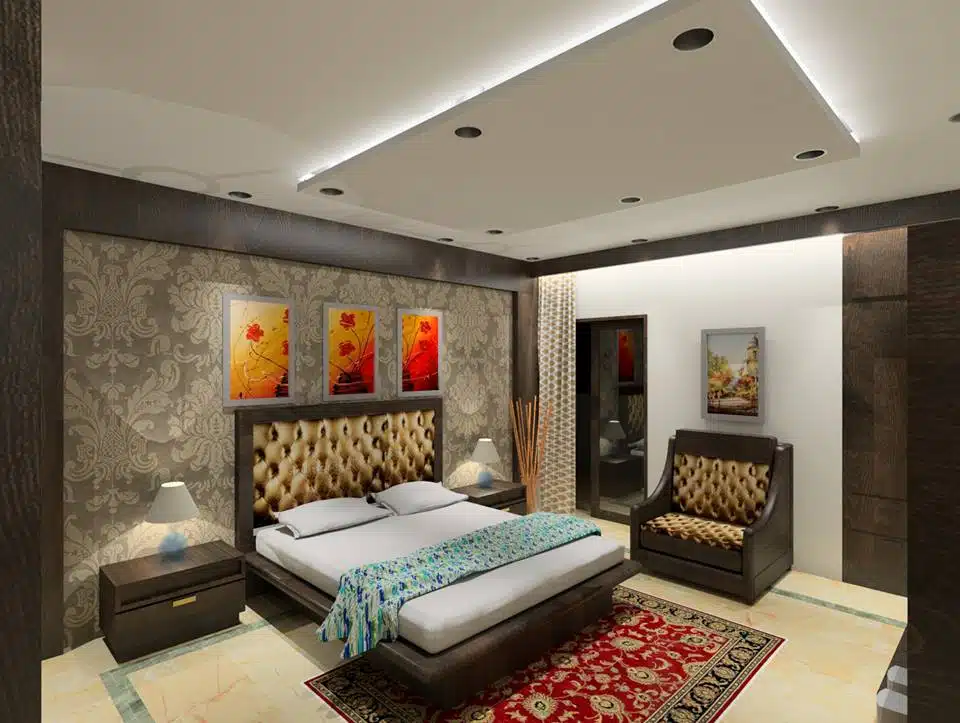
Bedroom design reference.
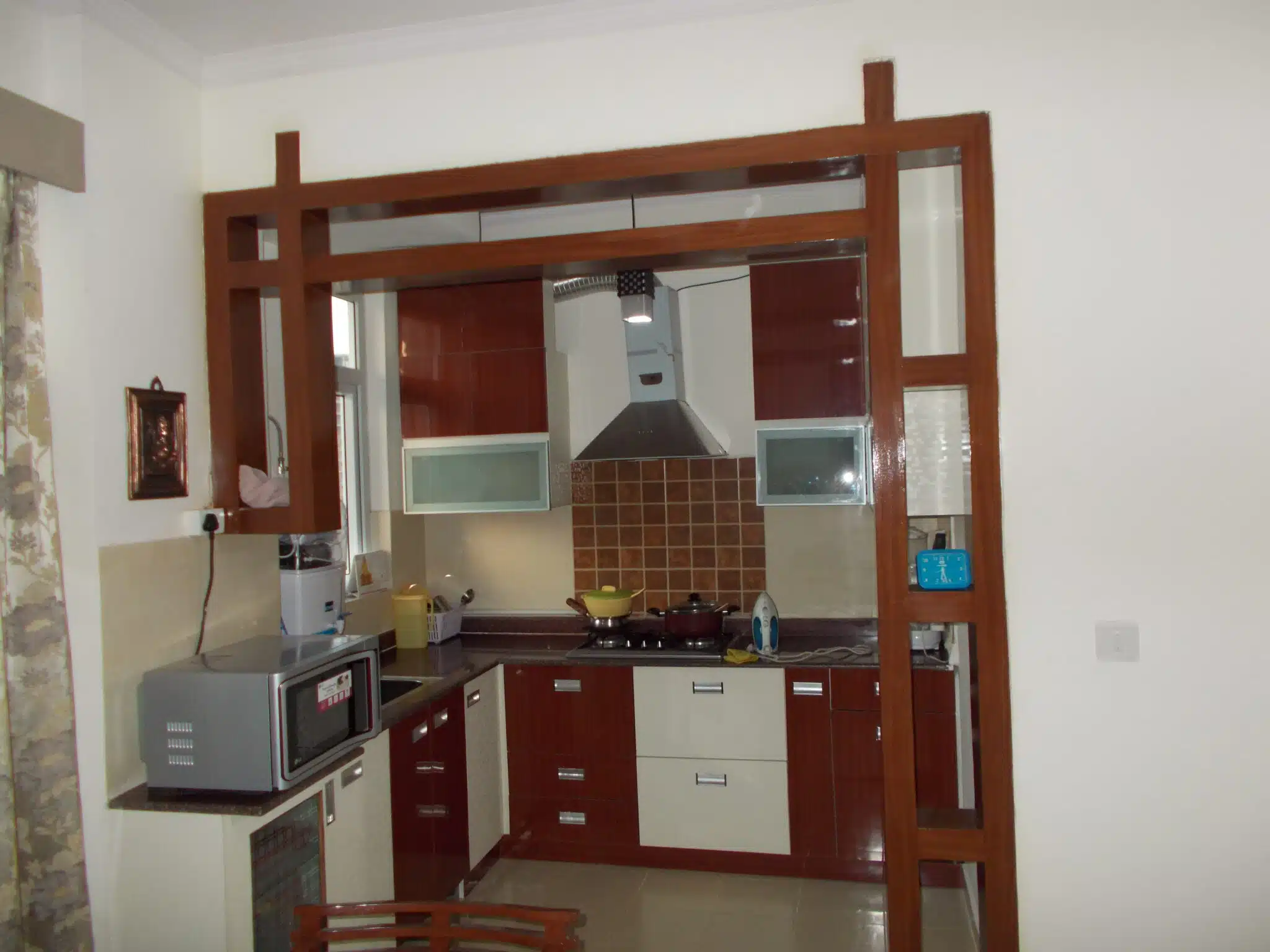
Kitchen design reference.
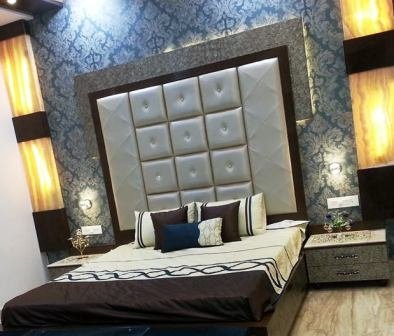
Interior styling inspiration.
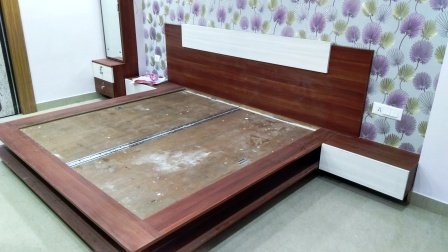
Bedroom finish inspiration.

Modular kitchen inspiration.
Frequently Asked Questions About Interior Designer Fees vs Turnkey Interior Cost
What is the difference between interior designer fees and turnkey interior cost?
Interior designer fees generally cover professional design services such as planning, layouts, material recommendations and drawings. Turnkey interior cost generally covers a wider package that may include design, materials, labour, installation, coordination and handover. The actual scope depends on the written agreement.
Are interior designer fees included in turnkey interior cost?
In many turnkey proposals, design services are included in the overall package price. However, confirm whether consultation, 3D views, working drawings and revisions are included or charged separately.
Is turnkey interior design cheaper than hiring an independent designer?
Not necessarily. Turnkey services may consolidate coordination and execution, but the total cost depends on materials, labour, specifications and project scope. Compare equivalent deliverables before deciding.
How do interior designers calculate their fees?
Common methods include fixed project fees, per-square-foot charges, percentage-based fees, hourly consultation and room-wise design fees. Ask what area measurement and deliverables are used for the calculation.
Does turnkey interior cost include furniture?
It may include specified custom furniture such as wardrobes, beds, kitchen cabinets and TV units. Loose furniture such as sofas, dining tables and chairs may be separate. Check the quotation item by item.
Does a turnkey package include appliances and decorative lights?
Not automatically. Appliances, decorative fixtures, curtains and accessories may be excluded or offered as optional items. Confirm their inclusion, brand, model and quantity in writing.
What should a turnkey interior quotation contain?
It should identify the work scope, material specifications, quantities, labour, installation, coordination, exclusions, taxes, payment milestones, timeline and applicable warranty or defect terms.
Can I hire an interior designer and manage the contractors myself?
Yes. You can appoint a designer for planning and documentation, then hire contractors or vendors independently. This gives you more direct control but also requires time and coordination.
Which option is better for a 2BHK or 3BHK apartment?
Both options can work. Design-only may suit homeowners who want to manage execution, while turnkey may suit those who prefer a consolidated project arrangement. The right choice depends on the budget, timeline and level of involvement you want.
How can I compare turnkey interior quotations in Gurgaon?
Compare the same rooms, furniture quantities, board specifications, hardware, finishes, installation scope, taxes and exclusions. Review the written project timeline and payment schedule before selecting a provider.
Should I keep a contingency in my interior design budget?
Yes. A contingency can help accommodate unforeseen site conditions or approved changes. Its amount should be based on the property’s condition, project complexity and the work scope.
Explore More Interior Design Resources
Use these related InteriorAtoZ resources to plan your home and understand project requirements:
Planning Your Home Interior Project in Delhi NCR?
Before choosing between separate interior designer fees and a turnkey interior package, discuss your property, requirements, material preferences and budget. A clearly defined scope can help you compare proposals and make informed decisions.
InteriorAtoZ can help you explore residential interior design requirements for homes in Gurgaon, Noida and Delhi NCR.
Email: info@interioratoz.com