Budget-Friendly Interior Design Tips for a Stylish Home
Create a beautiful, functional and comfortable home without overspending. Use smarter space planning, affordable materials, multifunctional furniture, lighting and phased upgrades to get more value from your interior budget.
What are the best budget-friendly interior design tips?
The best budget-friendly interior design tips are to set a realistic budget before starting, prioritize essential rooms, reuse furniture where practical, choose durable cost-effective finishes, use multifunctional storage, improve lighting, avoid unnecessary structural changes and complete optional upgrades in phases. A good budget interior is not about choosing the cheapest product; it is about spending more carefully on the areas that matter most.
Spend on impact, not on unnecessary decoration
Budget-conscious interiors work best when layout, storage, lighting and everyday functionality are solved before decorative upgrades are added.
Set the budget first
Define your overall budget, priority rooms, furniture requirements, storage, lighting and a contingency amount before purchasing materials.
Prioritize high-use spaces
Put more of your budget into kitchens, wardrobes, living areas and other spaces that affect everyday comfort and functionality.
Plan before execution
Finalize measurements, layouts, finishes and major decisions early to reduce rework, material waste and expensive last-minute changes.
Budget-friendly interior design ideas that make a real difference
Use these ideas individually or combine them into a phased home makeover.
Refresh before replacing
Repaint furniture, change handles, reupholster chairs or refinish tables before buying replacements.
Use multifunctional furniture
Choose beds with storage, nesting tables, storage ottomans, foldable furniture and other dual-purpose pieces.
Use vertical storage
Tall wardrobes, wall shelves and overhead storage can increase usable capacity without consuming much floor space.
Choose practical finishes
Standardized laminates, paint and other durable finishes can provide a clean appearance without unnecessary premium costs.
Improve lighting
Layer ambient, task and accent lighting where appropriate instead of relying on one central light source.
Use light colours strategically
Neutral whites, creams, beiges and soft greys can help compact spaces feel brighter and visually open.
Create one focal wall
Use paint, texture or wallpaper selectively instead of applying expensive feature finishes throughout the room.
Reuse what still works
Existing furniture can often be integrated into a new design after cleaning, repair, refinishing or repositioning.
Buy fewer, better essentials
Prioritize useful furniture and durable essentials instead of filling every corner with decorative items.
Declutter first
A cleaner layout can improve the appearance of a home without requiring any major expenditure.
Compare specifications
Compare material thickness, hardware, finish, warranty, installation and maintenance—not just the headline price.
Plan electrical points early
Proper planning can reduce avoidable changes later when lighting, appliances and furniture are installed.
Choose modular solutions
Modular kitchens, wardrobes and storage can provide standardized, practical solutions for many modern homes.
Add décor gradually
Complete essential furniture and storage first, then add artwork, rugs, plants and accessories over time.
Use mirrors thoughtfully
A well-positioned mirror can increase the sense of brightness and visual depth in suitable rooms.
Keep the palette coordinated
A limited colour palette makes affordable furniture and décor feel more cohesive and intentional.
Use textiles for quick updates
Cushions, curtains, rugs and throws can change the character of a room without major construction.
Plan a phased makeover
Complete urgent repairs and essential rooms first, then tackle optional upgrades as the budget allows.
Avoid unnecessary civil work
Where practical, work with the existing layout instead of changing walls and services simply for visual effect.
Measure before ordering
Check room dimensions, doorways, lift access and installation requirements before purchasing large furniture.
Keep a contingency
Reserve part of the budget for unexpected repairs, delivery, installation changes or minor project variations.
How to create a premium-looking interior on a realistic budget
A sophisticated interior usually comes from consistency rather than from using expensive materials everywhere. Good proportions, a coordinated colour palette, useful storage, appropriate lighting and carefully selected finishes can make a home feel significantly more refined.
“`- Use one coordinated colour and material direction.
- Invest in frequently used furniture and storage.
- Keep decorative elements selective rather than excessive.
- Use lighting to highlight important areas.
- Reuse suitable furniture instead of replacing everything.
- Compare complete project specifications before choosing materials.
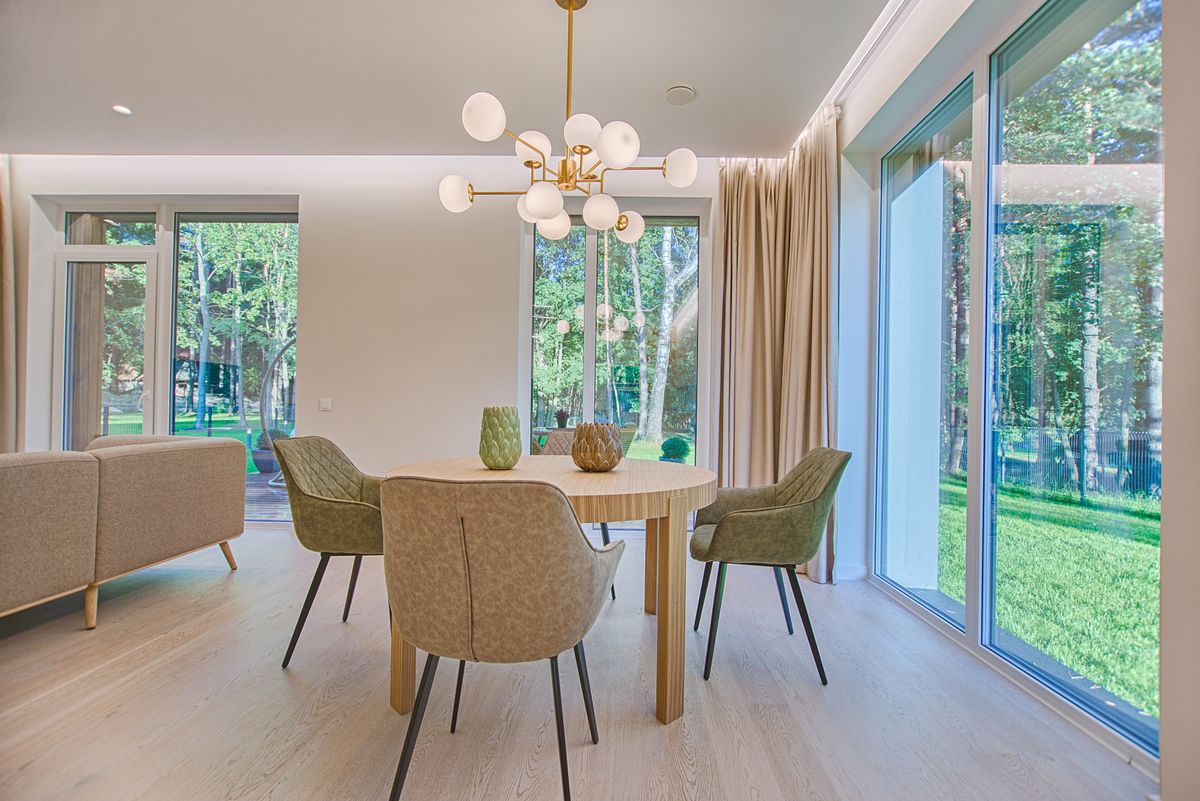
Where should you spend your interior budget?
| Area | Prioritize | Save By |
|---|---|---|
| Living Room | Comfortable seating, lighting, storage | Limit decorative purchases and use existing furniture where suitable |
| Bedroom | Bed, wardrobe, lighting, practical storage | Use simple finishes and add décor gradually |
| Kitchen | Layout, storage, hardware and durable work surfaces | Choose practical finishes instead of unnecessary premium detailing |
| Dining Area | Appropriately sized table and comfortable seating | Use a simple backdrop, artwork or lighting as the visual focus |
| Entryway | Storage, lighting and uncluttered circulation | Avoid oversized furniture and excessive décor |
Budget-friendly interiors for Delhi, Gurgaon and Noida
Apartment sizes, builder-floor layouts and villa requirements can vary significantly across Delhi NCR. A practical budget should therefore be developed around the actual property, measurements, scope of work and material preferences rather than a generic package.
Delhi & South Delhi
Plan compact apartments, builder floors and independent homes around efficient storage, circulation and practical room-by-room priorities.
Gurgaon / Gurugram
Focus on apartment planning, modular kitchens, wardrobes, multifunctional furniture and finishes suited to modern urban homes.
Noida & Greater Noida
Use measured planning and phased execution to balance functionality, storage, aesthetics and the available project budget.
Can an interior designer work with a limited budget?
Yes. Professional planning can be particularly useful when your project involves a modular kitchen, built-in wardrobes, compact layouts, lighting changes, several contractors or a defined completion timeline.
When discussing an affordable interior project, clearly define what you actually need: design consultation, 2D/3D planning, material selection, procurement support, execution or complete turnkey service. Ask for a detailed scope and quotation so the budget is aligned with the work being delivered.
More interior design and budgeting guides
Budget-Friendly Interior Design FAQs
What is the cheapest way to improve my home interior?
Start with decluttering, furniture rearrangement, fresh paint, better lighting, updated textiles and practical storage. These improvements can change the look and usability of a room without requiring a complete renovation.
Can I get a luxury look with a small interior design budget?
Yes. Focus on proportion, a coordinated colour palette, good lighting, selected statement pieces and clean storage. A premium appearance does not require premium finishes on every surface.
Which rooms should I renovate first?
Prioritize rooms that affect everyday use, commonly the kitchen, wardrobes, living room and bedroom. Repairs, electrical work and essential storage should generally come before optional décor.
Are modular kitchens and wardrobes suitable for budget interiors?
They can be. Modular solutions can provide standardized planning and practical storage. The final cost depends on dimensions, materials, hardware, accessories, finishes and installation requirements.
Should I complete my entire home interior at once?
Not necessarily. A phased interior plan can be useful when the budget is limited. Complete essential work first and add optional furniture and décor in later stages.
How can I avoid overspending on interior design?
Create a written scope, prioritize rooms, compare complete specifications, finalize major design decisions before execution, track installation and delivery costs, and maintain a contingency for unexpected work.
Can Interior A to Z plan an interior according to my budget?
Interior A to Z can help homeowners plan residential interiors around their property, priorities, preferred style, materials and project requirements across Delhi NCR, Gurgaon and Noida.
Turn your interior budget into a practical design plan
Share your property type, location, rooms, preferred style and approximate budget. Interior A to Z can help you identify priorities and plan a functional, attractive interior around your requirements.
“`