Best Modular Kitchen Materials and Finishes for a Stylish, Durable Home
Choosing the Best Modular Kitchen Materials and Finishes is essential for creating a kitchen that looks beautiful, handles everyday use and remains practical over time. Cabinet materials, surface finishes, countertops and hardware all influence the kitchen’s appearance, maintenance and durability.
Whether you are planning a compact apartment kitchen or a spacious family kitchen in Gurgaon, Noida or Delhi NCR, the right material combination should match your lifestyle, cooking habits, design preferences and budget.
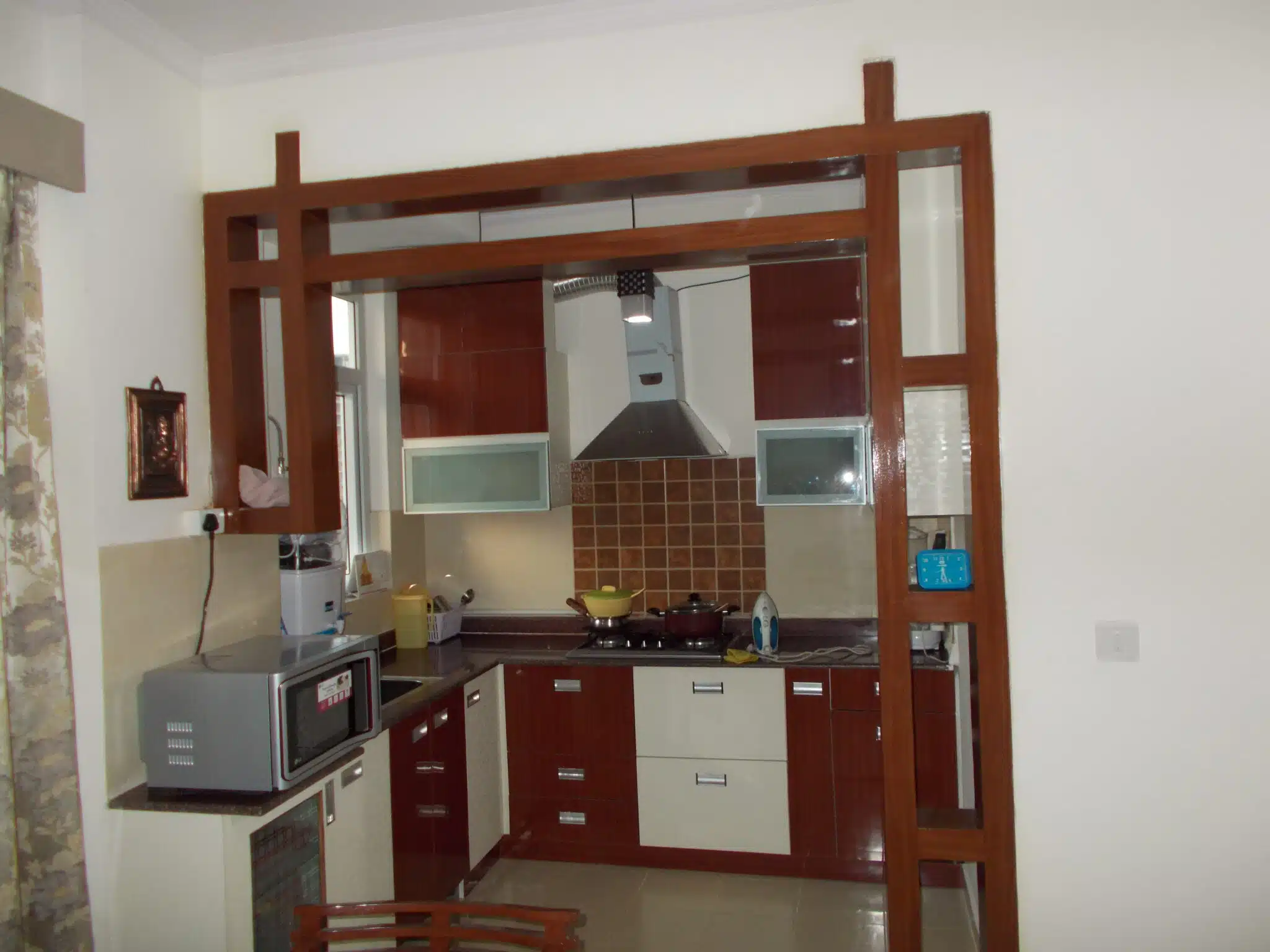
Why Choosing the Right Modular Kitchen Materials Matters
A modular kitchen is exposed to heat, moisture, cooking oil, food spills, regular cleaning and frequent opening and closing of cabinets. The materials used in its construction should be selected according to these everyday conditions.
A good kitchen design balances cabinet strength, surface protection, attractive finishes and suitable hardware. The most expensive material is not necessarily the best choice for every home. Correct specification, fabrication, edge sealing and installation are equally important.
Durability
Suitable core materials and quality hardware help cabinets withstand regular opening, closing and storage loads.
Moisture Management
Appropriate material grades, edge protection and careful installation help reduce moisture-related damage.
Easy Maintenance
Practical surface finishes make everyday cleaning easier and help maintain the kitchen’s appearance.
Design Flexibility
Different finishes offer matte, glossy, textured, natural and contemporary visual effects.
Budget Control
Comparing material grades and finish options helps allocate the budget to the areas that matter most.
Long-Term Value
Well-specified materials and professional installation can reduce avoidable repairs and replacement costs.
Quick Answer: Which Material Is Best for a Modular Kitchen?
There is no single best material for every modular kitchen. Good-quality, appropriately graded plywood is a commonly considered option for cabinet carcasses, while HDHMR and MDF may suit selected applications when their specifications and moisture exposure are appropriate. Laminates, acrylic, PU paint and other finishes can provide different appearances and maintenance characteristics. Choose the material according to the cabinet location, budget, expected use and manufacturer’s technical specifications.
Best Materials for Modular Kitchen Cabinets
The cabinet core forms the structural foundation of a modular kitchen. Before choosing a finish, understand the characteristics and limitations of the board or panel used underneath it.
Plywood
Plywood is made from bonded wood veneers and is widely used in cabinetry. Its suitability depends on grade, thickness, bonding quality, edge protection and exposure conditions. Choose a specification appropriate for the intended kitchen application.
HDHMR Board
High-density high-moisture-resistant board is an engineered panel used in selected cabinetry applications. Check its actual technical rating, density, thickness and manufacturer’s guidance before specifying it near moisture-prone areas.
MDF
Medium-density fibreboard has a smooth surface that can be useful for painted and decorative finishes. Standard MDF should not be treated as waterproof. Moisture-resistant grades still require suitable edge protection and installation.
Particle Board
Particle board is made from wood particles bonded into panels. It can be a budget-conscious option for certain modular furniture applications, but its grade, fixing strength and moisture exposure should be carefully considered.
Blockboard
Blockboard has a core made from wooden strips between veneer layers. It may be considered for selected furniture and panel applications, subject to the required structural properties and product quality.
Solid Wood
Solid wood can create a warm, natural appearance for selected kitchen elements. It needs appropriate finishing and maintenance, and its movement with changes in humidity should be considered in the design.
Plywood vs MDF vs HDHMR vs Particle Board
Compare the general characteristics of commonly used cabinet materials. Actual performance varies by manufacturer, grade, thickness, construction and installation.
| Material | General Characteristics | Potential Applications | Important Considerations |
|---|---|---|---|
| Plywood | Layered veneer construction; available in different grades | Cabinet carcasses, shelves and selected shutters | Verify grade, bonding, thickness and edge sealing |
| HDHMR | High-density engineered panel | Selected cabinet and shutter applications | Check technical moisture rating and fixing requirements |
| MDF | Smooth and consistent surface | Painted panels and decorative applications | Use suitable grade and protect exposed edges |
| Particle board | Engineered wood-particle panel | Budget-oriented modular furniture applications | Check density, screw holding and moisture exposure |
| Blockboard | Strip-wood core construction | Selected panels and furniture components | Assess core quality and suitability for the design |
| Solid wood | Natural grain and character | Decorative details and selected kitchen elements | Requires appropriate finishing and humidity management |
This is a general comparison, not a product certification or universal performance ranking. Request the manufacturer’s technical data for the exact material being quoted.
Popular Modular Kitchen Finishes for Modern Homes
The finish determines much of the kitchen’s visible character. It can create a glossy contemporary look, a subtle matte appearance or a natural wood-inspired design.
Laminate Finish
Decorative laminates are available in a wide range of colours, textures and patterns. They are popular for practical cabinet surfaces and can offer a good balance of appearance and maintenance.
Acrylic Finish
Acrylic surfaces are known for their smooth, reflective appearance and rich colour options. They can create a sleek modern kitchen, although fingerprints and scratches may be more visible on some finishes.
PVC Finish
PVC-based decorative surfaces are available in different colours and patterns. Confirm the product construction, heat suitability and manufacturer’s maintenance instructions before use.
PU Paint Finish
Polyurethane paint can provide a refined painted appearance in matte, satin or glossy options. Finish quality depends on surface preparation, application and curing.
Veneer Finish
Natural wood veneer offers authentic grain patterns and a warm, premium look. It requires suitable sealing and care, particularly in areas exposed to moisture and spills.
Glass Finish
Glass-fronted shutters can create a sleek, contemporary appearance. Consider suitable safety glass, compatible framing and regular cleaning requirements.
Membrane Finish
Membrane shutters use a decorative film over a shaped substrate to create different profiles and colours. Ask about heat exposure, edge quality and product warranty.
Textured Finish
Textured laminates and decorative panels add visual depth and can imitate natural materials. Choose a texture that remains practical to clean.
Matte Finish
Matte surfaces create a soft, understated appearance. Fingerprint visibility and cleaning performance depend on the exact product and surface technology.
Laminate vs Acrylic vs PU Paint vs Veneer
| Finish | Appearance | Maintenance Considerations | Suitable Design Direction |
|---|---|---|---|
| Laminate | Matte, glossy, textured and wood-look options | Generally easy to clean with suitable products; protect joints and edges | Modern, minimal and practical kitchens |
| Acrylic | Smooth and reflective | Use non-abrasive cleaning methods; surface marks vary by product | Contemporary and high-gloss kitchens |
| PU paint | Seamless painted appearance | Follow finish-specific cleaning and repair guidance | Premium and customised designs |
| Veneer | Natural wood grain | Needs suitable sealing and protection from standing moisture | Warm, natural and luxury-inspired kitchens |
| Glass | Reflective or translucent surface | Regular cleaning; check glass and frame specifications | Contemporary feature cabinets |
| Membrane | Decorative profiles and colours | Check product-specific heat and edge-care instructions | Shaker-style and shaped shutters |
Best Countertop Materials for Modular Kitchens
The countertop is one of the most frequently used surfaces in a kitchen. It should be selected for practical food preparation, cleaning, heat exposure and the overall design.
- Granite: A natural stone option available in many patterns. Sealing and care requirements depend on the particular stone.
- Quartz: An engineered stone surface with consistent patterns and a range of colours. Follow manufacturer guidance regarding heat and cleaning.
- Marble: Offers natural veining and a distinctive appearance, but can be more susceptible to staining and etching.
- Solid surface: Provides design flexibility and can allow inconspicuous joints in suitable installations. Heat and scratch care vary by product.
- Porcelain slabs: Available in different patterns and finishes. Professional fabrication and edge detailing are important.

Kitchen Backsplash Materials and Finishes
A backsplash protects the wall behind the countertop and cooking area while adding a decorative element. Choose a surface that is suitable for the heat exposure, cleaning requirements and installation location.
Ceramic Tiles
Available in many sizes, colours and patterns. Grout selection and maintenance should be considered during planning.
Porcelain Tiles
Offer a wide range of decorative options and can be used for suitable wall applications. Select the correct product and installation system.
Glass Backsplash
Creates a smooth, modern appearance. Use glass specified for the intended location and installation conditions.
Stone Backsplash
Can coordinate with natural stone countertops. Check sealing, staining and cleaning requirements.
Quartz Backsplash
Can create a coordinated worktop-to-wall appearance where the selected product is approved for that application.
Decorative Panels
Some wall panels offer distinctive patterns and textures. Confirm suitability near heat, water and cooking equipment.
Choose the Right Modular Kitchen Hardware
Even high-quality cabinet materials need reliable hardware to perform well. Hinges, drawer runners, handles and lifting mechanisms affect everyday convenience and the overall life of the kitchen.
Soft-Close Hinges
Help cabinet doors close gently and reduce abrupt movement. Choose compatible hinges for the shutter size and weight.
Drawer Channels
Support drawer movement and load. Compare extension type, rated capacity, adjustment and installation requirements.
Handles and Profiles
Coordinate handles, edge profiles or handleless systems with the cabinet design and ease of use.
Lift-Up Mechanisms
Can improve access to selected overhead cabinets. Check shutter dimensions, weight limits and required clearances.
Pull-Out Hardware
Use suitable mechanisms for pantry units, corner cabinets and storage baskets. Confirm compatibility and load ratings.
Adjustable Shelf Supports
Allow shelf positions to change according to stored items. Ensure supports and panels are suitable for the intended load.
Popular Modular Kitchen Colour and Finish Combinations
The combination of cabinet colours, countertop materials, backsplash and hardware determines the overall visual character of the kitchen.
White and Natural Wood
White cabinets paired with wood-look finishes create a bright and warm appearance. A darker countertop can add contrast.
Grey and White
Grey lower cabinets with white upper cabinets offer a balanced contemporary look. Choose undertones that complement the lighting.
Beige and Cream
Soft neutral tones create a calm, understated kitchen. Textured finishes can add depth without strong colour contrast.
Navy and White
Deep blue lower cabinets paired with lighter upper units create a distinctive modern combination.
Olive and Wood
Muted green tones combined with natural wood-inspired finishes create an earthy, relaxed appearance.
Charcoal and Warm Stone
Dark cabinets paired with a lighter stone-look countertop can create a refined contrast. Adequate lighting is important.
Best Modular Kitchen Materials for Small Apartments
Compact kitchens need careful material and colour selection. The aim is to create a practical space that is easy to maintain without making the room feel visually crowded.
- Consider lighter cabinet colours to create a visually open appearance.
- Use durable, easy-to-clean finishes on frequently handled shutters.
- Choose cabinet materials according to moisture exposure and intended use.
- Use vertical storage and suitable pull-out accessories.
- Coordinate the countertop and backsplash for a clean visual flow.
- Avoid unnecessary decorative details that reduce usable space.
- Plan lighting to make work surfaces practical and comfortable.
How to Select Materials for Different Kitchen Areas
Base Cabinets
Prioritise suitable structural panels, secure fixing and careful edge protection. Base units may be exposed to spills and cleaning water.
Wall Cabinets
Choose appropriate panel thickness, reliable fixings and hardware suited to shutter size and weight.
Sink Cabinet
Pay special attention to plumbing access, leakage prevention and material protection. No board should be assumed to be waterproof without verified specifications.
Shutters
Select laminates, acrylic, PU paint, veneer or other finishes according to the desired appearance and maintenance needs.
Countertop
Compare stone or engineered surfaces for cleaning, heat exposure, staining, fabrication and installation requirements.
Backsplash
Choose wall finishes suitable for the location, especially around the hob and sink where heat, grease and water are common.
How to Make Modular Kitchen Materials Last Longer
- Wipe spills promptly, especially around the sink and countertop joints.
- Use cleaning products recommended for the selected finish.
- Avoid abrasive pads and harsh chemicals unless the manufacturer permits them.
- Check sink, plumbing and countertop joints periodically for signs of leakage.
- Keep cabinet edges and exposed panel surfaces properly sealed.
- Do not place hot cookware directly on surfaces unless they are specifically rated for it.
- Keep cabinet ventilation and appliance clearances in accordance with product requirements.
- Have loose hinges and drawer channels adjusted before they cause further damage.
- Follow the manufacturer’s maintenance instructions for stone, veneer, acrylic and painted surfaces.
How Much Do Modular Kitchen Materials and Finishes Cost?
The cost of a modular kitchen depends on its size, layout, cabinet construction, finish selection, countertop, accessories, hardware and installation requirements. Premium finishes and specialised mechanisms can increase the overall project budget.
Instead of comparing quotations only by the final amount, ask each supplier to specify the exact material and finish used for every major component.
What Your Kitchen Quotation Should Include
- Cabinet carcass material, grade and thickness.
- Shutter core material and selected finish.
- Internal laminate or surface treatment, where applicable.
- Countertop material, thickness and edge details.
- Backsplash material and installation details.
- Hinges, drawer channels and accessory specifications.
- Installation, transportation and applicable taxes.
- Warranty coverage and after-sales service terms.
For further planning, explore our Modular Kitchen Design and Interior Design Services pages.
Common Mistakes When Choosing Kitchen Materials and Finishes
- Choosing only by appearance: A beautiful finish may not be suitable for every kitchen location.
- Ignoring material grade: Ask for the exact product specification instead of accepting a generic material name.
- Assuming moisture resistance means waterproof: Check technical ratings and protect edges and joints.
- Overlooking hardware quality: Weak or unsuitable fittings can affect cabinet usability.
- Using the same material everywhere: Different kitchen zones may need different specifications.
- Ignoring maintenance: Some finishes need more careful cleaning than others.
- Skipping samples: View finish samples under your kitchen’s actual lighting before finalising colours.
- Accepting vague quotations: Make sure materials, thicknesses, finishes and hardware are clearly documented.
Modern Modular Kitchen Materials and Finish Inspiration
Explore these kitchen and interior design references for ideas on cabinet colours, surface combinations and contemporary kitchen styling. Images are design inspiration and do not verify the exact material specification used.
Modular Kitchen Materials and Finishes in Gurgaon, Noida and Delhi NCR
Homeowners in Gurgaon, Noida and Delhi NCR can choose from a wide range of cabinet materials, decorative finishes, countertop surfaces and kitchen hardware. The right combination depends on the home layout, cooking habits, family requirements and available budget.
For apartments, practical laminates, suitable cabinet panels and efficient storage can be useful choices. Larger kitchens may allow additional finish combinations, feature shutters, pantry units and coordinated countertops. In every case, material selection should account for heat, moisture, ventilation and maintenance.
Explore local services: Interior Designers in Gurgaon | Interior Designers in Noida
Modular Kitchen Material Selection Checklist
- Have you selected the cabinet carcass material and grade?
- Are panel thicknesses and specifications documented?
- Have moisture-prone areas been planned with appropriate protection?
- Have you compared laminate, acrylic, PU paint and veneer finishes?
- Have you selected a suitable countertop and backsplash?
- Are hinges, drawer channels and accessories specified?
- Have you checked samples in the actual kitchen lighting?
- Are cleaning and maintenance requirements understood?
- Does the quotation include installation and warranty details?
- Are all material and hardware specifications recorded in writing?
FAQs About the Best Modular Kitchen Materials and Finishes
Which material is best for modular kitchen cabinets?
Good-quality plywood, HDHMR and other engineered panels may be suitable depending on their specifications and application. Compare grade, thickness, bonding, moisture performance, fixing strength and installation requirements before selecting a cabinet material.
Is plywood better than MDF for a modular kitchen?
Plywood and MDF have different construction and performance characteristics. Plywood is commonly considered for cabinet construction, while MDF offers a smooth surface for selected decorative and painted applications. The correct choice depends on grade, location, moisture exposure and design requirements.
Is HDHMR suitable for modular kitchens?
HDHMR is used in selected cabinetry applications. Its suitability depends on the manufacturer’s technical specifications, thickness, moisture rating, fixing requirements and installation quality. Do not assume that every HDHMR product is waterproof.
Which is better for kitchen shutters: acrylic or laminate?
Acrylic provides a smooth, reflective appearance, while laminates offer a wide variety of matte, glossy and textured options. Compare the exact products for scratch visibility, cleaning, edge detailing, appearance and budget.
Are matte kitchen finishes better than glossy finishes?
Neither is universally better. Matte finishes provide a softer appearance, while glossy finishes reflect more light and can make a kitchen look brighter. Fingerprint and cleaning performance vary by product.
Which countertop material is best for a modular kitchen?
Granite, quartz, porcelain and solid-surface materials are options worth comparing. Consider heat exposure, staining, maintenance, fabrication, edge details and manufacturer instructions before choosing.
What is the most durable kitchen finish?
Durability depends on the product’s construction, surface quality, edge treatment, installation and daily use. A well-specified laminate can be practical for many kitchens, while other finishes may suit different design and maintenance priorities.
Which kitchen material is easiest to maintain?
Many good-quality laminates are relatively easy to clean with suitable products. However, maintenance also depends on the finish texture, joints, edge quality and cleaning instructions supplied by the manufacturer.
Can I mix different finishes in one modular kitchen?
Yes. You can combine matte and glossy laminates, wood-look finishes, acrylic shutters and coordinated countertop surfaces. Use a consistent colour palette and select finishes according to the function of each kitchen area.
How do I choose modular kitchen materials in Gurgaon and Noida?
Start with your kitchen layout, cooking habits and budget. Compare material grades, finishes, hardware and installation specifications. Ask for physical samples and an itemised quotation before confirming the design.
Related Interior Design Resources
Continue planning your kitchen and home with these resources:
Choose the Right Materials for a Beautiful and Functional Kitchen
The Best Modular Kitchen Materials and Finishes are those that suit your space, cooking habits, maintenance preferences and budget. Discuss cabinet construction, countertop options, colours and finishes with InteriorAtoZ before finalising your kitchen.