Best Materials for Modular Kitchen in Greater Noida West
Choosing the best materials for a modular kitchen in Greater Noida West is essential for creating a kitchen that looks attractive, handles everyday cooking and remains practical to maintain. The right combination of cabinet boards, shutter finishes, countertop surfaces and hardware can make a significant difference to kitchen performance.
Whether you are designing a new kitchen in a 2BHK, 3BHK or 4BHK apartment in Noida Extension, this guide explains how to compare plywood, HDHMR, MDF, laminates, acrylic, quartz, granite and other popular options.
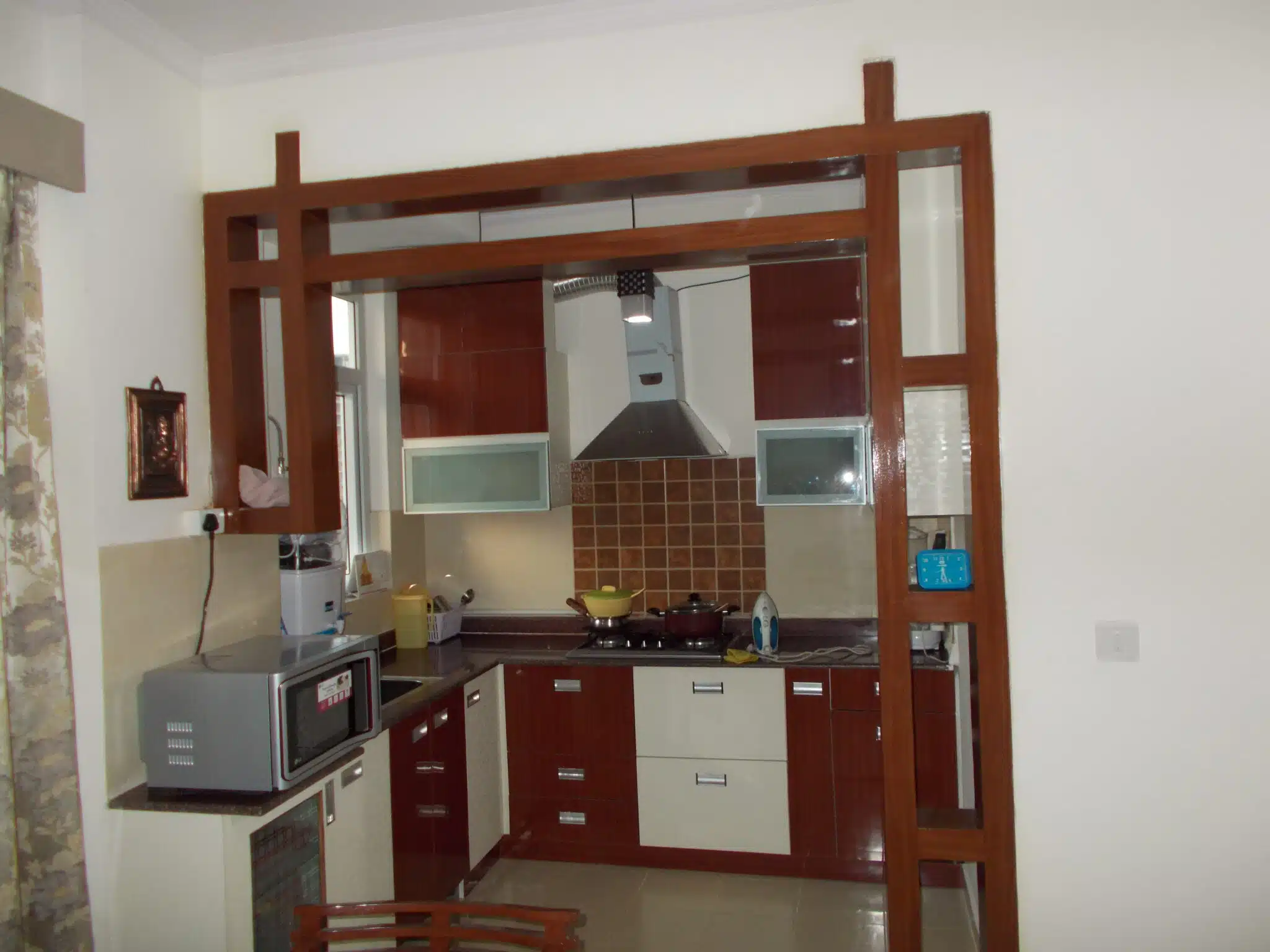
Quick Answer: What Are the Best Materials for a Modular Kitchen?
For many Indian homes, a well-specified plywood carcass, suitable HDHMR or plywood shutters, durable laminate finishes, a granite or quartz countertop and reliable branded hardware make a practical modular kitchen combination.
There is no single best material for every kitchen. The sink cabinet, wall cabinets, shutters, countertop and storage accessories perform different jobs and should be specified individually.
1. Understand the Main Materials Used in a Modular Kitchen
A modular kitchen contains several components. The board that forms the cabinet structure is different from the decorative finish applied to the shutter. The countertop and hardware are separate material decisions.
Cabinet carcass
The internal box structure, including sides, top, bottom, shelves and partitions. It supports the kitchen storage system.
Shutters
The visible cabinet doors and drawer fronts. They can use plywood, HDHMR, MDF or other suitable substrates.
Surface finish
Laminate, acrylic, PU paint, veneer and other finishes determine the appearance and cleaning requirements.
Countertop
The work surface, commonly made from granite, quartz or other suitable stone and engineered surfaces.
Hardware
Hinges, drawer channels, baskets, handles and pull-out systems affect daily convenience.
Backsplash
The wall surface behind the countertop protects the wall from splashes, grease and everyday cooking marks.
2. Plywood: A Popular Choice for Modular Kitchen Cabinets
Plywood is manufactured by bonding thin wood veneers in layers. Its cross-layer construction gives it useful structural strength and screw-holding performance, making it a common choice for kitchen carcasses and shutters.
Why consider plywood?
- Good structural performance when the correct grade and thickness are selected.
- Useful screw-holding ability for hinges and cabinet fittings.
- Available in different grades for different moisture conditions.
- Can be finished with laminates, veneer and suitable paint systems.
- Suitable for many base cabinets, wall cabinets and tall units.
Common plywood grades
| Grade | General description | Potential kitchen application | Important note |
|---|---|---|---|
| MR | Moisture-resistant plywood. | Suitable dry interior applications where product specifications allow. | Not intended to be treated as waterproof. |
| BWR | Boiling-water-resistant plywood. | May be considered for suitable kitchen cabinet applications. | Check the applicable standard and manufacturer’s claims. |
| BWP | Boiling-water-proof category, commonly associated with marine-grade plywood. | Useful for selected wet-zone cabinet applications when correctly specified. | Verify the product certification and applicable standard, such as IS 710 where claimed. |
For a kitchen in Greater Noida West, the board grade should be chosen according to the cabinet location. A sink cabinet needs more attention to moisture protection than a wall cabinet away from water.

3. HDHMR Board for Modular Kitchen Cabinets
HDHMR stands for High Density High Moisture Resistant board. It is an engineered wood-fibre panel with a relatively dense and uniform surface.
It can be considered for suitable shutters, decorative panels and selected cabinet applications when the product specifications support the intended use.
Advantages
- Uniform surface for smooth decorative finishes.
- Useful for selected routed and profiled shutter designs.
- Can accept suitable laminate and paint systems.
- Offers a more moisture-resistant option than standard MDF, depending on the product.
What to verify
- Manufacturer’s technical datasheet.
- Recommended application and thickness.
- Edge sealing and fixing instructions.
- Suitability for the intended wet or dry kitchen zone.
4. MDF: Is It Suitable for Modular Kitchens?
MDF, or Medium Density Fibreboard, is manufactured using wood fibres and resin. Its smooth surface makes it useful for decorative shutters and painted finishes in suitable dry applications.
Smooth finish
MDF offers a uniform surface for selected painted, laminated and decorative applications.
Design flexibility
It can be machined into suitable routed profiles and decorative patterns.
Moisture caution
Standard MDF can swell when water enters through exposed edges or damaged surfaces.
Standard MDF is generally not a preferred choice for sink-base cabinets or locations exposed to recurring water contact. Moisture-resistant MDF products should also be checked against their technical specifications rather than assumed suitable for every kitchen location.
5. Particle Board: A Budget-Oriented Option
Particle board is manufactured from wood particles bonded with resin under pressure. It is available in pre-laminated formats and can be used in selected budget furniture applications.
However, it generally has lower moisture tolerance and less robust screw-holding performance than good-quality plywood. Water entering damaged edges can cause swelling and deterioration.
6. Choose the Right Board for Each Kitchen Zone
A good modular kitchen specification is based on where each cabinet is located. The moisture exposure and load are not the same throughout the kitchen.
| Kitchen zone | Materials to consider | Important selection point |
|---|---|---|
| Under-sink cabinet | Suitable BWP plywood or another specifically approved wet-zone product. | Water exposure, plumbing access and edge sealing. |
| Other base cabinets | Suitable BWR or BWP plywood. | Load, moisture exposure and cabinet construction. |
| Wall cabinets | Suitable plywood or approved HDHMR product. | Load capacity and secure wall fixing. |
| Tall pantry | Suitable plywood or approved engineered panel. | Shelf span, stored weight and stability. |
| Shutters | Plywood, HDHMR or suitable MDF. | Shutter size, weight, finish and hinge compatibility. |
| Drawer boxes | Plywood or manufacturer-approved drawer material. | Load rating, runner compatibility and joint quality. |
7. Best Modular Kitchen Shutter Finishes
The shutter finish is the visible surface of the cabinet. It affects the kitchen’s colour, texture, appearance and cleaning routine. Remember that a finish is not the same as the board underneath it.
Laminate
A practical everyday finish available in matte, gloss, textured and wood-look designs. It offers a broad choice of colours and patterns.
Acrylic
A smooth, reflective finish for contemporary kitchens. Glossy surfaces can show fingerprints and scratches more visibly.
PU paint
A painted finish that allows a wide range of colours and selected surface effects. Application quality and maintenance matter.
Veneer
A natural wood surface that provides grain variation and warmth. It needs suitable sealing and care.
Membrane
A wrapped finish that can be used for selected shaped and routed shutters. Check the product’s heat and moisture suitability.
Glass and aluminium
Useful for selected display cabinets and contemporary designs. Check safety backing, frame quality and fitting details.
8. Laminate vs Acrylic vs PU: Which Finish Should You Choose?
| Finish | Appearance | Maintenance considerations | Suitable for |
|---|---|---|---|
| Matte laminate | Soft, understated surface. | Often practical for everyday cleaning; texture affects marks and cleaning. | Busy family kitchens and everyday use. |
| Gloss laminate | Reflective and bright. | May show smudges depending on colour and surface. | Contemporary kitchen designs. |
| Acrylic | High-gloss, smooth appearance. | Fingerprints and scratches can be more visible. | Premium modern kitchens. |
| PU paint | Seamless painted appearance. | Requires suitable cleaning and care; repair matching may be difficult. | Custom-colour and premium designs. |
| Veneer | Natural wood grain. | Needs finish-specific maintenance and protection. | Warm, natural and luxury interiors. |
| Membrane | Continuous surface over selected profiles. | Check heat exposure, edge condition and product guidance. | Traditional or shaped shutter designs. |
For many everyday kitchens, good-quality laminate is a practical balance of appearance and maintenance. Acrylic and PU may be chosen for a particular visual effect, but they do not automatically make the cabinet carcass stronger or more moisture-resistant.
9. Best Countertop Materials for Modular Kitchens
The countertop is exposed to cutting, heat, spills, cleaning products and everyday cooking. Select it according to the way your household uses the kitchen.
Popular countertop options
- Granite: A widely used natural stone with good heat tolerance. Sealing and maintenance depend on the specific stone.
- Quartz: An engineered surface available in many colours and patterns. Follow manufacturer guidance about heat exposure and hot cookware.
- Sintered stone: A manufactured surface available in selected large-format designs. Check thickness, edge fabrication and installation requirements.
- Solid surface: Can provide a visually continuous finish and selected seamless details. Heat and scratch limitations vary by product.
- Stainless steel: A hygienic, practical surface in certain professional or contemporary kitchen settings, although scratches and marks may be visible.
10. Granite vs Quartz Countertop
| Feature | Granite | Quartz |
|---|---|---|
| Material type | Natural stone. | Engineered stone surface. |
| Appearance | Natural variation in grain and pattern. | More controlled patterns and colour consistency. |
| Heat | Generally handles heat well, but care is still advisable. | Can be affected by high heat; use trivets and follow manufacturer guidance. |
| Stain care | Some varieties may require sealing and prompt spill cleaning. | Generally low porosity, but stain resistance depends on the product. |
| Maintenance | Depends on stone type and sealing. | Follow product-specific cleaning recommendations. |
| Design choice | Natural patterns and colours. | Consistent colours and selected modern patterns. |
Always check the actual countertop sample and manufacturer’s specifications. Ask the fabricator about thickness, edge profile, sink cut-out, hob cut-out, support and installation.
11. Best Backsplash Materials for Indian Kitchens
The backsplash protects the wall behind the cooking and washing areas. It should be easy to clean and suitable for the heat and moisture exposure of its location.
Ceramic tiles
A practical option with many colours, patterns and price points. Pay attention to grout quality and cleaning.
Porcelain tiles
Available in different sizes and finishes. Suitable products can offer a dense, easy-care wall surface.
Glass panels
Provide a smooth surface with minimal grout joints. Confirm heat suitability and installation details.
Stone backsplash
Can coordinate with the countertop. Confirm sealing, cleaning and stain-care requirements.
Stainless steel
Useful in selected contemporary kitchens and cooking zones. Fingerprints and scratches may be visible.
Quartz or matching slab
Can create a coordinated countertop-to-wall appearance where product and installation details permit.
12. Kitchen Hardware: Do Not Compromise on the Hidden Details
Hardware affects how the kitchen operates every day. A good cabinet board cannot compensate for poor-quality hinges, unsuitable drawer channels or badly installed pull-out accessories.
- Hinges: Select according to shutter size, weight and opening angle.
- Drawer channels: Check extension type, load rating and smooth operation.
- Soft-close systems: Useful for reducing sudden closing when correctly specified.
- Corner units: Select a carousel or pull-out system that suits the cabinet dimensions.
- Pantry baskets: Check the available cabinet width, depth and load rating.
- Handles: Choose a comfortable shape and suitable fixing method.
- Lift-up fittings: Confirm shutter weight and compatibility with the selected mechanism.
Brands such as Hettich, Häfele and Blum offer different hardware ranges. Compare the exact model and product specifications rather than relying only on the brand name.
13. Edge Banding and Moisture Protection
Edge protection is one of the most important details in a modular kitchen. Cut edges can allow moisture to enter the board if they are not properly finished and sealed.
What to check
- All exposed cabinet edges should receive suitable edge banding or sealing.
- Ask whether the edge band is PVC, ABS or another specified product.
- Confirm thickness and application quality in vulnerable zones.
- Inspect joints around the sink and plumbing cut-outs.
- Check how the cabinet base is protected from floor-mopping water.
- Ensure the sink cabinet allows access for plumbing inspection and repairs.
- Resolve wall seepage and plumbing leaks before installing cabinets.
14. Choose Kitchen Materials According to Your Budget
Material selection should balance performance and appearance. Instead of spending the entire budget on premium shutters, prioritise the cabinet construction, moisture protection, hardware and countertop.
| Budget approach | Material combination to consider | Planning priority |
|---|---|---|
| Value-focused | Suitable plywood carcass, practical laminate shutters, standard reliable hardware and granite countertop. | Core cabinet quality and essential storage. |
| Mid-range | Appropriate BWR/BWP plywood, selected HDHMR shutters, better laminate or acrylic and upgraded drawer systems. | Balance daily performance with finish quality. |
| Premium | Higher-specification plywood, premium laminate or PU finishes, branded accessories and quartz countertop. | Finish consistency, hardware and tailored storage. |
| Luxury | Custom finishes, selected veneer or lacquer, premium stone surfaces and advanced storage systems. | Design detailing and coordinated material selection. |
These are material-planning examples, not fixed price packages. Actual cost depends on kitchen size, cabinet configuration, product brand, hardware, installation and local quotations.
15. Best Materials for Small Modular Kitchens in Greater Noida West
Compact kitchens need careful material selection because storage is limited and cabinet surfaces receive frequent use. A practical design should make cleaning, access and movement easy.
- Use suitable durable boards for the cabinet structure.
- Consider matte or textured laminates for a practical everyday finish.
- Use pull-out drawers to improve access to deep base cabinets.
- Choose a light or balanced colour palette if the room has limited daylight.
- Plan a suitable countertop with enough working space.
- Use vertical storage where the ceiling height and access permit.
- Keep the sink, hob and refrigerator positions coordinated with the layout.
Explore more ideas in our guide to space-saving furniture for Indian apartments.
16. Select Kitchen Colours and Finishes Carefully
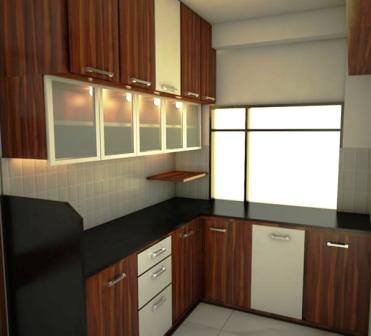
The best material combination should complement the flooring, wall colour, natural light and overall home design.
- White and light oak: A clean, warm combination for modern apartments.
- Beige and walnut: A natural-looking palette for a warm kitchen.
- Grey and white: A contemporary neutral combination.
- Olive green and cream: A softer, nature-inspired palette.
- Navy and light stone: A contrasting combination for a distinctive kitchen.
- Matte black and wood: A dramatic palette that needs thoughtful lighting and maintenance planning.
Ask for physical samples and inspect them in the kitchen under daylight and artificial lighting before final approval.
17. Materials to Be Careful About in Kitchen Wet Zones
The sink cabinet and plumbing area face a higher risk of water exposure than most other parts of the kitchen. Avoid choosing materials only because they are inexpensive or look attractive in a sample.
Unsealed MDF
Can swell if water enters through cut edges or damaged surfaces. Do not use standard MDF in recurring wet exposure.
Particle board
Needs particular caution around plumbing, the sink and floor-level water exposure.
Poor edge finishing
Unprotected cuts and joints can allow water to enter the board.
Also avoid placing ordinary cabinet boards in direct contact with damp walls or standing water. Fix the underlying moisture problem rather than relying on a more expensive board alone.
18. Local Material Planning for Greater Noida West Homes
When planning a modular kitchen in Greater Noida West or Noida Extension, consider the actual site conditions and the way your family uses the kitchen.
- Apartment kitchen dimensions: Take site measurements after checking finished wall surfaces and openings.
- Water and plumbing points: Finalise the sink, dishwasher and water purifier positions before cabinet production.
- Ventilation: Coordinate chimney ducting and exhaust requirements with the building’s permitted provisions.
- Electrical planning: Confirm dedicated points for the refrigerator, microwave, oven, chimney and other appliances.
- Moisture inspection: Check for leaks or damp walls before fitting base cabinets.
- Society requirements: Confirm renovation permissions, work timings, delivery access and debris rules with the housing society.
- Maintenance access: Keep plumbing connections and service points accessible after installation.
For homes in communities such as Gaur City, Ace City, Ace Divino, Nirala Estate, Panchsheel Greens, Cherry County and other Noida Extension developments, confirm the specific apartment layout and society requirements rather than assuming all kitchens have the same dimensions.
19. Common Mistakes When Choosing Modular Kitchen Materials
Choosing only by colour
The visible finish does not tell you the quality or grade of the board underneath.
Using one board everywhere
Different cabinet zones have different moisture, load and design requirements.
Ignoring edge sealing
Unprotected edges and cut-outs can become vulnerable to moisture.
Buying generic hardware
Unspecified fittings make it difficult to compare quality and warranty.
Overlooking countertop support
Stone surfaces need suitable support and professional installation.
Skipping a written specification
Verbal material promises do not provide a reliable basis for checking delivery.
20. Checklist Before Approving Your Modular Kitchen Materials
- Confirm the board brand and grade for each cabinet zone.
- Specify the thickness of carcass, shelves, shutters and back panels.
- Identify the exact shutter substrate and surface finish.
- Check the laminate, acrylic, veneer or paint sample.
- Specify edge banding and sealing for exposed edges.
- Confirm the countertop material, thickness and edge profile.
- Specify the sink, hob and backsplash requirements.
- Confirm hinge and drawer-channel brands and product ranges.
- List all baskets, pull-outs and internal accessories.
- Check appliance dimensions and service connections.
- Confirm installation, transportation and finishing charges.
- Obtain written warranty terms and exclusions.
Modular Kitchen Design Inspiration for Indian Homes
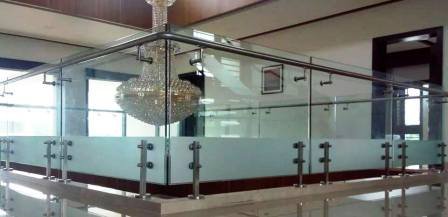
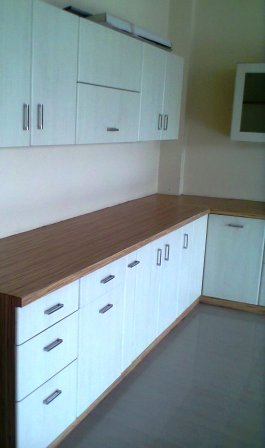
Use these images as general references for kitchen layouts, cabinet finishes and interior colour coordination. They are inspiration images and do not establish the exact material or construction specification used in each kitchen.
Frequently Asked Questions About Modular Kitchen Materials
Which material is best for a modular kitchen in Greater Noida West?
A suitable plywood carcass, appropriate HDHMR or plywood shutters, durable laminate finish, a granite or quartz countertop and reliable hardware are practical choices for many homes. The correct combination depends on moisture exposure, budget, kitchen layout and product specifications.
Which plywood is best for modular kitchen cabinets?
BWR or BWP plywood may be suitable depending on the cabinet location and product specification. BWP plywood is worth considering for higher moisture exposure, such as the sink cabinet. Verify the grade, certification and manufacturer details before purchasing.
Is BWP plywood better than BWR plywood for a kitchen?
BWP plywood is designed for a higher water-resistance category than BWR plywood. However, the appropriate choice depends on the kitchen zone and the verified product specification. BWP may be considered for wet-prone cabinet areas, while suitable BWR products can work in other applications.
Is HDHMR better than plywood for a modular kitchen?
Neither is universally better. Plywood is commonly selected for structural cabinet components and screw-holding requirements. HDHMR offers a uniform surface for selected shutters and panels. Choose according to the component, product datasheet and moisture exposure.
Can MDF be used in modular kitchens?
MDF can be used for selected decorative shutters and panels in suitable dry applications. Standard MDF is not a preferred choice for sink cabinets or recurring water exposure because it can swell if moisture enters the panel.
Is particle board suitable for kitchen cabinets?
Particle board may be used in selected budget-oriented furniture applications, but its moisture tolerance and screw-holding performance are generally more limited than good-quality plywood. Avoid using it in wet-prone locations unless a specific product is approved for that application.
Which finish is best for modular kitchen shutters?
Good-quality laminate is a practical choice for many everyday kitchens. Acrylic offers a glossy appearance, while PU paint and veneer provide other premium design options. Select according to maintenance requirements, product quality and budget.
Is matte laminate better than glossy laminate?
Matte laminate can be practical for hiding some fingerprints and minor surface marks. Glossy laminate reflects light and creates a brighter appearance, but may show smudges more clearly. The better choice depends on the colour, texture and cleaning routine.
Which countertop is better: granite or quartz?
Granite is a natural stone that generally handles heat well, while quartz offers more controlled colours and patterns with relatively low porosity. Both need correct installation and care. Use trivets and follow the specific countertop manufacturer’s guidance.
Which material is best for the sink cabinet?
Consider suitable BWP plywood or another product specifically approved for the wet-zone application. Proper edge sealing, plumbing access and leak prevention are essential. No cabinet material should be treated as a substitute for fixing water leakage.
What thickness is suitable for modular kitchen cabinets?
Thickness depends on the board type, cabinet dimensions, load and manufacturer’s recommendations. Ask for separate written specifications for carcass panels, shelves, shutters and back panels rather than accepting one thickness for every component.
Which hardware brands are used in modular kitchens?
Hettich, Häfele and Blum are examples of established hardware brands with different product ranges. Compare the exact hinge, drawer channel or accessory model, its load rating and warranty instead of relying on a brand name alone.
How can I protect modular kitchen cabinets from moisture?
Use appropriate board grades, seal exposed edges and cut-outs, maintain plumbing connections, fix leaks quickly and avoid standing water around the cabinet base. Inspect the sink cabinet periodically.
Are modular kitchens suitable for small apartments in Noida Extension?
Yes. Modular cabinets can help organise storage in compact kitchens through drawers, pull-outs, corner units and tall storage. The layout should be designed around actual measurements, appliance sizes and movement space.
What should I check in a modular kitchen quotation?
Check board brand and grade, thickness, shutter substrate, finish, edge banding, countertop, hardware models, accessories, installation scope, exclusions, payment milestones and written warranty terms.
Final Thoughts: Choose Modular Kitchen Materials by Function, Not Just Appearance
The best materials for a modular kitchen in Greater Noida West are those that suit the cabinet location, expected load, moisture exposure and daily cooking habits. A suitable plywood carcass, well-chosen shutter finish, durable countertop and reliable hardware can provide a practical foundation for a modern kitchen.
Before approving the design, compare product samples and ask for a written material schedule. Check the board grade, thickness, finish, edge protection and hardware specifications. A carefully planned material combination is more useful than choosing the most expensive finish for every cabinet.
For more ideas, explore our guides to modular kitchen design, modular kitchen accessories and storage solutions and L-shaped vs U-shaped modular kitchens.
Plan Your Modular Kitchen in Greater Noida West
Discuss your kitchen dimensions, preferred materials, storage needs, countertop options and budget before finalising the design. A detailed material schedule can help you compare quotations and understand exactly what will be installed.
Discuss Your Kitchen Interior Project
Explore kitchen planning and interior design services for homes in Greater Noida West, Noida and Delhi NCR.