Transforming Spaces: The Allure of Premium Home Interiors
Premium home interiors are not only about luxury finishes. The most memorable spaces combine comfort, thoughtful planning, quality materials, and personal details that improve everyday living.
What Makes Premium Home Interiors Feel Different?
Walk through beautifully designed homes and a pattern quickly appears. The best interiors feel balanced rather than overcrowded.
Furniture fits naturally. Lighting creates mood. Materials work together instead of competing for attention.
Across Gurgaon, Noida, and Delhi NCR, homeowners increasingly focus on creating homes that feel elegant yet practical for everyday life.
Modern premium interiors are becoming more personal. Comfort and functionality now matter as much as visual design.
Premium Home Interior Inspiration
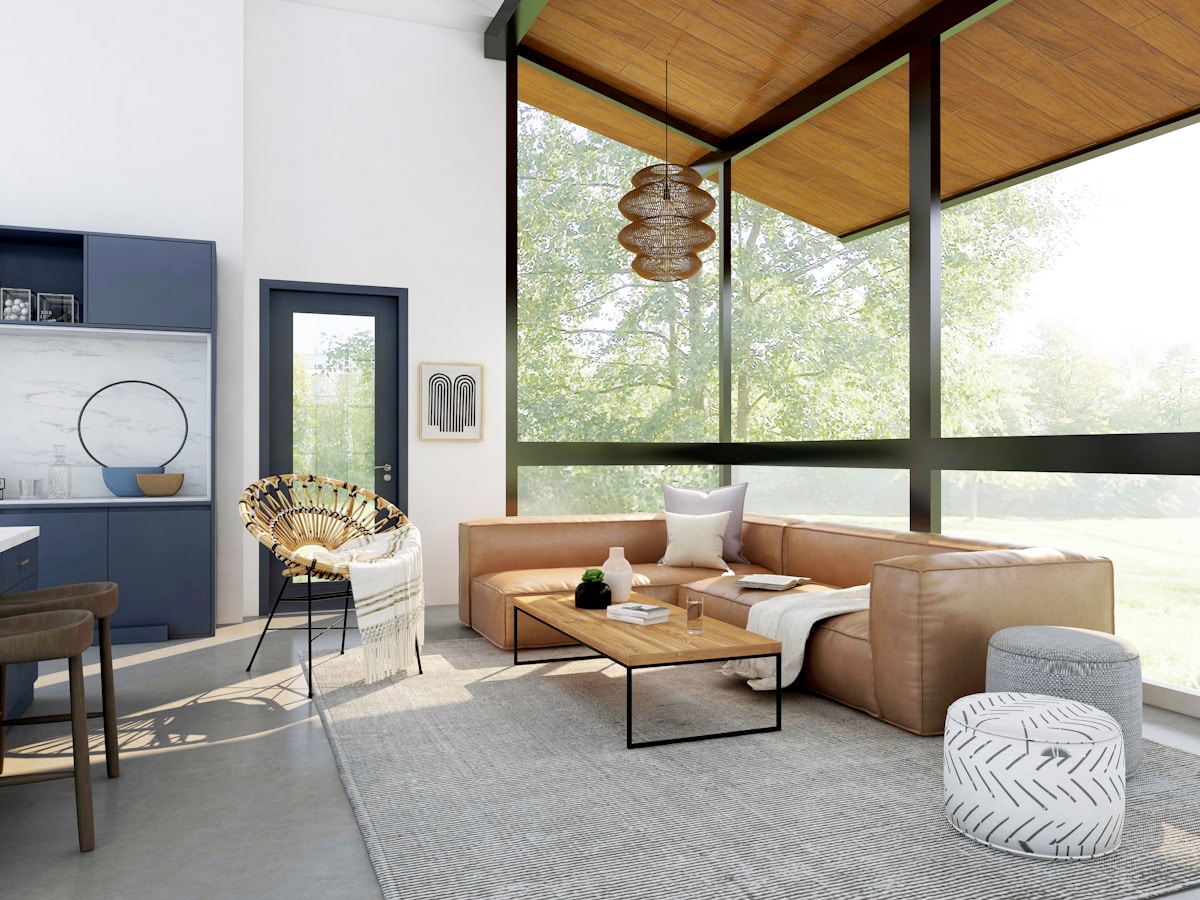
Luxury Living Spaces
Comfort-focused layouts with timeless design
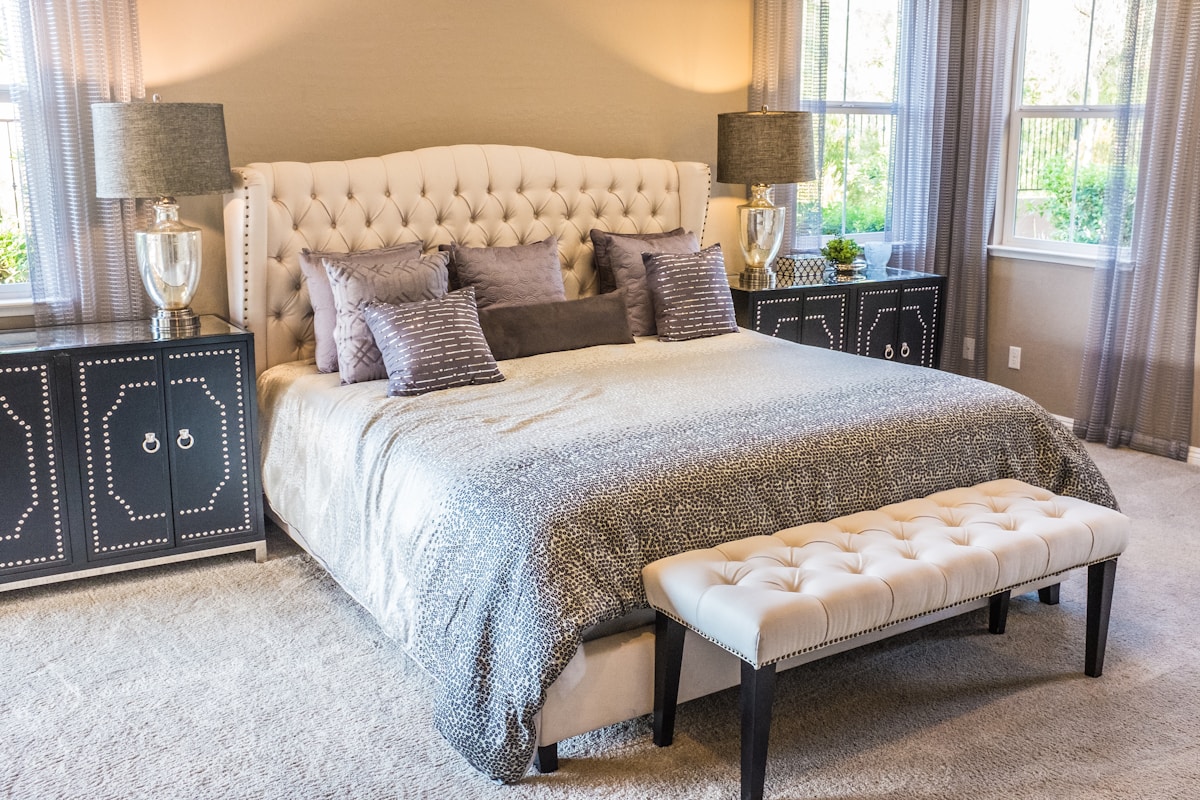
Sophisticated Bedrooms
Warm textures and layered comfort
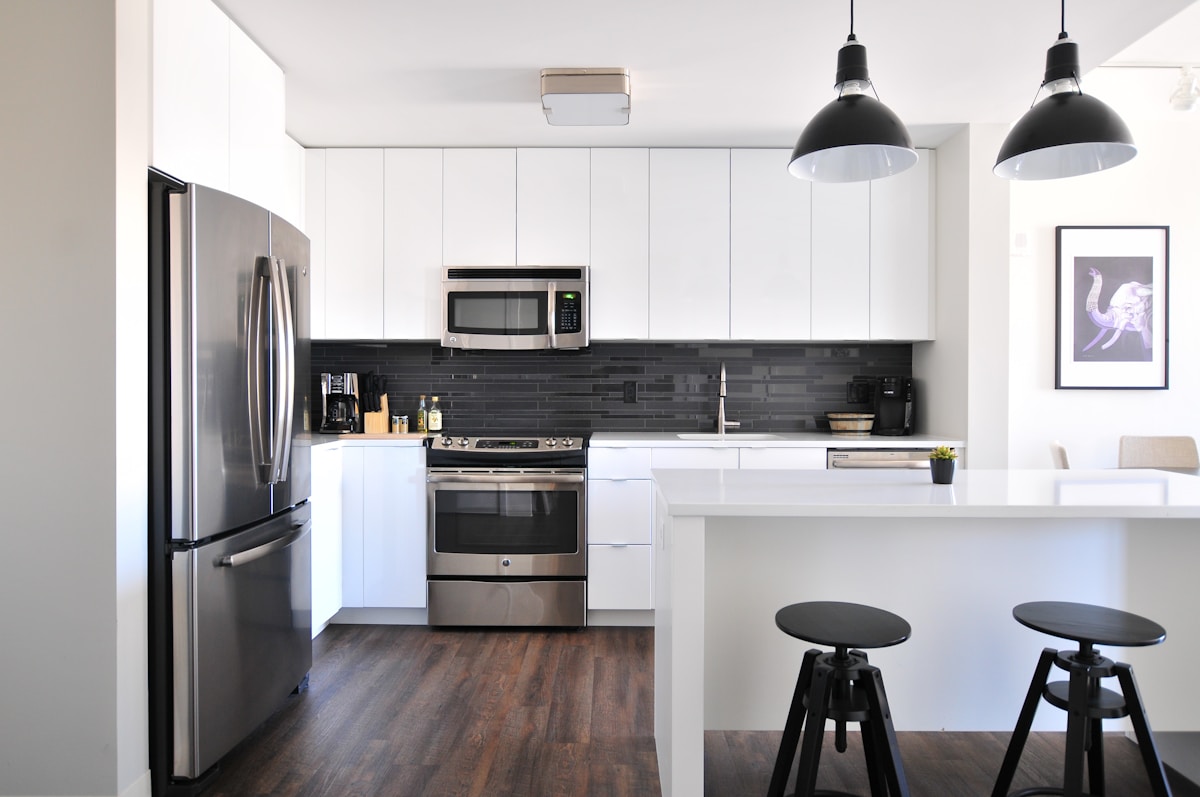
Contemporary Kitchen Design
Modern planning and functional elegance
Design Elements Found in Premium Homes
Thoughtful Space Planning
Good layouts improve movement and functionality.
Layered Lighting
Multiple lighting levels create warmth and depth.
Custom Furniture
Personalized dimensions improve comfort and usability.
Natural Materials
Wood, stone, and textured finishes add character.
Smart Storage Solutions
Cleaner rooms often create a premium feel.
Personal Design Details
Homes become memorable when they reflect personality.
Related Interior Resources
Frequently Asked Questions
What creates a premium interior look?
Balanced layouts, quality materials, lighting, and personalized details often create a premium appearance.
Can premium interiors work in smaller homes?
Yes. Good planning and custom solutions can improve compact spaces.
Do premium interiors require large budgets?
Not always. Careful material selection and design planning can create high-end results at different budget levels.
Ready to Design a Premium Home?
Explore interior design solutions across Gurgaon, Noida and Delhi NCR.
Book Free Consultation
Understanding Premium Home Interiors
Premium home interiors can be defined as spaces that epitomize luxury and sophistication, often characterized by the use of high-quality materials and innovative design solutions. Unlike standard design practices, which may prioritize cost-efficiency and functionality, premium interiors focus on creating a unique, tailored environment that reflects the tastes and lifestyles of the occupants.
One of the hallmark features of premium home interiors is the meticulous selection of materials. This may include the use of rare wood finishes, high-grade stone, or luxury textiles that not only enhance the aesthetics but also provide an unparalleled tactile experience. The craftsmanship involved in these spaces is often bespoke, ensuring that each element—from cabinetry to lighting—is crafted with precision and care. Such attention to detail contributes to an overall sense of exclusivity.
Furthermore, innovative design plays a crucial role in differentiating premium interiors. This encompasses creative layouts and unique architectural elements that foster a harmonious flow throughout the space. Lighting design, for example, is an integral aspect of premium home interiors, as it not only serves a functional purpose but also enhances the ambiance, setting the tone for various areas within the home.
In addition to quality materials and innovative designs, premium home interiors prioritize comfort and functionality. A luxurious space should not only look aesthetically appealing but also be livable and conducive to the occupants’ daily activities. The integration of smart-home technologies, ergonomic furniture, and creative storage solutions exemplifies how comfort can coexist with elegance.
Ultimately, premium home interiors are a testament to the fusion of artistry and functionality, creating spaces that are not only visually stunning but also resonate with the essence of the individuals who inhabit them.
Key Elements of Premium Home Interior Design
Creating a premium home interior requires careful consideration of several key elements that contribute to an overall sense of luxury and comfort. One of the most significant components is the selection of quality furnishings. Premium interior design emphasizes pieces that are not only aesthetically pleasing but also built to last. Investing in high-quality furniture ensures that your space will maintain its charm and functionality over time, leading to a more sustainable design approach.
In addition to the furnishings, the choice of elite materials plays a pivotal role in defining a premium space. Materials such as marble, hardwood, and premium textiles elevate the feel of any room. Marble countertops and hardwood floors resonate with elegance, while luxurious fabrics such as silk or cashmere can enhance the overall comfort and visual appeal of upholstery. Utilizing these materials assists in achieving a cohesive, sophisticated look that reflects meticulous attention to detail.
Furthermore, integrating cutting-edge technology has become increasingly essential in modern interior design. Smart home features can significantly enhance convenience and energy efficiency, allowing homeowners to manage lighting, temperature, and security with ease. This fusion of style and technology results in spaces that are not only beautiful but also functional in today’s fast-paced world.
Lastly, a cohesive color scheme is vital in tying all elements together within your interior design. Selecting complementary colors that blend harmoniously can create a tranquil atmosphere. Neutrals often serve as a foundation, allowing for accent colors to shine through. Thoughtful combinations can evoke the desired mood, whether it be serene, vibrant, or sophisticated.
By focusing on these key elements—quality furnishings, elite materials, cutting-edge technology, and cohesive color schemes—homeowners can truly transform their spaces into luxurious havens.
Current Trends in Premium Interior Design
The realm of premium interior design continuously evolves, influenced by changing lifestyles, technological advancements, and a heightened awareness of environmental sustainability. One of the prevailing trends in luxury interiors is minimalism, where the focus is on creating spacious, uncluttered environments. This approach emphasizes functionality without compromising on style, allowing homeowners to experience both comfort and sophistication. By utilizing a neutral color palette and selecting high-quality materials, minimalist designs create tranquil spaces ideal for relaxation.
Another significant trend is biophilic design, which seeks to connect residents with nature. This concept entails incorporating natural elements, such as plants, natural light, and organic materials, into interior spaces. This trend not only enhances aesthetic appeal but also contributes to the well-being of inhabitants. Homeowners are increasingly drawn to homes that boast large windows, indoor gardens, and sustainable building materials, all of which foster a deeper connection to the environment.
Sustainability is more than just a trend; it is becoming essential in the premium interior design sector. Environmentally-friendly materials and energy-efficient appliances are now common in luxury homes, reflecting a growing commitment to reducing environmental impact. Designers are creatively utilizing reclaimed wood, recycled materials, and eco-friendly fabrics, ensuring that elegant spaces do not come at the cost of the planet’s health.
To stay ahead in the competitive landscape of premium interior design, homeowners and designers alike must remain informed about these evolving trends. Engaging with contemporary design forums, attending industry showcases, and collaborating with skilled professionals are all effective strategies to ensure that premium spaces remain stylish, functional, and aligned with modern expectations.
Incorporating Art and Accessories
In the realm of premium home interiors, art and accessories play a significant role in elevating the overall aesthetic and luxurious feel of a space. Thoughtfully curated artworks, sculptures, and carefully selected decorative items contribute not only to the visual appeal of a home but also reflect the homeowners’ personal style and preferences. This transformation can lead to an environment that feels unique and lived-in, setting it apart from more conventional interiors.
When integrating art into the decor, it is essential to consider the balance and harmony of the entire space. One approach involves selecting pieces that resonate emotionally or intellectually with the homeowner. This might include paintings from local artists, striking sculptures, or even personal photographs framed elegantly. Each item should complement the room’s existing design elements, including color palettes, furniture styles, and overall layout.
Accessories further enhance the luxurious feel of a home. Items like bespoke vases, designer cushions, and artisanal lighting fixtures can infuse personality into otherwise standard settings. It is advisable to curate a collection that is not overwhelming; instead, aim for a few standout pieces that can serve as conversation starters. A well-placed sculpture or a striking piece of abstract art can serve as focal points that draw the eye and spark interest.
Furthermore, layering textures and materials through accessories creates depth and dimension within the space. For instance, mixing metals, woods, and textiles can enrich the visual landscape, making it more inviting and luxurious. Ultimately, the incorporation of art and accessories in premium interiors should feel intentional and curated, resulting in a sophisticated environment that echoes the homeowner’s distinctive personality and tastes.
The Importance of Lighting
Lighting is a fundamental component of premium home interiors, as it has the power to influence the atmosphere and functionality of each space. It can transform an ordinary room into an extraordinary one, shaping the perception of colors, textures, and overall design. Understanding the different types of lighting is essential for maximizing the aesthetic and practical aspects of interior design.
Ambient lighting serves as the foundation of a room’s illumination, providing the general brightness necessary for everyday activities. This type of lighting is typically achieved through ceiling fixtures, recessed lights, or wall sconces. By effectively distributing light throughout the space, ambient lighting creates a welcoming atmosphere, ensuring that all areas are adequately lit without overwhelming glare. Choosing the right color temperature can also enhance this effect, with warmer tones creating a cozy feel and cooler tones lending a more modern touch.
In contrast, task lighting is finely focused illumination aimed at specific activities within a space, such as reading, cooking, or working. Examples include desk lamps, under-cabinet lighting, and pendant lights over kitchen islands. Integrating task lighting into the overall design can improve functionality while adding a layer of sophistication. The strategic placement of task lighting not only enhances visibility but also allows homeowners to focus on particular areas without detracting from the overall aesthetic.
Finally, accent lighting serves to highlight architectural features, artwork, or decorative elements within a room. Spotlights, picture lights, and uplighting are common examples that draw attention to focal points, adding depth and interest to the design. Through careful consideration of accent lighting, homeowners can create visual contrast and enhance the beauty of their interiors.
Ultimately, the harmonious combination of ambient, task, and accent lighting is crucial for crafting a cohesive and inviting environment in premium home interiors. By understanding how to layer these different types of lighting effectively, residents can manipulate the mood of their spaces and elevate their overall design principles.
Color Psychology in Luxury Design
Color psychology plays a pivotal role in the realm of interior design, particularly when aiming to create luxurious and sophisticated environments. The choice of colors in any space can significantly influence mood, emotions, and overall perception. By understanding the implications of various colors, homeowners and designers can harness their power to evoke specific feelings and establish distinct atmospheres that align with personal and lifestyle preferences.
For instance, shades of blue are often associated with tranquility and serenity, making them an excellent choice for spaces intended for relaxation, such as bedrooms and lounges. Pale pastels tend to create an inviting and soothing ambiance, while bolder hues like navy can add a touch of elegance and depth. On the other hand, warm colors such as reds and oranges stimulate energy and enthusiasm, making them suitable for vibrant social settings like dining areas.
The use of neutral colors, including grays, beiges, and whites, offers versatility and sophistication, allowing other design elements to stand out. These shades provide a backdrop that enhances natural light, promoting a sense of spaciousness and calm. Each color, beyond its aesthetic appeal, carries psychological attributes; for example, green is linked with nature and rejuvenation, which can bring a fresh atmosphere to interiors.
Incorporating color theory into the design process also involves considering the interplay of light and space. Luxurious interiors often utilize a strategic combination of colors to create focal points and delineate areas within an open concept. By aligning color choices with functionalities, such as choosing rich tones for intimate areas while employing lighter shades for communal spaces, one can achieve a cohesive and harmonious design.
Ultimately, understanding color psychology is essential for creating premium interiors that resonate with inhabitants and guests alike. Thoughtfully selected palettes can transform ordinary spaces into extraordinary sanctuaries of luxury and comfort, aligning design choices with emotional experiences.
Working with Interior Designers
Engaging the services of a professional interior designer can significantly enhance the quality of your home interiors. By leveraging their expertise, you can transform your living space into a premium environment that reflects your personal style and meets your functional needs. One of the primary benefits of hiring an interior designer is their ability to provide a comprehensive vision for the space, integrating aesthetics with practicality.
To find a suitable designer, begin by researching local professionals who specialize in premium home interiors. You can explore portfolios, read client reviews, and seek recommendations from friends or family. It’s advisable to shortlist a few designers to assess their fit with your vision and values. Once you have identified potential candidates, arrange initial consultations, which often include discussions about your ideas, preferences, and budget.
Upon selecting a designer, establishing clear communication is key to a successful collaboration. Start by articulating your preferences, such as color schemes, styles, and any favorite materials. Providing visual references, like photographs or mood boards, can be immensely helpful in conveying your desired aesthetic. Additionally, discussing your budget early in the process allows the designer to propose realistic options that align with your financial parameters.
Throughout the project, maintain an open dialogue with your designer to ensure that your needs are met and adjustments can be made as necessary. Regular check-ins will facilitate the decision-making process and help avert misunderstandings. Ultimately, working with an interior designer can streamline the design process and foster the realization of your dream space, resulting in an interior that is both beautiful and functional.
Budgeting for Premium Interiors
When embarking on a premium home interior project, effective budgeting is essential to ensure the desired look can be achieved without straining financial resources. To start, it is crucial to establish a clear understanding of potential costs associated with high-end interior design. This understanding can help in making informed decisions during the planning phase.
Among the various elements that contribute to the overall budget, materials and finishes play a significant role. Investing in quality materials such as hardwood flooring, stone countertops, and custom cabinetry can elevate the aesthetic appeal of your home. It is advisable to allocate a portion of your budget specifically for high-quality materials, as they not only enhance the interior but also provide long-term value.
Additionally, prioritizing specific areas of your home is vital. Focus on rooms that receive the most traffic or are central to daily life, such as the kitchen and living area. Devoting the majority of your budget to these spaces can create a cohesive and luxurious experience while enabling a balance in remaining areas of the home.
To attain a luxurious appearance without overspending, consider the strategic use of decor and furnishings. While premium items may be a significant expense, blending a few high-end pieces with more affordable accessories can produce an upscale look. Moreover, DIY projects can introduce a unique touch to your interior, allowing you to harness creativity while saving on labor costs.
Ultimately, a successful budgeting strategy for premium interiors lies in balancing quality with cost efficiency. By carefully assessing costs, prioritizing key areas, and creatively blending high-end items with affordable choices, you can transform your living space into a luxurious haven without compromising your financial limits.
Conclusion: Creating Your Dream Space
In the realm of interior design, transforming spaces into premium home interiors is an enriching journey that goes beyond mere aesthetics. As explored throughout this blog post, the essence of premium home interiors lies not only in the opulent features, but also in the ability to craft an environment that reflects individual tastes and enhances everyday comfort. Every detail, from the selection of materials to the arrangement of furniture, plays a crucial role in defining the atmosphere of a home.
By prioritizing quality over quantity, homeowners can curate their spaces with elements that resonate with their personal style and lifestyle needs. Investing in premium interiors is about more than just achieving luxury; it encompasses creating a warm, inviting atmosphere that fosters well-being and personal expression. Thoughtful choices in color schemes, textures, and furnishings can transform ordinary spaces into unique havens that embody sophistication while remaining welcoming.
Furthermore, as we’ve discussed, integrating versatile design principles allows for adaptability in spaces to suit evolving preferences. This adaptability ensures that premium interiors remain functional and inviting, regardless of changing trends. Encouragement is granted for readers to take the insights shared in this article to inspire their own design endeavors, making calculated decisions that resonate with their unique vision.
Ultimately, creating your dream space is an intricate process that beckons attention to detail and a passion for aesthetics. By embracing the ideals of premium home interiors, individuals can achieve a balance of comfort and luxury within their environments. As you embark on this transformative journey, remember that your home should serve as a canvas for your personal expression, providing a reflection of who you are while offering a sanctuary for daily life.